Join music gear discussions on Equipboard. Talk about guitar gear, electronic music production, get help identifying gear, ask for feedback on your music, suggest ideas to improve Equipboard and more.
How's this arrangement?

https://soundcloud.com/nikhiljoshua/sthuth-incheda-nee-namam It's a telugu hymn. Let me know how it is and any suggestions to improve


if tis a 'cover' of a traditional hymn please include a link to a version with the most frequently peformed arrangement for reference
the original one isn't there, but here are some covers for that https://www.youtube.com/watch?v=73kDpnwLh3M
https://www.youtube.com/watch?v=6vf-JjaTg00
I'll brace myself and give those versions and yours a listen at some point int eh not-to-distant futre. In the itnerim, go write a song of your own again.
okay, on a nonwriting level? stop singing or take lessons, you are not terribly good at it right now. Its okay. Neither am I. Even with isntruction I am still a shitty singer. Some people are singers and some pople are instrumentalists and/or composers and a lucky few are great everything. That's probably not you. Try lessons if you haven't taken any, but if you have? Just give it up, man. You can definitely be a better guitarist, but if you have had lessons in breath control and worked on your pitch and this is what you can do??? just nah man. Ask someone to help you who is an accomplished vocalist in a style you think will suit the music.
The arangement is not terrible but not inspired. you are NOT working with a brilliant piece of music so its somewhat excusable when i factor in your total unfamiliarity of western musical conventions. Nothing special here if you want to be wrote and slavish to this boring and unmoving piece... this ain't Bach's church music and if iwere God iw ould be offended that someone wrote this dreck in my homor and strike them down Job style. hell, it ain't even as fulfilling as McCartney's "Let it Be" which utilizes ideas from baroque and classical church music (through a sort of gospel filter, but gospel is like classical church music eltting its hair down and getting bluesy, the dieas are very churchy) to express and underpin a non-denomational but thoroughly spiritual message through familiarity with sublime fluency. This song doesn't have that and as a result i don't spite an untrained amature for failing to bring that to his arrangement. With an overtly specific christian hymn the composer should have accomplished a much more moving peice with a lot less effort than Paul needed. Epic music writing fail here.
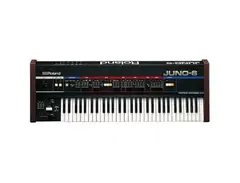
There are melodic transitions (what we call refrains or turnarounds in songwriting and that could be called cadences in classical music or that rockers would call choruses when they become repetitive, though the the section that is structurally in the place of a pop music verse is more chorus like by its repetitive and pseudo-anthemic nature) in the song where you are struggling to maintain the fabric of the arangement, you can't decide how low tot ake the dynamic and you can't seem to decide which registers sould maintain, decrease or increasec. I think you're dropping the wrong instruments and the right answer may be different ine ach refrain. Perhaps for the first refrain you might drop almost everything but voice but each time you repeat that section you could add in a little more. Perhaps the refrains could progressively introduce new timbres to represent the ahrmony while you play less and less harmony on the main synthesizer patch that's responsible for the chords filling up the mix? Consider an ostinato based around the notes in teh melody, a repetitive phrase that repeats unchanged or with minimal changes over top of the harmony and melody in a coutner rhythm to the driving march like figure that drives the music underlaying it. Coonsider playing with syncopation, the relationship of certain arrangement elements to the pulse of the song. Both ragtime and jazz evolved from marching band music as did carribean and latin music (which pervavdes modern pop's bassline and melody figures). When using syncopation for tonal elements certain isntruments will anticipate or lag the steady, marching pulse of the tempo. The amount of deviation will give the song an emotional character ranging from legato swing's laconic and disinterested 'cool' to the rpecise syncopation of ragtime that gives a jaunty and cheerful feel to march figures all the way to the latin anticipation of Sol music and its antecedents in which melodic and bass elements will lead the beat with a dotted 8th or 16th note to produce forward motion that adds propultion driving people to get up and move (it was also drawn on along with african polyrhythm by Igor Stravinsky in the groundbreaking classical piece "The Rite of Spring" and si ehaily features in Bernstein's influential and underrated 'musical' West Side Story).... all these forms of syncopation and any other one might iamgine can be utilized in a single arrangemnt to direct the physical response of the lsitener and give the piece added weight and forward or abckward motion. Also think about the melody versus the harmony. There are notes in teh vocal thata ren't in the chords though they are notes in key drawn from an appropriate scale. Yu may consider thickening the harmony as isntruments rest by incorporating these apssing notes into the chords as originally written. These are extensions and these harmonies in a song like this will not be disonant but will be beautifully dense and will add an ethereal quality to your chords. its like playing a Dsus chord isntead of D, that G takes it somewhere else but the D is still there. Now, if you want add a wistful element you might look at those passing tones and create a coutnering diatonic harmony, one might do this on a one-line isntrument or maybe incoroporate the notes into the chords on the isntrument holding them down, so if you're using a 1-4-5 progression but the vocal also cover the 2 and maj7 you might harmonize those notes within the existing chords as 5ths or 3rds in their respective keys as chord extensions or apssing tones to add fluidity or tension (depending on wether said note is accidental to the key) to the existing harmony... try to mirror and answer the melodic line on an isntrument, perhaps MODULATED into a related scale at a 4th or 5th remove but maintaining the relative itnervals and rhythm and also considertrying this in cut time so that the relative duration of notes remains proportionally constant but at half the tempo to accent a subdivision or multiplication of rlative pitch or ti COUTNER it (pitch goes up a 5th and 8th notes become quarters). these are basic devices you SHOULD KNOW. Think about key words in the lyric and try to find clever ways to use arrangement elements to reinforce them. Yesterday by the Beatles and Every TIme We Say Goodbye are 2 incredibly famous examples of this technique built right into the chord changes of the song to a point where amny other chord substitutions another arranger might try to effect would water down the lyric. But one can work the OPPOSITE way like Nelson Riddle who regularly used chord substitutions and/or clever instrumental melodic phrases that evoked words and ideas in the lyrics in a very definite way in the arrangements of the popular show tunes for the dayhe created for Sinatra's band. Go lsiten to yesterday and notice that in context the first 2 chords feel a bit abrupt going from F to Em even though the rest of the harmony is a little smoother even when its doing a down progression. The song doesn't really have tos tart on that oddball F for the melody to work, but it does. Wonder why? Now skip to the second verse. The first word of the second verse is SUDDENLY and, you know what? Going from F to Em right at the beginning of this tune really is sudden and it makes the second verse all the more satisfying to have that abrupt dump dowm a semitone and shift to a minor... it also helps him get out of the chorus since the F is a great change following the cadence at the end. Okay, go listen to Every Time I Say Goodbye, anyone's version, doesn't mater. When you get to the bit where the lyric says "how strange the change from major to minor" you may notice the chords cycle more than one would expect udnerneath (2 chords would do the trick). This is ebcause Cole is deliberately changing the ahrmony between various major to minor relationships as the phrase progresses mirroring the lyric (or maybe with the lyric mirroring the music in this case, tough to know with Cole, he was wiley... the whole song goes between major and minor as its primary harmonic device and the lyric might have come later, the music inspiring him to use that change as a metaphor for going from happy to sad when separated from loved ones, and this was during WWII so a lot of couples were split up by the war, some forever). Its an incredibly satisfying section that adds an extra layer by fusing harmony and lyric, elevating a pelasing melodic phrase into pure musical gold. But as I said, you cna work the other way, taking thsi existing song and clevering it up a little where the lyric need some musical muscle behind it... and then aybe take that little idea and make it a counter theme so the song becomes self referential... grab a melody phrase and playy all the notes at ocne as a chord in places to add some close ahrmony as passing tones. Maybe there's an interval thathas some sort of verbal relationship to the words that you cna exploit? I don't speak Telugu, but there's usually soemthing clever you can do with music that has words.
think that over and get back to me... I'll get to to the examples you kindly provided in a sec, this is just brass tacks.
okay, the 2 example arrangements you linked me are diametrically opposed... the first is rubbish that holds the peice back while the second is really rather ineresting and engaging and if I spoke Telugu I would be compelled to consider the lyrical content... both utilize techniques I have mentioned in my last post that you have throoughly ignored in your arrangement. The first applies them hapahazardly and with no logic while the second applies them with sensitivity to the melody, meaning, languafge and cultural origins of the lyric producing a pleasing and cohesive overall effect. The difference is night and day and if you can't hear it I am worried about the state of the human race. Its not genius but its thoroughly competent whereas Iw ould be ahrd pressed to refer to the first version as listenable.
Listen carefully and critically. We aren't talking aout powerfully complex music like a Bartok piece here, this should be easy for a novice to absorb and udnerstand.... an element that I ejoy about the second arrangement is the pentatonic phrases played with string slurs that mirror the non-tempered scales of classical Indian music while remianing mainly within the European 12 tone tempered tuning in which the peice was written. Its an Indian hymn and invoking the non-western Indian tradition the arranger has managed to invoke an ancient spiritual tradition in service to a younger one. the cultural references are both musically and aesthetically pelasing. Alla rt is shaped by its time and place, the arranger of example 2 recognizes and embraces this and additionally references modern pop music through his agressive shoe-horning of Indian music into the western idiom like George Martin did for the Indian inspired compositions of George Harrison of the Beatles. Its not the ebst executed attempt at this but its not shabby and the menaing shines through.
I prefer your tepid arrangement to teh first example because you made no attempts to be clever out f vanty and therefore didn't fall flat on your face... there's no room in composition and arrangement for vain invention, the overriding motivation for ingenuity is respect for and empathy with the theme and if you aren't there then stop and go get yourself there. its more important to good music making then knowledge of our musical heritage. There si no art without craft but there's no point in attempting craft OR art without empathy.
hey, kiddo, are you follwing any of this or justs cratching your head?
I'm digesting the info...it might take a while
just want to know I am not wasting my time here... this is the exact sort of thing I have been trying to avoid when you ask me questions because tis not easy to explain this stuff ground up to soomeone coming in cold (and I am not a good music teacher, that's why I don't give elssons anymore), but since you're not going to take a class or read up on your own and youyou also won't stop making music? I just went for it this time and poured all my thoughts and knowledge out
hehe, thank you :) I finished the 1st post now reading 2nd one.
I think that if you want tog et really good at this you will need to lsiten to a lot more music from different eras, places and in very different styles. And really think about it.... try to figure out why you like the peices you like. What's tickling your ear? Learn that and add it to your arsenal to exploit the next time tis appropriate. Get familiar with every stylistic covnention out there from gregorian chant to drum and bass music. Leave no stone unturned. Then elarn the methods behind those styles and forms and go looking from tricks that the ebst writers borrowed from otehr styles to enhance their work. Learn to know when you're referencing other music (for sitnance, one of your first tunes was patently like a children's nursery rhyme, but it was clearly not your itnent to evoke chilhood, so it didn't work out, but that trick in anotehr context can be rgeat, its used in a coutner-intuitive way in horror films cores to add a creepyelement, gow atch a horror movie andas the suspense builds listen for tinkling celestes and pit percussion playing snippets of childish melody against menacing harmonic drones and think about how effectively that makes the build up to the big scare so much more foreboding... this technique of juxtaposition first innovated in Hitchcock's Vertigo is so effective that it went from innovative to conventional to cliche in only a decade as did the use of solos tringsand minimalist techniques from Psycho... both these methods were the diea of one brilliant guy and they juxtapose cocnepts from different musical styles to create soemthing that evokes conflicting emotions leaving us disconcerted, but you can juxtapose any 2 non-related devices to evoke all sorts of new musical feelings through contrast) and make sure that you only do it whith intent.
Go forth and listen.... listen as hard as you can and learn. You aren't intuitively clever with music like some people are (making good musical decisions all the time when they write but without any sense of why it works), but you really seem to love it and really loving music is the msot important attribute of a musician. You can develop your intuition and in doing so you will also elanr how it works and build a skill set that can help you keep up with and even outdo many intuitive musicians with no education.
I've never taken a singing lesson in my entire life. All I did was listen and sing to the pop stars. I tried some channels on youtube but that didn't help much. As for the song, I liked it because I'm listening and singing that song from my childhood. I didn't listen to any old songs or I don't know anyone whom your mention. I should also listen to songs of other genres, I mostly listen to pop or contemporary christian music. I will add the melody in the meaning full parts of the song as you said.
you've never heard of the Beatles? I'll give you cole porter and JS Bach, Cole is 20s music and Bach is an 18th century church composer....but you don't know who the Beatles are? nothing you like would exist without the contributios of these people. That said, okay... you're from another country that only recently merged with the western msucial tradition I'm from (thanks to the fucking Beatles I might add, they rought western msuc to India in a way that british colonizers failed to and they also brought Indian music back to europeans and americans, okay?)
I find your reply to be dismissive, not of me, but of musical tradition. Music is too good for someone with your attitude. If I could amke you quit I would ebcause you don't appreciate the pwoer of music for its own sake nor do you delight in the subtleties of it. You love it but for reasons I fidn to be aesthetically and philosophically distasteful and incomprehensible respectively.
every so often you say something that makes me lose my cool with you... this is one of thsoe occassions. I'm so pissy about your cmment and tone that I can't even be bothered to swear at you. Frankly, I wind up replying to your requests for help as a means of clarifying my own thoughts to myself. I know you're not getting much out of it, not ebcause you're unable but because you're unwilling. You are so sure of everything you've assumed about music based on your TASTE that you are only interested in advice that fits in with your preconceptions. That's a lot of people actually, in a lot of fields. Be open minded. The world is full of ideas and most of thema re better than anything you or I wille ver come up with on our own. You have to stand on teh shoudlers of giants to reach the stars and this cumulative cultural and scientific acretion is a defining trait of humanity. Monkey use sticks as tools, humans show eachotehr the trick and thenw e improve on it every generation. Get in or get out. I am giving you my INSIGHTS but theya re allg rounded in a long sonic tradition that you seem disinterested in exploring. its sad really.
aesthetically and philosophically distasteful and incomprehensible respectively.
lol, don't know about that but I would love to know more about music...
well, your words say that, but your dismissive tone says somethign else to me, professor Jim likes it NOT
Really man! I would love to know more about music. I just realized what I know about about music is not even 10% of what it is...what should I do to know more?
the toen fo your comment said "I don't care about this stuff you mentioned, how big a deal is it if I never heard of it?!" and that cheesed me off hardcore
you need to start by maybe just taking my suggestion you lsiten to the Beatles and Cole Porter tunes I mentioned and focus in on the areas I referenced for their dexterity reinforcing lyric with harmony... also, you might really want to explore their catalogs. in the pop song realm that most hymns inhabit? These guys own it. Porter and the Beatles were like a one-two punch to songwriting dragging it kicking and screaming into modern, glocbal musical context and at the same time bringing the wetern system to the east (where you live) as well as revolutionizing and reinvigorating western classical music which ahd gone off on an 'art for art's sake' tangent through teh 1st half of the 20th century.
you need to go out there and lsiten tos tuff that's not played in your church... much of this will be religious, not secular music. GO check out Bach and Handel,. Mozart dude, He did Secular and Church music. His unfinished Requiem mass for chorale willt ake your head off and stir you deep inside! But he also did lots of great tunes for opera thatr ange the gmaut of emotions, not to mention his symphonies and otehr purely isntrumental music....
go lsiten to soem Cuban music, some African traditional drumming... check out George Gershwin and Duke Ellington's big band jazz pieces and the check out marhcing band music and the blues where the roots of this enw art-music were grounded. GO LISTEN

As is usually the case Jim leave little left to cover but I would add this:
"Play exciting, not excited." Hal Gelper
You often cover things you feel emotional moved by, Like very moved. That's fantastic however you appear to get lost in it. You perform like you are performing for yourself, not for an audience.
Why would that matter?
Well if you want others to feel inspired with your music as you are with the songs that inspired you you'll need to remain focused on what your playing, the audience who will listen to your work, & not lost in your own rapture at the expense of the performance.
An exaple might be how i LOVE singing at the top of my lungs along to a favotire song in the car but if you stripped away everything but my voice I'd sound AWFUL. I'm not thinking of my performace 1st, I'm lost in how good it feels & hell with the details of a solid performance.
That doesn't mean there isnt a place to cut loose playing music- There are tons.
To use the same example of singing in the car-the vocalist i work with all the time is well trained. She's put in the work, the restraint needed to become a very talented singer. If she's singing she could be singing along in that same car & her shit would be hella close to on point.
In sessions she drifts back & forth from a form of abandon & control. She sings exciting, not excited.
Apollonian and the Dionysian need to be in balance.
Make any sense?

Let's shift this a touch for a little bit.
A little girl lives with at home. She has a cat. She likes to paint. Every day she paints her cat. She enjoys painting her cat.
One day, a family friend comes over and asks her to paint a dog. She has never seen a dog. She only ever paints cats.
So the friend describes a dog... she listens and hears that a dog has 4 legs, is covered in fur and has a long tail.
So she paints what she thinks a dog looks like... and it looks like a cat still. Because that is all she knows.
Same with music. If you only ever listen to one type of music, when asked to play another type, you will instinctively fall into the same patterns... because that is all you know.
Jim is right! Listen to other musics. Sure! They will sound strange (this happens the first times you try anything new), and the words may not sound right. But listen beyond that. Listen to the way the bass takes you on a journey with the drums. How the other instruments fall around and fill out the sound of the song and how the way the vocals are presented affects how you feel.
How does your body react? do you want to shut it off?... does your foot tap along? does it make you wobble your head side to side and feel a bit silly?
Music... ALL music... should move you.
Xaq is right too! Music should excite you... it SHOULD make you feel something. Playing excited means you are only reaching out and touching yourself... playing with yourself is not enough. You need to pull others close and push it deep inside them.. make them feel you! That is exciting!!!
Going back to my top point.
What if dog was one of us? Just a slob like one of us? Just a stranger on a bus, trying to make his way home.... and you never saw him because you were thinking about your cat?
Go hear some stuff. Be confused, be repulsed, be inspired....give in to it and let it push deep inside you!
Terry, your analogies keep getting more and more entertaining. And the your 90s one-hit-wonder reference? hahaha, totally funny and I can only ehr you singing it in teh voice of Dr Evil
You're like half Jesus and half George Carlin with this 'Little girl who lives at home..." parable.With the OP being a serious christian the rambling parable style is incredibly meta... and because Iw as just talking about the way in which great music references itself playfully? Its like you just turned this thread on ts ear, going double meta. The conversation is not only taking on a life of its own, its like tis become sentient.