Nothing can negatively color your sound. It either sounds good or doesn't. But everything you put in-line WILL color your sound. You sound like me, a guitar----> amp guy who flirts with toys but always prefers his direct tone. We are not right or wrong, that's just how we like to hear ourselves. Instruments, amps and especially effects are all just tools of self-expression and if it helps you express yourself then its RIGHT. I get down on the young guys who seem to be holding themselves back by puttering with a pile of toys instead of just having at it for a while until they squeeze all the tones from a basic setup. Its a personal tic. I think kids should pay their dues like I did in the age ebfore easy answers on the interweb! I get more and more crotchety about "talent boxes" every year, but every year since I was a boy with my 1st fender strat in hand popular music with guitar gets weaker and weaker... guys like you and I sound like ourselves because we took a meandering path thru the forest of gear. It probably made us stronger players too, all that searching and struggling to get the sound in our heads. I distrust easy answers, so get ready!
On to your surprisingly complex question. I'ma write you a book without (I hope) getting overly technical about detection circuits and gain reduction methods!
First off almost every guitar compressor is the same basic style. The genesis was the Ross Compressor and dynacomps CS-2s, boutique compressors from most fancy-pants dudes? They all just riff on this primitive design adapted from the entry of transistors into broadcast technology. With very few exceptions, the awesome, famous compressor styles like Tube Limiting amplifiers, opto, fet, VCA and what haveyou? They are studio units running at +4dBV line elvel and are unsuitable for guitar without a direct box or unless you are shooting for a really colored sound (and then its a direct to mixer thing and not great into the front of your amp as the elvel is VERY hot and your amp is presenting the compressor with an improper impedance load, changing its tone and losing some of its true character). You CAN put a studio unit in the effects loop of some amps if the loop is buffered for line level. This is not commonly done for slide though and I am generally down on effects loops.
HWAH? huh.... moving on to brass tacks:
A lotta folks I know swear by the classic MXR Dynacomp or a clone of the Dan Armstrong Orange Squeezer (MXR is still in production, think clean, bright... Armstrong's only available as clones, kinda dirty, midrangey and NASTY) for slide as well as everything else you might want compressed, though one cat I know uses the Keeley. Mostly the gussied-up boutique Ross Compressor clones like Wampler's Ego compressor, the Barber comp, analogman Bi-Comp and the aforementioned Keeley (the big K has got a ton of versions with varying degrees of control, but under the hood they are all based on the 70s grey Ross circuit) are country chicken-pickers. I am not much of a side player but I have had luck evening my slide tone with a stock, block logo dynacomp as well as an old Boss CS-2 or a boss limiter, both 80s. Bare in mind I was playing Marshall superleads the last time I played slide seriously, so it was hella loud, midrangey and kinda compressed already and the dynacomp as I recall was set very subtley.
I recently tried an MXR Studio Compressor pedal that knocked my socks off. Didn't sound like the same old Roaa/MXR style circuit (which, again, almost ALL compressor pedals are). If you want to get fancy the Cali 76 is a scaled down, pedalboard version of the mighty 1176 FET compressor you have ehard on a zillion tracks. People love it. The manufacturer (Origin Effects) even makes a version with two Calis in one box for rhythm and lead that they named (get this) THE SLIDE RIG. I've not tried it, but I know people who are over the moon for the Cali 76. People used to just plug their guitars straight into the old blue line 1176es and then go direct in the late 70s, particularly for slide. If you are looking for THAT latter-day slide tone and not something more Allman or Chess Records flavored? Then that's your box.
In fancy, CLASSY pedal compressors my favorites for non-slide have for years been 1) Joe Meek's discontinued compressor in a stompbox (its expensive and ahrd to find, but I ahd one and it was sweet if you like that sort of thing)... 2) the Teletronix LA-2A model on the Line 6 POD HD and M series. If you want nothing but compression it would be worth getting the littlest M series stomp used for about $150USD. It only does 1 effect at a time, but its got good AD/DA and I am 99% sure it has the LA-2A model in there. Or you could get an M9 and get some nice delay and verb simulations (as well as passable fuzzes and ODs).
A beat-up, old MXR dynacomp with the less desireable block logo though could do you fine. She's got a slght presence lift that can be really flattering when lifting lead lines out of a mix, particularly if you knock your tone control back a smidge for slide to reduce string talk.
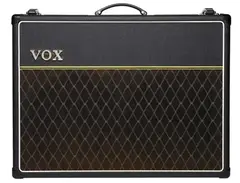
An AC30 normal channel or tweed deluxe normal channel both make a growling, nasty compressor direct in for slide. Both amps compress like crazy even set clean and the darker channels suit slide work beautifully. I own many AC30s and have owned a 5D3 tweed deluxe and similar vintage Gibsons. Both designs slam a lot of power into sweet sounding alnico speakers with low power handling and the speaker compression adds to the whole effect. But be prepared for LOUDNESS. Even the 15 watt deluxe can be a real ear bleeder when setup for slide work. Another classic recipe is plugging straight into a tweed champ for slide. The little amp breaks up early, compresses beautifully, and the tiny alnico speaker starts compressing before the amp even gets much hair. This is the sound of Clapton and Allman on the Derrick and the Dominos LP everyone loves so much. Just an itty bitty champ pushed to meltdown. The Blackface and silverface champs are cleaner and punchier. Putting a bigger or more efficient driver in the champ ruins the effect though as the speaker retains more dynamics only being hit by 5 measley watts. The Gibson GA5 will do this trick admirably too as will most small, single ended practice amps that were made in the USA during the "golden age." Any small old amp that's popular with harp players will generally be a good choice for a compressed slide sound with no external effects.
WARNING, if you favor true single coils like I do the compressor will make your singles unuseable on stage due to the amplified buzz!