Join music gear discussions on Equipboard. Talk about guitar gear, electronic music production, get help identifying gear, ask for feedback on your music, suggest ideas to improve Equipboard and more.

Chorus, Flanger, and Fuzz

I'm thinking of a new Jazz Fusion sound. A mix of Chorus and Flanger to get that cool ocean like sound when playing some old jazz hits. And to kick it into high gear when i do my guitar solos, i press my fuzz face mini and get a nice crunchy lead sound that's out of this world. I have a behringer chorus and a BOG fuzz face mini, but which flanger would be the best? Actually, would chorus, flanger, and fuzz make a good sound for jazz fusion guitarists?

anything goes in 'fusion' -- do you have a jazz background?

GEAR:
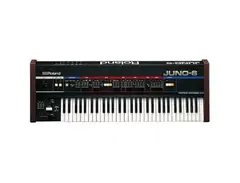
  • Roland Juno-6
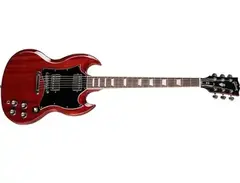
  • Gibson SG Standard
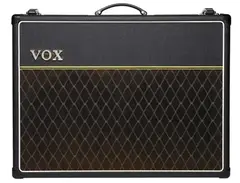
  • Vox AC30 Guitar Combo Amp

I study jazz music in College and i researched jazz fusion. Some guitarists that influenced me in that category include John Mclaughlin, John Scofield, and Frank Gambale.

A Boss Flanger (bright and chimey... real bell tones) is not as overpowering as an EHX Electric Mistress (can really take over when a fuzz is involved... definitely play with your signal chain on this one!), compare those sounds for staters online then hunt out some used or clones...

GEAR:
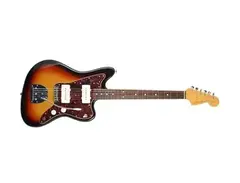
  • Fender MIJ Jazzmaster JM62
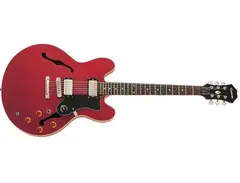
  • Epiphone Dot
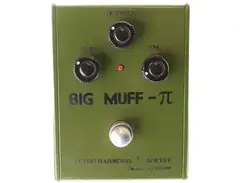
  • Electro-Harmonix Sovtek "Green Russian" Big Muff Pi V7C

Would a big muff be good?

I would say yes... but to match your style, consider a few variants.

Traditional Flanger after Muff chaining will give those soaring jet sounds at certain settings, but flanger before muff will tame the beast. For your styling, I doubt you would be driving the muff too hard, but even the harshest "rock" diallings will give gorgeous sustain with less attack.

The muff with the chorus flanger just swelling the volume will give some pretty lush soundscapes. I love the combination and have used it from melodic goth and sombre rock to pretty aggressive post punk pop and even pop rock that is a bit more commercial.

GEAR:
  • Fender MIJ Jazzmaster JM62
  • Epiphone Dot
  • Electro-Harmonix Sovtek "Green Russian" Big Muff Pi V7C

A Boss Flanger (bright and chimey... real bell tones) is not as overpowering as an EHX Electric Mistress (can really take over when a fuzz is involved... definitely play with your signal chain on this one!), compare those sounds for staters online then hunt out some used or clones...

I love the BF2 and wish I knew what I did with mine, but keep in mind it loses its chime and gets harsh and gritty with hot pickups as the buffer tends to overload so if you play high output pickups beware.... same goes for the lovely Ibanez FL9 flangers, though when you overload those a little its more pelasant sicne their flanging circuit has a different response overall

the OP should try a FoxxRoxx TZF , they are amazing, real Thru Zero Flanging like using 2 tape machines, but unlike most Thru Zeros its not digital, somehow Foxx did it with analog componentry! he's a wizard and everything he makes is top notch, but like his Octron the TZF is a standout!

GEAR:
  • Roland Juno-6
  • Gibson SG Standard
  • Vox AC30 Guitar Combo Amp

heads up, the big muff is not a true fuzz, its a very grainy diode clipping distortion... the transistor stages overload eachother a bit but like a classic fuzz box contribute little to the quality of the distortion stock because of the diode clamps squaring the waveform.... if you remove one set of diodes the pedal becomes a supa tonebender and sounds even more fuzz like... there are some vintage fuzzes (like octave fuzzes, the fox tonemachine and univox superfuzz come to mind) that use diodes and the big muff is kinda the evolution of that aesthetic, the missing link between 60s fuzztones and 70s hard clipping distortions

when I think classic fusion distortion I always seem to think of 60s fuzzes like the fuzz face, tonebbender & fuzzrite OR I think of later sounds when the style was really evolved and I am thinking of something like an mxr dist+ or the early mesa gain sound that's ALL AMP

GEAR:
  • Roland Juno-6
  • Gibson SG Standard
  • Vox AC30 Guitar Combo Amp

Well actually hat distortion pedals in general would be good?

whatever you like, just imparting info... I personally find the proco rat and its relatives to be the most versatile distortion out there -- capable of some fuzz-like sounds too

but these days if you spend some money there are so many good dirt pedals with different shades of skronk, they are all good for a lot of tasks, hard to dislike most dirt boxes!

GEAR:
  • Roland Juno-6
  • Gibson SG Standard
  • Vox AC30 Guitar Combo Amp

How about Overdrives. I had my eye on a Boss Super Overdrive. But which ones do you recommend?

dildocuntshitmurderopediRECTOSLUTENmurderenkillipedifuckeraass!!!!!!!!!!!!!!!!!!!!!!

GEAR:
  • Roland Juno-6
  • Gibson SG Standard
  • Vox AC30 Guitar Combo Amp

Tourette's are like little mini tours aren't they?

GEAR:
  • Fender MIJ Jazzmaster JM62
  • Epiphone Dot
  • Electro-Harmonix Sovtek "Green Russian" Big Muff Pi V7C

The orangey yellow. Not the yellowy orange

GEAR:
  • Fender MIJ Jazzmaster JM62
  • Epiphone Dot
  • Electro-Harmonix Sovtek "Green Russian" Big Muff Pi V7C

SCROOODEGEDY BOOGEDY BOOOGEDYBOOOOOOOOOOOOOOOOO

GEAR:
  • Roland Juno-6
  • Gibson SG Standard
  • Vox AC30 Guitar Combo Amp

Which is the orangey yellow?

I would recommend looking into the GT-OD from MXR. i have had great luck with it, it maintains an excellent transparency, and complements a dirty or clean channel equally well. You can find them pretty cheap used, and they are quite a bit better than the boss stuff IMO.

The OD-1. Original overdrive. The SD-1 super overdrive is trying too hard to be different from the original and doesn't honour what it sets out to do.

GEAR:
  • Fender MIJ Jazzmaster JM62
  • Epiphone Dot
  • Electro-Harmonix Sovtek "Green Russian" Big Muff Pi V7C

well, they are a bit different, the SD1 is very much an assymetrical clipped tubescreamer with less of a lower-midhump built in... the OD1 is the basis for all TS/SD1 type pedals with diodes clipping the feedback loop and not the whole signal (they call this 'soft clipping), but its very different, more primitive, and other than a huge bass rolloff built in, its much flatter (there's also 2 versions, the original uses a discontinued opamp and that one sounds noticeably different, some say it sounds better)

the MXR GTOD dude mentioned is very much a flatter TS9/TS808, a lot like the 90s green rhino whereas the Custom Badass I favor is more like an SD1 with OD1 mids that lets you reboost the bass and also gives you a switch to give it the tubescreamer low-midhump... then there's the green rhino mk2, also technically a Dunlop, has fully variable midhump or cut along with the 100hz bas boost, but otherwise has the TS symmetrical clipping, basically a super tweakable GTOD.... then there's the Zach Wylde which I believe is very much the same pedal as the GTOD, but with more mid push getting closer to a stock TS9 like the dude used to use out front of his 800s before the Dunlop deal.

these are all very similar designs on paper from the OD1, the genesis of this style of circuit, through to all the hot rods like the way huge or the crazy configurable Pallisades by EQD... a change of diodes, opamps, input cap and tone pot value revoice the whole effect pretty drastically (until the rest of your band comes in and swallows those nuances LOL) which is probably why this style of pedal is so popular with modders and small builders... and they sound pretty good, very much a classic tone now in and of themselves

in diode clipping distortions, there's this type, the 'soft clip', then there's 'hard clip' with diodes clipping the whole signal to ground right before the output or sandwich between 2 opamp stages which would be like a DS1, rat, DOD 250, distortion+ etc and then there's dynamic clipping, which ahs diodes to a transistor stage's bias potential within the opamp/IC and that's the discontinued Voodoo Lab OD, Fulltone OCD, the joyo OCD clone etc.... tis a cool idea and it would be nice to see it applied to other clever pedals like the Klon design that only diode clips the high frequencies and then relies on some antural transistor overload giving the klon its marshall-esque rresponse.... if the diode section on the klo were more dynamic I think more people would sue it for heavier distortion instead of just a boost or light OD.... I should make that pedal

anyway, even the lowly DS1 CAN sound quite good even though we al love to hate it... I am a known tone snob, but I am also a creative musician and I am not afraid to make a bad sound into a good through context, so I don't think anyone should discount any dirt box unless they try it in their rig and it just won't do what they want (and even then, it might be useful to you in another situation)

personally I am the enemy of huge pedalboards, so for live I just do "my sound' which is mostly amp based, but when I am recording anything goes.... I think I have the least stuff I've ever owned right now, but its still a lot... last time I made a record with a band the horde of gear was obscene and I think we tried everything even though a handful of amps and 1 old fuzzbox wound up stealing the spotlight for most of the album! but it wasn't my turing rig for that band, I barely used my road plexi or the 'barney' metalface and used a new reissue a lot more because it just worked.... and a lot of the time the overdrive is actually a boosted fender and not a marshall because THAT worked. On its own that fender dirt was not so special, you don't think blackface twin and power amp distortion, do you? but with the bass and drums it was great....

so what makes a great fusion sound? I don't know, what does the song want? what kind of tones do the other musicians bring to the party. I can't just blanket answer such a broad question. I think the real key ehre is that if you are playing professionally you should acquire new stuff but try to avoid selling stuff because it might surprise you later. I only reluctantly thin the heard now that I am not a pro.

GEAR:
  • Roland Juno-6
  • Gibson SG Standard
  • Vox AC30 Guitar Combo Amp

Well how about compressors? Which would work best