phrase your first 2 questions better and I can give you concrete answers.... in line next to eachother.... does that mean in line as in series or next to eachother as in parallel? Are the octave pedals analog or digital?
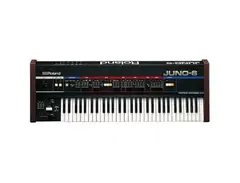
On multiple choruses. In general if youre talking about stacking modualtions we've all done it. I tend to stack a phaser with chorus or flange, or I did back when I bothered to get pedals out. but you could do 2 of the same effect. you want to set different rates and you cna get some cool sounds however not all units play well together. Essentially chorus and flange are the same effect with a different delay time on the second signal. Sometimes chorus will have more than 1 delayed signal. Usually flangers allow you to add repeats, aka resonance or regen. You can look it up. I can build things but I suck at explaining them. So you go into a chorus for example, and you get your signal and a maybe 30ms or so delayed signal but the delay isn't steady, tis modulated which causes a pitch change so it comes off as dry signal and a delayed vibratoed signal, mostly its about 50/50 dry to wet on a pedal version, boss/roland liked more like 30% wet give or take depending on if it was theJC120, juno6, chorus echo, all a bit dfifferent... right? But elts say 50/50. Then you take that and run it into another chorus. So now your unaffected and delayed vibratoed tone are the dry tone and you add a further delayed and vibrato signal, so you now have a second delay of about 60ms behind your unaffected signal at the guitar's output jack... there's this thing called the haas effect, look it up. As you get out into theselarger delay times its going to become an echo, alright? If you eman in parallel, well, I think I know what you mean and it was series, right? This stuff can be experimented with but its like science, okay? This is how this gadget works, it uses scientific principles and psychoacoustic theory to make my ears happy, if I chain up a second after it its going to treat what it got the exact same way so the 2nd delay line will be twice as delayed.... anyway. Lakes are deep, summer is warm... you can't quantify that int erms of chorus or vacuum tubes, right? Its an analogy. If 2 choruses sounds deeper to you than just one? pretty subjective there. If you want deeper chorus you could also buy a new chorus with a flashy name like 'marianna trench kraken chorus' or something if that makes you feel better. Or you can misbias your amplifier to get warmer tubes, get 'em cooking til they red plate LOL mod the circuit to raise the ehater voltage above operating spec, that'll get 'em warm. But really, there are no thoughts on what will happen. The devices will perform as they were designed to. I just basically explained how chorus works and how 2 in a row would work in the way I think you were asking... that's what would happen PERIOD. How you perceive it? that's up to you.
on the delay question, assuming delay one is passing both wet and dry signal to delay two then delay two will reproduce that whole signal both dry and wet as its own dry and then the wet from delay two will be echoes of the combined dry and wet from delay one... this will be repeated into a 3rd delay line creating a comical mess. What you describe is multitap delay where multiple delay lines are fed the dry signal in parallel. There's also crossfed wet in multitap but that's anotehr story and is still not like chaining up 3 Boss DD5s at 50/50 dry/wet
again, how you perceive the delay mess you're proposing is up to your own taste and artistic goals... but that's what would happen