- I do NOT recommend anything Gibson or Epiphone. I hate their products and the company as a whole. Their necks are thick and brick like and the tone is nowhere near what you pay for it. I played a 1000 Taylor once and then immediately played a 3000 Gibson acoustic. The Taylor won in every way.
I would argue that, while the Gibson baseball bat or 50s Fender U shape is a lot for a beginner or intermediate player (or maybe some pros), that an overly slim neck is also discouraging because modern Fender slim necks and some variations of Gibson's slim taper (not to mention the vile Ibanez wizard) feel easy at first but are actually very fatiguing to maintain a good hand position on unless you have really tiny hands. Remember you are talking to a guy who played tons of long shows and rehearsed for 2 hours at a clip in a band setting before taking a 5 minute cigarette break on lots of different guitar necks... and I did this literally for years. The bigger necks were less tiring. My deep, soft V strat and the LP standard with a medium-to-fat foundback I had at the time were the least fatiguing. My Carvin and LP Special with more of a slim taper were tiring.
A smaller nut width is a good thing for folks with stubby fingers (assuming they don't have fat fingers as well, then its bad), but slim necks tend to lack shoulder and cause hand cramping. Hand cramping will lead to shorter practice sessions and a failure to progress. I think an intermediate player ought to get a neck shape they have to grow into technique-wise. A guitar that is not somewhat challenging at first is not a good guitar for someone who is still developing their touch.
You may not play your best on a medium neck with a lot of shoulder, but you will find you do not tire. As I got into bigger necks I admit I experienced some cramping in my muscles just like you get when you hit the gym and increase your reps or weight on one of the machines, but just like after a workout you will experience the fatigue hours after you are done playing... again, like the gym, a little stretching alleviated this (maybe I'll make a video with the proper stretches, a friend in LA who is an orthopedic surgeon explained the cramps to me and gave me this wonderful solution).
If you are getting carple tunnel (sp?) playing some necks, consider that you may fret too hard most of the time and that you may be applying the pressure using leverage from the back of your hand against the neck rather than using pure finger strength. Hard to explain, but there are very different ways to put pressure on the string.
If anything, I suggest people go the EVH/SRV route and start vintage-big, then work your way down to something a bit more slim and maybe asymmetrical if you have short fingers and need better reach. You definitely should always have a good amount shoulder under your rear-palm and thumb to prevent wrist cramps and fatigue over time.
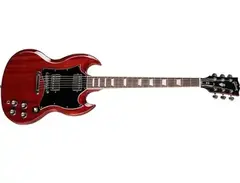
Also, thicker necks are inherently more stable, especially in double cuts like the SG where the neck attaches further down the fretboard. That HUGE heel on a PRS is designed to help the stability of their thinner necks, but I wonder if it does. It certainly negates the fret-access provided by 2 cutaways. But I digress...
WOW, this got long! Sorry.
I of course agree with Boom's point 5 in full. As to his comparison of Taylor and Gibson acoustics? Taylor just makes a better acoustic these days. They also offer lots of variation in neck shapes if you search through a lot of them. The ones at big box stores are slim because that's what church players want, and praise and worship guitar is Taylor's main market. Gibson is much more focused on electrics these days (and they can't always get that right anymore). Play a pre-war or early post-war Gibson acoustic against a current Taylor and you will sing a different tune. Unless you are in a praise band on sunday, then the Taylor still wins, LOL