Join music gear discussions on Equipboard. Talk about guitar gear, electronic music production, get help identifying gear, ask for feedback on your music, suggest ideas to improve Equipboard and more.

How has he done it?

This might just be a silly question, but here it goes. Basically, the whole community here knows much more about this than I do. Anyway, I've been listening to a lot of Bloc Party, and I've stumbled across this guy, which does fantastic job covering them. https://www.youtube.com/watch?v=y3Enal6Ieh8

My question: how does he do it? His setup is basically Fender Telecaster, Boss GT-10 (and some external pedals), and "direct in". Now, the issue is that I don't know what "direct in" means. The clarity of the sound surprises me a lot. And how does he edit the video? Does anyone know what's the secret (except playing well) for such quality covers? With which software can I do that? He's been pretty secretive, and he only answered that he uses effects such as whammy and reverse delay, but that's normal when covering Bloc Party.

Direct in means he had a direct input for his guitar into his computer and any decent music production app will do it but if you want a good sound for making covers youll want to run a direct in, or mic the amp and run it into a direct in, im not the best source fir this but thats the two ways most people do it, Jim and the other regulars will be able to answer this better

direct in is short for 'direct injection' or DI, a method of recording without an amp/speaker and microphone devised in the early 60s. If you are micing the amp and plugging the mic into a console or recorder then it is NOT direct in. If you all want the finer points I will explain in detail. Just know there's impedance matching, gain makeup and often balancing going on to take a guitar pickup into an input designed for a microphone or tape machine output and any DI box or effects processor with an ouput labeled DI, line out or direct out is providing an output electronically (but not always sonically) optimized for one of these recorder inputs to take the place of a dedicated DI box after an output designed for a 1 megohm guitar amp input.

Honestly, even if I go into detail it may fly over your heads. I keep saying this to everyone, but get a book. How do you think I learned electronics?

GEAR:
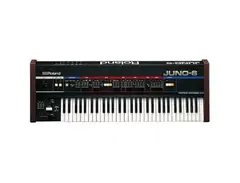
  • Roland Juno-6
  • Gibson SG Standard
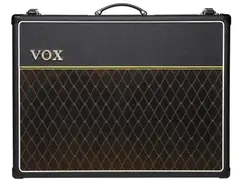
  • Vox AC30 Guitar Combo Amp

Ive been living a lie i always thought di meant direct input not direct injection

nope, its injection.... I forget ho invented it but he was feeling witty with the naming.... I hear DI and I'm thinking "hot meat injection"

GEAR:
  • Roland Juno-6
  • Gibson SG Standard
  • Vox AC30 Guitar Combo Amp

We use them at my church and we always say direct in so i just assumed it meant direct input but now that you said that thats what will pop into my mind whenever dealing with them, hot meat injection????

unless you are more titillated by 'hot sausage injection'

actually, I was making this one record and me and the other people invented this pizza called the 'hot sausage injection', long story.... and yes, there were women involved in this record

GEAR:
  • Roland Juno-6
  • Gibson SG Standard
  • Vox AC30 Guitar Combo Amp

So a diluted sausage party

I was just commenting that said ladies were just as horrible as the dudes when it came to ordering pizza.... we were recording at a rural studio in pennsyltucky so all these pizza employees were bible thumpers and when we invented this topping combination e named it that to fuck with them. So like every time we would order one we would have someone different call up and ask for a large 'hot sausage injection' and ask why it wasn't printed on the menu as a special???

GEAR:
  • Roland Juno-6
  • Gibson SG Standard
  • Vox AC30 Guitar Combo Amp

thats hilarious you should make an origins story and sell it to marvel

we tipped the drivers well though for their trouble

GEAR:
  • Roland Juno-6
  • Gibson SG Standard
  • Vox AC30 Guitar Combo Amp

Which books, though?

electronic projects for musicians by craig anderton is a classic from the 70s as is his 'home recording for musicians' which would get you grounded in the pre-digital fundamentals of turning soundwaves into electricity and storing those electrical impulses on a medium for playback... there's antiquated info in it, but knowing how we had to do it before the DAW revolution will probably make you a better engineer and will certainly make you sound less young and unitiated

everyone should own and read through the handbook of acoustics too. All 3 of these books are likely available as translations in your native language so you can get more out of them right away rather than relying on your English.

a guide to hip vintage tube amps by Gerald weber is a winner and though it has some screwy info in it aspen pittman's tube amp book is a must have.... analogman wrote the world's most comprehensive guide to classic effects though I wish it had more of his electronic knowhow in it.... I also think everyone should read all you need is ears by George martin and here there and everywhere by Geoff emmerick

if you're truly interested in music, physics and electronics and how it all fits together to make something artistic then you should get every book you encounter... I gotta tell you that I stills coop up books and magazines all the time if I flip through them and they seem interesting and informative. I get tape op in the mail, I often will pick up sound on sound or Mix or future music or whatever.... I sometimes buy popular mechanics when its got audio related stuff in it. I dunno. you need to be submerged in it to get it. So dive in. If you don't understand something, well, you have the internet to look up definitions. When iw as a kid we didn't really have that.

GEAR:
  • Roland Juno-6
  • Gibson SG Standard
  • Vox AC30 Guitar Combo Amp

Ive been living a lie i always thought di meant direct input not direct injection

well the DI jack on a modeler or really modern amplifier is an output so wouldn't the output from the device be a DO then? and any input channel on a board or recorder woud be a direc tinput the minute you plug in any electronic or electromechanical instrument. The DI is the device converting to balanced low Z line level or the part of the processor that does that job so you don't need a dedicated box.

GEAR:
  • Roland Juno-6
  • Gibson SG Standard
  • Vox AC30 Guitar Combo Amp