Join music gear discussions on Equipboard. Talk about guitar gear, electronic music production, get help identifying gear, ask for feedback on your music, suggest ideas to improve Equipboard and more.

Making my own patch cables?

Hey everybody. I finished my board but have a hodgepodge of cables. I’ve seen people make their own but I’m not sure where to start. Any recommendations?

GEAR:
  • Greer Amps Lightspeed Organic Overdrive
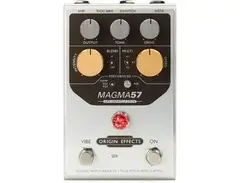
  • Origin Effects Magma '57
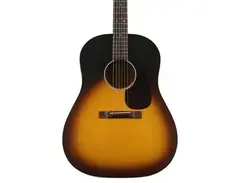
  • Martin DSS-17 Acoustic Guitar - Whiskey Sunset

I used these and had a great experience. https://equipboard.com/items/evidence-audio-sis-screw-in-solderless-phone-plugs

I chose them because I wanted a solution that didn’t require soldering. It was pretty easy. You cut the cable to whatever length you want, peel back the protective casing, and screw in the jack.

GEAR:
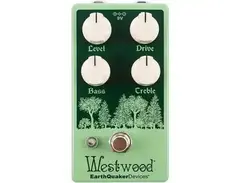
  • EarthQuaker Devices Westwood
  • Fender '57 Custom Champ
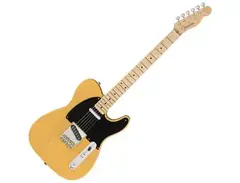
  • Fender American Original '50s Telecaster

Can you solder? If not, patch cables are the easiest way to learn. You'll want some gauged wire strippers, a soldering iron (preferably 100 watts, temperature controlled in case you move on to bigger projects), rosin core electrical solder and maybe some electrical flux (not plumber's flux). Switchcraft jacks are the easiest to work on. Then you just need to select some bulk shielded cable with low capacitance to use.

The process is simple. You cut the wire to length (or not, you can solder 1 end and then cut the other) and strip a little jacket off exposing the braided shield. Then you unwrap a little shield and twist into a bare wire. Next you strip some insulation off the signal wire. You solder the shield to the sleeve aka ground terminal and the exposed signal wire to the tip terminal. Or do tip then sleeve, but I find it easier to do the sleeve first since the tip terminal is usually kinda above it. It'll be easier if you put a little flux on each terminal with a q-tip first. There's not a lot to it. You can get sone shrink wrap you can shrink wrap the terminals once soldered (if using L Jacks you need to get the shrink wrap around the cable before you solder the ends). Then you cut the other side to length if you didnt already and repeat the process. There are probably YouTube videos that walk you through it visually but I figured it out as a kid just by disassembling a broken cable and copying it. Building guitar leads and speaker cables is probably the easiest electronics chore. Once you cam throw together some cables you'll be ready to swap pickups and make basic repairs.

The great thing about making cables is there's nothing involved that can get burnt out if you run your iron high or heat a terminal too long.

Or you could go the solderless route. You'll sacrifice a little reliability and you won't learn anything but you won't need to buy anything but what's in the cable kit... a quality soldering station is a big investment if you're not going to use it on a fairly regular basis.

GEAR:
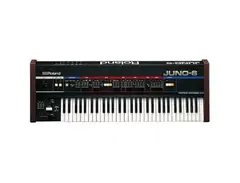
  • Roland Juno-6
  • Gibson SG Standard
  • Vox AC30 Guitar Combo Amp

That's solid core with a braided shield isn't it?

GEAR:
  • Roland Juno-6
  • Gibson SG Standard
  • Vox AC30 Guitar Combo Amp

Sure is! Here's the specs. https://evidenceaudio.com/products/sis

GEAR:
  • EarthQuaker Devices Westwood
  • Fender '57 Custom Champ
  • Fender American Original '50s Telecaster

I remember when it came out and Gilmour came on as an endorser. I have a lot of trouble believing that solid core cable will present an audible difference versus braided into bandwidth limited pedals, amplifiers and speakers with restricted dynamic range by design and tradition.

A guitar speaker for example is an enormous bottleneck electrically and acoustically as the resonant peak is at 75 or 55hz and the cutoff frequency is usually between 5 and 10k and there will be all mannot of peaks and valleys between based on cone rubbing, surround and doping... not to mention electronic damping caused by interaction with the power amp that causes compression of any additional dynamics passing your cables but what do I know? If you've got the money it's worth a shot.

GEAR:
  • Roland Juno-6
  • Gibson SG Standard
  • Vox AC30 Guitar Combo Amp