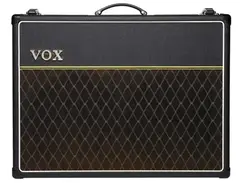
I'm pretty much done mine,thanks... doing little things... deciding if I like ti ebtter with the choke to smooth the ripple in teh pwoer supply or a big 5w resistor, hiwatt style... little stuff. There's only 1 more hiwatt inspired tweak I would like to make but Ican't figure out if it'll fit in the space I have left (and it certainly would all be on flying elads because that section of the original eyelet baord is PACKED), so unless I have an epiphanyas to how to build a white cathode follower off my remaining unused 12ax7 stage in about a square inch of space this amp is good to go and is oen of the ebst sounding EL34 amps I've ever owned. But its my nature to try to tinker a little more and leave no parts unused (the stock amp dumps a triode offa V3 like a hiwatt but it omits the tube between the tone controls and the phase inverter which is really unity gain but lowers impedance into the PI for better sparkle and dynamics)
I think anyone who likes british rock tones of the 70s will really dig it the way I have it now and its really an hours work and a few dolalrs inc aps and resistors now that I've done all the listening tests for you
EDIT: make sure you have a good, temp controlled iron, lead/tin rosin core electrical solder, solder flux for grounding to the chassis (its the only way to make ground for your cathode resistor/cap if you decide you want to cathode bias any of the preamp tubes that are grid leak because the bunch of wires that passes for aground bus is a mile away from the sockets and sloppy as hell, the amp is well made and well-laid out but its not elegant like a hiwatt, though not as sloppy as a vintage marhsall), jewelry making pliers/crimpers set, heavy duty wirecutters, wire strippers, old-style cloth covered wire to make it look right (they used yellow and blue, I like black n white and that's going to help me recognize my wiring years from now when my wire ages), and lastly some good quality shielded hookup wire (there's some spots with long leads in this amp thata re unshielded that might benefit form this if you're getting crosstalk, radio noise or oscillations, mine has some new shielded wire to the worthless FX loop, I'm ignoring it but I could walk you through making it useable though it'll require a different master volume design then mine and there's also shielded wire from the tonestack to the phase inverter that may or may not be original because they've been making this style wire since the mid 60s and theys till make it, I have stuff that looks just like, I digress, these parentheticals are outta control)
for safety you should have a multimeter if only to check if the filter caps are discharged enough for you to work safely (although traynors have bleeder resistors so its easy to drain the amp without doing a chassis shunt, you can just turn the amp off without going into standby first which is harmless to the tubes, only the power up is hard on them)… you'll want safety glasses in case something hot splashes on your face (hopefully coffee and not solder).... and you'll need good ventilation for this amount of soldering and unsoldering because there will be a shit ton of lead and chemical fumes in the room if you don't have them airing out constantly and that shit's not good for you...
also, I am not recommending you do this yourself if you have no experience, you should go to an experienced tech with my mods and not do it yourself, working with high voltages is life threatening so don't say I didn't warn you if you get electrocuted a little and no one better sue me if you get killed because I swear to god I'm warning you, learn at your own risk, otherwise hire a pro or draft in a friend who regularly works on his own gear... have a healthy respect for these voltages. If you do try this yourself which I do not recommend (wink wink) make sure to discharge the amp properly with the no-standby shutoff procedure, always unplug from the wall right afterwards, check to see the voltage levels are safe before you touch anything inside (there are tutorials online of where to put your probes) AND if you need to poke around inside the amp because its acting up you absolutely need to be sure to do it with a wooden chopstick. I've seen guys use the eraser end of a pencil, and that's good for tapping tubes, but DO NOT use a #2 pencil to tap caps and resistors to find bad connections, if the metal touches you'll get sparking, mucho dangerous. CHOPSTICK
but seriously, don't do this if you think you might get sloppy with your work/precautions and kill yourself because I don't want your mom to sue me... and I'll feel really bad too. I'm explicitly telling you not to attempt this and that I am not liable for you screwing up my safety instructions if you do. But if you were to attempt it would be a fantastic learning experience and its really rewarding when the amp is done and it went from a weird PA/bass head into a 70s rock machine.