Join music gear discussions on Equipboard. Talk about guitar gear, electronic music production, get help identifying gear, ask for feedback on your music, suggest ideas to improve Equipboard and more.

Why do modern guitars experience more warping and swelling in thesummer heat than vintage guitars?

From ES335.org

"Back in the day, the wood used for guitars was air dried whereas today it is kiln dried. We are an impatient species and air drying simply takes too long, so we use heat to dry the wood before it is made into a guitar. Apparently (and I’m not an expert in wood), kiln dried wood is less stable that air dried wood so it would react more to changes in humidity. As it turns out, I have old guitars and new guitars in my shop and I can compare some of the effects of changes in humidity. Even though I try to keep the humidity stable, it still fluctuates 10 or 15% over the course of days and I do perceive some changes in some of the guitars. The newer guitars seem to be going out of tune-often sharp. I know the tuning pegs can’t turn themselves, so what is happening and why is it only the new ones? What’s happening is the wood is expanding-the same reason your doors won’t close in the Summer but close easily in the Winter. As the wood expands, the strings are drawn tighter and go sharp. And since kiln dried wood sucks up moisture more than old air dried wood, the newer guitars are more susceptible to expansion. It won’t turn your parlor guitar into a Dreadnought, but it will expand enough to affect the tone and the tuning. Wet wood doesn’t resonate as well as dry wood and some days, your guitar won’t sound as good as it does on others."

I don't know how true this all is, but its been my experience with most set-necks made after 1980 that exhibit the notorious 'rise at the heel' that prevents low action that it is much worse in the summer, but older set-necks don't experience this problem. If they do have a rise at the heel, it is consistent all year and can even be addressed with the quick fix of a fret-leveling.

I have also run into the same tuning problems the author from ES335.org mentions (strings going magically sharp) with every modern guitar that's passed through my hands every goddamn summer when said guitar leaves my air conditioned home... or all of them at once if I open the windows on a cool but humid day. My 60s Guild never had these issues, nor do my 70s Japanese guitars or even my 80s Hofner-made carvin semi (I believe the German Hofner shop STILL use very traditional methods like air drying), so 1980 is not a firm cutoff date. So far so good with my 80s Washburn falcon too. I was generalizing with '80, but you get the idea. Discuss?

GEAR:
  • Roland Juno-6
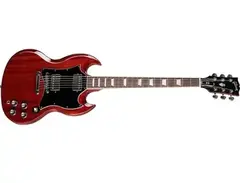
  • Gibson SG Standard
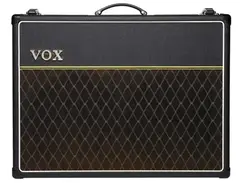
  • Vox AC30 Guitar Combo Amp

I wonder how many Boutique Guitar makers use a Kiln. That's definitely something I never thought to ask before.

I wonder how many Boutique Guitar makers use a Kiln. That's definitely something I never thought to ask before.

I am sure the more affordable ones are Kiln dried wood. If you are doing bolt-on stuff your best bet is to buy bodies and necks from small enthusiast guys who don't sell finished guitars and assemble shit yourself.... there's a guy in Ohio I know who gets amazing wood and I know he air dries everything, but you are basically assembling the guitar from there. But anyway, a lot of the big bolt-on boutiquers like Nash and King Bee use warmoth or USA custom bodies they and necks they purchase bulk and just focus on matching them up really well tonally, finishing them nicely, put in nice electronics etc... I wonder if Fano is Kiln drying? Or Suhr? They seem like serious dudes, but you can buy body blanks in bulk pre-dried in a kiln and it saves time and an equipment investment... I will bet money Collings is air dried, maybe Tom Anderson too...

GEAR:
  • Roland Juno-6
  • Gibson SG Standard
  • Vox AC30 Guitar Combo Amp

I will add that both my SG and LP are going sharp this summer if I turn the air off. Neither of them have the dreaded heel rise, but they do not like the humidity in Philly! I bought my SG outside of Baltimore and it lived with me close to the Chesapeake for a while and I wills ay it goes less sharp in Philadelphia! My older jap guitars hold tune pretty well for weeks on end regardless of weather.

GEAR:
  • Roland Juno-6
  • Gibson SG Standard
  • Vox AC30 Guitar Combo Amp

Kiln-dried wood is a real thing. Houses are a great example. If you have ever tried to renovate an old home, and had to cut through an old wooden stud (yeah just a 2x4 stud) you will know the difference between modern "yellow wood" and kiln dried which typically (in homes) has a darker, more tan or orange-ish color to it. As for guitars ... I have no idea. But the kiln dried wood is typically found in homes made before the mid '70s. I have never seen any such wood in homes made after 1990.

Getting back to guitars, I play axes which were hand-crafted by a boutique luthier. One is purple heart wood with ebony fretboard, one is white limba (korina) with a tiger maple neck and rosewood fretboard ... all the wood was purchased from a lumber mill near his shop. No idea if the body blanks were kiln dried but I suppose it's possible. They are heavy (but sound great) LOL

The above knowledge is first-hand from working part-time in my dad's residential construction business. I do not pretend to be an expert on wood and certainly not on guitar woods. Just trying to add some perspective to the conversation regarding kiln dried wood.

I have also run into the same tuning problems the author from ES335.org mentions (strings going magically sharp) with every modern guitar that's passed through my hands every goddamn summer when said guitar leaves my air conditioned home... or all of them at once if I open the windows on a cool but humid day.

BTW, the bit about expanding and contracting with the weather is definitely true. 100%. All instruments have that issue, not just guitars. Even brass instruments have that problem. Everything expands and contracts with weather. Even the highways, that is why large interstate bridges will have [expansion] joints in them. Anyway back to guitars ...

This is why I prefer bolt on necks. I've seen too many bass necks twisted and distorted due to the different Texas climates. I'd rather replace a neck than a whole instrument.

For bass because of the huge string tension I prefer bolts. Guitars? That's another story. The ratio of neck-tensile-strength to string tension, even in summer humidity or an utter lack thereof is way in favor of the guitar neck keepin' the faith so to speak. A little general maintenance every summer is all you need on a set neck guitar. But with big strings come big problems and a bolt is best for bass. Plus Leo invented the bolt and invented the bass. Its the classic combo.

I don't even own a bass right now even though I am really solid bassist. It just feels pointless to own one because it is so seldom anyone would rather use me on bass than guitar or keys. There's lots of competent bassists in any situation but even if I can outdo the guy they are handing that bass to, people who know me are always like "what guitars did you bring, want to take lead?"

GEAR:
  • Roland Juno-6
  • Gibson SG Standard
  • Vox AC30 Guitar Combo Amp

I have also run into the same tuning problems the author from ES335.org mentions (strings going magically sharp) with every modern guitar that's passed through my hands every goddamn summer when said guitar leaves my air conditioned home... or all of them at once if I open the windows on a cool but humid day.

BTW, the bit about expanding and contracting with the weather is definitely true. 100%. All instruments have that issue, not just guitars. Even brass instruments have that problem. Everything expands and contracts with weather. Even the highways, that is why large interstate bridges will have [expansion] joints in them. Anyway back to guitars ...

I get it, but another theory has to do with the strings and machine heads expanding and contracting as metal is even more susceptible to this phenomenon than wood. Poor brass players! But when the whole guitar goes out of pitch in the same direction (sharp) you know its probably the wood swelling. When some go sharp and some go flat and all to very different degrees? then you are definitely looking at the metal components or a combination of the wood and the metal.

GEAR:
  • Roland Juno-6
  • Gibson SG Standard
  • Vox AC30 Guitar Combo Amp

So at what point do you recommend checking the truss rod? For some reason, I have always been afraid to touch my rods. My luthier doesn't seem to mind at all. We have a dentist relationship. I often will procrastinate bringing him my guitars for setups because I'm afraid he will change something I like and it will all go to pot :P

So at what point do you recommend checking the truss rod? For some reason, I have always been afraid to touch my rods. My luthier doesn't seem to mind at all. We have a dentist relationship. I often will procrastinate bringing him my guitars for setups because I'm afraid he will change something I like and it will all go to pot :P

I check neck relief every June and then again around October as a matter of habit. If a guitar is fine in June then I don't think about it again until the fall unless it feels or sounds off to me before then.

I am going to violate my usual DIY ethos because you are a gigging pro. If you have a good tech and you are not used to doing your own work then stick with him. Do NOT procrastinate though. The further off spec one of your guitars goes, the harder it will be for your tech to put it back in fighting shape without 'changing' anything. That said, I highly doubt that an experienced Luthier will ruin what's good about your guitars setting them up. If I were you I would endeavor to figure out what you like so much that you feel afraid to have it changed and then ask your tech to set the guitar up AROUND that quirk. For instance, maybe your necks have warped some and have more than average relief and that is working for you? Well tell him you like that relief and that he needs to work to make the guitar sing with that forward bow....

I have firm personal opinions about setting each guitar up to SOUND its best (and then setting the player loose with a mission to bend it to his will), but if a guy has a preference for low action, plenty of neck relief or maybe a string break angle over a tuneomatic that I KNOW will hurt sustain? Or maybe there's some hardware that is worn, needs to be replaced, but the player feels this old hardware is special or has mojo? I explain things to him (with varrying degrees of science) and then I get the guitar sounding as good as it can while respecting his needs as a player.

Typically though making a good guitar sound its best will also make it more playable and often players only THINK they know what they like or feel comfortable on. I don't try to step on that, but when I talk to a client I try to get them to consider letting me set the guitar up my way (which involves a certain degree of 'ear work') and then have them take it home and see if they can get next to what I've done. I will of course make detailed measurements prior to turning a single screw in case the guy wants me to put it back and start over from scratch.

GEAR:
  • Roland Juno-6
  • Gibson SG Standard
  • Vox AC30 Guitar Combo Amp

The above knowledge is first-hand from working part-time in my dad's residential construction business. I do not pretend to be an expert on wood and certainly not on guitar woods. Just trying to add some perspective to the conversation regarding kiln dried wood.

you seem pretty knowledgeable to me

GEAR:
  • Roland Juno-6
  • Gibson SG Standard
  • Vox AC30 Guitar Combo Amp

I'm an expert on wood.

Yeah, definitely taking my guitars to the "dentist" at my earliest convenience.

None of my guitars feel like they have relief issues or intonation problems, or else I definitely would've run to the shop (because I couldn't use them on a gig). But I do agree having them looked at periodically is a wise move. I guess I let that slip.

Can't really put my proverbial finger on the "mojo" aspect, they just feel right. If forced I would probably say a combination of the fret wire, neck scale, string action, and bridge hardware. Secondary for me would be the shape of the neck particularly the shoulders (not necessarily thin vs thick).

Yeah, definitely taking my guitars to the "dentist" at my earliest convenience.

None of my guitars feel like they have relief issues or intonation problems, or else I definitely would've run to the shop (because I couldn't use them on a gig). But I do agree having them looked at periodically is a wise move. I guess I let that slip.

Can't really put my proverbial finger on the "mojo" aspect, they just feel right. If forced I would probably say a combination of the fret wire, neck scale, string action, and bridge hardware. Secondary for me would be the shape of the neck particularly the shoulders (not necessarily thin vs thick).

I know, shoulder is such a dig deal.... I like thick necks with medium to small shoulder personally... a roundback is good for me even if its max depth is an inch or more, V and soft V shapes are also fun, but a vintage U is wrong for me.

GEAR:
  • Roland Juno-6
  • Gibson SG Standard
  • Vox AC30 Guitar Combo Amp