
alexeiparedes's Reviews
12 reviews Back to alexeiparedes's Equipboard

422
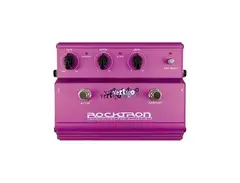
Excellent construction. Honest Leslie simulation.
I like this pedal not because of its size (practically a brick), but because of its very well-made construction, and especially the slow/fast switch. There is no clipping when using this slow/fast switch. The change is gradual, like a speaker that has electromechanically gone from one rotation to another. Although at very fast rotations (level knob) some of the originality of the effect is lost, the sound is honest if used correctly. Summary: a fun and very intelligent pedal if you know how to use the slow/fast feature, with convincing simulations as long as they are not used at extreme levels.
422
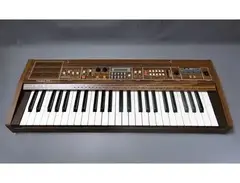
Organ or arranger keyboard?
This Casio arranger keyboard from the early 80s is very interesting if we think of it as an organ. Some presets with the addition of effects pedals sound very good, but basically they are mostly organ sounds, they don't even mention the name on the panel. The Casiotone 501 actually looks very professional, for the time. The case uses mostly plastic and metal, but has a faux wood look (any wood used is actually compressed particle board). The 49 keys are full size. A large built-in speaker is all you need to hear yourself playing. However, there is a 1/4-inch mono output on the back. There is also a headphone jack and two jacks for pedal/sustain and volume pedal. Comes with a robust road case. You can select one preset sound at a time, and although there are no effects or programming options, there is a slider to activate Vibrato, Vibrato Delay (Delayed) and Sustain. You can choose one of the preset rhythm patterns to play along with some drum percussion - the drum sounds themselves were pretty standard for the time and reminiscent of Roland CR machines. It also has a Fill-In button for triggering drum fills and a tempo adjustment knob.
Preferred Settings + Usage:
Jazz Organ 1 and 2 are very good, with a Leslie simulator they sound perfect.
422
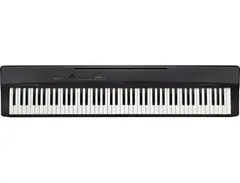
My adorable little monster.
The only thing I don't like about this digital piano is the size, if I could fold it in half, I would take it everywhere. Beautiful piano and EP sounds, very comfortable keys, sometimes I think I'm really playing on an upright piano. My wife doesn't complain about its presence in our living room, especially because we spent a few hours enjoying its beautiful sound (with me playing, of course). I already thought about getting a Privia model higher up, but I took an unusual liking to this unit; however, it is impossible to have two digital pianos.
Preferred Settings + Usage:
All pianos and EP's.
422
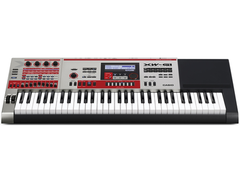
Why did they remove Hexlayer from G1?
I like this synth, although its PCM sounds are only so-so. There is an almost infinite possibility of editing, there are many parameters. His synth solo is phat, powerful, leads and synth-bass sound strong on stage. However, the lack of Hexlayer was, let's say, stupidity on Casio's part. Still, it would be very different from the XW-P1, because the 50 organ presets and the use of sliders as drawbars are not present in the programming. They could leave Hexlayer to be used for PCM and Solo Synth sounds. The Step-Sequencer is really cool, good arpeggiator patterns are also in the package and several USER banks for you to fill with tones and performances. But where is the Hexlayer Mr. Casio?
Preferred Settings + Usage:
Good PCM synths and excellent Solo Synth patches (phat and powerful).
422
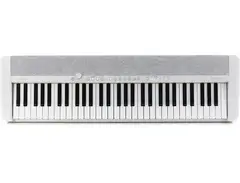
Small in size, big in sound.
I chose it as a portable option for my Privia since carrying it around is always a problem. I really like the Piano and EP presets, and I often do without using plugins during gigs.
Preferred Settings + Usage:
Stage Piano, Electric Grand and Tremolo 60's E.Piano they are my favorites patches.
422
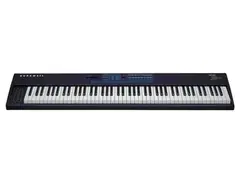
Podia ser mais
Foi meu primeiro piano digital/controlador MIDI, tinha belíssimos sons, e como controlador master, era completo. Nele eu controlava um módulo de sons Roland U-110, fazendo layer com alguns dos seus patches, ou splits. Porém, o que mais me chateou nesse controlador MIDI, foi a pintura do chassis, que começou a apresentar ferrugens com o tempo... maculou sua imagem para mim, principalmente porque não foi barato na época.
422
Simplesmente magnífico!
Foi meu segundo synth da Korg. Tinha timbres magníficos para a época, principalmente os órgãos e os synths. Era o number one no meu setup; robusto, tinha uma sonzeira no PA, rivalizando sem esforço com qualquer guitarra, soava de igual-para-igual.
422
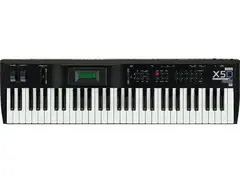
Meu primeiro synth da Korg
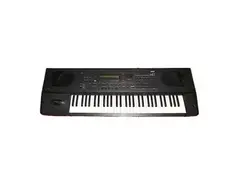
Foi meu primeiro synth da Korg, e depois dele passei a usar quase que na totalidade synths da marca no meu setup.
422
Saudades!
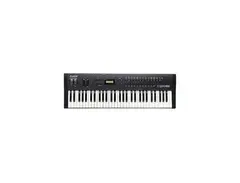
Eu tinha um carinho especial por esse synth. Me acompanhou muito na estrada, e gravei muitos trabalhos com ele, seja em casa, seja em estúdios pelo Rio de Janeiro. De quebra consegui alguns sons extras pra ele via disquete, o que lhe deu mais poder de fogo e uma sobre-vida no meu setup.
422
Tão bom que tive 2!
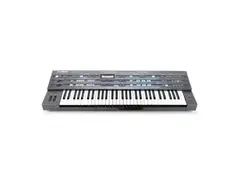
Adorava esse synth! Tanto na construção, com teclas synth-action muito boas, como nos patches. Tão legal que tive dois.
422
Bom, mas perde de longe para o CZ-1
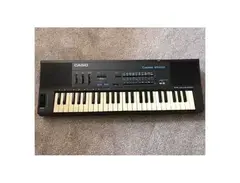
Perto do CZ-1 é inferior em tudo, menos na construção (são iguais). Possui uma sonoridade única, bem característica dos synths da Casio na década de 80. Apesar da síntese Phase-Distortion, não ser tão popular como a síntese FM da família Yamaha DX, ela produzia sons bem interessantes, além de ser muito mais fácil de programar. Tive um, e hoje bate um pouco de saudosismo ao encontrar alguns vendendo na internet.
422
Pequeno notável!
O MT 600 nos dá uma sensação warm e analógica aos sons que produz. O chorus estéreo integrado pode fazer com que as vozes soem mais amplas e mais quentes.
O MT 600 possui um filtro controlado por voltagem, que pode ajudar a moldar os sons que ele produz. Para isso, pessoas que entendam de circuit bent podem tirar sons bem interessantes.
Como o MT 600 tem apenas 2 filtros controlados por tensão, pressionar duas notas em uma voz que tem um envelope anexado ao filtro faz com que ele seja disparado novamente, o que pode ser usado para produzir alguns efeitos interessantes.
A roda de pitch bend é agradável e robusta.
Muitos dos presets tem o típico som de sintetizador analógico dos anos 80.
Como o teclado é pequeno, ele não ocupa muito espaço em um estúdio e o torna muito portátil.