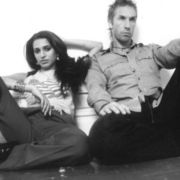
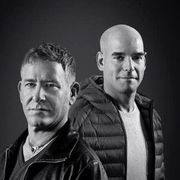
Members
Select a Dirty Vegas band member to check out the music gear they use live and in the studio.


About
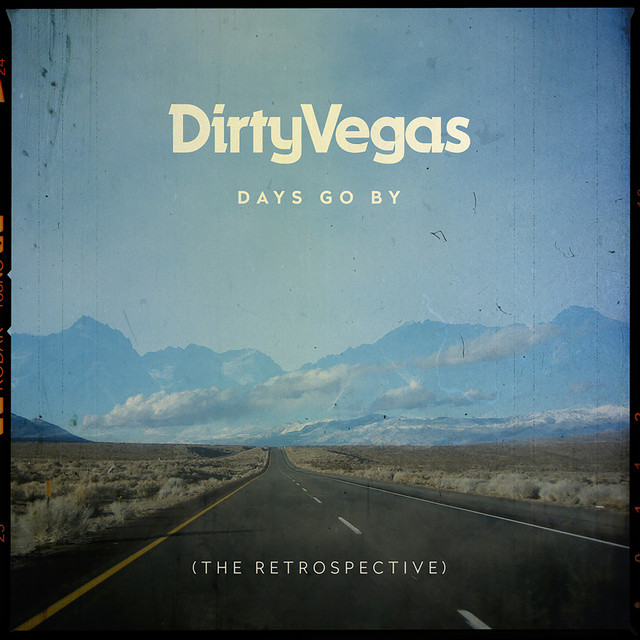
Dirty Vegas is an influential electronic music group that emerged in the early 2000s, breaking new ground in the fusion of electronic and dance genres. Hailing from the UK, the band originally comprised Paul Harris (producer), Steve Smith (vocals, percussion), and Ben Harris (guitar, production). Known for their genre-blending style, Dirty Vegas incorporates elements of big beat, house, and pop, creating a sound that is both dynamic and accessible. Their breakout hit, "Days Go By," not only topped charts but also won them a Grammy, establishing them as a formidable presence in the electronic music scene.
How to Sound Like Dirty Vegas
Dirty Vegas crafts a sonic landscape that is both polished and vibrant, characterized by energetic beats and lush electronic textures. Their production style often blends crisp, rhythmic percussion with melodic synth lines, creating tracks that are as danceable as they are immersive. Steve Smith's vocals add a human touch to the electronic backdrop, often processed with effects to enhance their emotive quality. The use of synths like the Korg MS-20 Mini and Yamaha DX7 contributes to their rich sound, while the Valhalla Room reverb plugin is key in adding atmospheric depth. This combination results in a sound that is both clean and expansive, inviting listeners to explore the intricacies of their music.
Discography
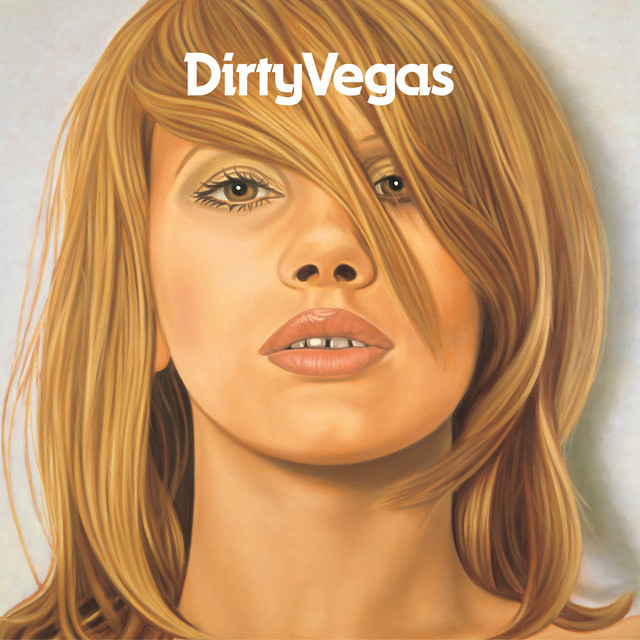
Get the Dirty Vegas Sound
Want to sound like Dirty Vegas? This gear comes straight from the setups of the band's members, based on proven sources. Dive into each artist's page for more detail and inspiration.