Join music gear discussions on Equipboard. Talk about guitar gear, electronic music production, get help identifying gear, ask for feedback on your music, suggest ideas to improve Equipboard and more.

What's your basic studio setup?

Emphasis on basic. Think signal flow or stage plot. If we get too specific, we'll get lost in the details and miss the big picture ... which is ...

What is your basic studio setup?

For example, here is my current situation:

Various guitars, keyboards, and other output-jack instruments

powered mixer

analog / digital converter

sound card interface

PC (ProTools and Cubase)

editors (Melodyne, etc.), plugin effects, VST instruments

I started this thread because I often feel daunted by the multitude of options. For example, my mixer has a USB output ... I could record from the mixer straight to the PC ... but I don't think the conversion is as optimal as my 3rd-party A/D converter. And, my keyboards can each double as a MIDI controller. I'd love to have one of them hooked up to the PC via MIDI, for notation purposes but also for tracking. But I'm not really sure how to do that since my interface does not have a MIDI input.

I purchased this MIDI port today from a friend's studio garage sale: http://equipboard.com/items/m-audio-midisport-4x4-anniversary-edition-usb-midi-interface

Trying to figure out how to incorporate into my setup.

Finally, I feel like some of you (attn: Jim) are WAY more creative than myself regarding the use of components in ways they were not intended. Like using a reel-to-reel tape deck with tubes as some kind of vocal effect, or using a passive DI box to remove hum from your guitar amp speaker.

Thanks in advance!!!!!!!!!!!

My main rig is as follows.

Power Conditioner

Tuner

Preamp

Another Preamp

Compression

Power Amplifier

On pedals, i HAVE...

Tuner, Expression, Preamp/chorus/compression/boost/Fuzz, pitch shifter, wireless pack

I direct in, into a USB Mixer as well as a preamp/D.I. which gets into the PC running windows 10.

you know, I set the Victrola in record mode, load up a wax cylinder and point the horn ay my geetawr, then I have at it

in all seriousness though I have been super lazy lately, just using a USB mic or USB DI or sometimes synths that send audio as well as receive MIDI over USB.... its just fast and easy not to dicker around with anything else and if I'm that discontent later I'll redo a part thru the Eureka or something else clever

I actually have a 10 year old Emu Emulator X card which has decent AD/DA conversion, same 192k converters in the big Avid HD from that era (though I enver seem to bother to run in full HD, I just don't care that much), stereo in and out, but no pres... which I felt was a good thing for my little overdub/electronic music machine at first.... then I realized I am too lazy in my old age to putter around with pres, compressors etc and find it way more satisfying to work fast with anything that plugs into a USB slot and then replace it alter if its bothering me

lately when I do a lot of sequenced synths I use an external mixer when I'm working on the sounds (put all the synths into the old girl and then take a stereo feed of the PC and run some monitors off the mix bus), but I don't record through her much and tend to just DI them or whack then into a guitar amp with a USB mic out front one track at a time as I go. The sidecar mixer setup is really just about dialing in the patches to compliment eachother and also rehearse acid tweaking when I'm using the 303s.... it also gives me a good diea of how my hardware sequencers are behaving together against the MIDI clock (often not well, but that's the charm... then I know whether I should be recording as shorter punches to minimize audible clock drift). Its probably a silly way to go about it, but I kidna like this method as its a lot like how they woulda had to have done it in early electronic music and I think it requires more vision than being all modern....

but anyway, I am a nut who doesn't take it all so seriously anymore and my home studio is always a shambles that's more about having fun than professional grade audio.... I used to care when I made my living at my music, now? whatever sounds okay and is the most fun setup for a song idea is the way to go as my time is limited to get things done!

it seems like, now more than ever, anything works if you have a decent song and a good sense of the sonics...

GEAR:
  • Roland Juno-6
  • Gibson SG Standard
  • Vox AC30 Guitar Combo Amp

Basic Tracking. Instrument guitar/ bass (with pedalboard), Synth, drum machine, mics -> USB interface (Komplete Audio 6.. have them all plugged in and ready) ->Laptop running DAW (Cubase) into external HDD -> use Guitar Rig for DI and for a wide range of amp and effects emulations on any instrument -> VST instruments.

Monitor, record and mix through headphones for 24 hr access.

Use the mixer in Cubase on a second monitor screen.

For better quality, mic up amps with 2 - 3 mics instead of gtr/ bass straight into KA6.

Upgrading to include Nektar Impact LX49+ to use sliders for analog feel to mixing.

Vocal isolation booth from acoustic foam lined milk crate mounted to mic stand with washers. Does the trick!

GEAR:
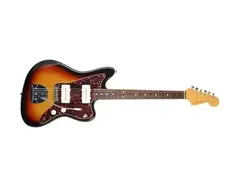
  • Fender MIJ Jazzmaster JM62
  • Epiphone Dot
  • Electro-Harmonix Sovtek "Green Russian" Big Muff Pi V7C

My studio setup:

Alesis Multimix 16 connected via USB to a PC Dell Optiplex 330

A pair of KRK Rokit8 reference monitors

Ableton Live 9 for sequencing MIDI tracks and recording

Arturia Collection V Arturia Spark2

MOTIF XF7 as main keyboard, USB to PC

Yamaha PSR S-770 connected via midi to MOTIF. I use it live as a controller

Kurzweil PC3X Yamaha SY-99

Shure SM-58 Microphone for live and recording

I think most importantly I always have at least 2 pairs of monitors hooked up... I'll have something shitty and something nice, something quiet and something loud, something powered, and something running of a quality amp... lately I always seem to use big passive 3 ways with powered 2 ways and some shit, plastic boombox type speakers so I have options... I mostly work on the big 3way speakers, but not very loud most of the time. But when something is sounding good quiet on those and your other speakers then turning the 3 way yamahas up is usually a very enjoyable listen.

I think I can use any tools in any environment as long as I am familiar with the flaws of my control room (or are LOL) and I have a few speakers I really like to monitor on. Really listening to what you're up to is really important, not just the sounds and the mix, but even really listening to the musical details like the timing on an accent kick drum. I really want to know what everything sounds like. No nonsense.

GEAR:
  • Roland Juno-6
  • Gibson SG Standard
  • Vox AC30 Guitar Combo Amp

here's how i record my band:

Instrument into pedals

Pedals into amp

Amp into mic

Mic into adapter

Adapter into MacBook

MacBook into GarageBand

GB into monitors

i'm too poor to afford better. i was rich growing up, but i'm poor.

... can still get a rich sound with this. People listening hear what you tell them to hear, NOT how expensive your gear is.

YES! the more gear you have to run stuff through, the more it is processed and is given a unique sound.

The same guy recording with your set up or with a pro studio will have more at his disposal in a studio... but he has to know how to use it first.. to get the most out of it.

Record and produce how you can. If you think the songs need more, after you are said and done and have committed your best work to the playing feel and recording, and your production is at the best it can be, speak to someone with better gear, see if they can use your recording or ask how much a session would be.

But for now... you have gear to record with... GO FOR IT.

GEAR:
  • Fender MIJ Jazzmaster JM62
  • Epiphone Dot
  • Electro-Harmonix Sovtek "Green Russian" Big Muff Pi V7C

... can still get a rich sound with this. People listening hear what you tell them to hear, NOT how expensive your gear is.

YES! the more gear you have to run stuff through, the more it is processed and is given a unique sound.

on the whole, sure.... all the fancy tools are worthless unless you really know each one intimately whereas a guy who really knows his 4 track? he can own that shit and get the most from it. I remember the 1st session I did on an SSL console with a ton of classic outboard, I just butchered it. I managed to read the manual and learn to use the finer points of the G series (these are complex mixers designed for automated surround in film work) the night before, but I didn't know what any of these old Urei compressors did and Iw as experimenting on this guy's music! I wanted to sue all the stuff and not just stick with the VCA channel compressors and some 160s, but I didn't have a fuking clue. Yes, it was how I started learning the fancy gear, but I coulda made a much better mix for this fella if I had just set the console up like an older, in-line 4 bus and stuck with the compressors and EQs that behaved like the stuff I ahd at home. I knew how to use that stuff perfectly and all the secret sauce in the world did his song NO GOOD because I didn't know how to set it up and what to use it on. Now I could kill it in that mix room if it were still around, but then I shoudla checked my gear lust and made the best sounding record I could and that meant using what seemed to be pedestrian gear to my 22 year old brain! People make good records, not gear!

I will always sooner spend on an inspiring enw instrument than a mic pre or a compressor. If I have a tool that does the job adequately? fuck the secret sauce, the real flavor's in the music, so elt me drop 800 bucks on a moog! It'll make my arrangements better and no piece of processing equipment can do that... they just change what's already there musically.

If you know your basement and can manage it, pre-produce your songs to perfectly express the band's ethos, know garage band and your handful of cheap mics COLD? AND MOST IMPORTANTLY if you can get every musician expressing themselves and really emoting in tandem on one take? you can record at low bit depth or onto a fucking stereo cassette deck through a behringer mixer for all it matters. I record to CD quality all the time because I like sampling and my old samples are low bit rate because the 90s technology only went up to 44.1k 16bit! so rather than try and upsample I a lot of times do whole projects at 44.1, no one ever says the finished mix sounds bad, seriously. I can ehar that its not 192k and there's some tizziness in the conversion but its no more important than to the end listener than what color socks you wore when you cut guitars. Recording people talk gear because its hard to share experiences. Every band is different, but a 160 on a snare is generally pretty similar and we can communicate that experience with eachother. Its ubiquitous.... but when you get past the geeking, everyone who really loves recording music will tell you the same thing: its about the song and the emotion, not the tools and the medium.

"All you really need to make a record is some magnetic tape and a microphone and maybe, just maybe, some bad reverb." -Conrad Uno

if this case its a laptop and a microphone! start out by making the stuff being recorded as good as possible Evilbassist That means being rehearsed, songs thought out to excel in the limited bandwidth and dynamic range of recording media versus a rock club fulla hessians... and room placement and microphone placement and usage optimized to get cosest to your vision of the song.

GEAR:
  • Roland Juno-6
  • Gibson SG Standard
  • Vox AC30 Guitar Combo Amp

thanks a lot!!!!

you're welcome.... I balanced it out by chewing you out in the Genre thread a minute ago. But you should read what I said because it might be informative and help you cut through some fuzzy logic where you're not separating content from marketing and that may inform your own music making in a powerful and liberating way...

GEAR:
  • Roland Juno-6
  • Gibson SG Standard
  • Vox AC30 Guitar Combo Amp

I am going to throw you one of my personal secrets here to help you with your record:

http://www.sengpielaudio.com/calculator-bpmtempotime.htm

why do you need this chart?

a couple reasons:

1) compression/limiting/gating/expansion time constants - apart from being a useful tool to control extreme transients, dynamics processing can tailor attack and decay shapes in musical ways.... this is partially a product of compression ratio but more importantly and often overlooked are attack and release times. knowing the number of milliseconds in a beat of a song can help you to calculate musical timing of attack and release settings which will help you shape channel and bus dynamics processing to enhance the groove of the song. Even when sidechaining a tonal source from a percussive source or working in parallel (the 2 hot ticket compression techniques the last 10 years) using musical time constants based on tempo and meter can really enhance a piece of music... I will start with 16ths or 8ths depending on the source material and tweak and tweeze from there by ear

2) delay and artificial reverb timing in songs that aren't locked to grid.... if you want a synced delay on, say, a vocal but you didn't use a click you may want to calculate the average BPM of the song or set different delays for a verse and chorus based on the BPM... this sit eh chart. Speeds things way up to have it bookmarked on your desktop for quick reference.... tis great when using hardware digital delays, like older rack units w/o MIDI sync or more importantly stompboxes w/o tap but with a time readout ;-) FURTHERMORE when using distant mics you can use this chart to adjust the delay back or forward to be more musical and enhance the groove with a room sound trailing in time, maybe gated or expanded to have a 16th or 8th specific attack and decay time constant like I mentioned above

you don't need ANY specialized tools for this advanced mixing technique, just basic, functional dynamics, delay and verb plugins that come with your recording software or even guitar pedals, OH and you need the chart and a sense of musicality when applying the data on it

GEAR:
  • Roland Juno-6
  • Gibson SG Standard
  • Vox AC30 Guitar Combo Amp

Oh that is tidy!

Do not want to declare how many years I have done this by ear.

Thank you!

GEAR:
  • Fender MIJ Jazzmaster JM62
  • Epiphone Dot
  • Electro-Harmonix Sovtek "Green Russian" Big Muff Pi V7C

thanks again. you are so super helpful and i'll send you the soundcloud link as soon as we're done recording. :) your criticism has helped a lot!

GO SCIENCE

now you're finding out how I make my mixes so musical, even the roughs you're used to hearing. I use my ears, but I dial in with scientific precision before making artistic alterations. Not one very mix, but I do this a lot. I even take this into consideration when printing peak limiting during tracking. I am really thinking about those time constants and setting them before I really worry about how much reduction I need on my loudest, thickest notes and what kidna knee to use.

I know more evil secrets than just this but no one ever asks.

GEAR:
  • Roland Juno-6
  • Gibson SG Standard
  • Vox AC30 Guitar Combo Amp

if you have specific sonic problems feel free to ask me about them or if you want someone to hear a rough mix for general, non-creative advice on the straight up balance? you can hit me up

if you get stuck creatively, ask Eno:

http://music.hyperreal.org/artists/brian_eno/oblique/oblique.html

GEAR:
  • Roland Juno-6
  • Gibson SG Standard
  • Vox AC30 Guitar Combo Amp

Finally, I feel like some of you (attn: Jim) are WAY more creative than myself regarding the use of components in ways they were not intended. Like using a reel-to-reel tape deck with tubes as some kind of vocal effect, or using a passive DI box to remove hum from your guitar amp speaker.

Thanks in advance!!!!!!!!!!!

okay, I reread this earlier today while replying to Evilbassist and Tel_nobody and I noticed the idea of 'misuse' of equipment and its been buzzing around my head as I do non-music tasks today and I turned my feelings into concrete ideas I want to share with all of you so I hope a lot of EBers are reading...

I can't speak for the designers' intentions (though tis safe to assume them I guess.... they're in the manuals I am sure, thoughthe only gear manual I ever read was the SSL G series primer and that didn't tell you HOW, more WHAT, leaving it up to you to turn the WHAT into a HOW) but I think a lot of audio tools perform a specific electronic job but as far as the musical context of that electronic function? limitless...

This is an extension of the idea that there's no wrong way to play an instrument if it expresses the music inside YOU that way (or conversely that any object can BE a musical instrument if sued to create a patern of sounds that are innately musical.... saw players, spoonman, Einsturzende Neubauten). Now I am huge proponent of learning to play with proper technique and by extension learning to use all the tools in the studio in conventional ways. This is a laudable goal but its a technician's goal, not ana rtist's goal. As creative people we owe it to the manufacturers to exploit (and I love this word) every item they make in every way possible AND as consumers we owe it to ourselves to extract maximum value from every music purchase. Just like I will sometimes do thigns with my tele in the service of my music that would have made Leo Fender cringe I will find a million and one uses for everything else in my audio arsenal. With gear I am more interested in general input, output, THD specs and a schematic than a manual. I want to know how it works not how some guy thinks it oughta be used. can think for myself if I have data to fuel my brain... if everyone just sued recording equipment tey way they thought or were told was intended by the designer there would be no Sgt Peppers, no parallel compression, no heavy guitars, no acid house, no delay, no NS10 woofer as a kick drum mic, no no no??? no music as we know it. It woulda stopped at Roy Acuff and everything would sound the same. You, as a creative person, even if you're just engineering for other people, OWE IT TO THE MUSIC to take the paper specs of every item and exploit them in new ways to further the artistic goals of the project. Documentary recording is a laudable goal and I have done many Rudy Van Gelder or Steve Albini type of recordings when that expresses the music best, but music is bigger than that be it live or recorded. Recently I used my technics turntable as a MIDI controller by 1st employing it as a control voltage source converted to MIDI.... I don't think that's what technics had in mind but it worked a treat after some tinkering. A little understanding of the specifications and a will to make use of an obsolete item in service to my whacky creative vision got me exactly what I wanted but couldn't achieve exact;ly as I envisioned with tools dedicated to faake scratching and power-up/power-down analog playback system FX... and it just required me to forget about the intended purpose of a record player and think about its electronic capabilities, mechanical behavior and previous exploitation of the latter in the Dj sphere while looking at the ability of some of the modern analog synths in my collection to scale and convert voltages to MIDI data that can be recorded and applied to all manner of parameters once digitized.

Keep an open mind, be creative and know the spec sheets so you can apply those figures anywhere and any way they might be beneficial to a song.

As an aside, all the designers I know are delighted to hear stories of creatives using their gear in unexpected and exciting ways and they try to leave room for limitless application of even something as simple and ubiquitous as a DI.

I think I need an EB editorial column called "Jim's Soapbox" (for 80s comics fans you'll remember this was the name of Jim Shooters monthly editorial --handed off from Stan Lee where it was originally Stan's Soapbox-- in the back of Marvel Comics at that time).

GEAR:
  • Roland Juno-6
  • Gibson SG Standard
  • Vox AC30 Guitar Combo Amp

Would I fall into this category when I used to slap two drive pedals, a delay and a flanger on my guitar at live gigs, slap the guitar against my chest and hold it there and sing away from microphones to get a roughly Vocoder-esque sound coming out of my guitar amp?

GEAR:
  • Fender MIJ Jazzmaster JM62
  • Epiphone Dot
  • Electro-Harmonix Sovtek "Green Russian" Big Muff Pi V7C

...What about shoving a Philips Head screwdriver between nut and tuners when playing, the whipping it out when you need to do slide parts in the song?

GEAR:
  • Fender MIJ Jazzmaster JM62
  • Epiphone Dot
  • Electro-Harmonix Sovtek "Green Russian" Big Muff Pi V7C