Join music gear discussions on Equipboard. Talk about guitar gear, electronic music production, get help identifying gear, ask for feedback on your music, suggest ideas to improve Equipboard and more.

Best Guitar Combination on Two Guitarist Band

Recently, I started a band. I play bass and we have two guitarists. Lead singer + lead guitarist use Epiphone Dot. The other one, the rhythm guitarist want to buy his first electric guitar. I know it's the player, not the guitar. Every guitar can be compatible with the right settings. It's the preference of the guitarist. Etc. But, my other guitarist ask me, is it better for him to buy Stratocaster, Telecaster, Les Paul, or SG style guitar. He ask for the best compatibility for Dot on paper. Note, we're not looking an answer like player preference etc. We're asking which basic characteristic of each guitars that will complement Dot best. I mean, he said often saw Les Paul with Strat or Tele with Strat combo. Thank you before.

Man that's tough, imho they are all great options for a rhythm guitar to complement the Epiphone Dot.

I know you said no "player preference" ... but does he/she have ANY preference? My answer - without knowing what type of music you play - is I don't think it's going to make an enormous difference to your sound as a whole, and your rhythm guitarist should pick the guitar they see themselves falling in love with.

GEAR:
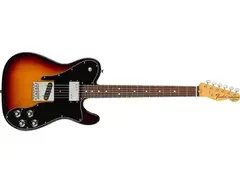
  • Fender Telecaster Custom Electric Guitar
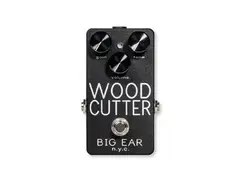
  • Big Ear Pedals Woodcutter
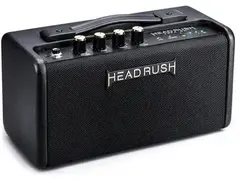
  • HeadRush FRFR Go Portable Desktop Amplifier

a power trio... fire the other guy and steal his guitars!

GEAR:
  • Roland Juno-6
  • Gibson SG Standard
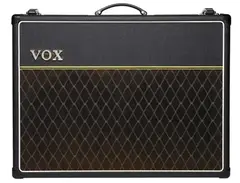
  • Vox AC30 Guitar Combo Amp

well the problem is its all player preference when it comes to getting a guitar. i can tell you the specs of a strat or a tele or an SG but that changes from model to model and isn't relevant if you don't have a reference on what types of electrics he likes.

i played sessions where there two strats and a tele, it sounded just as good as when i played my strat with a guy playing an epiphone sheraton. Milky Chance has had shows where both of them are playing guild starfire's. as long as both guitars arent playing in the same ranges ie; rythem should have a bit more bottom end and leads should have more mids and high. theres not really an issue of a guitar being "compatible" I've never heard someone ask about something like that, the guitars you listed are considered some of the most timeless and versatile guitars ever made, if there were specific models of each i could at least tell you quality and sound wise what to expect

the only answer is what you said you dont want and thats for him to go to a guitar shop and play the guitars that stand out to him, especially from a list like that. all of those guitars play sound and feel different, and theres so many models of each its hard to say yes or no to one or the other without knowing your budgets. if its 300 dollars my answer would be different then if it was 3000 or what kind of music you play

I think choosing complimentry amps is more important. In my sole 2 guitar band sicne high shcool Iw as using the showman clean, plexi dirty rig and the otehr guy came in with a JCM2000... no matter what guitar I used against his LP standard we tended to blend together. WHen we were doubling it was awesome but when we weren't it was a problem... it was pretty much up to the FOH guy to separate us. At smaller shitty venues it got irritating so I went over to a matchless for cleana dn dirty and the amrshallw as just elads and solos but always around 7 or 8 with a tonebender or fuzz face instead of direct in turned up to 10, so it really becamse a whole different sound then Jon's JCM2000 and alter JCM900. THe Matchless is like an ac30 but a little amrshally too so it really sounded good doubling and for riffs that didn't need to be superlead loud it separated well ebcause the single note overdrive charater on a vox is much different then a master volume marshall...

anyway, I'm saying ins eriousness now the guy should play the guitar he's msot comfortable on because he will then play his ebst every night and that will make the band better... but he should make sure he selects his amp carefully.

GEAR:
  • Roland Juno-6
  • Gibson SG Standard
  • Vox AC30 Guitar Combo Amp

i was gonna mention amps but didnt get too wordy.

but my strat throght the fender custom shop deluxe i get to play for class sounds so much different than the other guys strat who is running through a vintage marshall head, not to mention just the difference between playing on the neck vs bridge pick up

is that a tweed or a blackface?

GEAR:
  • Roland Juno-6
  • Gibson SG Standard
  • Vox AC30 Guitar Combo Amp

Best combination with a Dot is... another guitar? I dunno, the reality is amps matter way more

tweed with a weber speaker, my guitar teacher has one on the stage in his academy its such a gnarly amp

you know about the non-jumper channel blend trick to get a more mid scooped cleanish tone?

GEAR:
  • Roland Juno-6
  • Gibson SG Standard
  • Vox AC30 Guitar Combo Amp

no, i dont play too much with the eq's when we are on the stage, but please explain cause i wanna try it

okay, the channel volumes are itneractive without jumpering from the low input of the channel you're plugged into to the high input of the channel you aren't using like on a plexi or bassman, but when you don't use the jumper they interactive differently, less of a blend then a cancellation thing... the tweed deluxe trick is to plug into the bright channel and turn up right to the edge of breakup and then turn up the volume on the normal channel up until you like the clean tone. It'll gain you down a smidge in the mids and give some lows. Then if you want some more top end luster and top end crunch when you dig in you turn the tone knob past 5 until its what you want. The tone knob acts like an extra set of bright caps above 50% whereas its a treble rolloff like a guitar tone pot below 50%. Its pretty neutral halfway up with minimal insertion loss. But the midrange trick is the way all 3 knobs itneract. Youc an reverse it and go into the noral channel and change the voice with the bright channel's volume knob too, but I think msot people agree the mojo is doing it the way i just told you to try.

The other deluxe trick is to use the normal channel, dime it and then pin the tone knob... that's the larry carlton 'agents of the law' sound.

Another trick is to use the tweed deluxe at the same tiem as a fender Princeton. Set at the same level the deluxe will provide the grunt and the Princeton will provide note definition. If tis a reverb model you can crank the verb on the PR for a wide, wet/dry sound.

I used to play deluxes in the studio a lot. Had a 5C3 and some Gibson versions. I actually prefer the Gibson lancer and titan.They're more rockn roll and they don't fart out.

but yeah, any 2 channel deluxe type amp that's got the dual triode shared between the 2 channels into V2a as a resistive mixer will do the interactive volume pot trick. They all copied the same circuit suggestion and have that same flaw in the design that's actually pretty cool. Even the pro and bassman type amps do it a little, but tis different... more ghosting. On a bassman or a plexi you should always experiment with ghosting in the other channel before you jumper as its a different thing.

GEAR:
  • Roland Juno-6
  • Gibson SG Standard
  • Vox AC30 Guitar Combo Amp

okay, the channel volumes are itneractive without jumpering from the low input of the channel you're plugged into to the high input of the channel you aren't using like on a plexi or bassman, but when you don't use the jumper they interactive differently, less of a blend then a cancellation thing... the tweed deluxe trick is to plug into the bright channel and turn up right to the edge of breakup and then turn up the volume on the normal channel up until you like the clean tone. It'll gain you down a smidge in the mids and give some lows. Then if you want some more top end luster and top end crunch when you dig in you turn the tone knob past 5 until its what you want. The tone knob acts like an extra set of bright caps above 50% whereas its a treble rolloff like a guitar tone pot below 50%. Its pretty neutral halfway up with minimal insertion loss. But the midrange trick is the way all 3 knobs itneract. Youc an reverse it and go into the noral channel and change the voice with the bright channel's volume knob too, but I think msot people agree the mojo is doing it the way i just told you to try.

https://www.youtube.com/watch?v=e0HuQ1ep260

GEAR:
  • Fender Telecaster Custom Electric Guitar
  • Big Ear Pedals Woodcutter
  • HeadRush FRFR Go Portable Desktop Amplifier

Professor shit. LOL! Where do you find this shit?

You guys never even talk to me about like anything but guitar amps, guitar pickups and synths.... the things I know about mixing records, man. Although I think the internet is loaded with interviews with top hit makers who know all the tricks I know, but back when I was learning them you had to learn them by experiment or by assisting someone who knew. Like, these days any free VST compressor worth its salt has a blend knob, but when I learned NYC compression it was this closely guarded secret and the 3 aux bus NY comp trick was really secret until Andy Wallace revealed it in Tape Op like 15 years ago.

GEAR:
  • Roland Juno-6
  • Gibson SG Standard
  • Vox AC30 Guitar Combo Amp

Thank you for the input. I think, I little bit understand now. Thanks guys!

ask another question so I can answer it and then hijack the thread again!

GEAR:
  • Roland Juno-6
  • Gibson SG Standard
  • Vox AC30 Guitar Combo Amp