Join music gear discussions on Equipboard. Talk about guitar gear, electronic music production, get help identifying gear, ask for feedback on your music, suggest ideas to improve Equipboard and more.

Post Your Personal Gear

Thanks :D yeah the DI almost always solves the issue, if I plug it into my Scarlett interface when recording (with the exception of my strat for some reason, but it could just be that the strat has an extremely strong single-coil hum and I'm getting the two confused).

Very possibly... if you're running a computer monitor it can induce 60 cycle hum in pickups through the antenna effect I mentioned. Move away from it, angle your seat until it stops.

My amp doesn't have an input for a DI box though, so I'll need to solve that somehow. I still have no idea where the hum is coming from, my cables are all pretty new, and as for pedals, some of my other guitars are fine even if I have all my pedals lined up. It only ever happens with 3 of my guitars (one is the strat, the other two are a Les Paul and a Höfner style bass, both of which have humbuckers so it can't be single coil hum). That said, the bass will only do so with certain amps, and the Les Paul is very unpredictable (sometimes clean as a whistle but sometimes the hum is very noticeable)

DI stands for Direct Injection, a nickname given by 50s studio owners to the practice of plugging electric instruments into the microphone inputs of mixing desks. As all pro microphones became low impedance balances lines and with the telecommunication industry having standardized balanced line level at 600 ohms (or less as unmatched systems took over, that's another topic but know your highest line input is maybe 20kohms, way low for a pickup with a useable number of wire turns) the comparatively high impedance with voltage between low mic and very high line levels of a guitar pickup became incompatible with mic and line inputs on mixing consoles.

The solution? A 12:1 transformer with dual secondaries. The transformer steps the impedance and voltage down to mic level. The primary presents 12 times the mic amp impedance to the pickups to prevent loading and the dual secondaries step down the voltage144 times and balance the line with a differential of the signal on pin 1 or ring depending on the cable used to provide hum bucking across very long cables when paired with the preamps differential input. Transformers consist of 2 or more inductors and inductors provide electrical isolation so in addition to other essential benefits the transformer provides serious blocking of non signal currents in the circuit formed by the pickup and preamp for your signal. Add a heavily shielded box to prevent the transformers acting like antennas and boom.The direct or DI box was born.

Your amp has a 1megohm input, a load your pickup can drive, and gain appropriate to a -20 to -30dbv output signal swing. No need for a DI input. Its s high impedance unbalanced device. An iso box or hum eliminator (lots of trade names) would be better here. It's a 1:1 transformer. Or just cut the shield loose from the sleeve of 1 end of your cable to create a signal ground lift cable. As long as all ac powered gear has proper electrical ground via the chassis and ac chord, signal ground is just filtering noise captured by the cable shield to ground and not into the audio circuit for amplification. The shield really just needs 1 ground point to complete the circuit safely. Never interrupt chassis ground to the outlet unless you can directly ground all your gear straight from chassis grond points to the building's grounding in the foundation like on purpose built studios and better venues.

It's good to know this stuff.

More anon

GEAR:
  • Roland Juno-6
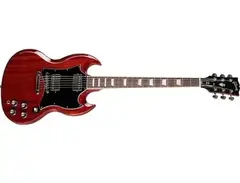
  • Gibson SG Standard
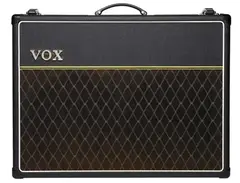
  • Vox AC30 Guitar Combo Amp

Thanks so much for your reply :D I'll try that (angling my seat if I get hum), that could possibly have been the issue with the Les Paul, actually I haven't had issues with that guitar for weeks.

Wow that is pretty interesting, I never really knew the mechanism or history behind DI boxes, just that that they seem to clear up the guitar signal somehow, I always have mine for recording. Makes sense though, and that's pretty interesting knowing how DI boxes work now... I learnt a bit about transformers during my studies, but wasn't too good at that subject haha

I'll consider an iso box or hum eliminator if the problem persists, but for now those are quite expensive solutions, so cutting the shield loose from one end of the cable seems to be the best solution (though I'd be nervous to do that myself). Tonight when I get home I'll check all my guitars that have had hum issues again (both through an amp, and through a DI into my laptop), and decide on what to do

GEAR:
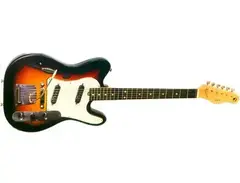
  • Jolana Iris
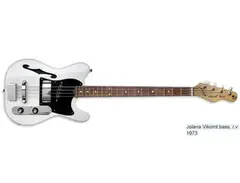
  • Jolana Vikomt Bass
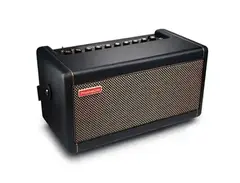
  • Positive Grid Spark

The cable method is probably best for a guitar signal, a lot of hum eliminator gear is rated for 600ohms which presents a line impedance to your pickup, too low. Just be sure to put colored tape on the end of the cable you lifted to remind you which cable is lifted and which side (sometimes this trick only works in 1 direction). You can also try a HumX AC chord isolator. It looks like a little wall wart you plug your 3 prong AC chord into and is just a transformer that blocks ground current from sneaking back up the line from an improperly grounded outlet with too much resistance. If the issue is the grounding in the building you're in, this will help. It's really cheap but it won't help with improperly grounded gear, only improperly grounded outlets. It's stupidly cheap on amazon. Theres one outlet in my home studio that needs a humX.

The grounding on my street is a mess with various houses tied to 1 ground point, its nuts... you don't even want to know about my breaker box. It's literally unsafe and below code, but I'm not sure how to fix it without gutting it and building a new one, cutting all the grounds that run up the street and staking my own ground in the yard to tie my house grounds to! Since I don't own the joint, that's right out. So I've come up with every possible safe work around the past few years and there's not a hum in my (well equipped) studio nor have I ever been electrocuted. You cannot imagine how much stuff I have in my racks. If I can sort all that out you can lift a cable. If you have a pen knife and some electrical tape to wrap up the shield you're good... it doesn't hurt if you have heat shrink and a bic lighter either.

GEAR:
  • Roland Juno-6
  • Gibson SG Standard
  • Vox AC30 Guitar Combo Amp

Back on topic... anyone have any cool guitars or amps to talk about? Throw me a frickin bone here, I can't be the only dude with cool stuff!

GEAR:
  • Roland Juno-6
  • Gibson SG Standard
  • Vox AC30 Guitar Combo Amp

Wow thanks for the tips :D well I'm still a bit hesitant about cutting open the cable, as I'm not sure I'd be able to identify which is the shield, so if I use that solution I'd rather use one of my older, cheaper cables, rather than the new pricier ones.

That said, it could be the grounding in the building! I never even considered that, but now you mention it, I have noticed the hum often occurs when either the amp or pedals are plugged into one specific outlet by my bed, which would explain why the hum sometimes occurs but not always (as it's a 15W combo amp it gets moved around the place quite a bit). I could test this when I get back home, and plug the amp into different outlets around the flat to see if it makes any difference, thanks again :D

GEAR:
  • Jolana Iris
  • Jolana Vikomt Bass
  • Positive Grid Spark

The shield is the mesh surrounding the insulated core wire in a guitar cable. The end will be twisted into something resembling bare braided wire and soldered to a flat surface on the body of the jack whereas the conductor for signal will be soldered to the terminal that goes to the tip. It's easy to tell which is which even if you've never opened up a jack before.

Edit: And no problem. You may want to invest in some books on acoustics and audio electronics or at least hit up your local library. I dispense free info but there are handbooks for all of this and its nice to be able to just look up a problem in the index and page through relevantinfo... or for your generation I guess you would search the ebook! This stuff isn't well covered on the internet, everyone talking recording on youtube us trying to sell you something or agrandize themselves... and most know very little anyway and you're safer ignoring them.

GEAR:
  • Roland Juno-6
  • Gibson SG Standard
  • Vox AC30 Guitar Combo Amp

I had never realised quality cables could make such a difference... https://youtu.be/h-I0i2kEqjk?t=29

GEAR:
  • Epiphone Casino Coupe
  • Pignose "Legendary" 7-100
  • Hohner Marine Band 1896 Diatonic Harmonica

Im not sure if thsts sarcasm because I didn't watch the video.

Here's my hot take. Cable manufacturers spew a lot of snake oil but lower capacitance is usually good. Long cables have more capacitance so it's really important for long lines. High capacitance cables, either through length or poor materials, cause treble loss. Their capacitance when coupled to a resistance from any input becomes what we call an RC filter (resistor-capacitor). Higher capacitance moves the filter's cutoff into the audio band. You can find piles of RC filters in your gear that have been placed purposely to optimize headroom by suppressing inaudible frequencies... guitar gear has pretty extreme filtering because guitar speakers have a limited bandwidth and you can goose a lot if gain from preamp circuitry this way and then the power amp can focus on just reproducing what the speaker will reproduce with extra power on tap. Rc filters are also used in all power supplies to remove ripple caused by rectifying AC to DC. The other thing to look for in cable is good shielding that doesn't up the capacitance. Thus if course helps with RFI. In off the shelf cable in current production for guitar I find kirlins work for me with good enough specs and a good cloth braid outside like a spectra flex. Spectra flex had better Jacks, but mildly inferior capacitance specs... depending on your signal chain the capacitance may not matter because all it takes is 1 piece of gear with less bandwidth than the cable and the cable 'sound' is masked. Good noise rejection is more important... ir you might want a tone from your cable like Hendrix and the coiled cable between a bright guitar and piercing amp...

That's how it works on paper though, everything else is bullshit until you start looking at solid core cable.

GEAR:
  • Roland Juno-6
  • Gibson SG Standard
  • Vox AC30 Guitar Combo Amp

Thanks again! Well I'll consider trying this with one of my old cheap cables. I did learn some of the basics regarding electronics, and my job is loosely connected (I work as a civil engineer, designing/renovating electricity pylons), but that considered, I know little practical things about electronics, it would be interesting to learn though!

Edit: I think it's likely the grounding in my apartment though. I tried my amp in several outlets, and there was one where all my guitars were clean as a whistle, no hum whatsoever!

GEAR:
  • Jolana Iris
  • Jolana Vikomt Bass
  • Positive Grid Spark

Oh yeah, I heard about this! In the past I would buy cheap no-brand cables, though a few years ago started to buy Fender ones. Decent quality, not too pricey, I could certainly notice a difference! There was still some hum, but significantly reduced

GEAR:
  • Jolana Iris
  • Jolana Vikomt Bass
  • Positive Grid Spark

Im not sure if thsts sarcasm because I didn't watch the video.

No no! not sarcasm at all - the fella had a quality cable that was silent and an Ernie Ball one that was channelling significant buzz. I could see how if you had just the one dodgy lead it'd be easy to waste a lot of time and money trying to silence the board! I only chipped in because that was certainly in my blind spot!

I hope I've not come over as being snarky here. I may indulge in light hearted banter once in a while but throwing shade is never my intent.

GEAR:
  • Epiphone Casino Coupe
  • Pignose "Legendary" 7-100
  • Hohner Marine Band 1896 Diatonic Harmonica

And I wasn't being snarky either, trust me, you'd know.

But go read my text block if you want some watered down physics and electronics.

I again recommend kirlin cables for longish guitar leads for the reasons stated above. I am not an employee or endorser. I paid retail for my dozen or so kirlins which I'm also known to use coming out of my synthesizers, particularly live where breakage might be a concern. I cannot hear any coloration from a kirlin and the shielding us superb. I build cables with better specs but the cable I use is for telecommunication systems install and not durable when it gets yanked on. The sonic difference is negligible.

Edit: When I'm talking about noise reduction I'm assuming people are already using well shielded cables. I mean, even the plastic jack Hosa interconnects i use on my unbalanced patchbay and sometimes between pedals have great shielding. Being short, capacitance and resistance arent an issue. Those are pretty damn cheap.... no reason to spend more on 1' or shorter cables. I'm not sure how cheap one has to go to find ineffectual shielding but I have no doubt there's someone selling a product like this on amazon.

GEAR:
  • Roland Juno-6
  • Gibson SG Standard
  • Vox AC30 Guitar Combo Amp

Meanwhile I'm here saving up to complete my rack rig lol.

Main rack Front-end pedals Strymon's and Darkglass ADAM (I still have trust issues with bass players. This way, the bass player cannot "forget" their own bass rig and have zero excuses for showing up to a live gig unprepared.)

GEAR:
  • Ibanez RG652FX
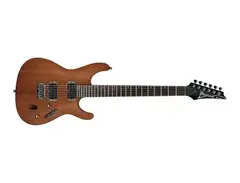
  • Ibanez S521-MOL
  • Blank slot

That is simultaneously amazing and comical! I love that you have a t8, a midi distributor in my studio rack to break out 8 midi channels of notation, click and CC msgs to 8 synths, just sitting there splitting program change and clock! This is so spinal tap now that I've seen the pictures. On the other hand, if you're ever playing larger theaters as a sideman for an established solid artist, your rig is perfect! You're ready to cop just about any album tone but guitar straight into vintage tweed or vox tones.

GEAR:
  • Roland Juno-6
  • Gibson SG Standard
  • Vox AC30 Guitar Combo Amp

Yeah, the Synergy stuff and Strymon's are perfect. Honestly I've been the happiest with my guitar tone as it is, being able to dial in almost any kind of sound that I want. This is the rig that REALLY inspires me to play guitar more and more, and every time I try to downsize into a modeller, I always come back to this rack rig simply because of the heaven-and-earth difference in sounds.

My current favorite IR's to use with my Friedman modules are ML Sound Labs MEGA-OS Omnipotent (based on the Mesa Oversized 412) for rhythm guitars, and Ownhammer Heavy Hitters Diezel IR (based on a blend of Eminence Governor and Celestion V30) for clean, mid-gain and lead tones.

In the past I had to commit to a limited number of sounds because of the limitations of the switching system I had in the past. Now, I can go wild.

If I want to, I can even automate my rig with an audio interface as well. A bit more time-consuming to program in the DAW than what it'd take to map out program changes for something like a Helix or Kemper, but it is definitely possible.

GEAR:
  • Ibanez RG652FX
  • Ibanez S521-MOL
  • Blank slot

Just remember that assembling the perfect toolkit is not an end in itself... it's silly until there's a job to do.

I got where you are but with vintage amps and effects 20 years ago when deals could still be had and my apartment was more like a museum... with no actual furniture apart from a few chairs, a futon and a computer desk. I liked to joke that my house was a real life pod but it was nutty. Im still discovering junk in closets that's moved with me multiple times that I forgot I even owned... then I try it out and usually liquidate it.

Your uber midi rig isn't that wacky but it's a big financial investment if you're not performing regularly at venues where your tone could be appreciated thru a good foh system by audiences that actually care.

You've complained in the past that guitar rig stress has been bad for your health and there's a fight club line that applies: the things you own wind up owning you. I'm showing my age there.

What's the endgame with this carefully selected, well integrated set of tools besides inspiration? It's great to own an expensive table saw but what are you going to make with it?

That's rhetorical.

Edit: I have a lot of affection for my 62 ac30 but I've been watching the prices steadily climb for 25 years and when they break 5 figures for player grade examples I might sell it. It's an impractical old amp for a single dad who is at best a part time musician and occasional guitarist. With around 1k into it, even adjusting for inflation a 10× return on that initial investment is pretty tempting. Not there yet for boxes of this era that aren't dead mint, which very few are. It's designed to play loud on big stages and maybe it should belong to someone who will use it that way again. I probably will not.

GEAR:
  • Roland Juno-6
  • Gibson SG Standard
  • Vox AC30 Guitar Combo Amp

I've decided to change plans. I'm ditching the solo route, I'm forming a trio band. Full-on band is gonna cause a lot of problems with more unknown factors to worry about, and a solo career just isn't viable anymore in today's economy.

I've just recently recovered from CoVID actually. Once my body has had a chance to fully recuperate and regain its energy, I'm gonna continue writing my debut album.

As of now I'm focusing on the studio tones a lot more. The studio environment is where the payoff of my stereo rig REALLY shines, because this way I can hone in on the effects that work well with the guitar tones for the mix.

As a YouTuber, I do offer session guitarist rates as part of my Patreon package actually. So far I haven't gotten any clients yet, but only time will tell.

GEAR:
  • Ibanez RG652FX
  • Ibanez S521-MOL
  • Blank slot

I've decided to change plans. I'm ditching the solo route, I'm forming a trio band. Full-on band is gonna cause a lot of problems with more unknown factors to worry about, and a solo career just isn't viable anymore in today's economy.

Preach on! That's solid thinking.

I've just recently recovered from CoVID actually. Once my body has had a chance to fully recuperate and regain its energy, I'm gonna continue writing my debut album.

I finally caught covid in February when my 9 year old got it a 2nd time from school. I was only really sick for a few days but the brain fog made my life hell trying to fulfill music and art comissions in a timely fashion and my finances suffered as a result. If your bank account isn't on the line, don't push yourself.

As of now I'm focusing on the studio tones a lot more. The studio environment is where the payoff of my stereo rig REALLY shines, because this way I can hone in on the effects that work well with the guitar tones for the mix.

I would be having you capture the dry signal and time based fx separately if I were working for you. Its always nice to have some control as a mix engineer. What sits in the monitor mix may swamp out the final mix when you're gradually reducing the dynamic range to 6 or probably less dB as is common practice in these dark times...

Remember that upper mids are not your friends, 3k is ear fatigue city even though it has a lot of richness in tube gear... and like 250-500hz is mud city but if you have a canyon there your record can become hollow.

Your studio tones will only be as good as your monitoring accuracy. I get a lot of things in where the client is hearing something great but they're listening too loud in a small untreated room and are mostly digging the sound of harmonic distortion and phasing added to the recorded signal by pushed monitor speakers exciting room modes and whats actually there is a subtly or sometimes drastically different proposition.

As a YouTuber, I do offer session guitarist rates as part of my Patreon package actually. So far I haven't gotten any clients yet, but only time will tell.

Good luck with that. I'm not a youtuber, (people always try to talk me into it... no thanks) but I've seldom picked up work as an engineer or musician through the internet and the times I have it's been very difficult to collect on that invoice. You can't gauge a stranger's commitment. The patreon model will help with payment since you've already gotten money in your hat through virtual busking, but I would say building real relationships is still the best way to market yourself for recording work and gauge people'slikelyhood to follow through pursuing their vision. Even then, a lot of records, most even, will never see the light of day or will disappear into a sea of indifference and your hard work will not spread the word. You get material to add to your reel for future prospective clients and hopefully pay some bills.

And don't forget that if you finish tracking a record I have low mix rates and a well equipped analog/digital post room in my house. I mix at least 4 records/singles a year in a really wide range of genres. You cannot do what I can do with my racks of outboard and desk using your daw. Only 2 daws I'm aware of provide comprehensive latency compensation to do this kind of work in hybrid (which I also will do when max dynamic range and a clean clean sound is best) and only a full protools rig is truly reliable to do it entirely in the box when you start laying on lots of 3rd party plugins that may not consistentlyreport processing latency to the hist. Everything else on the market, even Harrison mixbus, will likely cause phase anomalies as soon as you get too creative with routing and get busy with you plugins.

GEAR:
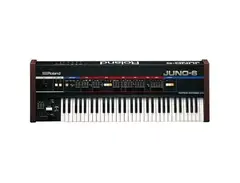
  • Roland Juno-6
  • Gibson SG Standard
  • Vox AC30 Guitar Combo Amp

Now that you mentioned it, I actually did a mix on a Galneryus collab cover where I captured the dry and wet signals separately.

https://www.youtube.com/watch?v=C_hCyGtM57g

One of my close friends is a mastering engineer. He and I worked together to mix this record. Having said that, I don't think I'll be using the Mesa IR for leads again. Mesa IR's (or any other V30-only IR's for that matter) tend to be aggressively scooped in the mids that they tend to get lost in the mix all too easily.

GEAR:
  • Ibanez RG652FX
  • Ibanez S521-MOL
  • Blank slot

One of my close friends is a mastering engineer. He and I worked together to mix this record. Having said that, I don't think I'll be using the Mesa IR for leads again. Mesa IR's (or any other V30-only IR's for that matter) tend to be aggressively scooped in the mids that they tend to get lost in the mix all too easily.

I briefly owned a mesa IR/reactive load box and sold it off. Very underwhelming. I'll check out your mix later when I'm in the studio. Of course, YouTube's compression algorithm will mangle it so I won't be hearing it the way you and your engineer did, but if you want my general thoughts let me know. There are mastering guys and then there are MASTERING GUYS. That's where the wisdom to do nothing but get the peaks loud without intersample overs to a cut that's basically ready for repro at off the 2bus separates the men from the boys or girls from the ladies in the case if the lodge... personally I'm a peerless man and will drive up to boston to work with Jeff any time he's in the budget!

GEAR:
  • Roland Juno-6
  • Gibson SG Standard
  • Vox AC30 Guitar Combo Amp