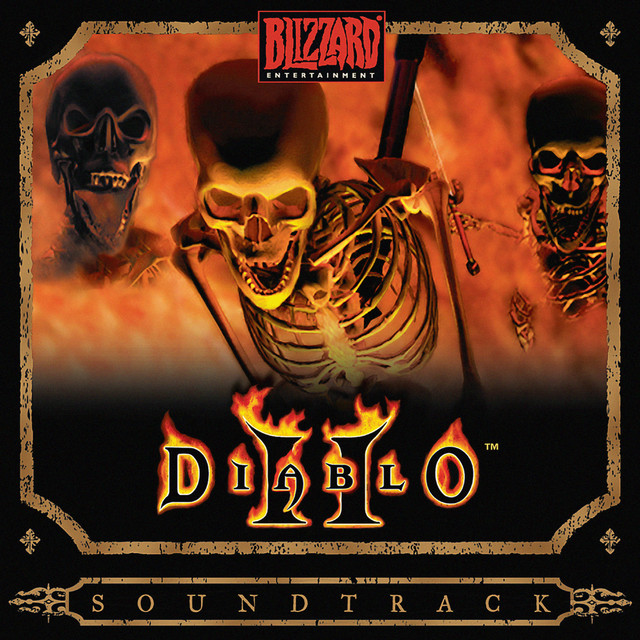
Matt Uelmen – Diablo II Original Soundtrack
The music gear and equipment used by the artists, producers, engineers, and more involved in the making of the 2000 album Diablo II Original Soundtrack.
Music from Diablo II Original Soundtrack
Gear Used On Diablo II Original Soundtrack
Explore the instruments, equipment, software, and production tools used in the making of Matt Uelmen – Diablo II Original Soundtrack (2000). Click more on each item to see exactly how it was used.

Matt Uelmen
Roles:
Software Plugins and VSTs used by Matt Uelmen on Diablo II Original Soundtrack

"This keyboard was then controlled by a Windows machine running an ancient version of Cakewalk. I have stubbornly continued to use this sequencer despite it being made for Windows 3.0 and have found it to be consistently reliable and containing every bell and whistle I could possibly want. With very few exceptions, the music for Diablo was made by packing up the eight tracks on the ASR-10 with as much as I could get into the 16 megs of memory and then controlling them using the Cakewalk sequencer."


"Most tracks in Diablo 2 were built around a blend of maracas and the human voice whispering or shouting. Favorite sources for this sound were live, using the 808/909 rack emulator, the Ensoniq percussion library, and Spectrasonics' Heart of Africa. My favorite choral voices were from the ASR-10 libraries and the ubiquitous Symphony of Voices. In the sound department, some Lucas source was also used, with the trademark fireball being found in the portal-generation sound. The Diablo 2 skill tree was a nicely sized task for everyone directly involved, and it meant significant thinking through almost one hundred miniature operas."

Spectrasonics Symphony of Voices
Avg price: $499.00
"Most tracks in Diablo 2 were built around a blend of maracas and the human voice whispering or shouting. Favorite sources for this sound were live, using the 808/909 rack emulator, the Ensoniq percussion library, and Spectrasonics' Heart of Africa. My favorite choral voices were from the ASR-10 libraries and the ubiquitous Symphony of Voices. In the sound department, some Lucas source was also used, with the trademark fireball being found in the portal-generation sound. The Diablo 2 skill tree was a nicely sized task for everyone directly involved, and it meant significant thinking through almost one hundred miniature operas."


Avg price: $399.95
"With very few exceptions, the music for Diablo was made by packing up the eight tracks on the ASR-10 with as much as I could get into the 16 megs of memory and then controlling them using the Cakewalk sequencer. Even when doing live material through my $150 AKG microphone, I would generally record it as a sample in the ASR-10 first, and often liberally apply the onboard effects, especially the delay. After making an archival pass through my Sony 59ES DAT machine, the tracks would then go to the third of these tools, also resident on my Windows machine - Sonic Foundry's Sound Forge, an editing program which I have spent a great deal of time staring at in my adult life. This piece of software has proved useful for almost every task I have faced in the editing process, and has frequently proven itself as a great tool for the most basic elements of sound effect and musical sample creation."
Guitars used by Matt Uelmen on Diablo II Original Soundtrack

Seagull SM-12 12-String Acoustic
"The live instrumentation used in the creation of Diablo also deserves a special mention, and I believe it made a great deal of difference in the quality and distinctiveness of the final game. The star of the show was a finger-picked 1994 Seagull acoustic twelve-string, which supplied the main theme for the Tristram shopping experience."