Scotty Moore
American guitarist and recording engineer
Role
Genre
Role
Genre
Scotty Moore's Gear


In the picture you can see Scotty playing his ES-295
Find it on:


In the right picture you can see Scotty Moore playing a Gibson Super 400 CES.
Find it on:

In the picture you can see Scotty playing a 1948 Gibson L-5-P CES.
http://scottymoore.net/54L5CES.html - gives the history and further proof of Scotty Moores Gibson L-5-P CES
Find it on:

In a Gibson article titled "Get That Tone: Scotty Moore with Elvis Presley," it's noted that Scotty Moore used the Gibson P-90 Single Coil with Soapbar Cover Pickup.
Find it on:


Scotty Moore can be seen using a Gibson ES-5 Electric Guitar during the recording session for "Hound Dog" and "Don't Be Cruel," which took place on July 2nd, 1956, as evidenced by a photograph from the session. It's unknown if he borrowed the guitar or owned it at the time.
Find it on:

Scotty Moore became aware of the EchoSonic around 1955 after hearing Chet Atkins use a similar echo effect on the radio. Recognizing its potential, Moore ordered a custom-built EchoSonic amplifier from Ray Butts. This acquisition marked a significant turning point, as it allowed Moore to bring the slapback echo sound from the studio environment onto the stage. From that moment onward, the EchoSonic became a central component of his guitar rig.
Moore’s use of the EchoSonic played a crucial role in shaping the sound of Elvis Presley’s music during the mid-1950s and beyond. While Elvis’s earliest Sun Records recordings, such as “That’s All Right,” relied on studio-based echo techniques, Moore’s adoption of the EchoSonic enabled a consistent and recognizable guitar tone in both live and recorded contexts. Songs like “Mystery Train” exemplify how this slapback echo contributed to the rhythmic drive and spaciousness characteristic of early rockabilly.
Technically, the EchoSonic was groundbreaking because it integrated a tape delay mechanism directly into the amplifier, with controls for echo intensity and delay time. This allowed guitarists to manipulate echo in real time during performance—something that had previously been impossible. However, the amplifier’s relatively low output power, around 25 watts, quickly became a limitation as Elvis’s performances grew larger and louder.
To address this issue, Ray Butts developed additional high-powered booster cabinets, effectively transforming Moore’s setup into a modular amplification system. By combining the EchoSonic with these external power units, Moore achieved a much higher overall output, reportedly reaching around 125 watts. This setup can be seen as an early precursor to modern multi-amp and rack-based live guitar systems.
The influence of the EchoSonic extended far beyond Moore’s immediate use. It laid the groundwork for later echo devices such as the Echoplex and contributed to the widespread adoption of delay effects in rock and popular music. Despite its impact, the EchoSonic remained an extremely rare piece of equipment, with fewer than 70 units ever produced.
Moore continued to use the EchoSonic throughout much of his career with Elvis Presley, including into the late 1960s, before eventually retiring it due to its fragility and historical significance.
Find it on:
This is a community-built gear list for Scotty Moore.
- Find relevant music gear like Guitars, Amplifiers, Effects Pedals, and other instruments and add it to Scotty Moore.
- The best places to look for gear usage are typically on the artist's social media, YouTube, live performance images, and interviews.
- To receive email updates when Scotty Moore is seen with new gear, follow the artist.
-
Added to Equipboard on by
 michael
Gear IQ 42739
-
Updated
Discography
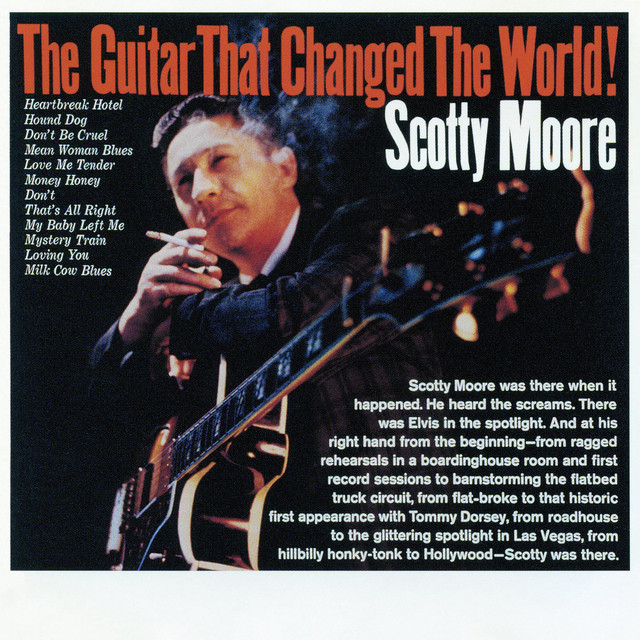
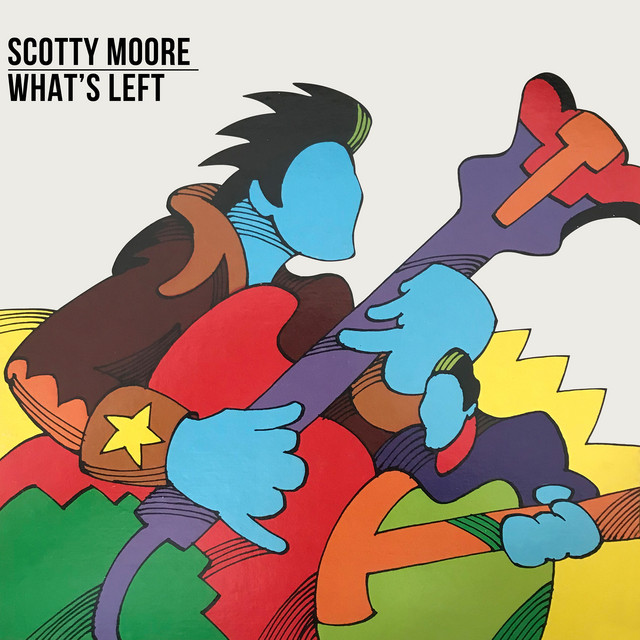
Album Credits
-
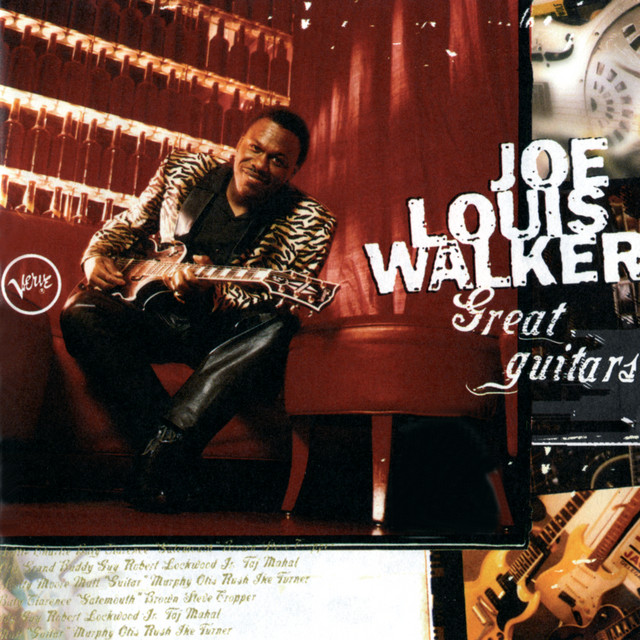
Joe Louis Walker · 1997
Engineer -
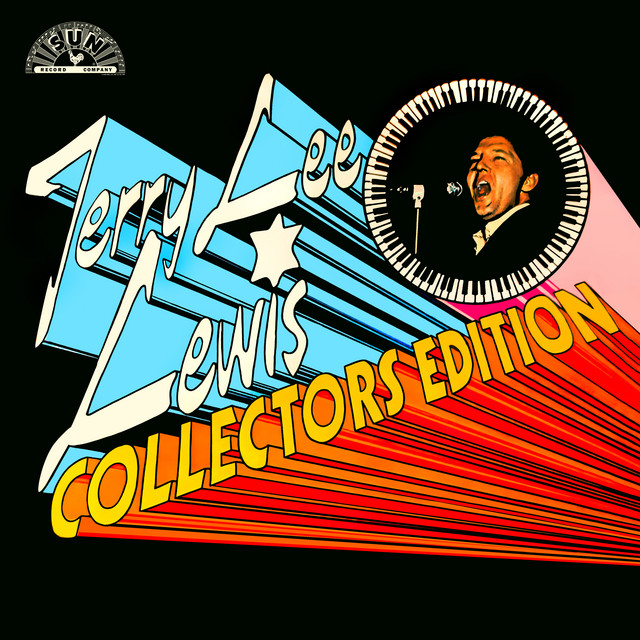
Jerry Lee Lewis · 1974
Producer -
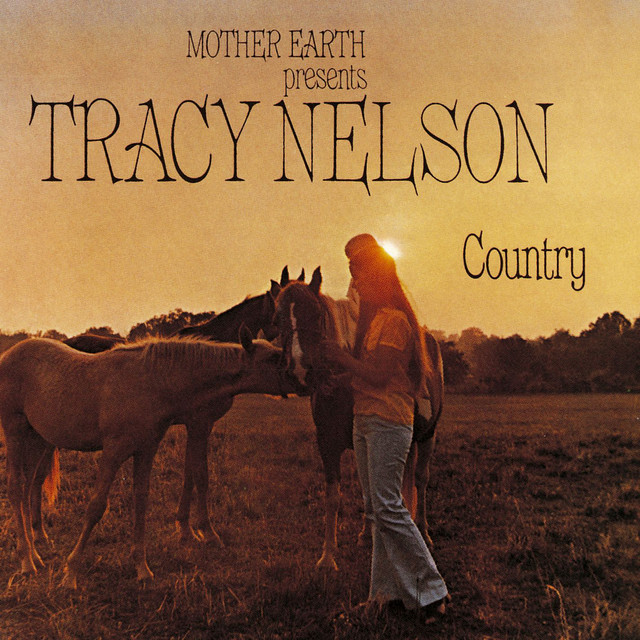
Mother Earth Presents Tracy Nelson Country
Tracy Nelson · 1972
Producer -
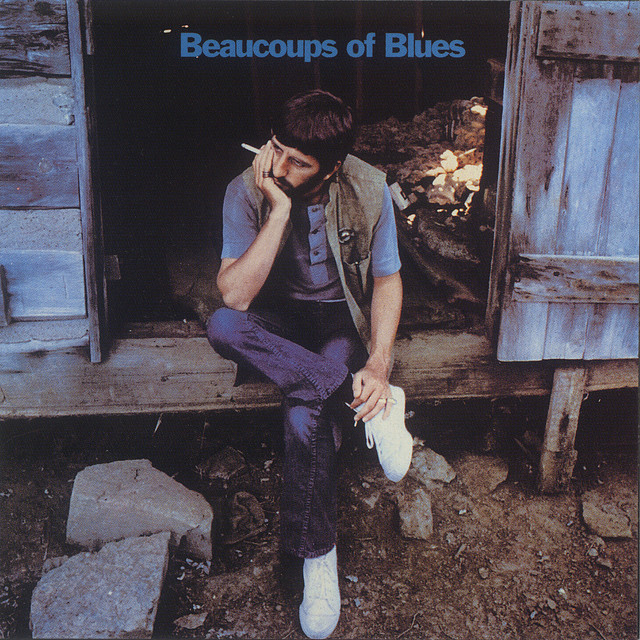
Ringo Starr · 1970
Engineer -
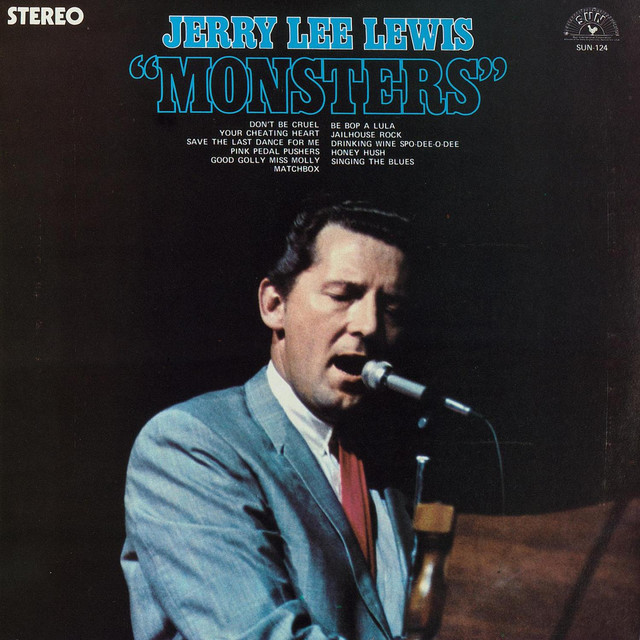
Jerry Lee Lewis · 1970
Producer -
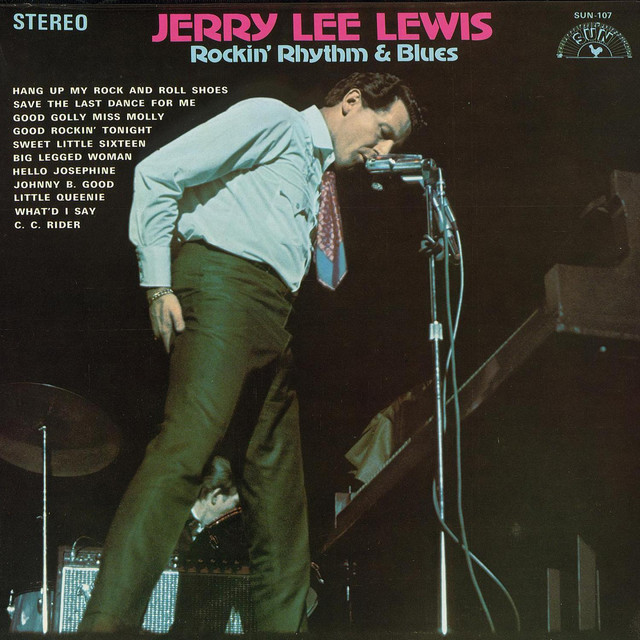
Jerry Lee Lewis · 1969
Producer


.jpeg?v=1783715704)