Your First Electric Guitar Adventure: The Ultimate 2026 Guide to Beginner-Friendly Instruments

By Gear Experts
By Gear Experts
Table of Contents

Equipboard
Equipboard is the world's largest community of artists and their gear. Read our review process.
We are reader-supported. When you buy through links on our site, we may earn an affiliate commission. Learn more.
Our Picks

Squier Classic Vibe 50's Stratocaster
Best Overall Choice: This guitar perfectly balances vintage appeal with modern reliability, offering beginners the classic Stratocaster experience without breaking the bank.
Read more


-l.webp?v=1785250695)
Best Rock Sound: This guitar delivers the classic Les Paul sustain and power that defined rock music, with beginner-friendly improvements that make it accessible to new players.
Read more

Best Build Quality: This guitar offers exceptional construction and versatility that rivals instruments costing significantly more, making it an outstanding long-term investment for beginners.
Read more-l.webp?v=1785250875)
Most Straightforward: This guitar strips away complexity to focus on pure tone and playing fundamentals, making it perfect for beginners who want straightforward, reliable performance.
Read more
Best Ultra-Budget Option: This guitar proves that extremely affordable instruments can still provide genuine playability and modern features, making electric guitar accessible to any budget.
Read more
Best European Budget Option: This guitar offers exceptional value through direct sales, providing features and quality that challenge traditional price expectations in the beginner market.
Read more

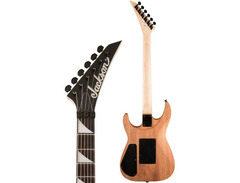
Jackson JS Series Dinky Arch Top JS32 DKA
Best Metal Beginner Option: This guitar brings authentic Jackson design and metal-focused features to the beginner market, perfect for players drawn to heavier musical styles.
Read more
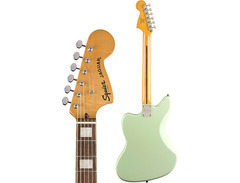
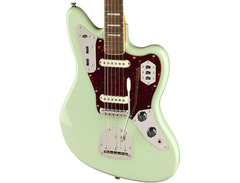
Squier Jaguar Classic Vibe '70s
Best Short Scale Option: This guitar provides authentic Jaguar character with beginner-friendly scale length, perfect for players with smaller hands or those seeking unique tonal options.
Read moreYour First Electric – More Than Just Wood and Wires
Buying your first electric guitar feels like standing at the edge of something big. The excitement is real, but so is the confusion. Walk into any guitar store or browse online, and you'll face an overwhelming wall of options, each promising to be "the one." Here's the truth: your first electric guitar is more than just wood, metal, and electronics. It's the instrument that will either inspire you to keep playing or gather dust in the corner.
After years of watching beginners navigate this journey, I've learned that the best first electric guitar isn't necessarily the most expensive or the one your guitar hero plays. It's the one that feels right in your hands, sounds great at bedroom volumes, and makes you excited to pick it up every single day. The guitar that supports your foundation as a player while you discover your own musical voice.
This guide cuts through the marketing noise and confusing jargon. We'll explore guitars that balance playability, tone, comfort, and value.
What to Know Before You Buy

Let's begin by establishing the foundation for making a smart choice. Understanding these key factors will help you avoid common pitfalls and find a guitar that truly serves your musical journey.
Setting Your Budget Wisely
The sweet spot for a quality beginner electric guitar sits between $200 and $700. This range offers instruments with solid construction, decent hardware, and electronics that won't hold back your progress. Going much cheaper often means compromising on tuning stability and playability, while spending more doesn't necessarily translate to beginner-friendly features.
Remember that the guitar is just the beginning. You'll need an amplifier, instrument cable, tuner, picks, strap, spare strings, and ideally a gig bag. Budget an additional $150-300 for these essentials. Starter packs can offer convenience and value, but they sometimes cut corners on individual components. If you choose a pack, research each component to ensure it meets quality standards.
Matching Your Musical Style
Different pickup configurations excel in different musical territories. Single-coil pickups deliver bright, articulate tones perfect for clean sounds, blues, pop, and country. They're the sound of crisp rhythm playing and sparkling lead lines. Humbuckers produce warmer, fuller tones with natural overdrive characteristics, making them ideal for rock, metal, and jazz.
Many guitars feature HSS configurations (humbucker in the bridge, single-coils in middle and neck positions), offering versatility across multiple styles.
Prioritizing Playability

Neck shape dramatically affects comfort and playing ease. Most beginner-friendly guitars feature C-shaped necks, which work well for various hand sizes and playing styles. Slim taper necks can feel more comfortable for players with smaller hands or those coming from acoustic guitars.
Scale length influences string tension and fret spacing. Shorter scales (like 24.75 inches) require less finger strength and can feel more comfortable for beginners, while longer scales (25.5 inches) provide tighter string tension and often brighter tones. Weight matters too. Lighter guitars reduce shoulder strain during longer practice sessions.
Embracing Aesthetics
Here's something many guides won't tell you: it's perfectly fine to choose a guitar partly based on looks. If you love how your guitar appears, you'll want to pick it up more often. Visual appeal contributes to inspiration and motivation.
Classic body styles each offer distinct aesthetics and sonic characteristics. Stratocaster-style guitars provide versatility and comfort. Telecaster designs offer simplicity and distinctive tone. Les Paul shapes deliver sustain and rock attitude. Modern designs like superstrats cater to contemporary playing styles and visual preferences.
Best Beginner Electric Guitars
Finding the right electric guitar means balancing multiple factors: playability, tone, build quality, and value. These carefully selected instruments represent the best options for beginning players, each excelling in different areas while maintaining the reliability and user-friendly features that support learning and growth.
Squier Classic Vibe 50's Stratocaster
4.5 (39)
The Versatile Virtuoso






Average Price: $453
Standard/Professional
$400
$1001+
Budget
Standard
High-end
- Excellent fretwork with smooth, polished fret ends
- Alnico pickups provide a bright, classic Stratocaster tone
- Superior fit and finish for the price range
- Vintage-style maple neck offers comfortable playability
- See 6 more
- Some units require setup adjustments out of the box
- Occasional tuning machine issues requiring aftermarket upgrades
- Potential for cosmetic blemishes or factory QC issues
- Tremolo system may need adjustments or upgrades
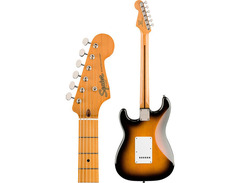
The Squier Classic Vibe 50's Stratocaster represents everything great about the legendary Fender design while remaining accessible to new players. This instrument captures the essence of the guitar that shaped popular music while incorporating thoughtful improvements that benefit beginners.
Build Quality and Construction
The Classic Vibe series stands apart from entry-level guitars through superior attention to detail. The poplar body provides lightweight comfort without sacrificing tone, while the maple neck features a comfortable C-shape profile that works well for various hand sizes. The vintage-tinted finish and aged pickup covers create authentic 1950s aesthetics that inspire playing.
Hardware quality exceeds expectations at this price point. The vintage-style tuning machines hold tuning reliably, while the synchronized tremolo bridge allows for subtle vibrato effects without constant retuning issues. The bone nut contributes to sustain and string clarity, a premium touch often missing from budget instruments.
Tonal Versatility
Three Alnico single-coil pickups deliver the quintessential Stratocaster sound palette. The bridge pickup cuts through mixes with bright, articulate tones perfect for rock rhythm playing and country leads. The middle position offers balanced output ideal for blues and pop styles. The neck pickup provides warm, smooth tones excellent for jazz chords and mellow lead work.
The five-way pickup selector expands tonal options through in-between positions that create distinctive quacky tones beloved in funk and indie music. This versatility means beginners can explore multiple musical styles on one instrument, from surf rock to modern pop.
Learning-Friendly Features
The 25.5-inch scale length provides standard string tension that feels familiar to most players. Fret access extends to the 22nd fret, offering complete range for lead playing development. The guitar's balanced weight distribution prevents neck dive while maintaining comfortable playing positions.
String spacing and neck width accommodate various playing techniques without feeling cramped or overly wide. The smooth satin neck finish allows easy movement up and down the fretboard, important for developing proper technique and building speed gradually.
See how artists use this





Epiphone Les Paul Standard
4.0 (361)
The Rock Legend Reborn
-s.webp?v=1785250695)

Average Price: $602
Standard/Professional
$400
$1001+
Budget
Standard
High-end
- Excellent value; comparable sound quality to Gibson models at a lower price
- Beautiful Bourbon Burst finish and sturdy build
- Slim, comfortable neck ideal for various playing styles
- High-quality pickups that offer versatile sound options
- See 6 more
- Sharp fret ends reported by multiple users
- Inconsistent quality control; some units need setup adjustments
- Neck pickup can sound muddy to some players
- Aesthetic choices like top hat knobs may not appeal to everyone
- See 1 more
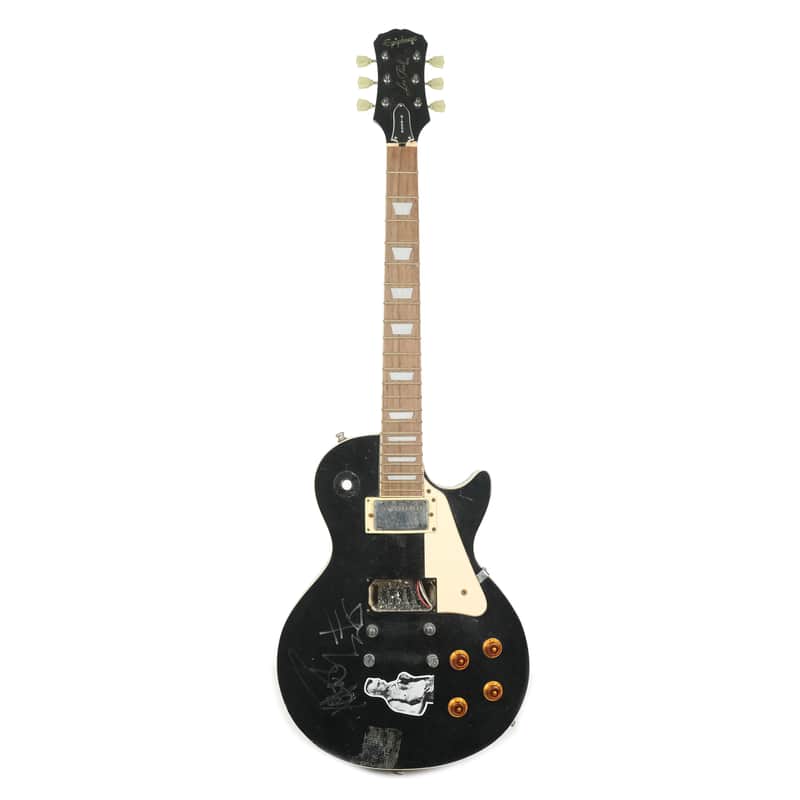
The Les Paul design created the template for rock guitar tone, and the Epiphone Standard captures this legacy while addressing common beginner concerns. This instrument provides authentic Les Paul experience without the premium price tag of Gibson models.
Classic Rock Heritage
Dual humbucker pickups produce the warm, powerful tones that built rock and roll. The neck pickup delivers smooth, jazzy warmth perfect for rhythm chords and melodic leads. The bridge pickup provides cutting power and natural overdrive characteristics that sound great through any amplifier. The combination creates sustain-rich tones that make every note feel significant.
The mahogany body and maple cap construction mirrors the classic Les Paul recipe. This wood combination contributes to the warm midrange response and natural compression that makes Les Pauls feel alive in your hands. Even clean tones possess musical warmth and character.
Modern Improvements
Contemporary manufacturing techniques address traditional Les Paul concerns. Improved neck joint stability eliminates common structural issues, while modern fret work ensures consistent playability across the entire neck. The updated bridge design maintains proper intonation and string height adjustment.
Weight relief techniques reduce the guitar's mass without compromising tone. Traditional Les Pauls can feel heavy during extended playing sessions, but modern Epiphone models balance authentic tone with practical comfort. The neck profile accommodates modern playing styles while retaining classic feel.
Beginner Considerations
The 24.75-inch scale length requires less finger strength than longer-scale guitars, making barre chords and string bending more manageable for developing players. The raised pickup rings and control layout remain easily accessible during playing, important for learning to adjust tones while performing.
Binding details and flame maple veneers create visual appeal that inspires practice sessions. The guitar's substantial feel and professional appearance build confidence in performance situations, while the reliable electronics ensure consistent sound reproduction.
See how artists use this








Yamaha Pacifica PAC112V
4.0 (18)
The Precision Powerhouse

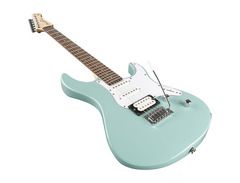
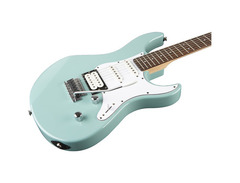
Average Price: $336
Budget/Beginner
$400
$1001+
Budget
Standard
High-end
- Versatile tones with HSS pickups, suitable for rock, blues, and jazz
- High-quality alder body offers great resonance uncommon in budget guitars
- Excellent fit and finish, comparable to higher-priced models
- Comfortable neck and low action ideal for beginners
- See 6 more
- Tremolo system feels cheap and can detune strings easily
- Electronics may require upgrades for long-term reliability
- Some users report minor fretwork issues needing adjustment
- Stock pickups may lack depth for experienced players
- See 1 more
Yamaha's reputation for quality control shines through the Pacifica series. This instrument demonstrates how thoughtful design and manufacturing precision create guitars that exceed price point expectations while serving beginners exceptionally well.
Superior Construction Standards
Manufacturing precision sets the Pacifica apart from similarly priced competitors. Consistent fret leveling, accurate intonation, and reliable hardware function demonstrate Yamaha's commitment to quality. The alder body provides balanced tonal characteristics without excessive weight, while the bolt-on maple neck ensures long-term stability.
Attention to setup details means most Pacificas play well straight from the factory. String action, neck relief, and pickup heights typically require minimal adjustment, allowing beginners to focus on playing rather than constant maintenance. This reliability builds confidence and maintains practice momentum.
HSS Pickup Configuration
The humbucker-single-single pickup layout provides maximum tonal flexibility. The bridge humbucker handles rock and metal styles with authority, delivering powerful output and natural overdrive characteristics. The middle and neck single-coils offer bright, articulate tones perfect for clean playing, blues, and pop styles.
Coil-tap functionality on the humbucker expands sonic possibilities by converting it to single-coil operation. This feature effectively provides six different pickup combinations, allowing exploration of multiple musical styles on one instrument. The versatility helps beginners discover their preferred tones and playing styles.
Long-Term Value
Hardware quality ensures longevity that justifies the investment. The vintage-style tremolo system maintains tuning stability while allowing expressive vibrato techniques. Quality tuning machines hold pitch reliably, while the hardtail bridge option eliminates tremolo complexity for players who prefer fixed bridges.
Resale value remains strong due to Yamaha's reputation and the guitar's enduring popularity. This consideration matters for beginners who might upgrade eventually, making the Pacifica a sensible financial choice that retains worth over time.
See how artists use this




Squier Telecaster
4.0 (111)
The Honest Workhorse
-s.webp?v=1785250875)
Average Price: $315
Budget/Beginner
$400
$1001+
Budget
Standard
High-end
The Telecaster design revolutionized electric guitars through elegant simplicity, and Squier's interpretation maintains this philosophy while incorporating modern manufacturing improvements. This instrument teaches fundamental electric guitar concepts without overwhelming new players with excessive features.
Timeless Design Philosophy
Two single-coil pickups provide distinct tonal characters that cover surprising musical ground. The bridge pickup delivers cutting brightness and articulation that defines country music and cuts through band mixes effectively. The neck pickup offers warmer, rounder tones suitable for jazz, blues, and rhythm playing.
Simple electronics feature volume and tone controls that respond predictably and musically. The three-way pickup selector provides clear tonal distinctions without confusing in-between positions. This straightforward approach helps beginners understand how pickup selection affects tone and playing dynamics.
Reliable Performance
The bolt-on neck construction ensures long-term stability and easy maintenance. String-through-body design increases sustain and improves tuning stability, important features for developing players who need consistent performance during practice sessions. The hardtail bridge eliminates tremolo complexity while maintaining excellent intonation.
Lightweight ash or alder bodies provide comfortable playing experiences without shoulder fatigue. The slab construction contributes to the Telecaster's distinctive attack and sustain characteristics while keeping manufacturing costs reasonable. These guitars typically require minimal setup adjustment to achieve excellent playability.
Musical Versatility
Despite apparent simplicity, Telecasters excel across multiple genres. Country musicians love the bridge pickup's twang and clarity. Rock players appreciate the cutting power and natural compression. Blues guitarists value the neck pickup's warmth and the guitar's dynamic response to playing technique.
Rhythm playing benefits from the Telecaster's natural compression and articulation. Chord work sounds clear and defined, while single-note lines cut through mixes effectively. This makes Telecasters excellent choices for beginners learning foundational rhythm techniques and developing ensemble playing skills.
See how artists use this








Ibanez Gio MiKro GRGM21M
5.0 (1)
The Budget Marvel

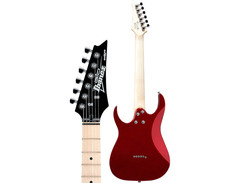


Average Price: $200
Budget/Beginner
$400
$1001+
Budget
Standard
High-end
- Excellent build quality and craftsmanship for the price
- Short scale ideal for small hands and young players
- Lightweight and well-balanced, perfect for beginners
- Versatile pickup arrangement with multiple tonal options
- See 6 more
- Some units have rough fret edges needing attention
- Requires setup for optimal playability and tuning stability
- Stock tuners may need upgrading for better performance
- Wood finish can feel unfinished or chunky to some users
- See 1 more
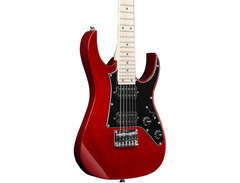
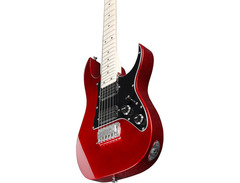
The MiKro series addresses a specific need in the beginner market: quality electric guitars at minimal cost. While compromises exist at this price point, Ibanez focuses on playability and essential features rather than premium appointments.
Modern Metal Features
Dual humbucker configuration provides powerful output suitable for rock and metal styles. The pickups deliver sufficient gain and sustain for learning heavy music, while coil-splitting capabilities add single-coil versatility. The guitar handles high-gain amplifier settings without excessive noise or feedback issues.
Fast neck profile encourages lead playing development and technical advancement. The thin C-shape reduces hand fatigue while supporting proper technique development. Jumbo frets facilitate string bending and vibrato techniques important in modern playing styles.
Practical Considerations
Lightweight construction makes the guitar comfortable for younger players or those with physical limitations. The reduced mass doesn't compromise structural integrity but improves playability during extended practice sessions. The compact body size works well for smaller players or cramped practice spaces.
Basic hardware functions reliably despite the budget price point. The fixed bridge maintains intonation and tuning stability, while simple electronics provide essential tone control. These guitars benefit from setup attention but offer genuine playability once properly adjusted.
Value Assessment
At this price level, expectations must remain realistic. The guitar provides authentic electric guitar experience and learning capability, but premium features and materials aren't included. However, many players successfully learn fundamentals and develop skills on similar instruments before upgrading to higher-end models.
Component upgrades can improve performance over time. Pickup replacements, hardware improvements, and professional setup work can transform these guitars into highly capable instruments. This upgrade path appeals to players who enjoy modifying their equipment while learning about guitar construction and electronics.
Harley Benton DC-Junior
4.0 (4)
The Direct Deal Champion


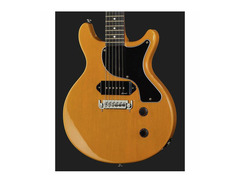
- Roswell P-90 pickup delivers clear, creamy tones, rivaling more expensive pickups
- Excellent fit and finish, comparable to higher-end guitars
- Slim, comfortable neck with expertly fitted frets and no sharp edges
- Solid Wilkinson tuners maintain tuning stability
- See 5 more
- Pickup height requires adjustment for optimal performance
- Nut and fretboard edges may need additional dressing for comfort
- Machine head screws may be too short, causing stability issues
- Tone control lacks smooth taper, may need replacement
- See 1 more
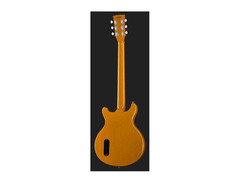
Harley Benton's direct-to-consumer model eliminates retail markup, allowing higher quality components at budget prices. The DC-Junior demonstrates how modern manufacturing and distribution create opportunities for exceptional value in entry-level instruments.
Quality Control Considerations
Manufacturing consistency varies more than established brands, requiring careful selection and potential return/exchange processes. However, well-made examples provide performance that rivals significantly more expensive guitars. The direct sales model includes return policies that protect buyers from receiving substandard instruments.
Component quality exceeds price expectations when manufacturing tolerances align properly. Hardware functions reliably, electronics provide clean signal paths, and construction methods ensure structural integrity. These guitars often surprise players with their capability and reliability.
Feature Set Analysis
Pickup configurations vary across the DC-Junior lineup, offering humbucker and single-coil options to suit different musical preferences. The electronics provide essential tone control without unnecessary complexity, focusing on practical functionality rather than premium features.
Neck profiles accommodate various playing styles and hand sizes. The construction methods produce stable, playable instruments that support proper technique development. Fret work typically meets acceptable standards, though professional setup often improves playability significantly.
Market Position
Direct sales pricing creates compelling value propositions that traditional retail models struggle to match. The savings allow beginners to allocate more budget toward amplifiers, accessories, or lessons rather than guitar premium alone.
Community support through online forums and user groups provides troubleshooting assistance and modification guidance. This resource network helps beginners maximize their instruments' potential while learning about guitar maintenance and customization.
Jackson JS Series Dinky Arch Top JS32 DKA
3.5 (2)
The Metal Machine

Average Price: $354
Budget/Beginner
$400
$1001+
Budget
Standard
High-end
- Super thin, fast neck enhances playability and comfort for extended sessions.
- Excellent tuning stability, even with aggressive play.
- Hot pickups provide a powerful, versatile sound for various styles.
- Affordable price for the quality, rivals more expensive models.
- See 4 more
- Requires significant setup out of the box, challenging for beginners.
- Floyd Rose Special tremolo has lower durability than standard versions.
- Inconsistent assembly quality, including crooked screws and poor soldering.
- Stock tuners may need upgrading for better performance.
- See 3 more
Jackson's heritage in metal guitar design translates effectively to the beginner market through the JS series. This instrument provides authentic metal guitar experience while maintaining accessibility for developing players who gravitate toward heavier music.
Metal-Focused Design
High-output humbucker pickups deliver the gain and sustain necessary for metal styles. The bridge pickup cuts through high-gain amplifier settings with clarity and power, while the neck pickup provides smooth lead tones for melodic passages. The combination handles everything from classic metal to modern djent styles.
Fast neck profile supports technical playing development and speed building exercises. The compound radius fretboard facilitates both rhythm chord work and lead playing techniques. Jumbo frets reduce finger pressure requirements while supporting advanced techniques like tapping and sweep picking.
Modern Appointments
24-fret access provides complete range for lead playing development. The neck joint design allows comfortable access to higher positions, important for learning scales and melodic patterns across the entire fretboard. The extended range supports modern metal compositions that utilize extreme registers.
Hardtail bridge design eliminates tremolo complexity while maintaining perfect intonation and tuning stability. This configuration suits metal playing styles that require precise intonation for complex chord voicings and rapid alternate picking passages.
Player Development
Aggressive aesthetics inspire practice sessions and build confidence in performance situations. The guitar's professional appearance and authentic Jackson design elements create emotional connection that motivates continued playing and skill development.
Versatility limitations should be considered by players interested in exploring multiple musical styles. While excellent for metal and hard rock, the guitar's voice may not suit clean playing or acoustic-style music as effectively as more versatile instruments.

Squier Jaguar Classic Vibe '70s
4.5 (7)
The Comfortable Classic

Average Price: $533
Standard/Professional
$400
$1001+
Budget
Standard
High-end
- Exceptional tone for a budget guitar, especially the pickups
- Attractive vintage aesthetics with beautiful color and finish
- Short scale neck, comfortable for smaller hands
- Versatile sound, suitable for diverse genres like indie pop, fuzz rock
- See 6 more
- Tremolo quality is subpar; often requires replacement or adjustments
- Fretwork issues, such as high frets and scratchiness, need attention
- Factory setup often poor, requiring shimming and adjustments
- Some mechanical noise from the tremolo when in use
- See 2 more
The Jaguar design offers distinctive features that set it apart from standard electric guitars. This instrument combines vintage aesthetics with practical benefits for beginning players who need comfortable playability or distinctive sonic character.
Short Scale Benefits
24-inch scale length reduces string tension significantly compared to standard guitars. This makes barre chords, string bending, and general fretting much easier for players with smaller hands or limited finger strength. The reduced tension also creates distinctive tonal characteristics with increased warmth and sustain.
Comfortable neck dimensions accommodate various hand sizes without feeling cramped or overly wide. The vintage-style neck profile provides substantial feel without excessive bulk, supporting proper technique development while remaining comfortable during extended playing sessions.
Unique Sonic Character
Dual single-coil pickups produce bright, articulate tones with distinctive midrange characteristics. The Jaguar's natural voice suits indie rock, alternative music, and vintage-inspired styles particularly well. The shorter scale contributes to warmer fundamentals and increased harmonic complexity.
Rhythm circuit provides additional tonal options through dedicated volume and tone controls. This feature allows quick switching between lead and rhythm settings, useful for players learning to manage multiple sounds during performance situations.
Alternative Appeal
Offset body design creates comfortable playing positions for both sitting and standing performance. The unique aesthetics appeal to players seeking alternatives to traditional Stratocaster and Les Paul designs while maintaining authentic vintage character.
Tremolo system offers expressive possibilities without excessive complexity. The vintage-style vibrato unit provides subtle pitch modulation effects that enhance musical expression while remaining stable enough for reliable tuning performance.
See how artists use this




Your First Rig: Must-Have Accessories

Getting your first electric guitar is just the beginning. The right accessories transform your new instrument into a complete musical system that supports learning and creativity. These essential items deserve careful consideration because they directly impact your playing experience and progress.
Amplification Essentials
Practice amplifiers serve as the foundation of your electric guitar experience. Look for models with built-in effects, headphone outputs, and recording capabilities. The Fender Mustang LT25 provides excellent amp modeling with user-friendly controls, while the Positive Grid Spark Mini offers modern connectivity and smart features that make practice engaging and interactive.
Modeling technology allows exploration of multiple amplifier types and effects without investing in separate pedals. This versatility helps beginners discover their preferred tones while learning how different sounds affect playing style and musical expression. Many modern practice amps include backing tracks and learning features that make solo practice more enjoyable.
Effects and Pedals
Guitar effects pedals represent an optional but exciting expansion to your basic rig. While not essential for beginners, effects can inspire creativity and help you achieve the sounds you hear in your favorite songs. Effects pedals alter your guitar's signal to create everything from subtle reverb and delay to dramatic distortion and modulation effects.
Multi-effects units offer exceptional value for beginners interested in exploring effects. These devices combine dozens of effects in one package, allowing experimentation with different sounds without investing in individual pedals. Units like the Boss GT-1 or Zoom G1X Four provide comprehensive effect libraries with simple controls that make sonic exploration accessible and affordable.
Individual pedals become more appealing as you develop preferences and playing style. Starting with basic effects like overdrive, delay, or reverb allows focused exploration of specific sounds. The individual pedal approach offers superior sound quality and customization but requires larger financial investment and more complex setup procedures.
Smartphone apps and audio interfaces now provide professional-quality effects processing through tablets and phones. These solutions offer exceptional value and convenience, though they require additional hardware for live performance situations. Many players use digital effects for practice and recording while maintaining traditional pedals for live performance.
Connection and Tuning
Quality instrument cables ensure clean signal transmission between guitar and amplifier. Avoid ultra-cheap cables that introduce noise and reliability issues. A single, well-made cable will serve you better than multiple inferior options that fail during important moments.
Digital tuners maintain accurate pitch more effectively than smartphone apps. Clip-on tuners offer convenience and accuracy while remaining affordable and portable. Consistent tuning builds ear training while ensuring that practice time focuses on technique rather than pitch correction.
Playing Comfort
Guitar straps enable standing practice and performance while preventing accidental drops. Comfortable padding reduces shoulder strain during extended playing sessions. Adjustable length accommodates different body sizes and playing preferences, important considerations for developing proper posture and technique.
Pick variety allows exploration of different tones and playing feels. Medium picks provide good balance for beginners, while thin picks suit strumming and thick picks benefit lead playing. Having multiple options helps discover personal preferences while understanding how pick choice affects tone and technique.
Protection and Organization
Gig bags protect your investment while enabling easy transport to lessons, friends' houses, or practice spaces. Basic padding prevents dings and scratches while maintaining budget consciousness. Hard cases offer superior protection but cost more and take up additional storage space.
Guitar stands keep instruments accessible and safe during practice sessions. Wall hangers save floor space while displaying guitars attractively. Easy access encourages more frequent playing, which accelerates learning and skill development significantly.
Common Beginner Mistakes (and How to Avoid Them)

Learning from others' experiences helps avoid frustrating setbacks that can derail musical progress. These common pitfalls trip up many beginning players, but awareness and preparation make them easily avoidable.
Prioritizing Appearance Over Playability
Visual appeal matters, but it shouldn't override practical considerations. A beautiful guitar that's difficult to play will discourage practice and slow progress. Test guitars for comfort, neck feel, and string action before making decisions based primarily on aesthetics. The best-looking guitar is worthless if you don't want to pick it up and play.
Many beginners assume expensive guitars automatically play better than affordable options. Price doesn't guarantee playability. Some budget instruments play excellently after proper setup, while some expensive guitars may have issues that affect learning.
Neglecting Setup Importance
Professional setup can transform mediocre guitars into excellent playing instruments. Many beginners struggle with high action, poor intonation, or tuning stability issues that simple adjustments could resolve. A $75 setup investment often makes more difference than spending hundreds more on a different guitar.
Learning basic maintenance saves money and builds understanding of how guitars function. Simple tasks like string changing, basic cleaning, and minor adjustments become second nature with practice. This knowledge helps identify when professional service is needed versus issues you can address yourself.
Inadequate Accessory Planning

Hidden costs surprise many first-time buyers who focus entirely on guitar prices while forgetting necessary accessories. Budget for amplifier, cable, picks, strap, tuner, and gig bag from the beginning. These items aren't optional extras but essential components of functional electric guitar systems.
Quality balance matters across all components. Excellent guitar paired with terrible amplifier won't sound good, while great amp with poor cable will introduce noise and reliability issues. Distribute budget thoughtfully across all necessary items rather than spending everything on the guitar alone.
Isolation and Lack of Guidance
Learning in isolation leads to bad habits and frustration that could be avoided with proper guidance. Guitar teachers, online lessons, or knowledgeable friends provide feedback that accelerates learning while preventing technique problems that become difficult to correct later.
Community connection through local music stores, guitar groups, or online forums provides support and motivation. Sharing experiences with other players builds enthusiasm while providing practical advice about equipment, techniques, and musical opportunities.
Unrealistic Expectations
Progress takes time, and expecting rapid advancement leads to discouragement. Professional musicians develop skills over years of consistent practice, not weeks or months. Setting realistic goals and celebrating small victories maintains motivation while building long-term success patterns.
Comparison trap affects many beginners who measure their progress against advanced players or social media highlights. Everyone learns at different rates, and musical development isn't competitive.
Plug In and Play

Your journey into electric guitar starts with choosing an instrument that inspires and supports your musical growth. The guitars we've explored represent different approaches to the same goal: making electric guitar accessible, enjoyable, and rewarding for beginning players.
The Squier Classic Vibe 50's Stratocaster offers timeless versatility and comfort that serves players across multiple musical styles. Its balanced tone and reliable performance make it an excellent foundation for learning electric guitar fundamentals. The Epiphone Les Paul Standard delivers classic rock power and sustain that inspire powerful playing, while the Yamaha Pacifica PAC112V provides exceptional build quality and HSS versatility for exploring diverse musical territories.
Budget-conscious players will find genuine value in the Ibanez Gio MiKro GRGM21M's modern features and ultra-affordable pricing, while the Harley Benton DC-Junior proves that direct sales can deliver surprising quality at minimal cost. The Jackson JS Series Dinky Arch Top JS32 DKA brings authentic metal guitar experience to beginners drawn to heavier styles, and the Squier Jaguar Classic Vibe '70s offers unique character and short-scale comfort for players seeking alternatives to standard designs.
The perfect beginner guitar is the one that makes you want to play every day. Whether you're drawn to vintage Stratocaster versatility, Les Paul power, Telecaster simplicity, or modern metal aggression, your choice should reflect your musical interests while providing reliable performance that supports skill development. Don't overthink the decision. Any of these guitars will serve you well as you develop technique, discover your musical voice, and build the foundation for a lifetime of musical enjoyment.
Your electric guitar journey begins with that first chord, that first riff, that first moment when everything clicks and the music flows through your fingers.
Top Ranked Solid Body Electric Guitars on Equipboard


About the authors
Michael R. Pierce is the co-founder of Equipboard and a lifelong musician with over 25 years of experience as a guitarist and gear enthusiast. He blends solid music theory chops (thanks to formal training in guitar, piano, and trumpet) with real-world experience, always exploring and experimenting across genres like rock, blues, and hip-hop. Michael launched Equipboard in 2013 after graduating from The University of Texas at Austin, leveraging his unique blend of musical passion, technological acumen, and community building. His current go-to rig features a Fender American Original ‘50s Telecaster, Analogman King of Tone, Strymon Flint, and a Fender ‘57 Custom Champ. Read more
New in Solid Body Electric Guitars


$1,298.53 - $2,199.99
in Solid Body Electric Guitars Rank

-m.webp?v=1785249858)
$1,699.00 - $2,058.00


$1,174.00 - $1,299.99


$1,535.00 - $1,699.99


$2,999.00 - $5,760.00


$5,230.00 - $5,555.00


$2,977.00 - $3,599.99


$2,279.00 - $2,499.00


$1,659.00 - $1,799.00



.jpg)