Table of Contents

Equipboard
Equipboard is the world's largest community of artists and their gear. Read our review process.
We are reader-supported. When you buy through links on our site, we may earn an affiliate commission. Learn more.
Our Picks

Best Aftermarket Sustainer System: The Sustainiac Neck Pickup delivers professional-grade infinite sustain with exceptional versatility and control options. This system transforms any compatible guitar into a sustainer-capable instrument with minimal aesthetic impact and maximum creative potential.
Read more


Fernandes FSK-401 Sustainer Pickup Kit
Best Integrated Sustainer Solution: The Fernandes FSK-401 offers reliable, musical sustain with straightforward operation and excellent build quality. This system prioritizes consistency and ease of use over extensive control options, making it ideal for players who want dependable results.
Read more
Fender EOB Sustainer Stratocaster
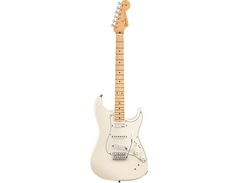
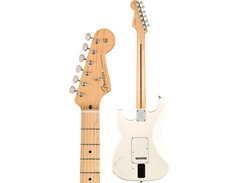
Best Factory Sustainer Guitar: The Fender EOB Sustainer Stratocaster combines classic Stratocaster playability with integrated Fernandes sustainer technology. This collaboration between Fender and Radiohead's Ed O'Brien creates a production instrument that excels at both traditional guitar work and atmospheric sustainer applications.
Read more


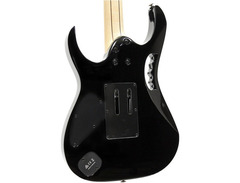
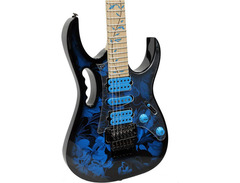
Best High-Performance Sustainer Guitar: The Ibanez JEM77BFP stands as the pinnacle of sustainer-equipped performance guitars. Developed with Steve Vai's input, this instrument combines cutting-edge sustainer technology with exceptional playability and distinctive visual appeal.
Read more

Jackson USA Signature Phil Collen PC1
Best Metal Sustainer Guitar: The Jackson PC1 Phil Collen signature model combines aggressive aesthetics with professional sustainer capabilities. This instrument delivers the controlled feedback effects and extended sustain that characterize Def Leppard's guitar sound.
Read more
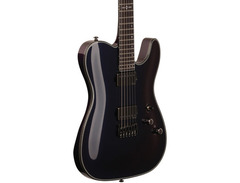
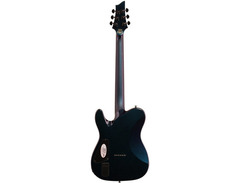
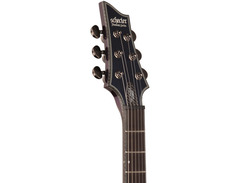
Best Value Sustainer Guitar: The Schecter Hellraiser Hybrid PT delivers professional sustainer capabilities at an accessible price point. This instrument proves that advanced electronics and quality construction can coexist with reasonable pricing.
Read moreEvery guitarist knows that moment when you hit the perfect note and desperately want it to ring out forever, to soar above the mix and captivate your audience. But physics has other plans. The note begins to fade, the magic moment slips away, and you're left wishing you could somehow freeze that sound in time.
This is the eternal struggle that has driven guitarists to push their amps to the brink of feedback, lean into their speakers until their ears ring, and experiment with every sustain trick in the book. From Jimi Hendrix's masterful manipulation of amp feedback to modern ambient soundscapes that seem to float endlessly, the quest for infinite sustain has shaped guitar music for decades.
Enter the guitar sustainer: an elegant electronic solution that transforms this dream into controllable reality. Unlike the unpredictable nature of natural feedback or the limitations of compression pedals, sustainers offer precise, infinite sustain at any volume level, giving you the power to make any note ring out as long as your creativity demands.
We'll explore how they work, dive into the technical details that matter, compare the major systems available, and examine how legendary players like Steve Vai, Joe Satriani, and Ed O'Brien have used these tools to craft their signature sounds.
What Exactly is a Guitar Sustainer?

A guitar sustainer is an electronic system that creates continuous string vibration by sending electromagnetic energy back into your guitar strings. Think of it as having a tiny, built-in EBow that never needs to be moved or repositioned. The system keeps your strings vibrating indefinitely, creating that coveted infinite sustain that would otherwise require ear-splitting volume levels or perfect acoustic conditions.
The Core Components
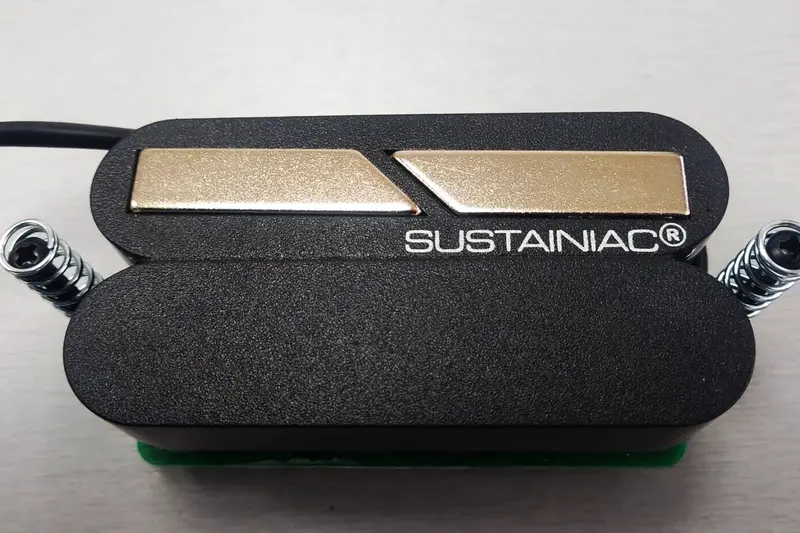
Every sustainer system consists of two main elements working in harmony. The driver unit serves as the engine of the system, typically installed in the neck pickup position. This isn't actually a pickup in the traditional sense, though it looks like one. Instead, it's a specialized electromagnetic driver that sends energy into your strings rather than receiving it.
The control circuit acts as the brain of the operation, usually housed inside your guitar's body cavity. This sophisticated electronics package powers the driver and manages the various sustain modes available. Modern sustainer systems often include battery compartments and control switches that let you toggle between different sustain characteristics or turn the system on and off entirely.
How the Magic Happens
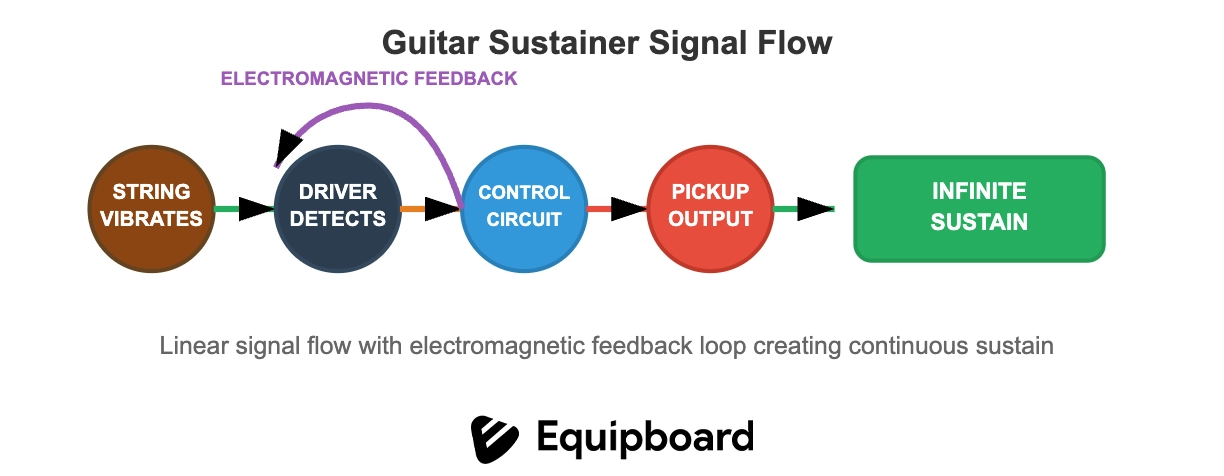
The physics behind sustainers is surprisingly elegant. When you play a note, the driver detects the string's vibration through electromagnetic induction. It then creates a precisely timed electromagnetic field that pushes and pulls on the string in perfect synchronization with its natural vibration. This creates a feedback loop where the driver continuously feeds energy back into the string, maintaining its motion indefinitely.
Imagine pushing someone on a playground swing. If you time your pushes perfectly with the swing's natural rhythm, you can keep it going with minimal effort. A sustainer works on the same principle, but instead of your hands providing the push, it's an electromagnetic field that perfectly matches your string's vibration frequency.
Beyond Simple Feedback
What sets sustainers apart from natural amp feedback isn't just reliability and volume independence. These systems offer controlled harmonic manipulation that goes far beyond what you can achieve with traditional feedback techniques. While amp feedback is often unpredictable and limited to certain frequencies and volume levels, sustainers give you precise control over which harmonics are emphasized and how the sustain behaves across your instrument's entire range.
The Genesis of Infinite Sustain
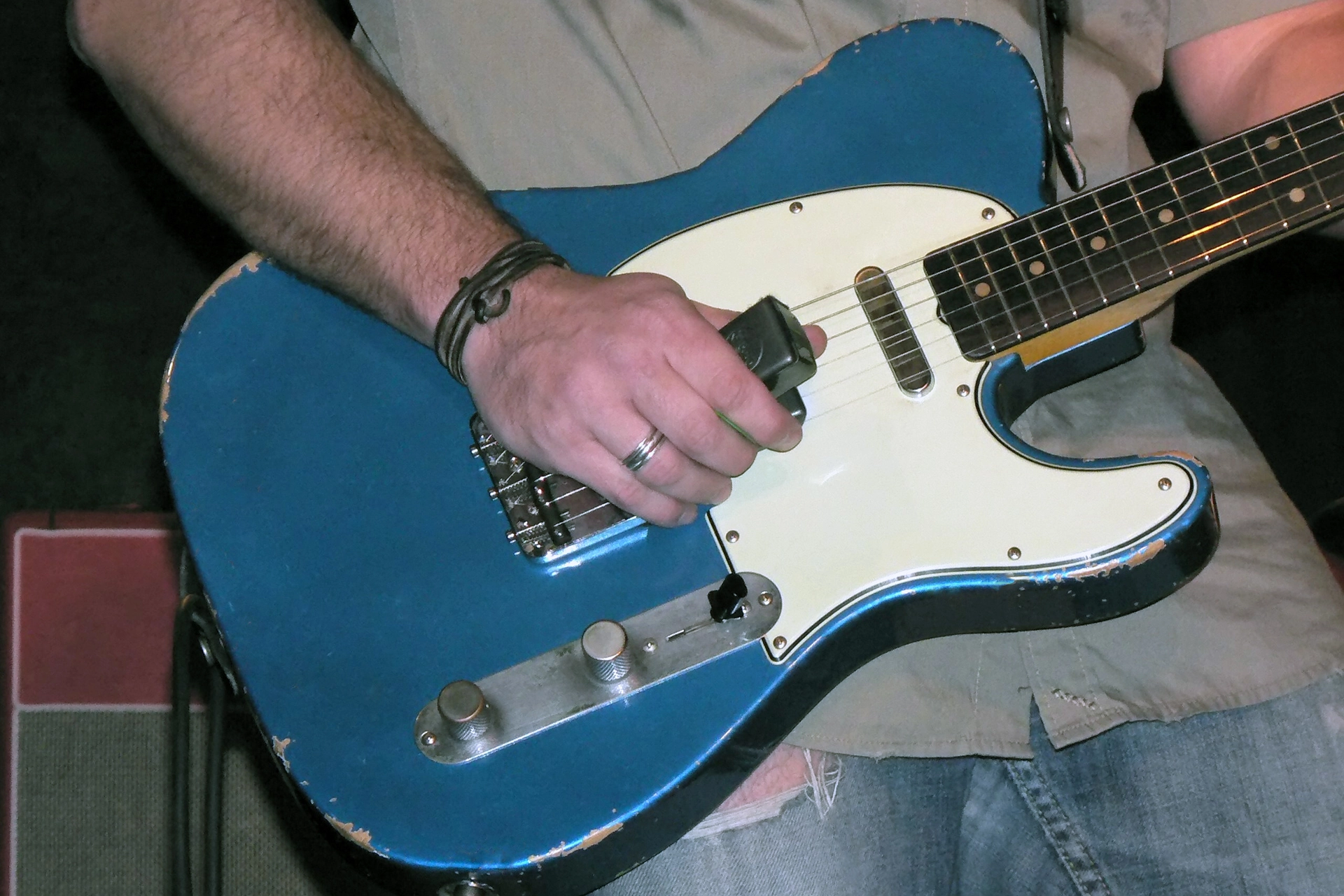
The journey toward built-in sustainer systems began with a simple but revolutionary device. The EBow, introduced in the 1970s, proved that electromagnetic sustain was not only possible but musically valuable. This handheld device showed guitarists what infinite sustain could sound like, but it also highlighted the limitations of external solutions. You could only sustain one string at a time, and your fretting hand was partially occupied with positioning the device.
The Pioneers Take Center Stage
Two companies recognized the potential for integrated sustainer systems and began developing solutions in the 1980s. Fernandes, the Japanese guitar manufacturer, partnered with a small electronics company to create their first sustainer-equipped guitars. Their early models proved that the technology could be successfully built into instruments without compromising playability or tone.
Around the same time, Sustainiac developed their own approach to the challenge. Rather than focusing primarily on complete guitars, they pioneered the aftermarket kit concept, allowing players to retrofit their existing instruments with sustainer technology. This approach opened up possibilities for custom installations and gave players more flexibility in choosing their preferred guitar models.
Mainstream Adoption and Artist Endorsements
The real breakthrough came when high-profile artists began incorporating sustainers into their signature sounds. Steve Vai's partnership with Ibanez brought Sustainiac-equipped guitars to a much wider audience, while his innovative use of harmonic sustain techniques demonstrated the creative possibilities these systems offered. Other manufacturers took notice, and soon sustainer-equipped models appeared in catalogs from Jackson, Schecter, and eventually even traditional companies like Fender.
The technology evolved from a niche curiosity to a legitimate musical tool as more players discovered its potential. Custom guitar builders began offering sustainer installations as standard options, and the systems themselves became more reliable and user-friendly with each generation.
How Sustainers Shape Your Tone
Understanding how sustainers affect your guitar's voice goes beyond simple sustain extension. territories that are impossible to reach through conventional means.
The Electromagnetic Process Explained
When you strike a string, it vibrates in complex patterns that create both the fundamental note and various harmonics. A sustainer system reads these vibrations through electromagnetic sensors and then feeds appropriately timed electromagnetic energy back into the string. This process happens continuously and automatically, requiring no conscious effort from the player.
The key to understanding sustainers lies in recognizing that they don't just maintain whatever vibration is already present. They can selectively emphasize certain aspects of the string's movement while allowing others to decay naturally. This selective emphasis is what creates the different sustain modes that make these systems so versatile.
Fundamental Mode Characteristics
In fundamental mode, the sustainer maintains the primary vibration pattern of your string, preserving the note you originally played while extending it indefinitely. This mode works beautifully for sustained chords, long single notes, and situations where you want natural-sounding infinite sustain without harmonic coloration.
The tonal character in fundamental mode tends to be warm and full, similar to what you might achieve with natural sustain but without the volume requirements or frequency limitations. Lower notes sustain just as easily as higher ones, and the system maintains good string-to-string balance across your entire fretboard.
Harmonic Mode Magic
Harmonic mode transforms sustainers from useful tools into creative instruments in their own right. Instead of maintaining the fundamental vibration, this mode isolates and drives natural harmonics present in the string's motion. The result is often a note that sounds an octave or more higher than what you originally played, with a bright, singing quality that can cut through even dense mixes.
The specific harmonics that emerge depend on various factors including your pick attack, fret position, and how long you let the fundamental note establish before the harmonic takes over. This creates an element of controlled unpredictability that many players find inspiring. You might intend to sustain a low E, but the system might latch onto the fifth harmonic, giving you a soaring B that transforms your entire musical phrase.
Advanced Control Options
Modern sustainer systems often include blend controls that let you mix fundamental and harmonic modes, creating complex tonal combinations that evolve over time. Some systems also offer intensity controls that adjust how aggressively the sustainer drives the strings, allowing you to find the perfect balance between control and chaos.
Showdown: Fernandes vs. Sustainiac
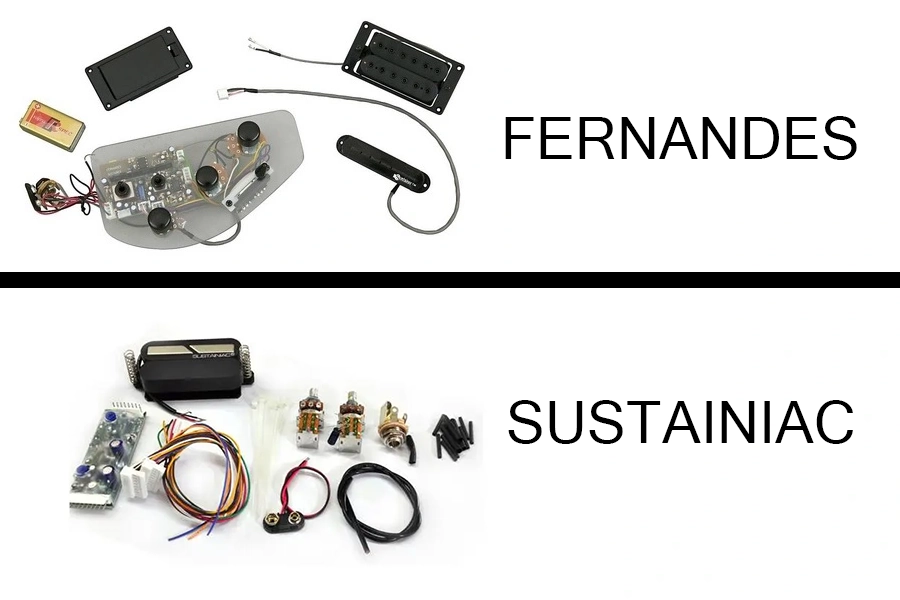
The sustainer market has been shaped primarily by two competing approaches, each with distinct advantages and characteristics. Understanding these differences helps you make informed decisions about which system might work best for your needs and playing style.
Fernandes System Philosophy
Fernandes approached sustainers with a guitar manufacturer's perspective, integrating their systems deeply into complete instruments. Their sustainer circuits are typically designed to work optimally with specific guitar models and pickup configurations, creating a more cohesive overall package.
The Fernandes approach emphasizes reliability and simplicity. Their systems generally feature fewer controls and modes, focusing on delivering consistent performance across a wide range of musical situations. The electronics are often more deeply integrated into the guitar's wiring, making them less suitable for easy retrofitting but more stable in long-term use.
Installation of Fernandes systems typically requires significant modification to existing guitars, including routing for the control circuit and careful integration with your existing electronics. This complexity means most installations need professional work, but the result is often a very clean, integrated feel.
Sustainiac Design Approach
Sustainiac took a different path, developing modular systems that could be adapted to various guitar types and player preferences. Their approach emphasizes flexibility and user control, offering multiple sustain modes and more extensive control options.
The Sustainiac philosophy centers on maximum creative potential. Their systems typically offer fundamental, harmonic, and mixed modes, along with intensity controls that let you fine-tune the sustainer's behavior. This increased complexity provides more sonic possibilities but requires more learning time to master effectively.
From an installation perspective, Sustainiac systems were designed with retrofitting in mind. While they still require significant modification to most guitars, their modular approach and detailed installation instructions make them more accessible to experienced DIY builders and professional luthiers alike.
Tonal Character Differences
The two systems produce distinctly different harmonic characteristics. Fernandes sustainers tend to have a warmer, more musical quality in both fundamental and harmonic modes. Their harmonic mode often produces more predictable results, making them popular among players who want sustained notes that blend naturally with their overall tone.
Sustainiac systems often exhibit a brighter, more aggressive character, particularly in harmonic mode. Their harmonic sustain can be more unpredictable and wild, which some players find inspiring for experimental work. The increased control options also allow for more precise tailoring of the sustain characteristics.
| Feature | Fernandes | Sustainiac |
|---|---|---|
| Primary Focus | Complete guitar integration | Aftermarket flexibility |
| Control Options | Simplified, essential controls | Extensive mode and intensity options |
| Installation | Professional recommended | DIY-friendly with experience |
| Harmonic Character | Musical, predictable | Bright, experimental |
| Best For | Players wanting integrated solutions | Players wanting maximum control |
Choosing Your Sustainer Path

Your approach will depend on your technical comfort level, budget constraints, and how central sustainer effects will be to your playing style.
The Complete Guitar Route
Purchasing a factory-equipped sustainer guitar offers the most straightforward path into this technology. These instruments arrive with sustainers properly installed, tested, and optimized for the specific guitar model. You avoid installation challenges and potential compatibility issues while getting a system that's been designed to work seamlessly with your chosen instrument.
Factory installations also typically come with comprehensive documentation and warranty coverage that extends to both the guitar and the electronics. If problems arise, you have clear recourse through the manufacturer rather than trying to troubleshoot a custom installation.
The downside of this approach is limited flexibility in choosing your preferred guitar model. You're restricted to instruments that manufacturers offer with sustainers already installed, which may not align perfectly with your preferred neck profile, body style, or other specifications.
Aftermarket Installation Considerations
Installing a sustainer kit into an existing guitar opens up possibilities but introduces complexity. This approach works best if you already own a guitar that you love and want to enhance, or if you have specific requirements that aren't met by factory-equipped options.
Professional installation is strongly recommended for most players. Sustainer installation requires precise routing, careful electronics work, and often irreversible modifications to your instrument. A qualified luthier or guitar technician will have the tools and experience needed to ensure clean, reliable results.
The installation process typically involves routing cavities for the control circuit and battery compartment, replacing your neck pickup with the driver unit, and integrating the sustainer electronics with your existing wiring. Depending on your guitar's current electronics, additional modifications might be necessary to achieve optimal performance.
Feature Priorities
When evaluating sustainer options, consider which features matter most to your playing style. Mode selection capabilities determine how much tonal variety you'll have access to. If you're primarily interested in extended sustain for solos and sustained chords, a system with reliable fundamental mode might be sufficient.
Players interested in experimental textures and harmonic exploration should prioritize systems with robust harmonic modes and blend capabilities. The ability to control sustainer intensity also becomes more important when you're using the system as a creative effect rather than just a sustain enhancer.
Battery life considerations vary depending on how frequently you'll use the sustainer. Some systems include low-battery indicators or automatic shutoff features that help prevent unexpected failures during performances.
Artists Who Define the Sustainer Sound
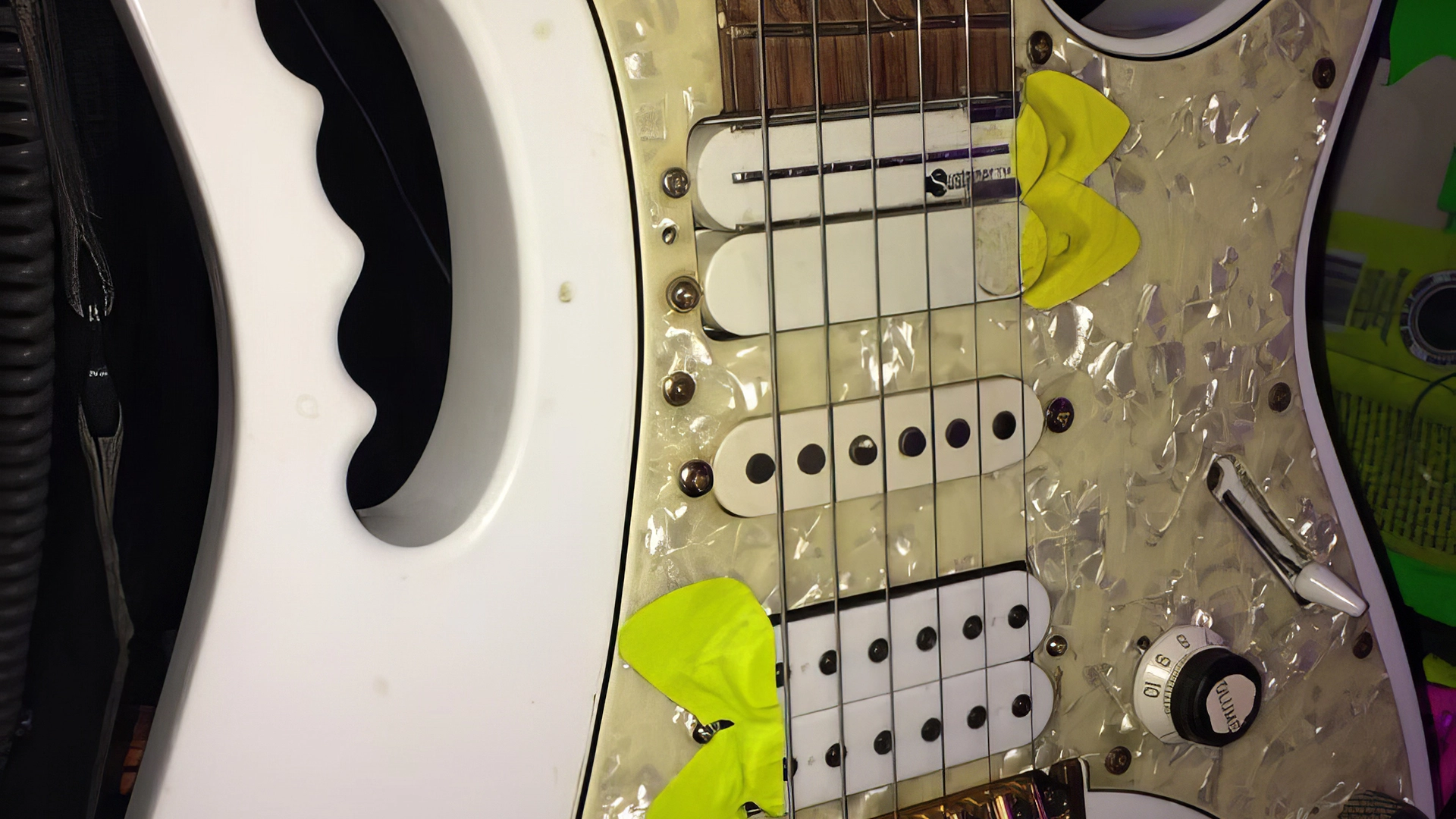
Understanding how professional musicians integrate sustainers into their creative process provides valuable insight into these systems' practical applications and sonic possibilities.
Steve Vai's Harmonic Explorations
Steve Vai has perhaps done more than any other guitarist to demonstrate sustainers' creative potential. His approach goes far beyond using them for extended sustain, instead treating the technology as a compositional tool that opens up harmonic territories impossible to reach through conventional techniques.
On tracks like "For the Love of God," Vai uses harmonic sustain mode to create soaring melodic lines that seem to float above the rhythmic foundation. His technique involves triggering fundamental notes and then allowing the sustainer to latch onto specific harmonics, creating phrases that evolve organically rather than following predictable melodic patterns.
Vai's Ibanez JEM series guitars feature integrated Sustainiac systems that he helped develop and refine. His input shaped these systems' harmonic response characteristics and control layouts, making them particularly well-suited to his experimental approach to melody and texture.
Joe Satriani's Melodic Mastery
Joe Satriani demonstrates a more melodically focused approach to sustainer usage, employing the technology primarily to enhance his already formidable phrasing abilities. Rather than pursuing the wild harmonic flights that characterize Vai's work, Satriani uses sustainers to extend and control natural guitar sounds.
His Ibanez JS signature models incorporate sustainers in ways that complement his playing style without overwhelming it. Satriani often uses fundamental sustain mode to create powerful sustained chords that provide harmonic foundation for his melodic work, particularly in slower, more atmospheric pieces.
The sustainer allows Satriani to achieve consistent sustain characteristics across different venues and volume levels, something that's particularly valuable for a touring musician who needs reliable results night after night.
Ed O'Brien's Atmospheric Innovations
Radiohead's Ed O'Brien demonstrates a completely different approach to sustainer usage, incorporating the technology into ambient soundscapes and textural work that pushes far beyond traditional guitar roles.
His Fender EOB Sustainer Stratocaster features a Fernandes sustainer system that he uses to create lush, evolving textures that blend seamlessly with Radiohead's electronic elements. On tracks from albums like "Kid A," O'Brien uses sustainers to generate sustained harmonic content that serves more as atmospheric enhancement than traditional guitar playing.
O'Brien's approach demonstrates how sustainers can be integrated into ensemble playing rather than just solo work. His sustained textures often provide harmonic glue that holds together complex arrangements while adding movement and interest without competing for attention.
Phil Collen's Controlled Feedback
Def Leppard's Phil Collen uses sustainers to achieve controlled feedback effects that would be impossible to manage consistently with natural amp feedback. His Jackson PC1 Phil Collen signature model incorporates sustainer technology that allows him to create feedback-style effects at manageable volumes.
Collen's technique focuses on using harmonic mode to create searing lead tones that cut through Def Leppard's dense mix without requiring excessive volume levels. This approach is particularly valuable for studio work where controlled dynamics are essential.
The Edge's Textural Applications
U2's The Edge incorporates sustainers into his effects-heavy approach, using them to create sustained tones that interact with his extensive delay and reverb setups. His Fernandes-equipped guitars allow him to generate consistent source material for his complex signal processing chains.
The Edge's sustainer usage often focuses on creating rhythmic textures rather than lead lines, using sustained notes as rhythmic elements that pulse and evolve through his effects systems.
Alternatives and The Old School Way
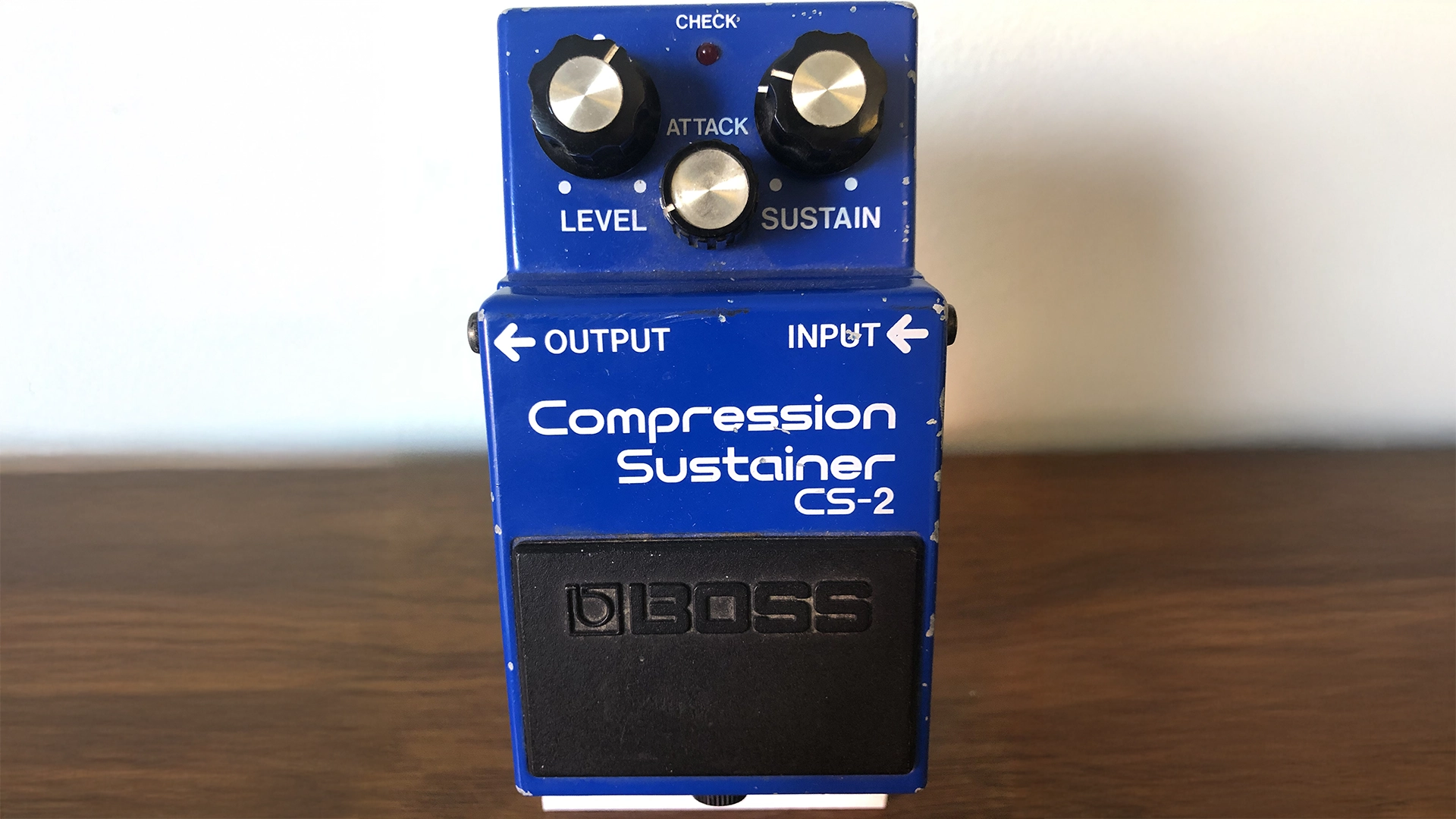
While dedicated sustainer systems offer the most control and reliability, several alternative approaches can provide similar results for players who aren't ready to commit to permanent guitar modifications.
The EBow Legacy
The handheld EBow remains a viable alternative for players who want to explore sustainer sounds without modifying their guitars. Modern EBows are more reliable and easier to use than early versions, and they offer some advantages over built-in systems.
Since the EBow isn't permanently installed, you can use it with any guitar without modification. This flexibility is particularly valuable for players who own multiple instruments or frequently switch between different guitars during performances.
The EBow also offers different tonal characteristics than built-in sustainers. Its direct electromagnetic coupling with individual strings can produce unique harmonic content that some players prefer, particularly for experimental work.
Natural Feedback Techniques
Understanding traditional feedback methods remains valuable even for players with sustainer-equipped guitars. Natural amp feedback offers tonal characteristics that electronic systems can't perfectly replicate, and mastering feedback control makes you a more complete player regardless of your electronics.
The key to controllable feedback lies in understanding the relationship between volume, frequency response, and positioning. Different amp models and speaker configurations produce feedback at different frequencies and intensities, giving you some control over the harmonic content.
Physical positioning relative to your amp becomes crucial for feedback control. Distance and angle affect which frequencies feed back most readily, while your guitar's pickup selector and tone controls provide additional shaping options.
Effects Pedal Approaches
Several categories of effects pedals can provide sustain-like results without requiring guitar modifications. Compressor pedals extend natural sustain by reducing dynamic range, making quieter note tails more audible and consistent.
Overdrive and distortion pedals with high gain settings can create natural compression that extends sustain, particularly when combined with appropriate amp settings. The harmonic saturation from these pedals also adds sustain-friendly frequency content.
More specialized pedals like feedback loopers and freeze effects can create infinite sustain by sampling and looping portions of your signal. While different from true sustainer behavior, these effects offer unique creative possibilities.
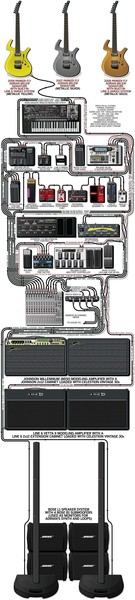
Sustainiac Stealth Pro Kit
5.0 (13)
The Aftermarket Sustain Revolution




Installation and Compatibility
The Sustainiac Neck Pickup system requires professional installation in most cases, involving routing for the control circuit and battery compartment. The pickup-style driver unit fits into standard neck pickup rings, maintaining your guitar's visual integrity while adding powerful sustainer capabilities.
Compatibility extends across most solid-body electric guitars with standard pickup routing. The system works with both six and seven-string instruments, though optimal performance depends on proper installation and appropriate electronics integration.
Control Features and Sonic Character
Three distinct sustain modes provide comprehensive tonal options for any musical situation. Fundamental mode delivers natural-sounding infinite sustain perfect for melodic work, while harmonic mode creates soaring overtones that cut through any mix. The mixed mode combines both characteristics for complex, evolving sustain textures.
The intensity control allows precise adjustment of the sustainer's drive level, from subtle sustain enhancement to aggressive harmonic generation. This control proves particularly valuable for players who want to integrate sustainer effects smoothly into their existing playing style.
Battery life typically extends through multiple performance sessions with the included rechargeable power system. The low-battery indicator prevents unexpected failures during critical moments.
See how artists use this







Fernandes FSK-401 Sustainer Pickup Kit
5.0 (6)
The Musical Sustain Purist
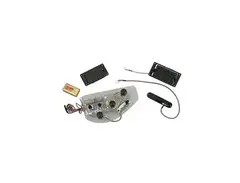
Design Philosophy and Performance
Simplified operation characterizes the FSK-401 approach, with essential controls that focus on delivering consistent sustain without overwhelming complexity. The system emphasizes musical applications over experimental possibilities, making it particularly suitable for traditional playing styles.
The harmonic response tends toward warmer, more musical characteristics compared to some competing systems. Fundamental mode provides smooth, natural-sounding sustain that blends seamlessly with your guitar's existing tone, while harmonic mode offers controlled overtone generation.
Installation Requirements
Professional installation proves nearly essential for optimal results with the FSK-401 system. The electronics integration requires careful attention to shielding and grounding to prevent interference with your guitar's existing pickups and electronics.
Routing requirements include spaces for the control circuit, battery compartment, and associated switching. The system's design prioritizes long-term reliability over ease of installation, resulting in clean, professional results when properly installed.
See how artists use this





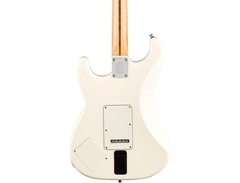
Fender EOB Sustainer Stratocaster
5.0 (7)
The Atmospheric Dream Machine


Average Price: $1,377
High-end/Boutique
$400
$1001+
Budget
Standard
High-end
- Unique Fernandes Sustainer adds endless sustain and creative sound options
- Custom pickup configuration offers diverse tonal variety
- High-quality finish and aesthetics praised by multiple users
- Comfortable, chunky neck favored by some players
- See 6 more
- Neck can feel too chunky for players used to slimmer profiles
- Truss rod adjustment requires neck removal, considered a design flaw
- Battery life for the sustainer can be short
- Issues with neck alignment and setup out of the box
- See 6 more
Design and Construction
Premium construction characterizes every aspect of this instrument, from the carefully selected alder body to the modern C-shaped maple neck. The sustainer integration maintains the classic Stratocaster aesthetic while adding sophisticated electronic capabilities.
The pickup configuration balances sustainer functionality with traditional Strat versatility. The middle and bridge positions feature custom pickups designed to complement the sustainer system, while the five-way selector provides comprehensive tonal options.
Sustainer Integration and Performance
Fernandes sustainer technology integrates seamlessly into the guitar's electronics, with dedicated controls that don't interfere with normal playing. The system's musical character suits both subtle sustain enhancement and more dramatic harmonic effects.
Versatility extends from clean, sustained chords perfect for ambient work to aggressive harmonic sustain suitable for lead applications. The guitar maintains excellent acoustic properties even when the sustainer isn't engaged, ensuring it functions as a complete instrument rather than just a sustainer platform.
See how artists use this











IBANEZ JEM77BFP
5.0 (3)
The Virtuoso's Sustain Weapon

Average Price: $1,646
High-end/Boutique
$400
$1001+
Budget
Standard
High-end
Performance Features
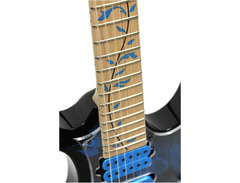
Premium appointments throughout include a basswood body, maple/walnut neck, and Sustainiac sustainer system with comprehensive control options. The guitar's design prioritizes both technical performance and visual impact, with distinctive artwork and high-quality hardware.
The Sustainiac system offers full control over sustain modes and intensity, making it suitable for everything from subtle melodic enhancement to extreme harmonic experimentation. The electronics integration maintains clean operation while providing extensive tonal versatility.
Playability and Construction
Exceptional playability results from careful attention to setup details and premium construction materials. The neck profile accommodates both technical playing and sustained note work, while the premium frets and hardware ensure consistent performance.
Hardware quality extends from the Floyd Rose tremolo system to the custom electronics, creating an instrument that performs reliably under demanding performance conditions.
See how artists use this





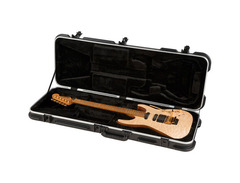
Jackson USA Signature Phil Collen PC1
The Metal Sustain Beast

Average Price: $4,476
High-end/Boutique
$400
$1001+
Budget
Standard
High-end
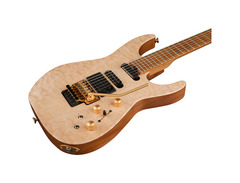
- Stunning design with a flame maple cap and transparent satin finish
- Thick neck profile enhances control, comfort, and sound fullness
- Incredible warmth, depth, and clarity in sound
- Versatile sustainer pickup adds a unique dimension to sound
- See 6 more
- Volume knobs are too tight for some users
- Occasional miswiring issues affecting sound quality
- Some users report poor lacquer quality
- Sustainer and octave switch malfunctions reported
- See 2 more
Construction and Design
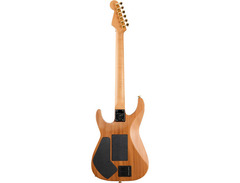
Solid construction features a poplar body with maple cap, providing the resonant foundation necessary for optimal sustainer performance. The through-neck design enhances sustain and upper-fret access, crucial elements for lead-focused playing.
The Sustainiac system integrates cleanly into the guitar's electronics, with controls positioned for easy access during performance. The system's response characteristics suit the aggressive playing style associated with hard rock and metal applications.
Tone and Performance
Aggressive tonal character results from the combination of active electronics and sustainer technology. The guitar excels at creating controlled feedback effects and extended sustain suitable for powerful lead work and rhythmic applications.
Reliability under performance conditions makes this instrument suitable for touring and studio work where consistent results are essential.
Schecter Hellraiser Hybrid PT
5.0 (1)
The Budget Sustain Champion

Average Price: $999
Standard/Professional
$400
$1001+
Budget
Standard
High-end
Value and Performance Balance
Smart design choices throughout the instrument maximize performance while controlling costs. The mahogany body provides excellent resonance for sustainer applications, while the set neck construction enhances both sustain and playability.
The Sustainiac system offers comprehensive mode selection and control options despite the guitar's accessible pricing. Installation quality matches more expensive instruments, ensuring reliable long-term performance.
Versatility and Applications
Broad tonal range makes this guitar suitable for various musical styles beyond its metal-focused appearance. The sustainer system works effectively for both aggressive and subtle applications, while the standard pickups provide excellent traditional tones.
Build quality exceeds expectations for the price range, with attention to setup details and component quality that ensures consistent performance.
Conclusion
Guitar sustainers offer far more than simple sustain enhancement. They provide creative possibilities that extend well beyond traditional guitar techniques, opening up harmonic territories and textural applications that can transform your musical approach. From Steve Vai's soaring harmonic explorations to Ed O'Brien's atmospheric soundscapes, these systems have proven their value across diverse musical contexts.
Whether you choose the Sustainiac Neck Pickup for its comprehensive control options, the Fernandes FSK-401 for its musical reliability, or opt for a complete instrument like the Fender EOB Sustainer Stratocaster, Ibanez JEM77BFP, Jackson PC1 Phil Collen, or Schecter Hellraiser Hybrid PT, you're investing in technology that can genuinely expand your creative palette.
The decision between aftermarket installation and factory-equipped instruments depends on your specific needs, technical comfort level, and how central sustainer effects will be to your playing. Aftermarket systems offer maximum flexibility but require professional installation, while complete guitars provide immediate access to optimized sustainer performance.
With proper installation and some experimentation, any of these sustainer options can become an integral part of your musical voice, offering new ways to express ideas that might otherwise remain locked inside your imagination.
About the authors

S. Jino is an accomplished multi-instrumentalist and music producer based in Kolkata, India, distinguished by his self-taught mastery and unique blend of technical acumen and musical performance. His extensive experience was forged through hands-on dedication, starting with the full restoration of a broken guitar. Jino's capabilities span keyboards, pedals, and advanced digital production, reflecting a comprehensive skill set developed independently. As a significant contributor to the music scene, Jino regularly performs with worship bands and college ensembles. He has also established himself as a reliable and authoritative professional in freelance mixing, mastering, and original music creation. Inspired by the innovative sounds of Brian May and David Gilmour, and influenced by Kolkata's vibrant metal community, Jino is committed to the intricate art of vintage gear restoration and the continuous exploration of music and technology fusion. His current professional setup, featuring a meticulously restored nameless guitar, a Fender Player Strat, and a Boss Katana 50. Read more





.webp)



.webp)