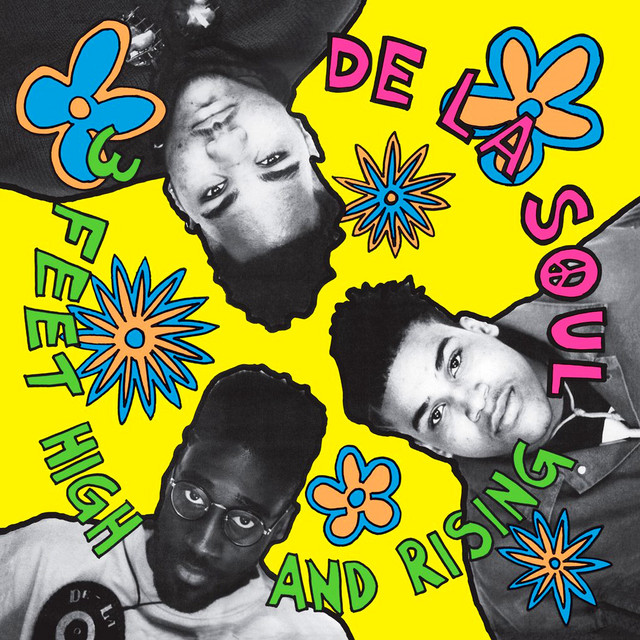
De La Soul & De La Soul – 3 Feet High and Rising
The music gear and equipment used by the artists, producers, engineers, and more involved in the making of the 1989 album 3 Feet High and Rising.
Music from 3 Feet High and Rising


Gear Used On 3 Feet High and Rising
Explore the instruments, equipment, software, and production tools used in the making of De La Soul & De La Soul – 3 Feet High and Rising (1989). Click more on each item to see exactly how it was used.

De La Soul
Roles:
Studio Equipment used by De La Soul on 3 Feet High and Rising

In this 2014 interview, Posdnuos mentions the gear used for "3 Feet High And Rising". From the interview:
"We made the whole of 3 Feet High and Rising for $13,000, using just a Casio RZ-1 drum machine/sampler and another gadget called an Eventide harmonizer, which allowed us to match songs that had totally different pitches – we could put Daryl Hall's voice over a Sly and the Family Stone record. It was amazing."


Eventide Clock Works H910 Harmonizer
Avg price: $887.50
In this 2014 interview, Posdnuos mentions the gear used for "3 Feet High And Rising". From the interview:
"We made the whole of 3 Feet High and Rising for $13,000, using just a Casio RZ-1 drum machine/sampler and another gadget called an Eventide harmonizer, which allowed us to match songs that had totally different pitches – we could put Daryl Hall's voice over a Sly and the Family Stone record. It was amazing."
Keyboards and Synthesizers used by De La Soul on 3 Feet High and Rising

Avg price: $225.00
The Sk-5 can be seen at 3:59 in the "3 Feet High and Rising" press kit video. Prince Paul also mentions using it with De La Soul in this interview: https://medium.com/micro-chop/make-those-records-you-make-prince-paul-reacalls-the-making-of-de-la-soul-is-dead-d72af2ddeaf6 From that interview:
Gino: I’m amazed that you guys were utilizing an SK-5. I know that’s a very limited sampler. Did you just use the external mic device to sample?
Prince Paul: I honestly don’t remember. I still have that sampler, but it’s in my attic. I think there was a mic input and it also had mic built in on top of it that you could speak into. I think we just plugged into the mic input and sped samples up. Obviously the sound was kind of jacked up, but nobody was concerned about quality back then. We were just impressed by the novelty of sampling. Everyone was like, “Ooh, I can take a piece of something and play it on a keyboard.”