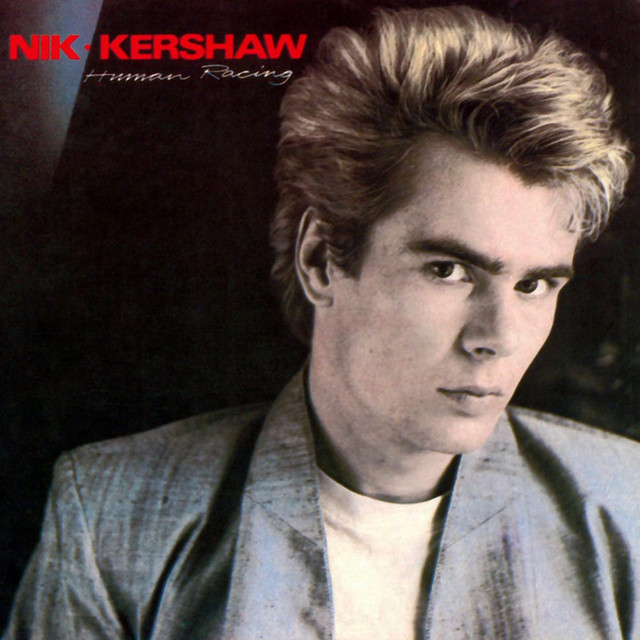
Nik Kershaw – Human Racing
The music gear and equipment used by the artists, producers, engineers, and more involved in the making of the 1984 album Human Racing.
Music from Human Racing
Artists on Human Racing


Gear Used On Human Racing
Explore the instruments, equipment, software, and production tools used in the making of Nik Kershaw – Human Racing (1984). Click more on each item to see exactly how it was used.
Bass Guitars used by Nik Kershaw on Human Racing

In this photo taken from International Musician & Recording World March 1984 issue, Nik Kershaw can be seen playing a Wal Mk. 1 bass, though it's not mentioned in the article included. Nik Kershaw did most of the bass parts on Human Racing, but on The Riddle he played on two tracks while the rest was sequenced or other bass players were brought in.
In Guitarist magazine December 1984, Kershaw admitted to cheating loads with his bass playing by using vari-speed. For example, the bass part in "Gone To Pieces" was recorded at half-speed.


Studio Equipment used by Nik Kershaw on Human Racing

Fostex Model 250 4-Track Cassette Recorder / Mixer
Avg price: $250.00
NIK KERSHAW
Fostex 250 4-track Roland Juno 60 Yamaha DX7 Roland TR808 Assorted Boss effects A 'duff old vocal' microphone TDK SAX C60s
"I haven't got too much gear because there is the danger of letting the machines run away with you — you can fool yourself into thinking that the more equipment you have the better the songs will be. I've had this set up for a year... it's brought me luck, so I thought I'd write the songs for this album on it.
"The 250 I prefer to the TEAC because I think it's got better heads, has Dolby C, and is more reliable.
"I have got some more effects since writing the album... I usually get most of my gear when I go on the road which is a bit Irish. I've now got a rack system for the guitar which I didn't have originally — I used my Boss effects instead, chorus, delay, all the usual ones.
"We've just moved and I've got my eye on the attic which is going to be a good room for it. Obviously I do intend to put more gear in there but time is the problem.
"Every now and then you can let the machines do some work for you. For instance I haven't got a sequencer but I did try running the clock-in of the Juno 60 arpeggiator with the TR808 and that produced an interesting bass line. But if you haven't got a sequencer, you have to do things like simultaneously changing the TR808 pattern and whatever chord you're playing. After 20 goes I resorted to splicing the part together on a multitrack in order to get it completed. Worked, though. It's a song called "Don Quixote" which is on the album.
"I've tried taking a Portastudio on the road but you don't get, (one), in the mood and (two), the time. One of the things I like doing in a big studio is multi-tracking guitars. You can't do that on a Fostex. Well, you can, but you wouldn't hear much else."