

Pricing and availability
We compare 600+ stores and found this item at 1 store. Prices updated .
Store
Reviews
Price




Average Price: $250
Budget/Beginner
$499
$1700+
Price Tier
Budget
Standard
High-end
* Product prices and availability are updated by Equipboard every 24hrs and are subject to change. Equipboard may receive compensation for purchases made at participating retailers linked on this site. This compensation does not affect what products or prices are displayed, or the order of prices listed. For more information, please refer to our affiliate disclosure.
Description
Step back in time with the Fostex Model 250, a 4-Track Cassette Recorder / Mixer that captures the warmth and character of analog recording, beloved by vintage enthusiasts and recording purists alike. This iconic piece of studio gear offers a hands-on approach to multitrack recording, letting you layer sounds, experiment with mixes, and embrace the charm of cassette tape.
For those seeking a classic recording experience, the Model 250 delivers with its intuitive interface and reliable performance. Perfect for home studios and musicians looking to add an authentic analog touch to their recordings, this unit combines the functionality of a mixer and a recorder. With individual track controls, you can fine-tune your sound with precision, whether you're laying down vocals, instruments, or both.
Designed with musicians in mind, the Fostex Model 250 offers versatility and control, making it a standout choice for anyone eager to explore the rich, textured sounds of cassette recording. Its robust build and straightforward operation make it a durable and user-friendly addition to any studio setup.
Key Features:
- Integrated 4-track cassette recorder and mixer
- Individual track level controls for precise mixing
- Built-in VU meters for monitoring levels
- Stereo line inputs and outputs for flexible connectivity
- Headphone output with level control for private monitoring
- Compact design ideal for home studios or portable recording setups
Product specs
| Brand | Fostex |
| Model | Model 250 4-Track Cassette Recorder / Mixer |
| Finish | Brown |
| Year | 1980s |
| Categories | Recording Gear |
| Electronics | Analog, Solid State |
| Format | Desktop Standalone |
| Number of Analog Inputs | 6 |
| Number of Analog Outputs | 10 |
| Number of Channels | 4 |
| Number of Digital Inputs | 0 |
| Number of Digital Outputs | 0 |
| Number of Headphone Outputs | 2 |
| Number of MIDI Inputs | 0 |
| Number of MIDI Outputs | 0 |
FAQs
-
How many tracks can the Fostex Model 250 record simultaneously?
-
The Fostex Model 250 allows you to record up to four tracks simultaneously, making it ideal for capturing multi-layered recordings on cassette.
-
What type of inputs does the Fostex Model 250 have?
-
The Fostex Model 250 features six analog inputs, allowing you to connect various audio sources for recording.
-
Does the Fostex Model 250 support digital audio connections?
-
No, the Fostex Model 250 is an analog device and does not support digital audio inputs or outputs.
-
Can the Fostex Model 250 be used for mixing audio tracks?
-
Yes, the Fostex Model 250 functions as both a recorder and a mixer, enabling you to blend and adjust audio levels across its four channels.
-
Is the Fostex Model 250 suitable for live recording sessions?
-
The Fostex Model 250 is well-suited for live recording, thanks to its multiple inputs and the ability to record four tracks at once, capturing live performances or practice sessions effectively.
-
Does the Fostex Model 250 include a headphone output for monitoring?
-
Yes, the Fostex Model 250 includes two headphone outputs, allowing for real-time monitoring during recording and playback.
Videos

kvfive
Fostex 250 Multitrack Cassette Portastudio Recorder 4 Track
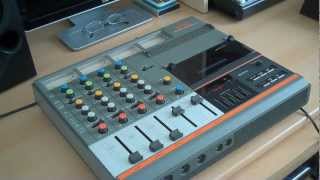
Fostex 250 Multitrack Cassette Portastudio Recorder 4 Track
kvfive
Fostex 250 | Review & Features Overview | Comparison vs Teac 144 and Tascam 244

Tetrakan
Fostex 250 4 track | tear down part 1 | remove knobs, open case & remove transport
Tetrakan
Reviews
Owner Insights
We analyzed real musician discussions from forums and Reddit to find what players love, question, and tweak about Fostex Model 250 4-Track Cassette Recorder / Mixer.
Critic Reviews
Based on 0 Reviews and 0 Ratings
Artist usage
Add artist
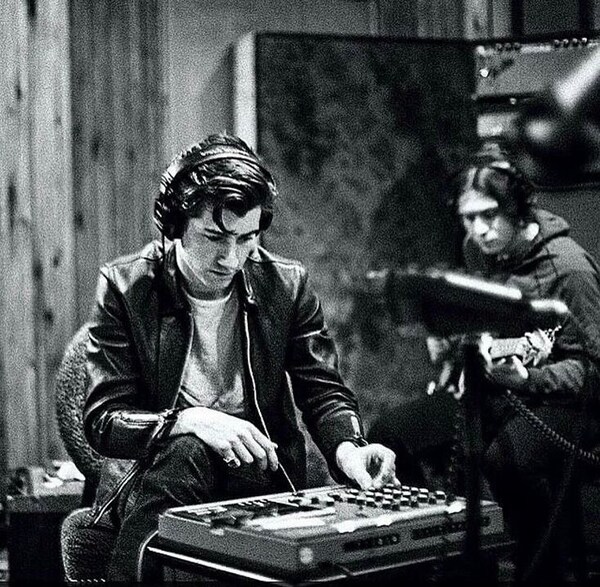
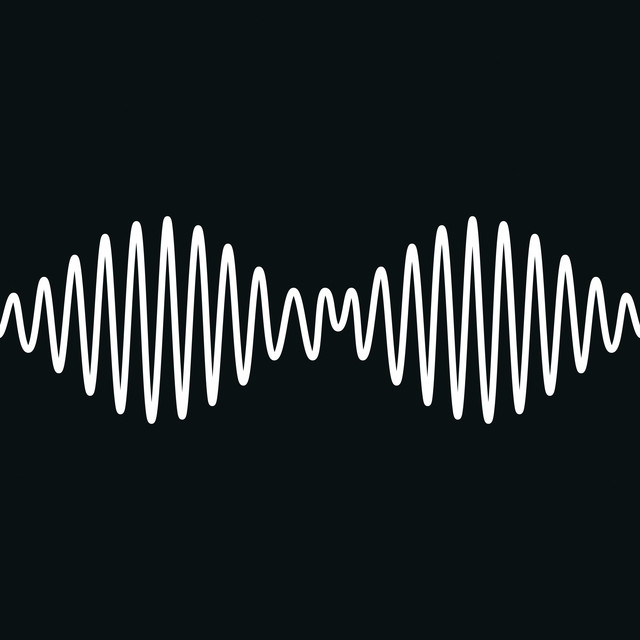
Turner can be seen operating a Foster 250 in this photo taken during the recording of Arctic Monkeys' album "AM".


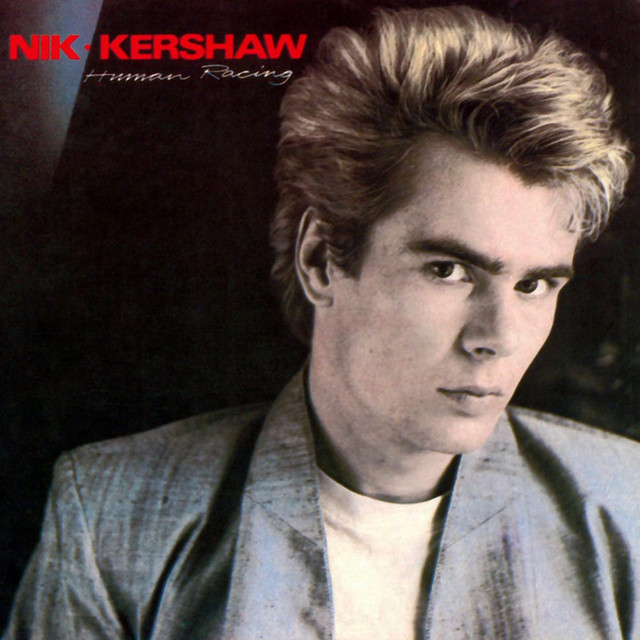
NIK KERSHAW
Fostex 250 4-track Roland Juno 60 Yamaha DX7 Roland TR808 Assorted Boss effects A 'duff old vocal' microphone TDK SAX C60s
"I haven't got too much gear because there is the danger of letting the machines run away with you — you can fool yourself into thinking that the more equipment you have the better the songs will be. I've had this set up for a year... it's brought me luck, so I thought I'd write the songs for this album on it.
"The 250 I prefer to the TEAC because I think it's got better heads, has Dolby C, and is more reliable.
"I have got some more effects since writing the album... I usually get most of my gear when I go on the road which is a bit Irish. I've now got a rack system for the guitar which I didn't have originally — I used my Boss effects instead, chorus, delay, all the usual ones.
"We've just moved and I've got my eye on the attic which is going to be a good room for it. Obviously I do intend to put more gear in there but time is the problem.
"Every now and then you can let the machines do some work for you. For instance I haven't got a sequencer but I did try running the clock-in of the Juno 60 arpeggiator with the TR808 and that produced an interesting bass line. But if you haven't got a sequencer, you have to do things like simultaneously changing the TR808 pattern and whatever chord you're playing. After 20 goes I resorted to splicing the part together on a multitrack in order to get it completed. Worked, though. It's a song called "Don Quixote" which is on the album.
"I've tried taking a Portastudio on the road but you don't get, (one), in the mood and (two), the time. One of the things I like doing in a big studio is multi-tracking guitars. You can't do that on a Fostex. Well, you can, but you wouldn't hear much else."

KIM WILDE
Fostex 250 4-track cassette Yamaha DX7 SCI Drum Traks
"The DX7 is very adaptable and doesn't sound too synthy, so it's a good basis to use. It's the main instrument I use — I've got an old guitar which I can't play but it can be an interesting accompaniment.
"My Fostex is adequate for things I want to do as demos, because I've also got my own recording studio, so I can enhance what I do later. I think the limitations of a 4-track are very constructive because they make you get to the essential ideas in a song.
"I use a Drum Traks for a drum machine — I wasn't keen on the original bass drum in that so I had it replaced with a Linn chip. It's heavier and thicker now, but still not stunning. I suppose I'm spoilt because I'm used to being in a studio where a bass drum sounds like a bass drum.
"The Fostex is dead easy — I had to overcome the technological barrier that most people have, but as soon as I got over that it was straightforward. I tend to put down a lot of vocals, and bouncing those together is easier than bouncing instruments together — the balance of instruments is easier to mess up, I find.
"Writing's quite a new thing for me, so the demos are for my own reference, to help me in the studio. And the machines will throw ideas at you — it's up to you whether you grab them or not.
"I wish they'd use ordinary terms more in the manuals for all this equipment. I find that I learn more from the machines by trial and error than I do from the instructions. It's not that they're beyond comprehension, they could just put things in a far more basic structure."


For nestling in one corner of the storage room, next to boxes of Shure SM58s (still his favourite mike in defiance of the engineer who makes him use one of the two Neumann 87s the studio has on loan) is an archetypal home recordist's set-up. A Casio CZ101 synth, Roland and Korg drum machines, a Yamaha QX7 sequencer, and a Fostex 250 Portastudio. The only outboard gear is an Accessit reverb — "too semi pro for Mick to pinch for the studio." Nearby rests the original TRB Fender P Bass and two guitars, a Fender Tele and a Squier copy. Typically, Tom prefers the sound of the copy.


In an interview with JazzTruth, Jim Beard confirmed his use of the Fostex Model 250 4-Track Cassette Recorder / Mixer, stating, "Yeah, I had a DX-7 and a TX-7 and an RX 15, the Yamaha drum machine, and an Ensoniq Mirage, and my 4 track Fostex Cassette Recorder—that was the setup when I wrote most of those tunes for the Michael Brecker albums."
Album Usage
The Fostex Model 250 4-Track Cassette Recorder / Mixer has been featured on the following albums:
Genre Usage
Based on how artists on Equipboard use this gear, it is most commonly found in the following genres.
Used With
Based on how musicians on Equipboard use Fostex Model 250 4-Track Cassette Recorder / Mixer, it is most commonly used with the following gear.


-s.webp?v=1784964956)
-s.webp?v=1785131488)

-s.webp?v=1785135867)
-s.webp?v=1785137657)
-s.webp?v=1784335400)
More Fostex Analog


-m.webp?v=1776272493)


-m.webp?v=1784905663)


.png?v=1784984897)


-m.webp?v=1772175935)


$534.46
in Analog Rank


-m.webp?v=1784905367)


$4,295.81
in Analog Rank


.jpeg?v=1785107576)


$700.74
in Analog Rank


$299.00
in Analog Rank


$700.74
in Analog Rank


$216.60
in Analog Rank


$200.00
in Analog Rank


$730.00 - $899.00
in Analog Rank


$301.00
in Analog Rank


$230.00
in Analog Rank


Accessories & Related Items


Community setups


Similar


Gear Guides






Most Popular Analog
Most Popular Brands


