Hendrix very rarely/possibly never used the big muff live and at that it was the original russian(which i reccomended) not a standard pi
okay, the russian is an 80s thing starting when mike matthews' EHX factory in NYC burned down and he invested in sovtek.... they built the russian pedals starting with the civil war muff circa 85ish? they would tweak the components based ona vailability and generally changed the box going green and then black... made in sratov russia
what hendrix may have used was the 1st gen 'triangle muff' (probably a prototype at jams with matthews who sued to play B3 organ in NYC at the clubs Hendrix liked to get high and play in at) with knobs laid out like a black russian, pyramid fashion, in a silver box of similar dimesions but different parts types and values. This pedal was first marketed as the guild foxy lady. The original foxy lady is a mosrite fuzzrite if I recall (2 knob foxies) but then they contracted with a young mike matthews to make a distortion unit cheaper and he put the the logo on the 1st gen big muff around the time he was marketing the LPB1 and Muff Fuzz effects under his own brand. In time he released the circuit as an EHX pedal as the Big Muff and there is some overlap with the foxy lady. yes, the triangle is a hair brighter as are the ram's heads (I've owned some rams), the triangle has more ehadroom and attack than a modern one while the ram's head has all the squish and skronk but different midrange character though still quite scooped. its tiny variances in component values and materials thata re pretty audible when dialing in with a close mic ina recording studio. In practical stage situation all big muffs but the80s USA opamp version sound indistinguishable from 6 feet off on stage. Side not, the 80s opamp version was used by corgan on siamese dream. H as inspired tog et big muffs by Catherine (local chicago band whoahd a member dating darcy, she has sicne married him) and thsoe guys had early 70s versions (not sure of type) but Billy nly found the opamp version in the pawn store and didn't know the difference... so the siamese dream sound sues integrated circuits to boost gain like the LPB1 and Muff Fuzz and NOT discrete transistors like previous and alter big muffs ;-) Sounds different. Boxier and grindier in a very even way and it is also friendlier with tube amp inputs due to the very fixed output impedance.
he primarily used the dunlop fuzzface,
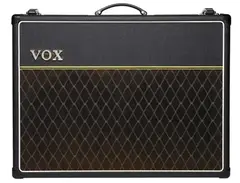
dunlop didn't exist then, dunlop bught the fuzz face brand from Crest audio who had aquired Dallas/Arbiter in the 80s. Dallas Arbiter copied the circuit from the Sola Sound Tonebender mark 1.5, the only 2 (rather than 3) transistor tonebender. I have the vox branded version (I've owned 2 of them over the years) which is a circuit licensed by vox and then assembled with some parts changes by JEN, the wah wah people in Italy who made the original wahs. I own a very old one with Mullard glass and its 100% stock. Its a cutting fuxxface with nto enough bass or output for stage but its amazing for revolver and sgt pepper tones in a studio. I have also owned a few legit fuzzfaces and every ones was different based on teh transistor material, type, HFE ratings and the component tolerances throughout the simple circuit which si ery much a mutated AM transistor radio circuit by the way, cribbed from teh 60s Mullard design manual. The other tonebenders were more based around the original fuzztone designed by a recording engineer and his best friend to mimic a broken recording channel in his console. that was sold to Gibson and was the Maestro FZ1 fuzztone (I have owned 2) and it has NO sustain but an amazing attack and fuzziness. No output either. its really cool though and I would still have one if i ahdn't traded both for valuable marshall amps years ago. Vic Flick, the guy who plays the James Bond riff? He ahd one and asked Gary hurst to design hima verion with mroe output and sustaina dnthe tonebender mark 1 was born sparking the UK fuzz boom. Anyway, Hendrix liked the arker and less gainy fuzzface. he used the original germanium tansistor verion and later switched to the blue silicon one that's brighter and gainier. Many Axis tones are clearly a blue silicon fuzzface. Great pedal. The Arbiter values work well with silicon transistors but are finnicky with germanium in a way the sola/hurst and vox/hurst values are not. I think there are places where I ehar a muff fuzz, the 2nd EHX effect? on Axis too. I think thatw as released in 67. Other early fuzzes included the fuzz designed for the ventures, the mosrite fuzrite, a very unique design that is most famous for the guitar sound from Inagadadavidia by Iron Butterfly. i've ahd 2 of those. they are fun but silly. You can hear its first use on the venture 2000 pound bee (or it one thosand pounds? I forget). Yes the early fuzzes aremutted radio designs but none were designed by radio companies that I kow of and none were marketed by them. Theyw ere generally designed by hobbyists at the behest of working musicians seeking a variation on teh satisfaction sound and then amrketed by alrger companies like guitar companies (gibson. mosrite)or guitar retailers (sola, dallas/arbiter/sound-city)... alter the japanese got involved with it creating crazy effects like the shin-ei fuzz and the superfuzz under license to candaian amp manufacturer and amrshall distributor Univox.
Shall i go on?