David Toop
Role
Genre
Group
Role
Genre
Group
David Toop's Gear


A third iteration silicon WEM unit is the subject of Toop's essay "Rush Pep Box", published in Volume 17 of Leonardo Music Journal in December 2007. It is also mentioned in this March 22, 2014 Prepared Guitar interview and by Pepe Rush in this February 1, 2015 interview for Simon's Musical Den.
Leonardo Music Journal, Vol. 17, pgs. 21-23, "Rush Pep Box"
With the pep control set to its maximum output of 8, the effect was piercing, violent and lacking in sustain. Fitting the pedal with a new 9V battery opened other possibilities: the distortion could be transformed easily into a sharp click or a low pop, and passing a metal object close to the guitar pickup produced either a harsh crackle or what can best be described as tearing sounds.
At that time I was performing with drummer Paul Burwell in an improvising duo called Rain in the Face [1]. The Rush Pep Box was used in two distinct ways. The clicks, pops and crackles of the pedal were the basis for pieces that explored short percussive sounds. These were given names such as “Barbastella Barbastellus,” a reference to the echolocation clicks emitted during hunting by the Barbastelle bat, and “Barra Da Tijuca F.S. Flies Towards Ocean At Tremendous Speed,” a title pulled from a photo credit in George Adamski’s book Flying Saucers Have Landed. One of the attractions of the obviously faked photographs in Adamski’s books was the resemblance of the flying saucers to car hubcaps used by Paul Burwell as part of his percussion kit [2].
Another characteristic of the pedal, exploited in pieces such as “Cloud Studies N. 2,” recorded for our first BBC Radio Three broadcast in 1973, was its destructive interaction with other effects pedals [3]. If it were used in combination with my second fuzz box, for example, the additive sound would be a cancelled sustain. In other words, the normal decay time of the more conventional pedal would begin as usual, but then fade away into a complex, spluttering distortion or disappear abruptly. In this configuration my guitar (at that time a Fender Esquire) could sound not unlike the hybrid electronic keyboard sounds popular from the early 1960s until the mid-1970s, such as the Rocksichord, Clavinet and Clavioline. One influence on our music came from Sun Ra, and since Sun Ra had made records with these and other electronic keyboards, this increased the attraction of the effect [4].
These distinct peculiarities can be heard in the three sections of sound poet Bob Cobbing’s Judith Poem, performed by the abAna trio of Cobbing, Burwell and myself in 1973. For the first two sections, which were fast and agitated, I used the Rush Pep Box alone, then added the second fuzz box for the slower third section, activating the guitar by dragging a piece of rough timber across the strings [5].
The Rush Pep Box came to be my secret weapon in every musical situation of subsequent years. In Alterations, the multi-instrumental improvising quartet that comprised Peter Cusack, Steve Beresford, Terry Day and myself, noise frequently battled against lyricism, brutality against subtlety. I had taken to playing my guitar (by this time a Fender Telecaster) with metal plectrums or an iron bar. At high volume and in combination with other pedals, the Rush Pep Box would generate extremes of distortion and dynamic decay, closer to ripped sheet metal or exploding circuitry than an electric guitar. Chained guitar pedals will always create an unpredictable accumulation of noise, but inserting the Rush Pep Box into a chain could tip this aleatoric accretion over the edge into a force that regularly destroyed the valves in my Fender amplifier [6].
Recording solo albums such as Pink Noir (1996) [7] and Spirit World (1997) [8], I used the Rush Pep Box for the qualities detailed above, although I applied them to instruments other than guitar, such as computer-sequenced electronic keyboards or amplified flute. The distinctive crackle remained alluring and I used it in combination with Max Eastley’s Violet Ray Vitalator [9] in “Ceremony Viewed Through Iron Slit” and with Michael Prime’s recordings of bats and Robert Hampson’s shortwave radio manipulations in “Aether Talk.”
(...) Meanwhile, my Rush Pep Box continues to function after 35 years of use, generating material for both digital processing and live group improvisation.
Prepared Guitar, March 22, 2014, "David Toop 13 questions"
What's your fetish device in the sound chain?
A Wem Rush Pep Box that I’ve had since around 1970. It was designed by a man called Pepe Rush. I’ve since written an essay about him and his distortion pedal. It’s very extreme and if I’m using pedal steel guitar I can work with the magnetic field. Combined with other pedals it can be mayhem. The Beatles used it on “Tomorrow Never Knows”. Other than that it wasn’t particularly popular and I can understand why.
Simon's Musical Den, February 1, 2015, "I'm not an Italian - an interview with Pepe Rush"
I've been in touch with David Toop - he loaned me his flat box Silicon Pepbox for me to trace the circuit, but we're not using that circuit; I said I'd give him one of the new ones, he said I'll write an article on it anyway.
Find it on:


David Toop has Ableton live running in the background of this image.
Find it on:


Mentioned in Toop's essay "Rush Pep Box".
Another characteristic of the pedal, exploited in pieces such as “Cloud Studies N. 2,” recorded for our first BBC Radio Three broadcast in 1973, was its destructive interaction with other effects pedals [3]. If it were used in combination with my second fuzz box, for example, the additive sound would be a cancelled sustain. In other words, the normal decay time of the more conventional pedal would begin as usual, but then fade away into a complex, spluttering distortion or disappear abruptly. In this configuration my guitar (at that time a Fender Esquire) could sound not unlike the hybrid electronic keyboard sounds popular from the early 1960s until the mid-1970s, such as the Rocksichord, Clavinet and Clavioline. One influence on our music came from Sun Ra, and since Sun Ra had made records with these and other electronic keyboards, this increased the attraction of the effect [4].
Find it on:


David has a MacBook in this performance.
Find it on:

David has a Numark M101 in this image, recognizable by the logo on the back.
Find it on:




This is a community-built gear list for David Toop.
- Find relevant music gear like Studio Equipment, Software Plugins and VSTs, Headphones, and other instruments and add it to David Toop.
- The best places to look for gear usage are typically on the artist's social media, YouTube, live performance images, and interviews.
- To receive email updates when David Toop is seen with new gear, follow the artist.
Discography
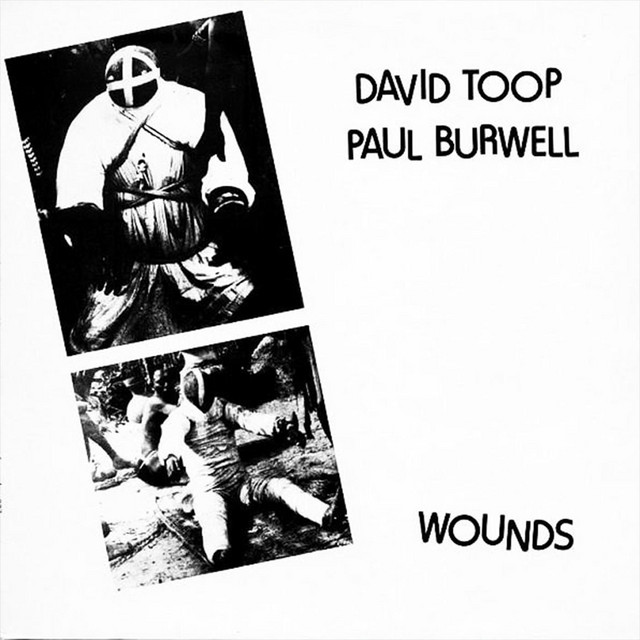
Wounds (Hd Remastered)
1979
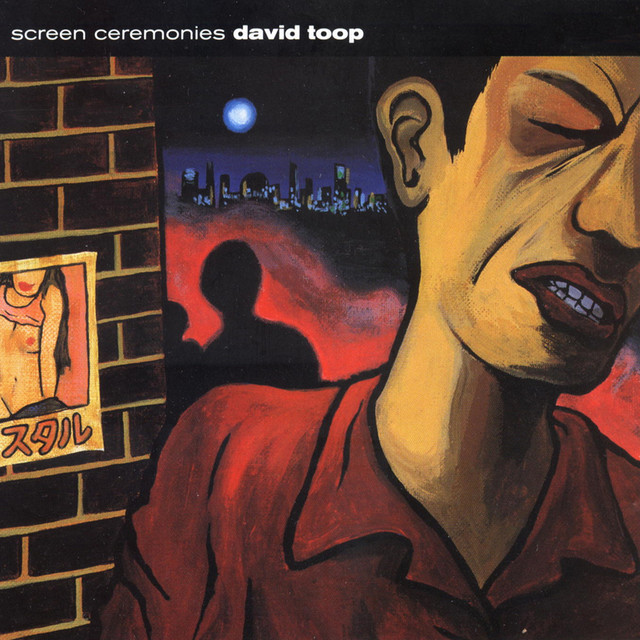
Screen Ceremonies
1995
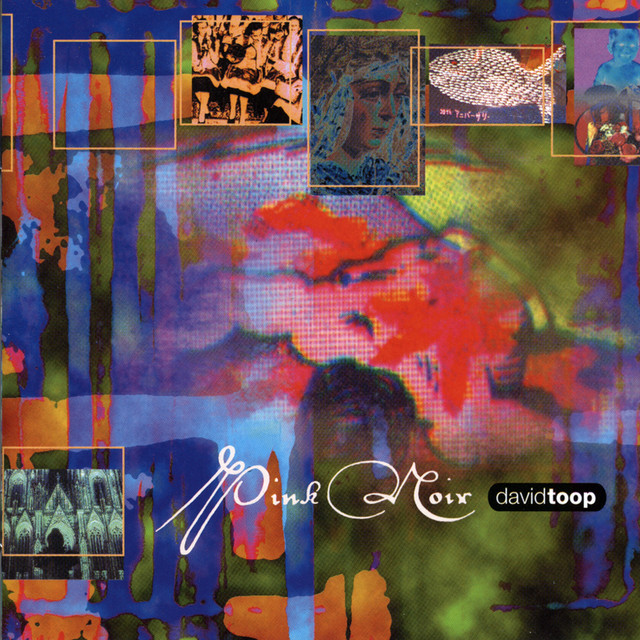
Pink Noir
1996
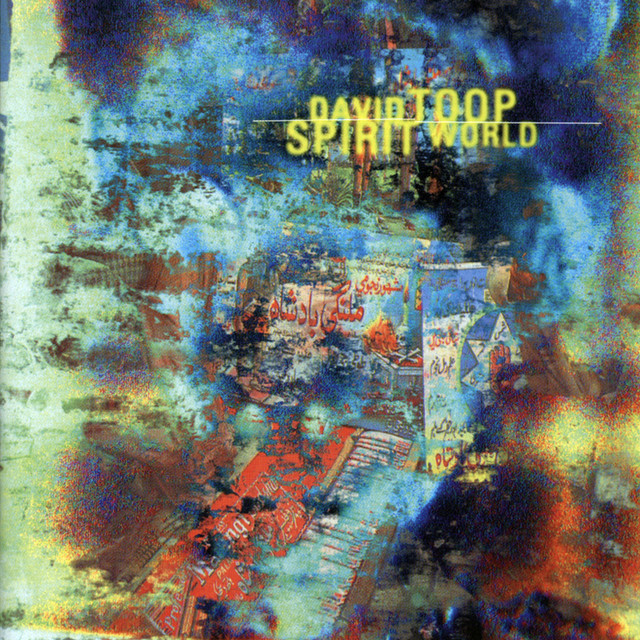
Spirit World
1997
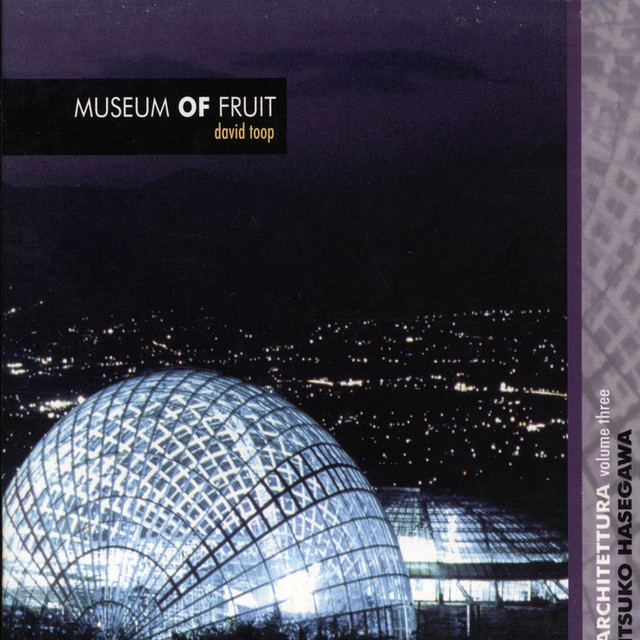
Museum Of Fruit
1999
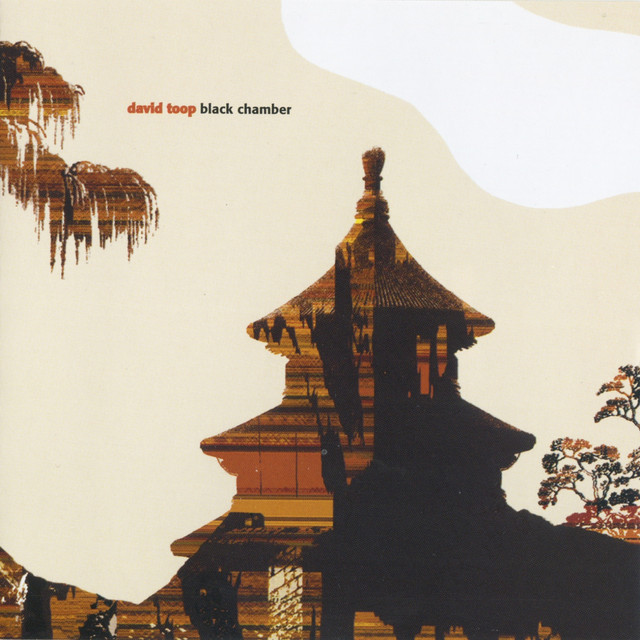
Black Chamber
2003
Mondo Black Chamber
2014
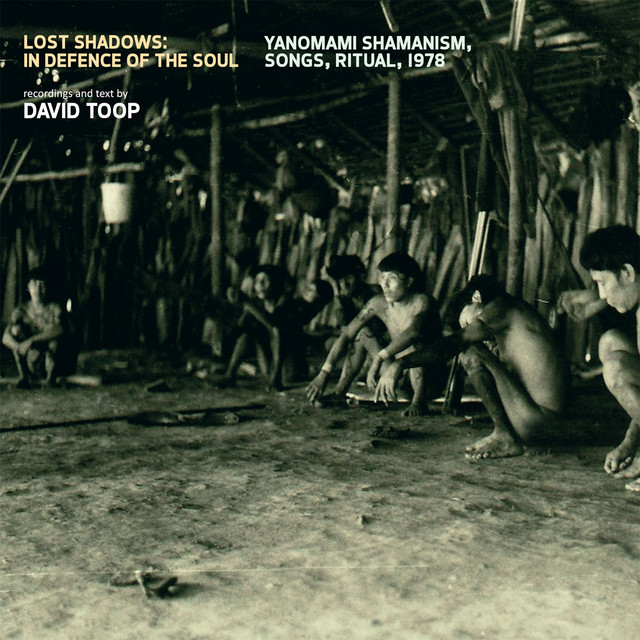
Lost Shadows: In Defence of the Soul (Yanomami Shamanism, Songs, Ritual, 1978)
2015
Entities Inertias Faint Beings
2016
Suttle Sculpture
2018
Boundaries
2019
Field Recording and Fox Spirits
2020
Album Credits
-
David Toop · 2014
Producer Recording Engineer -
David Toop · 2003
Producer Recording Engineer -
David Toop · 1999
Producer -
David Toop · 1997
Producer -
David Toop · 1996
Producer -
David Toop · 1995
Producer