Wireless Microphone Magic: A Guide to Freedom on Stage

By Gear Experts
By Gear Experts
Table of Contents

Equipboard
Equipboard is the world's largest community of artists and their gear. Read our review process.
We are reader-supported. When you buy through links on our site, we may earn an affiliate commission. Learn more.
Our Picks

Shure BLX288/PG58 Dual Channel Wireless Handheld Microphone System - H10 Band
The Shure BLX288/PG58 is an entry-level dual-channel wireless microphone system that offers reliable performance and essential features like automatic frequency scanning and intuitive controls, making it well-suited for small to medium venues despite lacking advanced capabilities like digital encryption or network connectivity.
Read more


Audio-Technica System 10 ATW-1102 Wireless Handheld Microphone System
The Audio-Technica ATW-1102 is a single-channel wireless microphone system that offers sophisticated features like automatic frequency selection and True Diversity reception, along with impressive 16-hour battery life and robust construction, making it an attractive option for solo performers and small venues despite lacking advanced capabilities like digital encryption or network connectivity.
Read more
Sennheiser XSW-D Vocal Set Plug-on Digital Wireless System with Dynamic Microphone
The Sennheiser XSW-D Vocal Set is a mid-range digital wireless microphone system that features 2.4 GHz transmission, sophisticated frequency hopping, and an intuitive single-button interface, offering professional-grade 24-bit/48kHz audio quality and built-in encryption, though its rechargeable battery provides only 5 hours of operation before requiring a quick-charge feature.
Read more
The Line 6 Relay G10S is a mid-range digital wireless system operating in the 2.4 GHz spectrum that offers 24-bit/48kHz audio quality and innovative features like integrated charging dock and cable tone simulation, though its 130-foot range is shorter than UHF alternatives and its rechargeable battery provides 8 hours of operation.
Read more
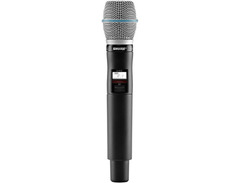
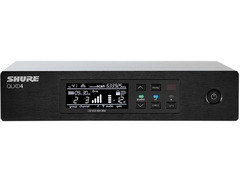
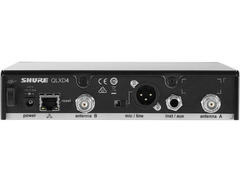
Shure QLXD24/B87A Digital Wireless Handheld Microphone System - G50 Band
The Shure QLXD24/B87A is a premium UHF wireless microphone system that features 24-bit/48kHz audio quality, 500-foot range, and professional features like AES encryption and Dante networking, offering up to 12 hours of battery life with rechargeable batteries and sophisticated frequency management for demanding professional applications.
Read more

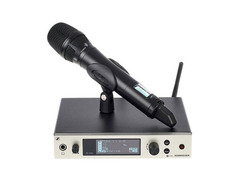
The Sennheiser EW 500 G4 is a premium UHF wireless system featuring sophisticated RF management with 88 MHz tuning bandwidth and 330-foot range, along with professional features like network integration and cascadable antenna distribution, offering up to 8 hours of battery life and comprehensive monitoring capabilities for demanding broadcast and touring applications.
Read more
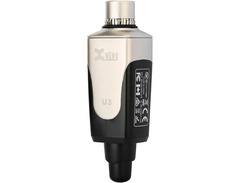
Xvive Audio u3 wireless microphone system
The Xvive U3 is a specialty wireless adapter system that converts XLR microphones into wireless units using 2.4 GHz digital transmission, offering 24-bit/48kHz audio quality and 100-foot range, with 5-hour rechargeable battery life and quick-charge capability, though it lacks advanced frequency management features of traditional wireless systems.
Read more
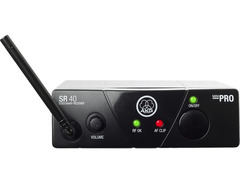
AKG WMS40 Mini Instrumental Set
The AKG WMS40 Mini is an entry-level UHF wireless instrument system targeting users who need simple operation, offering fixed-frequency operation with 100-foot range and 30-hour battery life from a single AA battery, though it sacrifices frequency agility and advanced monitoring features for straightforward functionality.
Read moreWireless microphone systems have revolutionized live performance, freeing musicians from the constraints of cables while delivering professional-grade sound quality. Modern systems combine freedom of movement with advanced features like digital signal processing and automatic frequency selection, allowing performers to focus on their craft rather than technical limitations.
Today's wireless systems can match or exceed the audio quality of their wired counterparts, but choosing the right one requires careful consideration. From digital versus analog options to frequency bands and operation ranges, the technical specifications can seem daunting. This guide simplifies these choices, helping you navigate from basic components to advanced features.
Whether you're a local vocalist seeking your first wireless system or a touring professional looking to upgrade, we'll help you understand the key factors in selecting equipment that matches your needs and budget. Through practical insights and detailed comparisons, you'll learn how to choose a wireless system that enhances your performance while avoiding common pitfalls.
How Wireless Microphone Systems Work
At their core, wireless microphone systems represent a remarkable fusion of audio and radio frequency technology.
Core Components

A wireless microphone system consists of two primary components working in harmony: the transmitter and the receiver. The transmitter, integrated into or attached to the microphone itself, converts audio signals into radio waves that travel through the air. The receiver, typically mounted in a rack or situated near the sound system, captures these radio waves and converts them back into audio signals that can be processed by conventional sound equipment.
The transmitter contains several sophisticated components: a miniature microphone capsule (in handheld models) or an input jack (for bodypack transmitters), a pre-amplifier to boost the audio signal, and a radio frequency (RF) circuit that modulates the audio onto a carrier wave. Modern transmitters also include complex encoding systems that help maintain signal integrity and reduce interference.
The receiver employs equally advanced technology, featuring specialized antennas to capture the radio signals, demodulation circuits to extract the audio, and various signal processing systems that help eliminate noise and maintain optimal sound quality. Many contemporary receivers include digital displays that show critical information such as battery life, signal strength, and operating frequency.
Signal Transmission Process
When a musician speaks or sings into a wireless microphone, the following process occurs in a fraction of a second:
- The microphone capsule converts acoustic energy (sound waves) into electrical energy (the audio signal)
- The transmitter's pre-amplifier strengthens this electrical signal
- The RF circuit modulates the audio signal onto a specific radio frequency carrier wave
- The transmitter's antenna broadcasts this modulated signal through the air
- The receiver's antenna captures the radio waves
- The receiver's circuitry demodulates the signal, extracting the original audio
- Final processing occurs to optimize the signal quality
- The receiver outputs the audio signal to the sound system

This entire process happens so quickly that there is no perceptible delay between the performer's voice and the sound coming through the speakers. Modern digital systems have reduced latency to mere milliseconds, making them suitable even for performers who need to hear themselves through in-ear monitors.
Frequency Bands and Channels
Wireless microphone systems operate within specific frequency bands allocated by regulatory agencies. The two main frequency bands are:
VHF (Very High Frequency): Operating between 174 and 216 MHz, VHF systems were among the first wireless microphones developed. They offer excellent range but are more susceptible to interference from television broadcasts and other electronic devices.
UHF (Ultra High Frequency): Operating between 470 and 698 MHz, UHF systems have become the standard for professional applications. They offer better resistance to interference, more available frequencies, and typically superior audio quality compared to VHF systems.
Within these bands, wireless systems operate on specific frequencies or channels. Modern systems often feature automatic frequency selection, scanning the available spectrum to find clear channels free from interference. Some advanced systems can even automatically switch frequencies if interference is detected during performance.
Digital vs. Analog Transmission
Traditional analog wireless systems modulate the audio signal directly onto the carrier wave. While this technology is well-established and can provide excellent sound quality, it's more susceptible to interference and signal degradation over distance.
Digital wireless systems convert the audio into digital data before transmission. This digital signal is more resistant to interference and maintains consistent audio quality throughout the operating range. Digital systems also often include encryption to prevent unauthorized reception of the signal, making them ideal for professional applications where privacy is a concern.
Understanding these fundamental principles helps explain why certain features are important when selecting a wireless system. For instance, the need for frequency agility (the ability to change operating frequencies) becomes clear when you understand how different radio frequencies can experience interference in different environments. Similarly, the importance of proper antenna placement makes more sense when you understand how radio waves propagate through space.
Shure BLX288/PG58 Dual Channel Wireless Handheld Microphone System - H10 Band
5.0 (1)
Budget Friendly Option








Average Price: $659
Standard/Professional
$299
$700+
Budget
Standard
High-end
- Exceptional sound quality with warm tone
- Long-lasting 24-hour battery life with AA batteries
- Quick and easy setup in under 5 minutes
- Minimal handling noise during use
- See 3 more
- Initial price may seem high for some users
- Occasional issues with both mics working simultaneously
The Shure BLX288/PG58 represents an entry point into professional wireless technology, combining affordability with Shure's established reputation for reliability. This dual-channel system particularly suits small to medium venues and bands making their first transition to wireless microphones.
Operating in the budget-friendly category, this system targets users who need professional-grade wireless functionality without the advanced features and corresponding cost of premium systems. It's particularly well-suited for:
- Small to medium-sized venues
- Houses of worship
- Educational institutions
- Bands requiring multiple wireless microphones
- Entry-level professional applications
The system's physical construction reflects Shure's practical understanding of live sound environments. The receiver features a straightforward, utilitarian design with clearly visible displays and intuitive controls. While the transmitters utilize plastic construction to maintain affordability, they demonstrate remarkable durability in regular use. The battery compartments close securely, and all switches and controls exhibit robust construction capable of withstanding thousands of operations.
The included PG58 capsules deliver impressive performance within their price category. The frequency response emphasizes the critical midrange, helping vocals cut through a mix effectively. While they may not match the nuanced detail of Shure's premium offerings, these capsules handle both singing and spoken word with commendable clarity and minimal coloration.
Operating range meets industry standards for this class, providing reliable transmission up to 300 feet under optimal conditions. However, real-world performance typically settles in the 150-200 foot range when accounting for obstacles and potential interference. The automatic frequency scanning feature efficiently identifies available frequencies, though its agility remains somewhat limited compared to more expensive systems.
Users can expect approximately 14 hours of operation from standard alkaline batteries. This duration proves sufficient for most performance scenarios, though carrying spare batteries remains advisable for professional applications. The system provides clear battery status indication through the receiver display.
The receiver's interface prioritizes simplicity and clarity, displaying essential information without overwhelming users with complex menus. Key information includes:
- RF signal strength
- Audio levels
- Channel selection
- Battery status
- Group/channel settings
One of the system's standout features is its ability to operate two microphones simultaneously through a single receiver unit. Channel separation remains impressive, with minimal crosstalk even during close-quarters operation.
The Shure BLX288/PG58 succeeds in its role as an entry-level professional wireless system. It delivers reliable performance and essential functionality without overwhelming complexity, making it an excellent choice for users transitioning to wireless technology. While it lacks some advanced features found in premium systems, it provides all necessary capabilities for successful wireless operation in less demanding environments.
Audio-Technica System 10 ATW-1102 Wireless Handheld Microphone System
Budget Friendly Option

Average Price: $321
Standard/Professional
$299
$700+
Budget
Standard
High-end
- Crystal clear audio with no interference or static
- Excellent range up to 300 feet, even in large venues
- Quick and easy setup with intuitive pairing instructions
- Impressive gain before feedback; no feedback close to speakers
- See 6 more
- Lacks informative battery gauge; limited battery life awareness
- Multi-function switch has delayed power-on response
- Requires frequent battery changes; AA batteries last about 4-6 hours
- No power switch on receiver; always on when plugged in
- See 1 more
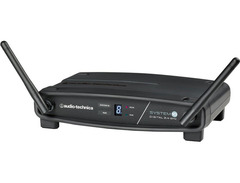
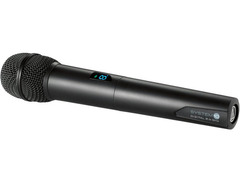
The Audio-Technica ATW-1102 is a thoughtful approach to entry-level wireless technology, combining sophisticated automatic features with robust construction. This single-channel system demonstrates how modern wireless technology can make professional-grade audio accessible to users at all experience levels.
The ATW-1102 caters to a diverse audience seeking reliable wireless performance without a significant financial investment. Audio-Technica has crafted the ATW-1102 with attention to practical durability. The receiver housing, though primarily plastic, features metal reinforcement at key stress points. What's particularly impressive is the transmitter's construction, which incorporates a robust internal shock mount system that helps minimize handling noise – a feature often reserved for more expensive systems.
At the heart of the ATW-1102's performance lies its carefully engineered dynamic capsule. Audio-Technica has achieved an impressive balance in the frequency response, with particular attention to the critical vocal range. The capsule handles both gentle speaking and aggressive singing with remarkable consistency, showing particular finesse in managing sibilants and plosives that often challenge microphones in this price range.
The system operates in the UHF frequency band, employing Audio-Technica's sophisticated automatic frequency selection system. This technology actively scans the RF environment to identify and lock onto optimal frequencies, a feature that proves invaluable in urban environments where wireless spectrum congestion often poses challenges. The system maintains reliable performance up to 250 feet under optimal conditions.
The ATW-1102 sets itself apart with exceptional power efficiency, consistently delivering over 16 hours of operation from a single pair of AA alkaline batteries – notably better than many competitors in this price range. The receiver's clear battery status indication helps prevent unexpected power issues during performances.
Audio-Technica has designed the interface with clarity in mind. The receiver's display provides essential information through an intuitive layout that includes:
- Clear battery level indication
- RF signal strength meter
- Audio level monitoring
- Channel and frequency display
- Diversity antenna status
The system's automatic capabilities set it apart in its price category:
- True Diversity operation for enhanced reception reliability
- Automatic frequency scanning
- Interference detection and avoidance
- Fast, reliable transmitter syncing
The Audio-Technica ATW-1102 stands as a compelling choice in the entry-level wireless market. It successfully balances sophisticated features with user-friendly operation, making professional wireless technology accessible to a broad range of users. While it may lack some advanced features found in premium systems, its reliable performance and thoughtful design make it an excellent choice for users prioritizing dependability and ease of use in less demanding environments.
Sennheiser XSW-D Vocal Set Plug-on Digital Wireless System with Dynamic Microphone
Mid-Range Option

Average Price: $378
Standard/Professional
$299
$700+
Budget
Standard
High-end
- 1. Exceptional sound quality for its price range
- 2. Reliable and consistent wireless connections compared to similar compact systems
- 3. Easy, fast setup with Bluetooth adapters
- 4. Great distance coverage without distortion
- See 2 more
- 1. Battery life shorter than advertised; struggles with long gigs
- 2. Slow recharge time compared to other systems
- 3. Initial static issues after a month in some units
- 4. High price point compared to alternatives
- See 3 more
The Sennheiser XSW-D Vocal Set marks a significant evolution in mid-range wireless technology, bringing digital transmission quality and remarkable ease of use to performers who demand professional reliability without complexity. This system demonstrates Sennheiser's understanding that modern musicians need sophisticated technology that doesn't require a sound engineering degree to operate.
The XSW-D Vocal Set targets performing musicians, smaller venues, and audio professionals who need reliable digital wireless performance with streamlined operation. Sennheiser has taken a notably modern approach with the XSW-D's design. The transmitter and receiver units showcase a sleek, minimalist aesthetic that belies their sophisticated internal technology. The metal construction throughout demonstrates Sennheiser's commitment to durability, while thoughtful details like rubberized impact protection and moisture-resistant seals ensure reliability in demanding performance environments.
The XSW-D's digital transmission system delivers remarkably clean, uncolored sound reproduction. The system supports full-range frequency response from 20 Hz to 20 kHz, ensuring every nuance of a vocal performance comes through clearly. The analog-to-digital conversion process operates at 24-bit/48kHz, providing professional-grade audio quality that remains consistent regardless of transmission distance.
Operating in the 2.4 GHz band, the XSW-D employs sophisticated frequency hopping and automated coordination to maintain stable connections. The system actively monitors the RF environment and seamlessly switches frequencies to avoid interference. While the operating range extends to approximately 250 feet under optimal conditions, the digital transmission ensures that audio quality remains pristine right up to the edge of its range, avoiding the gradual degradation common in analog systems.
The built-in lithium-ion rechargeable batteries provide up to 5 hours of continuous operation per charge. While this duration might seem modest compared to systems using disposable batteries, Sennheiser includes a quick-charge feature that provides an additional hour of operation from just 15 minutes of charging – a potential show-saver during intensive use.
Sennheiser has reimagined the traditional wireless interface with the XSW-D, opting for an elegantly simple single-button design complemented by clear LED indicators. This approach delivers:
- One-touch power and linking
- Clear status indication through multicolor LEDs
- Simple muting functionality
- Battery status monitoring
- Automatic transmitter-receiver pairing
The Sennheiser XSW-D Vocal Set successfully bridges the gap between professional performance requirements and operational simplicity. While it may not offer the extensive customization options of more expensive systems, its combination of reliable digital transmission, intuitive operation, and consistent audio quality makes it an excellent choice for users who prioritize plug-and-play simplicity without sacrificing professional-grade performance.
Line 6 Relay G10S
4.5 (7)
Mid-Range Option

- Quick and easy plug-and-play setup
- Good sound clarity with minimal latency
- Solid build quality; mounts nicely on a pedal board
- Auto channel feature reduces WiFi interference
- See 5 more
- Frequent signal dropouts, especially beyond a short distance
- Charging issues reported within months of use
- Interference from WiFi and other wireless devices
- Battery life often insufficient for longer gigs
- See 4 more
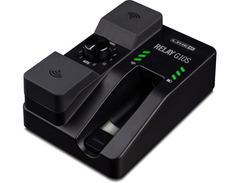
The Line 6 Relay G10S brings significant innovation to the mid-range wireless market, particularly for instrumentalists seeking pristine signal reproduction and operational simplicity. While primarily marketed for guitar applications, this versatile system has earned widespread adoption among various instrumentalists, from bassists to keyboard players, thanks to its exceptional sound quality and innovative features.
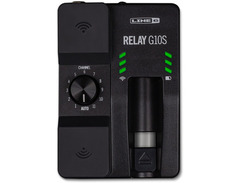
The receiver unit features a rugged metal chassis designed for both pedalboard and rack mounting, while the transmitter introduces an innovative charging system integrated directly into the receiver dock. This thoughtful design exemplifies Line 6's understanding of real-world performance demands, with robust metal construction throughout and high-quality connectors that inspire confidence in long-term reliability.
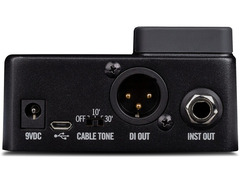
The Relay G10S addresses the needs of serious musicians who demand professional wireless performance without sacrificing their instrument's natural tone. The G10S excels in preserving the natural character of instruments, employing 24-bit/48kHz digital conversion to deliver exceptional fidelity. The system's cable tone simulation technology deserves special mention, as it accurately recreates the subtle loading effects that many musicians rely on with traditional cables. Users can select between different virtual cable lengths, allowing them to fine-tune their tone to match their preferred traditional setup.
Operating in the 2.4 GHz spectrum, the G10S leverages advanced frequency hopping technology to maintain stable connections. The system continuously monitors the wireless environment, automatically selecting and switching frequencies to avoid interference. While the maximum** range extends to 130 feet line-of-sight**, the digital transmission ensures consistent audio quality throughout the entire operating range.
The rechargeable lithium-ion battery system provides up to 8 hours of continuous operation. The innovative charging dock in the receiver unit ensures the transmitter is always ready for use, automatically charging whenever docked. A quick-charge feature provides 1.5 hours of operation from just 15 minutes of charging, offering valuable insurance against unexpected battery depletion.
Line 6 has prioritized simplicity in the G10S's interface design while maintaining professional functionality. The system features:
- Clear LED status indicators
- Simple channel selection
- Automatic transmitter-receiver pairing
- Battery life monitoring
- RF signal strength display
- Cable tone simulation controls
The G10S also includes several features specifically designed for instrument applications:
- Selectable cable tone simulation
- Multiple gain settings for different pickups
- Automatic impedance matching
- Selectable input pad for active pickups
- Ground lift switch for noise reduction
The Line 6 Relay G10S succeeds remarkably in its mission to provide professional-grade wireless freedom while maintaining the authentic feel and sound of a traditional cable setup. Its innovative charging solution and thoughtful feature set make it an excellent choice for serious musicians who demand reliable wireless performance without compromising their tone. While it may not offer the extensive range of traditional UHF systems, its combination of sound quality, ease of use, and practical features makes it a compelling choice for most professional applications.
Shure QLXD24/B87A Digital Wireless Handheld Microphone System - G50 Band
Professional Option

Average Price: $1,275
High-end/Boutique
$299
$700+
Budget
Standard
High-end
The Shure QLXD24/B87A leads professional wireless technology, combining Shure's legendary reliability with advanced digital features that meet the demands of today's most challenging performance environments. This system exemplifies how modern technology can enhance both sound quality and operational reliability in professional applications.
Positioned in the professional category, the QLXD24/B87A serves the needs of users who require uncompromising performance and advanced features. The investment reflects the system's intended applications in professional touring productions, large-scale performance venues, and major houses of worship.
Shure has engineered the QLXD24 with the understanding that professional equipment must survive rigorous daily use. The all-metal construction of both transmitter and receiver demonstrates this commitment to durability. The system features military-grade build quality, with special attention paid to RF shielding, connector durability, and environmental resistance. Every component, from the battery door to the antenna connections, has been designed to withstand thousands of cycles of use.
The integration of the Beta 87A capsule with the QLXD24's digital transmission system creates an exceptional vocal microphone chain. The microphone delivers pristine audio quality through its 20 Hz to 20 kHz frequency response, while the supercardioid pattern provides outstanding feedback rejection and precise vocal capture. The system's 24-bit/48 kHz digital conversion ensures that every nuance of the performance reaches the audience exactly as intended.
The QLXD24 operates in the UHF spectrum with sophisticated frequency management capabilities. The system continuously analyzes the RF environment, automatically identifying and deploying optimal frequencies. When interference is detected, the system's predictive switching capabilities enable seamless frequency changes without audio interruption. Operating range extends reliably to 500 feet under optimal conditions, with consistent performance throughout the coverage area.
Power management showcases Shure's practical experience in professional applications. The system offers flexible power options including:
- Shure's intelligent lithium-ion rechargeable battery providing 12+ hours of operation
- Standard AA batteries delivering 9+ hours of use
- Accurate remaining runtime calculation in hours and minutes (which is incredibly helpful)
- Remote battery monitoring through network connection
The QLXD24’s interface strikes an impressive balance between detailed control and straightforward usability. Its high-contrast LCD screen offers a wealth of information at a glance, including frequency and channel assignments, RF signal strength with a history log, audio level metering, transmitter battery life, encryption status, and network connectivity. This thoughtful design ensures that users can monitor and adjust the system with confidence, making it as functional for seasoned professionals as it is for those newer to wireless microphone systems.
The QLXD24 is designed for seamless integration into professional audio environments, offering a range of advanced capabilities. Its Ethernet connectivity supports control via the Wireless Workbench software, while AES 256-bit encryption ensures secure transmission for critical applications. The system also supports optional Dante digital audio networking, allowing for efficient routing in complex setups. Compatibility with AMX and Crestron control systems further enhances its versatility, making it an ideal choice for streamlined operation in sophisticated installations. Additionally, its comprehensive frequency coordination simplifies management for large-scale systems, ensuring reliability and performance in demanding environments.
The Shure QLXD24/B87A stands as a benchmark for professional wireless systems, delivering exceptional performance, reliability, and advanced features that justify its premium positioning. While the system demands both financial investment and technical expertise, it provides the comprehensive capabilities required for professional applications where failure is not an option.


Sennheiser ew 500 G4-KK205
Professional Option

Average Price: $1,730
High-end/Boutique
$299
$700+
Budget
Standard
High-end
- Exceptional sound quality akin to Neumann microphones
- Outstanding feedback rejection capability
- Accurate voice reproduction regardless of mic proximity
- Warm low-mids and creamy highs enhance audio depth
- See 3 more
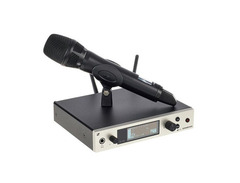
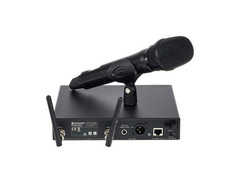
The Sennheiser EW 500 G4 is the culmination of decades of wireless expertise, offering professional users a sophisticated blend of reliable performance and advanced features. This fourth-generation system builds upon Sennheiser's evolution wireless heritage while introducing modern capabilities that address the complexities of today's RF-crowded performance environments.
The EW 500 G4 meets the demanding requirements of users who need dependable performance across diverse applications. Sennheiser's German engineering heritage shines through in the EW 500 G4's construction. The system features full-metal housing for both transmitter and receiver, with special attention paid to RF shielding and environmental resistance. The chassis incorporates strategic reinforcement at stress points, while premium-grade switches and connectors ensure reliability through years of professional use.
The EW 500 G4 delivers exceptional audio performance through its sophisticated signal chain. The system maintains a flat frequency response from 25 Hz to 18 kHz, ensuring accurate reproduction of both vocals and instruments. Sennheiser's proprietary audio processing preserves the natural characteristics of the source while providing up to 127 dB of dynamic range, allowing the system to handle everything from whispered dialogue to aggressive rock vocals.
Operating within the UHF spectrum, the EW 500 G4 showcases Sennheiser's mastery of RF technology. The system's wide tuning bandwidth of up to 88 MHz provides exceptional flexibility in frequency-congested environments. True diversity reception with sophisticated switching algorithms ensures stable performance, while the intelligent scanning feature rapidly identifies available frequencies. Under optimal conditions, the system maintains reliable operation up to 330 feet.
Power management reflects the professional demands placed on wireless systems. Users can expect:
- Up to 8 hours of operation from BA 2015 rechargeable battery packs
- Alternative operation with standard AA batteries providing 6-8 hours of use
- Accurate battery life monitoring in hours and minutes
- Hot-swappable battery capabilities ensuring continuous operation
The EW 500 G4’s interface seamlessly blends professional functionality with intuitive operation, making it a standout in demanding environments. Its high-resolution LCD display delivers an impressive array of real-time status information, from precise frequency and bank settings to detailed RF signal level monitoring. Users can effortlessly visualize audio levels and assess battery runtime with pinpoint accuracy, ensuring uninterrupted performance. Menu navigation and system settings are straightforward, supported by link quality indicators that provide instant feedback on connectivity. This robust interface equips professionals with all the tools they need to manage their wireless systems with confidence and ease.
An Ethernet port enables integration with Wireless Systems Manager software, streamlining system management and monitoring. Cascadable antenna distribution ensures efficient signal routing, while word clock synchronization maintains precise timing across devices. Network-based frequency coordination simplifies complex setups, making multi-channel system scalability not just possible, but effortless. This robust connectivity suite equips professionals with the flexibility and control needed for even the most demanding audio scenarios.
The Sennheiser EW 500 G4 represents a professional-grade wireless solution that combines sophisticated technology with practical reliability. While it demands both financial investment and technical understanding, it delivers the comprehensive feature set and dependable performance required in professional applications.
See how artists use this






Xvive Audio u3 wireless microphone system
Specialty Option To Convert Wired Microphones Into Wireless Ones


- Converts existing wired mics to wireless without a significant loss in sound quality
- Reliable battery life, lasting well beyond advertised 5 hours in many cases
- Easy setup with no need for extensive instructions
- Maintains strong signal over long distances, up to 75 feet indoors
- See 6 more
- Some users experience interference in high-density 2.4GHz environments
- Compatibility issues with certain condenser mics, causing high-pitched noise
- Battery and connection issues reported after extended use
- Potential for the transmitter to become dislodged during use
- See 2 more
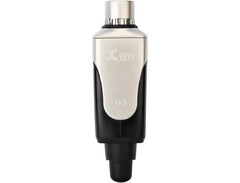
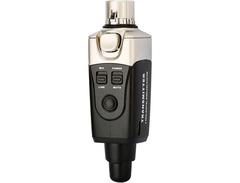
The Xvive U3 is an innovative approach to wireless technology, offering performers the ability to transform their favorite wired microphones into wireless systems. This unique solution bridges the gap between traditional microphone preferences and the need for wireless mobility, providing a flexible alternative to conventional wireless systems.
The Xvive U3 serves a distinct niche of performers who have invested in high-quality wired microphones but desire wireless capability. The transmitter and receiver units feature compact metal housings that protect the internal components while remaining light enough to avoid straining microphone clips or stands. The XLR connections incorporate secure locking mechanisms to prevent accidental disconnection during performance, while the overall construction provides professional durability without adding excessive bulk to existing microphones.
Understanding that users will connect premium microphones, Xvive has prioritized signal integrity in the U3's design. The system employs 24-bit/48kHz digital conversion to maintain the natural characteristics of connected microphones. The frequency response remains flat from 20 Hz to 20 kHz, ensuring that the wireless link doesn't color or degrade the microphone's inherent sound quality. This preservation of audio fidelity proves particularly valuable when using high-end or vintage microphones with distinct tonal characteristics.
The U3 operates in the 2.4 GHz band, utilizing advanced frequency hopping technology to maintain stable connections. While the operating range extends to approximately 100 feet under optimal conditions, the system provides reliable performance within typical stage distances of 30-50 feet. The digital transmission ensures consistent audio quality throughout the operating range, though users should note that the 2.4 GHz band may require more careful placement in WiFi-heavy environments.
Power management presents a practical balance between portability and endurance. The system provides:
- Up to 5 hours of continuous operation per charge
- USB-C rechargeable lithium batteries in both units
- Quick charging capability providing 1 hour from 20 minutes
- Clear battery status indication via LED displays
- Operation during charging for emergency situations
The Xvive U3 is designed with simplicity and functionality in mind, making it a practical choice for performers and presenters. Its single-button operation covers power and pairing, with multi-color LED indicators providing status updates at a glance. The system includes a clear battery level display, channel selection, signal strength monitoring, and a muting function for easy control. With standard XLR connectivity, automatic impedance matching, adjustable input sensitivity, ground-lift options for noise reduction, and pass-through phantom power, the U3 integrates well with a range of microphones and devices, offering flexibility for different setups.
The Xvive U3 successfully delivers on its promise to provide wireless freedom for existing microphones. While it may not offer the extensive features of dedicated wireless systems, its ability to transform any XLR microphone into a wireless unit creates unique value for performers who have invested in specific microphones. For users seeking wireless capability without sacrificing their preferred microphone characteristics, the U3 offers an elegant and practical solution.


AKG WMS40 Mini Instrumental Set
4.5 (6)
Specialty Set For Instruments


- Easy to set up, ready in minutes
- Sturdy, robust build with metal receiver unit
- Detachable cable for easy instrument switching
- Long-lasting AA battery life, over 30 hours
- See 6 more
- Limited range compared to some competitors
- Unique jack lead could be inconvenient
- Potential frequency clashes with other wireless systems
- Not ideal for bass guitar due to tone loss
- See 1 more
The AKG WMS40 Mini is an elegant solution for musicians seeking straightforward wireless functionality with minimal complexity. This compact system particularly excels in applications where simplicity and reliability take precedence over advanced features, making it an ideal choice for educational environments and houses of worship.
The WMS40 Mini addresses the needs of users requiring reliable wireless functionality without technical complexity. AKG has engineered the WMS40 Mini with a focus on practical durability and simplicity. While the housing primarily uses high-impact plastic construction, strategic reinforcement at stress points ensures reliability in regular use. The system's compact form factor makes it particularly suitable for portable applications, while maintaining professional-grade connections and controls that withstand repeated use.
The WMS40 Mini delivers consistent audio performance optimized for instrument applications. The system maintains a frequency response of 40 Hz to 15 kHz, providing clear reproduction of most instruments while filtering out extreme frequencies that can introduce noise. The signal path incorporates AKG's analog high-definition audio technology, ensuring natural tone reproduction particularly suited to acoustic and electric instruments.
Operating in the UHF band, the WMS40 Mini employs a simplified but effective transmission system. The fixed-frequency design eliminates the complexity of channel selection while providing reliable performance within its operating range of approximately 100 feet. This approach trades advanced frequency agility for operational simplicity, making it ideal for controlled environments with minimal RF interference.
Clear status indicators provide at-a-glance updates on connectivity and performance, while basic audio level monitoring ensures you can keep track of your input levels during use. The battery status display is particularly helpful for avoiding unexpected interruptions, and the system’s automatic transmitter-receiver pairing takes the guesswork out of setup. By minimizing controls, the WMS40 Mini reduces complexity, making it an excellent choice for beginners, small venues, or anyone who needs a reliable, straightforward wireless solution without the need for extensive technical knowledge.
The AKG WMS40 Mini succeeds admirably as a specialty wireless system focused on simplicity and reliability. While it may lack the advanced features of more expensive systems, its combination of straightforward operation, long battery life, and consistent performance makes it an excellent choice for users who prioritize ease of use over technical sophistication. For educational environments, houses of worship, or musicians seeking a simple wireless solution, the WMS40 Mini offers a practical and cost-effective path to wireless freedom.
Types of Wireless Microphone Systems
Understanding the different types of wireless microphone systems available is crucial for selecting the right equipment for your specific performance needs. Each type has distinct advantages and ideal use cases that make it particularly suited for certain applications.
Handheld Wireless Systems

Handheld wireless systems represent the most common and versatile option for performing musicians. These systems integrate the microphone capsule and transmitter into a single unit that closely resembles a traditional wired microphone in size and weight.
Advantages of Handheld Systems:
The primary strength of handheld systems lies in their familiarity and ease of use. Most performers naturally adapt to them because they handle similarly to conventional microphones. The integrated design means there are no external components to manage or cables to worry about, making them incredibly convenient for live performances.
Modern handheld systems feature sophisticated internal shock mounting to minimize handling noise, along with robust construction that can withstand the rigors of regular performance use. Many models offer interchangeable capsules, allowing performers to customize the microphone's sound characteristic while maintaining the wireless functionality.
Real-World Application:
Consider a lead singer in a rock band who needs to move across the stage, interact with band members, and even venture into the audience. A handheld wireless system allows for this freedom of movement while maintaining consistent sound quality. The familiar form factor means the performer can focus on their performance rather than adapting to new technology.
Lavalier (Lapel) Systems
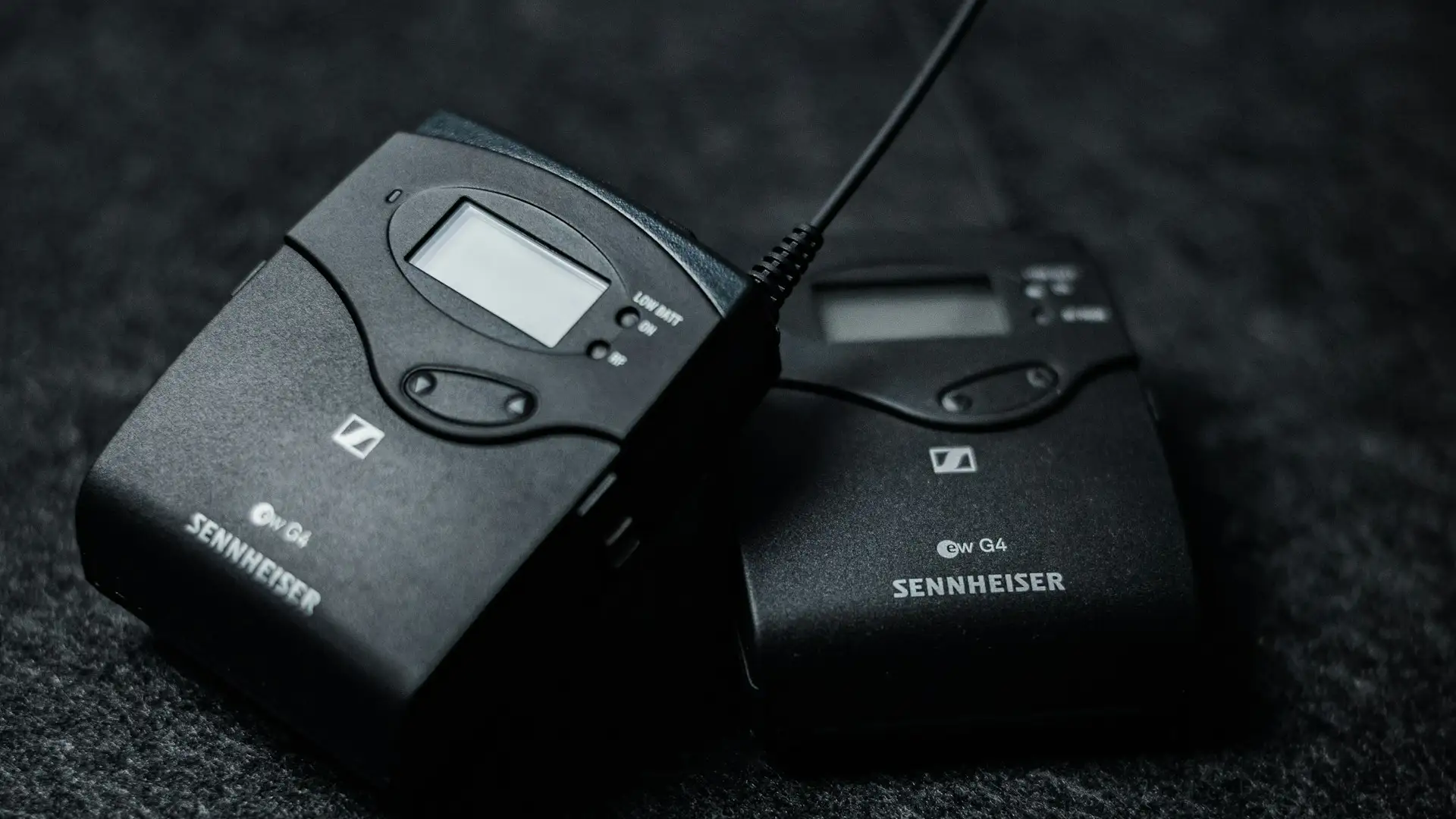
Lavalier systems consist of a small microphone capsule that clips to clothing, connected by a thin wire to a bodypack transmitter. These systems excel in situations where discretion and hands-free operation are priorities.
Advantages of Lavalier Systems:
The miniature size of lavalier microphones makes them nearly invisible to audiences, making them perfect for theatrical performances or speaking engagements where visual aesthetics are important. The consistent positioning of the microphone relative to the performer's mouth ensures stable sound levels, even with head movement.
Real-World Application:
A musical theater performer who needs to sing, dance, and act simultaneously benefits greatly from a lavalier system. The microphone stays perfectly positioned regardless of movement, and the bodypack transmitter can be easily concealed beneath costumes.
Headset Systems
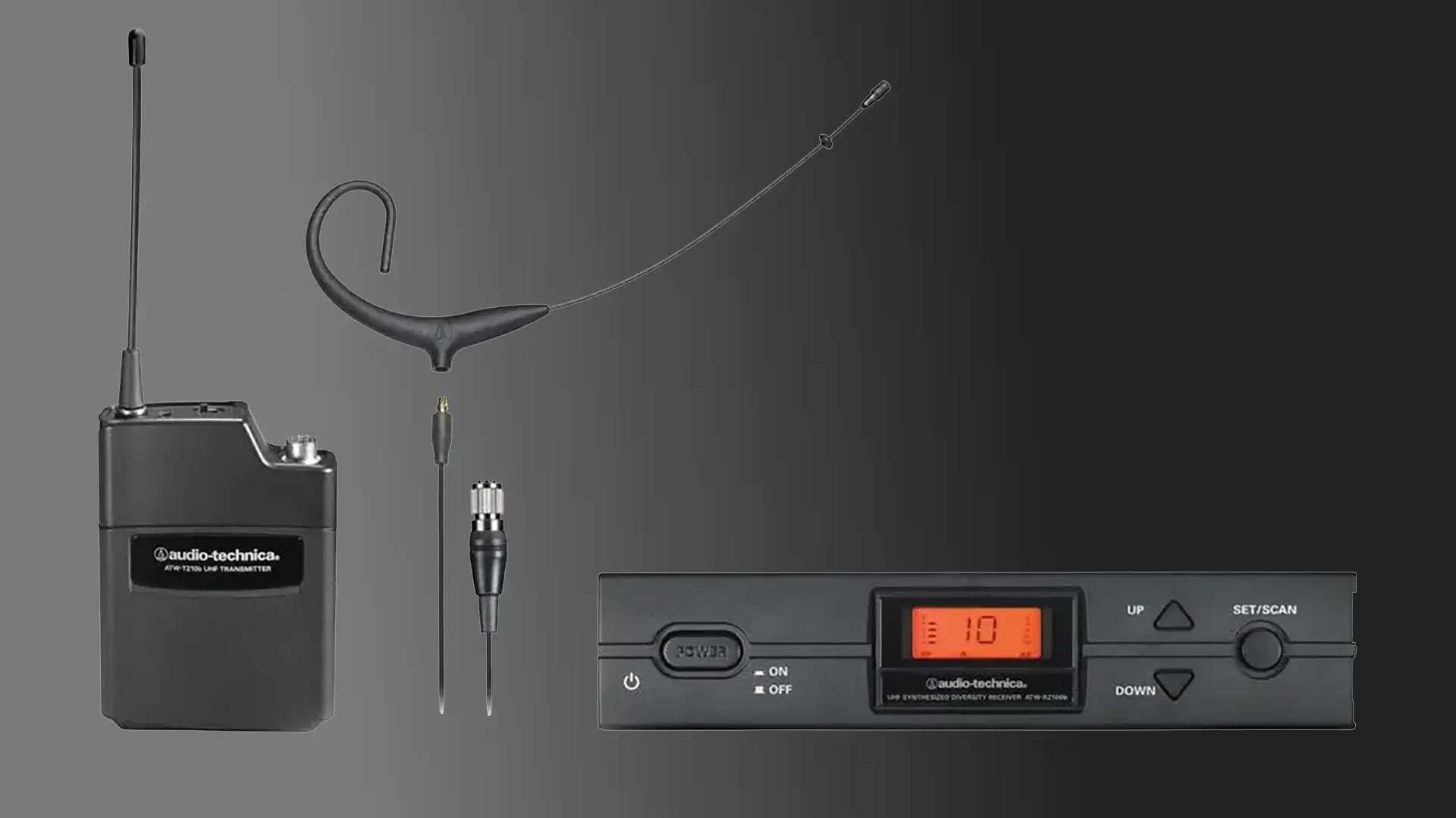
Headset systems combine the hands-free operation of lavalier systems with more consistent microphone positioning. They typically consist of a lightweight, comfortable headset with a small boom microphone, connected to a bodypack transmitter.
Advantages of Headset Systems:
The fixed position of the microphone relative to the mouth ensures extremely consistent sound quality regardless of head movement. This makes headset systems particularly valuable for highly active performers or those who need their hands free for playing instruments.
Real-World Application:
Consider a drummer who also provides backup vocals. A headset system allows them to maintain consistent vocal levels even while moving to play different parts of their kit. Similarly, a keyboard player who needs both hands for playing but also sings would benefit greatly from this setup.
Instrument Wireless Systems

Designed specifically for instruments like guitars, basses, and wind instruments, these systems typically use a bodypack transmitter that connects directly to the instrument's output.
Advantages of Instrument Systems:
These systems are optimized for the specific frequency response and dynamic range requirements of musical instruments. They often feature specialized input circuits that accurately capture the unique characteristics of different instruments, from the sharp attack of an electric guitar to the subtle nuances of an acoustic instrument with a pickup.
Real-World Application:
A guitarist using an instrument wireless system can move freely around the stage without worrying about cable length or potential disconnection. This freedom allows for more dynamic performances and interaction with other band members or the audience.
Hybrid and Specialized Systems

Some manufacturers offer hybrid systems that can accommodate different types of inputs, from microphones to instruments, using the same receiver. These versatile systems can be particularly cost-effective for musicians who need multiple wireless solutions.
Specialized Applications:
Recent innovations have led to the development of systems specifically designed for unique applications. For example, the Xvive U3 system allows musicians to convert their favorite wired microphone into a wireless unit, while maintaining the familiar sound characteristics they prefer.
System Integration Considerations
When selecting a wireless system type, consider how it will integrate with your existing equipment and performance requirements:
- Contemporary wireless systems typically offer balanced XLR outputs for professional audio equipment and unbalanced 1/4" outputs for guitar amplifiers or basic PA systems.
- Many systems include multiple mounting options for receivers, from rackmount kits to camera shoe mounts for mobile applications.
- Advanced systems often feature networking capabilities for coordinating multiple units and monitoring performance parameters.
The choice between these different types of wireless systems ultimately depends on your specific performance needs, budget, and technical requirements. Understanding the strengths and limitations of each type helps ensure you select the most appropriate system for your application.
Key Factors to Consider
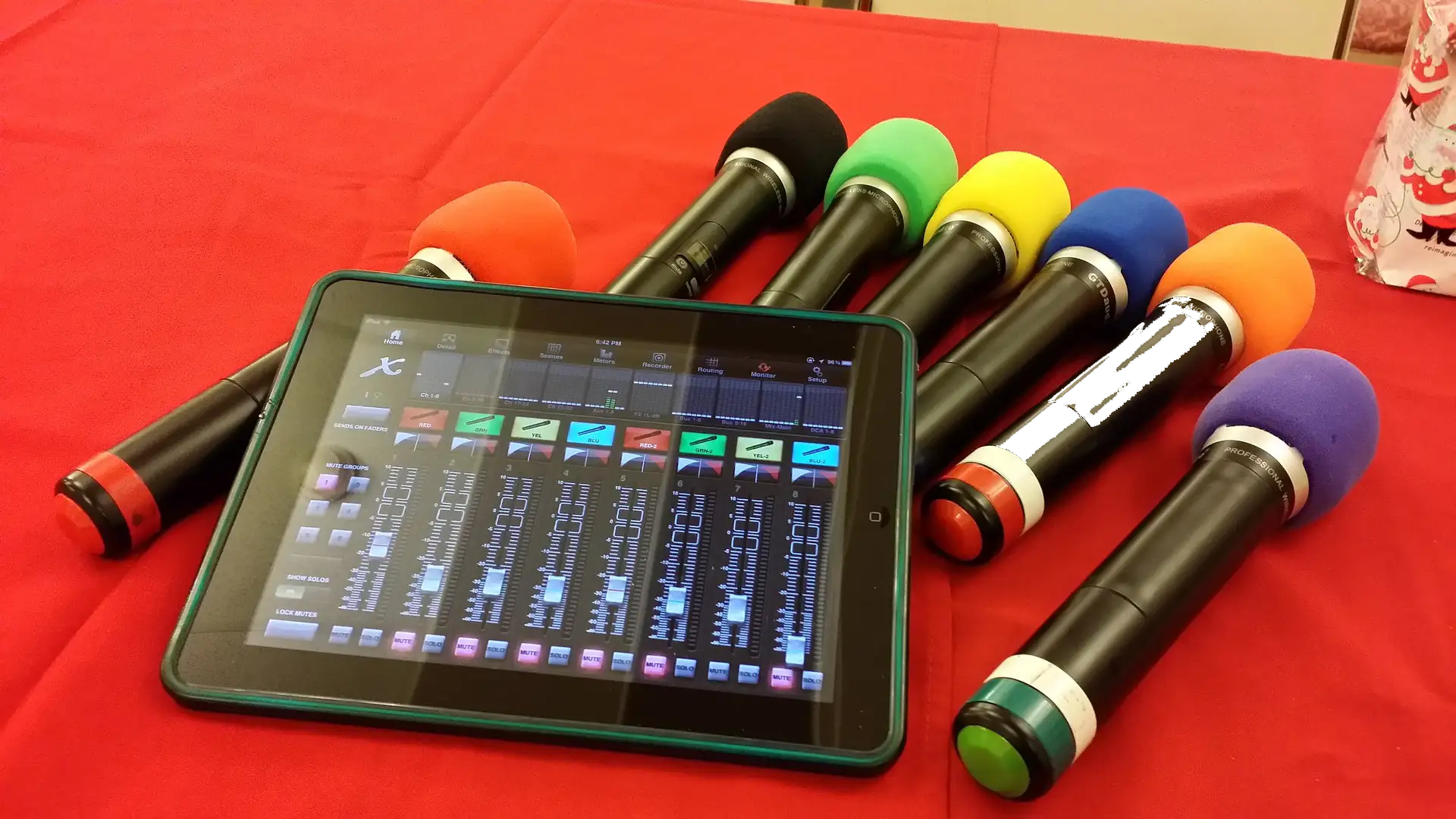
The selection of a wireless microphone system represents a significant investment in both your sound quality and performance capability. Understanding the key factors that influence system performance will help you make an informed decision that aligns with your specific needs and circumstances.
Frequency Range and Band Selection
The frequency range of a wireless system fundamentally determines its operational capabilities and potential limitations. This aspect of wireless systems has become increasingly important as the radio frequency spectrum becomes more crowded with various wireless devices.
UHF vs. VHF Systems
UHF (Ultra High Frequency) systems operate between 470 and 698 MHz, offering several advantages over their VHF counterparts. The shorter wavelengths of UHF frequencies allow for smaller antennas and components, resulting in more compact and efficient systems. UHF bands typically provide cleaner transmission in urban environments and offer more frequency options for multi-system setups.
VHF (Very High Frequency) systems, operating between 174 and 216 MHz, offer excellent range and can penetrate obstacles more effectively than UHF. However, they are more susceptible to interference from television broadcasts and other electronic devices. VHF systems often represent a more economical choice for simple applications in less crowded RF environments.
Digital Wireless Technology
Modern digital wireless systems have revolutionized wireless audio transmission. These systems convert analog audio signals into digital data before transmission, offering several key benefits:
- Enhanced resistance to interference
- Consistent audio quality throughout the operating range
- Built-in encryption for secure transmission
- Lower latency compared to older digital systems
- Better spectrum efficiency
When selecting a digital system, consider the sampling rate and bit depth of the analog-to-digital conversion. Professional systems typically offer 24-bit/48kHz conversion, providing excellent audio quality that rivals or exceeds analog systems.
Sound Quality Considerations
The ultimate goal of any microphone system is to deliver pristine audio quality. Several factors influence the overall sound quality of a wireless system:
Frequency Response
A system's frequency response determines how accurately it reproduces different frequencies across the audio spectrum. Professional wireless systems typically offer a flat frequency response between 20 Hz and 20 kHz, ensuring faithful reproduction of both low and high frequencies. Consider your specific needs – a vocalist might prioritize mid-range clarity, while an instrumentalist might need extended low-frequency response.
Dynamic Range
Dynamic range represents the difference between the quietest and loudest sounds a system can accurately reproduce. Digital systems often provide superior dynamic range compared to analog alternatives, typically offering 100 dB or more of clean headroom. This becomes particularly important when dealing with dramatic variations in performance volume or capturing instruments with wide dynamic ranges.
Signal Processing
Modern wireless systems incorporate various forms of signal processing:
- Companding systems that optimize signal-to-noise ratio
- Digital signal processing for noise reduction
- Automatic gain control to prevent overload
- Phase-locked loop (PLL) synthesizers for frequency stability
Range and Coverage Considerations

Understanding the operational range requirements for your specific application is crucial for selecting an appropriate wireless system.
Typical Range Requirements
- Small Venues (Clubs, Houses of Worship): 100-150 feet
- Medium Venues (Theaters, Auditoriums): 200-300 feet
- Large Venues (Stadiums, Outdoor Events): 300+ feet
However, these numbers represent ideal conditions. Real-world range is affected by various factors:
- Physical Obstacles: Walls, metal structures, and electronic equipment can reduce effective range
- RF Interference: Other wireless devices, cellular networks, and broadcast transmitters
- Antenna Placement: Proper positioning and line-of-sight considerations
- Transmitter Power: Higher power settings increase range but reduce battery life
Line-of-Sight Considerations
While direct line-of-sight between transmitter and receiver isn't always necessary, maintaining clear RF paths improves system reliability. Best practices include:
- Elevating receivers and antennas above ground level
- Avoiding placement near large metal objects
- Maintaining adequate distance from other electronic equipment
- Using antenna distribution systems for multiple receivers
Battery Life and Power Management
Reliable power management is crucial for professional wireless system operation. Modern systems offer various power solutions to meet different needs:
Battery Options
Alkaline Batteries:
- Readily available
- Predictable discharge curve
- Typically provide 8-10 hours of operation
- Higher long-term cost
Rechargeable Batteries:
- More economical over time
- Environmentally friendly
- Specialized charging systems available
- Initial investment higher
Lithium-Ion Packs:
- Extended runtime (often 12+ hours)
- More accurate battery life indication
- Higher cost but longer lifespan
- Specialized charging requirements
Power Management Features
Professional wireless systems include sophisticated power management features:
- Accurate battery life monitoring and display
- Low battery warnings with adequate warning time
- Power output adjustment to optimize battery life
- Sleep mode for conservation during breaks
Durability and Build Quality
The rigors of live performance demand wireless systems that can withstand constant use, occasional abuse, and varying environmental conditions. Professional-grade wireless systems distinguish themselves through their construction quality, which directly impacts their reliability and longevity in demanding situations.
Professional-grade units typically feature metal chassis construction for both transmitters and receivers. This robust construction serves multiple purposes: - Superior protection against physical damage and drops - Excellent RF shielding to maintain signal integrity - Enhanced heat dissipation for optimal performance - Greater mounting stability in rack systems
The quality of a wireless system extends beyond its outer shell to the thoughtful engineering of its components. These critical design elements include: - Gold-plated electrical contacts that resist corrosion - Weather-resistant seals around battery compartments and controls - Reinforced antenna connections for durability - Impact-resistant corners and mounting points - High-quality LCD screens with protective covers
For performers who frequently work outdoors or in challenging environments, environmental protection becomes paramount. Leading manufacturers address these challenges through sophisticated design features. Their systems incorporate specialized protections such as moisture-resistant coatings on circuit boards, sealed membrane switches that resist dust and liquids, and temperature-stable components rated for extreme conditions.
Ease of Use
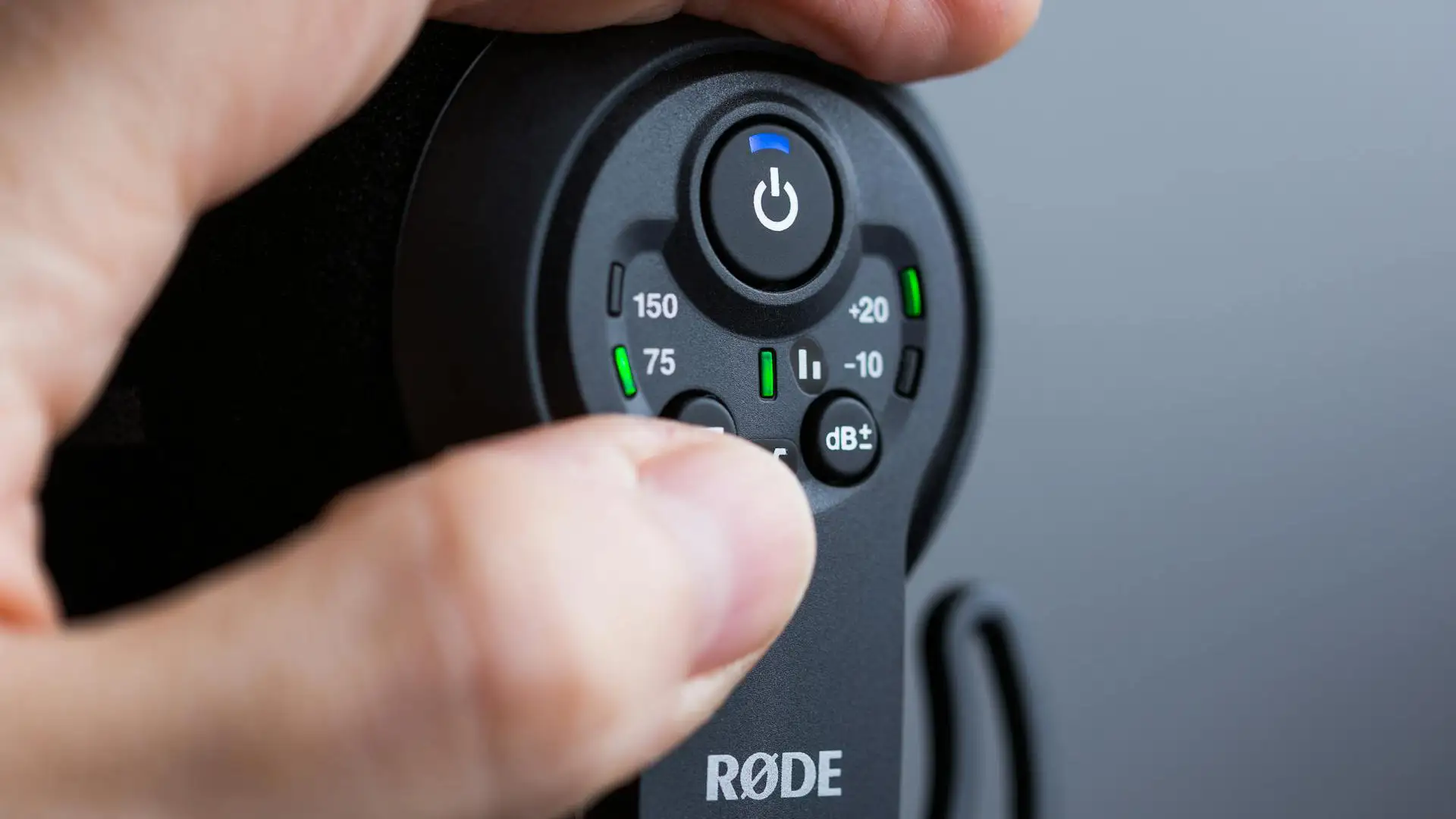
In the high-pressure environment of live performance, a wireless system's usability can make the difference between a smooth show and a technical nightmare. Modern wireless systems must balance sophisticated functionality with intuitive operation, allowing performers and technicians to focus on the performance rather than the technology.
A well-designed user interface serves as the foundation of system usability. Professional systems offer several key interface features: - Clear, backlit displays visible under various lighting conditions - Intuitive menu structures for quick parameter adjustments - Physical controls for critical functions like volume and muting - Status indicators for battery life, RF signal strength, and audio levels - Quick-access presets for common configurations
Advanced setup and configuration capabilities have become increasingly important in professional wireless systems. Modern units include sophisticated features that streamline operation:
Automatic Frequency Management:
- Intelligent scanning of the RF environment
- Automatic selection of clear frequencies
- Real-time interference monitoring
- Coordinated frequency deployment for multiple systems
Synchronization and Control:
- One-touch sync between transmitter and receiver
- Network integration for remote monitoring
- Preset groups for multi-system coordination
- Built-in spectrum analysis tools
Consider a typical festival scenario: A band arrives at their stage with only 20 minutes for setup. With an advanced wireless system, they can quickly scan the RF environment, automatically select clear frequencies, and sync their transmitters with a few button presses. The clear interface allows them to verify their system's status at a glance, ensuring everything is ready for their performance.
Budget Considerations
Making a wise investment in a wireless microphone system requires looking beyond the initial price tag to understand the total cost of ownership and long-term value. Think of it like buying a car – the sticker price is just the beginning of the financial consideration.
Professional wireless systems typically fall into three distinct price categories, each offering different features and capabilities:
Entry-Level Systems ($200-500)
These systems provide a solid introduction to wireless technology for musicians just starting their journey. While they may lack advanced features, quality entry-level systems like the Shure BLX288/PG58 offer reliable performance for basic applications. They typically feature plastic construction and simpler frequency management systems, making them ideal for small venues or practice spaces where RF interference is minimal.
Mid-Range Systems ($500-1000)
The mid-range category represents a significant step up in both build quality and functionality. Systems like the Sennheiser XSW-D Vocal Set incorporate more robust construction, often combining metal and high-grade plastic components. These systems excel in professional applications where reliability is crucial but budget constraints exist. They often include features like basic networking capabilities and improved frequency coordination that make them suitable for more demanding performance environments.
Professional Systems ($1000+)
Professional-grade systems such as the Shure QLXD24/B87A represent the pinnacle of wireless technology. These systems offer comprehensive features that justify their higher price point: - Advanced digital signal processing - Sophisticated frequency coordination - Network control and monitoring - Premium build quality and durability - Extended warranty coverage and professional support
However, the true cost of ownership extends well beyond the initial purchase. Consider these ongoing operational costs:
Power Management Expenses Different power solutions carry varying long-term costs. While alkaline batteries offer convenience, they can become expensive over time. Let's break down a typical scenario: A performer using their wireless system for three 4-hour shows per week might go through: - Alkaline batteries: Approximately $15-20 per month - Rechargeable system: Higher upfront cost ($100-200) but minimal monthly expenses - Lithium-ion solutions: Highest initial investment but longest lifespan and most reliable performance
Maintenance and Support Professional wireless systems require regular maintenance to maintain peak performance. Annual maintenance costs might include: - Professional cleaning and inspection - Replacement of wear items like antennas and cables - Firmware updates and system optimization - Battery replacement or reconditioning
Compatibility with Other Equipment
The successful integration of a wireless system into your existing setup requires careful consideration of both technical requirements and practical concerns. Think of your wireless system as a crucial link in a chain – it needs to work seamlessly with everything before and after it in the signal path.
Audio Interface Compatibility Modern wireless systems offer various output options to ensure compatibility with different audio equipment:
Professional Audio Integration - Balanced XLR outputs supporting professional +4 dBu levels ensure clean signal transmission over long cable runs - Transformer-isolated outputs help eliminate ground loops and reduce noise - Switchable pad controls accommodate different input sensitivities - Digital AES/EBU outputs (on premium systems) provide pristine signal transfer
Consumer and Prosumer Equipment - Unbalanced 1/4" outputs for direct connection to guitar amplifiers and basic PA systems - Adjustable output levels to match various input requirements - Ground-lift switches to resolve common noise issues
System Integration Considerations When incorporating wireless systems into a larger audio setup, several technical factors require attention:
RF Environment Management The wireless spectrum in a typical performance venue can become crowded quickly. Professional systems address this through: - Built-in spectrum analysis tools to identify clear frequencies - Frequency coordination databases for multiple system operation - Antenna distribution systems for improved reception - Advanced filtering to reject unwanted RF interference
Signal Chain Integration Your wireless system must work harmoniously within your overall signal chain. Consider these aspects: - Input impedance matching to maintain signal quality - Insert points for effects processing - Digital audio routing options - Backup signal paths for redundancy
Physical Integration Requirements The practical aspects of system installation deserve careful consideration: - Adequate rack space for receivers and antenna distribution - Proper ventilation for heat dissipation - Clean power supply with appropriate surge protection - Accessible cable routing for maintenance
Troubleshooting and Maintenance Tips

Operating a wireless microphone system requires attention to both preventive maintenance and quick problem-solving skills. Understanding common issues and their solutions can help ensure reliable performance while extending the life of your equipment.
Common Issues and Solutions
When wireless systems malfunction, the problems typically fall into several key categories. Signal dropouts, perhaps the most common issue, often occur due to physical obstructions or interference from other electronic devices. If you experience dropouts, first ensure clear line of sight between the transmitter and receiver antennas. Check that your antennas are properly positioned above crowd level and away from metal surfaces or LED walls that might cause interference.
Audio quality problems require a systematic approach to troubleshooting. Start by verifying the most basic connections and settings. Check that your transmitter's gain is properly set for the input source, whether it's a vocalist's dynamic range or an instrument's output level. Poor audio quality might also result from receiver output levels that don't match your mixer's requirements, so verify these settings in your signal chain.
Battery-related failures can be particularly frustrating because they often occur mid-performance. Implement a strict battery management system that includes regular testing of rechargeable batteries and replacement schedules for disposable ones. Many professional performers replace batteries before every performance, considering it cheap insurance against potential failures.
Preventive Maintenance
Daily maintenance forms the foundation of reliable wireless operation. Before each use, perform a visual inspection of your system's antennas and connections. Clean any visible debris from battery compartments and check that all functions operate normally. These simple steps can prevent many common issues before they affect your performance.
Weekly maintenance should be more thorough. Take time to scan your wireless environment for potential interference sources and clean all connections with appropriate contact cleaner. If your system includes software components, check for available updates that might improve performance or address security concerns.
Monthly maintenance requires a more comprehensive approach. Perform complete system performance tests, including range checks and audio quality verification across your entire performance space. Document any issues you discover and maintain records of your maintenance activities. This documentation can help identify patterns and prevent future problems.
Emergency Preparedness
Even with careful maintenance, emergencies can occur. Develop and maintain a backup plan that includes spare equipment for critical components. Your emergency kit should contain:
Essential backup items: - A spare transmitter and receiver - Fresh batteries - Basic tools for quick repairs - Emergency cables and adapters - Written procedures for quick system replacement
Create clear procedures for handling common emergencies during performances. Train all relevant personnel in these procedures and practice them regularly. Remember that in live performance situations, having a rapid response plan can mean the difference between a minor hiccup and a show-stopping failure.
Performance Optimization
Optimizing your wireless system starts with proper setup. Position your receiver antennas with care, considering both the physical layout of your performance space and potential sources of interference. Understanding your venue's specific challenges helps in creating effective solutions. Consider factors like crowd density, which can affect signal propagation, and the presence of reflective surfaces that might cause multipath interference.
Keep detailed records of your system's performance and any issues that arise. These records should include: - Frequency assignments and coordination data - Maintenance history and scheduled updates - Performance issues and their resolutions - Equipment modifications and firmware updates
Documentation might seem tedious, but it provides invaluable information for troubleshooting recurring issues and planning system upgrades. When problems occur, good records can help identify patterns and contribute to more effective solutions.
Frequently Asked Questions
In working with wireless microphone systems, certain questions arise consistently among users of all experience levels. This section addresses the most common queries, providing clear, practical answers to help you make the most of your wireless system.
Can I use a wireless microphone system outdoors?
Yes, wireless microphone systems can function effectively outdoors, though several factors require careful attention. Outdoor environments present unique challenges including weather exposure, increased range requirements, and fewer RF reflections to help signal propagation. To ensure reliable outdoor performance, position receivers with clear line of sight to transmitters and consider environmental protection for your equipment. While manufacturers' range specifications typically reference indoor use, outdoor applications often require shorter operating distances to maintain reliable connections. Weather conditions, particularly humidity and temperature extremes, can impact system performance, so monitoring these factors becomes crucial for outdoor events.
What's the difference between analog and digital wireless systems?
The distinction between analog and digital wireless systems extends beyond basic technology to affect performance, features, and reliability. Digital systems convert audio into digital data before transmission, while analog systems modulate the audio signal directly onto a radio carrier wave. Digital systems typically offer consistent audio quality throughout their operating range, built-in encryption for secure transmission, and superior interference rejection. However, analog systems remain viable options, particularly in less demanding applications, offering lower latency and simpler operation. Many users appreciate analog systems' graceful signal degradation at range limits, providing warning before complete dropout occurs.
Do wireless microphone systems work with all types of amplifiers and PAs?
Most modern wireless systems integrate seamlessly with standard audio equipment, provided proper attention is paid to signal level matching and connection types. Professional wireless receivers typically offer both XLR (balanced) and ¼" (unbalanced) outputs, accommodating virtually any amplifier or PA system. The key to successful integration lies in understanding your specific equipment requirements and matching output and input levels appropriately. Quality cables and proper impedance matching play crucial roles in achieving optimal sound quality and reliability.
How can musicians ensure their wireless system avoids interference during performances?
Preventing interference requires a systematic approach to frequency management and system setup. Begin by understanding your wireless environment through careful frequency scanning before each performance. Many modern systems include automatic scanning features that identify clear frequencies. Professional users often maintain documented frequency plans and conduct thorough site surveys before important events. Proper antenna positioning proves crucial, as does maintaining appropriate distance between transmitters and other RF sources. For multiple-system setups, antenna distribution systems can significantly improve reliability.
How should musicians balance cost, sound quality, and features when choosing a wireless system?
Selecting the right wireless system requires careful consideration of your specific needs and budget constraints. Professional-grade systems offer superior reliability and features but come at a higher cost. When evaluating systems, consider your frequency band requirements first – UHF systems typically offer better performance but cost more, while VHF systems provide good value for simpler applications. Sound quality priorities should align with your application; digital systems generally provide better audio quality and more consistent performance. Consider how advanced features like network integration or multiple receiver coordination might benefit your specific situation. Remember that investing in a higher-quality system often proves more economical in the long run through enhanced reliability and longer service life.
Conclusion

Wireless microphone technology has evolved dramatically since its inception, transforming from a novelty into an essential tool for modern performers. The journey through this guide has illustrated the complexity and sophistication of contemporary wireless systems, while also highlighting the importance of selecting equipment that matches your specific needs and technical requirements.
Making an Informed Choice
The selection of a wireless microphone system represents more than a simple equipment purchase – it's an investment in performance quality and reliability. From entry-level systems like the Shure BLX288/PG58 to professional solutions like the QLXD24/B87A, each system offers distinct advantages suited to different applications. The key lies in understanding your specific requirements, technical capabilities, and budget constraints.
Future-Proofing Your Investment
As wireless spectrum regulations continue to evolve and performance spaces become increasingly crowded with wireless devices, choosing a system that can adapt to these changes becomes crucial. Digital systems, while often more expensive initially, offer greater flexibility and future-proofing through firmware updates and advanced frequency management capabilities. The investment in higher-end systems often pays dividends through enhanced reliability and adaptability to changing RF environments.
The Importance of Proper Setup and Maintenance
Even the most sophisticated wireless system requires proper setup and regular maintenance to perform at its best. Understanding basic troubleshooting procedures, maintaining clean connections, and following proper battery management protocols can significantly extend the life of your equipment while ensuring consistent performance. Regular maintenance isn't just about preventing failures – it's about maintaining the highest possible audio quality and reliability.
Final Recommendations
For those entering the world of wireless audio, start with a system that matches your current needs while providing room for growth. Consider not just the initial purchase price, but the total cost of ownership, including maintenance, batteries, and potential upgrades. Professional users should invest in systems that offer comprehensive monitoring and control capabilities, ensuring reliable performance in demanding applications.
Remember that wireless technology continues to advance, offering new features and capabilities with each generation. Stay informed about developments in wireless technology and regulatory changes that might affect your system's operation. The time invested in understanding and properly maintaining your wireless system will be repaid many times over in reliable, high-quality performance.
Top Ranked Wireless Microphones on Equipboard


$248.00
4.0 (1)
4.0 (1)
About the authors
Juan Spinelli is a multi-instrumentalist musician, but more of a guitarist than anything else. Based in Buenos Aires, Argentina, he started playing at a very early age and learned various instruments such as flute, clarinet, percussion, didjeridoo, cavaquinho, bass and more. Today, he also works as a music producer and sound engineer, collaborating in several projects in his city and with artists from all over the world. Read more
New in Wireless Microphones

$875.00 - $1,090.00

$899.00 - $1,160.00
in Wireless Microphones Rank

$159.00
in Wireless Microphones Rank