Table of Contents

Equipboard
Equipboard is the world's largest community of artists and their gear. Read our review process.
We are reader-supported. When you buy through links on our site, we may earn an affiliate commission. Learn more.
Our Picks

Shure SE846G2 Sound Isolating Earphones
Best Overall IEMs: Shure SE846G2 delivers exceptional sound quality and versatility in a premium package that excels across all genres and use cases. These flagship IEMs represent the pinnacle of Shure's acoustic engineering.
Read more


Shure SE215 In-Ear Monitor Headphones
Best Budget In-Ear Monitors: Shure SE215 brings professional-grade sound isolation and reliable performance to an accessible price point, making them an ideal entry point into quality IEMs.
Read more
Audio-Technica ATH-E70 Professional In-Ear Monitor Headphones
Best IEMs for Vocalists: Audio-Technica ATH-E70 provides exceptional midrange detail and clarity that allows vocalists to hear every nuance of their performance with precision. These triple-driver IEMs offer a neutral, transparent sound signature ideal for critical vocal monitoring.
Read more

Mackie MP-220 BTA Dual Dynamic Driver Professional In-Ear Monitors with Bluetooth Adapter
Best IEMs for Drummers: Mackie MP-220 provides the robust bass response and exceptional noise isolation drummers need, delivered in a durable package with wireless capability. They offer the perfect combination of sound quality, durability, and protection for performers in high-volume environments.
Read more
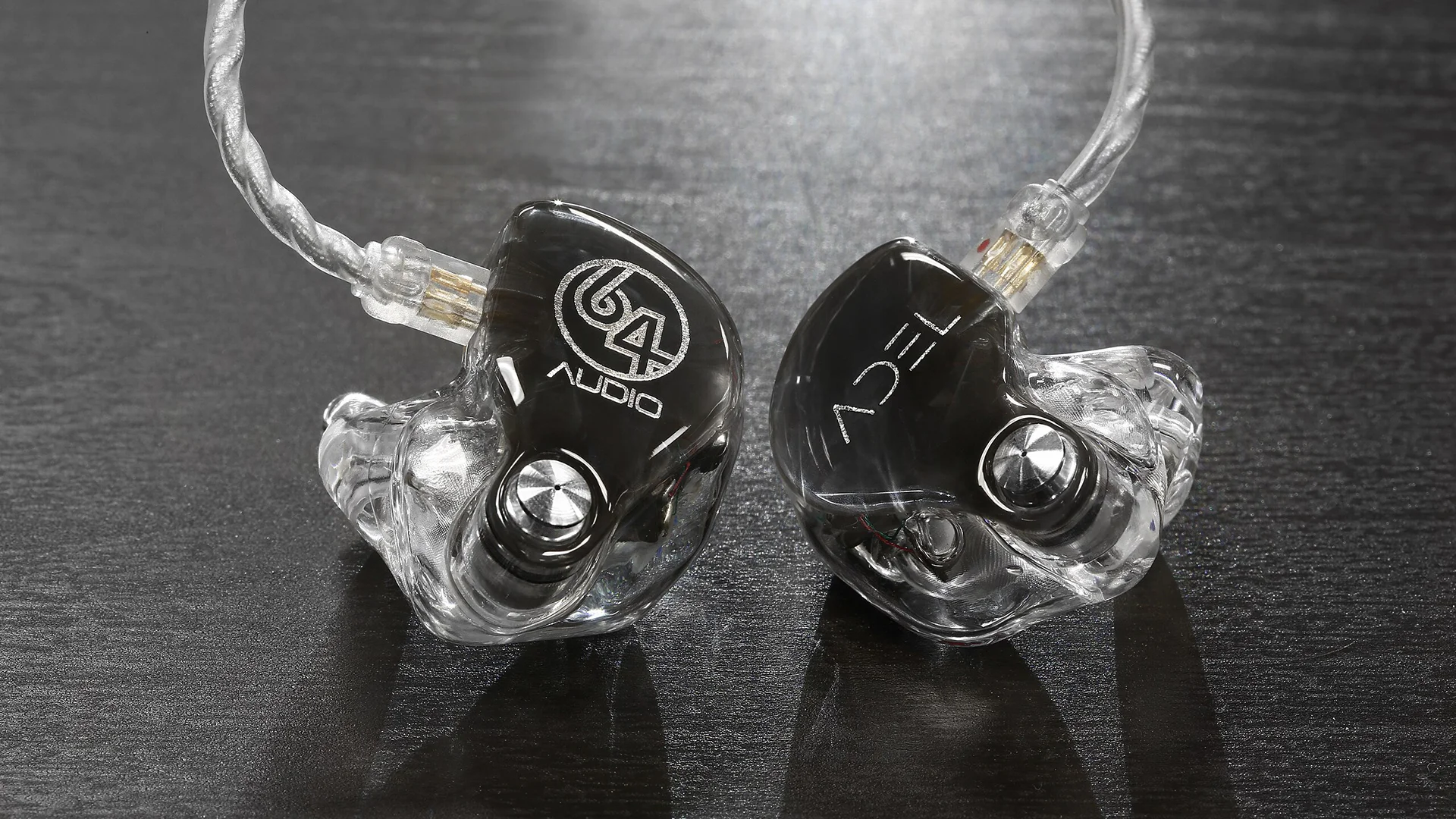
64 Audio N8 9-driver Custom In-ear Monitors
Best IEMs for Audiophiles: 64 Audio N8 represents the pinnacle of in-ear monitor technology with its collaborative design created alongside legendary bassist Nathan East. These custom IEMs deliver a rich, immersive soundstage with powerful yet articulate bass response that will satisfy the most discerning listeners.
Read more
Westone Audio Pro X50 Earphones
Best Mid-Range IEMs: Westone Audio Pro X50 delivers professional-grade performance with its sophisticated 5-driver design and ergonomic fit, offering an excellent middle ground between entry-level and flagship models. They provide exceptional clarity and detail across the frequency spectrum at a more accessible price point than true flagship models.
Read moreIn-ear monitors, commonly known as IEMs, have revolutionized how musicians, sound engineers, and audiophiles experience audio. Unlike regular earbuds that sit outside your ear canal, IEMs are designed to fit snugly inside, creating a seal that blocks external noise while delivering crisp, detailed sound directly to your eardrums. This design offers superior sound isolation and typically better audio quality than conventional earbuds.
The world of IEMs spans from affordable universal models to premium custom-molded options that can cost thousands of dollars.
In this comprehensive guide, we'll walk through everything you need to know about IEMs, from the technical aspects that influence sound quality to detailed reviews of the best options across various categories and price points.
What to Look for in In-Ear Monitors
Next, let's understand the key features that differentiate IEMs from one another. This knowledge will help you make an informed decision based on your specific needs rather than marketing hype.
Driver Technology
The driver is essentially the speaker inside your IEM that converts electrical signals into sound waves. There are several types to consider:
Dynamic drivers function similarly to traditional speakers, using a moving diaphragm to create sound. They typically excel at producing powerful bass and offer a warmer sound signature. These drivers are often found in more affordable IEMs and are known for their durability.
Balanced armature (BA) drivers are smaller, more efficient units that excel at producing detailed mids and highs. Many professional IEMs use multiple BA drivers, each handling different frequency ranges for more accurate sound reproduction.
Hybrid designs combine different driver types, often pairing dynamic drivers for bass with balanced armatures for mids and highs. This approach aims to deliver the best of both worlds.
Planar magnetic drivers use a thin diaphragm suspended between magnetic fields. While less common in IEMs due to size constraints, they're gaining popularity for their exceptional detail and speed.
Fit and Form Factor
IEMs come in two main form factors, each with distinct advantages:
Universal IEMs come with various tip options (silicone, foam, etc.) to fit different ear shapes. They're more affordable and convenient. However, they may not provide the perfect seal or comfort for everyone.
Custom IEMs are molded specifically to your ear canal based on impressions taken by an audiologist. They offer unmatched comfort, isolation, and often better sound due to the perfect seal. The downsides include higher cost, the need for ear impressions, and a waiting period for manufacturing.
Noise Isolation

One of the primary benefits of IEMs is their ability to block external noise. Most IEMs provide passive noise isolation through a physical seal, with good models reducing external noise by 25-30 dB. Some high-end options can offer up to 40 dB of isolation, which is particularly valuable for drummers and performers in loud environments.
Cable Options
Many quality IEMs feature detachable cables, which is a significant advantage. If a cable fails, you can replace it rather than the entire unit. Common connector types include:
MMCX connectors are small, circular connections that allow 360-degree rotation.
2-pin connectors are more secure but don't rotate, potentially causing more strain on the connection point.
Technical Specifications
While specs don't tell the whole story, there are a few worth considering such as:
Impedance indicates how much power is needed to drive the IEMs properly. Lower impedance (under 32 ohms) works well with phones and portable devices, while higher impedance models might require an amplifier.
Sensitivity measures how loud the IEMs get with a given amount of power. Higher sensitivity means they'll play louder with less power.
Frequency response shows the range of frequencies the IEMs can reproduce, though this spec alone doesn't indicate sound quality.
Durability and Build Quality
For stage use especially, durability is crucial. Look for:
- Reinforced cables with proper strain relief
- Quality materials in the shell construction
- Water and sweat resistance ratings
- Reliable connector types
- Included protective cases
Now that we understand what makes a great IEM, let's look at the best options across various categories.
The Best In-Ear Monitors
We've selected top performers across several categories to help you find the perfect IEMs for your specific needs. From all-around excellence to specialized tools for specific instruments, each recommendation excels in its intended use case while offering excellent value relative to its category.
These selections cover a range of price points from accessible entry options to premium investments, ensuring there's a quality choice regardless of your budget constraints.
Shure SE846G2 Sound Isolating Earphones
Sound Sovereignty









Average Price: $980
High-end/Boutique
$100
$301+
Budget
Standard
High-end
- Best flat sound reproduction in an in-ear system
- Remarkable instrument isolation and separation
- Astonishing bass performance with innovative subwoofer-like porting
- High frequencies are sparkly and detailed
- See 6 more
- High price point, making it less accessible
- Mid-range can be overly forward and colored for some
- Highs could use more brilliance for certain tastes
- Smaller warranty period not reflective of price
- See 1 more
The Shure SE846G2 shows what's possible when a company with decades of audio experience focuses on creating the ultimate in-ear monitor. Building on the legacy of the original SE846, this second-generation model refines an already impressive formula with thoughtful updates.
Sound Quality
At the heart of the SE846G2 is its sophisticated 4-driver configuration, delivering a sound signature that manages to be both technically impressive and emotionally engaging. The bass response deserves special mention. Unlike many multi-BA setups that struggle with low-end reproduction, Shure implements a genuine acoustic low-pass filter that allows the SE846G2 to produce deep, articulate bass that you can feel without sacrificing definition.
The midrange presentation remains clear and forward, making these ideal for vocalists and mixing engineers who need to focus on this crucial frequency band. The high-end offers excellent extension without becoming fatiguing during long sessions.
What truly sets these apart is the inclusion of removable nozzle inserts that allow you to customize the sound signature between four distinct profiles, effectively giving you four different IEMs in one. This flexibility makes them suitable for virtually any genre or monitoring situation.
Design and Usability
The SE846G2 features a transparent housing that showcases the intricate internal components – not just an aesthetic choice, but a showcase of Shure's confidence in their engineering. The detachable cable system uses MMCX connectors, allowing you to switch between the included 3.5mm cable and wireless options when needed.
The included fit kit contains a variety of sleeve options, ensuring you'll find a comfortable, secure seal. When properly fitted, these IEMs provide up to 37dB of noise isolation, making them suitable for even the loudest stage environments.
Versatility
Perhaps the most compelling aspect of the SE846G2 is its versatility. While they command a premium price, they effectively eliminate the need for multiple specialized IEMs. They transition seamlessly from stage to studio to audiophile listening sessions, making them an investment that serves multiple purposes.
For professionals who demand the highest level of performance across various scenarios or serious enthusiasts looking for their endgame IEM, the Shure SE846G2 delivers exceptional value despite its premium positioning.
Shure SE215 In-Ear Monitor Headphones
4.5 (92)
Budget-Friendly Excellence

Average Price: $113
Standard/Professional
$100
$301+
Budget
Standard
High-end
- Exceptional sound isolation enhances the listening experience
- Durable construction ensures longevity and reliability
- Comfortable fit for long periods, suitable for extensive use
- Versatile fit kit with foam and flex materials for easy customization
- See 6 more
- Some users find the sound too warm and compressed
- Bass might lack punch for some preferences
- Highs can be mushy; not ideal for classical music
- Cable length may be short for taller users
- See 4 more
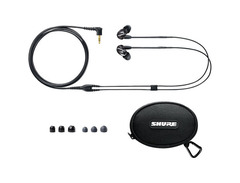
The Shure SE215 has achieved near-legendary status in the IEM world, and for good reason. These single-driver monitors have introduced countless musicians and audio enthusiasts to the world of proper in-ear monitoring without breaking the bank.
Sound Signature
Despite utilizing just a single dynamic driver, the SE215 delivers a warm, bass-forward sound signature that works well for most genres and monitoring situations. The low-end has satisfying weight and punch that helps musicians stay in the pocket during live performances. The midrange is present enough for vocals and main instruments to shine through, though not as detailed as multi-driver setups.
While the high-frequency extension is naturally limited compared to more expensive options, the treble remains clean and non-fatiguing, making these comfortable for extended use. For most performing musicians, especially those coming from floor wedges, the overall sound quality represents a significant upgrade in clarity and definition.
Build Quality and Comfort
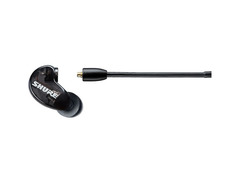
The SE215 punches well above its weight class in terms of construction. The housings are compact and ergonomically shaped, with an over-ear cable design that reduces microphonics and keeps them secure during movement. The detachable cable uses MMCX connectors – the same system found on Shure's premium models – allowing for replacement if damaged or upgrade to Bluetooth options.
The included fit kit provides several sleeve options, with the foam tips offering the best isolation and bass response for most users. When properly inserted, they provide impressive noise isolation that rivals many more expensive models, making them particularly valuable for drummers on a budget.
Longevity and Value
Perhaps the most compelling aspect of the SE215 is their proven reliability. Many users report years of regular use without issues, making them a smart investment even as a backup pair for professionals. Their sound isolation capabilities alone justify the price for many gigging musicians.
For newcomers to IEMs, recording engineers needing reference monitors, or performers on a tight budget, the Shure SE215 remains the benchmark entry-level choice that continues to outperform many competitors at significantly higher price points.
See how artists use this







.jpg)
Audio-Technica ATH-E70 Professional In-Ear Monitor Headphones
5.0 (1)
Vocal Clarity Champion

Average Price: $408
High-end/Boutique
$100
$301+
Budget
Standard
High-end
- Comfortable for extended use
- Provides rich, full sound stage and presence
- Accurate detail in highs, mids, and lows
- Excellent sound isolation
- See 6 more
- Some users report lacking bass
- High frequencies may require EQ adjustment
- Included silicone buds may not fit all ears
- Sound signature may not suit all preferences (perceived as flat by some)
- See 1 more
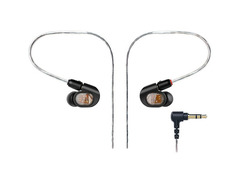
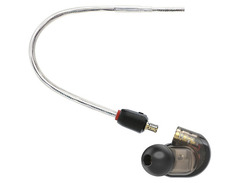
Audio-Technica's flagship IEM offering takes a different approach than many competitors, focusing on accuracy and detail retrieval rather than a colored or "exciting" sound signature. This philosophy makes the ATH-E70 particularly well-suited for vocalists who need to hear themselves clearly in the mix.
Vocal-Focused Tuning
The ATH-E70 utilizes three balanced armature drivers in a configuration that prioritizes midrange clarity and detail. Vocals sit perfectly in the mix – neither too forward nor recessed – allowing singers to monitor their pitch, tone, and dynamics with exceptional precision. The high-frequency extension delivers articulation without sibilance, revealing breath control and subtle vocal techniques.
While the bass is present and accurate, it's restrained compared to more consumer-oriented tunings, ensuring low frequencies don't mask important vocal details. This neutral approach to frequency response makes these particularly valuable for vocalists who need uncolored monitoring to make informed decisions about their performance.
Comfort and Isolation
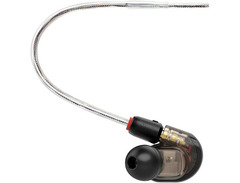
The E70's housing is on the larger side but ergonomically shaped to sit comfortably in the ear for extended periods. The over-ear memory cable configuration keeps them secure during movement and helps prevent cable noise from transferring to the drivers.
Isolation is excellent when paired with the right tips, creating a consistent monitoring environment regardless of stage volume. This allows vocalists to perform at lower, healthier monitoring levels while still hearing all necessary details.
Studio-to-Stage Versatility
While marketed primarily for stage use, the ATH-E70's accurate sound reproduction makes them equally suitable for studio recording and mixing reference. This dual-purpose functionality provides excellent value for vocalists who work in both environments.
For singers serious about their craft, the Audio-Technica ATH-E70 offers a level of detail and accuracy that makes them an invaluable tool for performance improvement. Their neutral presentation might not deliver the immediate "wow factor" of more colored IEMs, but their faithful reproduction makes them a trustworthy reference for vocal monitoring.
Mackie MP-220 BTA Dual Dynamic Driver Professional In-Ear Monitors with Bluetooth Adapter
Drummer's Defender

Average Price: $201
Standard/Professional
$100
$301+
Budget
Standard
High-end
- Impressive sound quality with balanced bass, mids, and highs
- Wide sound stage for an immersive listening experience
- Excellent sound isolation with included double-flange tips
- Comfortable fit with a variety of ear tips to choose from
- See 4 more
- Potential driver failure issues, affecting reliability
- Large housing may not fit comfortably in smaller ears
- Requires a tight seal with foam tips for optimal bass response
- Concerns about long-term durability and build quality
- See 1 more
Drummers have unique requirements from their in-ear monitors. They need exceptional isolation to protect hearing, enhanced low-end to feel the kick and toms, and rugged construction to withstand the physical nature of drumming. The Mackie MP-220 addresses these needs directly.
Built for Impact
The MP-220 employs a dual dynamic driver configuration that delivers powerful, extended bass response without sacrificing clarity in other frequency ranges. This allows drummers to feel the impact of their kick drum and toms while maintaining definition. The sound signature has a slight V-shape with emphasized lows and highs, ensuring the click of the kick beater and cymbal details cut through.
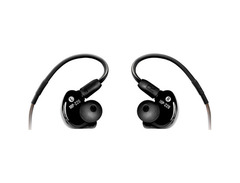
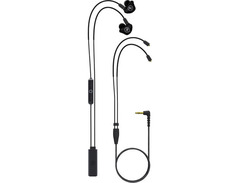
The physical construction is equally impressive, with a low-profile design that sits flush with the ear, reducing the risk of being knocked out during energetic performances. The detachable cables feature swiveling connectors that move with you, minimizing strain and potential damage during use.
Superior Isolation
One standout feature of the MP-220 is its exceptional noise isolation capability, offering up to 40dB of attenuation. This level of isolation is crucial for drummers who regularly perform in high-volume environments, allowing for lower, safer monitoring levels while still hearing the entire mix clearly.
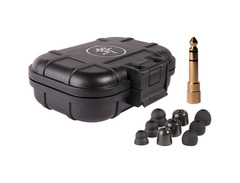
The included variety of ear tips ensures you'll find an option that creates a proper seal for your ear shape, which is essential for both sound quality and isolation.
Wireless Freedom
The MP-220 includes a Bluetooth adapter that allows for wireless monitoring when appropriate. While most professional applications still favor wired connections for reliability, the wireless option provides valuable flexibility for practice sessions or situations where maximum mobility is needed.
For drummers who are serious about protecting their hearing while enjoying high-quality monitoring, the Mackie MP-220 strikes an excellent balance between performance, protection, and price. Their thoughtful design addresses the specific challenges drummers face with in-ear monitoring.
64 Audio N8 9-driver Custom In-ear Monitors
Audiophile's Dream

When a renowned audio company collaborates with a legendary musician, the result is often something special. The 64 Audio N8, developed in partnership with bassist Nathan East, exemplifies this synergy, creating a listening experience that appeals to both professional musicians and discerning audiophiles.
Revolutionary Technology
The N8 incorporates several proprietary technologies that set it apart from conventional IEMs. The Tia (Tubeless In-ear Audio) system eliminates traditional sound tubes for the high-frequency drivers, resulting in remarkably open, distortion-free treble that extends well beyond typical IEMs.
The Apex (Air Pressure Exchange) technology relieves pneumatic pressure that can cause listener fatigue and affect bass response. This innovation allows for extended listening sessions without discomfort while maintaining consistent sound quality.
The LID (Linear Impedance Design) ensures the N8 sounds consistent regardless of the source device, eliminating the need for specialized amplification in most cases.
Sound Signature
The N8's sonic profile was tuned specifically to Nathan East's preferences, resulting in a rich, soulful presentation with powerful yet controlled bass that never overwhelms. The midrange has natural warmth and exceptional detail retrieval, while the highs offer air and extension without harshness.
Most impressive is the soundstage, which defies the typical constraints of in-ear designs, creating a three-dimensional listening space that allows for precise placement of instruments and vocals. This spatial quality makes the N8 particularly rewarding for complex musical arrangements.
Custom Fit Experience
As a custom-fit monitor, the N8 requires ear impressions from an audiologist, which 64 Audio converts to a perfect replica using their 3D-Fit technology. The result is unmatched comfort and isolation, with each unit perfectly matching the contours of your unique ear anatomy.
For audiophiles seeking the ultimate portable listening experience or professional musicians working across multiple genres, the 64 Audio N8 represents a statement purchase that delivers an emotional connection to music that few other IEMs can match.
Westone Audio Pro X50 Earphones
Balanced Performer

Average Price: $579
High-end/Boutique
$100
$301+
Budget
Standard
High-end
- Outstanding sound clarity reveals intricate musical details.
- Customizable fit with numerous ear tip options.
- Foam tips effectively reduce external noise.
- Solid bass performance, especially appreciated by bass lovers.
- See 6 more
- No rigid ear hooks, causing issues with stability during active use.
- Replacement cables are expensive and lack alternatives.
- Cable tangles easily and lacks an ear guide.
- Foam tips may separate, requiring careful maintenance.
- See 1 more
Sitting in the sweet spot between budget options and ultra-premium custom monitors, the Westone Audio Pro X50 offers a compelling package for professionals and enthusiasts who need high performance without stretching to flagship prices.
Professional-Grade Engineering
The Pro X50 features a sophisticated 5-driver configuration with a 3-way crossover network, effectively dividing the frequency spectrum for more accurate reproduction. This multi-driver approach delivers impressive detail and separation, with each element of a mix clearly defined in its own space.
Westone's expertise in ergonomics is evident in the compact shell design, which sits flush with the ear despite housing five balanced armature drivers. This low-profile fit makes them comfortable for extended sessions and practical for performers who move around on stage.
Balanced Sound Signature
The sound profile strikes an excellent balance between accuracy and musicality. The low end is present and defined without overwhelming, the midrange offers natural vocal reproduction with good presence, and the highs provide detail without becoming harsh or fatiguing.
This balanced approach makes the Pro X50 unusually versatile, serving equally well for critical monitoring applications and enjoyable music listening. For working professionals who need their IEMs to handle multiple scenarios, this versatility represents significant value.
Premium Accessories
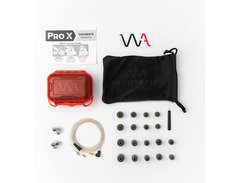
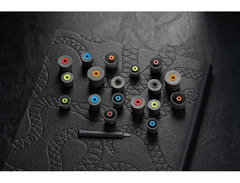
Westone includes their True-Fit tips in multiple sizes, helping users achieve a comfortable, secure seal without resorting to custom molds. The included Estron Linum BaX cable features an over-ear design that reduces microphonics and keeps the monitors secure during movement.
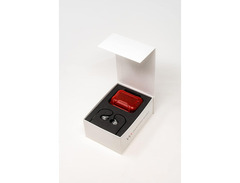
The impact-resistant monitor vault provides reliable protection during transport, addressing a common concern for touring professionals and frequent travelers.
For musicians, engineers, or listeners seeking professional-grade performance without the premium price of flagship or custom models, the Westone Audio Pro X50 represents an excellent investment. Their combination of sound quality, comfort, and durability makes them suitable for both stage and studio applications.
Custom vs Universal IEMs

One of the most significant decisions when investing in quality IEMs is whether to choose universal or custom-fit models. Both approaches have distinct advantages worth considering.
Universal IEMs: Flexibility and Convenience
Universal IEMs are designed to fit most ear shapes using interchangeable tips in various sizes and materials. They offer several practical advantages:
- Immediate availability allows you to purchase and use them right away without waiting for manufacturing.
- Try before buying is possible at many audio retailers, letting you compare different models before committing.
- Lower initial cost since they don't require ear impressions or custom manufacturing.
- Resale potential remains higher since they can fit other users.
- Sharing capability means friends or bandmates can try them in a pinch.
For many users, particularly those new to IEMs or uncertain about their long-term needs, universal models present a logical starting point. Most manufacturers include multiple tip options to help you find a comfortable fit, with foam tips generally offering the best seal and isolation for most ear shapes.
Custom IEMs: The Ultimate Personalization
Custom IEMs are manufactured based on impressions of your unique ear anatomy, creating a perfect fit that offers several significant benefits:
- Superior comfort for extended wear, with no pressure points or irritation.
- Unmatched isolation due to the perfect seal, often providing 5-10dB more attenuation than universal fits.
- Enhanced bass response resulting from the complete seal.
- Secure fit that won't dislodge during vigorous movement.
- Potential for better sound as drivers can be positioned optimally for your ear canal.
The custom route requires visiting an audiologist for ear impressions, followed by a waiting period of typically 2-4 weeks for manufacturing. While this process adds cost and time, many professionals consider it worthwhile for the improved comfort, security, and performance.
When to Go Custom
Custom IEMs make the most sense for:
- Professional musicians who use IEMs regularly for performances
- Individuals with unusual ear anatomy who struggle to get a good fit with universal options
- Anyone planning to use IEMs for extended periods where comfort becomes paramount
- Those seeking maximum isolation in very loud environments
Many manufacturers offer both universal and custom versions of their models, allowing you to start with a universal option and upgrade to custom if desired. Some companies even offer credit toward custom versions when trading in their universal counterparts, creating a logical upgrade path.
How to Get the Best Fit and Sound
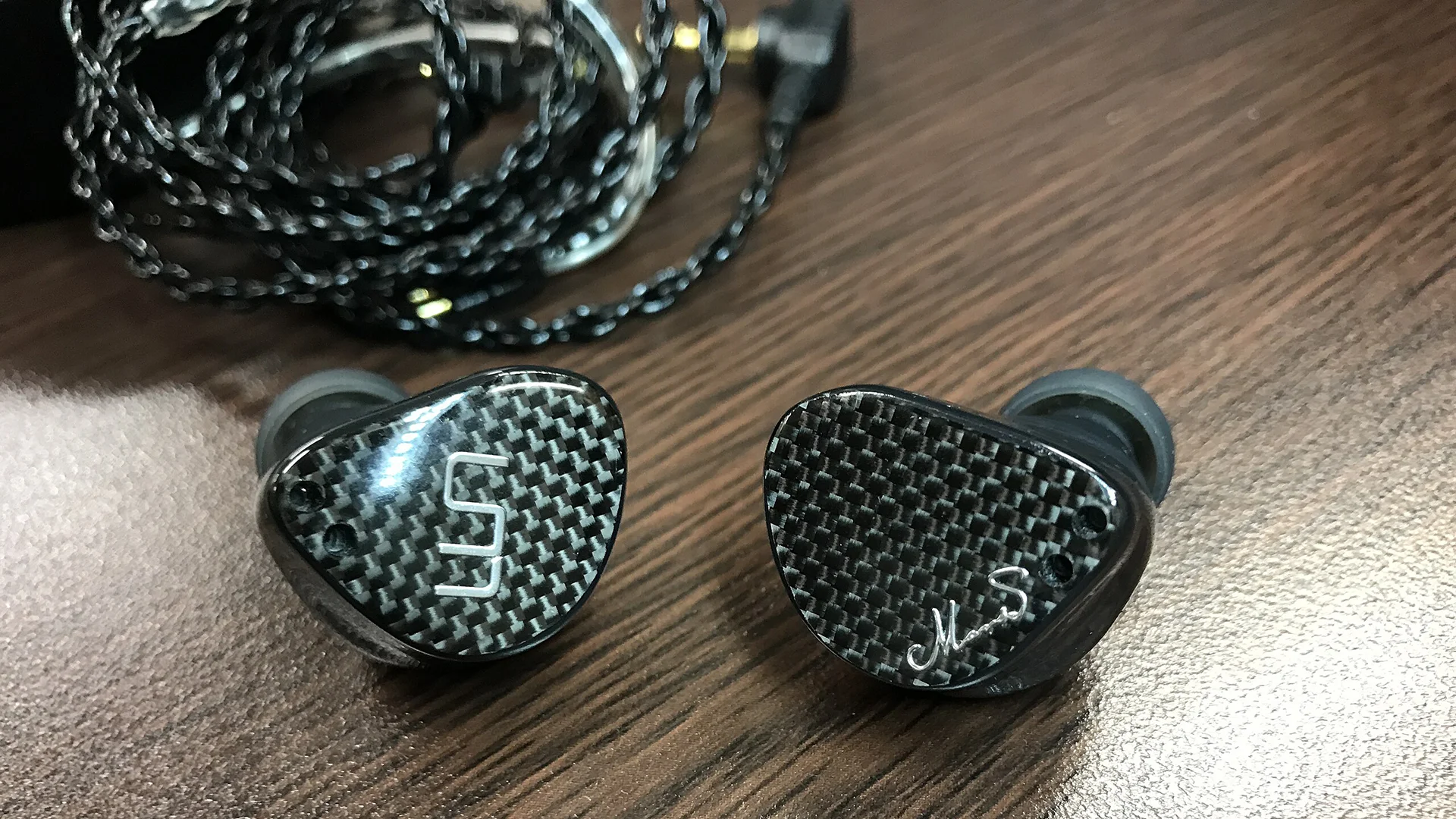
Even the most expensive IEMs will underperform without a proper fit. Here's how to maximize your listening experience:
Choosing the Right Ear Tips
For universal IEMs, tip selection dramatically impacts comfort, isolation, and sound quality. Silicone tips offer durability and ease of insertion, with a clean, slightly brighter sound signature. They're washable and last longer but may not create as tight a seal as foam options. Many users find silicone tips more convenient for daily use and situations where you need to insert and remove your IEMs frequently.
Foam tips expand to fit your ear canal shape, providing superior isolation and typically enhanced bass response. They're more comfortable for many users but wear out faster and can alter the sound signature more significantly. The trade-off is worth it for many listeners, especially in noisy environments where maximum isolation is beneficial.
Double or triple-flange tips can provide excellent isolation with a secure fit but may cause discomfort for some users due to deeper insertion. These specialized tips work well for certain ear anatomies and can be particularly valuable for active users who need a secure fit during movement. The deeper insertion also tends to enhance bass response, though it may change the overall sound signature more dramatically than single-flange options.
Experiment with different tip types, sizes, and insertion depths to find your optimal combination. Many audiophiles keep multiple tip options for different listening scenarios or moods.
Proper Insertion Technique
The correct insertion method makes a tremendous difference in IEM performance. For over-ear cable designs, start by placing the IEM body upside down and rotate it forward into position as you insert the tip into your ear canal. This technique ensures the cable routes properly over your ear, reducing microphonics and improving stability.
Before insertion, gently pull your outer ear upward and backward to straighten your ear canal, making it easier to achieve a proper seal. Insert the IEM with a slight twisting motion to help create a complete seal against your ear canal.
A proper fit should feel secure but comfortable, with significant reduction in external noise. If you hear a "hollow" quality or weak bass response, you likely don't have a complete seal. Repositioning or trying a different tip size often resolves these issues. Take your time with this process, as proper insertion is critical to experiencing your IEMs as they were designed to sound.
Preventing Ear Fatigue

Extended IEM use can cause fatigue during long sessions, but you can take several approaches to minimize discomfort. The excellent isolation that quality IEMs provide means you can monitor at significantly lower volumes than with traditional headphones or speakers, reducing strain on your ears over time. When first adjusting to IEMs, taking regular breaks allows your ears to rest and adapt gradually to the new sensation of having monitors in your ear canals.
Some manufacturers have recognized the challenge of ear fatigue and developed innovative solutions. 64 Audio's Apex technology, for example, relieves the pneumatic pressure that builds up when your ear canal is completely sealed, allowing for much longer comfortable use sessions.
For professionals who own multiple pairs, alternating between different IEMs can prevent fatigue by changing the pressure points and acoustic characteristics your ears experience. This variety gives your ear canals a chance to recover from any specific pressure points created by a particular model's shape or insertion depth.
FAQ
What's the difference between IEMs and regular earbuds?
IEMs are designed to fit inside the ear canal, creating a seal that blocks external noise and delivers sound directly to the eardrum. Traditional earbuds rest outside the ear canal in the concha (the outer part of the ear). IEMs typically offer superior isolation, better bass response, and more accurate sound reproduction due to this sealed design. They also generally feature higher-quality drivers and more sophisticated acoustic engineering than consumer earbuds.
Are IEMs good for casual listening?
Absolutely. While many IEMs are designed with professional monitoring in mind, they excel for casual listening as well. Their superior isolation means you can enjoy your music at lower, safer volumes in noisy environments like commuting or air travel. Many audiophiles prefer IEMs for their portability and performance. However, be aware that their isolation can be a disadvantage in situations where you need environmental awareness, such as walking in urban areas.
Are custom IEMs worth the extra cost?
For regular, extended use, custom IEMs often justify their premium price through superior comfort, better isolation, and potentially improved sound quality. Professional musicians who perform frequently find the perfect fit invaluable for long shows. However, for occasional users or those still exploring different sound signatures, universals offer better value and flexibility. Consider custom IEMs an investment if you've found a sound signature you love and use IEMs regularly for performing or critical listening.
Do I need a separate amplifier for my IEMs?
Most IEMs are designed to work efficiently with portable devices without additional amplification. However, some higher-impedance models or less sensitive designs may benefit from a dedicated amplifier to reach their full potential. Additionally, a quality DAC/amp can improve sound quality by providing cleaner conversion and amplification than built-in smartphone circuits. For critical applications or with high-end IEMs, a dedicated portable DAC/amp can be a worthwhile investment, though it's typically not essential for basic usage.
Conclusion

In-ear monitors have transformed how we experience audio, offering unprecedented portability without sacrificing sound quality. Whether you're a professional musician needing reliable stage monitoring or an audiophile seeking the ultimate portable listening experience, there's an IEM solution that matches your requirements and budget.
The Shure SE846G2 stands as our best overall recommendation, offering exceptional versatility and performance across all use cases. For those on a tighter budget, the Shure SE215 delivers remarkable value and proven reliability. Vocalists will appreciate the precise midrange reproduction of the Audio-Technica ATH-E70, while drummers can protect their hearing without sacrificing sound quality with the Mackie MP-220.
Audiophiles seeking the ultimate listening experience should consider the 64 Audio N8, which delivers reference-quality sound with groundbreaking technology. For those seeking a balance between performance and price, the Westone Audio Pro X50 offers professional-grade sound in a comfortable, versatile package.
Remember that fit is crucial to getting the most from your IEMs. Take time to experiment with different tips and insertion techniques for universal models, or consider the custom route if you're committed to in-ear monitoring for the long term.
Top Ranked Headphones & In-Ear Monitors on Equipboard


$146.00 - $179.99
5.0 (244)
5.0 (244)


About the authors

S. Jino is an accomplished multi-instrumentalist and music producer based in Kolkata, India, distinguished by his self-taught mastery and unique blend of technical acumen and musical performance. His extensive experience was forged through hands-on dedication, starting with the full restoration of a broken guitar. Jino's capabilities span keyboards, pedals, and advanced digital production, reflecting a comprehensive skill set developed independently. As a significant contributor to the music scene, Jino regularly performs with worship bands and college ensembles. He has also established himself as a reliable and authoritative professional in freelance mixing, mastering, and original music creation. Inspired by the innovative sounds of Brian May and David Gilmour, and influenced by Kolkata's vibrant metal community, Jino is committed to the intricate art of vintage gear restoration and the continuous exploration of music and technology fusion. His current professional setup, featuring a meticulously restored nameless guitar, a Fender Player Strat, and a Boss Katana 50. Read more
New in Headphones


$2,699.00 - $2,999.00


$422.00 - $439.00
in Headphones & In-Ear Monitors Rank


$379.00 - $399.00
in Headphones & In-Ear Monitors Rank


$95.00 - $189.95
in Headphones & In-Ear Monitors Rank


$69.95 - $89.95
in Headphones & In-Ear Monitors Rank