By Gear Experts
Table of Contents

Equipboard
Equipboard is the world's largest community of artists and their gear. Read our review process.
We are reader-supported. When you buy through links on our site, we may earn an affiliate commission. Learn more.
Our Picks

Teenage Engineering TP-7 Tape Recorder
The Teenage Engineering TP-7 is a groundbreaking field recorder that combines sleek Scandinavian design with advanced technology, delivering exceptional audio quality, innovative features, and seamless integration for modern creators.
Read more

The Tascam DR-40X offers an impressive blend of affordability, professional-grade features, and versatile functionality, making it a reliable and accessible tool for musicians, podcasters, filmmakers, and event recordists alike.
Read more
-l.webp?v=1784041117)
The Zoom H6 is a highly versatile and modular portable recorder that adapts to a wide range of professional applications, offering exceptional flexibility, advanced features, and reliable performance for filmmakers, musicians, podcasters, and sound designers.
Read more
Roland R-07 High-Resolution Audio Recorder
The Roland R-07 is a compact, wireless-enabled field recorder that combines professional audio quality, advanced features, and modern connectivity, making it an ideal choice for musicians, content creators, and journalists on the go.
Read more
The Sony PCM-D100 is the ultimate field recorder for audiophiles and professionals, delivering unparalleled high-fidelity sound quality, advanced features, and exceptional design for capturing every detail with breathtaking clarity.
Read more

Key Factors to Consider When Choosing a Field Recorder
Audio Quality
When choosing a field recorder, understanding audio quality is essential, and two key concepts often come up: bit rate and bit depth. While they may sound similar, these terms refer to distinct aspects of how audio is recorded and stored. Bit rate primarily impacts the amount of data processed over time, influencing file size and overall sound fidelity, while bit depth defines the resolution of each individual sample, directly affecting dynamic range and detail. Knowing how these factors influence recordings can help you make an informed decision based on your specific needs, whether it’s capturing nature sounds, live music, or podcast interviews.
Bit Depth: Capturing Detail and Dynamic Range
Bit depth refers to the number of bits used to represent each individual audio sample, determining how much dynamic range (the difference between the quietest and loudest sounds) can be accurately captured. For example, 16-bit audio can record a dynamic range of 96dB, while 24-bit extends that to 144dB, allowing for far greater precision in capturing subtle sounds like faint ambiences or delicate instrument nuances. A higher bit depth also reduces noise and distortion, making it ideal for professional-quality recordings in demanding environments. Field recorders that support 24-bit or higher are essential for users requiring pristine, high-fidelity sound for post-production or critical applications.
- 24-bit recording capability provides a theoretical dynamic range of 144dB
- Allows for lower gain settings while recording, reducing noise
- Provides ample headroom for post-processing
Bit Rate: Balancing Quality and File Size
Bit rate measures the amount of audio data processed per second, typically expressed in kilobits per second (kbps) for compressed formats like MP3 or in bits per second (bps) for uncompressed formats. A higher bit rate ensures more audio detail is preserved, resulting in better sound quality. For example, a 320kbps MP3 sounds much clearer than a 128kbps MP3, especially in complex audio like live music. However, bit rate also impacts file size and storage; uncompressed WAV files with high bit rates can require significant space, making it crucial to balance your storage capacity and recording quality needs. For field recording, a high bit rate is vital when capturing rich, detailed soundscapes or dynamic performances
- 44.1kHz: Standard for music production
- 48kHz: Professional video production standard
- 96kHz: High-resolution audio with extended frequency response
- 192kHz: Ultra-high-resolution for sound design and specialized applications
Preamp Quality
- Low noise floor for clean recordings
- High gain capability for quiet sources
- Transparency and lack of coloration
- Dual-gain architecture in premium models
Portability and Build Quality
The essence of field recording lies in its unpredictability, demanding equipment that's both robust and portable. A recorder's construction materials play a pivotal role in its durability and reliability.
Professional-grade recorders typically feature metal housings, often crafted from aluminum or magnesium alloys, offering superior protection against drops and environmental stress compared to their plastic counterparts. Weather sealing becomes crucial for outdoor sessions, with high-end models incorporating rubber gaskets and sealed ports that protect sensitive electronics from moisture and dust.
The best field recorders maintain their functionality across extreme temperature ranges, from frigid dawn recordings to sweltering afternoon sessions.
Physical design considerations extend far beyond mere durability.
The most thoughtfully designed recorders distribute weight evenly across their chassis, preventing hand fatigue during extended recording sessions. Button placement follows ergonomic principles, allowing operators to adjust settings by touch alone – a crucial feature when working in low-light conditions or maintaining visual focus on the subject.
Display screens incorporate anti-glare technology and adjustable backlighting, ensuring visibility whether you're recording under harsh sunlight or in dimly lit venues. Professional mounting options, including standardized tripod threads and camera hot shoe adapters, provide stability and integration with other recording equipment.
Microphone Configuration
The heart of any field recorder lies in its microphone system, which determines not just the quality but the character of captured audio. Built-in microphones come in several sophisticated configurations, each serving specific recording purposes.
The X/Y configuration, where two matched microphones cross at precise angles, delivers remarkably accurate stereo imaging while maintaining excellent mono compatibility – perfect for capturing musical performances or dialogue.
Mid-Side (M/S) arrangements offer unprecedented post-production flexibility, combining a forward-facing microphone with a bidirectional element to capture both direct sound and ambient atmosphere. The resulting recordings allow for adjustable stereo width without introducing phase issues, a valuable feature for broadcast applications.
For capturing expansive soundscapes, some recorders employ adjustable A/B spaced pairs, where two microphones can be positioned at variable distances to create a wider, more immersive stereo field. Many professional models allow these built-in microphones to be adjusted through multiple positions, adapting to different acoustic environments and recording requirements.
External input capabilities expand a recorder's versatility considerably.
Professional-grade XLR/TRS combo jacks accept both balanced and unbalanced sources, from studio microphones to line-level devices. Phantom power delivery spans multiple voltage options (typically +12V, +24V, and +48V), accommodating everything from sensitive condenser microphones to robust dynamic models. Input impedance specifications and maximum input levels are carefully engineered to handle diverse sound sources, from whispered dialogue to thunderous percussion.
Battery Life and Power Options
In the field, power management can mean the difference between capturing or missing crucial moments. Modern field recorders employ sophisticated power systems that balance performance with longevity.
The choice between standard and proprietary batteries presents a crucial consideration – while proprietary batteries often offer enhanced performance and precise power monitoring, standard AA or AAA batteries provide the convenience of worldwide availability. Advanced models incorporate hot-swapping capabilities, allowing battery replacement without interrupting recording, while USB charging options provide flexibility for extended sessions.
Power management extends beyond basic battery life.
Intelligent systems monitor power consumption in real-time, automatically adjusting features to extend recording duration when needed. Multiple power modes allow operators to balance performance against battery life, while sophisticated battery indicators provide accurate remaining time estimates rather than simple voltage levels. Professional recorders often include backup power solutions, such as secondary battery compartments or the ability to switch seamlessly to USB power, ensuring continuous operation during critical recording sessions.
Emergency power management features, such as auto-save functions and graceful shutdown procedures, protect recorded content even in cases of sudden power loss. The most advanced models can even maintain their settings and clock functions during battery changes, ensuring seamless operation resumption without the need for reconfiguration.
Audio Quality and Signal Processing
Professional field recorders blend analog and digital processing to deliver exceptional audio quality.
Advanced analog-to-digital converters capture audio at up to 32-bit floating point, providing a vast dynamic range and reducing worries about optimal levels in unpredictable settings.
High sample rates, reaching up to 192kHz, enable precise sound design, wildlife recording, and advanced editing techniques like time-stretching. Low-noise preamps offer clean gain up to 75dB, essential for capturing quiet or distant sounds without interference. Multiple gain stages help maintain optimal signal-to-noise ratios, ensuring clear recordings across a variety of sound sources.
Storage and File Management
Modern field recording produces large data volumes, requiring reliable and flexible storage solutions. Professional recorders often feature dual SD card slots, supporting critical workflows: simultaneous recording for instant backups, and relay recording for uninterrupted sessions by switching to the second card when one fills up. Advanced models may even record different formats or resolutions to each card, creating high-resolution master files alongside compressed versions for quick reviews.
The recording format choice affects both storage needs and workflow. Uncompressed WAV files are the industry standard, providing top quality and compatibility, while compressed formats like MP3 can save space when needed.
Monitoring and Metering
Modern field recording produces large data volumes, requiring reliable and flexible storage solutions. Professional recorders often feature dual SD card slots, supporting critical workflows: simultaneous recording for instant backups, and relay recording for uninterrupted sessions by switching to the second card when one fills up. Advanced models may even record different formats or resolutions to each card, creating high-resolution master files alongside compressed versions for quick reviews.
The recording format choice affects both storage needs and workflow. Uncompressed WAV files are the industry standard, providing top quality and compatibility, while compressed formats like MP3 can save space when needed.
Timecode Synchronization
Timecode synchronization is a powerful tool for ensuring audio and video recordings stay perfectly aligned during production and post-production. By embedding a consistent timing reference across devices, timecode allows multiple cameras, audio recorders, and other equipment to operate in sync, eliminating the guesswork of manual alignment. Whether you’re working on a multi-camera film shoot, a live event with separate audio tracks, or a complex sound design project, timecode ensures every frame and sound file fits seamlessly into the timeline. Understanding how timecode works and the equipment required can save you hours of editing while enhancing the professionalism of your projects.
Remote Control and Connectivity
The integration of wireless technology has revolutionized field recording workflows. Bluetooth and Wi-Fi connectivity allow for remote control via smartphone apps, enabling recordists to adjust settings and monitor levels from a distance—especially useful for sensitive wildlife recording or when the recorder is in hard-to-reach locations. Some models also support real-time audio streaming over Bluetooth, providing wireless monitoring without compromising recording quality.
Environmental Adaptability
Field recorders must operate reliably across various environmental conditions. Professional models include environmental sensors for temperature and humidity, alerting operators to potentially harmful conditions. Some high-end models even have internal heaters to prevent condensation during extreme temperature shifts, while sealed media compartments protect recordings from contamination.
Wind protection goes beyond basic foam windscreens; sophisticated shock mounting systems isolate microphones from handling noise and vibration. Some recorders feature switchable high-pass filters tuned to common environmental noise sources, and advanced signal processing to reduce wind noise without affecting essential low-frequency content.
Teenage Engineering TP-7 Tape Recorder










Average Price: $1,440
High-end/Boutique
$149
$400+
Budget
Standard
High-end
- Imaginative design that sparks joy and creativity
- Unique single-purpose functionality enhancing user experience
- Compact size ideal for travel and portability
- Offers multi-tracking capabilities for versatile recording
- See 6 more
- High price point compared to similar devices
- Issues with durability and potential fragility
- Spinning disk noise can be disruptive when recording
- Perceived redundancy for users with multifunction devices
- See 1 more
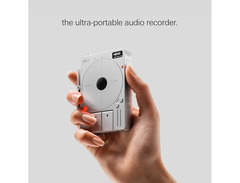
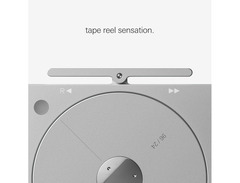
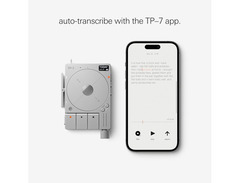
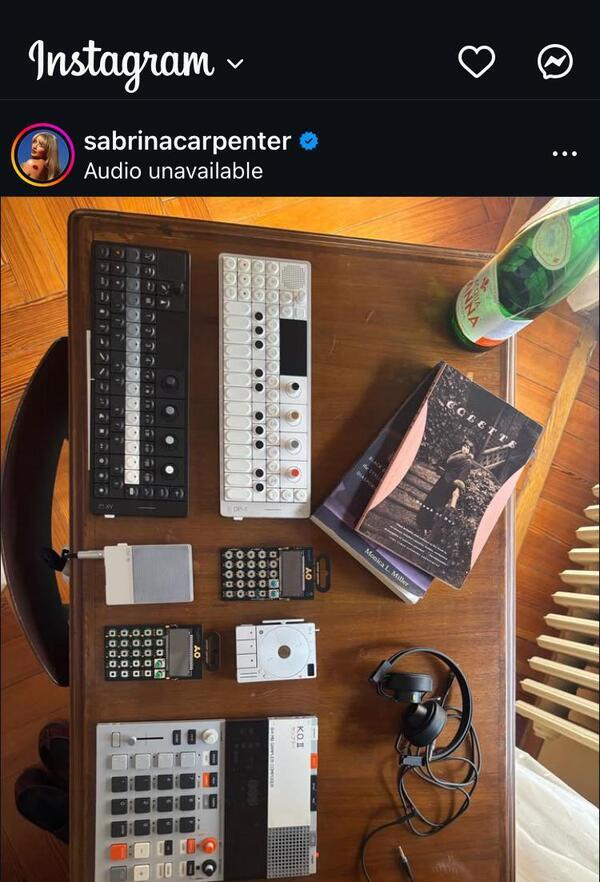
Looking for a field recorder that’s as innovative as it is elegant? The Teenage Engineering TP-7 rewrites the rulebook on portable audio recording, blending minimalist Scandinavian design with forward-thinking technology. Perfectly sized to slip into your pocket, this sleek device doesn’t just capture sound - it redefines how creators interact with it. Housed in a stunning aluminum unibody and boasting precision-engineered components, the TP-7 feels like a piece of art as much as a tool for creators.
Under the hood, it delivers serious power. You can record in pristine WAV format up to 32-bit float/96kHz or choose MP3 for more practical, compressed files. With a matched pair of high-end electret condenser microphones and a 3.5-inch high-resolution touchscreen, you’ll experience effortless control and superb audio quality. And with 128GB of internal storage, plus a microSD slot for expansion, there’s plenty of room for all your creative projects. Eight hours of battery life means the TP-7 is ready for extended sessions, and modern connectivity - Bluetooth 5.0 and Wi-Fi 6 - keeps it in sync with your digital life.
Where the TP-7 truly shines is in its advanced feature set. AI-powered automatic gain control ensures perfect levels, while the real-time spectrum analyzer and advanced DSP effects suite give you unparalleled control over your recordings. Gesture-based controls and a customizable touch interface make it intuitive and fast, perfect for capturing inspiration on the go. Need to integrate with your existing setup? The TP-7 syncs effortlessly with modern DAWs, and its wireless monitoring and cloud sync capabilities let you keep your workflow seamless.
In real-world use, the TP-7 is a game-changer. Sound designers can dive straight into creative manipulation of audio, live performers can sample and process sound on the fly, and mobile music producers will love its modern DAW integration. For social media creators, the direct sharing capabilities streamline the journey from idea to upload. And if experimental recording is your passion, the TP-7’s unique processing tools will inspire fresh approaches to sound.
The Teenage Engineering TP-7 doesn’t just record sound - it reinvents the experience of field recording for the modern creator. If you’re looking for a recorder that marries cutting-edge tech with undeniable style, this is it.
See how artists use this



.jpg?v=1780599921)

TASCAM DR-40X

Average Price: $200
Standard/Professional
$149
$400+
Budget
Standard
High-end
- Built-in mics deliver high-quality sound, suitable for spontaneous recording
- Compatible with high-end microphones like Sennheiser for enhanced audio quality
- Simplifies the process of combining multiple tracks into a single stereo file
- Dual record mode ensures backup recording, preventing loss of audio
- See 6 more
- Menu navigation can be distracting and less intuitive
- Recording quality through built-in mics may not meet all professional needs
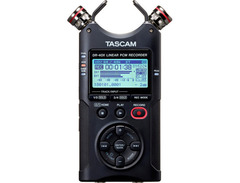
The Tascam DR-40X strikes a fine balance between affordability, professional-grade features, and ease of use, making it a strong contender in the world of portable recorders. Building on the foundation of its predecessor, the DR-40X incorporates enhanced preamps, an improved interface, and versatile functionality to cater to a variety of recording scenarios. Whether you’re a budding podcaster, a filmmaker, or a musician, this recorder fits seamlessly into your workflow without breaking the bank.
Capable of recording in WAV up to 24-bit/96kHz or MP3 up to 320kbps, the DR-40X ensures high-quality sound for every project. Its adjustable built-in microphones can switch between A/B and X/Y positions, offering flexibility to adapt to the acoustic environment. Dual XLR/TRS combo jacks with phantom power (+48V) expand its versatility, allowing connections to external mics and instruments. With up to 17.5 hours of battery life on standard alkaline batteries and support for microSD cards up to 128GB, the DR-40X is a reliable companion for extended sessions.
What sets the DR-40X apart are its advanced features. The dual-recording mode creates a safety track at -12dB, giving you peace of mind against distortion during unpredictable volume spikes. Its four-channel recording mode and mid-side decoding capabilities provide added flexibility for complex setups, while the auto-tone function simplifies sync for video production. Overdub mode and variable speed audition make it a creative tool for musicians and sound designers, and its USB audio interface functionality transforms it into a valuable asset for home studio work.
In practice, the DR-40X proves its worth across a range of real-world applications. Documentary filmmakers will appreciate its reliability for main and backup recordings, while musicians can capture rehearsal sessions with confidence using the safety track. Podcasters and journalists benefit from its portability and redundancy for on-location interviews, and event recordists can document ceremonies and speeches with assurance that every word will be preserved.
While the DR-40X may not have the ultra-high-end features of pricier models, it offers a robust feature set at a competitive price point. Its intuitive design, dependable performance, and professional-grade audio make it an exceptional value for anyone needing a versatile recorder. For those seeking a balance between functionality and affordability, the Tascam DR-40X delivers a compelling package.
Zoom H6 Portable Recorder
5.0 (31)
-s.webp?v=1784041117)


Average Price: $287
Standard/Professional
$149
$400+
Budget
Standard
High-end
- Multifunctional device with up to 20h battery life
- High-quality recording
- Easy to use interface
- Versatile mic options, easy to swap
- See 6 more
- A bit heavy
- Issues when used as an audio interface for some
- Not ideal for passive guitar direct recording
- Audio interface output in inconvenient location (front)
- See 1 more
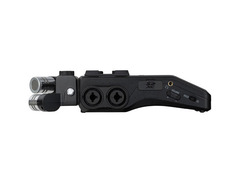
The Zoom H6 stands out in the world of portable audio recorders with its modular design and unparalleled versatility. Whether you’re a filmmaker, musician, podcaster, or sound designer, this device adapts seamlessly to your needs, thanks to its interchangeable microphone system and a host of advanced features. The included X/Y and M/S microphone capsules provide flexibility right out of the box, with additional capsules available to expand its capabilities even further.
At its core, the H6 delivers professional-grade audio recording, supporting formats up to 24-bit/96kHz WAV/BWF and MP3 up to 320kbps. Its four XLR/TRS combo inputs, each with independent gain controls and +12/+24/+48V phantom power, allow for multichannel recording up to six tracks simultaneously when combined with the onboard microphones. This level of control makes the H6 a favorite for capturing everything from dynamic band performances to multi-mic film setups. With up to 20 hours of battery life on four AA batteries and support for SD cards up to 512GB, it’s well-suited for extended sessions.
The H6 isn’t just versatile - it’s smart. The pre-record function provides a 2-second buffer to capture unexpected moments, while the backup-record function creates a -12dB safety track to prevent distortion. Built-in effects, including a low-cut filter and advanced compression, offer sound-shaping tools directly on the device. For post-production, the H6 serves as a USB audio interface, bridging the gap between field recording and studio editing. Its wireless control option via an iOS app adds convenience, making it easier to operate in complex setups.
In real-world applications, the H6 shines across diverse scenarios. Film production teams can connect boom mics, lavaliers, and ambient microphones simultaneously, capturing every detail with clarity. Musicians can record full-band sessions with individual track control, while podcasters can effortlessly manage multiple guests on separate channels. For sound designers, the H6 offers the ability to collect intricate soundscapes with customizable mic configurations, opening creative possibilities.
While the Zoom H6 might not offer the ultra-premium preamps of higher-end recorders, its balance of professional features, modular design, and accessible price point make it an excellent choice for professionals and enthusiasts alike. If you’re looking for a recorder that adapts to virtually any recording scenario, the Zoom H6 is a reliable and versatile powerhouse.
See how artists use this





Roland R-07 High-Resolution Audio Recorder
5.0 (1)


Average Price: $201
Standard/Professional
$149
$400+
Budget
Standard
High-end
- High-resolution audio recording at 96K offers superior sound quality
- Small, portable design easily fits in various setups
- Bluetooth capability allows for wireless control and operation
- Unique rehearsal feature simplifies recording process
- See 4 more
- Overcomplicated functionality can be difficult to navigate
- Frequent bugs lead to operational interruptions and time wastage
- Micro SD card slot is slightly difficult to access
- Onboard reverb effect is subtle, might not meet expectations
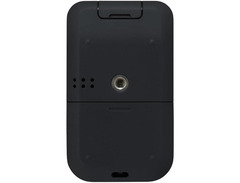
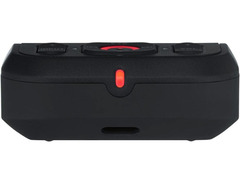
If connectivity tops your list of must-haves, the Roland R-07 might just be the ultimate field recorder for you. This pocket-sized powerhouse combines professional audio capabilities with cutting-edge wireless technology, bringing field recording into the modern age. Ideal for musicians, content creators, journalists, and anyone on the go, the R-07 offers a seamless blend of portability, functionality, and high-quality sound capture.
With recording formats up to WAV 24-bit/96kHz and MP3 320kbps, the R-07 ensures your audio is captured with pristine clarity. Its newly developed stereo microphones, complete with shock mounting, deliver exceptional performance while minimizing handling noise. The recorder’s compact size and lightweight design- just 150 grams without batteries - make it easy to carry anywhere, while the high-contrast LCD display ensures clear visibility in any environment. Powered by two AA batteries, it boasts an impressive 15-hour battery life, ensuring it’s ready for even the longest sessions.
Where the R-07 truly shines is in its advanced feature set. Dual Recording mode creates a safety track at a lower level, so you never have to worry about distortion ruining your take. Its Hybrid Limiting system and Rehearsal mode take the guesswork out of level setting, while Auto Recording ensures you capture every important moment. The Scene memory function offers one-touch presets for different recording environments, making setup fast and intuitive.
But what sets the R-07 apart is its wireless functionality. Bluetooth 4.2 with aptX Low Latency enables wireless monitoring, so you can listen in real time without worrying about lag. The recorder can also be controlled remotely via a smartphone app, allowing discreet operation - perfect for journalists or when the R-07 is placed out of reach. From live music recording and mobile journalism to personal practice and voice-over work, the R-07’s versatility makes it a standout choice.
Roland’s R-07 modernizes field recording with features that cater to the needs of today’s creatives. If you’re looking for a recorder that balances professional sound quality with wireless convenience, this compact marvel is a game-changer.


Sony PCM-D100
4.5 (6)

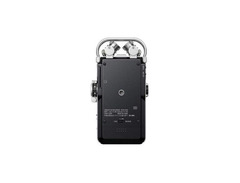
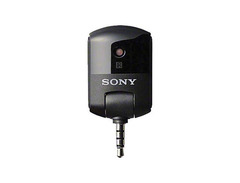
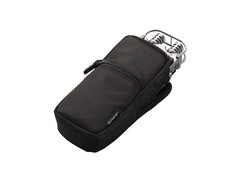
If you’re seeking the Rolls-Royce of field recorders and budget is no object, the Sony PCM-D100 is the pinnacle of portable, high-fidelity recording. Designed for true audiophiles and demanding professionals, this flagship recorder delivers studio-quality performance wherever you go, thanks to uncompromising engineering and premium components. From its high-end analog circuitry to its precision digital converters and expertly designed microphones, the PCM-D100 is a masterclass in capturing sound with breathtaking clarity and detail.
At the heart of the PCM-D100 is its ability to record in jaw-dropping DSD (Direct Stream Digital) at 2.8MHz or 5.6MHz, alongside WAV formats up to 24-bit/192kHz. Its wide-position stereo electret condenser microphones are engineered to pick up every nuance, making it perfect for everything from soaring symphonies to delicate bird calls in the wilderness. With 32GB of internal memory and expandable microSD storage, you’ll have plenty of space for even the most ambitious projects. Add a sleek, high-resolution LCD display and a solid 12.5-hour battery life, and you’ve got a recorder ready to take on the longest and most intricate recording sessions.
The PCM-D100 is packed with advanced features that elevate it beyond the competition. Dual AD converters provide an exceptional dynamic range, while the digital limiter with dual-stage processing keeps your recordings distortion-free, even in challenging environments. Its virtual third microphone technology creates an immersive stereo field, and the cross-memory recording function ensures you never miss a take. For added convenience, the five-second pre-recording buffer is a lifesaver, while the digital pitch control and four-position high-pass filter give you precise control over your audio.
In real-world use, the PCM-D100 is a titan. It’s a dream for classical music enthusiasts, effortlessly capturing the acoustics of concert halls and intimate venues alike. Nature recordists will appreciate its near-silent self-noise, making it ideal for capturing the subtle nuances of wildlife. Sound designers and effect collectors will love its high-resolution sampling, perfect for building professional-grade sound libraries. And for audiophiles, the PCM-D100 offers a level of fidelity that transforms field recording into an art form.
The Sony PCM-D100 doesn’t just record sound - it elevates it, making every detail shine with unparalleled clarity. If you demand the absolute best and won’t settle for less, this is the recorder that sets the standard for portable high-fidelity audio.

What is a Field Recorder?
A field recorder is a specialized portable device engineered to capture broadcast-quality audio in any environment. Unlike conventional recording devices such as smartphones or basic voice recorders, professional field recorders offer sophisticated preamps, high-quality analog-to-digital converters, and professional-grade microphones that can capture the full dynamic range and frequency spectrum of real-world sounds.
These devices serve numerous specialized purposes for the following users:
- Sound designers capturing ambient audio for film soundscapes
- Wildlife researchers documenting animal vocalizations
- Musicians recording live performances or practice sessions
- Broadcast journalists conducting field interviews
- Podcasters creating location-based content
- Filmmakers capturing production audio
- Audio enthusiasts collecting environmental sounds
- Voice-over artists recording on location
This is just a list of common use cases but a field recorder can be useful in other recording situations as well.
How to Use Your Field Recorder for Optimal Results
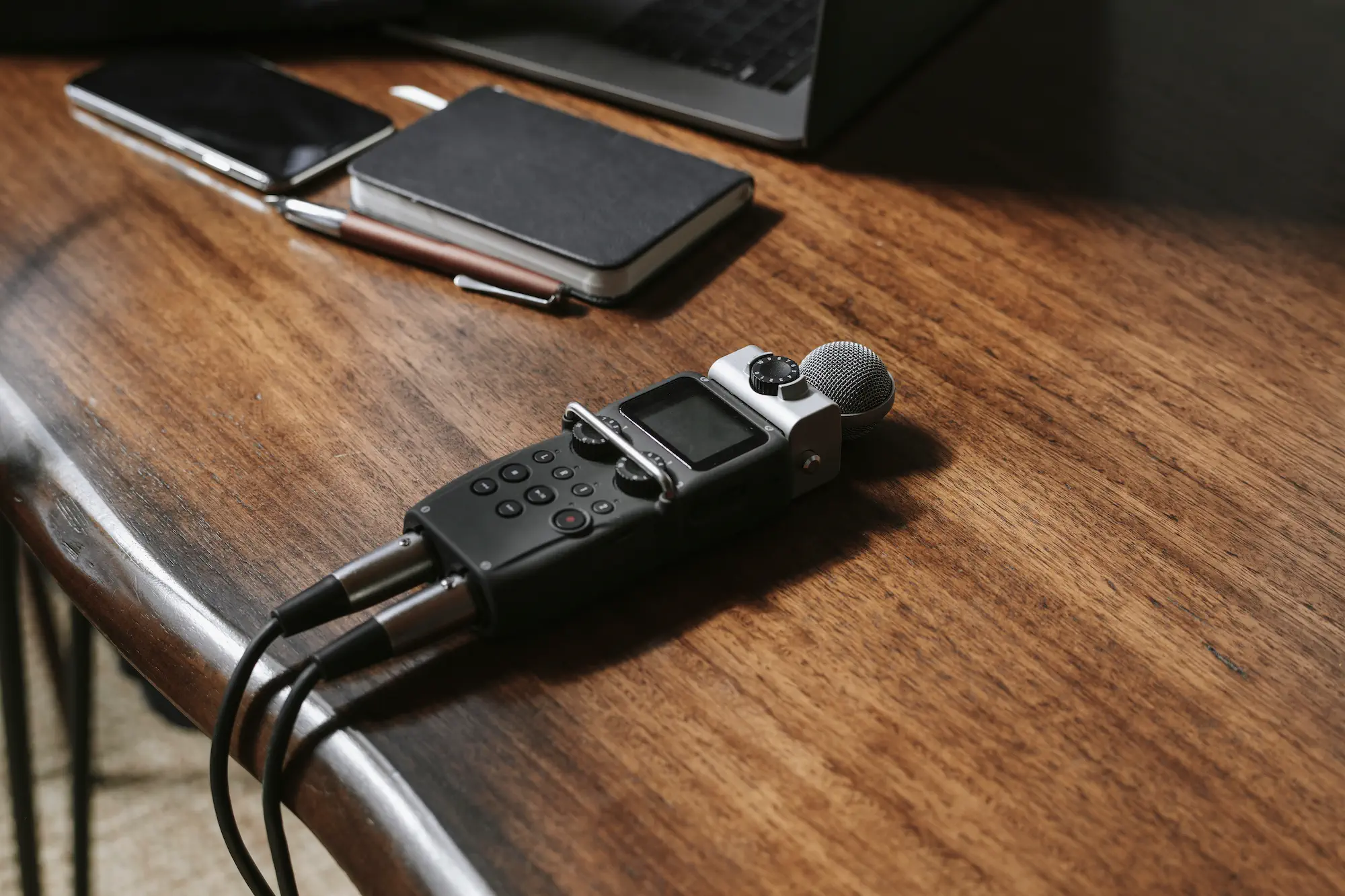
Pre-Recording Setup
To achieve optimal results with your field recorder, start by assessing your environment. Check for ambient noise sources that could interfere with your recording, and look out for surfaces that might cause acoustic reflections. If you’re recording outdoors, take note of the wind conditions, and make sure there’s a reliable power source if you’re planning a long session.
Next, prepare your equipment by formatting your memory cards to avoid any storage issues during critical recordings. Install fresh batteries or ensure they are fully charged, and test all cables and connections to confirm they’re working correctly. Additionally, verify that your recorder’s firmware is up to date to prevent any unexpected glitches.
When setting your levels, adjust the input gain to suit the recording environment, and enable limiters if you’re dealing with unpredictable sound sources. If necessary, configure the high-pass filters to reduce unwanted low-frequency noise. Finally, conduct a test recording to ensure all settings are accurately configured.
Recording Best Practices
For best results when recording, start by focusing on microphone placement. Use appropriate stereo techniques suited to the sound source, taking into account the room acoustics to avoid unwanted reflections or resonance. Maintain a proper distance from the source for clarity, and if possible, use shock mounts or isolation techniques to minimize handling noise.
When monitoring, always use professional headphones and monitor at appropriate levels to ensure an accurate representation of the sound. Be vigilant for any unwanted noise that may arise and verify the stereo image to ensure consistency across channels.
Lastly, establish a reliable backup strategy. Use dual-record features if your recorder offers them, and keep spare batteries within reach to prevent interruptions. Have backup storage readily available, and remember to document recording metadata for easy reference and organization later on.
Post-Recording Workflow
In your post-recording workflow, begin with effective file management. Transfer files immediately after recording to avoid any potential data loss, and create backup copies to ensure your recordings are safe. Organize files by project and date for easy access, and always verify file integrity to confirm that no data has been corrupted.
Next, focus on thorough documentation. Note the recording settings you used, and document microphone positions to replicate setups if needed. Record any environmental conditions that might impact sound quality, and keep track of take numbers for efficient editing and review later on.
Advanced Recording Techniques
Stereo Recording Methods
To understand different, start with the X/Y technique. This method uses a coincident pair positioned at 90-120 degrees, providing good mono compatibility and precise stereo imaging. It's an excellent choice for reducing phase issues while still capturing a realistic stereo field.
Next is M/S (Mid/Side) recording, which offers an adjustable stereo width and excellent mono compatibility. While this setup is more complex, it provides flexible results ideal for broadcast applications, allowing adjustments to stereo width in post-production.
Finally, the A/B spaced pair method creates a wide stereo image with a strong sense of space, making it well-suited for ambient recording. However, this technique can introduce potential phase issues due to the spacing between microphones, which may require careful placement for optimal results.
Specialized Applications
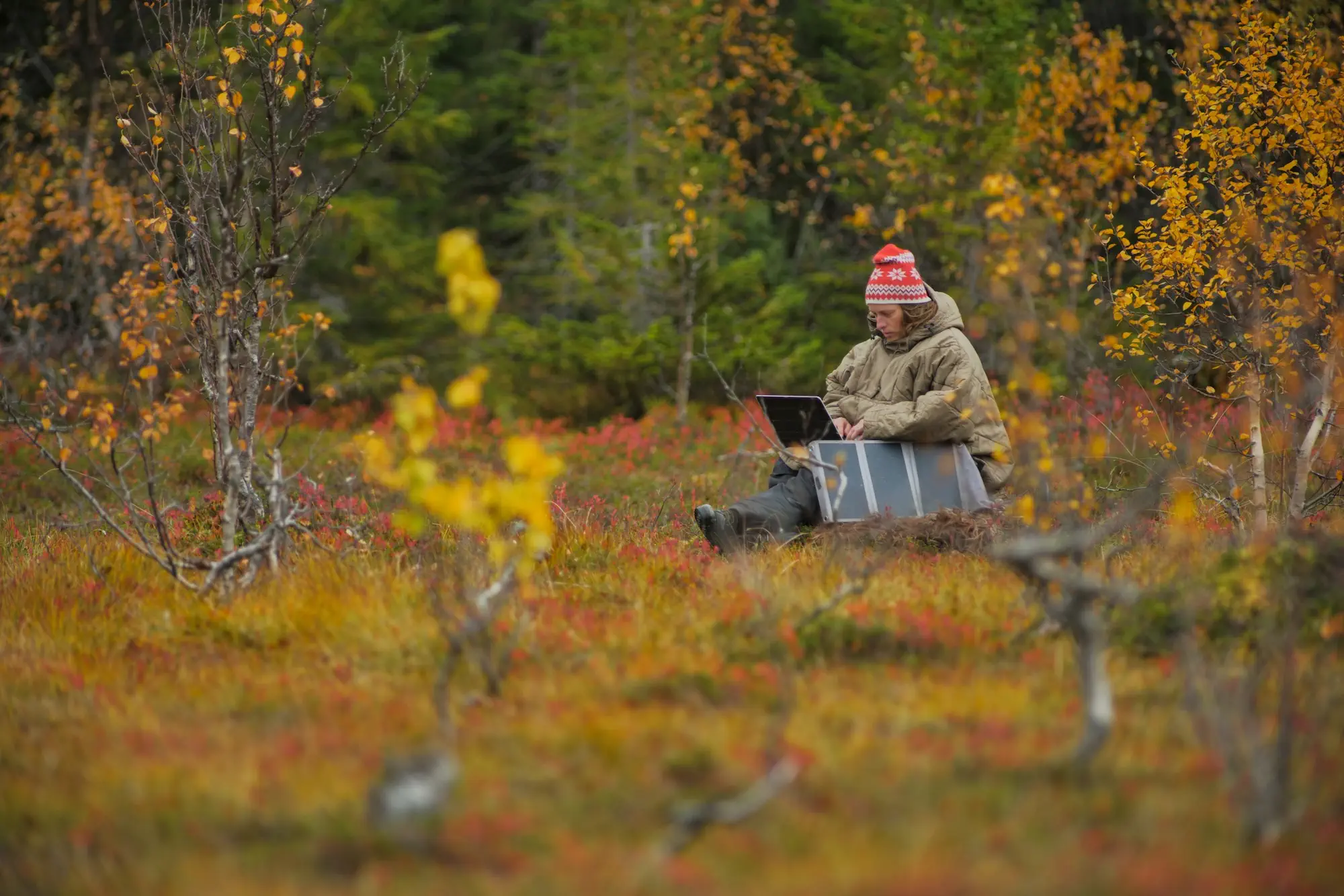
For specialized recording applications, start with nature recording. Always use wind protection to guard against outdoor interference, and aim to record in the early morning when ambient noise is minimal. Extended battery solutions are helpful for lengthy sessions, and consider using high sample rates to capture ultrasonic content if desired.
In music recording, it’s essential to match your recorder to the acoustic space and select appropriate polar patterns to capture the desired sound characteristics. Using multiple microphone techniques can enhance depth and quality, and be sure to plan for peak levels to avoid distortion during loud sections.
For interview recording, use mono if appropriate for simplicity and enable limiting to prevent clipping during unexpected volume changes. Consider backup recording options to ensure data security, and monitor room tone to maintain a consistent sound environment throughout the session.
Conclusion
The field recorder market offers diverse options for every recording scenario and budget. From the professional-grade versatility of the Zoom H6 to the innovative approach of the Teenage Engineering TP-7, each recorder brings unique strengths to the table. Consider your specific needs, recording environment, and technical requirements when making your choice. Remember that the best field recorder is one that not only delivers the audio quality you need but also integrates seamlessly into your workflow and operating environment.
Remember, the best field recorder isn't necessarily the most expensive or feature-packed one. It's the one that disappears into your workflow, letting you focus entirely on capturing those precious sonic moments. Take the time to explore, practice, and most importantly, enjoy the journey of discovering your perfect recording companion.
Top Ranked Portable Recorders on Equipboard

-m.webp?v=1784041117)


About the authors
Tyler is a producer, composer, and mix engineer at Killingsworth Recording Company in Los Angeles and owner/operator of Tyco Sound, a full-service production company with clients from around the globe. He has produced numerous records in a wide range of genres and has had dozens of TV placements with companies such as Apple, Hulu, WW, Microsoft, ESPN, and more. Read more
New in Portable Recorders

$244.00 - $259.00
in Portable Recorders Rank


$149.99 - $203.00

$375.00 - $484.28
in Portable Recorders Rank

$143.50 - $159.00
in Portable Recorders Rank

$79.99 - $103.00
in Portable Recorders Rank

$329.00 - $349.99
in Portable Recorders Rank

$98.20 - $161.51
in Portable Recorders Rank


$62.00 - $109.99
in Portable Recorders Rank

$333.00 - $596.00
in Portable Recorders Rank


$144.00 - $152.00
in Portable Recorders Rank