
Nancy Wilson
guitarist/singer of “Heart”
Role
Group
Credits
Role
Group
Credits
Nancy Wilson's Studio Equipment


Gifted to Wilson by Heart bandmate Roger Fisher, as stated on Ten Effects' page for the Barracuda, which was based on bandmate Howard Leese's second unit. It is revealed that Fisher’s commissioned units were slightly different than the base circuit in this November 10, 2008 The Gear Page comment by ToadWorks (user virtualtoad).
Official Product Page
When I first met Howard Leese, it wasn't very far into our conversation that my inner geek came out, and compelled me to ask all the fanboy questions that (I can only assume) he had heard a million times... and of course, the first question was 'what flanger did you guys use on Barracuda?'
The answer was surprising. A few of the details are murky, but after having spoken with all the principals involved, it goes something like this: In 1976, Roger Fisher asked (then) Heart equipment tech Rick Erickson to build an electronic flanging effect, based on a circuit that was originally featured in Popular Electronics. Four units were built, one each for Roger, Howard, Nancy Wilson, and Rick kept one for himself. The same flanger was used on another Heart classic, Mistral Wind.
The Gear Page
Yeah, we're working directly with Howard. He demoed the first prototype for us at NAMM in January, he'll be back at our booth again this coming January.
It was electronic. The original unit was made by Heart's amp tech. It was based on a design Roger Fisher found in a magazine (Popular Science, I think). The original isn't an exact copy of that circuit, he made some interesting modifications.
4 units were made - One each for Roger, Howard, and Nancy, and then the tech kept one for himself.
Erickson himself posted on the same thread two days later (as user Rick E.), clarifying that he actually made a separate rack effect based on the P-1220-M. This was the original PFL-1 Pro Flanger.
For the record, the flanger in question which I built for Roger, Howard and Nancy were branded:
ERICKSON AUDIO RESEARCH PFL-1 PRO-FLANGER.
Why has this never been mentioned????
[4 units were made - One each for Roger, Howard, and Nancy, and then the tech kept one for himself.]
There were more than that made, I did several for local lesser known musicians, (at the time) including one for Michael Wilton of Queensryche.
*[But I felt that the rest of you who have read this thread should know THE TRUTH.]
The truth? You can't haanndle the truth!
*[I have Howard's original unit.]
No, you have Howard's second unit, built in 1985. His first flanger was built around late '79 or early 1980, around the time Roger found himself removed from his own band. I have Howard's first one - found it at a local music store many years ago. Not sure how it got there, but once I opened it up I recognized the build. (These were all one-of-a-kind builds, or prototypes) btw - Howard did not own one of these flangers when the tracks for Barracuda were cut. Roger had the only one, and it was a line level device that ran through the added-on effects loop of his Music Man amp. Just to add to the confusion - Michael Fisher once told me he wasnt sure which Flanger ended up on the record, as they also had some 7.5 (Studio Standard Rack Size) Studio Flangers from MXR at the time. To me, the record sounds like the original Flanger I was involved in building for Roger, but I never did hear the MXR Roger did indeed use his custom built Flanger live however.
*[Whether he is just keeping it a secret, or if he simply doesn't quite remember, I don't know which.]
Roger called me at ~1:00AM the morning of that Guitar Player magazine interview to ask me - "What kind of equipment do I have?" In the interview he mentions Floyd Rose, Mike Lull, Randy Hansen, and then he is quoted as saying "Oh yeah - I just had a new effects rack built... Period! No mention of WHO built the new exciting effects rack... In all fairness it could have been the magazine editor who left my name on the cutting room floor, but it would be nice, just once, to get credit for my part in this historic band, from someone besides myself.
*[but i am one of MANY MANY people that feel that Roger kinda got the SHAFT, and has largely been forgotten about as far as his guitar work and creative input in this early Heart records....]
I kinda feel the same about my contributions to Roger's sound, as well as his stage equipment. I keep hearing about this tech who made these innovative modifications, and at the ripe old age of 21 mind you. Now I hear a company is reverse engineering my work and planning to market it, and although we had a conversation several years ago about this project, I have yet to hear from them about how they plan to compensate me for my work (Intellectual Property) they are admittedly copying. Would love to hear from them about this Im not dead yet .
Here's some pictures of several of the flangers I have built. The top unit is/was Howard's #1, the middle one was built for Michael Wilton, the bottom one is mine.
[http://img.photobucket.com/albums/v326/ampdog/EAR%20PFL-1/001_PFL1_FrontWM.jpg]
[http://img.photobucket.com/albums/v326/ampdog/EAR%20PFL-1/002_PFL1_LeftWM.jpg]
[http://img.photobucket.com/albums/v326/ampdog/EAR%20PFL-1/003_PFL1_RightWM.jpg]
[http://img.photobucket.com/albums/v326/ampdog/EAR%20PFL-1/004_PFL-1_Foot_SwitchWM.jpg]
Rick Erickson
(Erickson Audio/Erickson Audio Research)
Aviator Audio
Edmonds, WA
Shameless self promotion!!!!
Check out my company at:
Check out my myspace page at: www.myspace.com/rick_erickson
Check out my band at:
ToadWorks responded the next day in two posts:
I was done with this thread - it's too negative, and I don't think it benefits anyone. However, I feel it's important to add one more nugget of 'truth'.
Rick, we didn't copy anything. After looking at the circuit in the unit Howard gave us, we decided it was unbuildable - slightly kludgy, chock full of obsolete and/or unobtainable components, intertwined with a whole bunch of electronic switching, 22V power supply, and a (very necessary) noise gate. That's not a criticism, it's just alot of stuff that we didn't want to deal with. In addition, in our first conversation, you told me that it COULDN'T be copied, that the MN3001 BBD chip was essential to the sound. I didn't buy that, but that's what you said. In any event, we wanted to replicate the sound, and trying to replicate that circuit simply wasn't an option (even our website says that it replicates the SOUND, not the CIRCUIT).
So, we started from scratch - new LFO, new BBD, new clock, a differential signal path, power supply, op-amps - the circuit we built only resembles your circuit in that they are both analog flangers, and as such have certain unavoidable characteristics - but that's where the circuit similarity ends. If you don't believe me, we're just over in Spokane - you have an open invitation to visit our shop and look at the schematic and prototypes, after which I expect you to publically state that we very clearly did not copy your circuit - hell, we couldn't have even if we wanted to. All we did was listen to it, and make something that sounded similar.
Now, regarding your compensation - normally I wouldn't discuss this in open fora, but since you brought it up - in open fora - I'll respond. I called you because Howard suggested it, and because I thought that having you involved at some level would add to the provenance of the completed unit. In our second - and last - conversation, I asked what level of involvement you would be willing to commit to. You responded by saying "first I have to know what's in it for me." To punctuate that, you said - and I quote - "look, you need ME". That's when I decided there was no place for you in this project. I don't mean that unkindly, but that's an attitude I can't work with.
Guys, this is just a guitar pedal. It's not a cure for cancer, it's not going to make anyone a million dollars, and it's not going to diminish in any way Rick's or Roger's contributions to music. And by all means, have Rick build you a flanger - it will sound cool, and you will be happy.
Lastly, take a look at our prices - American made products, at those prices - you do the math. No one involved in making our flanger (or any of our products) is doing it for the money - we're doing it because it's a cool sounding flanger, and because it's a fun challenge... but quite frankly this petty, 30-year old baggage is taking all the fun out of it. We've gone to great expense to design and market a NEW circuit that sounds like an old one. We shouldered all of the financial burden, took all the risk, did all the work. That's a fact. If anyone who has, or thinks they have an interest in anything we are doing, has anything else to discuss, our phone number is on the website - but I'm not going to discuss it here.
Sometimes its best to keep one's mouth shut.
Amazing work for a 21 year old.... But... Unless I'm reading something wrong...
If the flangers are from 79 or so, there's no more "intellectual property" to discuss here. Any patents would have run by now. (Interestingly enough, any connection to the flanger being used on the record is now in question also, anyone find one of these mxr units?)
So it sounds like this is sour grapes that TW was able to duplicate the sound and over the several years of time, no effort has been made by the original manufacturer to compete.
Am I missing something here?
Now what we SHOULD be seeing instead of a lot of smack talk is TWO great products!
C'mon people, can't we all get along?
Erickson posted again on November 19, 2008 to offer more history.
Yeah - I'm still here...
(...) Regarding the Flanger's Blend control - that was a blend between the internal sweep oscillator and the manual sweep control. I prefer a hard switch, but that was an experimental control. I didn't find it very useful. The flanger I built was used on "Mistral Wind" and "Sleep Alone" as well as Barracuda in the live shows. I know Roger used his in Manual Sweep mode for the D&B tour opening song"Cook with Fire". I'm pretty sure it is the one on the original Barracuda track - it nails the sound. As for Toadworks - I'm not miffed that they are building a flanger that attempts to nail the sound of the original, I just took offence that I was not getting credit for the work I did on achieving that sound. I am not the only one who added improvements to the circuit, but I am the one who built the ones they used on stage. I consider the changes I engineered made it my circuit as much as the guy who put a tube stage in front of a Fender Twin Reverb and called it a "Boogie" could claim that was his invention... I had received the blessing of the person who wrote the original article and designed the original kit, John Roberts, to "do whatever I wanted" with his original circuit. He also encouraged the folks at Loftech who he said were also making a Flanger based on his designs. I'll be publishing this story on the Aviator Audio website soon. We are in the process of re-designing our website. www.aviatoraudio.com
The June 1976 issue of Popular Electronics features an article about a DIY flanger/phaser-capable delay unit kit with parts from Phoenix Systems: the P-1220 (a complete outline of the parts and circuitry is included). Mono and stereo versions are specified in the magazine (the P-1220-M and the P-1220-S, respectively), ambiguating the version used as the circuit basis, but the mono version can be determined from the old ToadWorks product page for the Barracuda.
The circuit is a modern interpretation of the original custom unit, with a few exciting changes:
- Designed around modern components
- Stereo Output
- Manual sweep control via Expression Pedal
- Addition of Level and Depth controls
- Uses 9V DC power
- Improved noise floor
- Superior construction
Find it on:


At 21:53 in the Premier Guitar video titled "Heart's Nancy Wilson Rig Rundown with Ryan Wariner & Ryan Waters," Nancy Wilson's guitar technician, Nathan McMurdo, demonstrates the Radial SGI 44 Studio Guitar Interface, which is mounted on her pedalboard.
Find it on:





In the video titled "Heart's Nancy Wilson Rig Rundown with Ryan Wariner & Ryan Waters" by Premier Guitar, Nancy Wilson's guitar tech, Nathan McMurdo, showcases the Radial Engineering JDX 48 Guitar Amplifier Direct Box in Nancy Wilson's amp rack at the 24:20 mark.
Find it on:

In the video titled "Heart's Nancy Wilson Rig Rundown with Ryan Wariner & Ryan Waters" by Premier Guitar, at the 25:17 mark, a Radial Engineering Power-2 Surge Suppressor & Power Conditioner can be seen in Nancy Wilson's equipment rack.
Find it on:
This is a community-built gear list for Nancy Wilson.
- Find relevant music gear like Guitars, Amplifiers, Effects Pedals, and other instruments and add it to Nancy Wilson.
- The best places to look for gear usage are typically on the artist's social media, YouTube, live performance images, and interviews.
- To receive email updates when Nancy Wilson is seen with new gear, follow the artist.
Discography
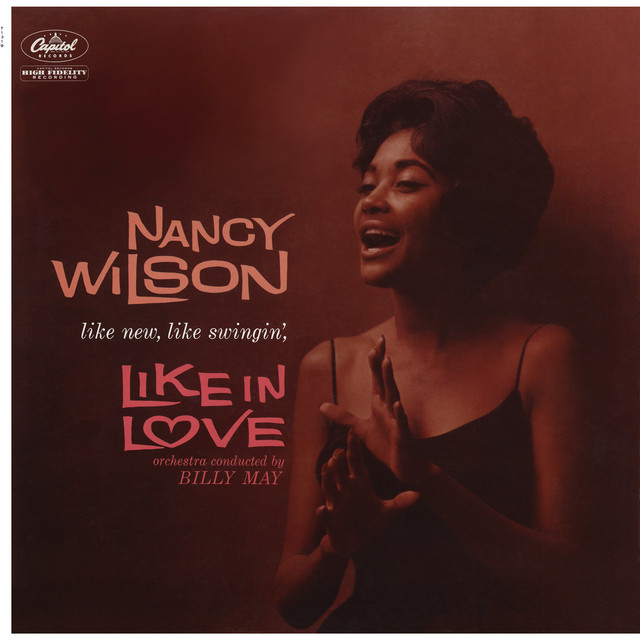
Like In Love
1960
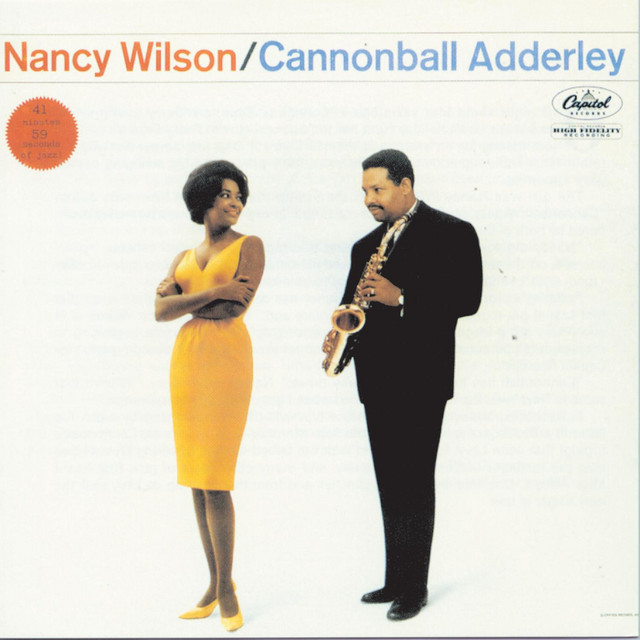
Nancy Wilson/Cannonball Adderley
1962
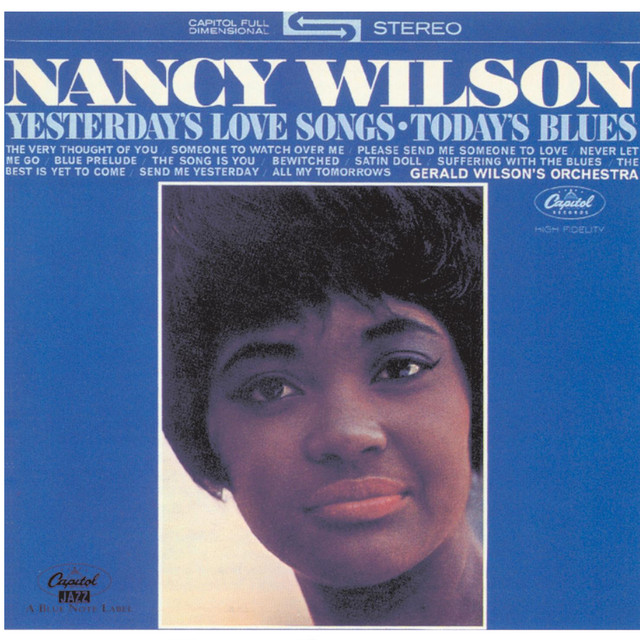
Yesterday's Love Songs, Today's Blues (Expanded Edition)
1963
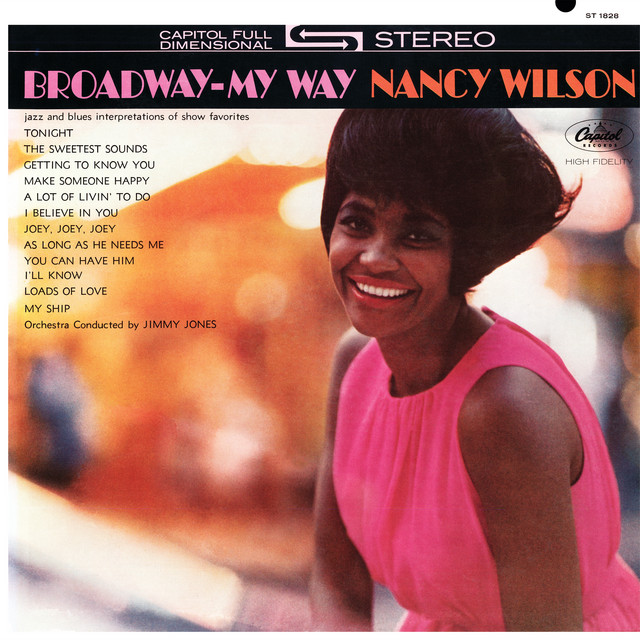
Broadway - My Way
1963
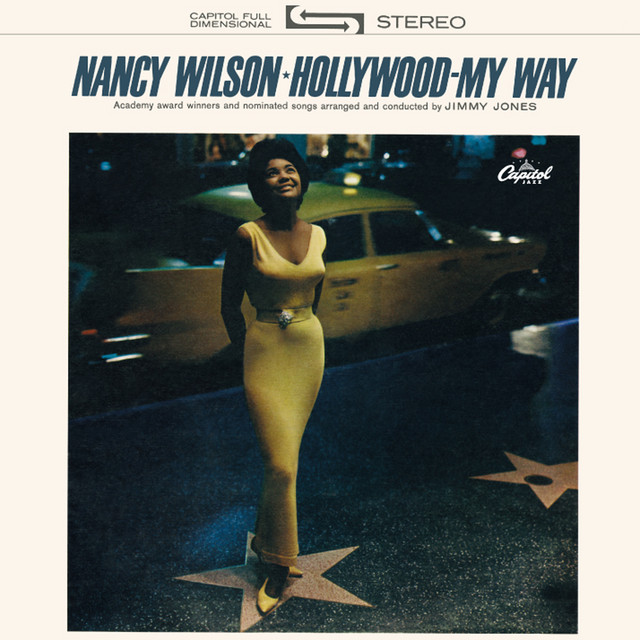
Hollywood - My Way (Expanded Edition)
1963
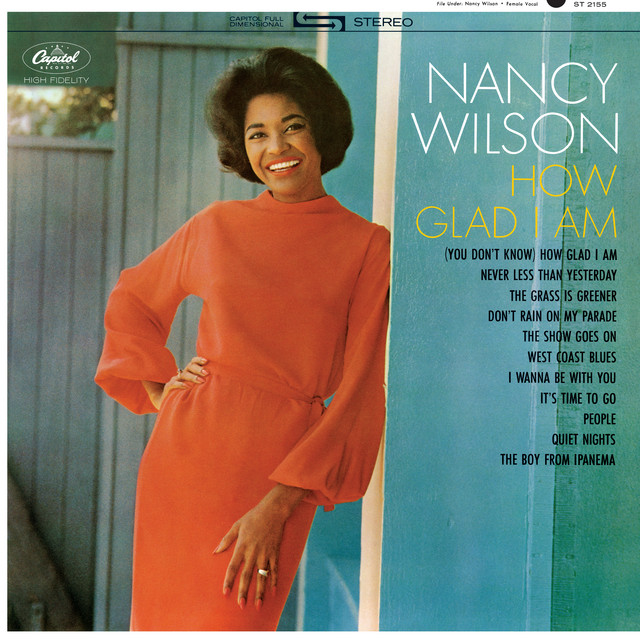
How Glad I Am
1964
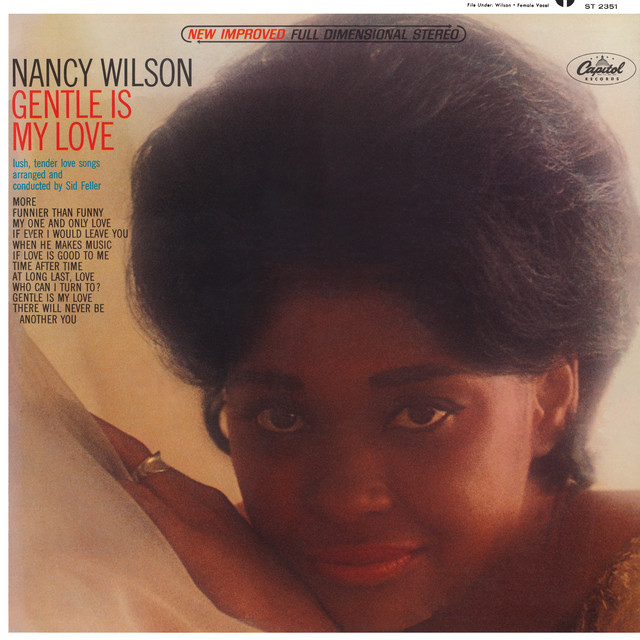
Gentle Is My Love
1965
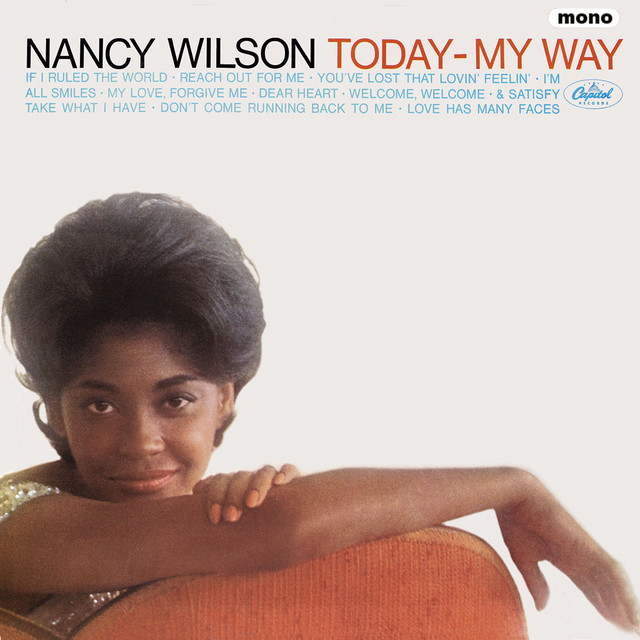
Today - My Way (Mono / Expanded Edition)
1965
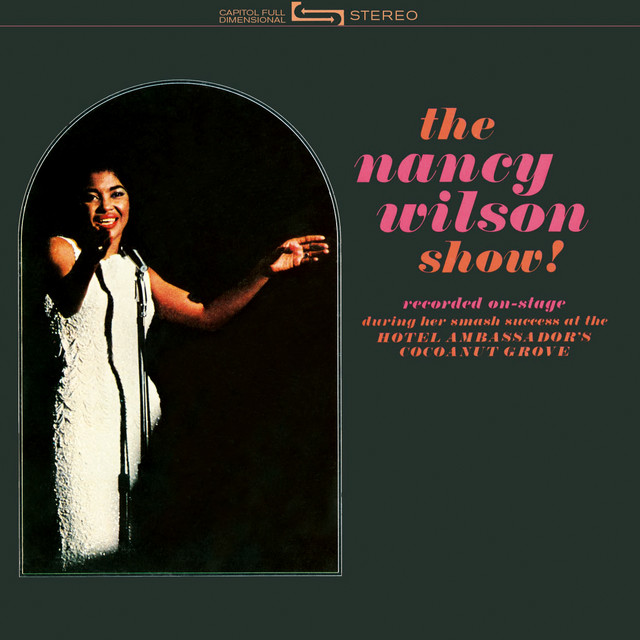
The Nancy Wilson Show
1965
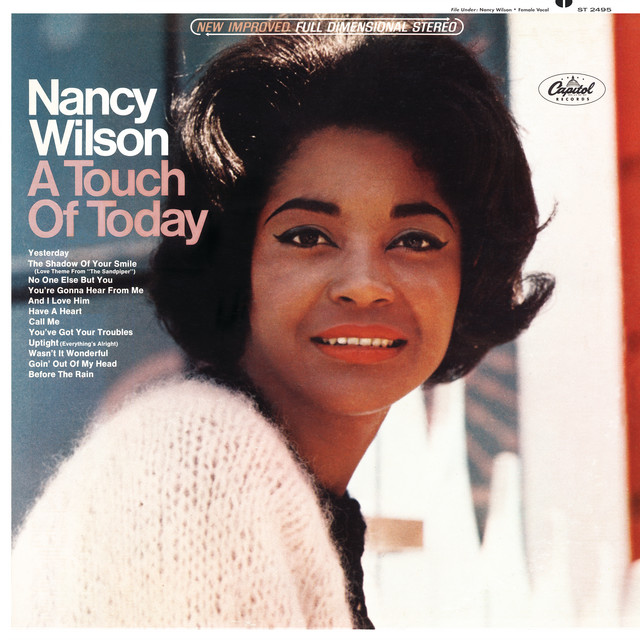
A Touch Of Today
1966
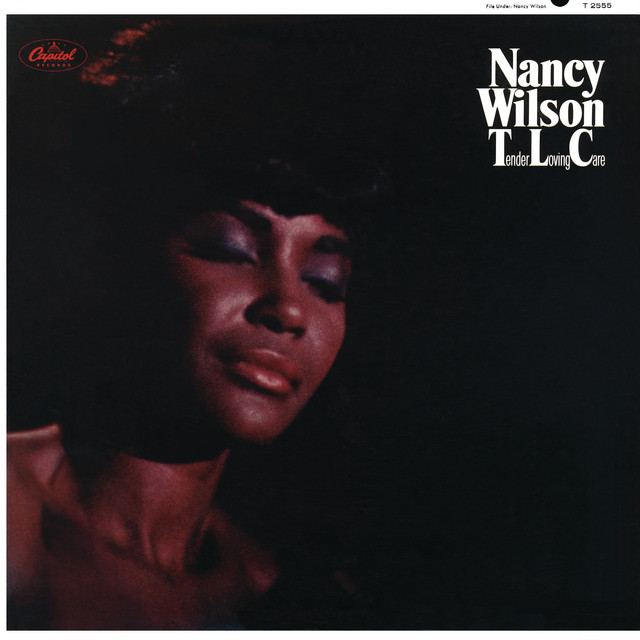
Tender Loving Care
1966
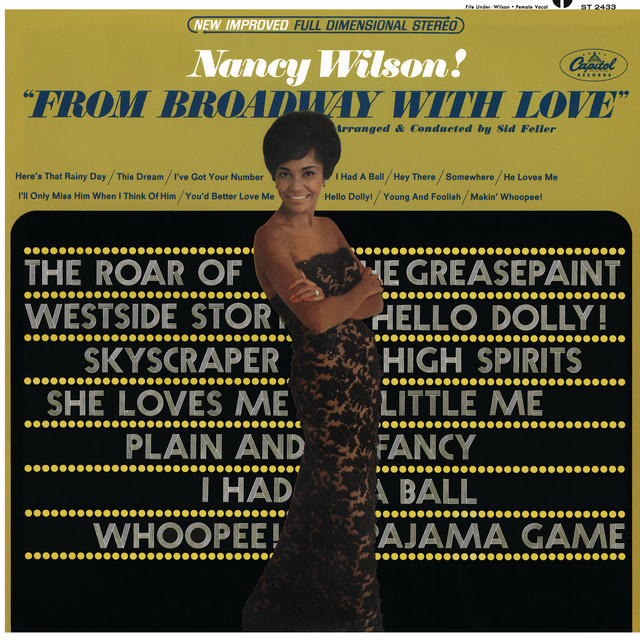
From Broadway With Love
1966
Album Credits
-

Stillwater · 2023
Producer





