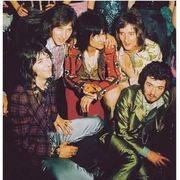
.jpg?v=1783265544)
Robert Plant
of Led Zeppelin
Role
Genre
Role
Genre
Robert Plant's Microphones


According to a February 1971 article in Sounds, Robert Plant used Shure Unidyne IV 548SD microphones during performances, visible throughout the 1975 tour. By 1973, Plant had transitioned to endorsing the Shure Unisphere I, the predecessor to the SM58, which he used on the 1973 US Tour.
Find it on:


-m.webp?v=1783291818)

Used for lead vocals on Raising Sand, as stated by engineer Mike Piersante in this December 1, 2007 Mix Online interview.
As for the all-important vocal mics, Piersante says, “I actually bought a mic, as I'll sometimes do, just for this project. I had Allison singing through a Blue Cactus, which is sort of their retro mic that's like an old [Neumann] M49 or something. Blue got it right with this — it has a real thick quality to it and it's not too bright. Alison can be a fairly bright singer and I wanted something to complement that and not accentuate it. So I chose this mic to try on her and it ended up sounding very good; very old tube-sounding. I probably had her through an LA2, as well. Robert sang on one of T Bone's [Neumann] U47s, and I probably had an LA2 or LA3 limiter on him.
Find it on:


Used for the lead vocals on Band of Joy (2010), as stated by tracking and mixing engineer in this Mike Poole in this December 2010 Sound on Sound article.
Poole was organised enough for this interview to supply a copy of his assistant Gordon Hammond's input chain sheet, reproduced on the left. Rather than explain each detail, Poole elaborated on some of the less usual aspects of his setup, for instance the Avantone BV1 on Robert Plant's vocals, which went through a Telefunken V76 and then an Inner Tube Audio Atomic Squeezebox compressor. Poole: "We tried a few mics on Robert, but the Avantone was definitely the best?sounding. It gave us the picture that wanted of his vocals. I had only used that mic a little bit before, and it has definitely become a go?to mic for me. It is very good at tracking sibilance, although after the vocal had gone through a compressor or two by the time I mixed, I had to do quite a bit of detailed work on 'esses' and mouth noises and so on. The Atomic Squeezebox is also fairly non?standard, but it is a really good compressor. It reminds me a bit of the Summit Audio stereo compressor; it has the same feel but is a little bit more transparent. For the sound image we were after it was great. It also allowed me to put a highly dynamic performance on tape without the compression being audible. I always monitored through an [Urei] 1178, which was part of the mix path, and which gave the coloration we wanted to hear."
Find it on:



Used for the backing vocals on "Angel Dance", as stated by tracking and mixing engineer Mike Poole in this December 2010 Sound on Sound interview.
"The Avantone CV12 on Darrell's and Robert's backing vocals is a sort of AKG C12?ish mic. It's a little bright for vocals, to my ears, but the BVs in this song were 'ahs' that needed some extra air, and I rolled the bottom end off anyway. I've also used that mic on upright bass and drums. You get a lot of bang for the buck with these Avantone mics!"
Find it on:
-m.webp?v=1783177589)
Used for the lead vocals on Band of Joy (2010), as stated by tracking and mixing engineer in this Mike Poole in this December 2010 Sound on Sound article.
Poole was organised enough for this interview to supply a copy of his assistant Gordon Hammond's input chain sheet, reproduced on the left. Rather than explain each detail, Poole elaborated on some of the less usual aspects of his setup, for instance the Avantone BV1 on Robert Plant's vocals, which went through a Telefunken V76 and then an Inner Tube Audio Atomic Squeezebox compressor. Poole: "We tried a few mics on Robert, but the Avantone was definitely the best?sounding. It gave us the picture that wanted of his vocals. I had only used that mic a little bit before, and it has definitely become a go?to mic for me. It is very good at tracking sibilance, although after the vocal had gone through a compressor or two by the time I mixed, I had to do quite a bit of detailed work on 'esses' and mouth noises and so on. The Atomic Squeezebox is also fairly non?standard, but it is a really good compressor. It reminds me a bit of the Summit Audio stereo compressor; it has the same feel but is a little bit more transparent. For the sound image we were after it was great. It also allowed me to put a highly dynamic performance on tape without the compression being audible. I always monitored through an [Urei] 1178, which was part of the mix path, and which gave the coloration we wanted to hear."
Find it on:
This is a community-built gear list for Robert Plant.
- Find relevant music gear like Microphones, and other instruments and add it to Robert Plant.
- The best places to look for gear usage are typically on the artist's social media, YouTube, live performance images, and interviews.
- To receive email updates when Robert Plant is seen with new gear, follow the artist.
Discography
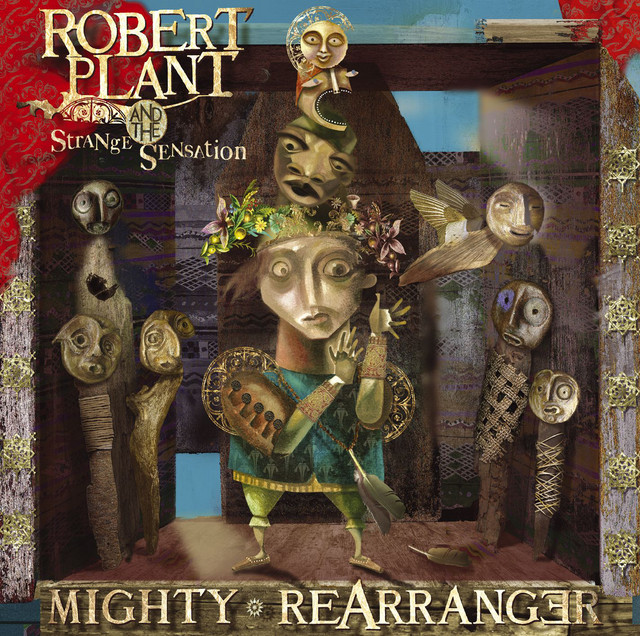


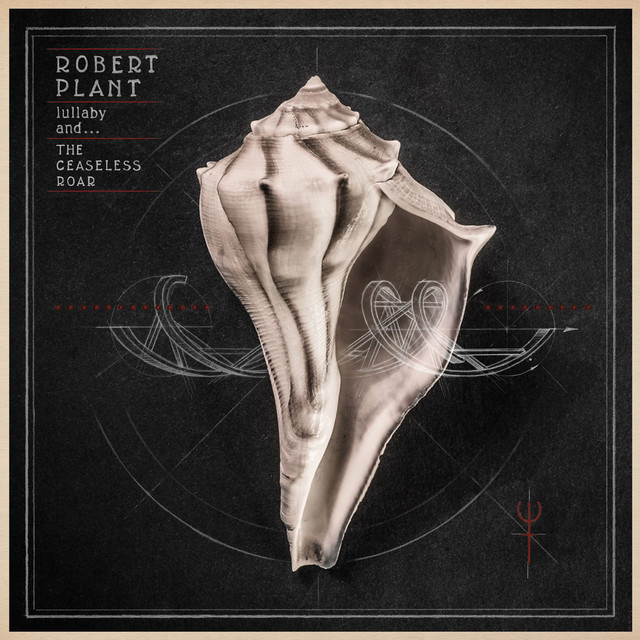

Album Credits
-

Robert Plant · 2020
Mixing Engineer Producer -
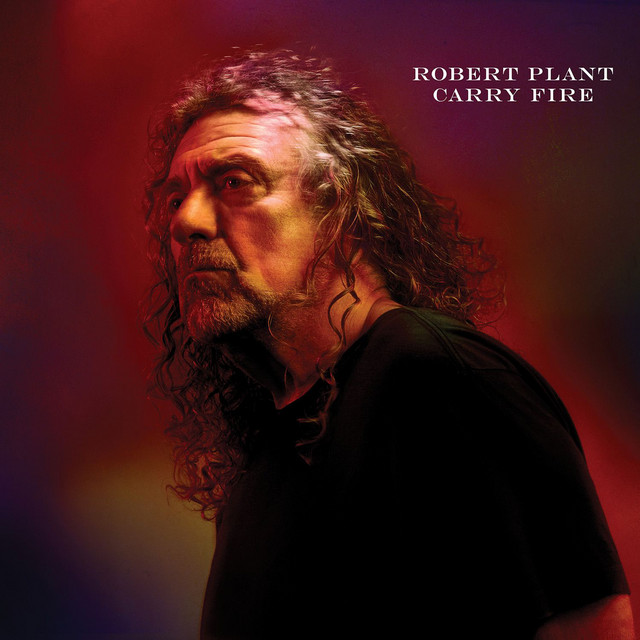
Robert Plant · 2017
Producer -
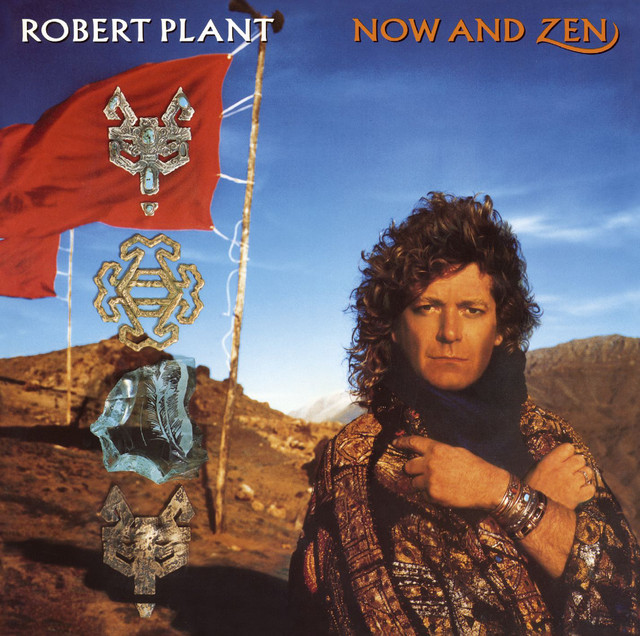
Robert Plant · 2007
Producer -

Robert Plant · 2002
Producer -

Robert Plant · 1993
Producer -
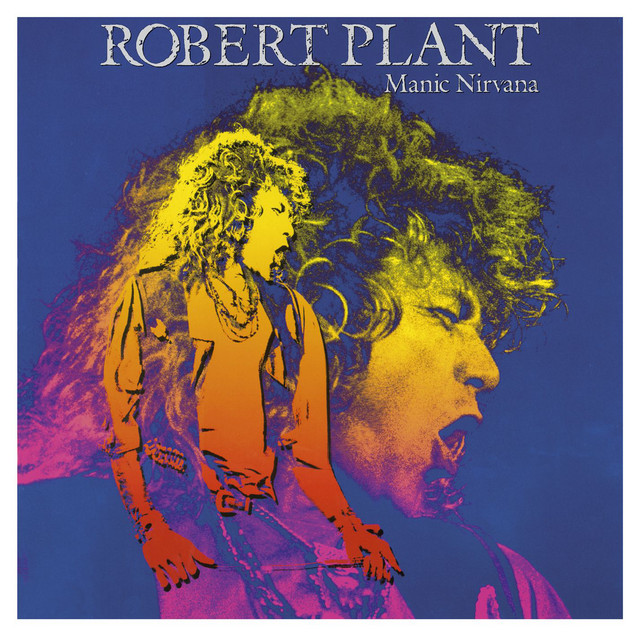
Robert Plant · 1990
Producer -

Robert Plant · 1985
Producer -
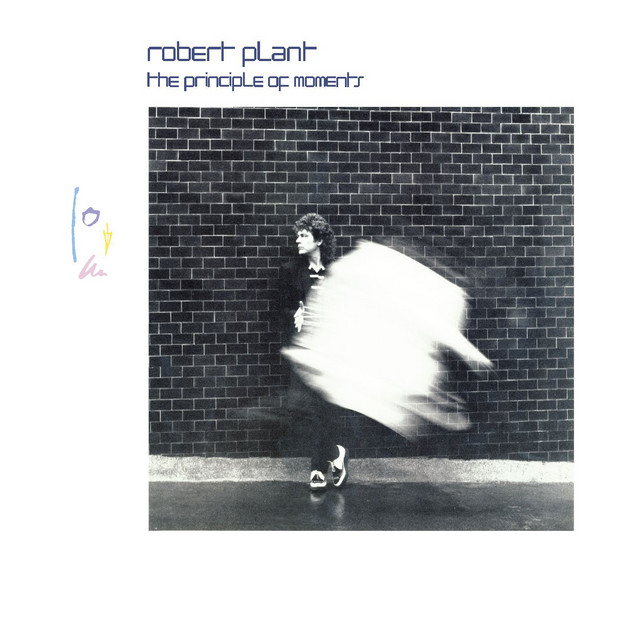
Robert Plant · 1983
Mixing Engineer Producer -
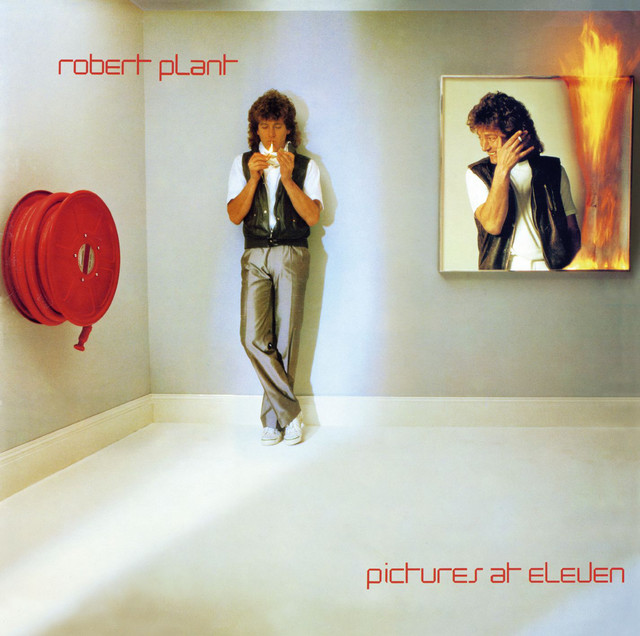
Robert Plant · 1982
Mixing Engineer Producer