Mick Jagger
Mick Jagger's Gear


In the YouTube video "The Rolling Stones in the Studio" by gusmac pi, Mick Jagger is shown using the Shure SM7B microphone for vocals and harmonica recordings.
Find it on:


In this photo, Jagger is seen playing Silvertone 1457. He used this guitar as a slide guitar possibly.
Find it on:


-m.webp?v=1785107311)
In this photo, one can see Jagger using a Gibson Hummingbird.
Find it on:

In this photo, one can see Jagger using a Fender Stratocaster.
Find it on:


-m.webp?v=1785107205)
it is actually the mic that Mick Jagger used on the Rolling Stones' Voodoo Lounge album
Find it on:

In this photo, featured in this Rolling Stone article, Jagger can be seen playing a Fender Jaguar.
However, based on the odd headstock coloration, the neck binding, and the size of the neck joint, the Jaguar Mick is playing is likely a "Serviceman" Jaguar. These knockoff guitars were sold to American GI's in the Vietnam war in Vietnam and the Philippines, and are inauthentic replicas of the real thing. More info here.
Find it on:


In this video of Mixed Emotions, Mick Jagger can be seen playing a Kramer Elliot Easton signature model guitar in Tokyo in 1990.
Find it on:

The website article states on 8th paragraph that Mick Jagger uses Copland CTA 506 Power Amplifier on song "Fool to Cry", from the Rolling Stones' Black and Blue.
Find it on:

Used on the vocals for "You Gotta Move", "Wild Horses" and "Brown Sugar", as stated by mix engineer Jimmy Johnson in this September 21, 2018 ProSoundWeb interview.
On the piano I was using only one mic, not two, so I had to move it around to find the hot spot. I’m going to have to think on that one. I think it was a U47, that was the other one, because three was all we had. And we used them all on every session. Jagger sang on a U47.
So the U47 on Jagger, that was a live vocal track? Or was it overdubbed?
I don’t think so, not unless he had to fix something in London. The only overdub I remember was the percussion that he did. He had mono earphones of course, and they were hearing what the board was hearing, they couldn’t get a separate mix.
Find it on:

In this photo, Mick Jagger is seen playing a Gibson SG Standard.
Find it on:

In this performance of "Wild Horses" at Toshiba/EMI Studios in Tokyo, Mick Jagger uses an Electro-Voice RE20 for vocals.
At 1:19 there is a closeup shot where the mic can be seen in detail.
Find it on:
-m.webp?v=1784964956)
In this photo, one can see Mick Jagger playing his yellow Telecaster.
Find it on:


In this VH1 Special Mick Jagger can be seen playing a Hamer Studio Custom guitar with a black finish.
Find it on:

Post from the iorr.org (International Rolling Stones fan Club) where we can see a 1974 picture of Mick Jagger using a AKG C-12 and performing Not Fade Away at the Station Hotel in Richmond - Photo by Dezo Hoffman
Find it on:

Mick using the Shure 565 during their classic performance at London's Marquee Club in 1971
Find it on:

Mick can be seen playing a Gibson SG Les Paul Standard in this video he did with Dave Grohl: https://www.youtube.com/watch?v=MN9YLLQl7gE There are several more pictures of him playing SG for example: https://www.pinterest.jp/pin/473722454538582080/visual-search/?x=23&y=135&w=530&h=671&cropSource=6
Find it on:

Jagger can be seen in a photo in this article playing an Ampeg Dan Armstrong Plexi Electric Guitar.
Find it on:

Picture of Mick Jagger in 1964 by Harry Goodwin (official photographer of Top Of The Pops).
Quote: "This shot taken in the BBC's famous disused church studios on Dickenson Road, Manchester, where from new year's day 1964 up until 1967 all the early Top Of The Pops programmes were recorded"
Find it on:

Here's a picture of Mick playing with this guitar
Find it on:


-m.webp?v=1785106772)
According to an article on Prosoundweb, Mick Jagger utilizes the Universal Audio UREI 1176-LN Peak Limiter in his studio setup.
Find it on:

On the website, a post by Keith Clark on 07/17 at 11:28 AM states that Mick Jagger used Lexicon 480L in a private studio.
Find it on:

In the YouTube video "SuperHeavy en studio!" by Universal Music France, Mick Jagger is seen using the Sony MDR-7506 Professional Headphones.
Find it on:

On the website, on a post by Keith Clark on 07/17 at 11:28 AM, he states that Mick Jagger uses Aviom A-16II personal mixer on a private studio.
Find it on:
-m.webp?v=1784991531)
On the website, a post by Keith Clark on 07/17 at 11:28 AM states that Mick Jagger used AMS DMX 15-80S Digital Delay on a small studio called "Bamboo Room Studio".
Find it on:

On the website, a post by Keith Clark on 07/17 at 11:28 AM states that Mick Jagger used AMS RMX 16 Digital Reverb on a small studio called "Bamboo Room Studio".
Find it on:

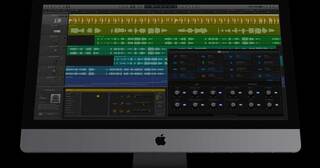
On the website, a post by Keith Clark on 07/17 at 11:28 AM states that Mick Jagger used Pro Tools HD3 in a small studio called "Bamboo Room Studio".
Find it on:

Mick Jagger is pictured with Gram Parsons' Epiphone FT-110 Frontier acoustic guitar. It is unclear if he used it on any Rolling Stones recordings during that time.
Find it on:

This Instagram video shows Mick Jagger using his signature harmonica by Lee Oskar.
Find it on:


The prototype was given to Jagger by inventor Mike Biegel, as stated by Beigel himself in this February 15, 2017 Pedal of the Day interview.
By the time Musitronics was in full swing I met quite a few Jazz and Rock & Roll stars, and learned from them what they wanted in their “musical toys”. […] Spending most of a night at a Rolling Stones rehearsal and giving Mick Jagger the first prototype of the Bi-Phase was an education all by itself.
Find it on:
This is a community-built gear list for Mick Jagger.
- Find relevant music gear like Microphones, and other instruments and add it to Mick Jagger.
- The best places to look for gear usage are typically on the artist's social media, YouTube, live performance images, and interviews.
- To receive email updates when Mick Jagger is seen with new gear, follow the artist.
Discography
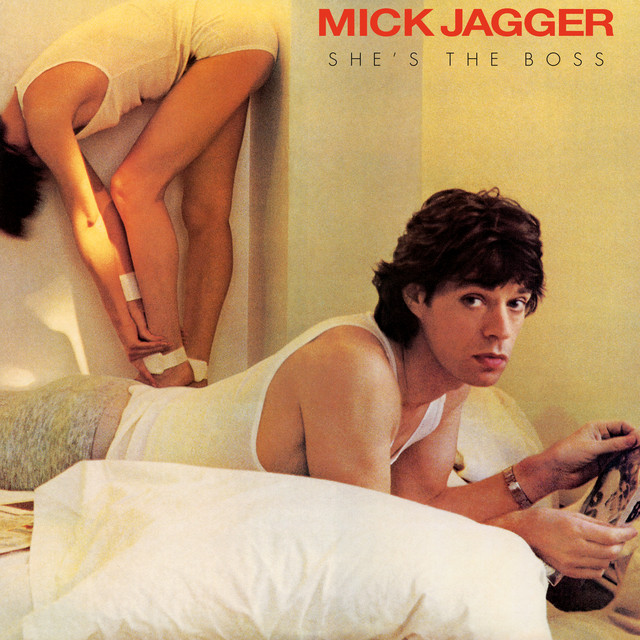
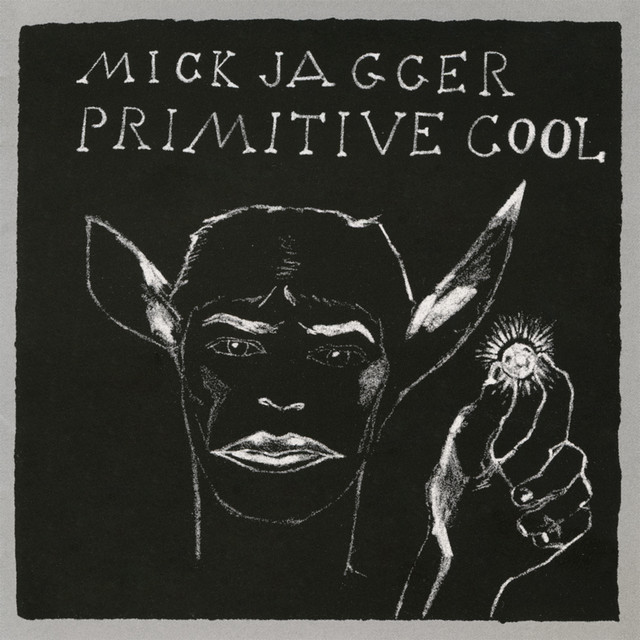
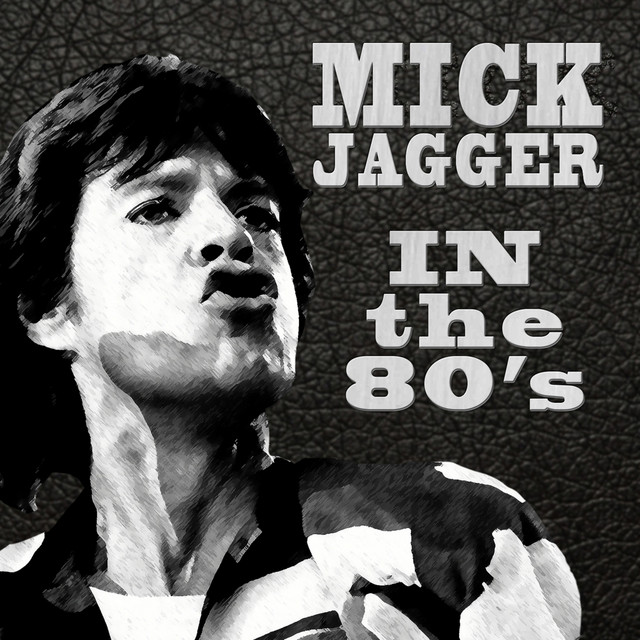
Album Credits
-
P.P. Arnold · 2025
Producer -
Come And Stay With Me: The UK 45s 1964-1969
Marianne Faithfull · 2018
Producer -
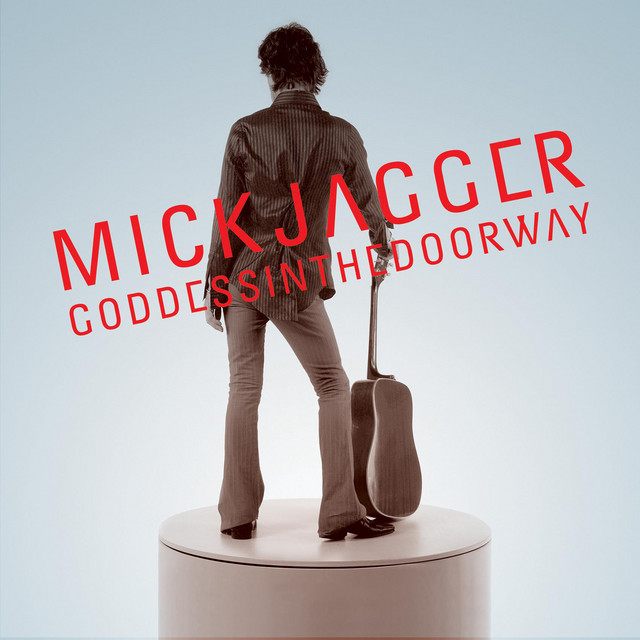
Mick Jagger · 2001
Producer -
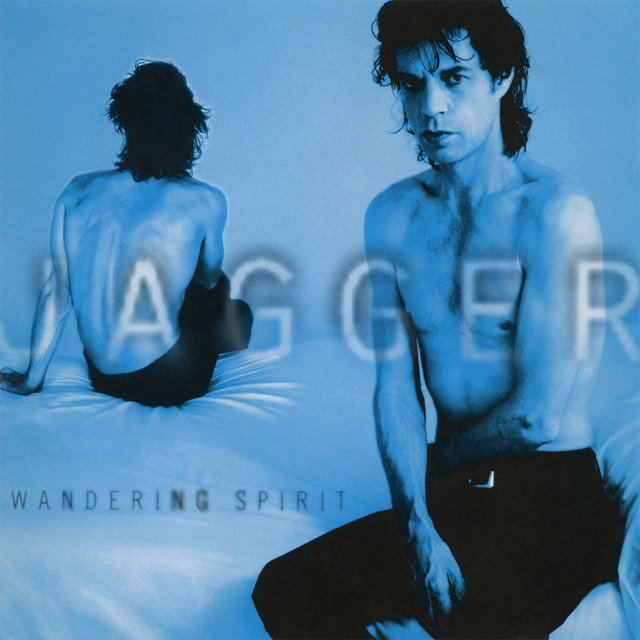
Mick Jagger · 1993
Producer -
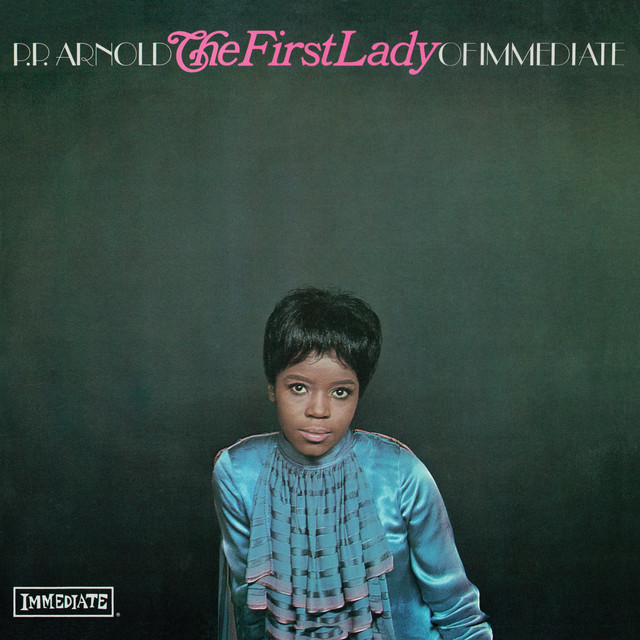
P.P. Arnold · 1968
Producer -
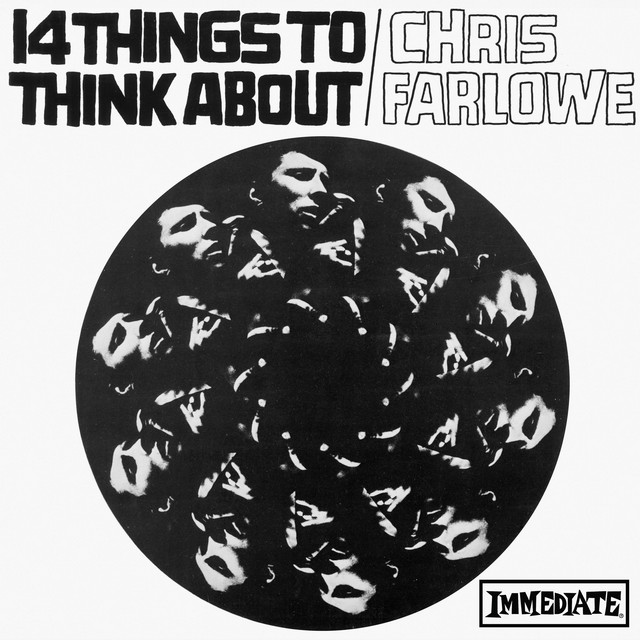
Chris Farlowe · 1966
Producer

.jpg?v=1785070562)


.jpg?v=1785070563)