
Sting
singer, songwriter & member of The Police
Credits
Credits
Sting's Bass Guitars


Sting has been a long-time user of the 1962 Jazz bass /w stripped finish, his first bass. He acquired it while still living in Newcastle in 1970 at age 18 for about 150 quid. It was his main bass throughout his tenure with Last Exit (1974-1977). Followed by with The Police (1977-1984), both live (occasionally) and in the studio. By 1978, it's noticeable that the original bridge cover on the bass had been removed.
In 1987, after a few-year break from the bass, Sting began playing the '62 Jazz bass once again on Nothing Like The Sun, and remained part of his arsenal for the next few solo albums.
Sources: International Musician & Recording World July 1979, Sting interview on Music Radar, Musician magazine December 1987, Bass Player April 1992 (reproduced on Sting's website), various
Find it on:


Sting has signature bass with Fender.
Find it on:
-m.webp?v=1776063930)
Sting was a user of an Ibanez fretless bass, beginning in mid-1979. He used it widely on tour and in the studio.
He was also known to have a few other Ibanez 4-string basses, including one with a natural finish and another with a pearl white finish.
Find it on:


This fretless bass was used by Sting on concerts in last seventies. It also appears in the music video for "Can't Stand Losing You" & most famously "Message In A Bottle". It is noticeable that regarding todays' standards, this bass is extremely heavy.
Find it on:

Sting played this bass throughout the 1983/84 Synchronicity Tour and was his main bass that he used.
Find it on:


In De do do do De da da da music video we can see Sting playing his Hamer Bass
Find it on:

Sting is pictured playing a Fender Precision Bass in a photo from Solarnavigator, highlighting his use of this instrument on stage.
Sting can also be seen playing a Fretless Fender Precision Bass at the 1:34 mark during the music video for "Roxanne" by the Police.
Find it on:


According to Bass Player November 2003 (Japanese), Sting used a custom-made Ibanez bass with a similar specification to the MC940 model, albeit with a natural finish and maple neck. Included a different layout of control and a pearl inlay of Sting's name included at the fingerboard end.
Sting received this bass in around February 1980 and used it during the latter part of the Reggatta De Blanc tour and occasionally during the Zenyatta Mondatta tour. It was also among the basses used on the Zenyatta Mondatta album, visible in the Wisseloord Studios control room in footage taken during the recording sessions included in the Everyone Stares (2006) documentary.
Find it on:

Sting can be seen on the cover of guitar world magazine holding his Steinberger L2.
Find it on:

Sting can be seen playing his first Ibanez bass in this photo, widely documented as the Ibanez MC940 when in fact it was an Ibanez MC900DS fretted model modified to a fretless. The proof is in the photo, in that the fret markings from the original model are still visible around the edges of the neck. This was Sting's main bass during the Reggatta De Blanc era (1979-1980). Sting first got the Ibanez around June 1979 according to The PoliceWiki website, and he can be seen using the Ibanez in photos taken during recording sessions for the Reggatta De Blanc album at Surrey Sound Studios in the Summer of 1979. It was also used heavily onstage during the album's tour, and appears in music videos like Message in a bottle and Can't stand losing you.
Find it on:

According to Bass Magazine 2003 (Japanese), Sting used a custom-made Ibanez MC940 bass with Pearl white finish, a maple fretless neck and two Super P5s pickups mounted.
Sting received this bass in January 1981 while on tour in Japan with The Police, and used it for the rest of the Zenyatta Mondatta tour.
Find it on:

According to Bass talk forums, Sting picked up a fretless version of the Ibanez MC-980 8-string bass in February 1980 during the Regatta De Blanc tour and used it regularly for part of the set until April 1980.
Find it on:

In the early 1980s, Sting used a Hamer Cruisebass (1st Generation), as evidenced by a user-uploaded photo.
Find it on:
This is a community-built gear list for Sting.
- Find relevant music gear like Microphones, Guitars, Amplifiers, Effects Pedals, Bass Guitars, Software Plugins and VSTs, Keyboards and Synthesizers, Instruments, and other instruments and add it to Sting.
- The best places to look for gear usage are typically on the artist's social media, YouTube, live performance images, and interviews.
- To receive email updates when Sting is seen with new gear, follow the artist.
Discography
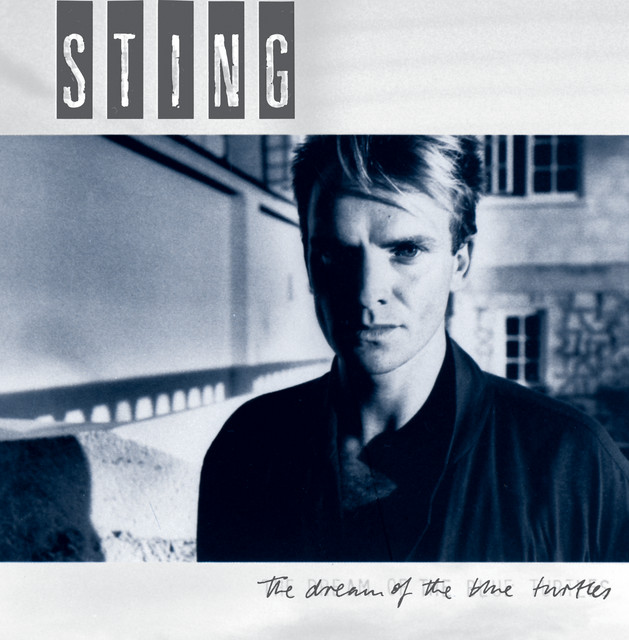
The Dream Of The Blue Turtles
1985
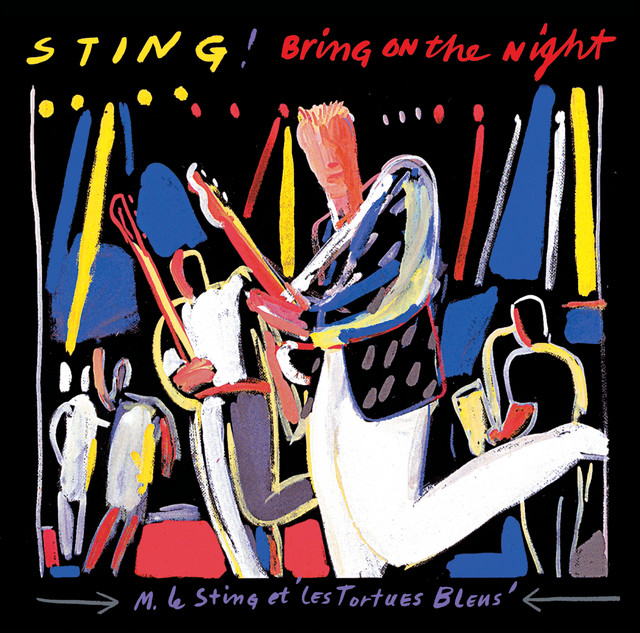
Bring On The Night (Live)
1986
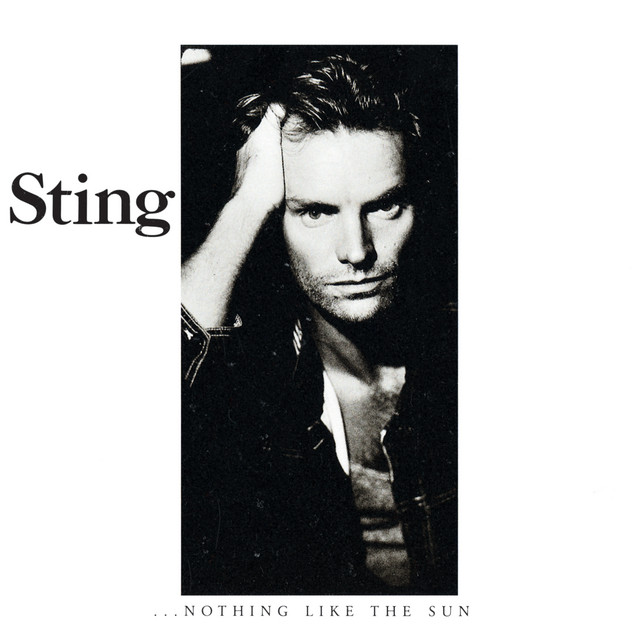
...Nothing Like The Sun
1987
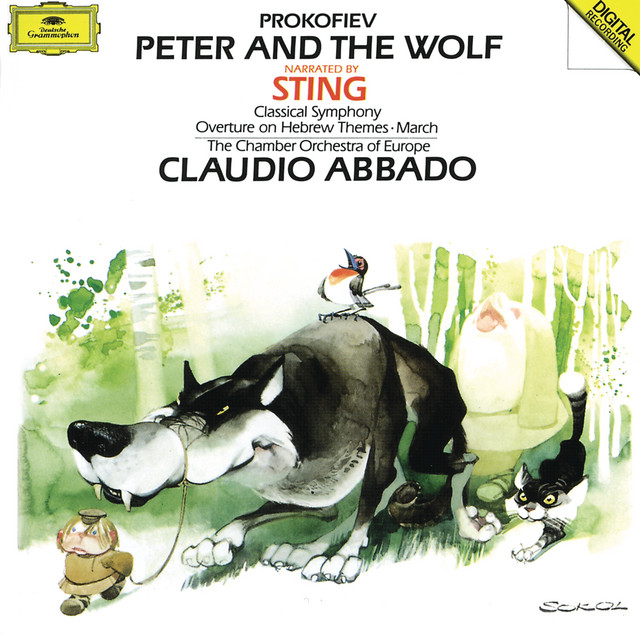
Prokofiev: Peter and the Wolf; Classical Symphony Op.25; March Op.99; Overture Op.34
1990
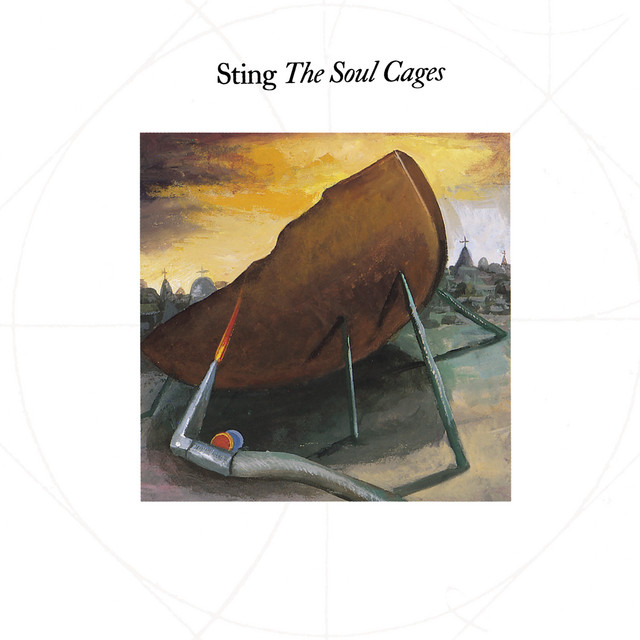
The Soul Cages
1991
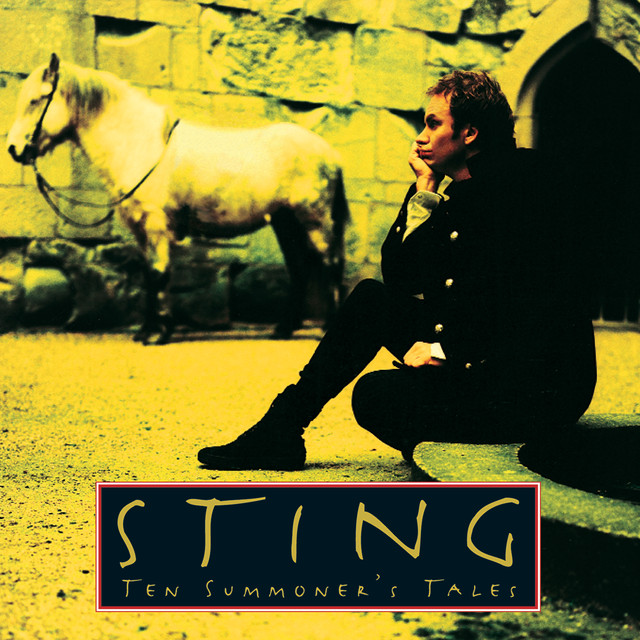
Ten Summoner's Tales
1993
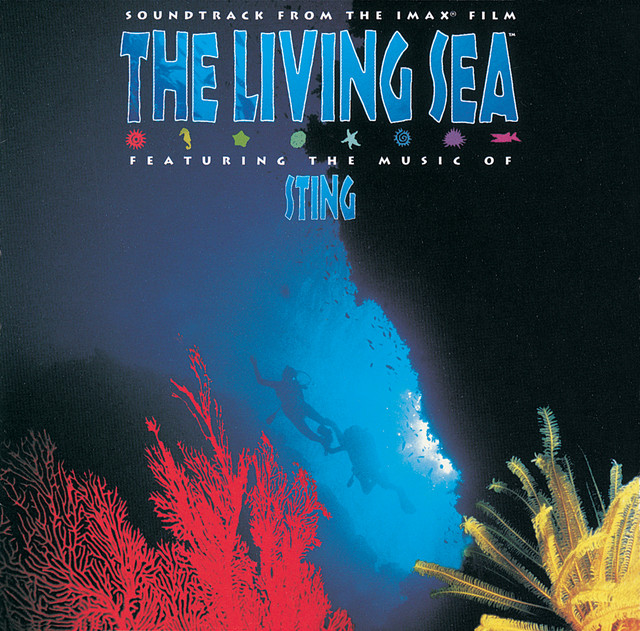
The Living Sea
1995
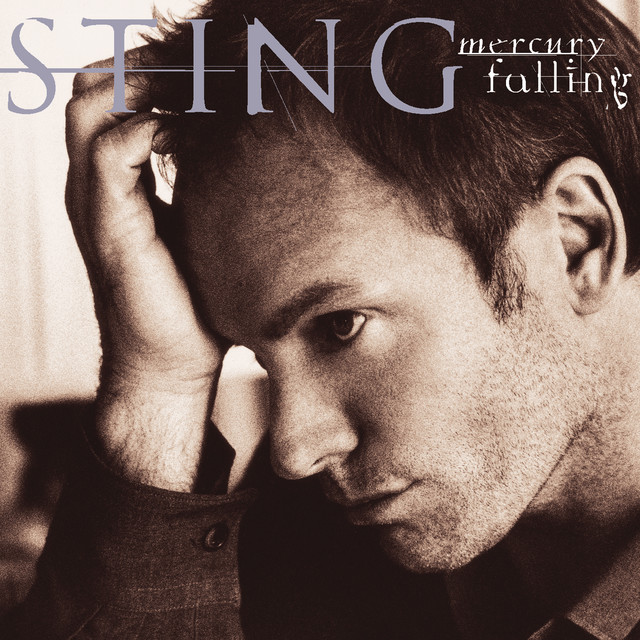
Mercury Falling
1996
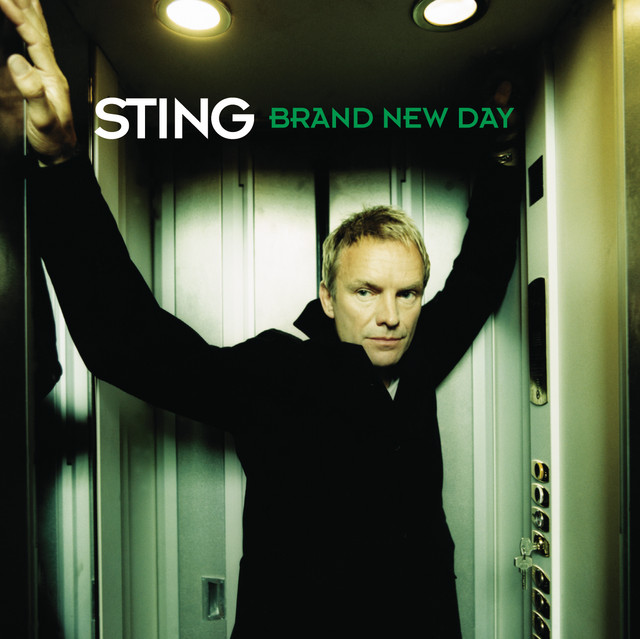
Brand New Day
1999
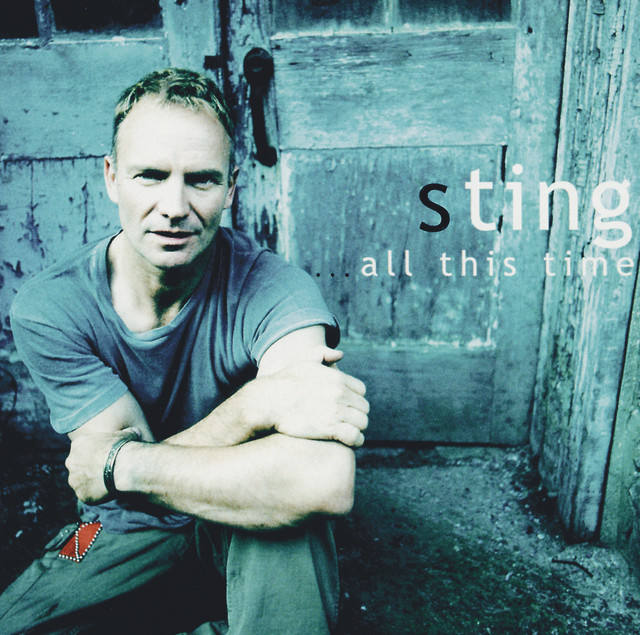
...All This Time
2001

Still Be Love In The World
2001
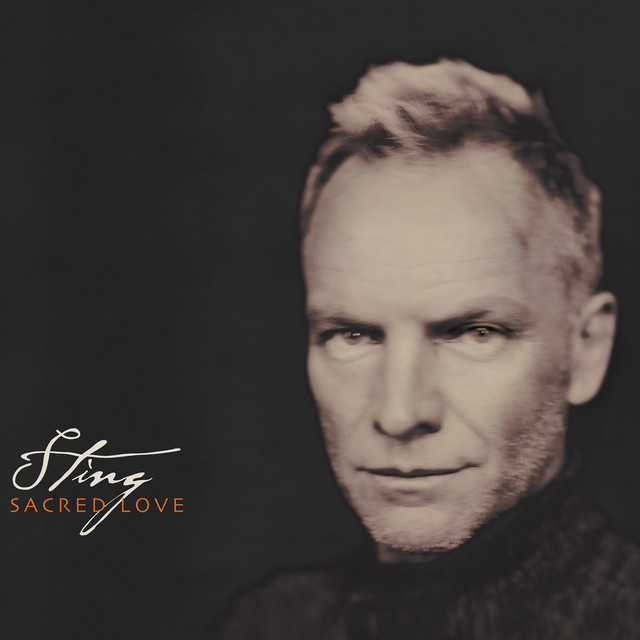
Sacred Love
2003
Album Credits
-
Tiziano Ferro · 2023
Producer






.webp)


