Will Champion's Studio Equipment
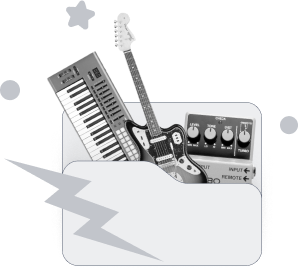


At the 1:26 mark of this video Chris Martin says Will uses the Maschine
Find it on:


Mentioned by mixing engineer Michael Brauer as being used on "Violet Hill" in this Sound on Sound interview about the production of Viva la Vida & Death and All of His Friends. It is visible in this photo from the same interview.
Drums: Neve 1083, Urei 1176, ADR Compex, Pye & Chandler EMI compressors
"I put some samples behind the kick and snare. I have built up a collection of a few hundred kicks and snares, so I can try many different types. This is where I spend a lot of time searching for the right sound. I may spend two hours trying to get the drum sound right. This is not to say that the original drum sounds in this track were bad, in fact they were great. So I'm building on top of them, I'm not replacing them. I can't remember the last time I actually replaced a drum sound. I just added a little bit to the kick and snare to enhance them. The snare sound is very important for a song and sometimes I vary it throughout the song, maybe downplaying one of the chorus snares in the verse, but in this particular case the snare sound doesn't change.
"The main drum sound is coming from their snare, which I had up really loud. They had a nice overhead snare sound that already had reverb and stuff on it that was also very important to the sound. The kick and snare both went through my Neve 1083 EQs. I put the room sounds through my great, very vicious, old British Compex compressors. I also put the cymbal room sound through the Compex. The Compex compression makes the sound grainier and more aggressive. The toms, which were really well recorded, went through my stereo Pye compressors to make them more explosive, and were also sent to my stereo 1176 compressors and my Chandler EMI compressors. The 1176 and the Chandler are also explosive, so basically the tom sound was f[***]ing explosive. I maybe added a bit of compression on the hi–hats, and did very little with the mono overheads."
Find it on:



Mentioned by mixing engineer Michael Brauer as being used on "Violet Hill" in this Sound on Sound interview about the production of Viva la Vida & Death and All of His Friends.
Drums: Neve 1083, Urei 1176, ADR Compex, Pye & Chandler EMI compressors
"I put some samples behind the kick and snare. I have built up a collection of a few hundred kicks and snares, so I can try many different types. This is where I spend a lot of time searching for the right sound. I may spend two hours trying to get the drum sound right. This is not to say that the original drum sounds in this track were bad, in fact they were great. So I'm building on top of them, I'm not replacing them. I can't remember the last time I actually replaced a drum sound. I just added a little bit to the kick and snare to enhance them. The snare sound is very important for a song and sometimes I vary it throughout the song, maybe downplaying one of the chorus snares in the verse, but in this particular case the snare sound doesn't change.
"The main drum sound is coming from their snare, which I had up really loud. They had a nice overhead snare sound that already had reverb and stuff on it that was also very important to the sound. The kick and snare both went through my Neve 1083 EQs. I put the room sounds through my great, very vicious, old British Compex compressors. I also put the cymbal room sound through the Compex. The Compex compression makes the sound grainier and more aggressive. The toms, which were really well recorded, went through my stereo Pye compressors to make them more explosive, and were also sent to my stereo 1176 compressors and my Chandler EMI compressors. The 1176 and the Chandler are also explosive, so basically the tom sound was f[***]ing explosive. I maybe added a bit of compression on the hi–hats, and did very little with the mono overheads."
(...) Finally the basses, like the drums, went through Bus B in my multi–bus compression setup, which consists of Distressors going into my Avalon E55 EQ."
Find it on:

In this blog by Coldplay's roadie Matt Miller, a photo inside Coldplay's studio can been seen of Will Champion using a MacBook Pro. Coldplay have many times stated that they use Macs for nearly everything, from mixing to personal computers.
Find it on:
-m.webp?v=1783263531)
Mentioned by producer Rik Simpson in this interview from the Universal Audio website, dated shortly after Coldplay's nominations for Viva La Vida & Death and All of His Friends for the 51st Annual Grammy Awards.
What about mic pres on the drums?
Different things for different applications. I try and use as few mikes as possible on drums. My recent discovery are ribbon mikes. Maybe three, four feet above the snare, right in the middle of the kit. I put a Chandler PG-1 across the board, which is an old, Abbey Road-style compressor, and it just sounds pure Ringo! It's really fat, and full of character. Over that, I like to add a few close mikes, just to add a bit more weight to the kick, a bit more snap to the snare. But generally the main sound is from this one mono mic.
Then there’s the UA 1176s. I use after-processing. I don't like recording with a great deal of compression. It doesn't make you work quite as hard. I try and get the sound as amazing as possible straight through the microphone. That's why plug-ins are so great. Once you've got it well recorded, you can put a digital plug-in across it, and it won't degrade the sound at all, it'll just help it shine.
Find it on:


Mentioned by mixing engineer Michael Brauer as being used on "Violet Hill" in this Sound on Sound interview about the production of Viva la Vida & Death and All of His Friends.
Drums: Neve 1083, Urei 1176, ADR Compex, Pye & Chandler EMI compressors
"I put some samples behind the kick and snare. I have built up a collection of a few hundred kicks and snares, so I can try many different types. This is where I spend a lot of time searching for the right sound. I may spend two hours trying to get the drum sound right. This is not to say that the original drum sounds in this track were bad, in fact they were great. So I'm building on top of them, I'm not replacing them. I can't remember the last time I actually replaced a drum sound. I just added a little bit to the kick and snare to enhance them. The snare sound is very important for a song and sometimes I vary it throughout the song, maybe downplaying one of the chorus snares in the verse, but in this particular case the snare sound doesn't change.
"The main drum sound is coming from their snare, which I had up really loud. They had a nice overhead snare sound that already had reverb and stuff on it that was also very important to the sound. The kick and snare both went through my Neve 1083 EQs. I put the room sounds through my great, very vicious, old British Compex compressors. I also put the cymbal room sound through the Compex. The Compex compression makes the sound grainier and more aggressive. The toms, which were really well recorded, went through my stereo Pye compressors to make them more explosive, and were also sent to my stereo 1176 compressors and my Chandler EMI compressors. The 1176 and the Chandler are also explosive, so basically the tom sound was f[***]ing explosive. I maybe added a bit of compression on the hi–hats, and did very little with the mono overheads."
Find it on:


Mentioned by mixing engineer Michael Brauer as being used on "Violet Hill" in this Sound on Sound interview about the production of Viva la Vida & Death and All of His Friends. It is visible in this photo from the same interview.
Drums: Neve 1083, Urei 1176, ADR Compex, Pye & Chandler EMI compressors
"I put some samples behind the kick and snare. I have built up a collection of a few hundred kicks and snares, so I can try many different types. This is where I spend a lot of time searching for the right sound. I may spend two hours trying to get the drum sound right. This is not to say that the original drum sounds in this track were bad, in fact they were great. So I'm building on top of them, I'm not replacing them. I can't remember the last time I actually replaced a drum sound. I just added a little bit to the kick and snare to enhance them. The snare sound is very important for a song and sometimes I vary it throughout the song, maybe downplaying one of the chorus snares in the verse, but in this particular case the snare sound doesn't change.
"The main drum sound is coming from their snare, which I had up really loud. They had a nice overhead snare sound that already had reverb and stuff on it that was also very important to the sound. The kick and snare both went through my Neve 1083 EQs. I put the room sounds through my great, very vicious, old British Compex compressors. I also put the cymbal room sound through the Compex. The Compex compression makes the sound grainier and more aggressive. The toms, which were really well recorded, went through my stereo Pye compressors to make them more explosive, and were also sent to my stereo 1176 compressors and my Chandler EMI compressors. The 1176 and the Chandler are also explosive, so basically the tom sound was f[***]ing explosive. I maybe added a bit of compression on the hi–hats, and did very little with the mono overheads."
Find it on:

Mentioned by mixing engineer Michael Brauer as being used on "Violet Hill" in this Sound on Sound interview about the production of Viva la Vida & Death and All of His Friends. It is visible in this photo from the same interview.
Drums: Neve 1083, Urei 1176, ADR Compex, Pye & Chandler EMI compressors
"I put some samples behind the kick and snare. I have built up a collection of a few hundred kicks and snares, so I can try many different types. This is where I spend a lot of time searching for the right sound. I may spend two hours trying to get the drum sound right. This is not to say that the original drum sounds in this track were bad, in fact they were great. So I'm building on top of them, I'm not replacing them. I can't remember the last time I actually replaced a drum sound. I just added a little bit to the kick and snare to enhance them. The snare sound is very important for a song and sometimes I vary it throughout the song, maybe downplaying one of the chorus snares in the verse, but in this particular case the snare sound doesn't change.
"The main drum sound is coming from their snare, which I had up really loud. They had a nice overhead snare sound that already had reverb and stuff on it that was also very important to the sound. The kick and snare both went through my Neve 1083 EQs. I put the room sounds through my great, very vicious, old British Compex compressors. I also put the cymbal room sound through the Compex. The Compex compression makes the sound grainier and more aggressive. The toms, which were really well recorded, went through my stereo Pye compressors to make them more explosive, and were also sent to my stereo 1176 compressors and my Chandler EMI compressors. The 1176 and the Chandler are also explosive, so basically the tom sound was f[***]ing explosive. I maybe added a bit of compression on the hi–hats, and did very little with the mono overheads."
(...) Finally the basses, like the drums, went through Bus B in my multi–bus compression setup, which consists of Distressors going into my Avalon E55 EQ."
Find it on:

Mentioned by mixing engineer Michael Brauer as being used on "Violet Hill" in this Sound on Sound interview about the production of Viva la Vida & Death and All of His Friends. It is visible in this photo from the same interview.
Drums: Neve 1083, Urei 1176, ADR Compex, Pye & Chandler EMI compressors
"I put some samples behind the kick and snare. I have built up a collection of a few hundred kicks and snares, so I can try many different types. This is where I spend a lot of time searching for the right sound. I may spend two hours trying to get the drum sound right. This is not to say that the original drum sounds in this track were bad, in fact they were great. So I'm building on top of them, I'm not replacing them. I can't remember the last time I actually replaced a drum sound. I just added a little bit to the kick and snare to enhance them. The snare sound is very important for a song and sometimes I vary it throughout the song, maybe downplaying one of the chorus snares in the verse, but in this particular case the snare sound doesn't change.
"The main drum sound is coming from their snare, which I had up really loud. They had a nice overhead snare sound that already had reverb and stuff on it that was also very important to the sound. The kick and snare both went through my Neve 1083 EQs. I put the room sounds through my great, very vicious, old British Compex compressors. I also put the cymbal room sound through the Compex. The Compex compression makes the sound grainier and more aggressive. The toms, which were really well recorded, went through my stereo Pye compressors to make them more explosive, and were also sent to my stereo 1176 compressors and my Chandler EMI compressors. The 1176 and the Chandler are also explosive, so basically the tom sound was f[***]ing explosive. I maybe added a bit of compression on the hi–hats, and did very little with the mono overheads."
(...) Finally the basses, like the drums, went through Bus B in my multi–bus compression setup, which consists of Distressors going into my Avalon E55 EQ."
Find it on:
This is a community-built gear list for Will Champion.
- Find relevant music gear like Guitars, Amplifiers, Effects Pedals, Drum Sets, Cymbals, Snare Drums, Drumsticks, Pianos, Keyboards and Synthesizers, Microphones, and other instruments and add it to Will Champion.
- The best places to look for gear usage are typically on the artist's social media, YouTube, live performance images, and interviews.
- To receive email updates when Will Champion is seen with new gear, follow the artist.
Discography