Béla Fleck
Role
Genre
Credits
Role
Genre
Credits
Béla Fleck's Gear


Béla's electric banjo is a Deering Crossfire. He has modified it by changing to EMG pick-ups and pre-amp. It is currently outfitted with a Yamaha midi pick-up.
This black beauty Crossfire electric banjo is a stage performer's dream come true and will play as loud as an electric guitar without feedback. It can be used with electronic effects, pedals, etc. With tone a volume controls on the banjo itself and an actual working banjo head stretched over a brass tone ring, this banjo has the convenience of an electric guitar but with a banjo sound.
This Crossfire has two powerful, active, magnetic pick-ups under the head; one in the neck position and the other by the bridge and both powered by a single 9 volt battery.. By a flick of the toggle switch, you can play the bridge pick-up or the near-the-neck pickup or both at the same time.
You can plug this Crossfire into any keyboard amp, acoustic amp, guitar amp or run it directly into your PA system. While it will sound different in these systems, your versatile Crossfire can play through many systems. You can play almost silently if you play it un-plugged which can extend your practice hours at home or in a hotel.
Whether high volume on stage, or un-plugged on the couch when the kids are sleeping, this Crossfire will work with you in every environment.
Find it on:


The main banjo is the same one I’ve played since 1981: a Gibson Style 75 from 1937 that has the original metal ring and wood back. It has a custom arched neck made by John Monteleone. It’s just fabulous. It has a lot of body and you can play it really hard without it ever sounding harsh.
Find it on:

Béla Fleck utilizes the Chard Stuff AcH-104 harmonica amplifier, as detailed on the Flecktones' official "Bela's Rack" page. This professional rack-mount unit is designed to enhance acoustic instruments by combining microphone and pickup signals for optimal sound control and quality. The AcH-104 provides flexibility in live and studio settings, offering features such as EQ adjustments, multiple output options, and the ability to power a high-impedance microphone without additional batteries.
Find it on:

Both the acoustic and electric banjos are monitored on stage with a Trace Elliot TA 2000S amplifier. Synths and guitar are heard through this amp and Bela's 'In the Ear' monitors.
Find it on:

Bela Fleck's 1967 Rickenbacker 6000 Bantar electric 5 string banjo...
Find it on:

“I have a lot of systems onstage: an acoustic banjo, an electric, a synth system for an electric, a guitar, a wireless system, preamps, and EQs,” he explains. “It's a lot of stuff, so I just use the onboard sounds. Live, the Roland GR-33 works just fine.”
Find it on:

Fleck mixes the pickup sound with an instrument-mounted mini condenser mic, a Shure SM98.
Find it on:



Crisp Maple with a brilliant full bodied tone, deep bass, brilliant highs, The Saratoga Star is one of the most elegantly beautiful modern banjos to enter the musical arena of classic instruments. Greg Deering personally designed the inlays with an Art Nouveau style in mind. Reminiscent of the Victorian Era, this high grade maple banjo stands out as a top of the line professional instrument, at home on the concert stages throughout the world. It is played by world renowned banjoists like Bela Fleck, 2007 IBMA Banjo Player of the Year - Tony Trischka, Joe Bonsal of the Oak Ridge Boys, and Ned Luberecki.
From Bluegrass to Country, Rock to Classical, this is one of the ultimate banjos made today. Crafted with the precision of every Tenbrooks banjo out of highly figured violin grade maple for the ultimate tonal power and sparkle. It is so alive with sound that you can feel the vibrations through the back of the banjo as you play. The sound carries clearly greater distances than other banjos. This banjo is for the dedicated musician who appreciates versatility in communicating with the audience through music.
Find it on:

Béla Fleck is known for using the Deering® John Hartford 24-Fret 5-String Banjo, as highlighted by the Deering Banjo Company. This model offers a unique sound with its longer neck, moving the bridge to the center of the head for a more rounded, full-bodied tone. Featuring both -06- and Grenadillo tone ring options, it delivers a distinct bell-like or woody ringing tone, embodying the iconic John Hartford style.
Find it on:

Béla Fleck utilizes the Roland XV-2020, a 64-voice expandable synthesizer module known for its compact half-rack design and USB connectivity. This versatile unit, highlighted on the Flecktones' website, features up to 192MB of sounds, three effects processors, and supports expansion via SRX-Series Wave Expansion Boards.
Find it on:

The main banjo is the same one I’ve played since 1981: a Gibson Style 75 from 1937 that has the original metal ring and wood back. It has a custom arched neck made by John Monteleone. It’s just fabulous. It has a lot of body and you can play it really hard without it ever sounding harsh. I also use another old Gibson Style 18 on the album.
Find it on:

My main electric banjo is a custom Deering Crossfire. It has EMG pickups and an EMG preamp. I’ll also use it to trigger synthesizers with a Yamaha MIDI pickup connected to a Roland VG-8 guitar synth and a Roland GI-10 MIDI interface.
Find it on:

"I've been loving the Felix. I feel that the pure tone of my banjo is now coming through, and that nothing is degrading the sound along the way. I would highly recommend it to those that can hear the difference!"
Find it on:


The Flecktones website states that Béla uses a Shure U4D wireless unit.
Find it on:

From the wireless the signal goes to a t c electronics G-System.
Find it on:

Béla's rack holds one of these parametric eq.
Find it on:

Béla's rack holds one G-Force.
Find it on:

Sometimes it starts with me searching around the banjo for cool stuff and sometimes it’s stuff that pops into my head. There’s usually a spark of inspiration and I just run with it and everything happens really fast. There’s also a craft element to composing in which I try to take those inspired ideas and hone, hone, and hone until everything is perfect. But a big chunk of it—a verse or a chorus—has to be there from the beginning. Although most of what I do is instrumental, I do think of the pieces in those verse/chorus songwriting terms. Also, I find that when I haven’t played the banjo all day or for a couple of days, the first thing that comes out is a new tune when I pick it up. I’ve started recording everything I do when I pick up my banjo on an M-Audio multitrack recorder. It stores audio on a memory stick. When I’m done, I dump everything into Pro Tools and edit the material into a core of ideas that are strong enough to build songs from. Ideas can also happen anywhere, like when I’m driving or running. I’ll start humming a melody or singing an improvisation. The good thing about those ideas is that they aren’t necessarily banjo-istic. If I sing them first, they tend to sound more melodic or like a vocal.
Find it on:


My main electric banjo is a custom Deering Crossfire. It has EMG pickups and an EMG preamp. I’ll also use it to trigger synthesizers with a Yamaha MIDI pickup connected to a Roland VG-8 guitar synth and a Roland GI-10 MIDI interface.
Find it on:

In addition, I use a Deering Bantar, which is a 6-string guitar banjo.
Find it on:


There’s also the Paradise guitar, a Swiss electric guitar that sounds like an acoustic.
Find it on:

Other instruments include a Rickenbacker electric banjo and a Vega Vox Deluxe banjo.
Find it on:

His other two banjos are electrified: “The black one is a Nechville Meteor, with a small head,” says Fleck. “Some [electric] banjos have no head, but then they have no characteristics, and you might as well play a guitar. The head and the wood bridge have to be in there somewhere. The Nechville sounds like a banjo, and it's in a different tuning, a dropped C, which John Hartford used to do a lot, and which is a sound I just love. I use that tuning on ‘Big Country.''
Find it on:

For effects, Fleck keeps the banjo paths isolated, each with its own separate signal chain. The acoustic rack contains the Klark Teknik EQ and an Eventide Eclipse.
Find it on:

“In my electric rack, I've been using the Line 6 Pod Pro,” says Fleck. “I use a little bit of delay and not much distortion, but occasionally I want some crunch. Sometimes I like it to crunch when I'm doing single-line stuff. And there's a really nice chorus and some good amp sounds in the Pod. After playing a lot of digital guitar processors, I've found that a lot of them don't play well. They sound good, but you can't play through them. They slow you down. But the Line 6 sounds good and feels really good to play through.”
Find it on:

The guitar signal goes through a unit called a Polysubbass Controller, which processes the hex pickup signals and sends them out to a Roland VG-8 Guitar System. That goes into a Lexicon PCM80 for effects and then straight to the board.
Find it on:

The Flecktones' stage-monitoring system is entirely wireless. All the musicians use Shure PSM 600 in-ear monitors, which drastically reduce the feedback potential created by conventional speakers bleeding into open mics. “The in-ear monitors really help with the banjo, especially the acoustic banjo,” says Fleck, “because the louder we get, the more volatile the situation is with feedback. And the band has naturally been turning up recently, and that would be much more problematic with conventional monitors. We adopted them pretty quick after they came out.”
Find it on:

Bela is famous for using his pre war Gibson banjo. It was originally a four strung but he put a five string neck on it.
Find it on:
This is a community-built gear list for Béla Fleck.
- Find relevant music gear like Software Plugins and VSTs, Keyboards and Synthesizers, Instruments, and other instruments and add it to Béla Fleck.
- The best places to look for gear usage are typically on the artist's social media, YouTube, live performance images, and interviews.
- To receive email updates when Béla Fleck is seen with new gear, follow the artist.
Discography
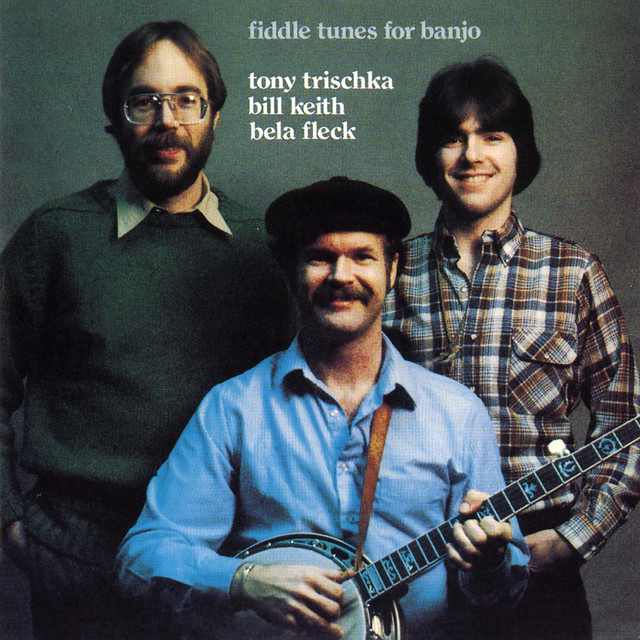
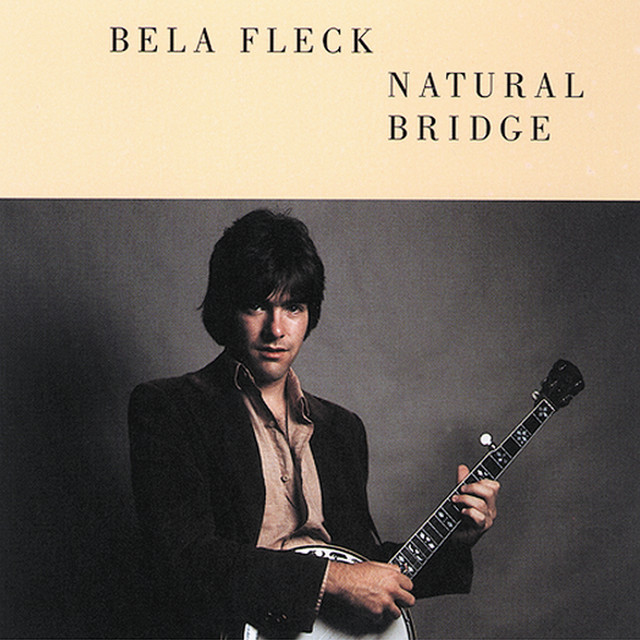
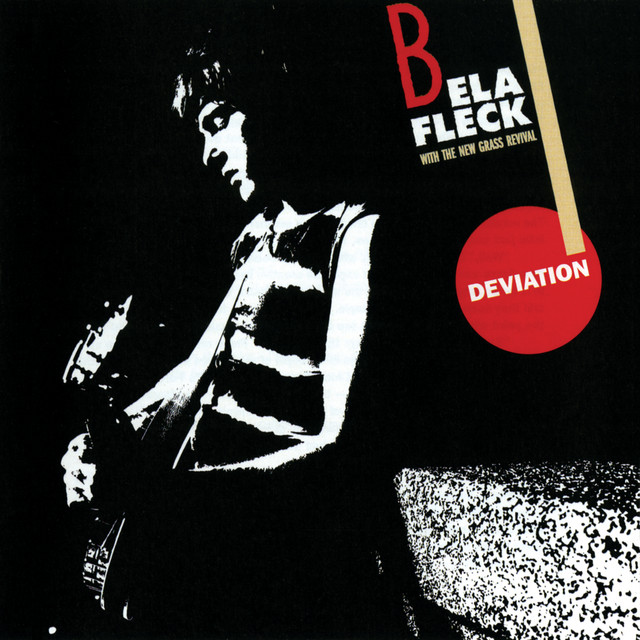
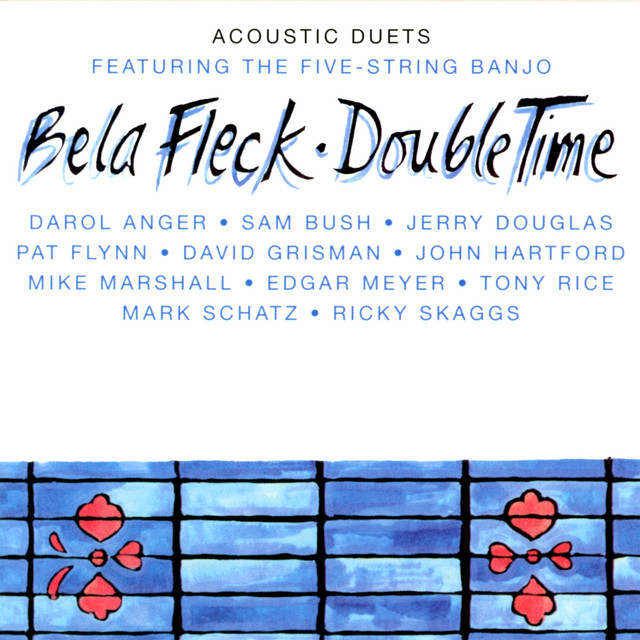
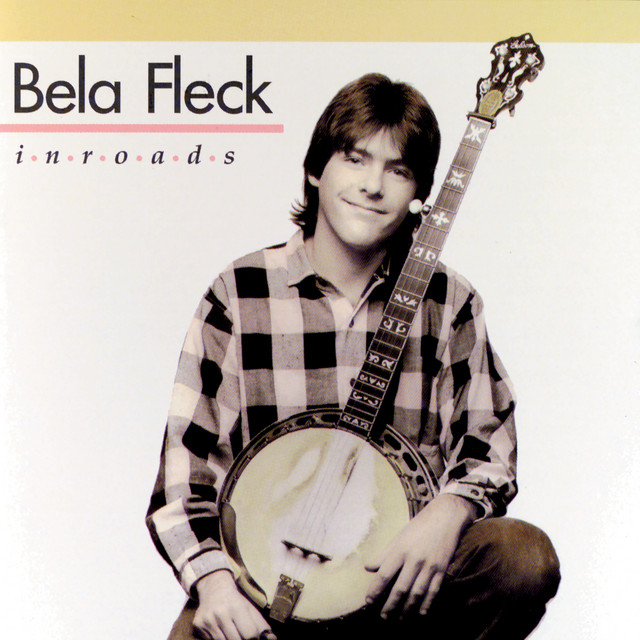
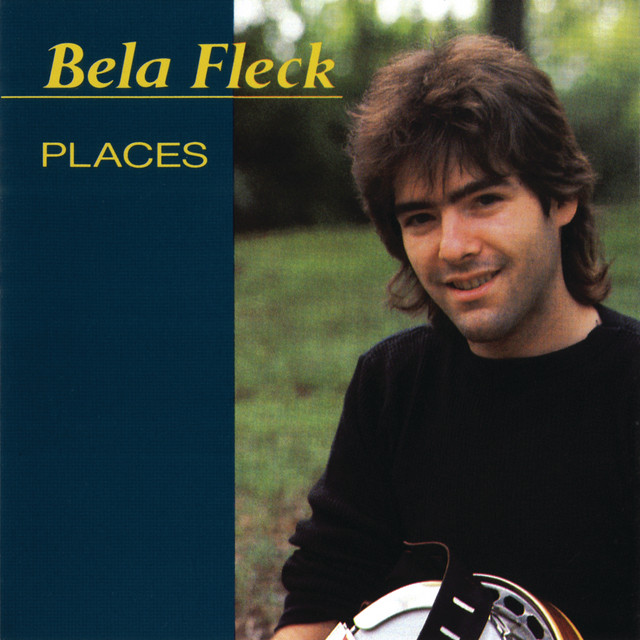
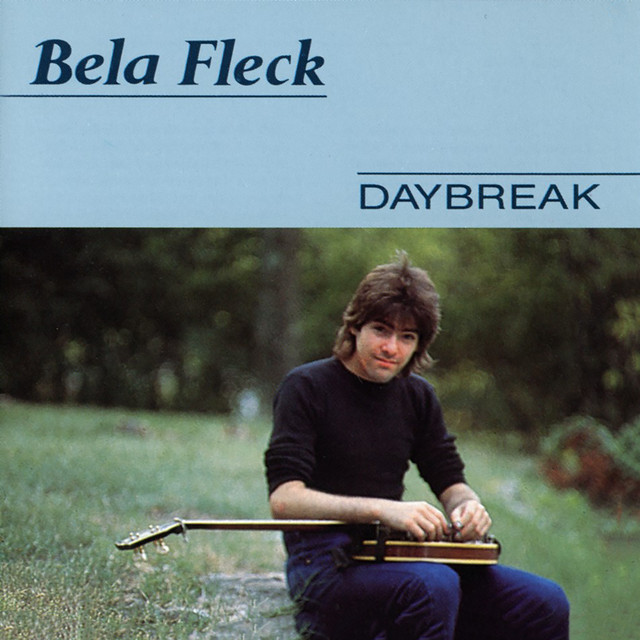
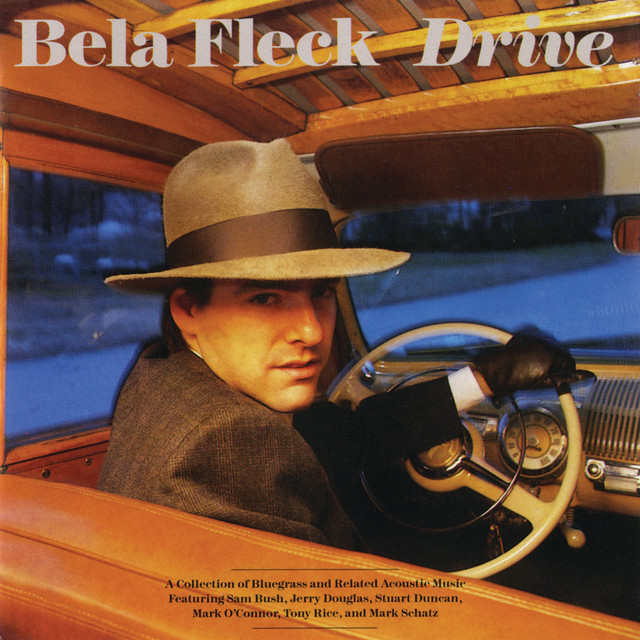
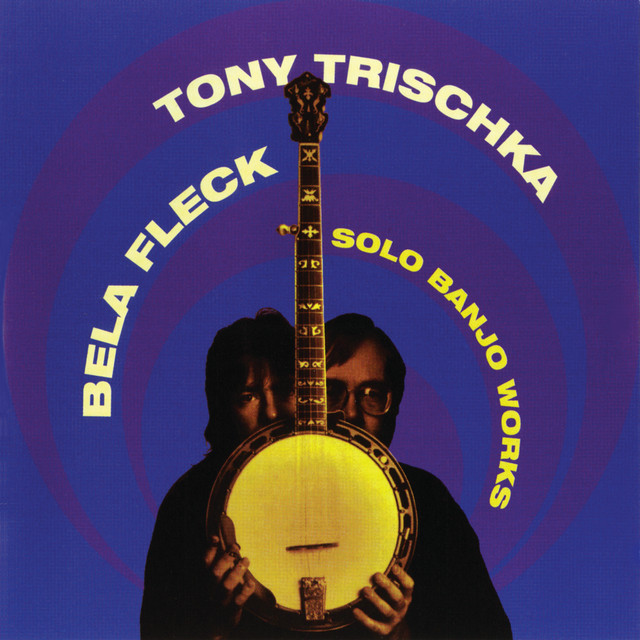
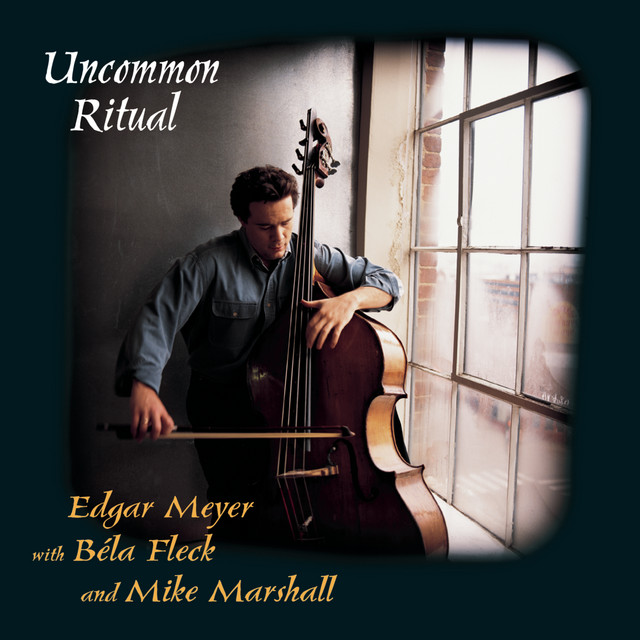
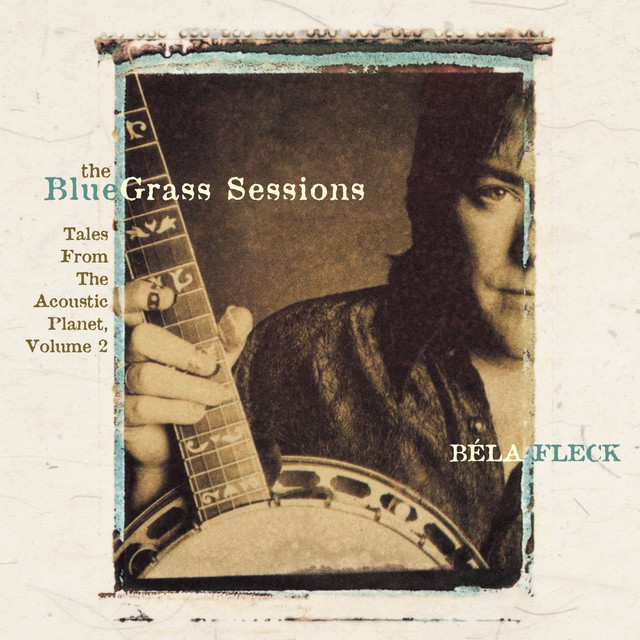
Album Credits
-
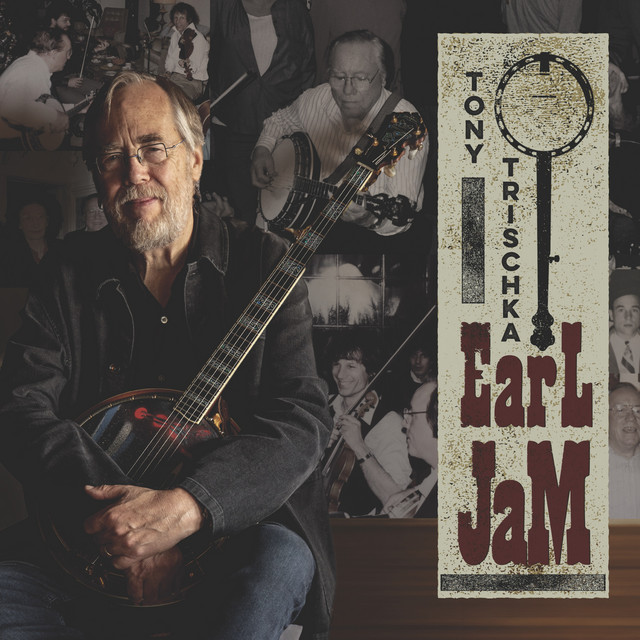
Tony Trischka · 2024
Producer -
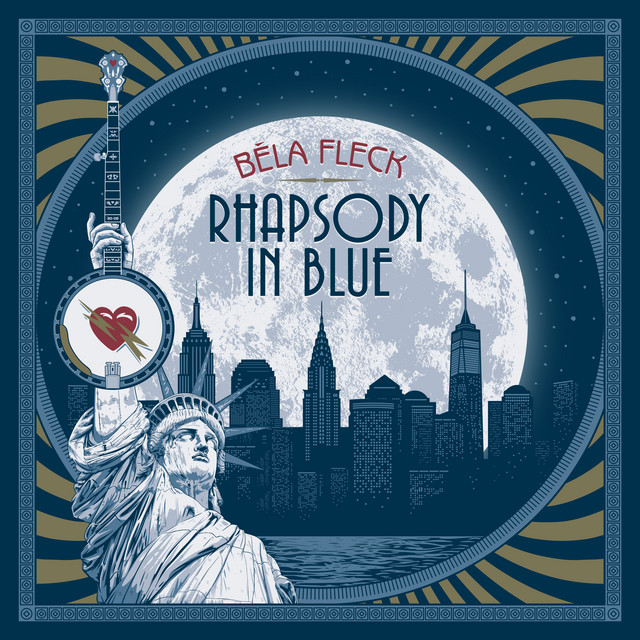
Béla Fleck · 2024
Mixing Engineer Producer -
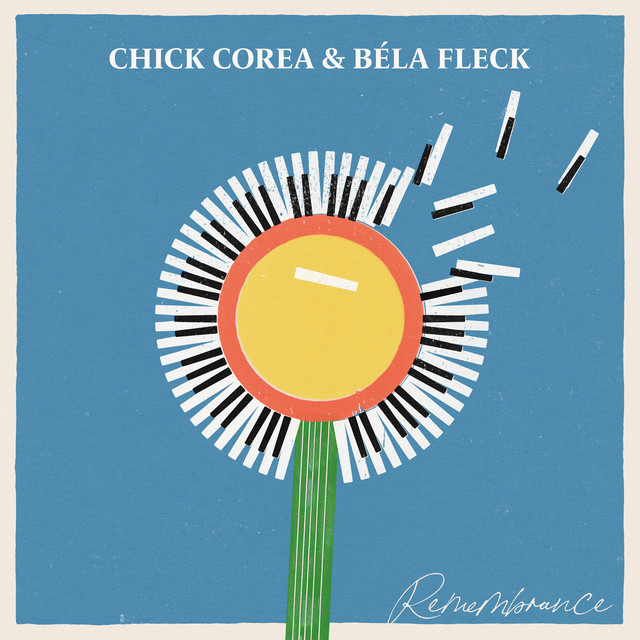
Béla Fleck & Chick Corea · 2024
Engineer Producer -
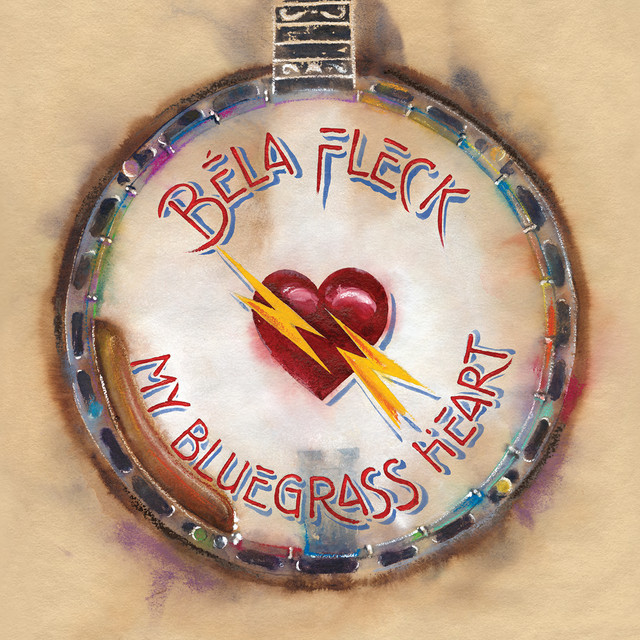
Béla Fleck · 2021
Engineer Mixing Engineer Producer -
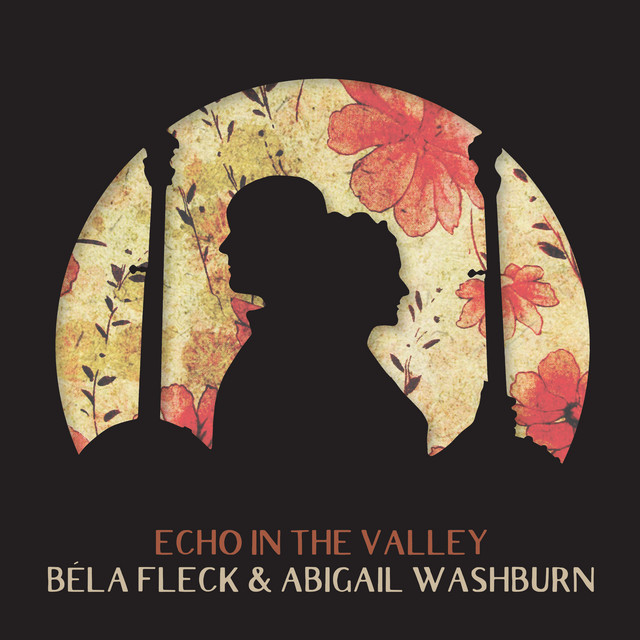
Béla Fleck & Abigail Washburn · 2017
Mixing Engineer Producer Recording Engineer -
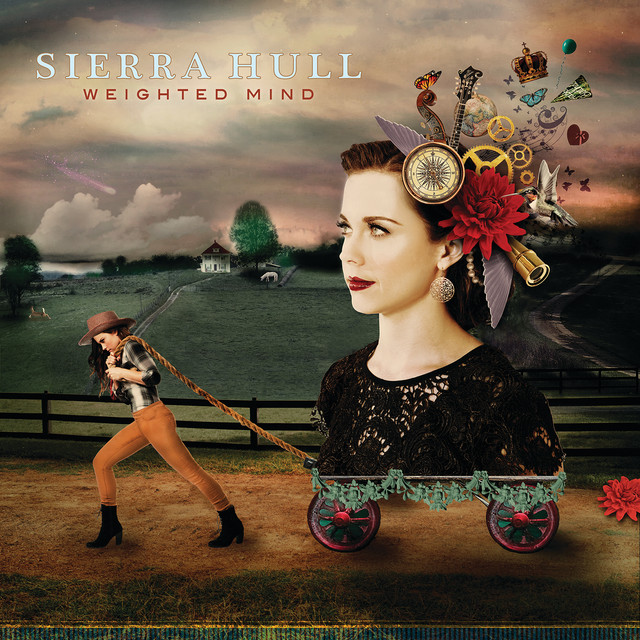
Sierra Hull · 2016
Producer -
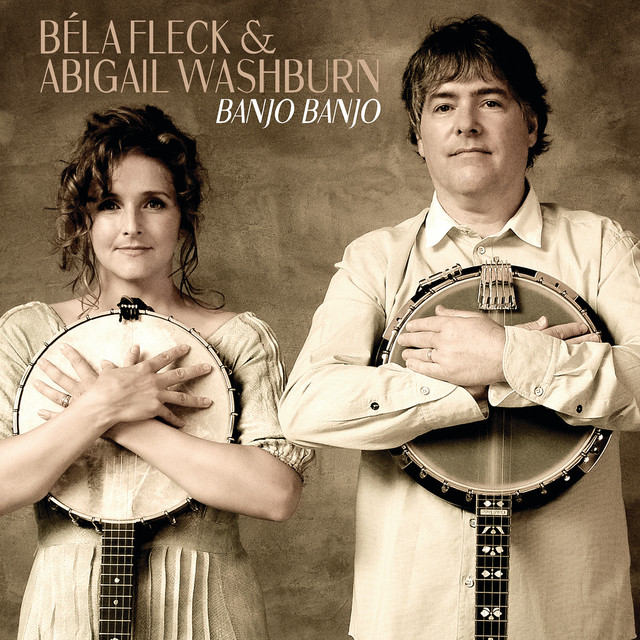
Béla Fleck & Abigail Washburn · 2015
Engineer -
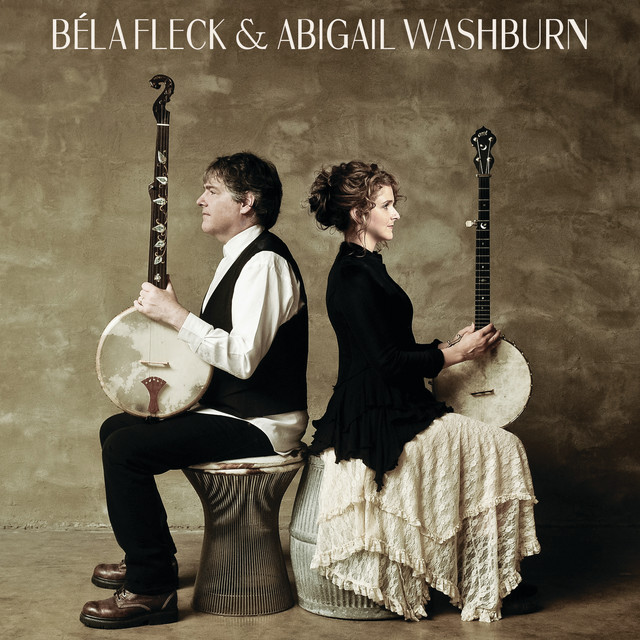
Béla Fleck & Abigail Washburn · 2014
Engineer Producer -
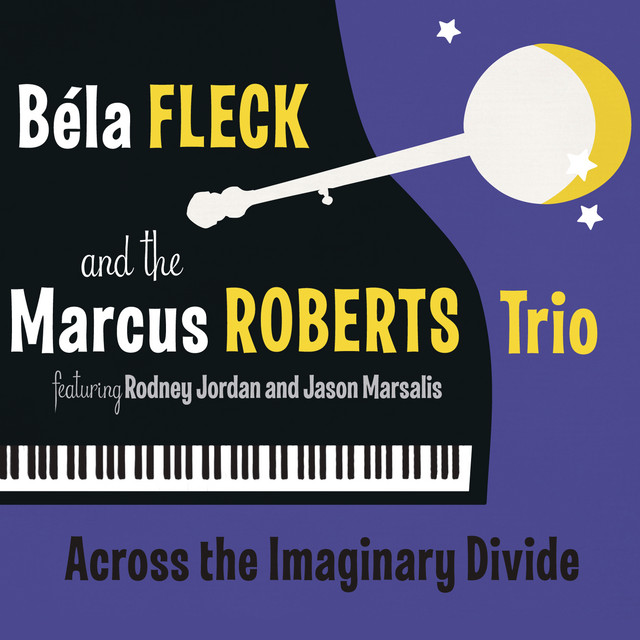
Béla Fleck · 2012
Producer -
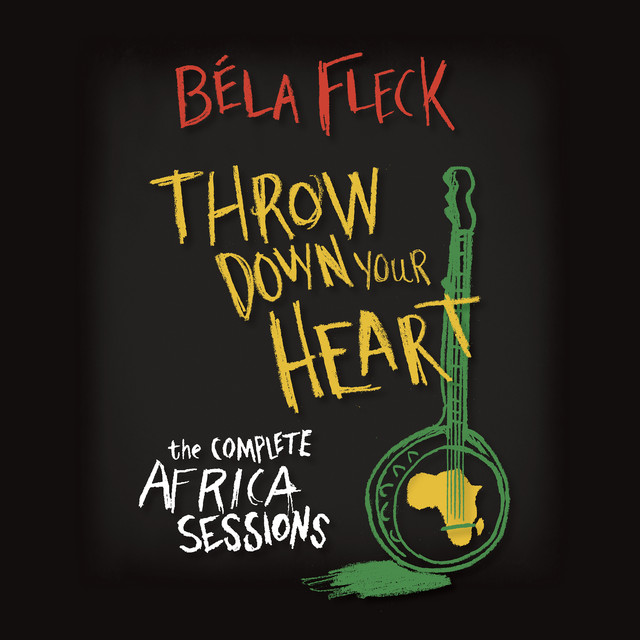
Throw Down Your Heart: The Complete Africa Sessions
Béla Fleck · 2009
Mixing Engineer -
Joshua Bell · 2008
Producer -
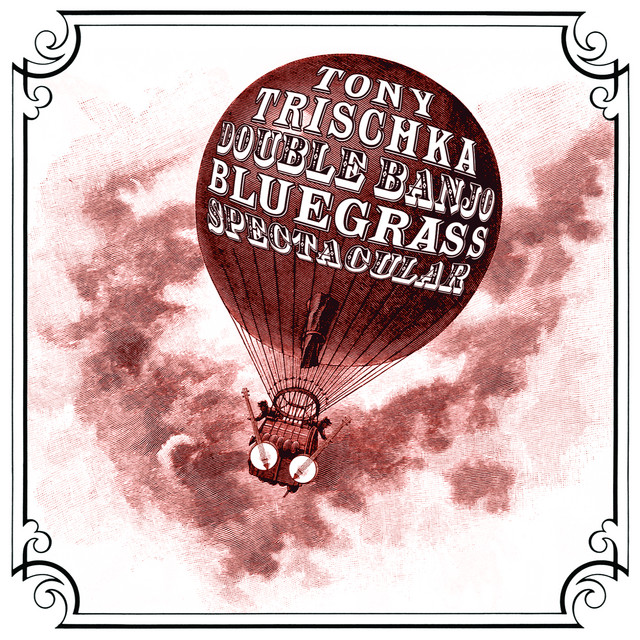
Double Banjo Bluegrass Spectacular
Tony Trischka · 2007
Mixing Engineer Producer