
Graham Massey
Genre
Group
Credits
Genre
Group
Credits
Graham Massey's Gear


"Mostly it's a 303 put through a [Yamaha] SPX-90 pitch changer so that it sounds really ugly."
Find it on:


"It was the sort of vibe we wanted to capture for 'Pacific State', so we sampled up some chords on a Juno 106 — when you put the chorus on it and put on loads of filter so that it's quite muted, you get that warm atmosphere, and we sampled that into a Casio FZ1 keyboard as a chord: one note on the keyboard would play that chord, and the same chord was played on a Roland D50 using the 'warm strings' preset. The pad sound was therefore a combination of those two things layered, with some additional filtering on the FZ1."
Find it on:

"The drums on 'Pacific State' were actually from a 909, not an 808, and the clap pattern's quite important on it. It's pretty unusual. Also, to add to the sort of tropical nature of things, we added the bird sound from the Akai library that came with the S900. It's called 'Canadian Loon'. Then the track hung about for a fairly long time until the 101 bass line added a nice feel.”
Find it on:

One syncing system the group have employed in the past runs as follows. The TR909's code is recorded to the multitrack and then used to sync an MC202 to tape. The 202's two DIN sync outputs run a TB303 and the 909, with MIDI output from the 909 running the computer which in turn can sequence the other MIDI instruments.
Find it on:
-m.webp?v=1784645899)
"It's just a matter of what you can get your hands on", Massey confirms. On Newbuild the group used almost exclusively Roland gear, with a TR808, TR909, TB303, four SH101s and a Juno 106 which sports a broken key and a note which sticks on every patch except patch 41.
Find it on:
-m.webp?v=1784645893)
"The [Roland] Juno 106 is practically on every track. It was our workhorse when we came to the bass on every track. You can hear it really well on Sunrise, on that classic [early House producer) Mr Fingers sound, which we're constantly referring to on the bass. We would leave the two main oscillators off and use the sub oscillator on the Juno 106 with Chorus Number 2 on. Then lock it into mono. If you do that you get that empty sub sound, which makes it sound bulbous. Pacific comes back in this track, like a motif. But then it takes off in a completely different direction."
Find it on:

"The texture of the drum machines on it is a combination of a (Roland) 606, which was a crisp and dry drum machine. The 606 appears quite a lot on Ninety. It's got that biscuit tin quality in the snare."
Find it on:

"We're using a lot of Pro 1 on that track. You can hear, it's got a much more dirty filter bite to it."
Find it on:

"We're using the [Roland] D50 for a lot for melody lines, just because it had this glassy quality that would float over the dense rhythm stuff."
Find it on:

"A lot of the sounds were from a Pearl Syncussion unit, which is an instrument that goes right through our early stuff, It's actually a Disco drum, and it was most popular on Disco tracks, but it actually does lots of other things too. It's two synthesizer units has a trigger in, and you can get deep 808 bass sounds all the way to very 'sample and hold' ring modulator sounds. I think Sunrise shows that off."
Find it on:



"Back then we had the multi-track tape, and we'd try to fit an album on one roll. We had a bit of tape left at the end of recording this album, so we multi-tracked a load of [Roland] R8 drum machines, where you can use the pitch slider, and basically did 24-tracks of pitch sliding the R8 on a load of random sounds- and that's what this track is."
Find it on:

'We bought the basic studio off of someone else for 10 grand: the Fostex B16, rack of effects, JBL G1 1 monitors and TAC Scorpion desk. We had a Scorpion in the studio we first started out in - it's got a hard edge to it, quite a warm, analogue-ey sound. Ideally I'd like something with MIDI - I've got a little MIDI mixer from Tascam at home - just for trimming down after, and for the MIDI mutes. In the studio we rely heavily on the Amek Mozart automation system - we love that. It makes it so easy to carve stuff out when we're mixing."
Find it on:

'We bought the basic studio off of someone else for 10 grand: the Fostex B16, rack of effects, JBL G1 1 monitors and TAC Scorpion desk. We had a Scorpion in the studio we first started out in - it's got a hard edge to it, quite a warm, analogue-ey sound. Ideally I'd like something with MIDI - I've got a little MIDI mixer from Tascam at home - just for trimming down after, and for the MIDI mutes. In the studio we rely heavily on the Amek Mozart automation system - we love that. It makes it so easy to carve stuff out when we're mixing."
Find it on:

"We get a lot of mileage out of the JD-800. We use it more like a drum synthesizer rather than just a sample source," says Graham. "Like, you can take a CR-78 snare which is very 'biscuit-tinny' and add a little bit of a metal sample to it, but only so that you can only 'sense' it, rather than hear it. It makes everything a lot harder."
Find it on:

"We recently got an old ARP sequencer, which is like having a [TB-]303 for the [ARP] 2600." Graham enthuses. "Exclusively Analogue are building us an interface for it that goes the other way round to normal: you can use a CV sequencer with a MIDI keyboard. I love the randomness of a CV sequencer; you can sit at it for ten minutes and come up with stuff you'd never come up with if you sat at a computer screen. We're into different ways of sequencing like that. For instance, we've used the Oberheim Cyclone arpeggiator quite a lot."
Find it on:


"One of our favourite sounds, that we've used a lot and that keeps cropping up, is from an old ARP Quartet that we picked up for £30. It's a really 'cheesy' string synth of which we're great fans - we've also got a Moog Opus III. The trouble with old stuff is that it's always going down, but we're lucky in that we've got this friend Tony Wride, who we call Captain Techno, who helps out. He's an airline pilot [and ex-SOS writer] and he flies to America a lot - he's also an analogue freak and he brings over synths, repairs them, and then sells them. In fact we've got another ARP 2600 coming over with him - that's a synth that we've used a lot on this album."
Find it on:

"There's also the Oberheim 4-voice which is a wicked sounding synth. Each voice has two oscillators, and it sounds like it looks really - you can blow holes in walls with it! The main riff on 'Timebomb' features one of those."
Find it on:

GM: “After the process, it’s hard to tell the difference between a softsynth and a live synth but we used quite a few. There’s a lot of nice stuff in the Arturia package like the CMI Fairlight and Buchla libraries. We can’t afford the original gear so they’re useful.”
Graham Massey interviewed on MusicRadar, discussing the creation of the album Transmission Suite.
Find it on:


-m.webp?v=1784559385)
"Graham Massey infamously named his band ‘808 State’ after the famous Roland TR-808 drum machine, which – along with the TB-303 – was an essential component to the way the band produced their music."
Find it on:

"Graham Massey infamously named his band ‘808 State’ after the famous Roland TR-808 drum machine, which – along with the TB-303 – was an essential component to the way the band produced their music."
Find it on:
-m.webp?v=1784645890)
"It's just a matter of what you can get your hands on", Massey confirms. On Newbuild the group used almost exclusively Roland gear, with a TR808, TR909, TB303, four SH101s and a Juno 106 which sports a broken key and a note which sticks on every patch except patch 41.
Find it on:

"When we first started messing with computers, we had an Atari 1040, running Hybrid Arts SMPTE track software in conjunction with recording on tape to build layers,”
Find it on:

"But the kick drums are a [Oberheim] DMX as opposed to 909, so it's got that hard, low bit quality, which makes it feel Electro."
Find it on:

"We did hire a Minimoog at the beginning of this album, but it wasn't MIDI, and we ended up sampling it, and you can hardly hear it. So, there's bits of Moog on Donkey and 808080808, but by the time we reached next album we went Moog mad, 'cause [legendary UK producer] Trevor Horn gave us his Moog by that point."
Find it on:


"We always had a problem sync'ing the Roland gear, because some of it wasn't MIDI, and it was only after Newbuild that we started to sync more successfully using a Korg KMS 30 MIDI synchronizer, with DIN Sync providing a 24 or 48 pulse?per?quarter?note signal. It took a while for us to get that together."
Find it on:

"We bought the basic studio off of someone else for 10 grand: the Fostex B16, rack of effects, JBL G1 1 monitors and TAC Scorpion desk. We had a Scorpion in the studio we first started out in - it's got a hard edge to it, quite a warm, analogue-ey sound. Ideally I'd like something with MIDI - I've got a little MIDI mixer from Tascam at home - just for trimming down after, and for the MIDI mutes. In the studio we rely heavily on the Amek Mozart automation system - we love that. It makes it so easy to carve stuff out when we're mixing."
Find it on:

A token nod to contemporary keyboard equipment comes courtesy of the Waldorf Microwave and Proteus 1.
"We've had them for over a year. The Waldorf is just horrendously complicated, but generally I find we're using about four sounds out of it; the 'Scanalogue' is a good one. The big crunchy sound in 'Cubik' is made up of about three or four sounds from the Waldorf, put in an FZ1 and multi-sampled. We still use the FZ because we've got a big library for it, and it's a lot easier to use than the Akai. The Proteus is pretty bog standard - we don't tend to use it a lot, mainly because a lot of people use it. We used the Moog sound on it before we got the Moog."
Find it on:

A token nod to contemporary keyboard equipment comes courtesy of the Waldorf Microwave and Proteus 1.
"We've had them for over a year. The Waldorf is just horrendously complicated, but generally I find we're using about four sounds out of it; the 'Scanalogue' is a good one. The big crunchy sound in 'Cubik' is made up of about three or four sounds from the Waldorf, put in an FZ1 and multi-sampled. We still use the FZ because we've got a big library for it, and it's a lot easier to use than the Akai. The Proteus is pretty bog standard - we don't tend to use it a lot, mainly because a lot of people use it. We used the Moog sound on it before we got the Moog."
Find it on:

A Korg DVP- 1 voice processor is used for "really cheesy 10cc-type vocal sounds", and the Roland JX8P is another favourite.
"There's a whacking bass on that. You have to doctor the pre-set, but it's got a gorgeous sound to it. It sounds very analoguey for a digital synth. It's got a warmth to it. The only other digital stuff we've got is a Bit One and a Bit 99, these weird Italian keyboards that Chase used to bring in, which are great for hard, digital sounds."
Find it on:
This is a community-built gear list for Graham Massey.
- Find relevant music gear like Guitars, Amplifiers, Effects Pedals, Pianos, Keyboards and Synthesizers, Microphones, Studio Equipment, Software Plugins and VSTs, Headphones, and other instruments and add it to Graham Massey.
- The best places to look for gear usage are typically on the artist's social media, YouTube, live performance images, and interviews.
- To receive email updates when Graham Massey is seen with new gear, follow the artist.
-
-
Updated
Discography
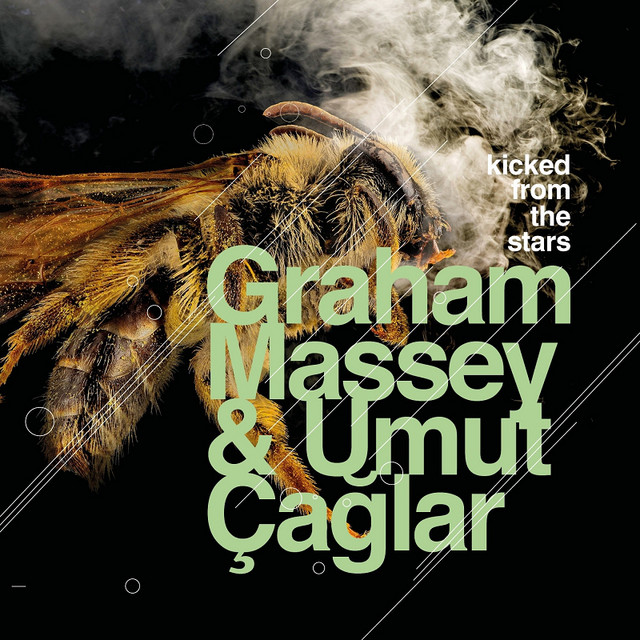
Album Credits
-
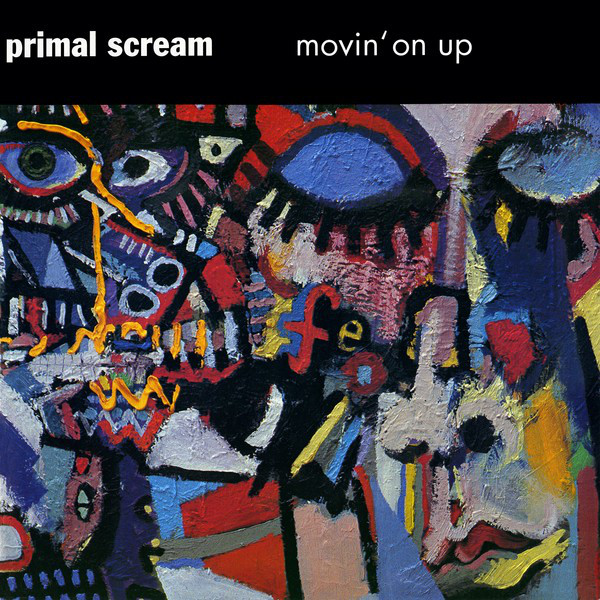
Primal Scream · 2019
Producer Programmer -
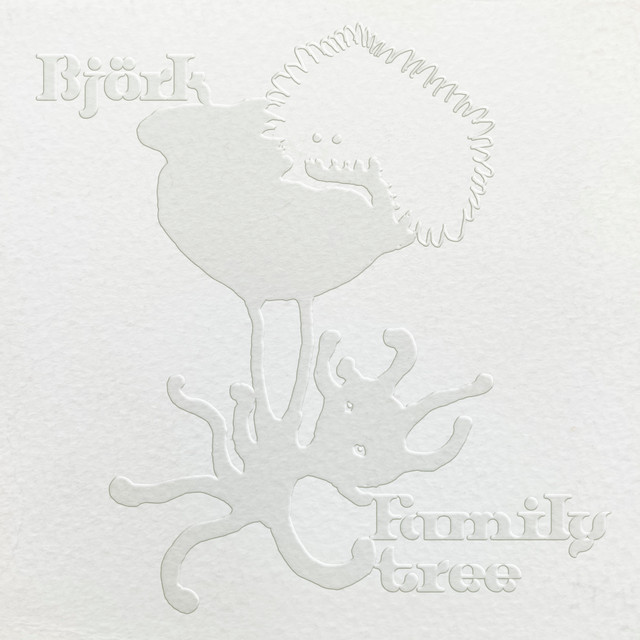
Björk · 2002
Mixing Engineer Producer -
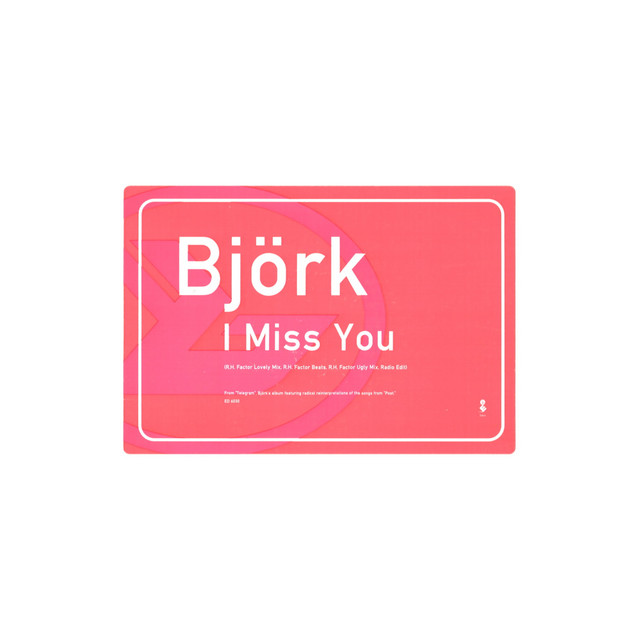
Björk · 1997
Mixing Engineer Producer -
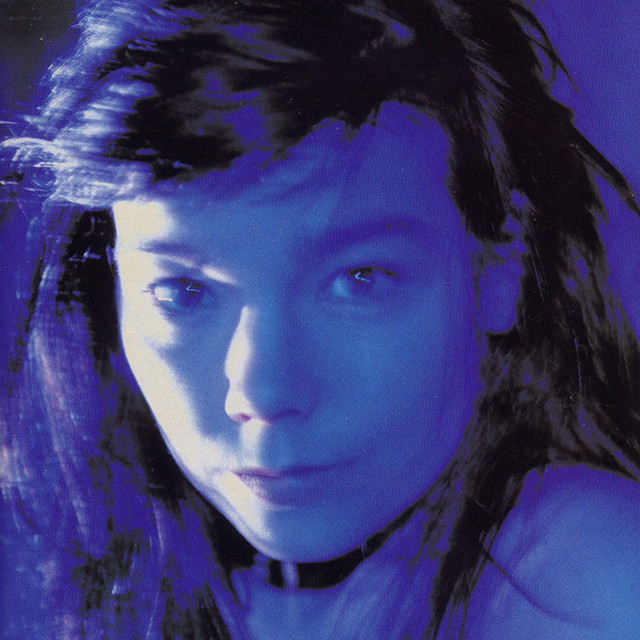
Björk · 1996
Producer -

Björk · 1995
Producer Programmer -
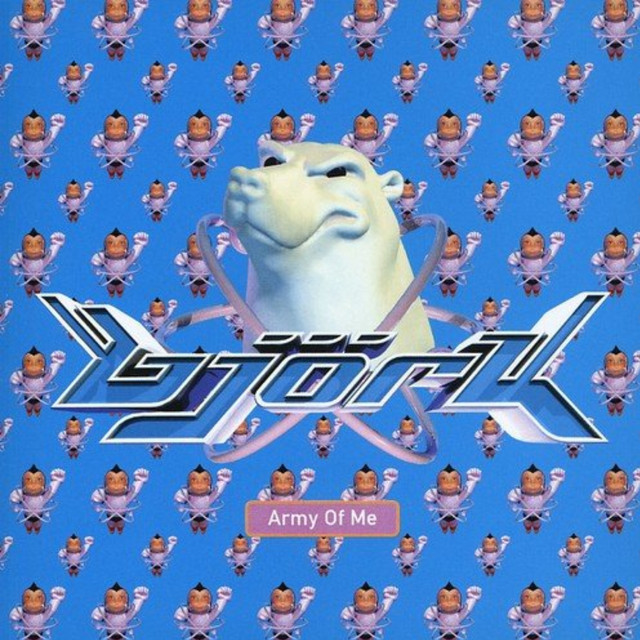
Björk · 1995
Producer Programmer -
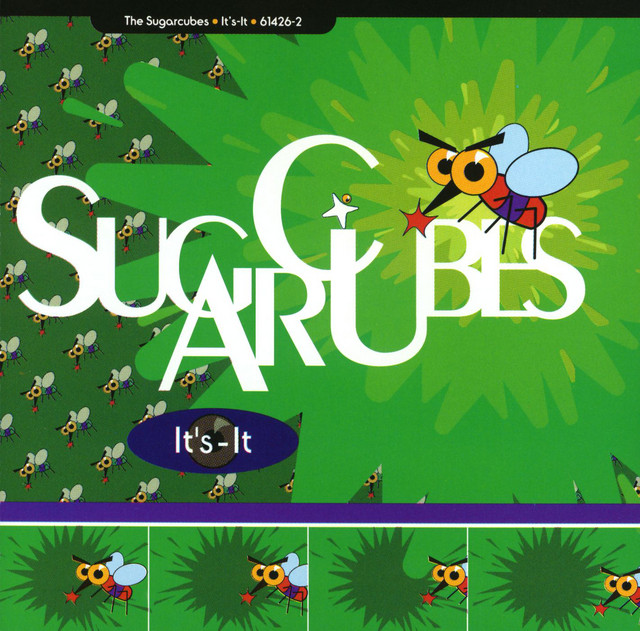
The Sugarcubes · 1992
Producer





