

Pricing and availability
We compare 600+ stores and found this item at 7 stores. Prices updated .
Store
Reviews
Price







Average Price: $4,717
High-end/Boutique
$500
$1501+
Price Tier
Budget
Standard
High-end
Price History
Based on price data from 5 merchants for "Moog Minimoog Model D". Prices shown reflect NEW condition. Tracking began Apr 2, 2026.
* Product prices and availability are updated by Equipboard every 24hrs and are subject to change. Equipboard may receive compensation for purchases made at participating retailers linked on this site. This compensation does not affect what products or prices are displayed, or the order of prices listed. For more information, please refer to our affiliate disclosure.
Description
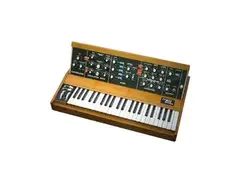
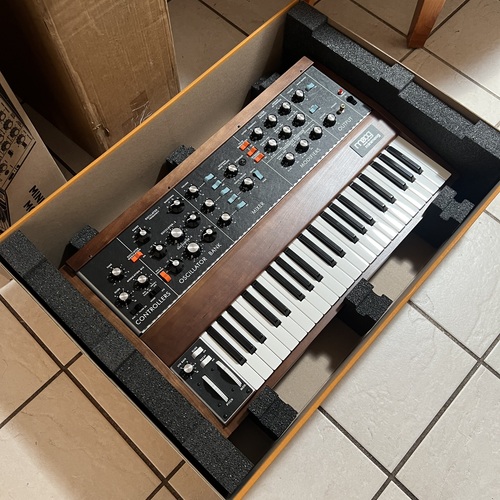
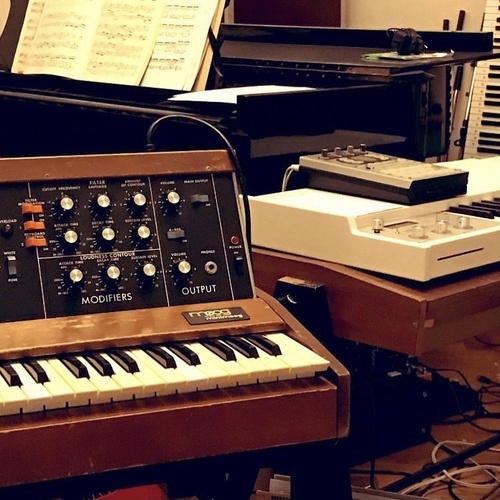
The Moog Minimoog Model D is more than a synthesizer; it's a legend reborn. Widely celebrated as the world's first portable synthesizer since its debut in 1970, the Model D effortlessly blends the colossal presence of Moog's modular systems into a user-friendly package. Carefully crafted in Asheville, North Carolina, this reissue stays true to its roots with its three powerful oscillators and the iconic Moog Ladder Filter, delivering that unmistakable analog warmth and punch.
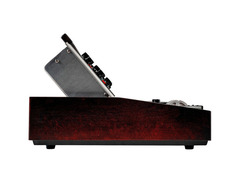
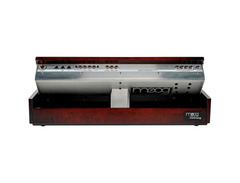
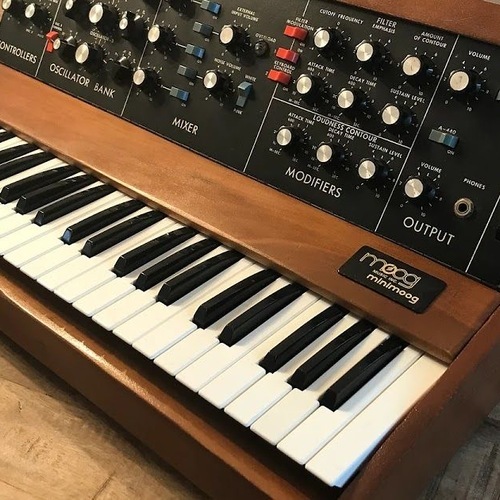
Housed in a stunning Appalachian cherry wood cabinet with a hand-finished aluminum chassis, the Model D is as much a work of art as it is an instrument. While the core sound engine remains untouched, modern enhancements elevate its playability and versatility. A dedicated analog LFO with selectable waveforms, premium Fatar keybed with velocity and aftertouch, and comprehensive MIDI integration are just a few of the contemporary touches. The spring-loaded pitch wheel adds a new dimension, perfect for expressive performances.
Whether you're crafting soaring leads, gut-punching bass lines, or ethereal soundscapes, the Minimoog Model D offers an expansive sonic palette. Its intuitive interface invites both seasoned synth enthusiasts and newcomers to explore its depths, ensuring it remains a cornerstone of modern music production.
Key Features:
- Three voltage-controlled oscillators
- Iconic Moog Ladder Filter
- Handcrafted Appalachian cherry wood cabinet
- Premium Fatar keybed with velocity and aftertouch
- Dedicated analog LFO with triangle and square wave shapes
- MIDI in, out, and thru with 5-pin DIN jacks
- Mixer feedback modification for overdrive effects
- Spring-loaded pitch wheel with center deadband
- Locally sourced materials and built in Asheville, NC, USA
Product specs
| Type | Keyboard Synthesizer |
| Analog/Digital | Analog |
| Number of Keys | 44 |
| Type of Keys | Synth (Spring) |
| Aftertouch | Yes |
| Velocity Sensitive | Yes |
| Other Controllers | Pitchbend, Mod Wheel, MIDI Note |
| Polyphony | Monophonic |
| Oscillators | 3 x VCO |
| Waveforms | Triangle, Sawtooth, Rectangle, Wide Pulse, Narrow Pulse |
| LFO | 2 x LFO (triangle/square) |
| Filter | Voltage Controlled Lowpass (ladder) |
| Audio Inputs | 1 x 1/4" (ext. signal) |
| Audio Outputs | 2 x 1/4" (low/high) |
| Headphones | 1 x 1/4" |
| MIDI I/O | In/Out/Thru |
| Other I/O | Loudness, Filter, Oscillator, Mod, Trigger, After Pressure, Pitch, V-trig, Velocity |
| Power Source | External Power Supply (included) |
| Height | 5.75" |
| Width | 28.62" |
| Depth | 17.12" |
| Weight | 32 lbs. |
FAQs
-
Is the Moog Minimoog Model D suitable for live performances?
-
Yes, the Moog Minimoog Model D is highly regarded for live performances due to its robust build, intuitive interface, and rich analog sound, making it a favorite among musicians for stage use.
-
What kind of sound can I expect from the Moog Minimoog Model D?
-
The Moog Minimoog Model D is known for its warm, rich analog sound with powerful basses, creamy leads, and sweeping filter effects, thanks to its three VCOs and iconic ladder filter.
-
Does the Minimoog Model D have MIDI capabilities?
-
Yes, the Minimoog Model D includes MIDI In, Out, and Thru, allowing it to integrate seamlessly with modern setups and control other MIDI-compatible devices.
-
How many oscillators does the Moog Minimoog Model D have?
-
The Moog Minimoog Model D features three voltage-controlled oscillators (VCOs) that provide a wide range of waveforms, including triangle, sawtooth, rectangle, and pulse waves.
-
Is the Minimoog Model D monophonic or polyphonic?
-
The Minimoog Model D is a monophonic synthesizer, meaning it can play only one note at a time, which is ideal for bass lines, leads, and solos.
-
Does the Minimoog Model D have aftertouch and velocity sensitivity?
-
Yes, the Minimoog Model D features both aftertouch and velocity sensitivity, allowing for expressive playing and dynamic control over the sound.
Videos

Doctor Mix
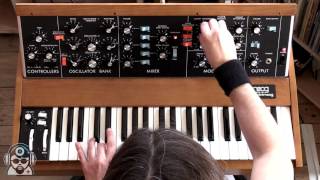
The New Minimoog Model D In Action
The New Minimoog Model D In Action
Doctor Mix
Moog Minimoog Model D Synthesizer Demo — Daniel Fisher

Sweetwater
Hear The Gear: Moog Minimoog Model D Analog Synthesizer (2022 Reissue)

Vintage King
Moog Minimoog Model D: Artist Impressions

zZounds
Moog Minimoog Model D // Just Sounds

Chicago Synth Exchange
Reviews
PROS
-
Iconic sound featured on many classic recordings
-
Sturdy build quality with large, satisfying knobs and excellent keybed
-
Versatile across many music styles due to its distinct sound
-
Features 3 VCOs with selectable waveforms, offering extensive sound shaping
-
The low-pass resonant filter is described as the most characterful ever
-
Stable oscillator board in later versions enhances performance
-
External input processing through the filter expands its utility
-
Maintains value over time, considered a good investment
-
Overdriven circuitry by Bob Moog adds to its unique tone
-
Forms a special relationship with users, more than just electronics
CONS
-
Less powerful than some competitors, e.g., Mono/Poly
-
Some may find alternatives like Behringer D close in sound at a lower cost
-
Resonance breaks down below about 100 Hz, affecting some bass sounds
-
Limited by being a mono synth, despite its rich sound capabilities
Owner Insights
We analyzed real musician discussions from forums and Reddit to find what players love, question, and tweak about Moog Minimoog Model D.
User experience
-
Owners highlight the hands-on feel and smooth resistance of the Model D's large knobs, emphasizing the tactile experience as superior to MIDI controllers.
Source -
Some users find the Boog's oscillator drift problematic, requiring frequent retuning, which isn't an issue with the Model D.
Source -
Many enthusiasts find the physical layout of the Model D's larger knobs and spacious design more intuitive and inspiring compared to smaller, more compact synths.
Source
Value and pricing
-
The Model D's price is compared unfavorably to other premium synths like the Prophet 10, which offers multiple voices at a lower cost.
Source -
The Appalachian Cherry version is reportedly a limited run, adding to its exclusivity and potential value among collectors.
Source -
While expensive, some believe the Model D's longevity and unmatched sound quality justify the price, especially compared to Behringer's more affordable but less durable alternatives.
Source
Use cases and applications
-
The Model D is considered a "heritage piece" for studio use, appealing to those familiar with its historical significance rather than bedroom producers.
Source -
The Model D's sound is described as uniquely rich, with even a single oscillator providing a full, flanging effect, making it ideal for nuanced performances.
Source -
The Minimoog is praised for its ability to produce basslines that seamlessly integrate into tracks, offering a warm, fat sound ideal for both studio and live settings.
Source
Comparisons
-
The Matriarch is noted for its similar sound capabilities to the Model D, with users mentioning successful replication of classic Minimoog tones on the Matriarch.
Source -
The Behringer Model D is criticized for its smaller knobs, lacking the tactile satisfaction of the Minimoog, which affects the playing experience.
Source -
The Model D is generally preferred over the Voyager for its simpler, more intuitive interface, though the Voyager offers more digital features and preset storage.
Source -
Owners report the Minimoog reissue sounds nearly identical to vintage models but offers improved playability, making it a strong choice for those seeking classic tones with modern reliability.
Source
Build quality
-
Cherry wood used in the reissue has been criticized for its aesthetics, with some noting a "Target furniture" look due to the walnut stain.
Source -
Variations in wood color and quality control are noted, with some units having decaying wood knots or inconsistent coloration, impacting visual appeal.
Source -
The reissue is noted for its robust, hand-wired through-hole electronics, offering a durable construction that some users prefer over surface-mount designs in other models.
Source
Features and functionality
-
The Minimoog Model D reissue includes modern updates like MIDI and an LFO switch on the mod wheel board, enhancing its versatility without compromising the classic sound.
Source
Critic Reviews
5.0 out of 5
Based on 14 Reviews and 68 Ratings


5453
Real talk: Model D vs Behringer D
Update:
The real question-
How does the 300.00 Behringer stack up?
Extremely well. Get the Behringer D and don’t sweat if you’ve got “the real deal”
It sounds fantastic. It’s not the “same” as a player, sure- but to the audience? They’ll never know the difference.
Review:
With the Moog Model D now out of production & the Behringer D available any day @ $300.00 loads of people are weighing in on how well the Behringer will do & weather the Model D can justify the price (and let’s get real, the price tag is REAL)
I bought mine just a month or two before the Behringer Model will hit shelves.
I could have returned it. I could get what at least seems to be damn close to the sound at a fraction of the cost. I decided not to. Why?
I can really put into works what it is to play the Moog. The large sturdy knobs, the satisfying click when you switch waveforms, the excellent keybed, the SOUND. That’s not really enough. The Model D feels, behaves, and is truely a musical instrument. It’s more than the sum of its parts.
That’s not to say I would discourage anyone from getting the Behringer-
I’m 100% thrilled that there’s such an affordable way into the magic that is a 3 oscillator Mono synth with a beautifully overdriven fliter. It’s something everyone who loves music & synths should experience.
But...
For me a relationship was formed the 1st time I played it. It’s something truely special & more than a collection of electronics as some comparisons might suggest...but that’s just me.
Staggeringly beautiful instrument.
85
Pretty limited compared to Mono/Poly, but the Minimoog filter typically sounds a bit better for bass.
Far less power than the Mono/Poly. The Mono/Poly filter also sounds better for glistening-type leads. I typically like the Minimoog a bit more for bass, and the Mono/Poly for everything else.
I play the Minimoog and Mono/Poly via a Kenton Pro4, which I have map velocity to a filter CV, making both synths velocity-sensitive as well.


1255
There are reasons why it's the best known synth, but I can't tell you what they are!
It might be easy to dismiss the countless superlatives that have been written and spoken about the Minimoog, but what cannot be ignored is just how many different players used this synth, and how many different styles into which it found itself comfortably fitting. On paper, it seems far too simple: 3 VCOs each with 6 selectable waveforms, and with the option to use the 3rd VCO as an LFO; White and pink noise; Low-pass resonant filter; 2 ENVs (ADS/R - 1 for filter, 1 for amp); external input can be processed through the filter. But when it was played, both the performers and the listeners paid attention! Some say it's that Moog filter, some say it's the oscillator waveforms, others say it was the way Bob Moog overdrove some of the circuitry. But most just say "It's a Minimoog."


91
Ballsy, heavy and creamy - a pleasure to work with
I own the late version with the stable oscillator board. I wish I had used it as bass machine more often in the past as it has something very pleasant and full in its tone which is hard to get otherwise. It is more flexible than it looks. The filter is the most characterful one ever. One issue though: resonance is breaking down below about 100 Hz which is typical for Moog. If you want bassdrums use layering or take an oscillator controlled by an external envelope. Or just use the feedback trick and get huge bassy persussions. The squarewave of the oscillators sounds better than in the Model15 in my ears although the Model15 actually does it better in almost all other categories.

340
A classic piece of gear!
I am actually caretaker of my brothers Model D... he put me in charge of it when he moved abroad. Turns out he has now bought another one as well as a Moog One, so this one might be mine permanently!

The only synth worth 6 stars
Possibly the best synth ever made. There are others technically better, with more options, better design, sound that rivals it. But there's simply nothing as good as an original Minimoog. It blows the reissues out of the water.


195
monophonic synthesizer
3 oscillators, 24db filter, noise, ext input, v trig, cv, filter, amp imputs
Artist usage
Add artist


.jpg)
In this post Kevin Parker is playing a Moog Model D


In an interview conducted on March 24, 1997, Thomas Bangalter of Daft Punk confirmed that they were using the Moog Minimoog Model D synth at that time. This information is sourced from the Pictures of Lily Podcast (Vintage Edition), Episode 5.81, hosted by Lily Moayeri.

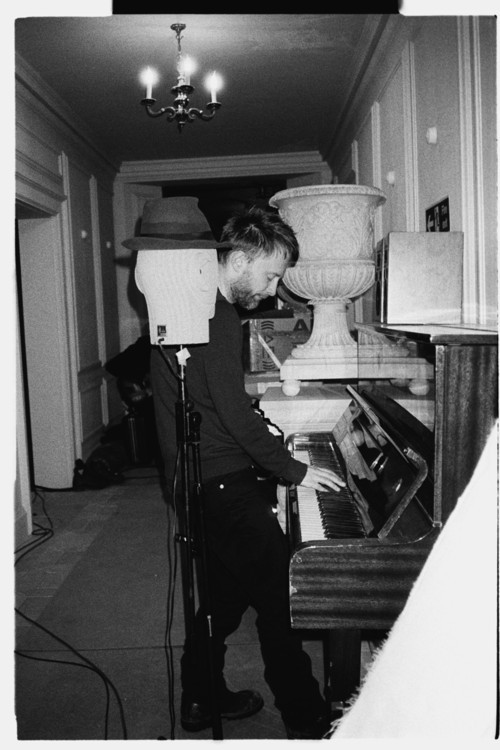
Thom Yorke uses the Moog Minimoog Model D synthesizer, as detailed on the King of Gear Tumblr page.


It can partially be seen in this photo from the 1979 McCartney II recording sessions. You can also see it in this video from 2008, although it's unknown whether this is the same exact keyboard from the 1979 photo or not.


Eddie had come up with a cool new riff on a Minimoog synthesizer and shared it with Templeman and Roth. Soon after, the pair hijacked Eddie’s synth composition for “Dancing in the Streets,” a cover song that Van Halen disliked. In the end, Van Halen told Guitar World, “Ted and Dave were happy -- and I wasn’t.”

You can also see a Moog Model D next his tape machine for the entire interview.


"Over the last 40 years, some of the world’s most influential artists like Trent Reznor, Gary Numan, Dr. Dre, Keith Emerson and Herbie Hancock have shaped their unique sounds and forged new musical genres using the Minimoog Model D."


Despite previously finding hardware synths to not be that useful in production, Porter has installed this classic synth in his home studio, as can be seen in this still from the 2024 Crunchyroll Anime Awards.


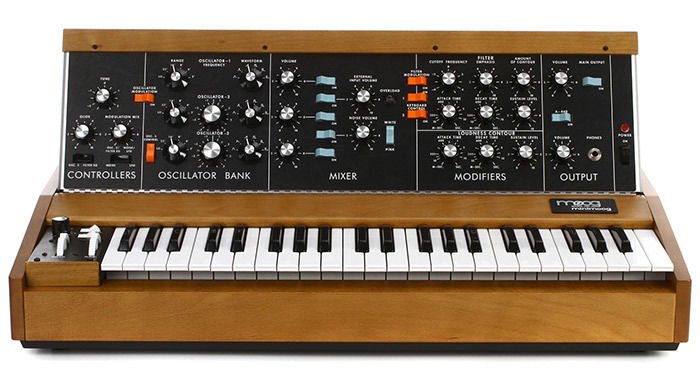
Prince used a Moog Minimoog on For You and Prince. It is mentioned in the credits to For You.


Album Usage
The Moog Minimoog Model D has been featured on the following albums:
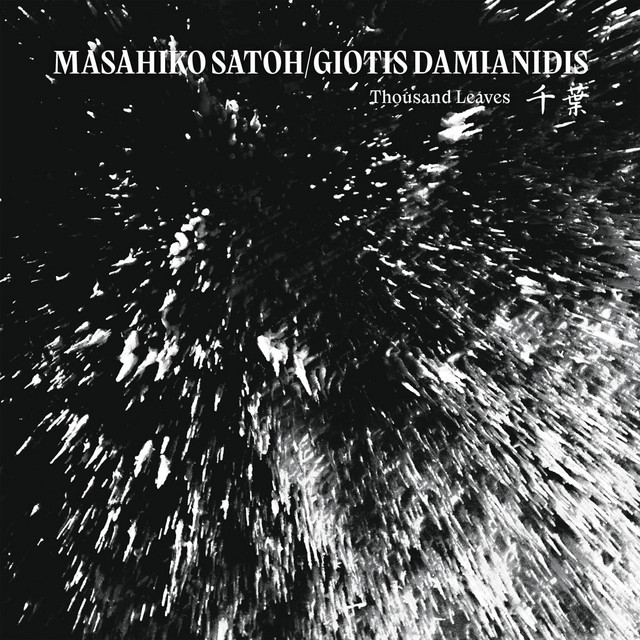
Thousand Leaves (Live)
Masahiko Satoh (2025)

Live At The London Palladium 2023
Rick Wakeman (2024)

Lament (2024 Steven Wilson Mix)
Ultravox & Tigerlily (2024)

Tightrope; Supergroupie (Live)
Junie Morrison (2023)

Battle Cry
Classix Nouveaux (2023)

Stir It Up
Bob Marley & The Wailers & Sarkodie (2023)

There’d Better Be A Mirrorball
Arctic Monkeys (2022)

Autobahn
Kraftwerk & Kraftwerk (2021)
Dön Desem Döner Misin
Barış Manço (2020)
Songs for the General Public
The Lemon Twigs (2020)
Satellite
Sergey Golovin (2019)
Joshua
French 79 (2019)

Sometimes ◐ (Livingston Session)
Honne & Honne (2019)
Frail State Of Mind
The 1975 (2019)
Metamatic
John Foxx (2018)
My Dear Melancholy,
The Weeknd (2018)
Blake's New Jerusalem
Tim Blake (2017)
The End (Live)
Black Sabbath (2017)

Ransom 2
Mike WiLL Made-It (2017)

Don't Take The Money (Organized Noize Remix)
Bleachers (2017)

To The Bone
Steven Wilson (2017)

Starship Trooper
Rick Wakeman (2016)
Parallelism
Chrome Sparks (2015)
Music for Insomniacs Part IV
Matt Berry (2014)

XSCAPE
Michael Jackson (2014)
Sickly Sweet Holidays
Dallon Weekes (2014)
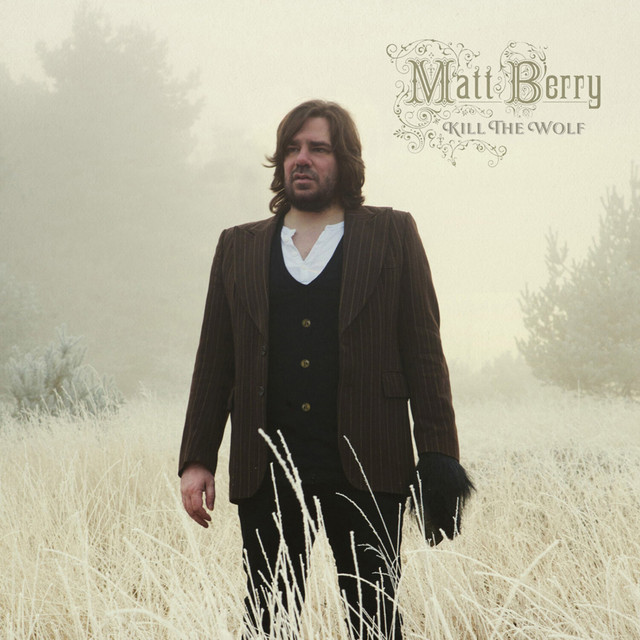
Kill the Wolf
Matt Berry (2013)

Weapon
Skinny Puppy (2013)

Off the Record
Karl Bartos (2013)
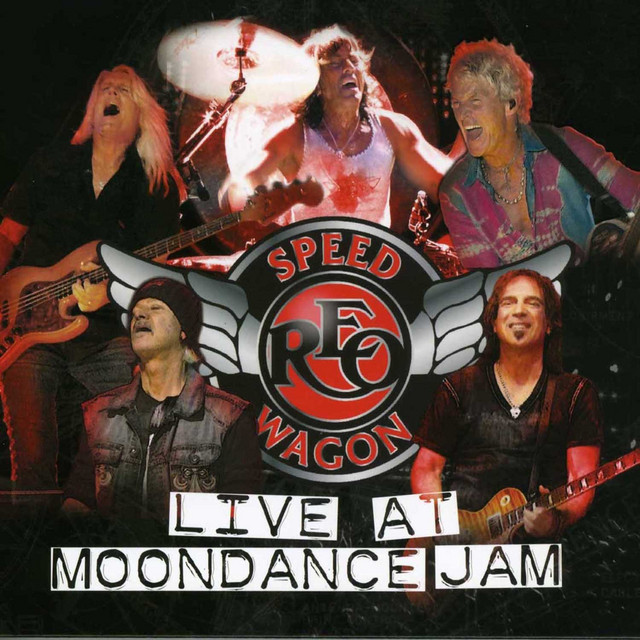
Live at Moondance Jam
REO Speedwagon (2013)

Passion
Para One (2012)
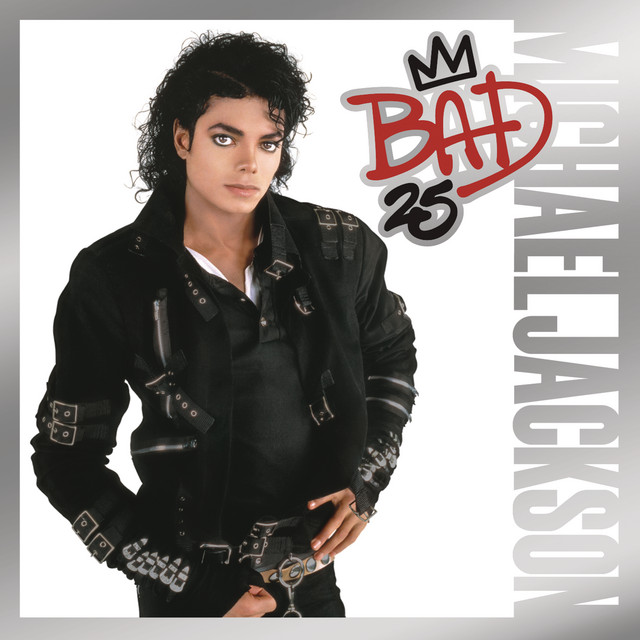
Bad 25th Anniversary
Michael Jackson (2012)
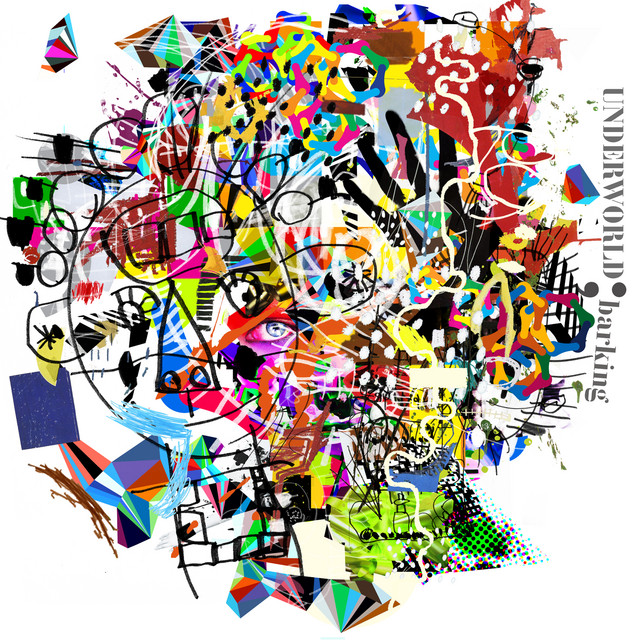
Barking
Underworld (2010)
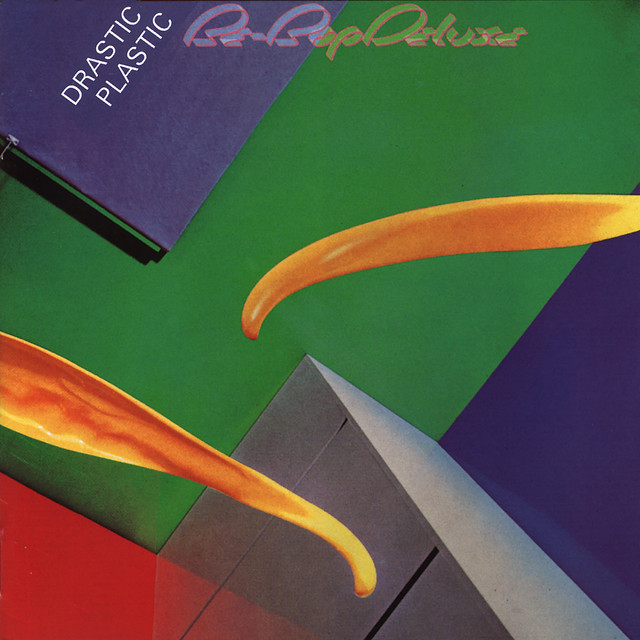
Drastic Plastic
Be Bop Deluxe (2004)

Come Clean
Curve (1998)
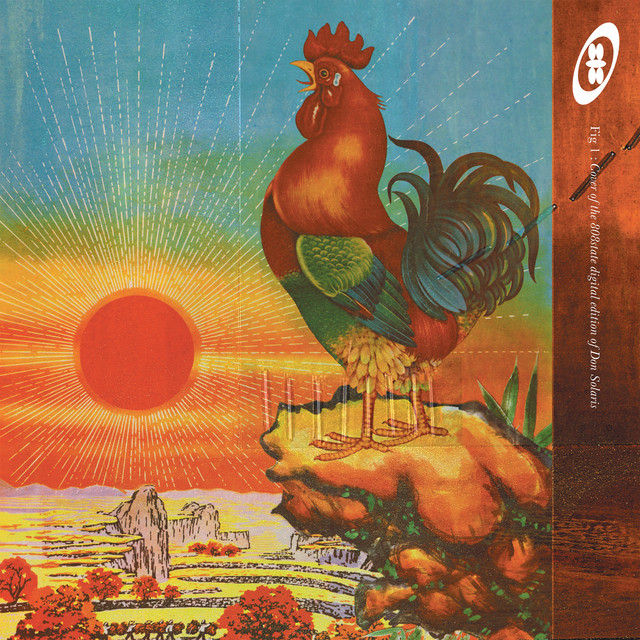
Don Solaris
808 State (1996)
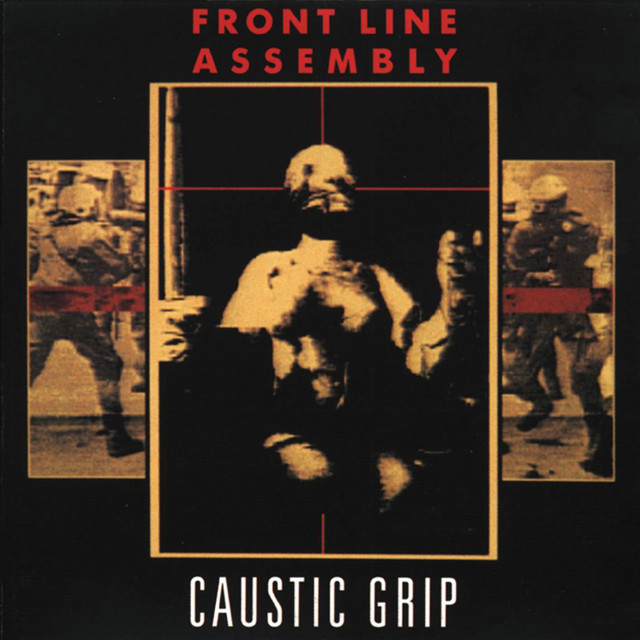
Caustic Grip
Front Line Assembly (1990)
Ninety
808 State (1989)
Vistamix
Bill Nelson (1984)
Thriller
Michael Jackson (1982)
Moving Pictures (2011 Remaster)
Rush (1981)

Quit Dreaming (And Get On The Beam)
Bill Nelson (1981)
Alturas de Macchu Picchu
Los Jaivas (1981)
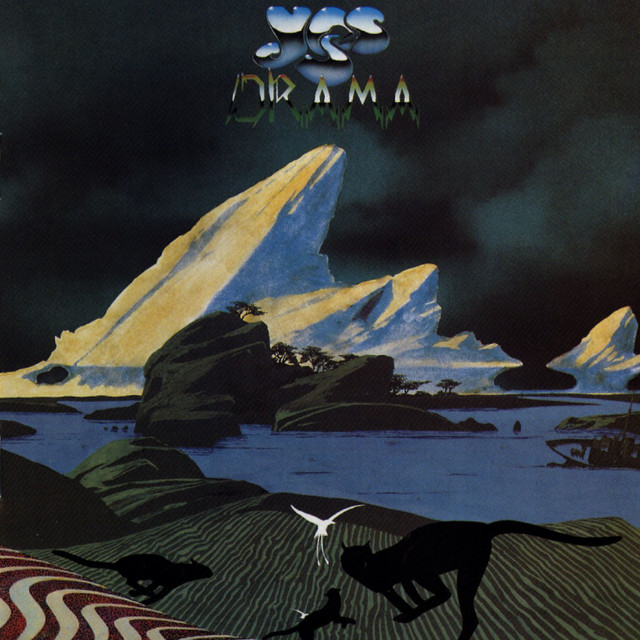
Drama
Yes (1980)
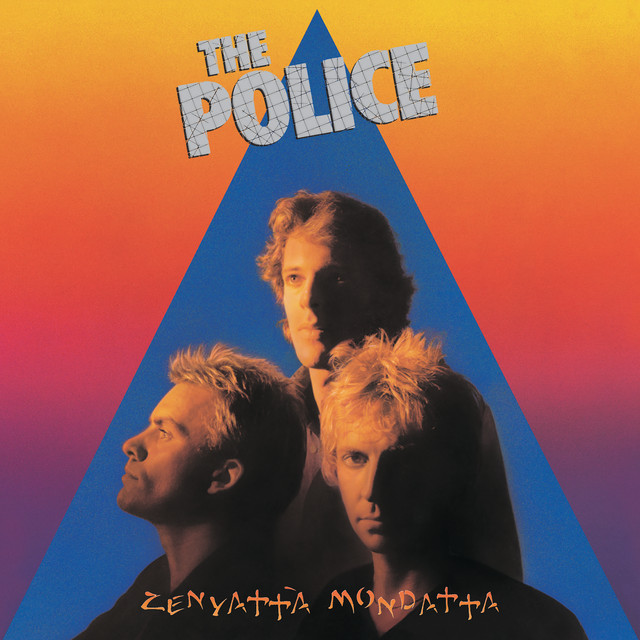
Zenyatta Mondatta (Remastered 2003)
The Police (1980)
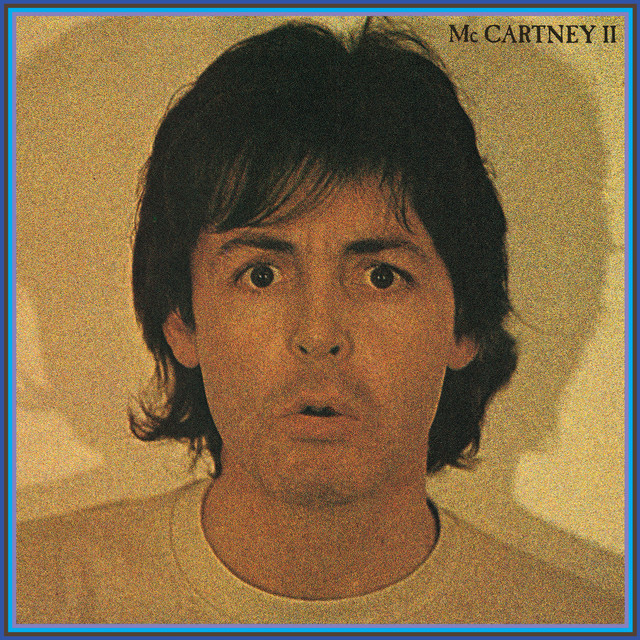
McCartney II
Paul McCartney (1980)
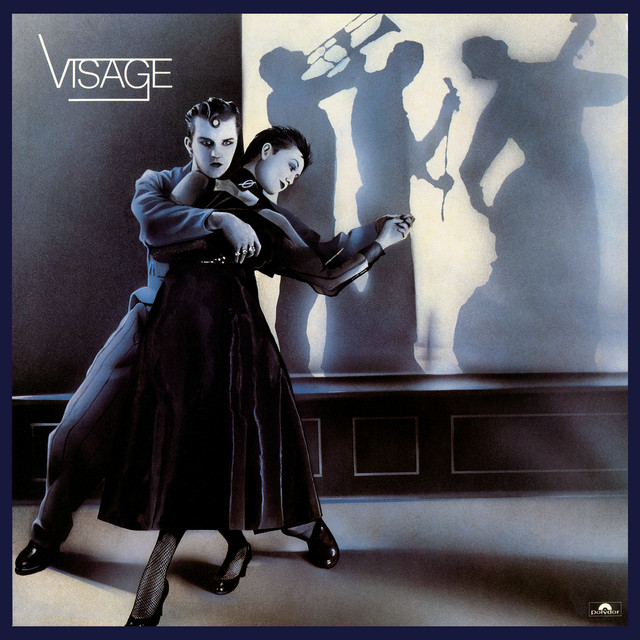
Visage
Visage (1980)
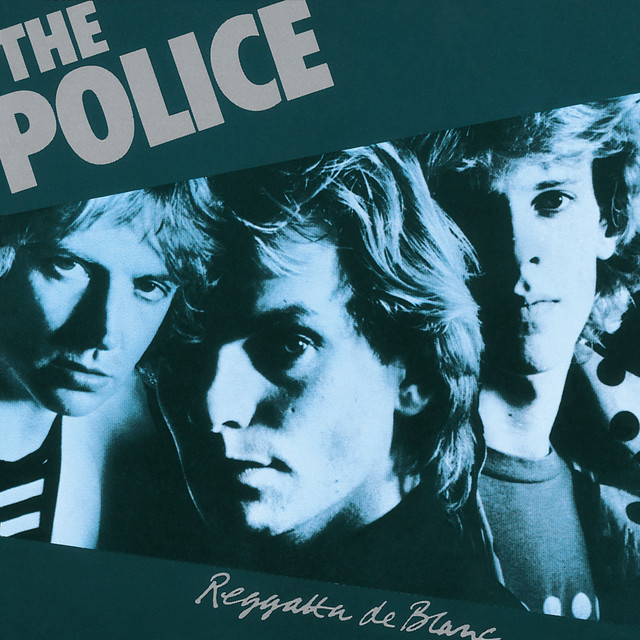
Reggatta De Blanc (Remastered 2003)
The Police (1979)
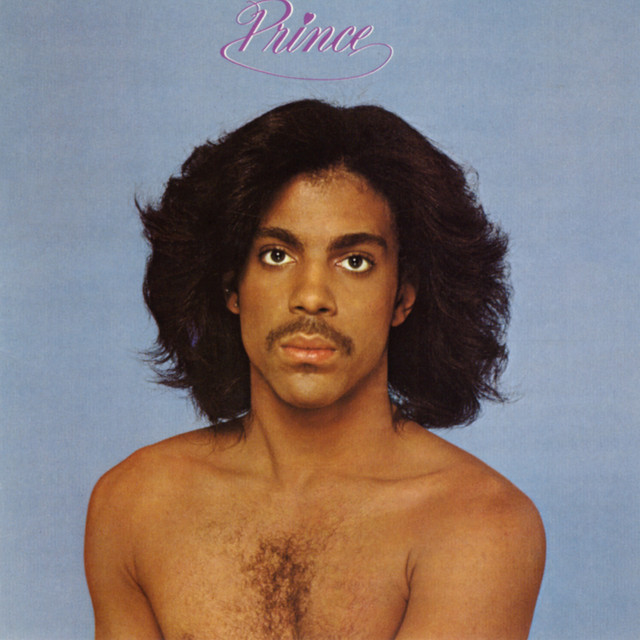
Prince
Prince & Prince (1979)
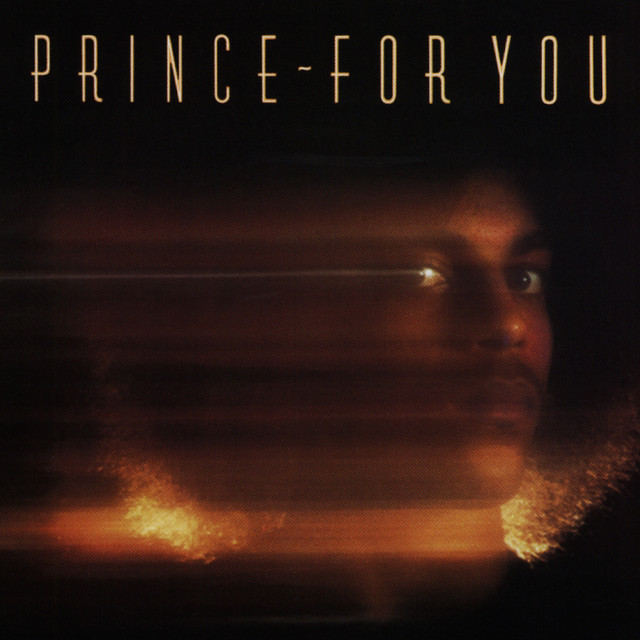
For You
Prince & Prince (1978)
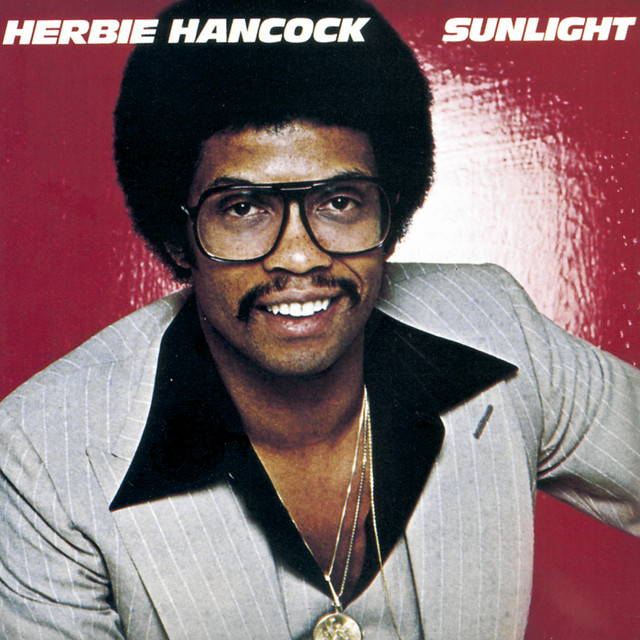
Sunlight
Herbie Hancock (1978)
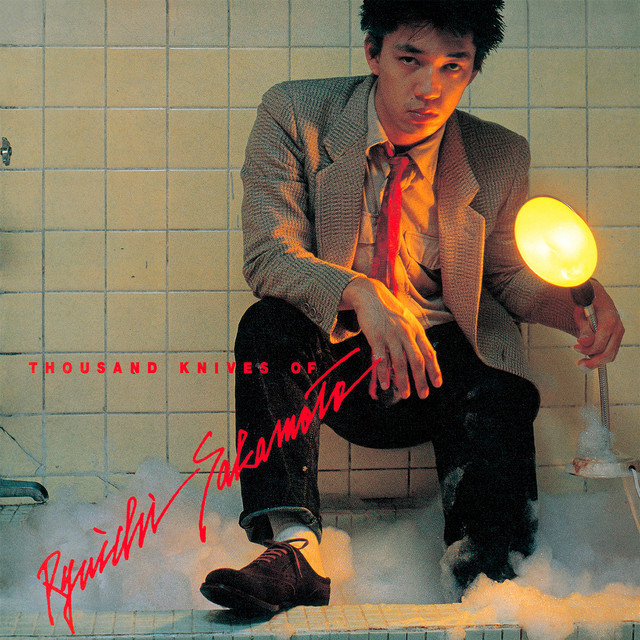
千のナイフ (2016 リマスター)
Ryuichi Sakamoto (1978)
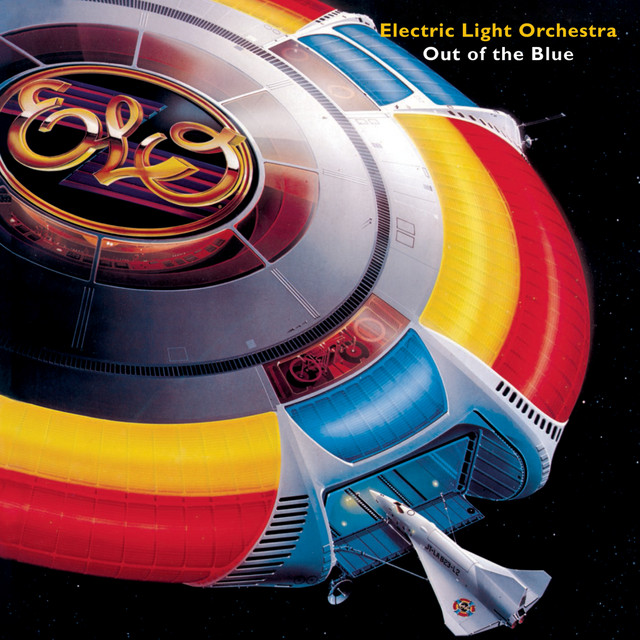
Out of the Blue
Electric Light Orchestra (1977)
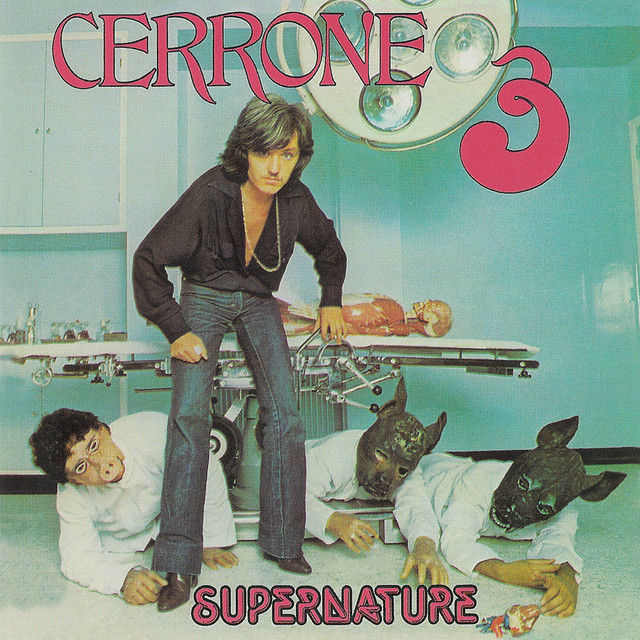
3 - Supernature
Cerrone (1977)
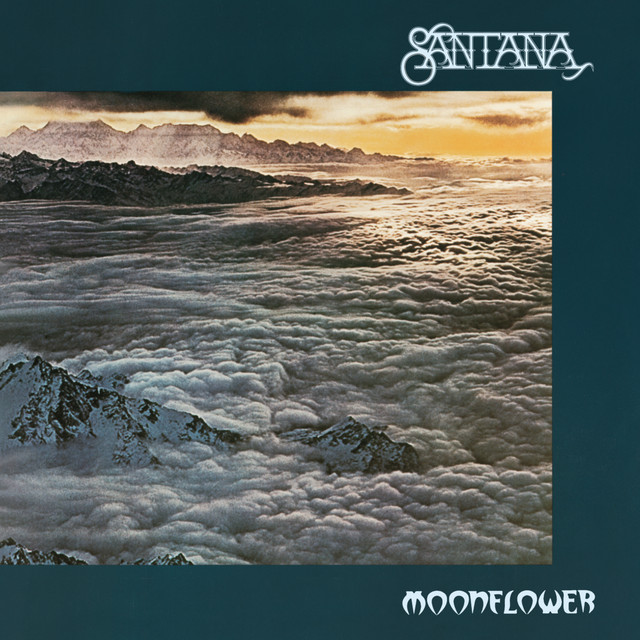
Moonflower
Santana (1977)

Larry Young's Fuel
Larry Young (1975)

Burnin'
Bob Marley & The Wailers (1973)
Ridin' the Storm Out
REO Speedwagon (1973)
Ziggy Stardust and the Spiders from Mars: The Motion Picture Soundtrack (Live, 50th Anniversary Edition, 2023 Remaster)
David Bowie (1973)
The Dark Side of the Moon
Pink Floyd (1973)
Yessongs
Yes (1973)
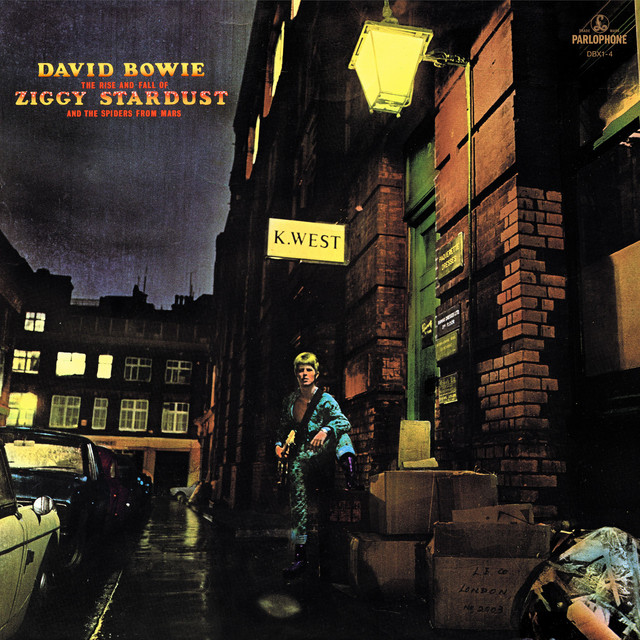
The Rise and Fall of Ziggy Stardust and the Spiders from Mars (2012 Remaster)
David Bowie (1972)
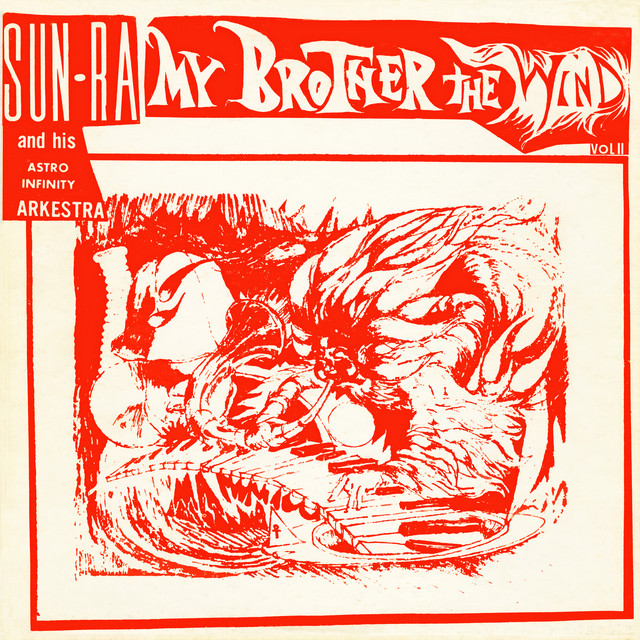
My Brother the Wind, Vol. 2
Sun Ra (1970)
Genre Usage
Based on how artists on Equipboard use this gear, it is most commonly found in the following genres.
Used With
Based on how musicians on Equipboard use Moog Minimoog Model D, it is most commonly used with the following gear.
-s.webp?v=1784041053)


-s.webp?v=1784300212)

-s.webp?v=1784300207)
-s.webp?v=1784300206)

Community setups
Show yours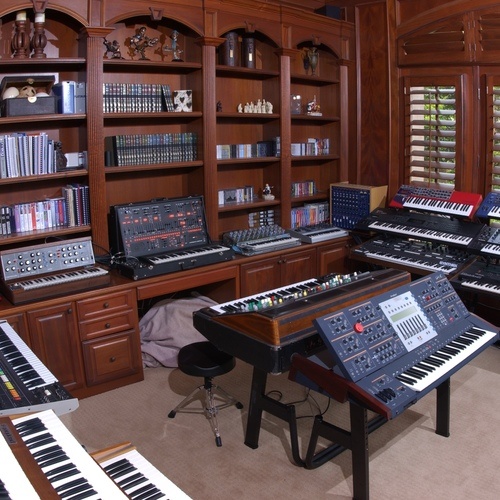









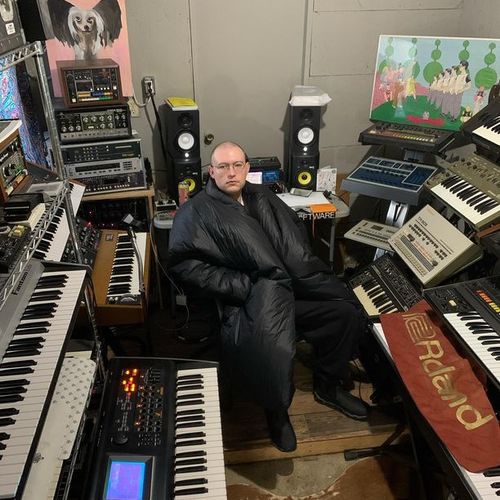

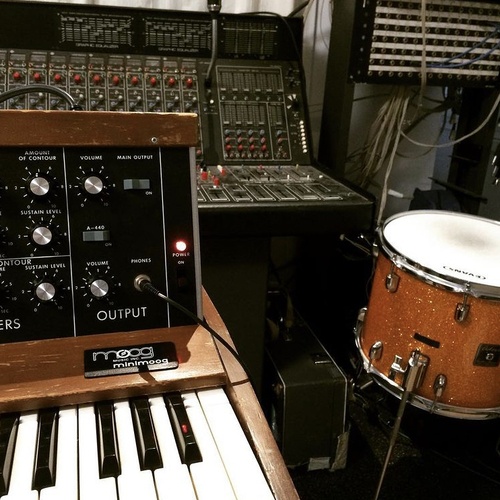
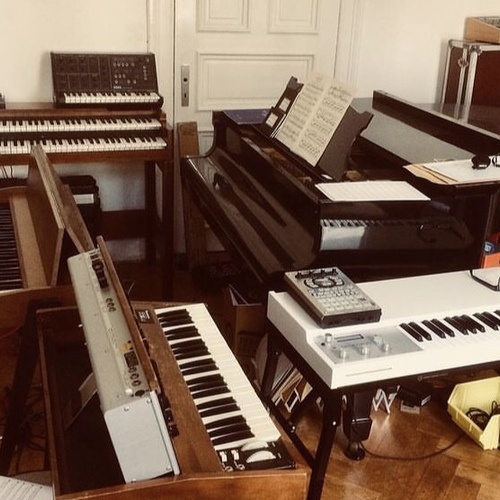


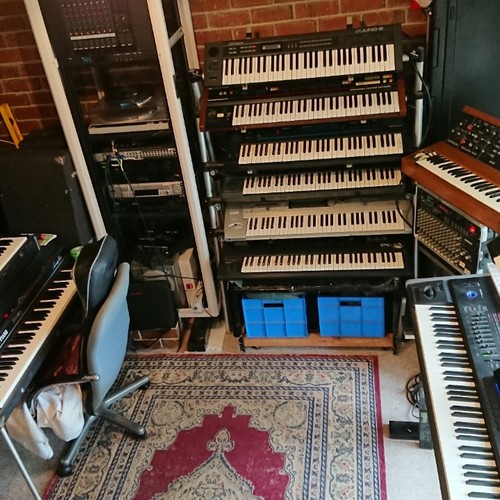



Similar
Add recommendation4 alternative and related items for Moog Minimoog Model D, curated by the Equipboard community.

$166.00 - $274.95
The Behringer Model D is an analog clone of the original Model D in a desktop, eurorack-compatible format. Behringer utilized modern manufacturing techniques to hit a very low price point.

-m.webp?v=1784316466)
$437.00 - $1,830.00

$7.44
A real underdog 70's mono synth! Sounds very simular to the Minimoog, maybe not as warm and buttery, but I have both and love them equally!
More Moog Synthesizers

$999.00 - $1,084.00
in Synthesizers Rank


-m.webp?v=1784300295)
$1,100.00
in Synthesizers Rank


$1,486.49 - $1,899.00
in Synthesizers Rank


-m.webp?v=1784316478)
$1,709.10 - $1,899.00
in Synthesizers Rank


$350.00
in Synthesizers Rank


$6,600.00 - $10,444.00
in Synthesizers Rank


$52.00 - $780.80
in Synthesizers Rank


-m.webp?v=1784300359)
$348.50 - $399.00
in Synthesizers Rank


$800.00
in Synthesizers Rank


$8,900.00
in Synthesizers Rank


$452.90
in Synthesizers Rank


$555.00 - $656.00
in Synthesizers Rank


-m.webp?v=1784315454)


$9,999.00
-m.webp?v=1784315098)


$12,999.00


-m.webp?v=1784271689)


$965.00


.jpeg?v=1784214915)


$9,999.00


$1,650.00


$1,438.99 - $1,899.00


$3,999.00 - $5,199.00


Accessories & Related Items
-s.webp?v=1784287661)


-s.webp?v=1784300323)


Gear Guides









Most Popular Synthesizers
Most Popular Brands
-
Added to Equipboard on by
 odysseyeurobeat
GearIQ 1708
-


