
Pricing and availability




* Product prices and availability are updated by Equipboard every 24hrs and are subject to change. Equipboard may receive compensation for purchases made at participating retailers linked on this site. This compensation does not affect what products or prices are displayed, or the order of prices listed. For more information, please refer to our affiliate disclosure.
Description
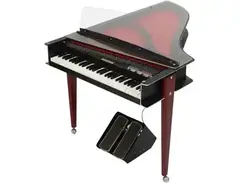
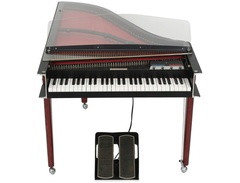
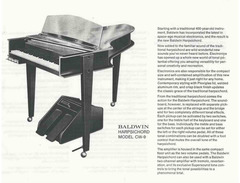
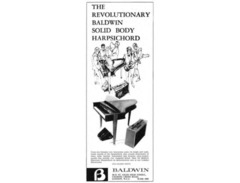
Most famous for the the haunting arpeggio in the Beatles' song, "Because," the Baldwin Electric Harpsichord (also known as the Solid Body Harpsichord or Combo Harpsichord), was developed in the early 1960s by the Cannon Guild and marketed by Baldwin from 1966 into the early 1970s. In addition to its use in many '60s and '70s pop and rock recordings, it made regular television appearances on The Monkees and The Partridge Family. Only around 500 instruments were ultimately produced.
Each key causes a plectrum to pluck one string per note. Its sound is amplified by electric guitar-style pickups – one near the plectra and the other near the strings' halfway-point. The plexiglass cover allows you to see the inner works, showing off the characteristic, bright red Formica "sounddeck" and it was made to be easy to break down and transport.
Videos

AllYouNeedIsLub
Baldwin electric harpsichord
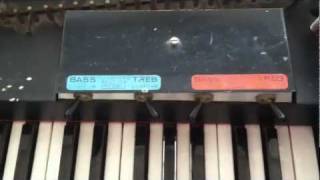
Baldwin electric harpsichord
AllYouNeedIsLub
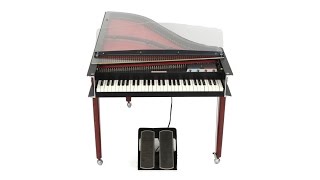
Antiquity Music Sessions - Ep. 1 - The Baldwin Solid Body Harpsichord

AntiquityMusicLLC
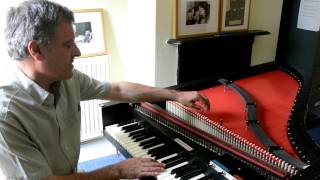
Baldwin Electric Harpsichord

TerryRolison
Reviews
Owner Insights
We analyzed real musician discussions from forums and Reddit to find what players love, question, and tweak about Baldwin Electric Harpsichord.
Features and functionality
Comparisons
-
The Roland C-30 and C-80 are mentioned as high-end digital harpsichords, with the C-80 featuring multiple stops and MIDI capabilities, but both are rare and pricey.
Source -
Like the Yamaha CP-70, which uses piezo pickups for each note, the Baldwin Harpsichord employs a unique pickup system but lacks a traditional soundboard.
Source
Setup and maintenance
-
Real harpsichords require frequent tuning, especially with changes in temperature or humidity, unlike digital models.
Source -
Some owners found low viscosity super glue effective for stabilizing loose tuning pins, offering a solution when new bushings are unavailable.
Source -
In cases where bushings are required, larger tuning pins might be an option for those comfortable with disassembly, offering a more integrated fix.
Source
Use cases and applications
-
The Roland C-30 is seen as suitable for churches or music schools due to its cost, despite being an excellent digital approximation of an acoustic harpsichord.
Source
Value and pricing
-
Roland C-30s, when found second-hand, can range from £2-2.5k, indicating their retained value due to scarcity and quality.
Source
Mods and upgrades
-
Baldwin Harpsichord uses four long coil pickups, two at the nut split at middle C, and two curved pickups at the string midpoint, wired in series for stereo output.
Source -
For DIY electric harpsichords, some owners use bass guitar pickups to create a large pickup array, achieving a unique sound.
Source
User experience
-
Users experimenting with electric harpsichord mods recommend using multiple small diaphragm condenser mics or PZM mics for better sound capture.
Source
5.0 out of 5
Based on 1 Review and 1 Rating

3296
Authentic Harpsichord Feel, One of a Kind Sound
A staple of the ‘60s baroque rock period! This unique electro-mechanical harpsichord marries the modern pop timbre of the electric guitar with that of the classical harpsichord, creating a unique sound entirely its own.
Artist usage
Add artist
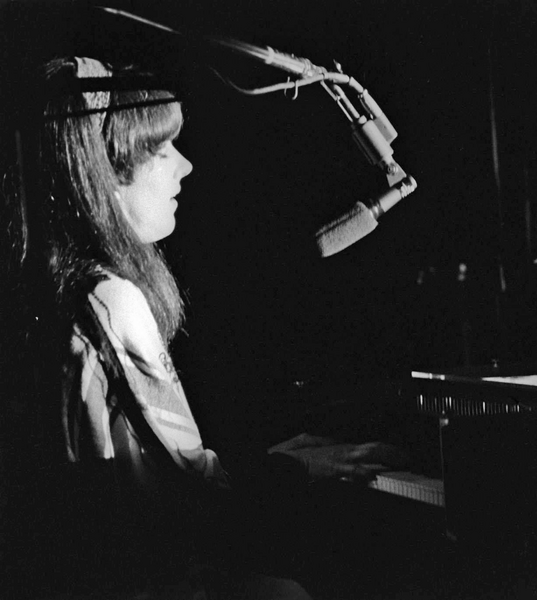
Grace Slick played a Baldwin Electric Harpsichord at the Monterey International Pop Festival in 1967 during Jefferson Airplane's song "Today." The stage was very dark during the song, making the harpsichord is difficult to see; however, its distinct sound can be heard in videos of the performance.
An electric harpsichord sound can also be heard on the Jefferson Airplane song "Two Heads" from the 1967 album After Bathing at Baxter's. This was likely a Baldwin Electric Harpsichord as well.

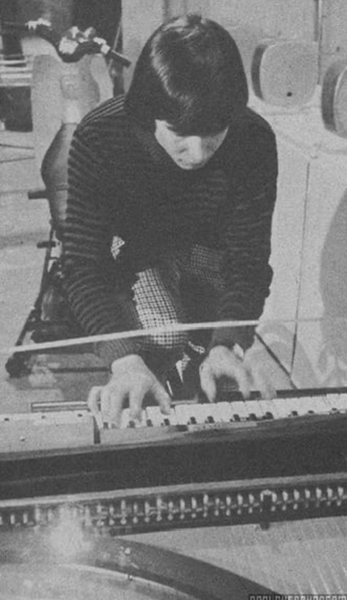
In this photo, Jones can be seen playing a Baldwin Electric Harpsichord on the set of the Monkees television show. The Monkees modified the harpsichord and affixed it to a bicycle (see Peter Tork’s page for more).

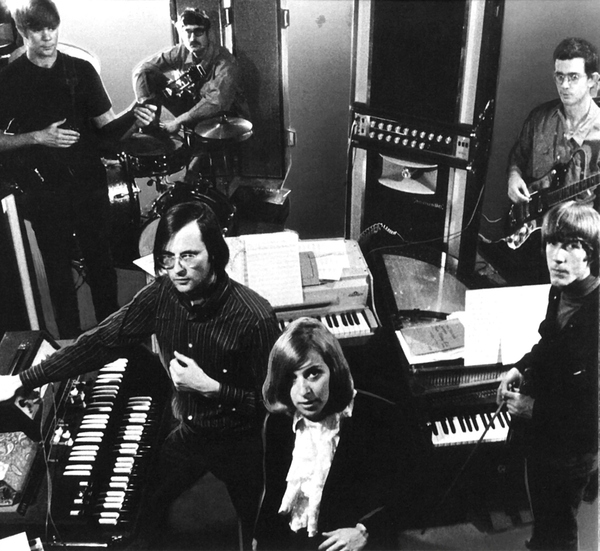
A Baldwin Electric Harpsichord can be seen in this December 1967 photo of The United States of America recording their eponymous album in the Columbia Records studios in New York. The harpsichord is to the right in the picture. Byrd also references the electric harpsichord in this interview.
We ended up with a bank of Acoustic amp/speakers. I had an electric harpsichord (great with fuzz and distortion) and a Farfisa organ (useless except as a pad). We had a synthesizer like the one I’d commissioned from Tom Oberheim (the beginning of his business career), made by Richard Durrette, and similarly pretty random in terms of controls. What made it work was an Echo-Plex, which gave tape delay. We also bought two eight-track decks, on which I recorded the electronics from the recording session. So we were able to replicate everything live. We played with other stuff, contact mics, etc., but the state of technology meant that the more stuff you had, the more opportunities for broken cables and performance disasters.
.jpeg?v=1783017430)
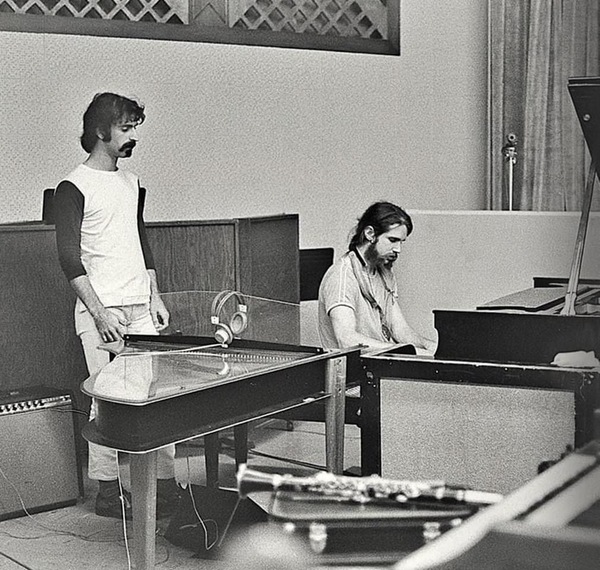
In this photo, a Baldwin Electric Harpsichord can be seen in the studio to Underwood’s right.
.jpg?v=1783017430)
.jpg?v=1783017430)
According to the Wikipedia article on Vince Guaraldi's "Oh Good Grief!" album, the Baldwin Electric Harpsichord is credited with providing the defining sound of the album, contributing to its distinctive modern texture.

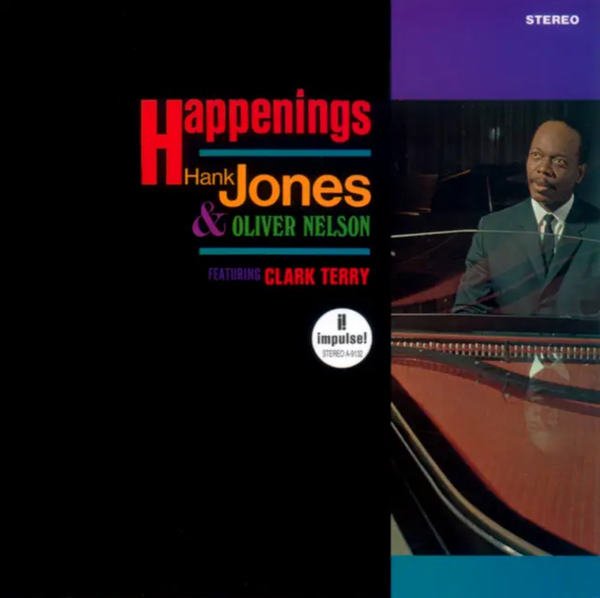
Hank Jones played a Baldwin Harpsichord throughout his 1967 album Happenings. He can also be seen playing it on the album cover.

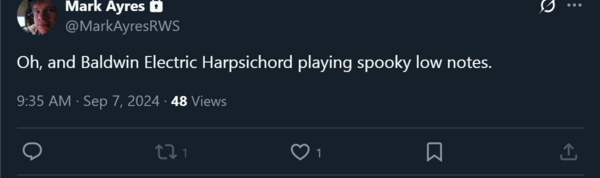
"Oh, and Baldwin Electric Harpsichord playing spooky low notes."
Mark Ayres confirmed Dudley Synths he used in Dr Who, since he knew him and talk to him personally in the past.

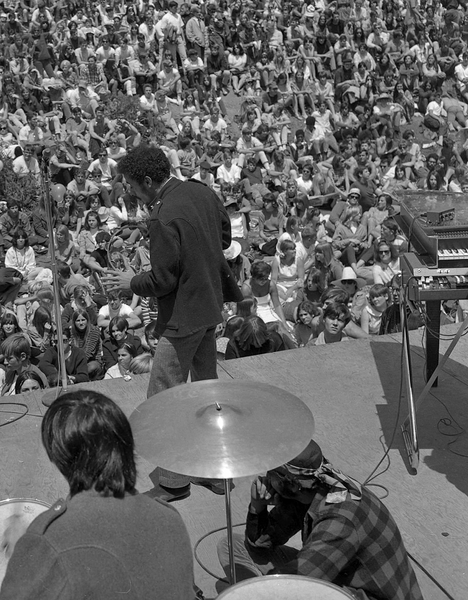
Art Resnick played a Baldwin Electric Harpsichord with The New Salvation Army Banned (soon shortened to “Salvation”) at the KFRC Fantasy Fair & Magic Mountain Music Festival on Mt. Tamalpais in June 1967. The harpsichord’s front two legs were removed so it could be placed on top of a Vox Continental organ, while the lone back leg remained.
This unique set up can be partially seen in the photo above. Resnick is out of view to the right. A home movie clip filmed at the event (in color, without sound) can also be viewed here.
This is one of only a handful of known instances where a Baldwin Electric Harpsichord was played live in concert, as the instrument was much more commonly used by bands in the studio.


According to this Beach Boys recording archive, De Lory played a Baldwin Electric Harpsichord on the Beach Boys’ song “Sherry She Needs Me.”


Don Randi mentions the Baldwin Electric Harpsichord in this 2013 WSJ article about the harpsichord revival of the 1960s.
"On many pop recordings in the '60s we used a Baldwin electric harpsichord," said pianist Don Randi, who played a two-keyboard harpsichord on "Different Drum." "The ear couldn't tell, especially when it was added to a larger arrangement."

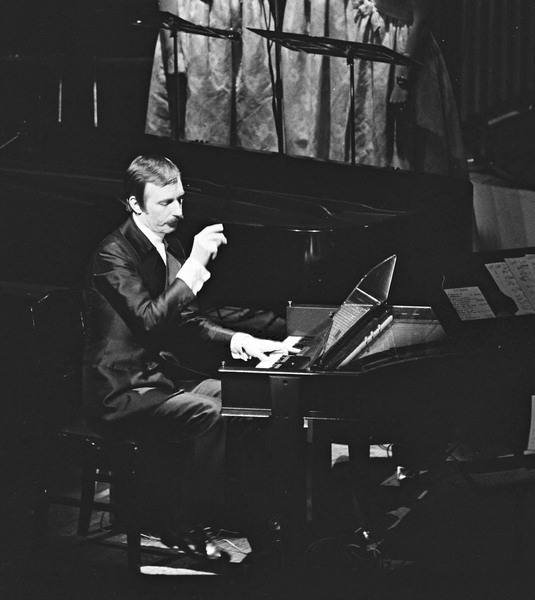
Paul Mauriat playing a Baldwin Electric Harpsichord during the Paul Mauriat Orchestra concert at Shibuya Kokaido on November 11, 1969 in Tokyo, Japan.


Sound on Sound mentions Dhomnail's use of the Baldwin Electric Harpsichord.
The jazz, funk and disco pedigree of the Clavinet is very well documented elsewhere; the earliest Stevie Wonder recordings are from 1968, notably ‘Shoo Be Doo Be Doo Da Day’, preceding the classic multitracked Clavinet milestone ‘Superstition’ by four years. The Clavinet was also used in folk music to good effect by Triona Ni Dhomnail, keyboard player of Irish group the Bothy Band, who used a Clavinet L extensively in the 1970s, as well as a Baldwin Electric Harpsichord.
Album Usage
The Baldwin Electric Harpsichord has been featured on the following albums:
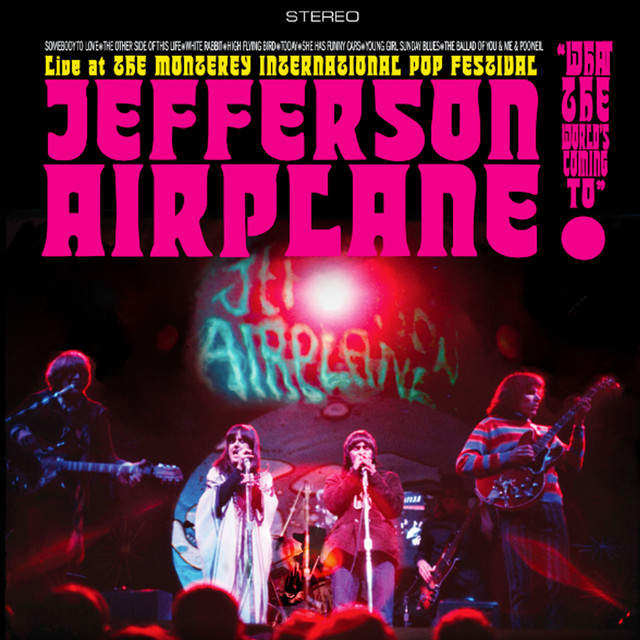
Live at the Monterey International Pop Festival
Jefferson Airplane (2023)

Crack-Up
Fleet Foxes (2017)
Spilt Milk (Remastered)
Jellyfish (1993)
Criminal Record
Rick Wakeman (1977)
Izitso
Cat Stevens & Yusuf Islam (1977)
No Earthly Connection
Rick Wakeman (1976)
Baron von Tollbooth & The Chrome Nun
Paul Kantner & Grace Slick & David Freiberg (1973)
A Rainbow In Curved Air
Terry Riley (1971)
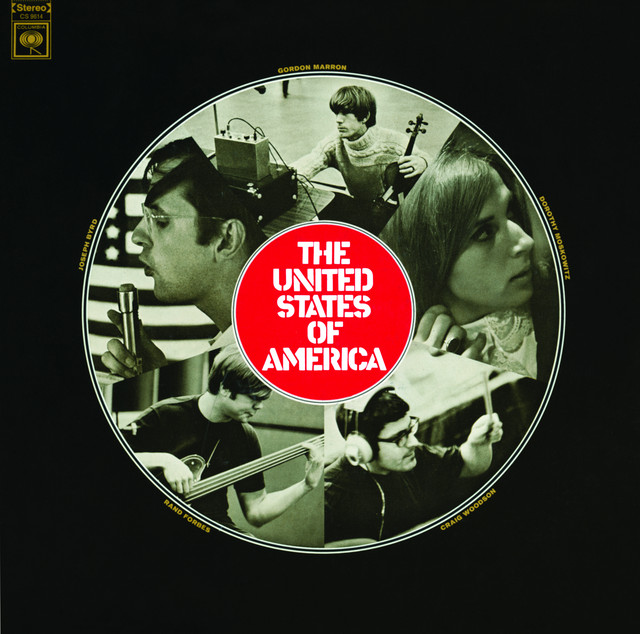
The United States Of America
The United States Of America (1968)
Oh Good Grief
Vince Guaraldi (1968)
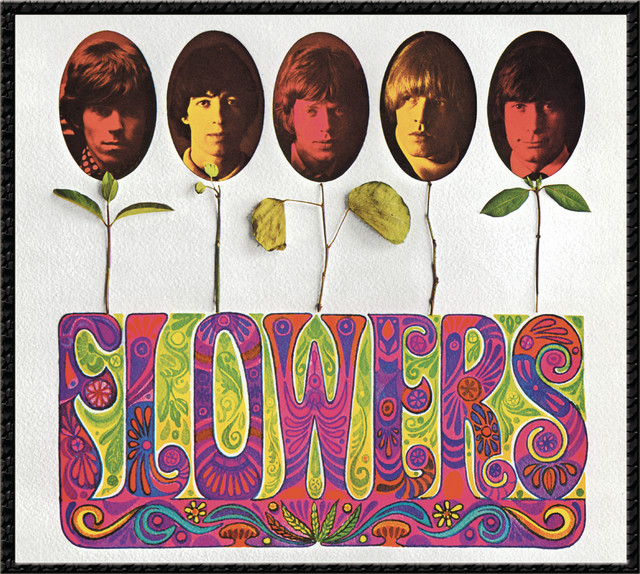
Flowers
The Rolling Stones (1967)
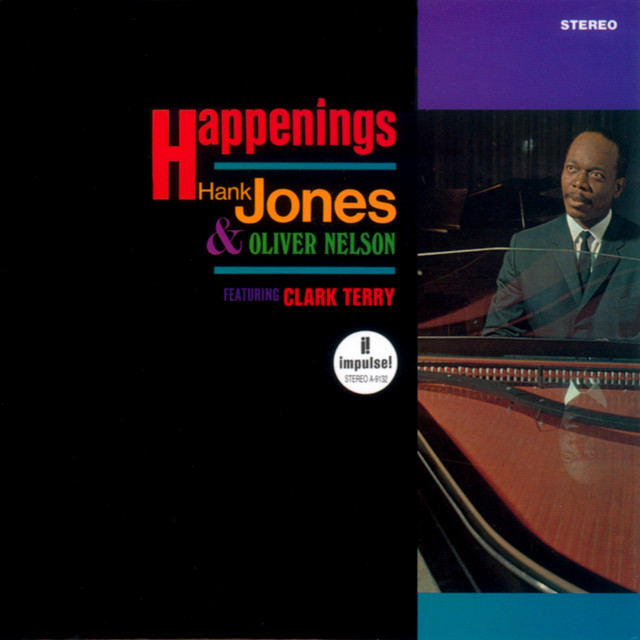
Happenings
Hank Jones (1966)
Music of Hawaii
Henry Mancini (1966)
Genre Usage
Based on how artists on Equipboard use this gear, it is most commonly found in the following genres.
More Baldwin Harpsichords


-m.webp?v=1768591988)

-m.webp?v=1768591996)


.png?v=1770759918)
Community setups


Similar


Most Popular Harpsichords
Most Popular Brands
-
Added to Equipboard on by
bmw100997Gear IQ 3296
-


