Table of Contents

Equipboard
Equipboard is the world's largest community of artists and their gear. Read our review process.
We are reader-supported. When you buy through links on our site, we may earn an affiliate commission. Learn more.
Are you ready to take your drumming skills to the next level? Discover how the right drum lessons can catapult your playing from mere timekeeping to a dazzling display of expressive musicianship!
In this guide, we’ll discuss evidence-based approaches that will revolutionize your learning experience. Uncover powerful practice techniques rooted in cognitive science that will supercharge your progress. Plus, get the inside scoop on the most exceptional learning resources available, meticulously reviewed just for you!
Let's Get Started
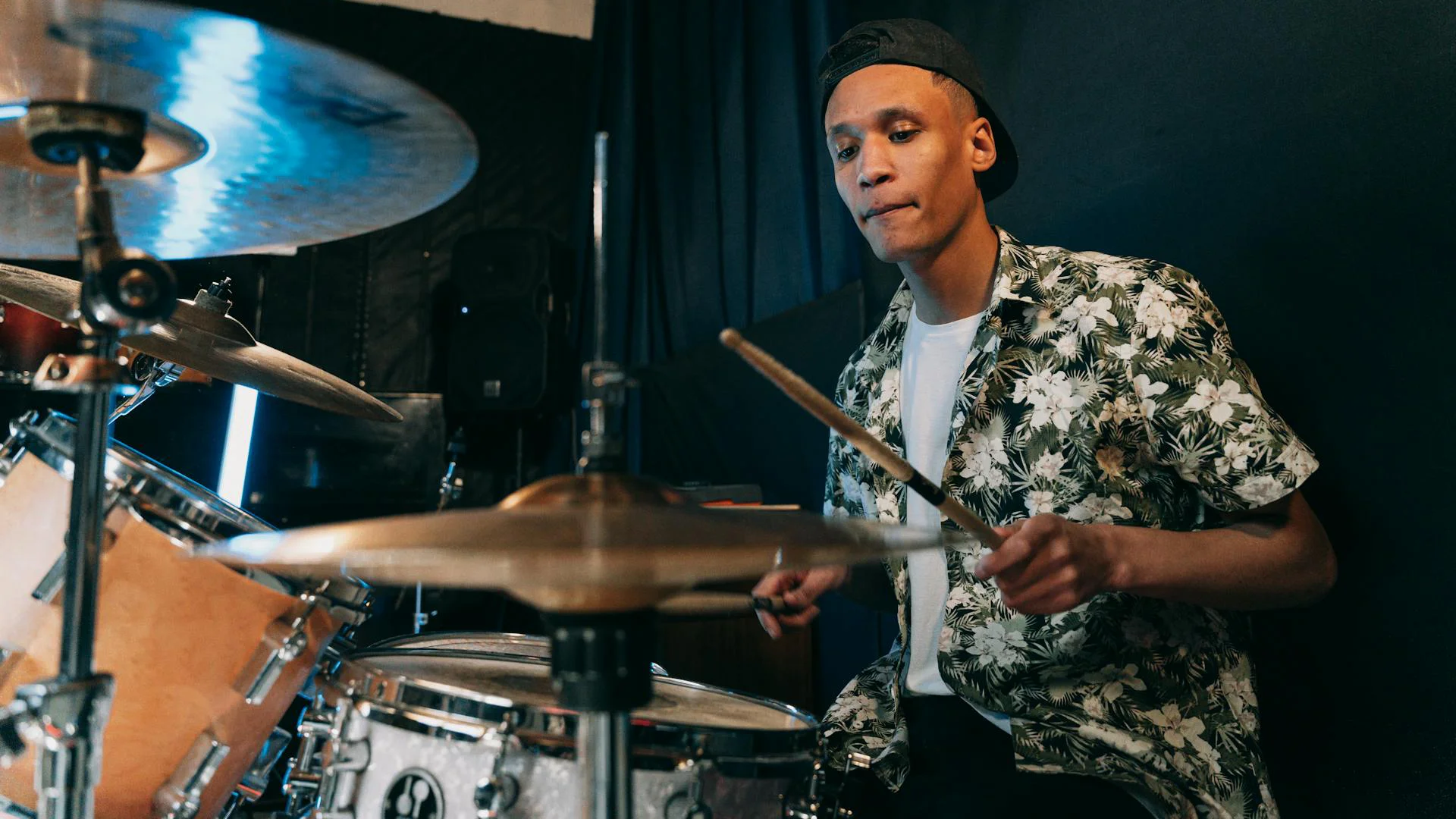
Learning to play the drums combines physical coordination, rhythmic precision, and musical creativity. Today's aspiring drummers have access to a wide variety of options from traditional in-person instruction to online platforms and interactive apps. Each approach offers distinct advantages depending on your goals, schedule, and learning style.
Finding the right learning method can dramatically accelerate your progress and help avoid common frustrations. This guide provides an honest assessment of various drum lesson formats, along with practical advice for maximizing your learning regardless of which path you choose.
Evidence-Based Techniques for Effective Drum Practice
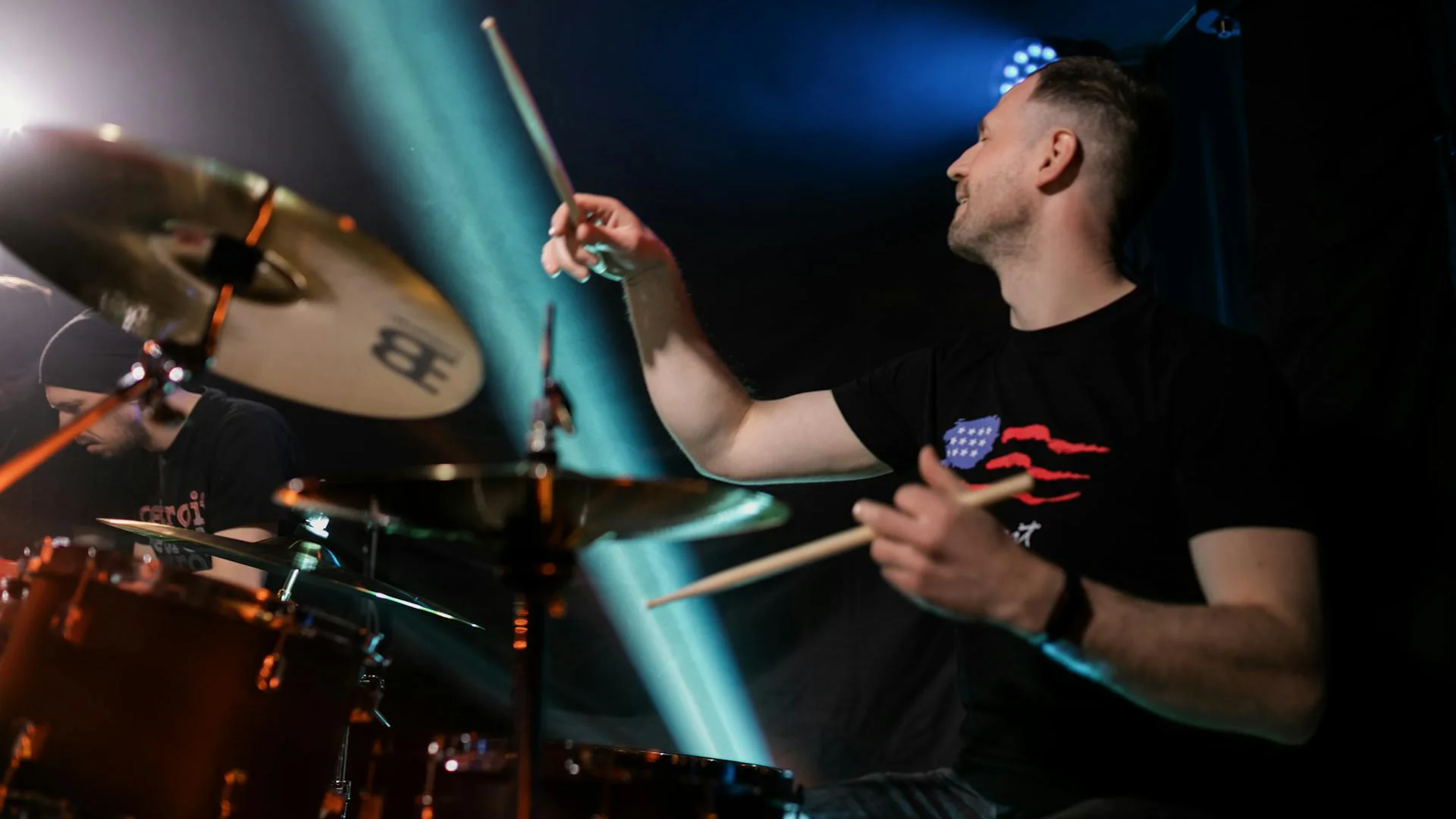
The science of skill acquisition offers valuable insights into how we most effectively learn complex physical and mental skills like drumming. These principles can improve your practice efficiency regardless of your chosen learning method.
Deliberate Practice: Quality Over Quantity
Deliberate practice involves focused work on specific techniques with clear goals and immediate feedback. Rather than casually playing familiar patterns, this approach means identifying aspects of your playing that need improvement and addressing them with complete concentration.
Research consistently shows that short sessions of deliberate practice produce better results than longer periods of unfocused playing. The quality of your attention during practice matters more than the quantity of time spent behind the kit.
Recording your practice sessions enhances this approach by providing objective feedback. When you listen back to your playing, you can identify timing inconsistencies or technical flaws that might not be apparent while you're playing.
Distributed Practice: The Power of Spacing
Cognitive research has demonstrated that distributing practice over time produces better learning outcomes than concentrated cramming. This phenomenon, known as the spacing effect, suggests that drummers should favor shorter, more frequent practice sessions over occasional marathons.
A practical application involves practicing for 20-30 minutes daily rather than several hours once or twice a week. This approach allows your brain to process and consolidate information between sessions, strengthening the neural pathways associated with drumming skills.
This distributed approach might feel less satisfying in the moment, but it produces more durable learning and better skill retention.
Effective Feedback Mechanisms
Learning to play drums effectively requires accurate feedback on your performance. Without this information, it's impossible to identify and correct problems in your playing. Effective feedback comes from several complementary sources.
A qualified teacher provides invaluable feedback by spotting technical issues that might be invisible to you. They can observe your technique from multiple angles, identify inefficient movements, and suggest specific corrections based on years of experience.
Recording technology offers another powerful feedback mechanism. Audio recordings reveal timing inconsistencies and dynamic problems that might not be apparent while playing. Video recordings help identify technical inefficiencies or postural issues that could limit your progress.
Metronomes and play-along tracks provide real-time feedback on your timing accuracy. Modern apps can analyze your playing against a grid, providing detailed metrics on your timing consistency.
Mental Practice and Visualization
Research has demonstrated time and again that mental practice activates many of the same neural pathways as physical practice. For drummers, this means you can effectively improve your playing even when away from your instrument.
Mental practice might involve visualizing yourself executing specific techniques with perfect form or mentally walking through challenging patterns at various tempos. While mental practice cannot completely replace physical practice, it serves as a valuable supplement that enhances overall learning efficiency.
Further research with musicians has shown that those who combine physical practice with mental rehearsal show significantly greater improvement than those who rely solely on physical practice for the same amount of time.
Interleaving Practice for Better Retention
Research suggests that interleaving different skills within a single practice session leads to better long-term retention and skill transfer than focusing on one skill at a time (blocked practice).
For drummers, interleaving might involve alternating between different rudiments, switching between technical exercises and musical application, or practicing patterns in various tempos and dynamics rather than drilling a single approach.
While this approach typically feels more difficult while practicing, research consistently shows it produces more durable learning and better application in performance situations.
Types of Drum Lessons and How to Choose
Understanding the main types of drum lessons available will help you select the right option for your specific needs and circumstances.
In-Person Drum Lessons
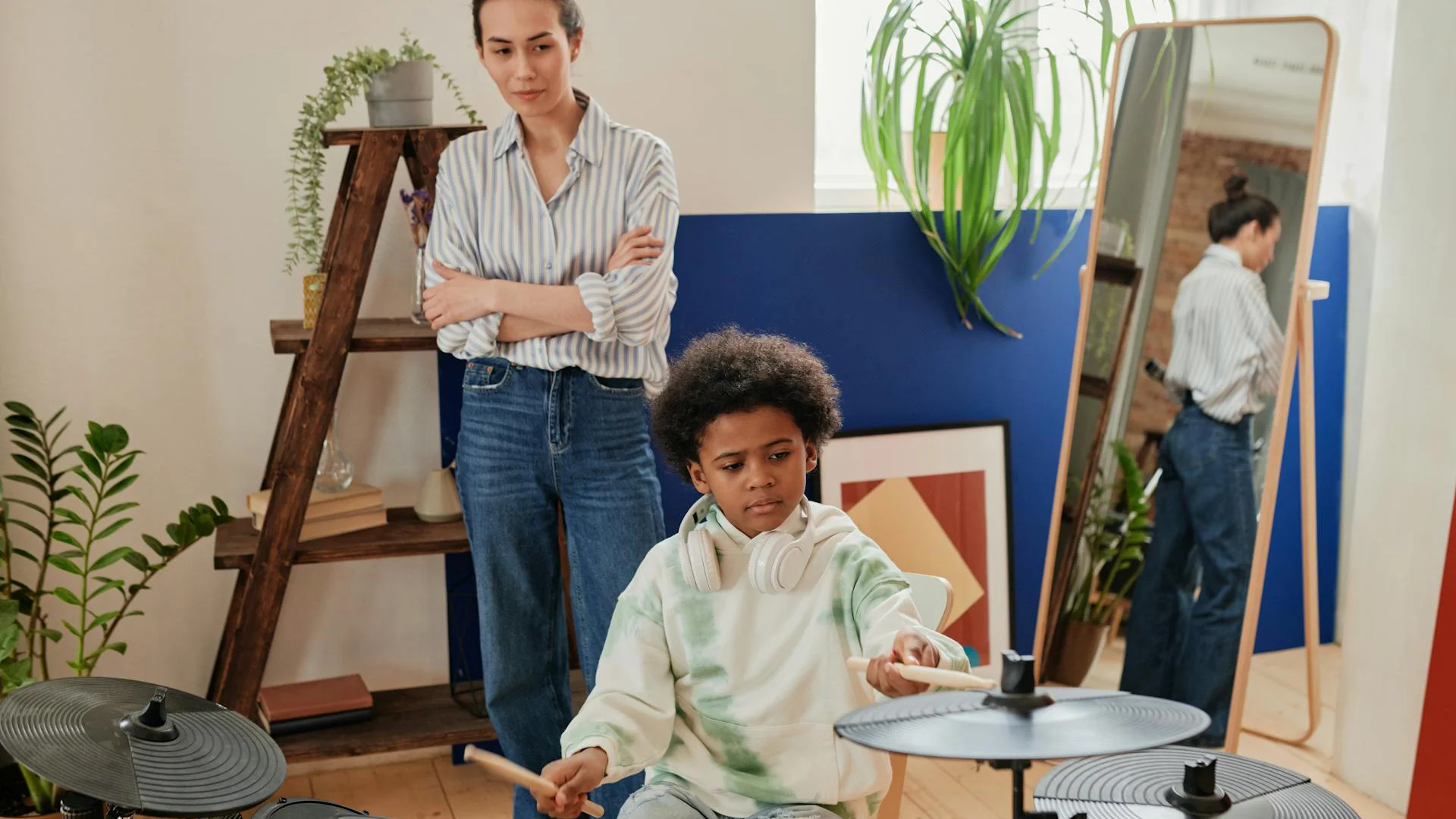
Traditional face-to-face instruction offers benefits that are difficult to replicate in other formats.
Benefits of Personal Instruction
Personal drum instruction provides immediate, tailored feedback that addresses your specific technical challenges and learning style. A skilled teacher can observe your playing from multiple angles, identifying subtle issues in grip, posture, or technique that might go unnoticed in other learning environments.
The relationship with a dedicated teacher creates accountability that helps maintain consistent practice. Knowing someone will assess your progress each week provides powerful motivation to put in the work between lessons.
Beyond technical instruction, in-person teachers often serve as mentors who guide your overall musical development. They can recommend appropriate repertoire, provide performance opportunities, and offer insights into the professional world of drumming.
Finding a Qualified Drum Instructor
When searching for a drum teacher, consider their musical background and teaching experience. Teachers tend to be most effective when teaching styles they have personally mastered, though versatility also matters for developing well-rounded skills.
Request a trial lesson before committing to regular instruction. This allows you to assess teaching style, communication effectiveness, and personal compatibility. Practical considerations like location, scheduling flexibility, and cost also influence this decision.
Music stores, community centers, and local music schools often employ qualified instructors, though private studio teachers might offer more specialized instruction. Online directories, recommendations from other musicians, and inquiries at local music shops can help identify potential teachers in your area.
Online Drum Courses
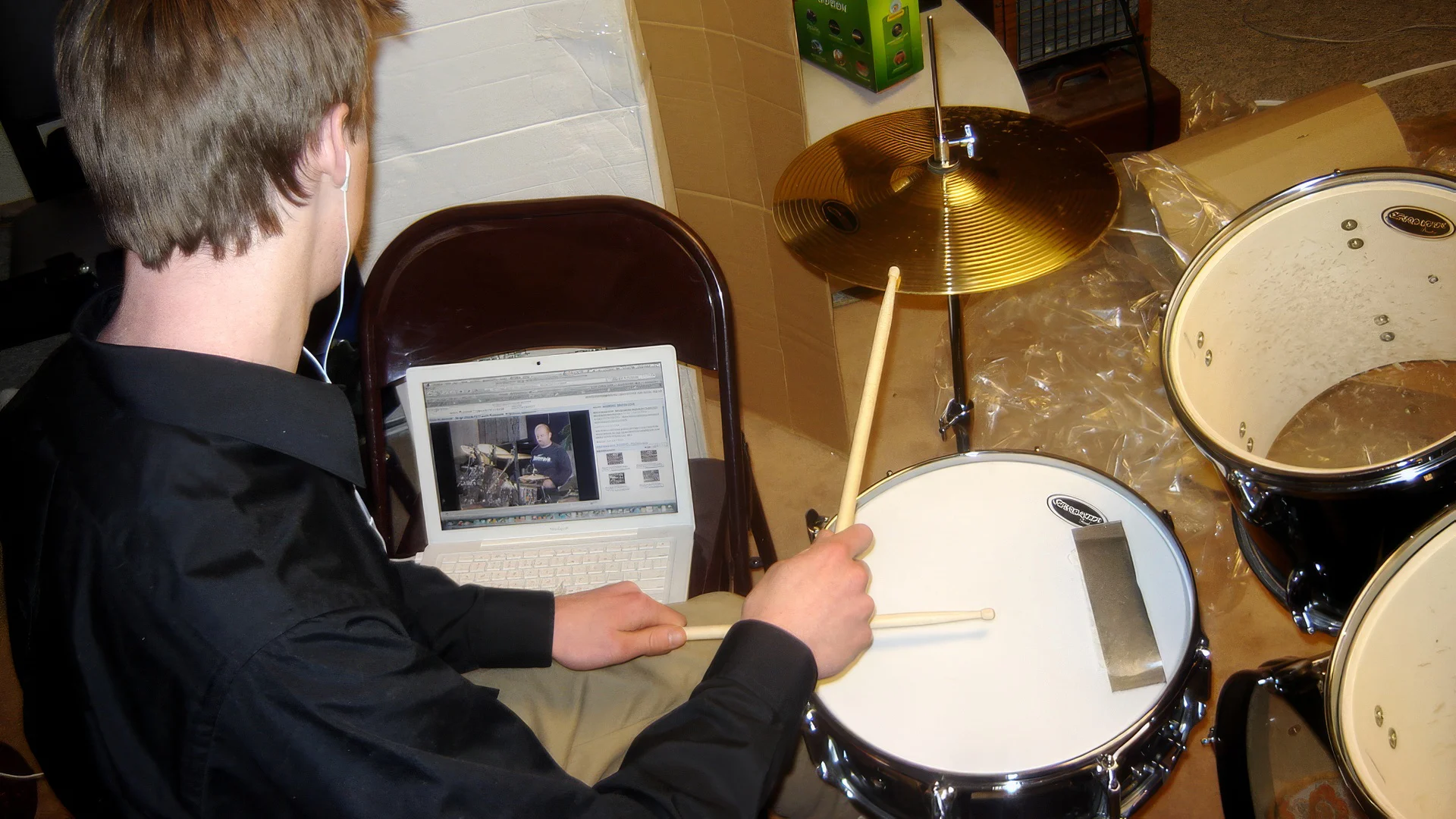
Digital platforms have transformed music education, offering unprecedented access to world-class instruction regardless of geographic location.
Advantages of Digital Learning
Online drum instruction offers exceptional flexibility that accommodates diverse schedules. You can access lessons any time that works for you and revisit material as many times as necessary until concepts click.
Online platforms typically offer more content than any single in-person teacher could provide. From fundamental technique to advanced concepts across diverse musical styles, these libraries allow you to explore areas that might be outside your primary teacher's expertise.
Many online platforms offer multi-angle videos that show techniques from various perspectives, slow-motion demonstrations of complex movements, and close-up views impossible to achieve in person. These visual aids can clarify subtle technical elements that prove difficult to communicate verbally.
The cost effectiveness of online instruction makes quality drum education accessible to more people.
Leading Online Drum Education Platforms
There are quite a few great options to choose online. Here are some of the best ones.
Drumeo
Drumeo is one of the most comprehensive online drum education platforms available today. Their core curriculum, the Drumeo Method, provides a step-by-step learning path from beginner to advanced player, with clear skill level assessments that help place students at the appropriate starting point.
What separates Drumeo from many competitors is their combination of structured progression and extensive libraries. Beyond the core curriculum, they offer specialized courses on various genres, taught by renowned drummers who have defined those styles. They also sell a very helpful practice pad.
Mikeslessons.com
Mikeslessons.com, created by educator Mike Johnston, takes a distinctive approach focused on developing well-rounded musicians rather than just technicians. Johnston's exceptional ability to break down complex concepts makes advanced techniques accessible to intermediate players.
The platform features structured courses, a vast lesson library, and a supportive community. Johnston's teaching style creates a personal connection that resembles private instruction while maintaining the flexibility of online learning.
180 Drums
180 Drums offers courses from a diverse range of professional drummers across various styles. The platform emphasizes real-world application, with many lessons focusing on playing in band contexts and developing versatility.
What distinguishes 180 Drums is their focus on the artistic and creative aspects of drumming alongside technical development. Lessons often explore concepts like musical conversation, expressing emotion through drums, and developing a personal voice on the instrument.
Udemy
Udemy offers a different approach with its marketplace model, providing hundreds of individual drum courses from various instructors. Unlike subscription-based platforms, Udemy allows you to purchase specific courses permanently. This structure works well for drummers with targeted learning goals who prefer a one-time purchase over recurring subscriptions. Course quality varies by instructor, but user ratings and reviews help identify the strongest offerings. The platform frequently runs sales, making many professional-level courses accessible at reduced prices.
Stephen Taylor Drum Shed
Stephen Taylor Drum Shed provides methodical, systematic instruction with an emphasis on coordination and independence. Taylor's teaching focuses on developing a comprehensive technical foundation through carefully sequenced exercises that build upon each other logically.
YouTube
For budget-conscious learners, several YouTube channels offer high-quality free instruction, including content from Stephen Taylor, Orlando Drummer, Drumeo, and Rob Brown. The primary limitation of YouTube instruction is the lack of structured curriculum, requiring beginners to curate their own learning path.
Drum Learning Apps
Mobile applications have created new interactive possibilities for drum instruction, combining the flexibility of online learning with game-like feedback systems.
Interactive Learning Technology
Modern drum learning apps leverage technology to provide immediate feedback that would otherwise require a teacher's presence. Using microphone input, MIDI connectivity, or touch screen interaction, these apps can assess your playing accuracy in real-time.
Many apps incorporate gamification elements that increase motivation and engagement. Progress tracking, achievement systems, and challenge modes transform practice from a potentially tedious activity into an engaging experience with clear goals and rewards.
The mobile nature of these applications allows for learning in diverse environments. You can practice rudiments on a pad during lunch breaks, work on rhythm recognition while commuting, or develop listening skills during otherwise unused moments throughout the day.
Top Drum Learning Applications
Melodics stands out for its focus on rhythm training and groove development. Using an electronic drum kit, MIDI controller, or computer keyboard, the app provides interactive lessons that respond to your playing in real-time. The curriculum progressively introduces new challenges as you master each level.
What distinguishes Melodics is its sophisticated feedback system that analyzes timing nuances, dynamics, and note accuracy. The structured progression covers everything from basic timekeeping to complex polyrhythms across various musical styles.
The Drumeo Edge App extends the online platform's vast lesson library with mobile-friendly features for on-the-go learning. The application includes a practice-logging function, personalized lesson recommendations, and offline viewing options.
Drum Beats+ focuses on groove development through extensive pattern libraries across various genres. The application provides thousands of drum beats with adjustable tempos and mix controls, helping beginners understand drum notation and pattern construction.
The Moeller Method app specializes in teaching this influential drumming technique through video demonstrations and slow-motion analysis. Interactive elements help users self-assess their development of the core strokes that form the foundation of efficient drumming.
Recommended Resources to Learning the Drums
Based on current offerings and educational effectiveness, these resources stand out as particularly valuable for drum students.
Best for Comprehensive Learning: Drumeo
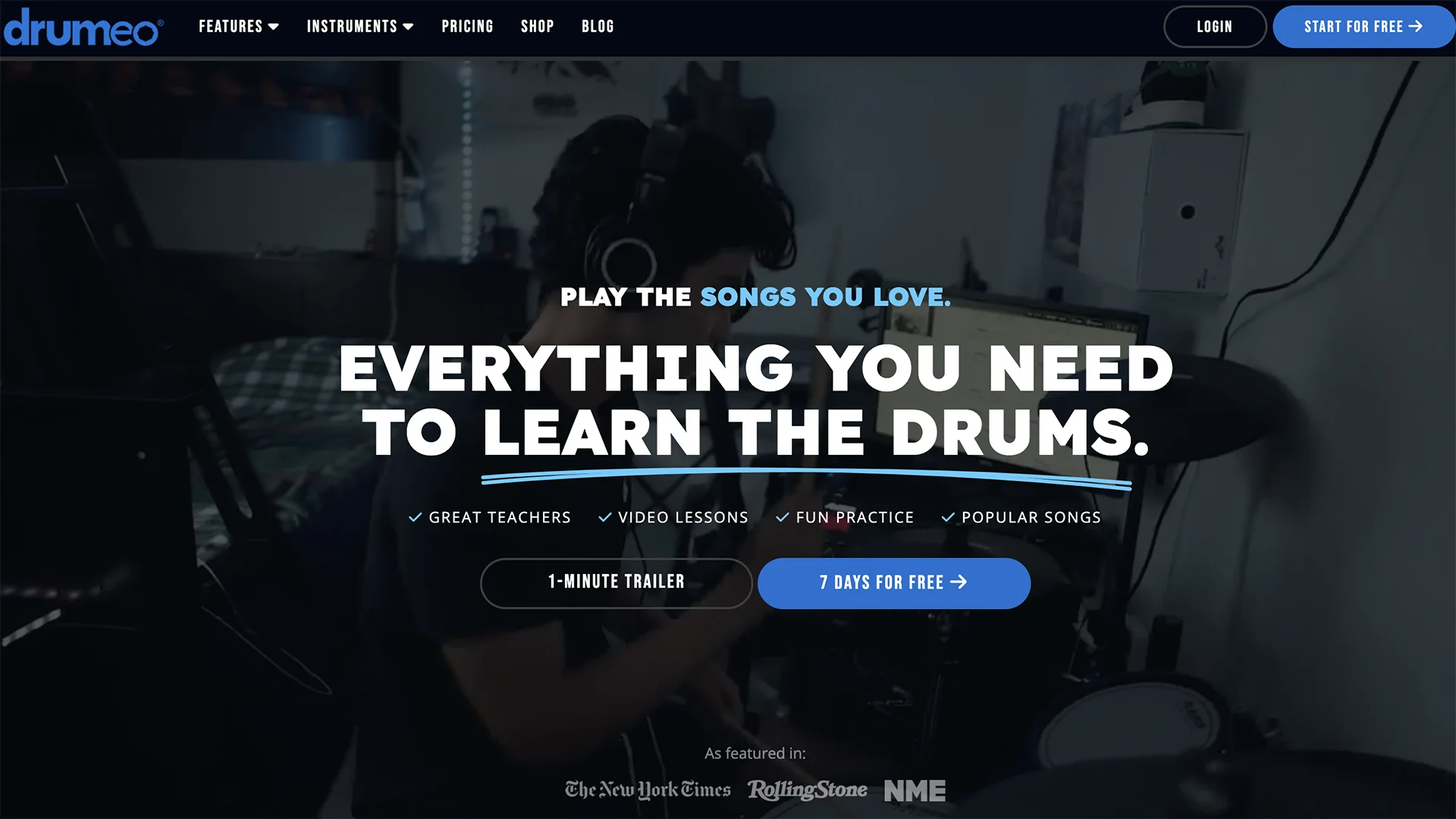
Drumeo continues to lead the field in comprehensive drum education through its exceptional combination of structure and breadth. The platform's structured curriculum provides a clear pathway from beginner to advanced player with carefully sequenced lessons that build logically upon previous material.
The platform organizes courses by both technique and musical style, allowing students to follow developmental paths aligned with their specific interests. Regular updates introduce new content while maintaining consistent quality and pedagogical approach.
Lessons from renowned drummers across all genres provide insight into diverse playing styles and approaches. Educators are chosen for both playing ability and teaching clarity, ensuring world-class drummers can effectively communicate their knowledge.
Active forums enable student interaction and peer feedback, creating a supportive community. Regular live Q&A sessions with instructors allow for personalized guidance within the online format.
Best for Personalized Coaching: Mikeslessons.com
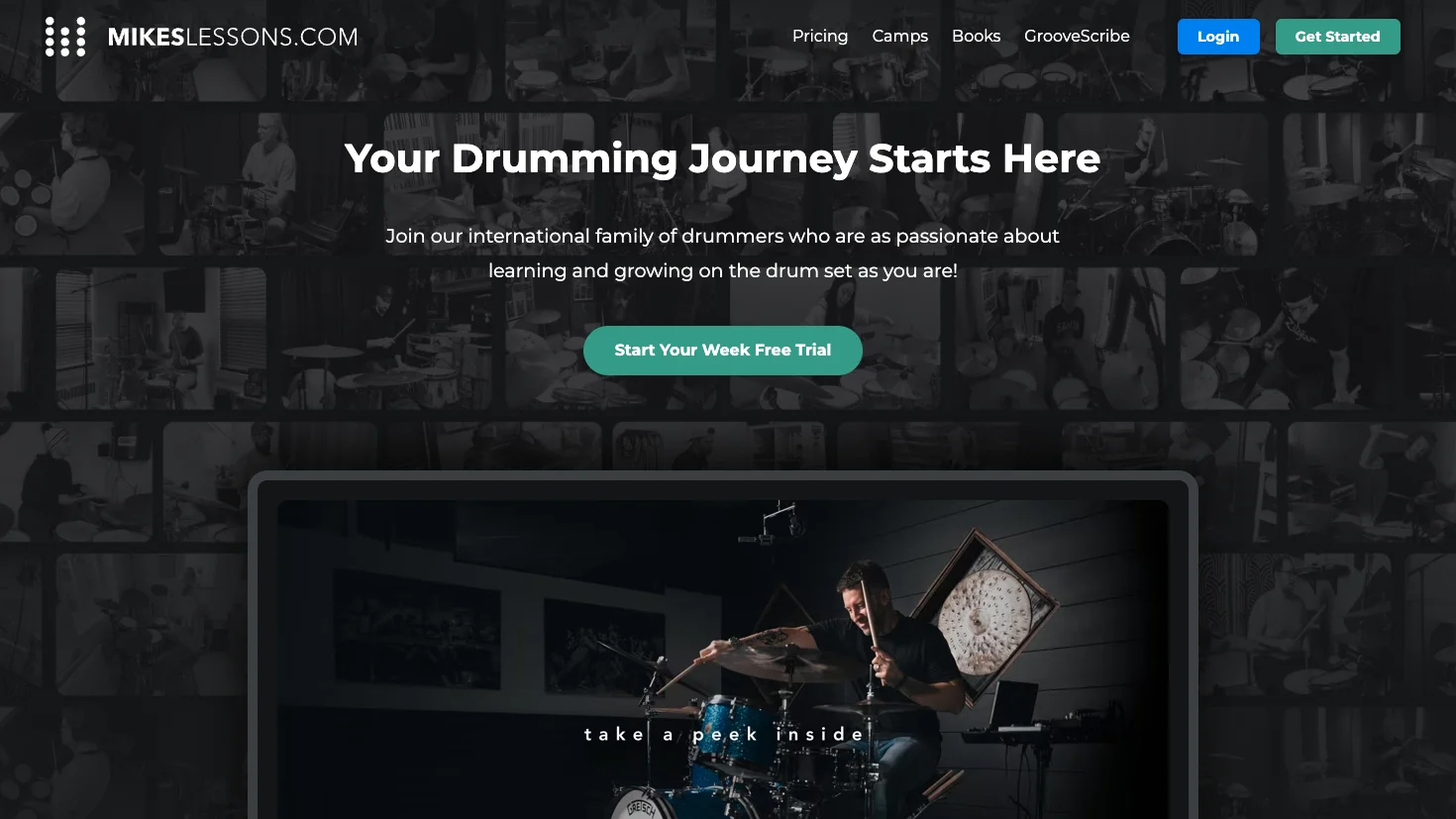
Mike Johnston's platform excels in creating a personalized learning experience within an online format. Johnston's approach focuses on developing complete musicians rather than mere technicians. Lessons emphasize understanding the musical purpose behind technical skills and applying techniques in creative contexts.
The platform encourages developing your unique voice on the instrument through creative challenges and conceptual discussions. Regular student challenges with personalized feedback create accountability often missing from online education.
Johnston excels at breaking complex concepts into manageable steps, making advanced techniques accessible to intermediate players. His explanations connect abstract ideas to practical application, ensuring students understand both how and why particular approaches work.
Live lessons with direct student interaction provide opportunities for personalized guidance. Student spotlights showcase progress and application, providing motivation and demonstrating real-world results from the methodology.
Best App for Rhythm Training: Melodics
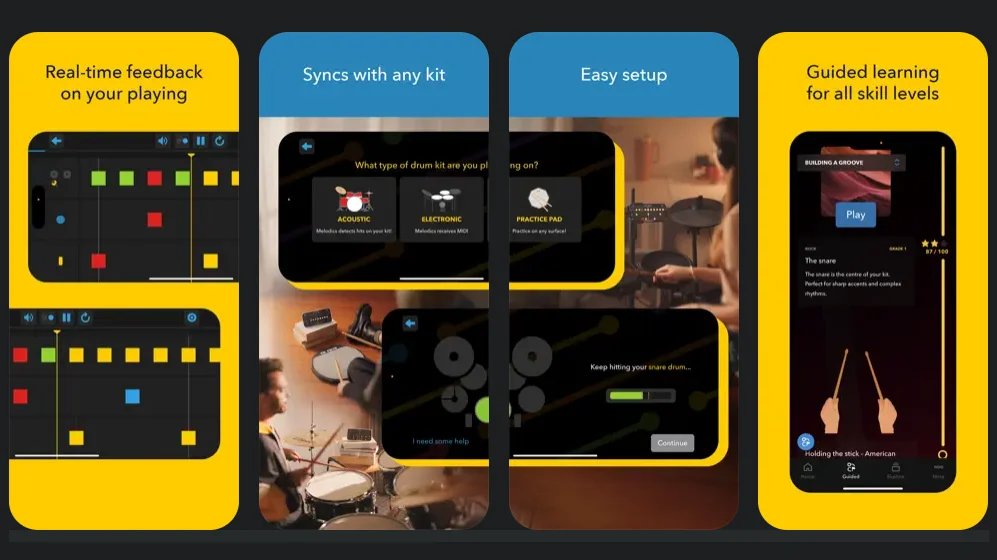
Melodics has revolutionized rhythm education through technology that provides immediate, detailed feedback on performance. Lessons adjust difficulty based on your performance, maintaining an optimal challenge level that keeps you engaged without becoming frustrated.
The platform emphasizes foundational rhythm skills that apply across musical contexts, ensuring practice time benefits your overall musicianship regardless of preferred style. The focus on feel and groove rather than just technical execution develops the expressive qualities that distinguish musical drummers from mere technicians.
Detailed analytics on timing and accuracy provide objective measurement of improvement areas that might otherwise go unnoticed. Visual representations of improvement over time help maintain motivation during plateaus by demonstrating progress that might feel imperceptible in day-to-day practice.
Best Structured Program for Beginners: Udemy

Udemy offers distinct advantages for beginning drummers through its diverse selection of foundational courses. The platform's marketplace model allows instructors to create comprehensive beginner programs that walk students through the drumming journey from the very first stick grip to basic independence. Many top-rated beginner courses on Udemy feature methodical, step-by-step approaches that leave no knowledge gaps. Instructors typically structure content in progressive modules that build logically upon previous lessons, creating a seamless learning path for new drummers.
The permanent access model represents a significant advantage for beginners who often need to revisit fundamental concepts repeatedly. Unlike subscription services where access depends on continued payment, Udemy's one-time purchase allows students to return to lessons months or even years later as they continue developing their skills.
The platform emphasizes visual learning with multi-angle videos that clearly demonstrate proper technique from the beginning. Many courses include downloadable resources like PDF worksheets, play-along tracks, and practice plans that help establish effective practice habits from the start. Course reviews and ratings help new drummers identify which programs have proven most effective for other beginners.
Expert Tips on Maximizing Drum Lessons
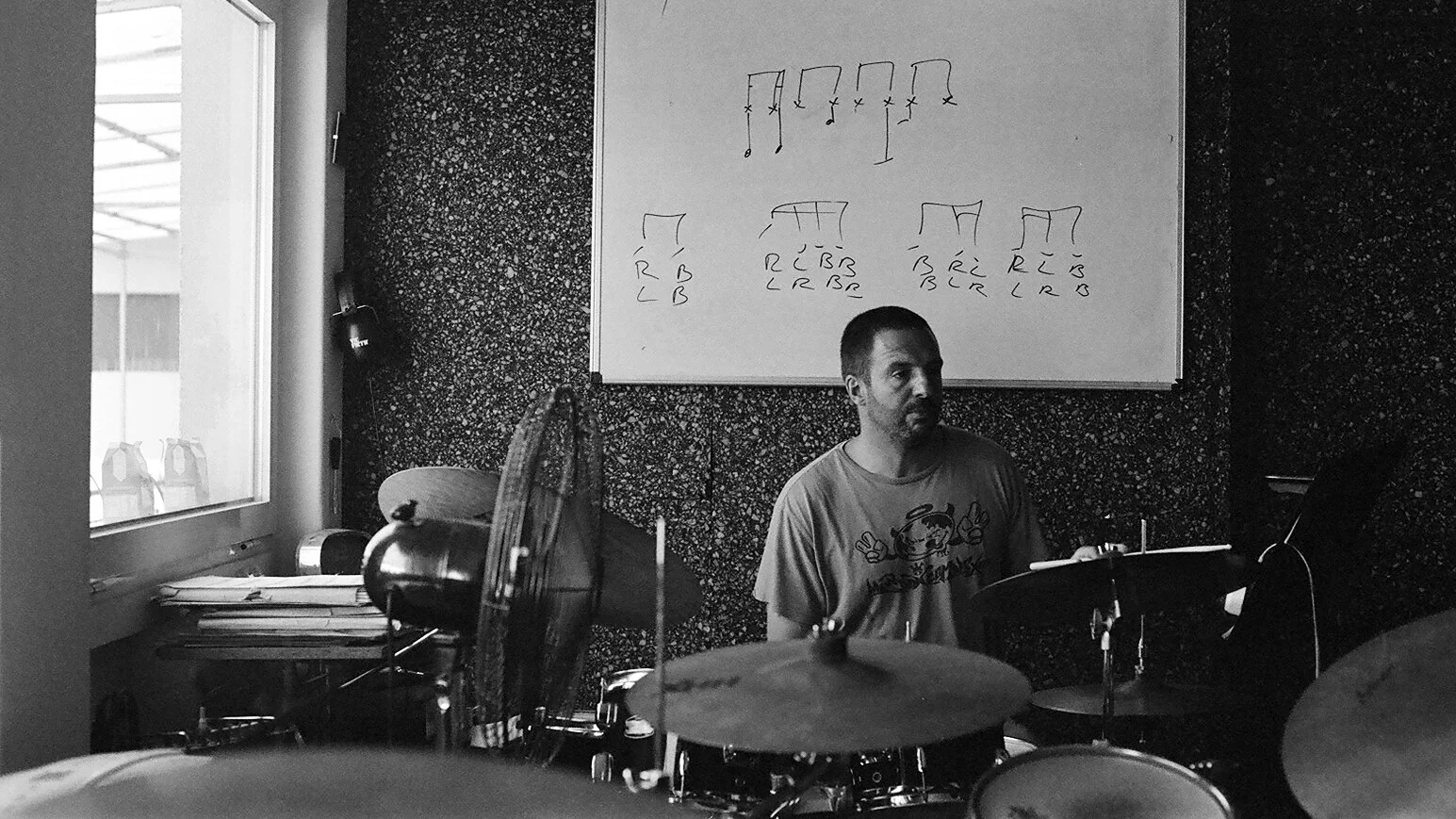
Regardless of which learning method you choose, these strategies will help you get the most value from your drum education.
Setting Effective Goals
Successful drummers approach learning with clear intentions that guide their practice and measure their progress. Balance immediate technical goals with broader musical ambitions, creating weekly, monthly, and quarterly objectives that structure your development path.
Regular reassessment keeps goals aligned with your evolving musical interests and technical development. Monthly reviews help determine whether goals remain relevant or require adjustment based on progress speed, new musical discoveries, or changing priorities.
Creating Effective Practice Routines
Structure maximizes the effectiveness of your practice time by ensuring balanced development and maintaining focus throughout sessions. Effective practice includes warm-up periods, technical development, material from lessons, musical application, and creative exploration.
Progressive challenges maintain engagement by gradually increasing difficulty as skills improve. Starting at comfortable tempos and gradually increasing speed once clean execution is achieved prevents the frustration of attempting material beyond current capability.
Leveraging Feedback Effectively
Developing the ability to accurately assess your own playing represents one of the most valuable skills for continued growth. Regular recording of practice sessions provides objective documentation of your playing that cuts through subjective perception.
Taking notes during lessons captures information that memory alone might lose. Asking specific questions about technique issues maximizes the value of instructor guidance.
Technology tools like metronome apps with timing analysis and video platforms with slow-motion features provide detailed feedback on rhythmic consistency and technical execution.
Balancing Technique and Music
Avoid the common trap of technical development divorced from musical context. Translate pad exercises to full drum set applications, create musical phrases from technical exercises, and practice with backing tracks to place skills within musical settings from the beginning.
Learn songs that utilize techniques you're developing, transcribe drum parts from recordings, and create personal interpretations of drum parts to apply your developing voice to existing frameworks.
Play with other musicians whenever possible to provide the ultimate context for applying drumming skills. This environment develops adaptability, listening skills, and musical decision-making beyond what individual practice can provide.
Remember that technique serves musicality, not the other way around. The ultimate goal remains expressing yourself musically, with technical skills as tools that enable this expression rather than ends in themselves.
Frequently Asked Questions
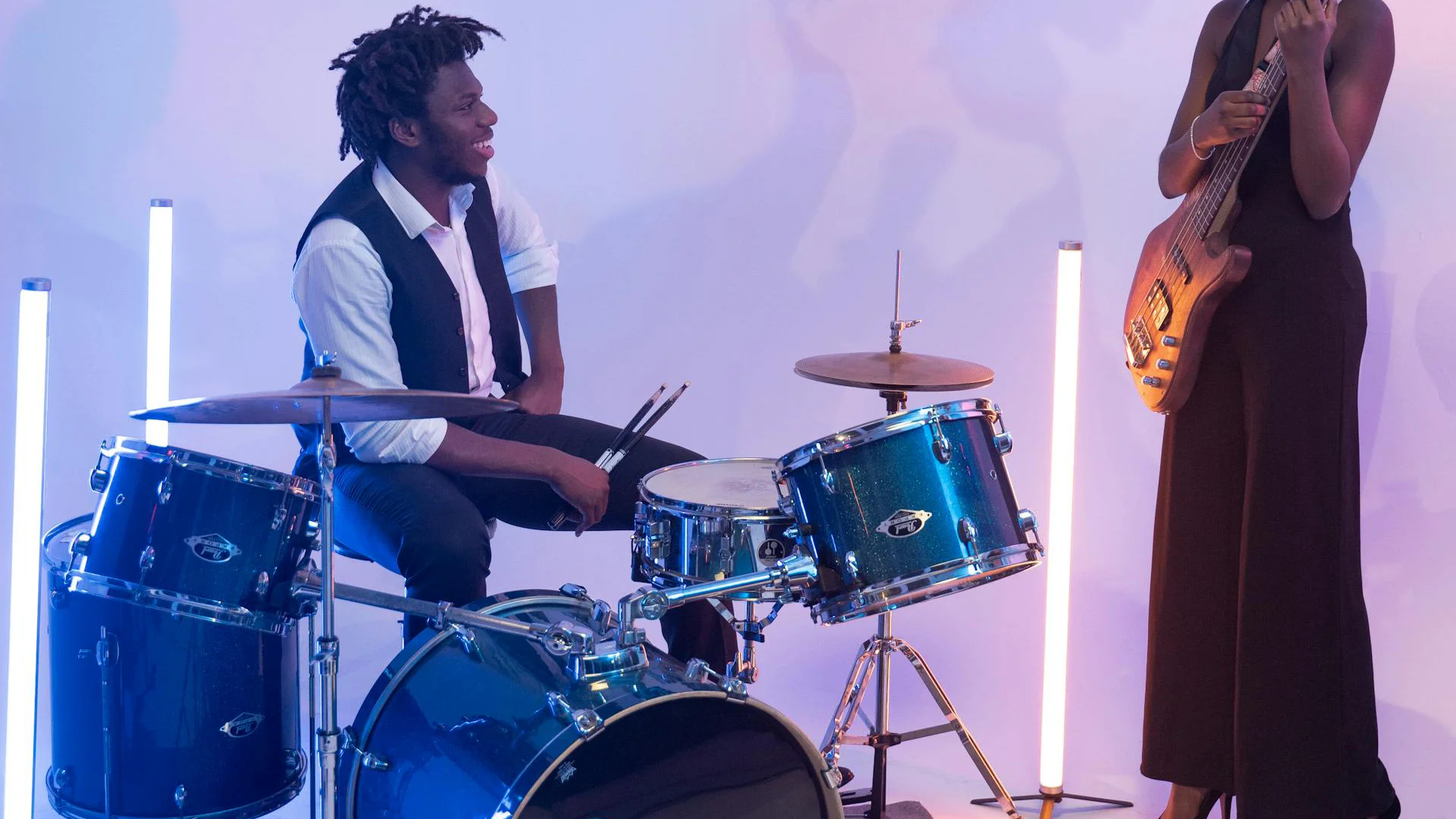
How often should I practice drums to see real improvement?
For best results, practice 20-30 minutes daily rather than several hours once a week. Beginners should aim for 3-5 sessions weekly focusing on fundamentals. Intermediate and advanced players benefit from 5-6 shorter sessions per week with at least one rest day. Quality always trumps quantity, so focused practice with clear goals will yield better results than longer, unfocused sessions.
Can I effectively learn drums solely through online lessons or apps?
Yes, with the right approach. Compensate for the lack of in-person feedback by recording yourself regularly from multiple angles. Join online communities to share your playing and get outside perspectives. Pay extra attention to proper technique and ergonomics to avoid injury. Consider occasional in-person lessons as check-ins to correct any developing issues.
What's the benefit of having a personal drum instructor?
A good instructor provides immediate correction of technical issues before bad habits form, customized lesson plans tailored to your learning style, accountability to maintain consistent practice, and nuanced feedback on musical expression and feel that technology can't measure. They also serve as mentors who can guide your overall musical development beyond just drumming technique.
Is it possible to self-teach drums effectively?
Yes, but it requires discipline and systematic approach. Follow structured online curricula rather than random tutorials. Record yourself regularly for objective feedback. Master fundamentals before moving to advanced concepts. Join drum communities for additional feedback and motivation. With today's quality online resources, self-teaching is more viable than ever, though it demands exceptional self-awareness and honest self-assessment.
Conclusion
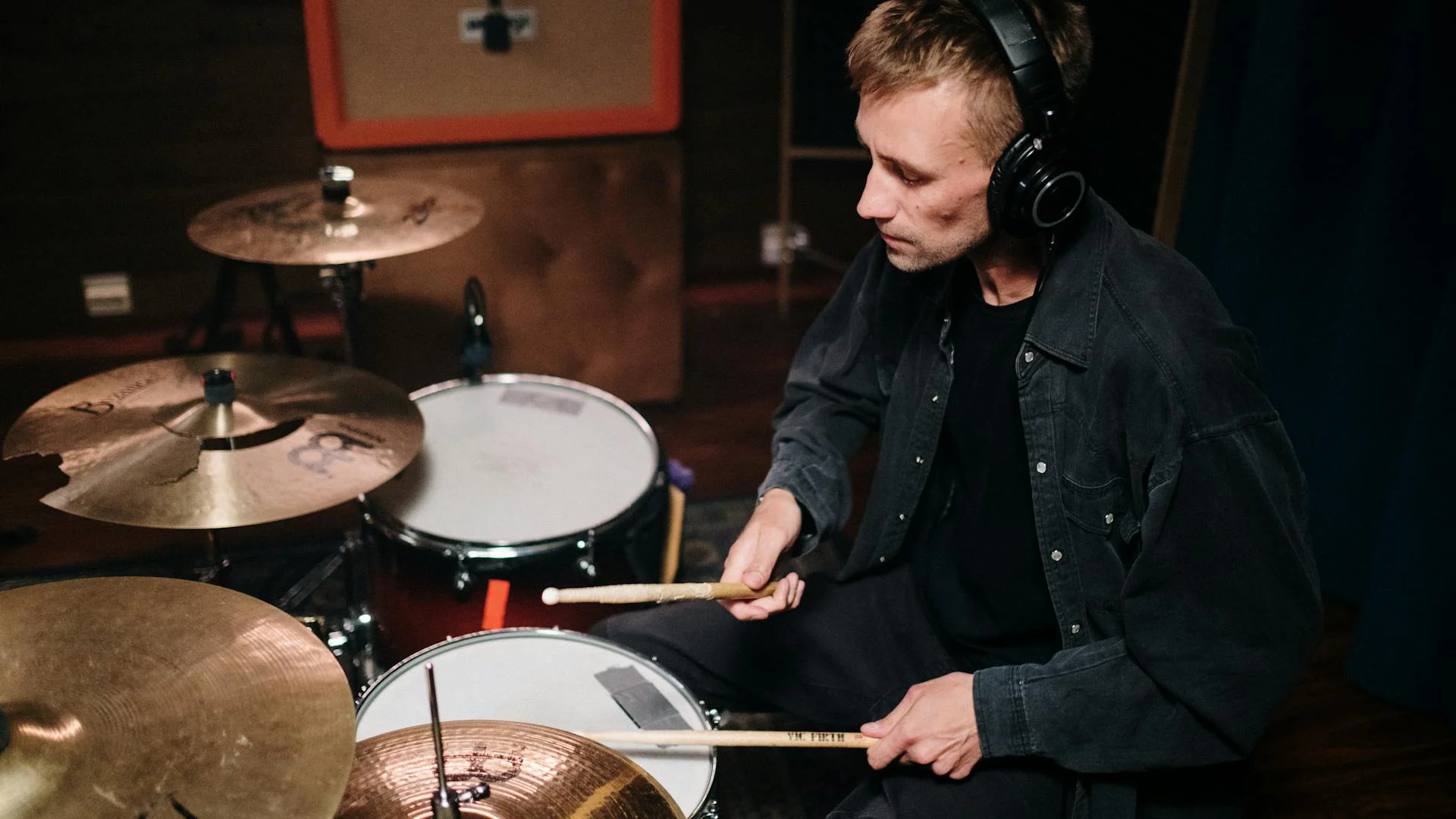
The path to drumming proficiency represents a deeply personal journey unique to each player. Understanding the science behind effective practice and selecting learning resources that complement your specific needs creates the foundation for steady progress toward your musical goals.
Today's drummers enjoy unprecedented access to quality instruction across various formats. In-person lessons offer immediate feedback and personalized guidance. Online platforms provide flexible access to world-class education from anywhere. Interactive apps gamify practice and provide detailed feedback on technical elements.
Many successful drummers combine elements from multiple learning approaches. In-person lessons might provide technical foundation, while online resources expand stylistic knowledge beyond a single teacher's expertise. Apps might supplement both by developing specific skills like timing or reading.
Regardless of which learning path you choose, consistent application of effective practice principles accelerates development. Focus on quality practice over quantity, embrace distributed learning, seek regular feedback, and maintain balance between technical development and musical application.
Top Ranked Music Lessons and Instruction on Equipboard


$10.42 - $24.99
4.5 (2)
4.5 (2)


$25.21 - $34.99
4.5 (3)
4.5 (3)
About the authors

S. Jino is an accomplished multi-instrumentalist and music producer based in Kolkata, India, distinguished by his self-taught mastery and unique blend of technical acumen and musical performance. His extensive experience was forged through hands-on dedication, starting with the full restoration of a broken guitar. Jino's capabilities span keyboards, pedals, and advanced digital production, reflecting a comprehensive skill set developed independently. As a significant contributor to the music scene, Jino regularly performs with worship bands and college ensembles. He has also established himself as a reliable and authoritative professional in freelance mixing, mastering, and original music creation. Inspired by the innovative sounds of Brian May and David Gilmour, and influenced by Kolkata's vibrant metal community, Jino is committed to the intricate art of vintage gear restoration and the continuous exploration of music and technology fusion. His current professional setup, featuring a meticulously restored nameless guitar, a Fender Player Strat, and a Boss Katana 50. Read more