Best Drum Sticks | Your Path to the Perfect Pair


By Gear Experts
By Gear Experts
Table of Contents

Equipboard
Equipboard is the world's largest community of artists and their gear. Read our review process.
We are reader-supported. When you buy through links on our site, we may earn an affiliate commission. Learn more.
Our Picks

This 2B delivers commanding presence and raw power while maintaining surprising agility, perfect for drummers who need maximum impact in high-volume situations. The substantial build provides the mass needed for thunderous backbeats while its carefully balanced design prevents the fatigue typically associated with larger sticks.
Read more


Vic Firth American Classic® 5A Drumsticks
The American Classic 5A delivers exceptional versatility with premium hickory construction and a perfectly balanced design. Its teardrop tip and medium taper create the ideal blend of power and finesse needed for modern pop playing.
Read more
Promark Shira Kashi Oak 747 Neil Peart PW747W
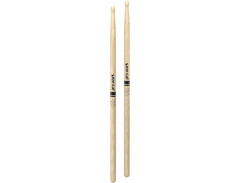
The ProMark PW747W Neil Peart drumsticks, made from dense Shira Kashi White Oak, offer enhanced durability, power, and control, with a longer, thicker design, oval tip for tonal flexibility, and strong projection, making them ideal for high-energy rock and progressive drumming at an affordable price.
Read more
Vic Firth American Classic 7A Drumsticks
The American Classic 7A combines feather-light finesse with surprising durability for everything from whisper-quiet passages to driving swing patterns. The sticks excel in bringing out subtle nuances while providing quick response essential for complex jazz vocabulary.
Read more
The Los Angeles 5A brings lightning-fast response and superior rebound essential for intricate ghost notes and complex patterns. The stick's carefully calibrated balance combines speed with enough mass to ensure every note cuts through.
Read more
Zildjian 5A Nylon Black Dip Drumsticks
The Zildjian 7A Nylon Black Dip Drumsticks offer a lightweight, agile feel with enhanced grip and cymbal articulation, making them an excellent choice for drummers who value finesse and durability in their performance.
Read moreThe moment your drumsticks feel like they've become an actual extension of your arms - that's when real magic happens in your playing. That seamless connection between drummer and stick is no accident - it's the result of finding tools that work in perfect harmony with your style. The right drumsticks should feel so natural that you never have to think about them. They should respond to your lightest touch for delicate ghost notes, yet deliver thunderous power when you need it. They're not just tools - they're the bridge between your musical ideas and their physical expression. Whether you're laying down a solid backbeat, dancing across the cymbals in a jazz combo, or unleashing a barrage of blast beats, your sticks should translate your intentions into sound with zero resistance.
Yet many drummers, from beginners to seasoned players, often struggle with stick choice. It's not just about grabbing any pair off the shelf - subtle differences in length, weight, diameter, and tip shape can dramatically impact your playing experience. The wrong choice can make you work harder than necessary, limit your expression, and even lead to unnecessary strain or fatigue.
This guide cuts through the confusion of choosing drumsticks. We'll explore every crucial factor - from understanding basic anatomy and materials to matching sticks with specific genres and playing styles. Whether you're just starting your drumming journey or looking to refine your setup after years behind the kit, you'll discover how to select sticks that feel like they were made specifically for your hands.
Understanding Drumstick Anatomy
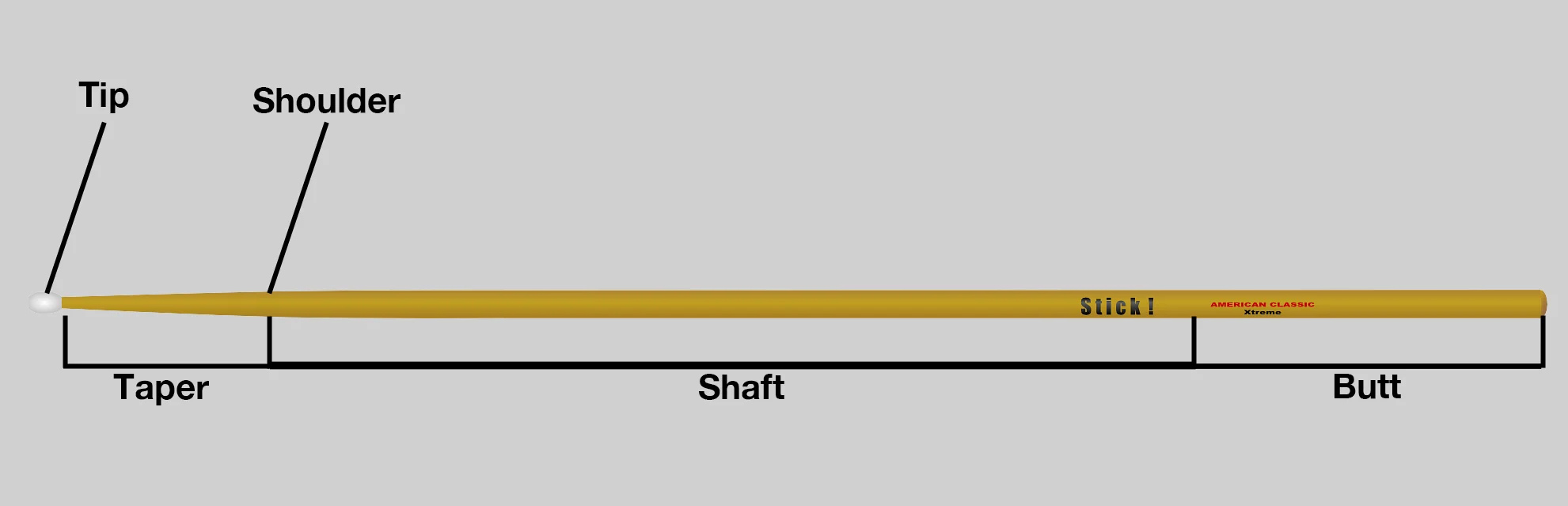
A drumstick is so much more than a simple piece of wood. Every part plays its role in creating the perfect balance of control, rebound, and sound. For many drummers, understanding how each component works can be the key to finding that "just right" feel they've been searching for.
The Tip
The tip is your primary point of contact with drums and cymbals, defining the initial attack and tonal characteristics. The shape and size of the tip dramatically influence articulation and sound quality. Smaller tips create focused, articulate sounds perfect for intricate cymbal work, while larger tips produce fuller, warmer tones ideal for big drum sounds. Material also matters - wood tips offer traditional warmth, while nylon provides brighter, more consistent articulation.
The Taper
Often called the neck, the taper section connects the tip to the shaft. A longer taper provides more flex and faster rebound, making it ideal for lighter playing styles and intricate patterns. Short tapers offer increased power and durability but require more effort for speed. The taper length significantly affects how the stick responds in your hand during complex patterns and rolls.
The Shoulder
The shoulder is where the taper meets the shaft, acting as a crucial transition point. This section affects both durability and power transfer. A well-designed shoulder balances the stick's strength with its playing characteristics. Stronger shoulders provide more durability but can impact feel, while gradual transitions often feel more natural in hand.
The Shaft
Making up most of the stick's length, the shaft is your primary contact point. Its diameter affects overall weight and feel. Thicker shafts provide more power but can limit speed, while thinner ones offer agility at the cost of impact strength. The shaft's finish also impacts grip and control, especially during long playing sessions.
The Butt
The often-overlooked butt end serves multiple purposes. Beyond balancing the stick, it's useful for specific techniques like cymbal swells or cross-stick sounds. Some drummers even prefer using the butt end for certain heavy hitting applications, though this significantly impacts stick longevity.
Materials and Their Properties
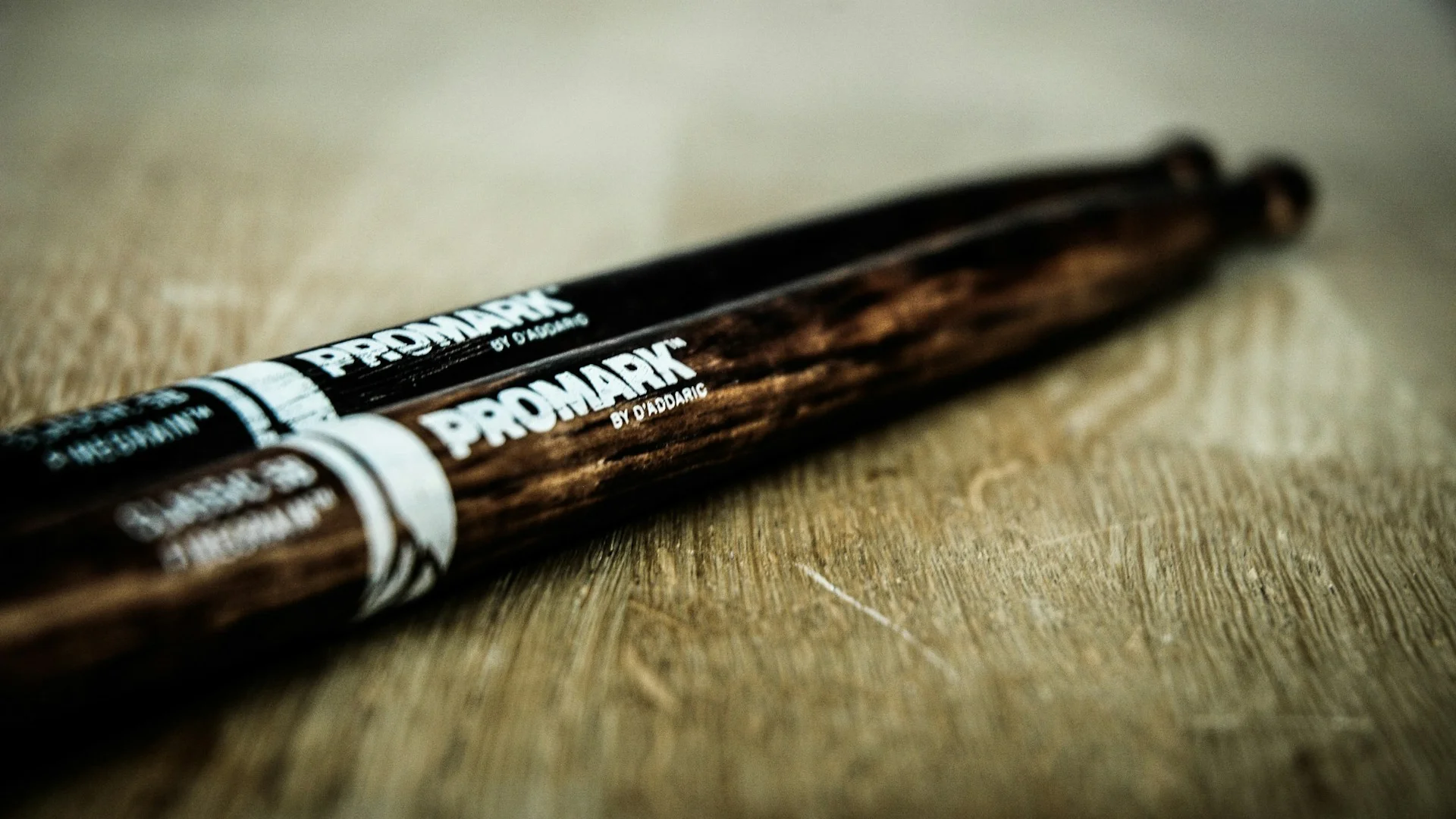
Ask any experienced drummer about stick material and you'll likely start a passionate discussion. While hickory has long been the industry standard, modern drumsticks come in an impressive range of materials, each bringing its own unique characteristics to your playing.
Wood Options
Hickory remains the most popular choice for good reason. It offers an excellent balance of weight, durability, and feel while naturally absorbing shock. Oak sticks pack more density and weight, delivering extra power and longevity at the cost of increased fatigue during longer sessions. Maple, being lighter than hickory, allows for faster playing and excellent cymbal control, though it's more prone to wear.
Synthetic Materials
Modern synthetic sticks have come a long way from their early days. Advanced polymer compounds now rival wood in feel and response while offering consistent weight and balance across every pair. They excel in humid conditions where wood might become slippery, and some drummers swear by their enhanced durability. However, they can feel less organic and natural compared to traditional wood options.
Laminated Construction
Some manufacturers have started offering laminated sticks, using multiple layers of wood or composite materials. These sticks aim to combine durability with traditional feel. The layered construction can significantly increase longevity, particularly for heavy hitters, though purists might find they lack the organic response of solid wood.
Finish Types
Stick finish affects more than just appearance. Raw, unfinished sticks provide excellent grip but can become slippery with sweat. Lacquered sticks offer more consistent feel across varying conditions and resist moisture better. Anti-slip coatings have become increasingly popular, providing enhanced grip without changing the stick's fundamental characteristics.
Decoding Drumstick Sizes

Walk into any drum shop and you'll see numbers and letters on drumsticks that might look like a secret code. 5A, 7B, 2B - while these markings might seem mysterious, they're actually part of a straightforward system that helps you understand exactly what you're getting.
The Number System
The number in drumstick sizing tells you about the stick's diameter. Lower numbers mean thicker sticks, so a 2 is noticeably thicker than a 7. This system evolved from the early days of orchestral music, where thicker sticks were preferred for louder dynamics. Most modern drummers gravitate toward numbers between 2 and 7, with 5 being a popular middle ground that works across various styles.
Letters and Their Meaning
The letter after the number indicates the stick's basic application. 'A' originally stood for "orchestra," offering a thinner taper ideal for lighter, more controlled playing. 'B' models feature a thicker taper and fuller shoulder, designed to handle more aggressive techniques. 'S' sticks, less common but growing in popularity, offer street and marching band specifications with extra length and durability.
Contemporary Sizing
Modern manufacturers sometimes break from traditional sizing to offer specialized models. These sticks might combine characteristics of different sizes - like the meat of a 5B with the agility of a 5A. While they may not follow the classic numbering system, they still use these standard measurements as reference points.
Common Sizes at a Glance
- 7A: The lightest common size, perfect for jazz and lighter playing styles. Offers exceptional control and finesse for intricate patterns and brush-like cymbal work.
- 5A - The most widely used size across all genres. Balances control and power, making it ideal for versatile players who need to adapt to different musical situations.
- 5B - Slightly beefier than 5A, offering extra power while maintaining reasonable speed. Popular among rock drummers who need consistent power without sacrificing agility.
- 2B - The heavyweight champion. These thick sticks deliver maximum impact and durability, favored by metal drummers and heavy hitters who prioritize power over speed.
- 3A - Often overlooked but incredibly versatile. Sits between 5A and 7A, providing enhanced control for technical players who still need decent projection.
- 8D - Specifically designed for orchestral and concert work. Extra long with a smaller diameter, allowing precise control of dynamics and articulation.
Understanding Tip Shapes
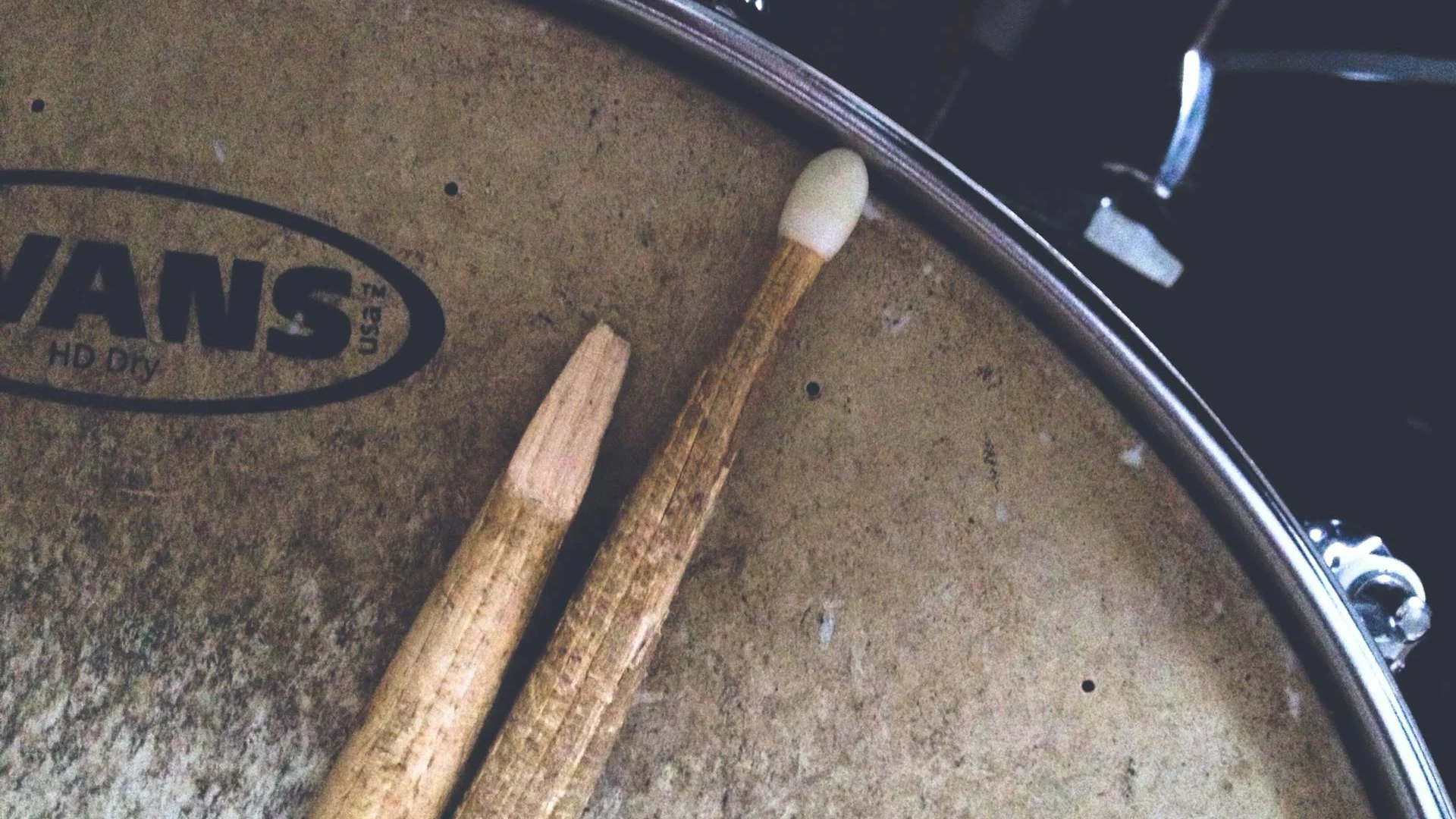
The tip of your stick might seem like a small detail, but it's crucial in shaping your sound, especially on cymbals. A slight change in tip shape can transform a harsh, bright ping into a warm wash, or add definition to your ghost notes.
Round Tips
The classic round tip reigns supreme in versatility. These tips produce clear, focused sounds with excellent articulation on both drums and cymbals. They offer consistent response across the kit, making them ideal for players who need reliable performance in various musical contexts. Round tips particularly excel in situations where note definition is crucial, like fast jazz riding or intricate rock patterns.
Barrel Tips
Barrel tips provide a larger contact surface than round tips, generating a fuller sound with more warmth. They're particularly effective for creating rich cymbal tones and producing fat backbeats on the snare. Many rock and studio drummers favor barrel tips for their ability to blend power with musicality.
Oval Tips
Think of oval tips as the middle ground between round and barrel shapes. They produce focused sounds like round tips but with added warmth. These tips excel in recording situations where you need clear articulation without excessive brightness. They're particularly effective for ride cymbal work in jazz and fusion contexts.
Teardrop Tips
Teardrop tips offer interesting versatility due to their asymmetrical shape. You can achieve different sounds simply by adjusting your striking angle. The broader end creates full, warm tones, while the narrow edge provides more focused articulation. This makes them popular among drummers who like to vary their sound without switching sticks.
Acorn Tips
Similar to barrel tips but with a more tapered profile, acorn tips produce a balanced sound that's neither too bright nor too dark. They work particularly well for general purpose playing where consistent, reliable response is needed across the entire kit.
Weight and Balance

Drumstick weight and balance might be the most underappreciated factors in stick selection. While many drummers focus on size and tip shape, the distribution of weight along the stick fundamentally affects everything from speed and control to endurance.
Understanding Balance Points
Every stick has a natural balance point - the spot where it perfectly balances when resting on your finger. Front-weighted sticks carry more mass toward the tip, increasing power but requiring more effort for fast patterns. Back-weighted sticks make quick movements easier but might feel less solid during heavy hitting. Most sticks aim for a balance point about two-thirds of the way from the butt end, providing a natural, versatile feel.
Weight Distribution
Think of stick weight distribution like a car's handling. A stick with evenly distributed weight feels predictable and controlled, while concentrated weight can make the stick feel either nimble or powerful. Heavier sticks around 65-75 grams provide solid impact and durability but can tire your hands during long sessions. Lighter sticks in the 50-60 gram range offer enhanced speed and finesse but might feel insubstantial for heavy hitting.
Playing Feel
The relationship between weight and balance creates what drummers call "throw" - how naturally the stick rotates in your hand. A well-balanced stick almost plays itself, working with your natural motion rather than against it. This becomes particularly noticeable during complex patterns or extended playing sessions where subtle differences in stick response can significantly impact your performance.
Finding Your Sweet Spot
Your ideal weight and balance depends heavily on your playing style. Fast, technical players often prefer lighter, more evenly balanced sticks for quick response. Heavy hitters might choose front-weighted sticks for added impact. The key is finding sticks that complement your natural playing motion rather than forcing you to adapt your technique.
Playing Style Considerations

Your natural playing style should guide your stick choice more than any other factor. Even the most expensive, well-crafted sticks won't feel right if they don't match how you naturally approach the drums.
Grip Technique
Traditional grip players often benefit from slightly different stick characteristics than matched grip players. In traditional grip, the control comes primarily from finger manipulation, making stick balance particularly crucial. Matched grip players typically rely more on wrist motion, where overall weight becomes a bigger factor. Both grips work with any stick, but certain designs naturally complement each approach.
Playing Dynamics
Consider your typical dynamic range. Heavy hitters who regularly play rock or metal need sticks that can withstand consistent rimshots and powerful backbeats. Jazz and fusion players who explore subtle dynamic shifts might prioritize sticks that offer better control at lower volumes. The sweet spot is finding sticks that handle your loudest playing without compromising control during softer passages.
Motion Patterns
Watch how your hands naturally move when you play. Some drummers are wrist-dominant, others rely more on fingers, and many use a combination depending on the situation. Front-weighted sticks tend to favor wrist players, giving them more power with less effort. Finger players often prefer lighter, more evenly balanced sticks that respond quickly to subtle movements.
Physical Factors
Your hand size and strength play a crucial role in stick selection. Larger hands might find thicker sticks more comfortable, while smaller hands could gain better control with thinner models. Consider your playing endurance too - heavier sticks might feel great for the first few songs but become challenging during longer sets.
Drumsticks for Different Genres: What Works Best
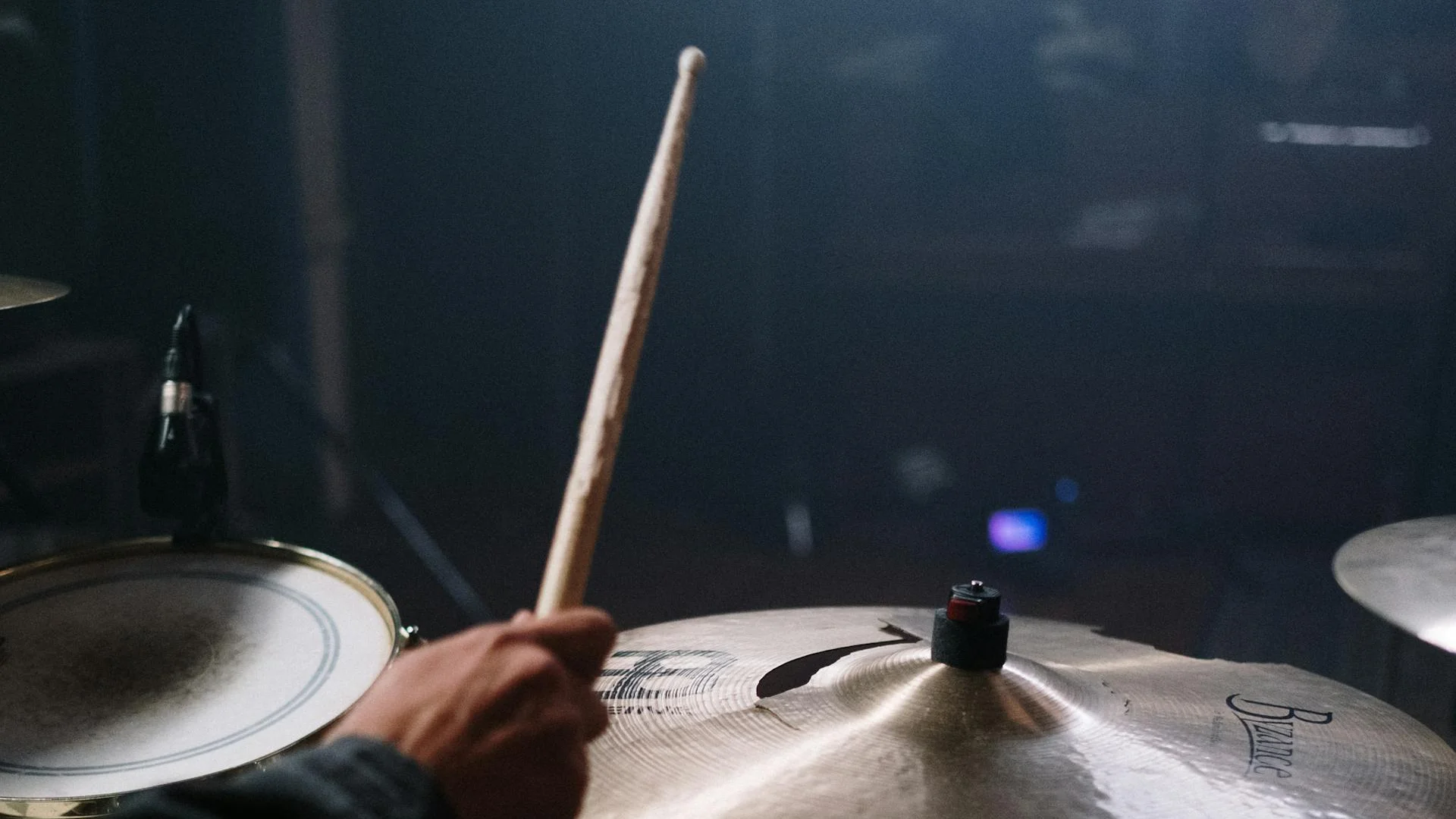
Ever notice how Dave Grohl's thunderous backbeats hit differently than Tony Williams' lightning-fast jazz runs? That's not just technique - it's also about having the right tool for the job. From bone-crushing metal to whisper-quiet jazz, each genre has spawned its own breed of sticks that help drummers deliver exactly what the music demands.
Sure, you can play any style with any stick - some of the most innovative drummers do exactly that. But there's a reason certain sticks have become go-to choices in specific genres. Whether you're laying down crushing blast beats or painting delicate jazz textures, let's find the sticks that'll help your playing speak with authority.
Rock and Metal Needs
Raw power and durability rule this domain. You need sticks that can handle constant rimshots and heavy hitting while still maintaining control. Look for thicker sticks around 0.595-0.635 inches in diameter (like 2B or 5B models), with medium to long taper for optimal rebound. Weight typically ranges from 63-67 grams, providing the mass needed for powerful backbeats. The extra length and girth let you dig in hard without worrying about premature breakage.
Jazz Requirements
Control and articulation take center stage here. Thinner sticks between 0.540-0.550 inches (typically 7A or 8D models) excel in this domain. The lighter weight, usually 50-54 grams, allows for faster execution and superior dynamic control. Longer tapers enhance rebound for those quick ride patterns, while smaller tips provide the definition needed for complex cymbal work.
Pop Demands
Versatility is king in pop music. A medium-diameter stick around 0.565 inches (like 5A) hits the sweet spot. Weight between 57-62 grams provides enough mass for solid backbeats while maintaining the agility needed for more nuanced playing. Medium tapers and oval tips offer balanced response across the kit, perfect for adapting to different song requirements.
Funk and Gospel Characteristics
Speed and precision define these genres. Look for sticks with quick rebound - typically achieved through longer tapers and medium-thin diameters around 0.555-0.565 inches. Weight should stay in the 55-59 gram range to prevent fatigue during those marathon ghost note sessions. Tear-drop or oval tips provide the articulation needed for complex patterns.
Hip-Hop and Fusion Needs
These modern styles demand sticks that bridge power and finesse. Medium-diameter sticks (around 0.560-0.565 inches) with weights between 58-62 grams offer this versatility. The balanced design allows for both solid backbeats and quick flourishes. Medium to long tapers help with rebound, while barrel or oval tips provide full-bodied sound without being overpowering.
Vic Firth 2B
4.5 (18)
The Undisputed Heavyweight of Power Drumming







- Consistent quality and pitch-paired for optimal performance
- Excellent durability, lasting up to three months with heavy use
- Provides a full, clear sound with great projection, ideal for metal and heavy styles
- Offers a controlled and balanced feel, enhancing playability across different dynamics
- See 4 more
- Tips may chip after a few weeks of regular use
- Heavy structure may be uncomfortable for extended play sessions
- May require adjustment period for drummers new to heavier sticks
The Vic Firth 2B combines sheer mass with impressive control, delivering the raw power needed for aggressive music while maintaining enough finesse for dynamic playing. Its substantial build holds up to heavy hitting without forcing you to compromise your technique.
The 2B means business right from the first hit. The 16.25-inch length provides serious leverage, while the .630-inch diameter gives you the mass needed for thunderous backbeats. But what really sets it apart is the balance - despite its size, it doesn't feel like swinging a tree trunk. The medium taper retains enough flex for controlled playing, especially important during faster passages where pure muscle won't cut it.
The oval tip deserves special attention. It creates a broader contact surface than typical round tips, generating fuller drum sounds and richer cymbal tones. This extra meat helps your ghost notes speak clearly even in high-volume situations. Your rimshots will have more body, your cymbal crashes more authority.
For heavy hitters, the 2B's durability becomes a genuine asset during long sessions. The hickory construction absorbs shock effectively, reducing hand fatigue despite the stick's substantial weight. While some larger sticks can feel sluggish during quick patterns, the 2B's carefully designed shoulder-to-taper ratio maintains surprisingly nimble response.
See how artists use this


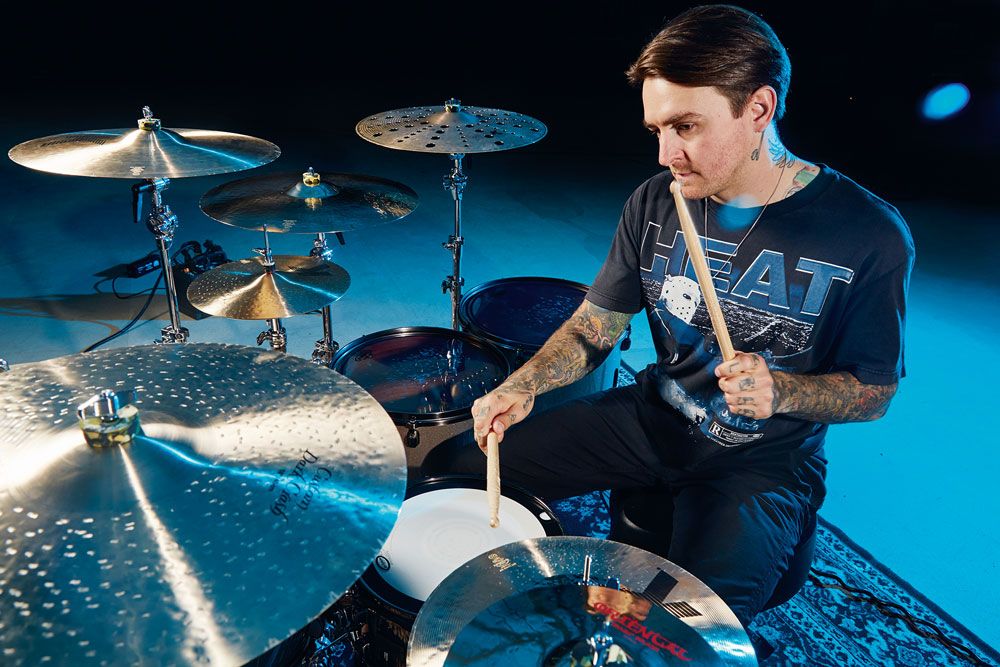


.jpg)




Vater Chad Smith Signature Funk Blaster
5.0 (1)

- Comfortable and well-balanced for various hand sizes and playing styles
- Strong and durable, withstands hard hits and lasts longer than other brands
- Provides excellent attack and sound quality on snares and cymbals
- Acorn tip enhances focus and responsiveness, ideal for dynamic play
- See 4 more
- Wood tips can chip easily, not as durable as nylon tips
- Inconsistent weight and quality across different pairs
- Some sticks might cause splinters due to poor sanding
- Not ideal for extremely hard hitters, may require more robust options
Established in 1956, Vater Percussion has been making drum sticks that have been used by some of the most notable musicians in music history for decades. Like many other manufacturers of drums and drum accessories, Vater Percussion was established by the owner of a music store. The differentiating feature between Vater and other manufacturers at the time is that Vater was actually one of the first companies to produce signature products for famous musicians of the time. Though he may not be a household name today, one of the first musicians to have a signature drum stick from Vater was Buddy Rich. Buddy Rich was billed as “The World’s Greatest Drummer” during his career, and inspired some of the most influential jazz musicians in the world.
The drum stick of choice for over 20 years by drummer Chad Smith (the long-time drummer of the Red Hot Chili Peppers), the Vater Chad Smith’s Funk Blaster Hickory Wood Tip Drum Sticks are a great fit for reproducing the tight and funky drum sound that have defined this musician’s career.
The main feature that separates Vater sticks from other drum sticks on the market is that Vater generally produces sticks with a higher than average moisture content. They do this to increase the durability of their sticks, though it does result in a bit of extra weight. While the results of this process aren’t overly dramatic it is something you should take into account when looking at this product.
While these sticks are heavier than similarly priced sticks with a lower moisture content, because of their dimensions these sticks are actually slightly lighter than your standard 5B drum stick. This is great for playing at speed, or utilizing certain drumming techniques that require a larger stick, but you will have to change your technique if you want a more powerful tone. Because these sticks are designed to be relatively top heavy this can be compensated for by gripping lower on the stick, though this may be a bit uncomfortable for some drummers.
An important thing to note with these sticks is that they’re made from hickory. Hickory is the stick of choice for heavy handed drummers because it’s an incredibly durable hardwood. This leads to a more durable and reliable stick.
To get a good idea of how these sticks sound, the best thing to do would be to closely observe Chad Smith’s live sound. Tracking down live sound samples is better than listening to a studio recording because studio tracks are heavily altered during the recording process. While this isn’t going to be a perfect representation of the sound of these sticks because there are other elements that effect Smith’s tone, it will give you an idea of the overall tone.
As far as quality is concerned, Vater produces a very high quality product. Unlike a lot of companies in this price range, Vater offers an outstanding quality guarantee. Every Vater stick is guaranteed to be straighter, more consistent, and of a higher overall quality than any other leading manufacturer of drum sticks. Vater drum sticks are also weighted and balanced through use of a proprietary computer system, ensuring that each set of Vater drum sticks are going to be virtually indistinguishable from one another. And though it doesn’t apply to this model, Vater nylon tipped drum sticks are also guaranteed to not break and/or chip.
Vater has an important place in the history of music. Not many companies can claim to be true innovators in their field, and few can keep a similar level of innovation for decades. Vater also has an unmatched dedication to producing a quality product. It’s important to have reliable equipment when you’re a musician, because there’s nothing more distracting than technical problems during a practice session, gig, or when you’re trying to record an album. Regardless, these drum sticks are a great choice for any drummer. If they work for Chad Smith, odds are they’ll work just as well for you.
See how artists use this


.jpg)
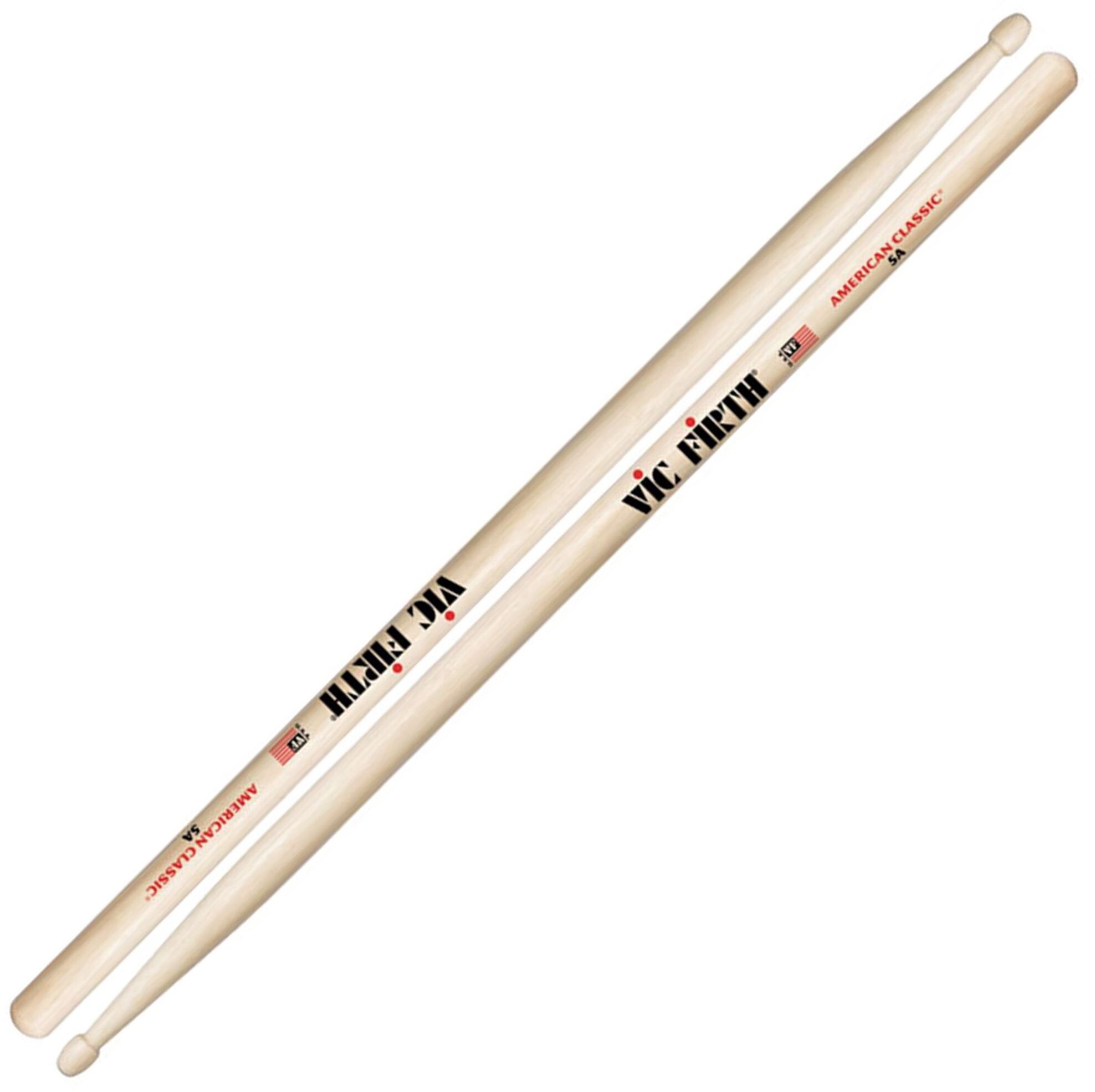
Vic Firth American Classic® 5A Drumsticks
4.5 (52)
The Versatile Performer

- Well-balanced and comfortable, ideal for drummers with smaller hands
- Excellent for dynamic playing, from heavy to light styles
- Durable and long-lasting, praised for longevity
- Great rebound effect, enhances learning and precision
- See 5 more
- Wood tips may chip after extended use
- Not as durable as some competitor models like Pro-Mark
From soft ballads to energetic pop-rock, the American Classic 5A consistently delivers. The 16-inch length and .565-inch diameter create substantial presence without excess bulk. The teardrop tip offers excellent versatility, producing clear definition on cymbals while maintaining full-bodied drum tones essential for modern pop production.
Dense, responsive hickory construction ensures these sticks can handle dynamic shifts effortlessly. The medium taper provides an ideal balance of power and speed, perfect for everything from solid backbeats to intricate ghost notes. The durability is remarkable - even after hours of rimshots and bell hits, they maintain their original response and feel.
In the studio, these sticks particularly shine. The balanced tone works across multiple microphone setups, while the consistent rebound helps maintain steady time during countless takes. Live performance benefits from their projection capabilities - whether you're playing a small club or a larger venue, they cut through the mix without requiring excess force.
The 5A's weight distribution might be its greatest strength. The sweet spot between the shoulder and tip creates a natural feel that lets you focus on the music rather than your tools. For pop drummers who need their sticks to disappear into their technique, these deliver exactly that.
See how artists use this









Promark Shira Kashi Oak 747 Neil Peart PW747W
4.5 (7)
Power, Precision, and Durability for Hard-Hitting Drummers



- Remarkable durability; users report sticks lasting for years without breaking.
- Excellent balance and weight, suitable for various drumming styles.
- Made from Shira Kashi oak, offering superior strength over hickory.
- Perfect for hard hitters; withstands aggressive playing.
- See 6 more
- Occasional quality control issues; some users report receiving defective sticks.
- Longevity can lead to mismatched pairs if not organized.
Founded in 1957 by Herb Brochstein, ProMark has built a reputation for quality and innovation, introducing Shira Kashi White Oak to the U.S. market and adopting sustainable manufacturing practices. With signature models from drummers like Neil Peart, Jason Bonham, and Todd Sucherman, ProMark remains a top choice for professionals.
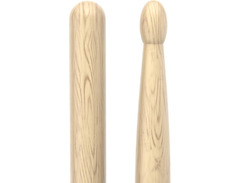
The ProMark PW747W Neil Peart drumsticks are crafted from Shira Kashi White Oak, a wood that is 10% denser than hickory, providing superior durability and enhanced projection. This increased density results in a slightly heavier feel compared to traditional hickory sticks, delivering extra power without added effort - a key benefit for drummers who need both strength and longevity in their sticks.
Designed for greater control and balance, these sticks are slightly longer and thicker than a standard 5A, giving players extended reach and a comfortable grip. The thick taper enhances durability while ensuring a responsive rebound, making them ideal for drummers who rely on precision and control.
One of the standout features of the PW747W is its oval tip, which produces a bright, articulate tone with crisp cymbal response. However, due to its shape, the tone can vary significantly based on grip and angle, requiring drummers to be more precise to maintain consistency.
Built for high-energy playing, these sticks naturally amplify drum and cymbal attack, making them a strong choice for rock, progressive, and hard-hitting drumming styles. Whether you’re looking for increased volume, durability, or control, the ProMark PW747W Neil Peart drumsticks offer a well-balanced mix of power and responsiveness.
At around $10-15, the ProMark PW747W Neil Peart drumsticks offer power, durability, and tonal flexibility, making them a solid choice for drummers who demand precision and strength.
See how artists use this





Vic Firth American Classic 7A Drumsticks
4.5 (13)
The Precision Player's Choice



- Exceptionally comfortable with a great swing for thinner stick enthusiasts
- Lightweight design enhances speed and control during play
- Provides a balanced feel, reducing fatigue during long sessions
- Durable construction withstands heavy use and lasts for months
- See 4 more
- Some reports of poor wood quality leading to breakage
- May not be suitable for those preferring heavier sticks
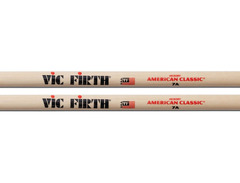
The Vic Firth American Classic 7A delivers exquisite control and nuanced articulation, making it the go-to choice for players who demand supreme precision in their playing. The premium-grade hickory construction creates a stick that's both incredibly responsive and surprisingly durable.
At .540 inches in diameter, the 7A feels effortlessly nimble while maintaining enough substance for confident playing. The precision-engineered teardrop tip is a crucial element here - it extracts pristine definition from cymbals while offering exceptional clarity on drums. For those intricate jazz patterns and delicate ghost notes, this tip shape lets you explore an impressive range of tones with minimal effort.
Despite its refined dimensions, the stick's hickory core provides remarkable shock absorption, reducing hand fatigue during marathon sessions. The longer taper promotes fast rebound, essential for those lightning-quick bebop patterns and brush-like effects. What really sets these sticks apart is their balance - they respond to the lightest touch for pianissimo passages yet maintain enough presence when you need to project.
The 15.5-inch length strikes an ideal balance between reach and control, giving you enough leverage for complex movements without sacrificing precision. Whether you're dancing across the ride cymbal or laying down subtle comping patterns, these sticks feel like a natural extension of your hands, responding instantly to every nuance of your playing.
See how artists use this


Vater Los Angeles 5A
4.5 (4)
The Quick-Response Specialist

The select American hickory construction forms the foundation of these sticks' performance. At standard 5A dimensions, they strike a perfect balance between speed and power, but it's the front-weighted design that sets them apart. This subtle shift in weight distribution creates a faster, more direct attack that's crucial for intricate funk patterns and gospel chops.
Nylon tips provide exceptional clarity and durability, particularly important for complex cymbal work. The bright, articulate sound cuts through dense mixes without being harsh, while maintaining enough body to deliver solid backbeats when needed. Every pair is weight-matched, ensuring consistent feel and response across both hands.
The stick's response really shines during quick patterns and subtle ghost notes. The balanced design promotes fast rebound without sacrificing control, letting you execute complex patterns with minimal effort. Whether you're laying down tight gospel fills or intricate funk grooves, these sticks respond instantly to your intentions.
The durability factor deserves special mention. Despite their speed-oriented design, these sticks hold up remarkably well under intense playing. The hickory grain selection and nylon tips work together to maintain consistent feel and sound, even after hours of rimshots and complex patterns.
See how artists use this

.jpg)








Zildjian 5A Nylon Black Dip Drumsticks
5.0 (4)
The Modern Music Maven


The Zildjian 7A Nylon Black Dip Drumsticks are a versatile and well-balanced option for drummers seeking comfort, durability, and articulate stick response. Designed with a 7A profile, these sticks are lightweight and nimble, making them an excellent choice for jazz, lighter rock, and intricate playing styles that require finesse over power. The nylon tip enhances cymbal definition, producing a bright, crisp attack that cuts through a mix - ideal for drummers who want added clarity on their ride and hi-hats.
One of the standout features is Zildjian’s Black Dip grip, a rubberized coating that improves handling and reduces slippage, especially during long sessions or high-energy performances. While the grip provides extra control, some drummers may find it slightly tacky compared to traditional lacquered finishes. Additionally, the nylon tip extends durability compared to wood tips, resisting chipping and maintaining consistent performance over time.
Overall, the Zildjian 7A Nylon Black Dip Drumsticks are a solid choice for drummers who favor a lightweight, controlled feel with enhanced grip and cymbal articulation. However, players who prefer a more traditional finish or a heavier stick for harder-hitting styles may want to explore other options.


Maintenance and Longevity
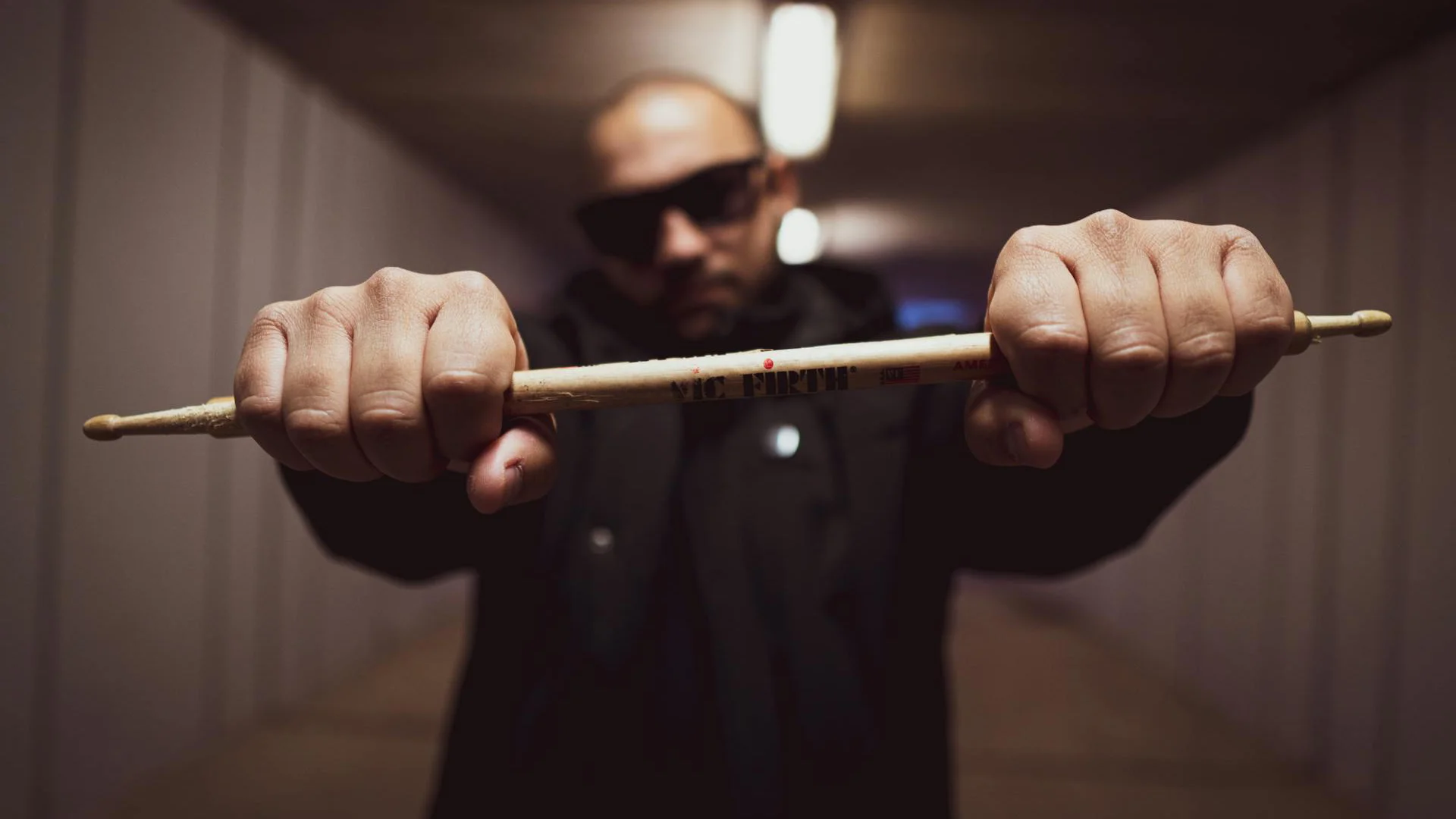
Your drumsticks are an investment - both in your sound and your playing comfort. Learning to maintain and extend their lifespan not only saves money but also ensures consistent performance every time you sit behind the kit.
Understanding Wear Patterns
Every drummer's sticks wear differently based on their playing style. Heavy rimshot players often see wear near the shoulder, while intense cymbal work typically affects the tip and upper portion. Understanding your personal wear patterns helps you identify potential technique issues and choose sticks that best match your playing style.
Impact of Playing Technique
Your grip and attack significantly influence stick longevity. A death grip not only tires your hands but can actually accelerate wear through excess tension. Proper technique, including letting the stick breathe in your hands and using its natural rebound, reduces unnecessary stress on both the sticks and your hands.
Environmental Factors
Temperature and humidity play crucial roles in stick longevity. Extreme conditions can warp wood sticks or affect their weight distribution. Store your sticks in a controlled environment, away from direct sunlight and excessive moisture. Many drummers keep silica gel packets in their stick bags to combat humidity.
Rotation and Care
Implement a stick rotation system to ensure even wear. Regular rotation between pairs helps prevent sudden failures during performance. Pay attention to early warning signs - if you notice unusual splintering or changes in response, it's time to retire that pair to practice duty.
Extending Stick Life
Simple habits can significantly extend stick life:
- Clean your sticks after sweaty sessions
- Avoid storing them where temperature fluctuates dramatically
- Sand down minor splinters before they become major problems
- Consider stick wraps or grip tape to protect high-wear areas
Beyond Standard Sticks
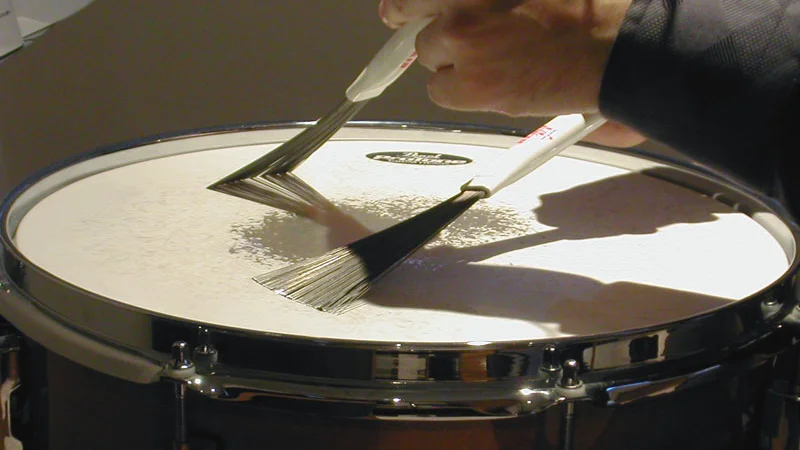
While standard drumsticks handle most playing situations, specialty sticks can open up new sonic possibilities and solve specific musical challenges. From delicate jazz brushes to thunderous marching sticks, these alternatives expand your rhythmic palette.
Brushes
Brushes transform your snare drum into an entirely different instrument. Traditional wire brushes excel in jazz and ballads, creating smooth swishes and delicate articulation. Modern hybrid brushes combine wire and nylon for increased durability and brighter sounds. Fixed-spread brushes offer consistent sound but less dynamic control, while retractable models provide more versatility at the cost of potential mechanical issues.
Rods and Multi-Rods
Perfect for lower-volume situations, rods bundle thin dowels into a stick-like form. They deliver a softer attack while maintaining stick-like feel and control. Different wood types and bundle densities create distinct tonal characteristics. Some models feature adjustable rings to vary the spread and sound, though these require regular maintenance to prevent rattling.
Mallets and Beaters
From timpani mallets to bass drum beaters, this category covers a wide range of specialized tools. Cymbal mallets create sweeping crescendos and ethereal washes impossible with standard sticks. Felt beaters produce warm, round tones ideal for ballads, while wooden beaters deliver more attack for rock and metal. Some manufacturers offer hybrid designs combining multiple surfaces for versatility.
Marching and Specialty
Marching sticks feature enlarged tips and beefier dimensions for maximum projection. Indoor marching sticks focus on articulation and speed, while outdoor models prioritize volume and durability. Specialty sticks like rhythm sticks and timbale sticks address specific playing requirements, each optimized for particular techniques or sounds.
Frequently Asked Questions
How often should I replace my drumsticks?
This depends entirely on your playing style and frequency. Heavy hitters might need new sticks monthly, while lighter players could use the same pair for months. Replace sticks when you notice significant wear, changes in response, or visible damage that affects playing - don't wait for them to break during a performance.
Why do my sticks break at the same spot?
Consistent breaking points usually indicate a technique issue. Breaking near the tip often means you're hitting cymbals at too steep an angle. Shoulder breaks typically come from rimshots or hitting too close to the rim. Film yourself playing to analyze your technique and make adjustments.
Should I switch to nylon tips?
Nylon tips provide brighter cymbal sounds and generally last longer than wood tips. However, they can occasionally pop off and don't offer the same warm tones as wood. It's really about your sound preference rather than durability - many professional drummers still prefer wood tips for their natural feel and tone.
What's the best way to store drumsticks?
Keep them in a stick bag or case away from extreme temperatures and humidity. Avoid storing them standing up, as this can lead to warping. Never leave them in a hot car or direct sunlight for extended periods. Some drummers use silica gel packets in their stick bags to control moisture.
Do matched pairs really matter?
Yes. Weight-matched pairs ensure consistent response between hands, improving your control and technique. Reputable manufacturers pitch-match their sticks, but you can also do a simple pitch test by holding each stick at the same point and tapping them - they should produce the same tone.
What size should beginners start with?
5A is the most recommended starting point. They offer a good balance of weight and control that works across multiple styles. Once you develop your technique and understand your playing style, you can experiment with different sizes to find your perfect match.
Making Your Choice

Every drummer's journey to finding their perfect sticks is unique. While this guide provides a comprehensive framework for understanding stick selection, your personal feel and musical voice should ultimately guide your choice.
Start with the conventional wisdom for your primary style - those recommendations exist for good reasons. But don't be afraid to experiment beyond traditional choices. Some of the most distinctive drum sounds came from players who broke the rules. Jazz legend Tony Williams often used heavier sticks than his contemporaries, contributing to his powerful, innovative sound.
Consider building a varied stick collection as your playing evolves. Different musical situations may call for different tools, and having options helps you adapt. Your funk gig might need quick, responsive sticks, while your rock cover band could demand something beefier. Keep track of how different sticks affect your playing and sound.
Remember that stick choice isn't permanent. As your technique develops and your musical tastes evolve, your ideal stick may change. Many drummers find themselves moving to lighter sticks as their control improves, while others discover they need more power as their playing style matures. Trust your hands and ears - they'll tell you when it's time to try something new.
Most importantly, don't let stick selection become an obsession that distracts from actual playing. The best stick in the world won't make you a better drummer - that comes from practice, musicality, and dedication to your craft. Find sticks that feel natural in your hands, then focus on making music.
Join the Discussion
We've covered a lot of ground, but the conversation doesn't end here. Every drummer has their own unique story of finding that perfect pair of sticks. Share your experiences in the comments below - tell us about your go-to sticks and what makes them special for your playing style.
Whether you've discovered an unconventional stick choice that works surprisingly well, or you've remained loyal to a classic model for years, your insights could help other drummers in their search. What sticks transformed your playing? Which ones surprised you? Your experience might be exactly what another drummer needs to hear.
Top Ranked Drumsticks, Mallets & Brushes on Equipboard


$28.53 - $50.16
5.0 (2)
5.0 (2)


About the authors
Mason is a freelance music gear writer that contributes to Equipboard, Reverb, TuneCore, Music Aficionado, and more. He plays the guitar and mandolin and resides in Wyoming. Read more
S. Jino is an accomplished multi-instrumentalist and music producer based in Kolkata, India, distinguished by his self-taught mastery and unique blend of technical acumen and musical performance. His extensive experience was forged through hands-on dedication, starting with the full restoration of a broken guitar. Jino's capabilities span keyboards, pedals, and advanced digital production, reflecting a comprehensive skill set developed independently. As a significant contributor to the music scene, Jino regularly performs with worship bands and college ensembles. He has also established himself as a reliable and authoritative professional in freelance mixing, mastering, and original music creation. Inspired by the innovative sounds of Brian May and David Gilmour, and influenced by Kolkata's vibrant metal community, Jino is committed to the intricate art of vintage gear restoration and the continuous exploration of music and technology fusion. His current professional setup, featuring a meticulously restored nameless guitar, a Fender Player Strat, and a Boss Katana 50. Read more


.webp)
.webp)
.webp)
.webp)