Finding Your Perfect Snare: A Drummer's Guide to Their Most Essential Voice


By Gear Experts
By Gear Experts
Table of Contents

Equipboard
Equipboard is the world's largest community of artists and their gear. Read our review process.
We are reader-supported. When you buy through links on our site, we may earn an affiliate commission. Learn more.
Our Picks

Tama S.L.P. Big Black Steel Snare Drum 14 x 8 in
The Tama SLP Big Black Brass Snare is a powerful, punchy, and well-built brass snare with deep low-end, bright attack, and excellent durability, making it ideal for rock, punk, and metal drummers who need a reliable, high-energy performance snare.
Read more


DW Collectors Series Black Nickel Over Brass Snare Drum
The DW Collectors Series Black Nickel Over Brass Snare Drum is a premium, versatile snare with exceptional build quality, articulate brass tone, and dynamic sensitivity, making it an ideal choice for professional drummers across multiple genres despite its premium price point.
Read more


The Ludwig Black Beauty Snare Drum is a legendary, high-end brass snare with exceptional tone, seamless shell construction, and versatile tuning, making it a must-have for serious drummers despite its premium price.
Read moreThe snare drum is the cornerstone of virtually every drum kit, defining backbeats, driving rhythms, and shaping the character of countless musical genres. From the crisp crack that anchors a rock anthem to the subtle ghost notes in a jazz composition, the snare drum is arguably the most vital and versatile piece in a drummer's arsenal.
Whether you're just starting your drumming journey or looking to deepen your understanding of this essential instrument, mastering the snare drum opens up a world of rhythmic possibilities. The right snare, properly tuned and maintained, can elevate your playing from good to exceptional. However, navigating the vast landscape of options, techniques, and maintenance requirements can feel overwhelming.
This comprehensive guide will take you through everything you need to know about snare drums. You'll discover how different materials and construction methods shape your sound, learn professional tuning techniques that bring out your snare drum's sweet spot, and understand the maintenance practices that keep your snare performing at its peak. We'll cut through the confusion and jargon to help you make informed decisions about choosing, tuning, and caring for your snare drum.
From the fundamental physics of how snare wires interact with drum heads to practical tips for achieving your desired sound, we've crafted this guide to be your definitive resource for all things snare drum.
Anatomy of a Snare Drum
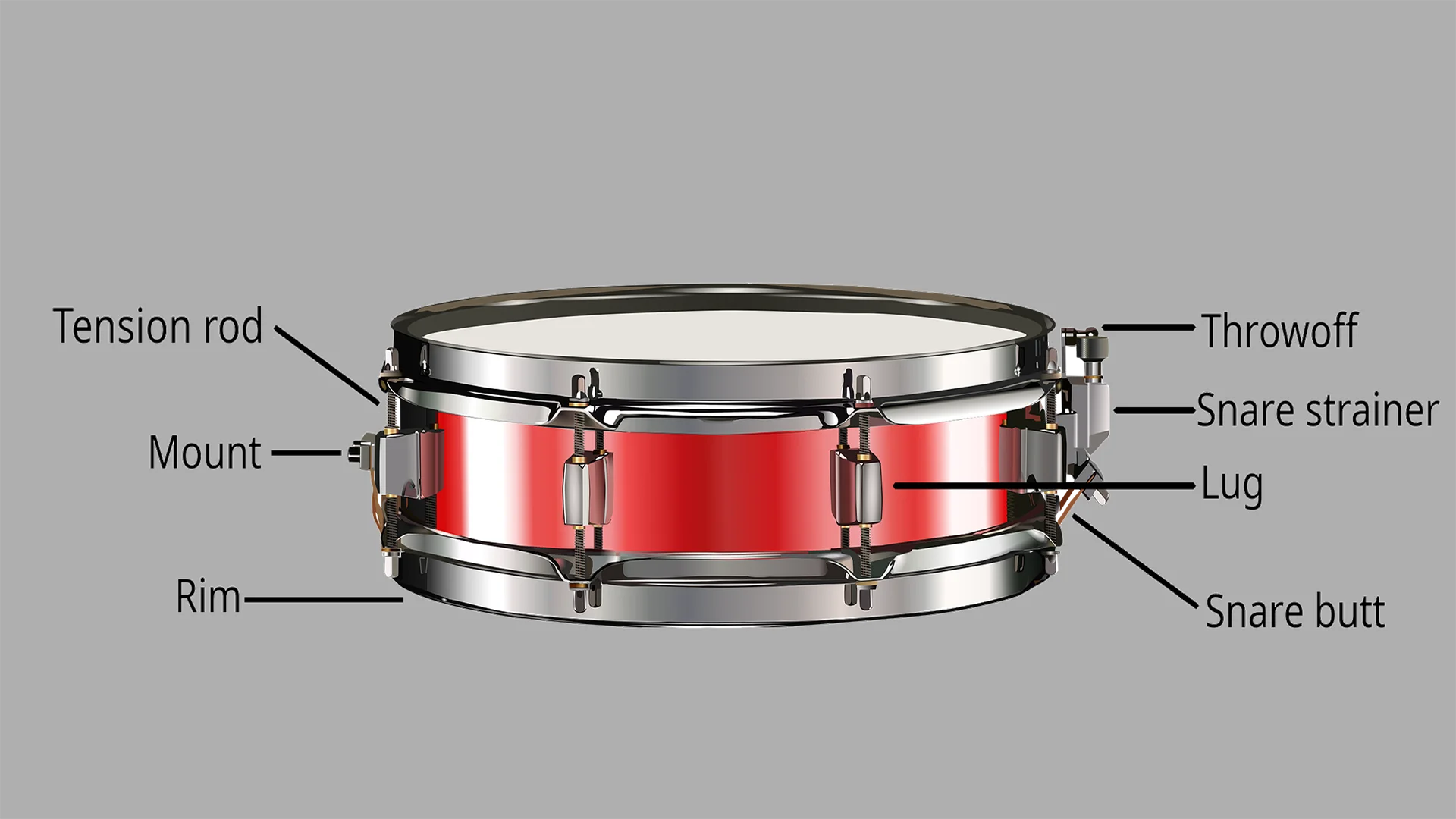
Picture a cylindrical drum, typically 14 inches in diameter and 5-7 inches deep. This fundamental piece of every drummer's kit consists of several key components working together to create its distinctive sound. Understanding how these parts interact will help you better appreciate the instrument and make informed decisions about selection and maintenance.
The Core Structure
At the heart of every snare drum is the shell, a hollow cylinder that forms the drum's body. Think of the shell as the snare drum's foundation, similar to how the body of an acoustic guitar shapes its sound. This cylindrical structure has bearing edges at the top and bottom, carefully cut angles where the drum heads make contact.
Around this shell, you'll find lugs evenly spaced along the circumference. These metal fixtures anchor the tension rods that hold everything together.
The Two Faces
The drum has two heads, like the front and back covers of a book. The top head (batter head) takes the direct hits from your sticks. This is where most of the action happens, from rimshots to ghost notes. The bottom head (resonant head) is typically thinner and works with the snare wires to create the drum's signature snap.
The Defining Feature
What truly makes a snare drum unique is its snare system. This is a set of tightly wound metal wires stretched across the bottom head that give this drum its name. These snare wires are held in place by a metal frame called the strainer on one side and an adjustable buttplate on the other. When the batter head is struck, these wires bounce against the resonant head, creating that crisp, snappy sound that defines the snare drum.
The Control Center
On the side of the drum, you'll find the throw-off mechanism. Think of this as the drum's on-off switch. It allows you to quickly engage or disengage the snare wires, transforming the sound from a crisp snap to a tom-like tone. Next to it, you'll typically find a fine-tension adjustment knob that lets you dial in the perfect wire response.
The Rim Assembly
Holding each head in place is a metal or wooden hoop (also called a rim). These hoops work with the tension rods to maintain even pressure around the head's circumference. The hoops also serve as additional playing surfaces, enabling techniques like rimshots and cross-sticks that expand the drum's sonic palette.
Understanding the Basics
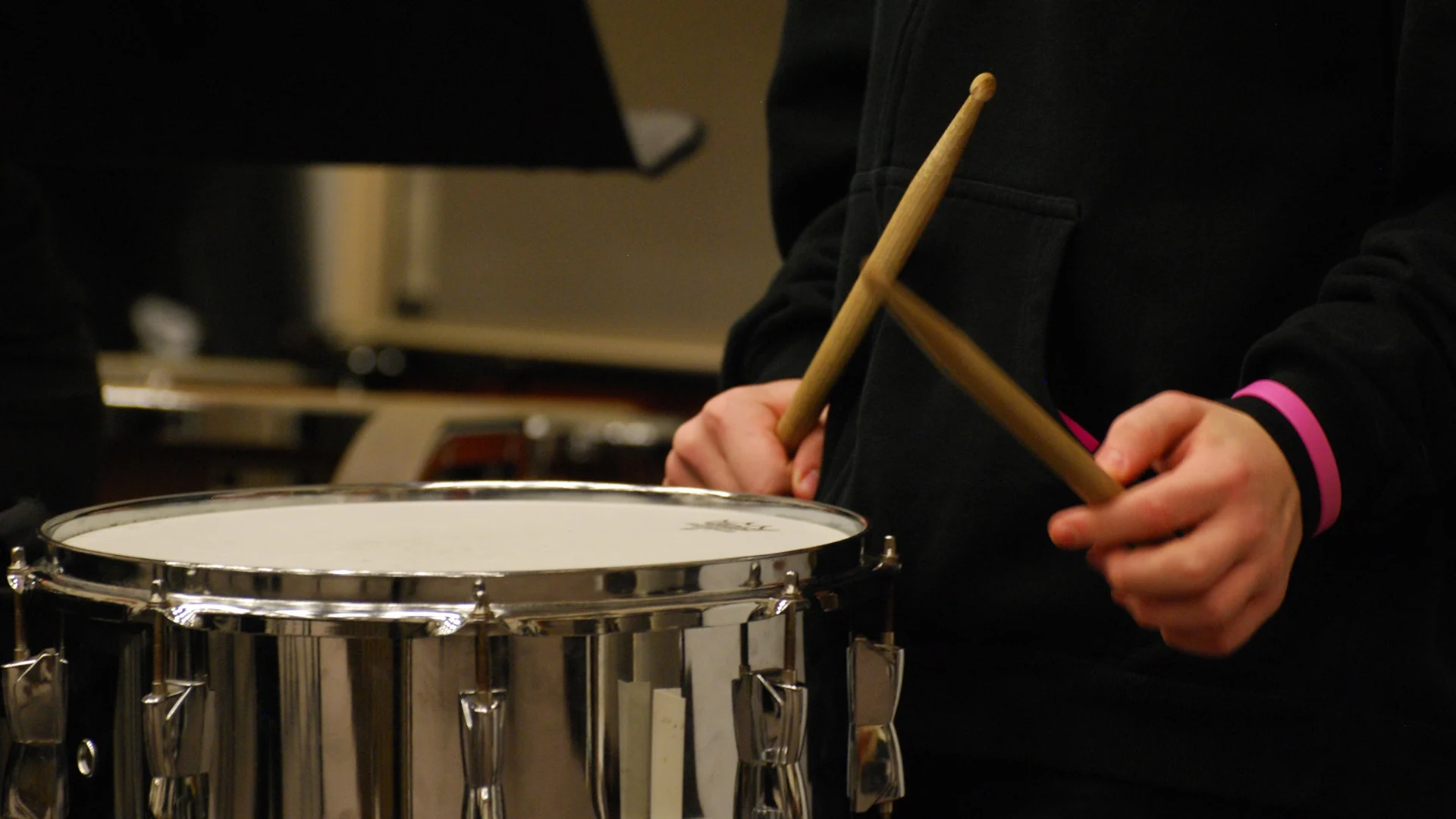
Now that you can visualize how a snare drum is built, let's explore what makes it such a unique and essential instrument. The snare drum's distinctive voice comes from the sophisticated interaction of all its components, creating an instrument that's both powerful and nuanced.
What Makes a Snare Drum Special
A snare drum creates sound through a complex interplay of vibrations. The interaction between the batter head, resonant head, and snare wires produces one of the most versatile sounds in percussion. When the batter head is struck, it creates a wave of air pressure that travels through the shell, activating both the resonant head and snare wires simultaneously.
This mechanical process produces two distinct voices. The primary strike generates the drum's initial tone, while the snare wire interaction creates the characteristic sizzle or crack. The intensity of your strike determines how these elements combine, allowing for remarkable dynamic control.
The Heart of Your Kit
In modern drum setups, the snare drum commands the central position both physically and musically. Its placement between the hi-hat and mounted toms evolved from decades of ergonomic refinement, allowing drummers to maximize both power and control. This strategic positioning enables everything from delicate ghost notes to powerful accents without compromising comfort or efficiency.
The snare drum's role extends far beyond keeping time - it's the primary voice for accents, the foundation of fills, and often the key to a drummer's signature sound. From driving backbeats in rock to intricate patterns in jazz, the snare drum shapes the character of virtually every groove.
Historical Evolution
The snare drum's journey spans centuries of musical and military history. Its origins trace back to medieval Europe, where rope-tensioned drums with gut snares served as crucial military communication tools. These early instruments, known as tabors, were played alongside a three-hole pipe, marking one of the first instances of multi-instrumental performance.
By the 15th century, military drummers had developed sophisticated systems of rhythmic signals, each pattern conveying specific commands across noisy battlefields. The development of more complex tension systems and metal snare wires in the 17th century marked a crucial evolution, improving both sound quality and reliability.
The transformation from military instrument to musical staple accelerated in the 19th century. The invention of the throw-off mechanism revolutionized the drum's versatility, allowing quick transitions between snares-on and snares-off playing. Metal shells appeared in the early 20th century, coinciding with the rise of jazz and the evolution of the modern drum kit.
Modern innovations have further expanded the snare drum's capabilities. The development of synthetic heads in the 1950s offered unprecedented durability and consistency. Advances in shell construction, bearing edge design, and snare wire technology have given drummers more tonal options than ever before.
Types of Snare Drums
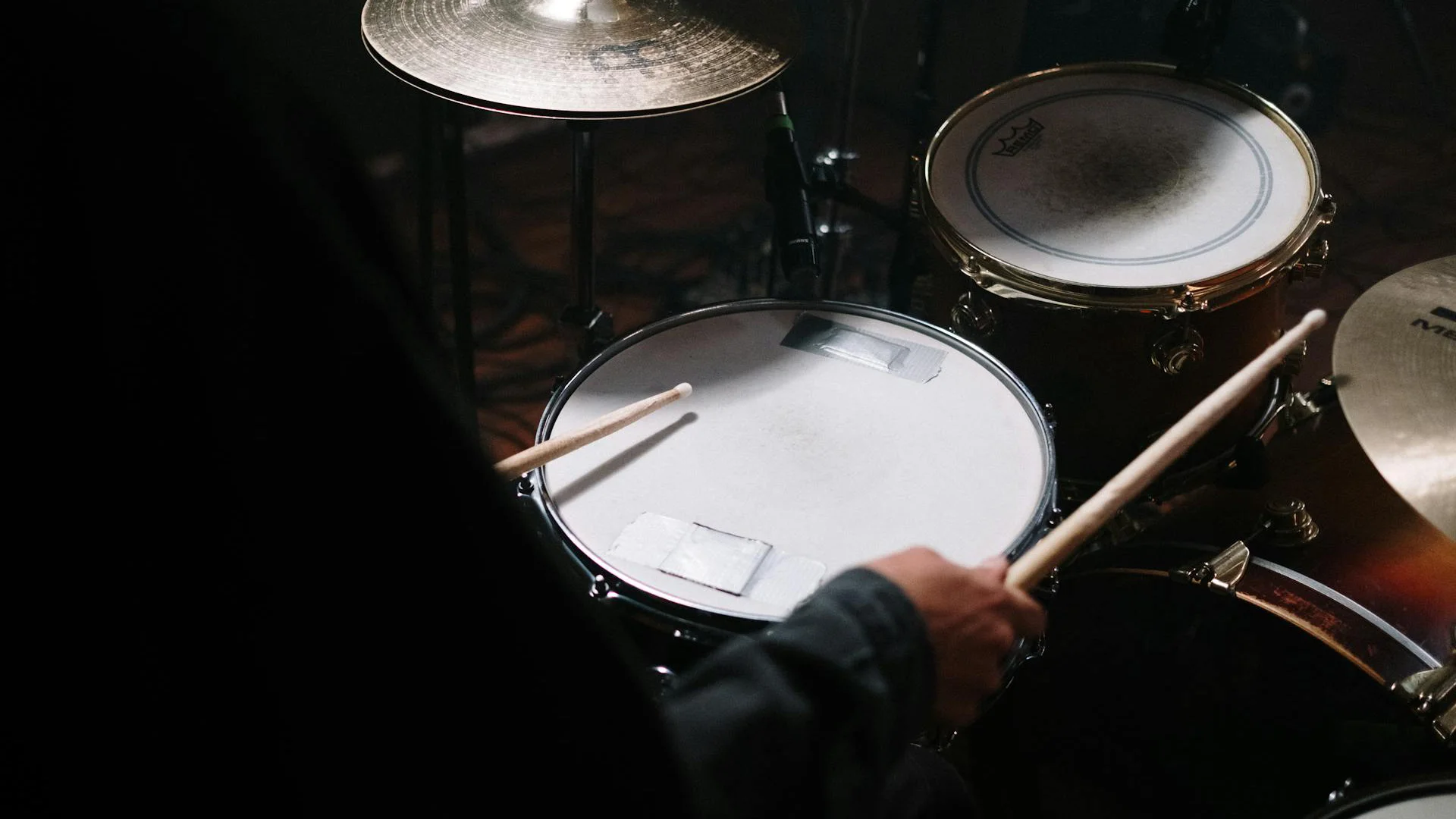
The world of snare drums offers remarkable variety, with each type bringing its own sonic character to the table. Understanding these differences helps you make informed choices that match your musical needs. Whether you're looking for thunderous power or delicate sensitivity, there's a snare drum designed for your style.
Material Matters
Different shell materials fundamentally shape a snare drum's voice. Wood shells produce organic warmth and complexity, ideal for versatile musical applications. Maple shells offer excellent projection with balanced overtones, making them a studio favorite. Birch delivers focused attack with reduced overtones, perfect for live settings. Mahogany brings deep, dark qualities that excel in vintage-style recordings.
Metal shells tell a different sonic story. Brass shells sing with bright, projecting tones and rich overtones. Steel offers incredible volume and cut, while aluminum provides dry attack with controlled sustain. Some modern drums even use hybrid shells, combining materials for unique tonal characteristics.
Size Variations
The dimensions of a snare drum significantly influence its sound and playing feel. Standard 14-inch diameter snares balance depth and crack, explaining their widespread use across genres. However, varying the depth creates distinct voices. Shallower snares (like 5-inch models) respond quickly with focused attack, while deeper shells (6.5 inches or more) deliver fuller low end and increased volume.
Specialized Designs
Modern drum makers continue innovating with unique designs for specific applications. Free-floating snares eliminate traditional lugs, maximizing shell resonance. Some models feature shell vents or sound ports that alter projection patterns and overtone characteristics. Others use specialized bearing edge cuts to emphasize particular frequency ranges.
Then there are drums built for specific musical contexts. Orchestral snares emphasize sensitivity and dynamics for classical settings. Marching snares prioritize volume and durability, while side snares add auxiliary sounds to standard kits.
Choosing Your Perfect Snare
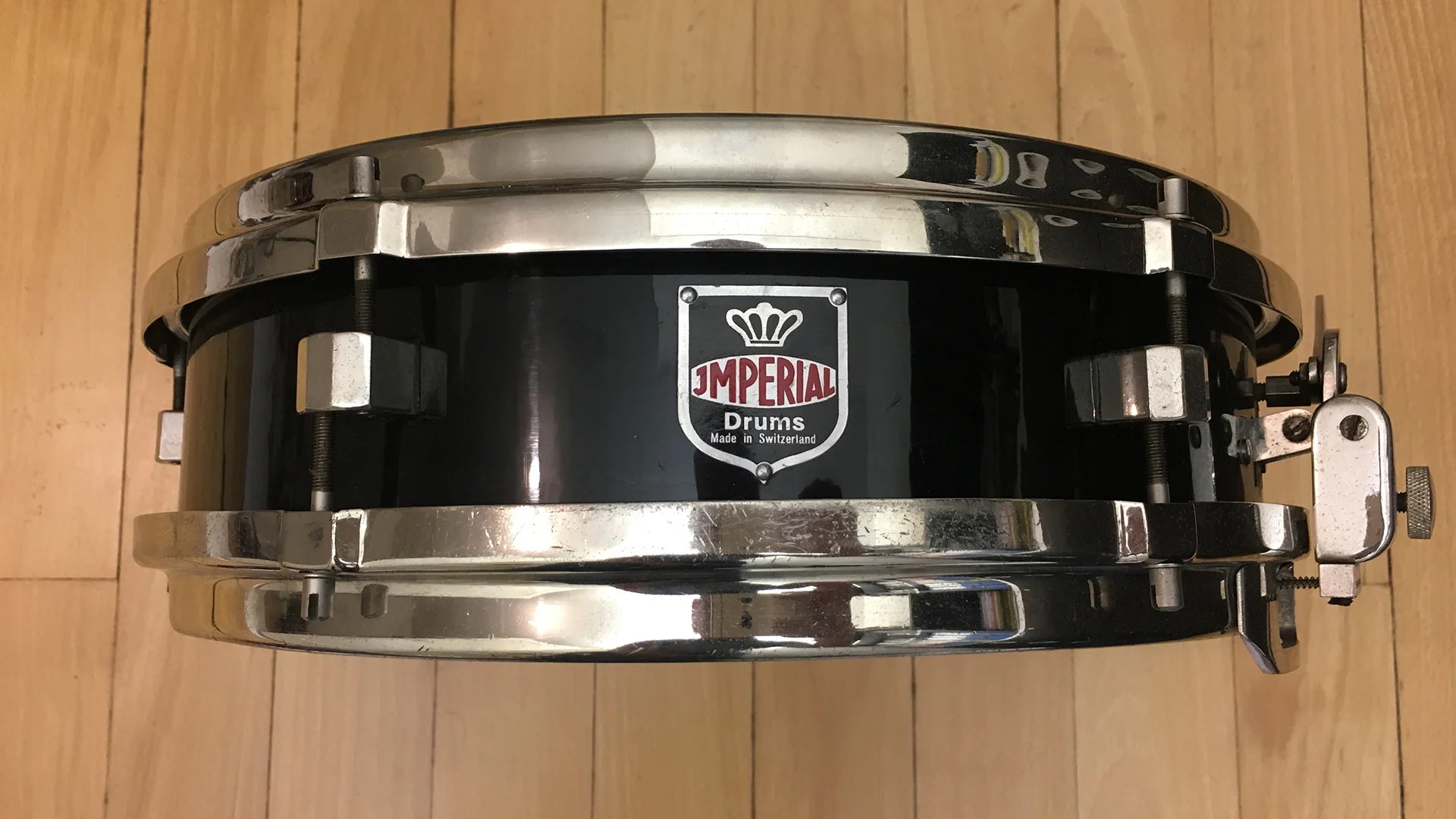
Converting musical goals into specific hardware choices requires understanding how different specifications serve various playing styles. This section breaks down exactly which components and specifications align with different musical situations.
Shell Material Selection by Style
Hard rock and metal genres demand maximum projection and cut, making brass or steel shells the ideal choice. Steel shells between 1.2mm to 2mm thickness deliver the aggressive attack needed for these styles. Modern metal particularly benefits from 2mm steel shells paired with die-cast hoops, creating the perfect combination for powerful, cutting rimshots. For players needing extra low-end presence while maintaining cut, 2mm brass shells provide the ideal solution.
Jazz and fusion players require shells that emphasize sensitivity and warmth. Maple shells in the 6-8 ply range provide the perfect balance of warmth and articulation needed for intricate playing. For traditional jazz applications, single-ply maple shells with reinforcement rings have become the standard, offering classic warm tones with superior brush response. Players focusing on fast, technical jazz might prefer thin aluminum shells around 1mm thickness, which provide exceptional stick response.
R&B and hip-hop genres benefit from shells that deliver focused attack and rich overtones. Birch shells in the 8-10 ply range provide the focused punch needed for tight backbeats. Modern R&B particularly benefits from deeper brass shells, which combine powerful punch with rich overtones. For hip-hop applications, thick maple shells in the 10-ply range deliver the fat sound essential to the genre, especially when combined with die-cast hoops.
Depth and Diameter Combinations
Standard 5.5x14 inch configurations provide excellent versatility, balancing quick response with adequate body. Increasing depth to 6.5 inches enhances low-end response while maintaining articulation, making this size particularly effective for rock and R&B applications.
Shallower depths, such as 5 inches, provide faster response and enhanced articulation, making them ideal for jazz and fusion. Players requiring maximum projection might opt for depths of 7 or 8 inches, though this comes with reduced sensitivity. Concert and orchestral applications often benefit from 4-inch depths, which provide superior sensitivity for pianissimo passages while maintaining projection capabilities.
Component Pairing for Optimal Sound
Head selection profoundly influences a snare drum's voice. Single-ply coated heads around 10mil thickness serve acoustic music and brush work exceptionally well, providing warm tone with excellent sensitivity. Double-ply clear heads in the 14mil range excel in high-volume situations, delivering enhanced durability and focused sound. Modern hybrid heads combine thin and thick plies, typically using a 7mil top layer with a 5mil bottom layer, creating an ideal balance for studio recording.
The choice of hoops dramatically affects both tone and playability. Triple-flanged hoops in 2.3mm thickness produce bright, cutting rimshots with traditional response. Die-cast hoops offer enhanced focus and stability, making them particularly valuable in studio environments. Wood hoops create warm, complex rimshot tones while reducing harsh overtones, though they require more careful handling.
Snare wire configuration creates distinct response characteristics. Traditional jazz applications benefit from 16-20 wire sets, providing sensitive response with controlled spread. Standard configurations using 20-24 wires deliver versatile performance across most genres. Orchestral applications often employ 24-42 wire sets for maximum sensitivity, though this requires precise tuning to control overtones.
Application-Specific Configurations
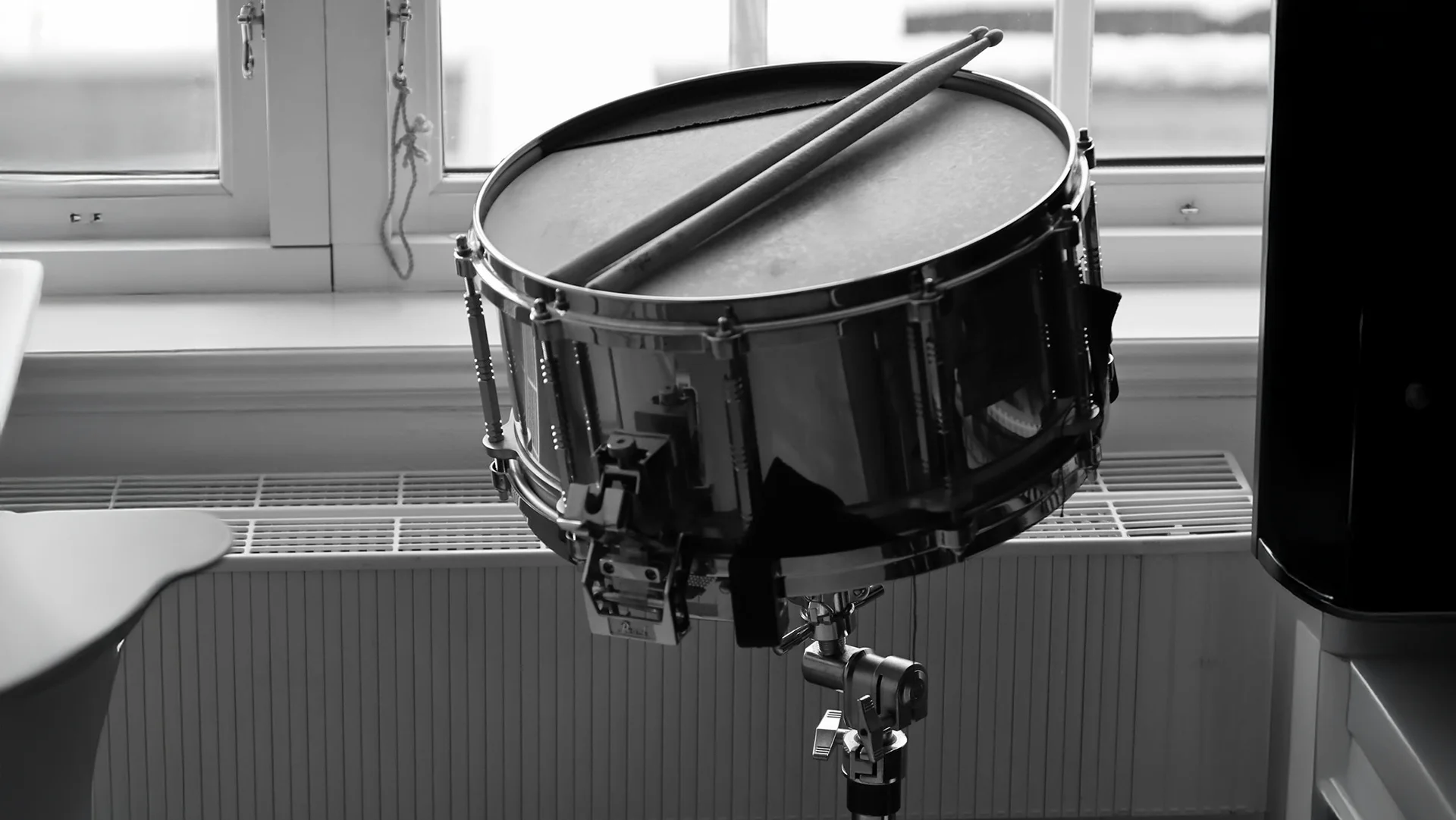
Studio recording environments demand maximum versatility and controlled overtones. A 13x7-inch maple shell serves as an exceptional studio workhorse, offering excellent dynamic range and tone control. This configuration benefits from die-cast hoops for enhanced focus and 20-strand wires for controlled response. The slightly smaller diameter provides enhanced attack while maintaining full body.
Live performance requires different configurations based on venue size and style. Theatre and concert hall performances benefit from 14x6.5-inch brass shells, providing excellent projection with rich harmonics. Small club environments work well with 14x5-inch maple configurations, offering controlled volume with warm tone. Large outdoor venues demand maximum projection, making 14x6.5-inch steel shells with die-cast hoops the optimal choice.
Contemporary music production often requires snares that can handle both electronic and acoustic environments. Modern metal and hybrid shells excel here, with 14x6-inch aluminum shells providing excellent trigger response while maintaining acoustic versatility. These configurations benefit from clear double-ply heads and die-cast hoops, creating focused attack for both live and recorded applications.
Construction Quality Essentials
The quality of shell construction impacts both sound and longevity. Superior bearing edges form the foundation of great tone, requiring precise 45-degree cuts with sharp peaks and smooth surfaces. Modern manufacturing typically produces edges between 45 and 60 degrees, with sharper angles providing increased attack and projection.
Shell roundness plays a crucial role in tuning stability and overall resonance. Professional-grade shells maintain roundness tolerances within 0.5mm, ensuring consistent head seating and even tension distribution. The reinforcement rings, when present, should integrate seamlessly with the shell, providing additional stability without restricting vibration.
Snare beds require particular attention in construction assessment. The optimal snare bed depth ranges from 2 to 3.5mm, with gradual transitions that ensure proper wire contact without creating dead spots.
Balancing Versatility and Specialization
Many drummers face the choice between versatile workhorses and specialized instruments. A versatile snare drum should handle tuning ranges from 30 to 50 on a Drumdial (or equivalent), maintaining good tone and response throughout this range. Maple shells in the 5.5x14-inch range with mid-weight triple-flanged hoops typically offer the best versatility.
Specialized drums excel in specific contexts but may struggle outside their intended use. Piccolo snares create distinctive effects but rarely work as primary drums. Similarly, extremely deep shells excel at low tunings but become unwieldy when higher pitches are needed.
For drummers requiring maximum adaptability, modern hybrid shells combine different materials in single or multiple plies. These constructions often pair maple's warmth with birch's attack, creating drums that can handle everything from delicate jazz to aggressive rock. The trade-off comes in slightly reduced character compared to purpose-built drums.
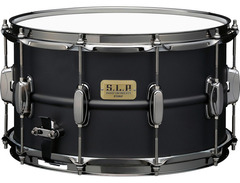
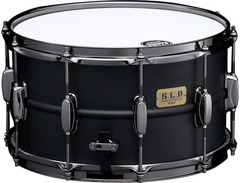
Tama S.L.P. Big Black Steel Snare Drum 14 x 8 in
4.5 (2)
A Versatile, Punchy Performer






Average Price: $298
Standard/Professional
$150
$501+
Budget
Standard
High-end
- Excellent for loud, heavy genres like thrash metal and punk
- Versatile tuning range, performs well in both high and low tunings
- Solid, aggressive attack with classic steel ring
- Capable of deep, full-bodied sound
- See 6 more
- Stock heads and snare wires often need replacement
- Mighty Hoops may not handle extreme tuning tensions
- Can be overly ringy for some genres without proper tuning
The Tama SLP Big Black Brass Snare is a well-crafted, bold-sounding drum that offers powerful projection, rich low-end, and a crisp attack. Built with gigging and recording drummers in mind, it provides a deep, articulate response that makes it ideal for rock, punk, metal, and other high-energy styles.
At the core of the Big Black Brass Snare is its 1mm brass shell, which delivers a bright, cutting tone with enough warmth to avoid sounding overly harsh. The 8-inch depth enhances the low end, making it punchy and full-bodied while still maintaining the sharp crack brass is known for. Unlike steel, which can lean toward excessive brightness, brass provides a balanced mix of attack and musicality.
Compared to similar brass snares, such as the Ludwig Black Beauty, the Tama Big Black Brass leans slightly more aggressive in tone, with a stronger midrange presence and added depth due to its unique dimensions. While it lacks the ultra-sensitive response of thinner brass snares, it excels at delivering power and volume, making it well-suited for live performances.
Tama has a reputation for high-quality craftsmanship, and this snare upholds that standard. Key features include:
- Steel Mighty Hoops (2.3mm triple-flanged) – Provide a solid rimshot and balanced overtones.
- Brass Tube Lugs – Offer a secure and stylish design while ensuring even tuning.
- Linear-Drive Strainer – Smooth and precise throw-off action for seamless snare engagement.
- 20-Strand Carbon Steel Snare Wires – Enhance articulation and responsiveness without excessive brightness.
This snare is built for consistent tuning stability, even under heavy playing. The hardware is durable and roadworthy, making it an excellent choice for drummers who need a reliable, professional-level instrument.
This snare is best suited for drummers who need a loud, punchy, and versatile drum capable of handling studio and live settings. It excels in rock, punk, metal, funk, and high-energy genres where projection and attack are essential.
With a price point around $350–$400, the Big Black Brass Snare sits in a competitive range for professional-quality brass snares. While not as boutique as higher-end models like the Ludwig Black Beauty, it offers an impressive balance of tone, durability, and affordability, making it a strong contender in its class.
The Tama SLP Big Black Brass Snare is a bold, well-built, and road-ready snare with punchy attack, deep low-end, and excellent tuning stability. While its brightness may not suit every style, and the stock heads could benefit from an upgrade, it remains a standout option for drummers looking for a powerful, gig-ready brass snare.

DW Collectors Series Black Nickel Over Brass Snare Drum
A Legacy of Innovation and Quality

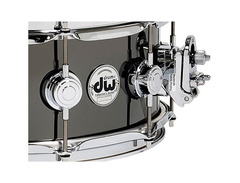
Drum Workshop (DW) has built a reputation for high-quality craftsmanship and innovation, evolving from a small drum school founded in 1972 by Don Lombardi into one of the most respected names in percussion. Originally a learning resource for musicians, DW transitioned into drum manufacturing under John Good, Lombardi’s student and now the company’s Senior Executive Vice President. The acquisition of Camco Drums further solidified DW’s expertise, allowing them to refine their designs and set new industry standards.
With endorsements from legendary drummers like Dave Grohl, Chad Smith, Jason Bonham, and Nick Mason, DW has remained a trusted brand for professional musicians. The DW Collectors Series Black Nickel Over Brass Snare Drum continues this tradition, offering a premium snare with remarkable tone, dynamic sensitivity, and stunning aesthetics.
The 14" x 6.5" shell is crafted from brass and finished in a sleek black nickel plating, balancing bright attack with controlled resonance. Brass is known for its articulate, punchy tone, sitting between the warmth of wood and the cutting sharpness of steel, making it a versatile choice for various genres.
DW’s high-end hardware ensures durability and precision, featuring:
- True-Pitch Tension Rods for fine-tuned adjustments
- MAG Throw-Off System for smooth, reliable snare engagement
- DW’s proprietary snare wires, offering crisp articulation
The 6.5-inch depth adds body and warmth, making it suitable for both rock and studio recording, while the triple-flanged or die-cast hoops provide tuning stability and dynamic response.
This snare drum excels in sensitivity and dynamic control, responding equally well to ghost notes and aggressive rimshots. The brass shell’s natural resonance enhances clarity and definition, making it ideal for:
- Rock (cutting presence, great projection)
- Jazz & Funk (expressive dynamics, rich overtones)
- Studio & Live Settings (versatile tuning, controlled sustain)
It’s often compared to the Ludwig Black Beauty, but DW’s version offers a more modern, refined take, with smoother hardware operation and additional tonal versatility.
The DW Collectors Series Black Nickel Over Brass Snare Drum is a premium snare that delivers top-tier performance for professional drummers. With exceptional build quality, dynamic range, and stunning aesthetics, it stands as a worthy competitor to classic brass snares like the Ludwig Black Beauty. Though it comes at a premium price, its versatility and reliability make it a solid investment for serious players.
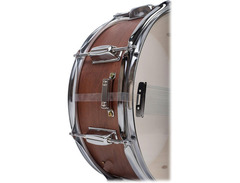
Griffin 14" x 5.5" Poplar Snare Drum

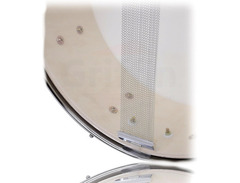
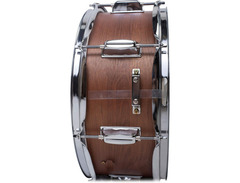
- Affordable price suitable for beginners and professionals on a budget
- Impressively resonant tone comparable to more expensive snares
- Includes a tuning key for easy customization
- Versatile for both acoustic and electronic mesh kit applications
- See 3 more
- Metal components, including lugs, are of low quality and may rust
- Wrap finish may appear out of focus or less convincing up close
- Snare beds are inadequately cut, requiring modification for optimal sound
- Tension rods may lack washers, necessitating additional purchase
- See 1 more
When looking for your first snare drum, price is generally a primary concern. Most beginning musicians just can’t justify spending hundreds of dollars on a hobby that they aren’t sure that they’re going to like, which is completely reasonable all things considered.
However, the only problem with purchasing budget equipment is that it can be hard to find a cheap instrument that sounds good while being able to hold up to the rigors of consistent practice and possibly even performance. Usually prospective musicians have to choose one option or the other, which is both frustrating and incredibly inconvenient should you decide to continue with the hobby.
Thankfully, the Griffin 14” by 5.5” Poplar Snare drum offers a great value to prospective musicians, because for its price point it’s a remarkably competent sounding snare with a reputable track record of durability. The most important part of this snare is that it features a one year replacement warranty, as well as a 30 day back guarantee. For this price point this is essentially unheard of, and it really speaks highly of the company’s faith in their product.
This snare is made from poplar wood, which is a bright and clear sounding tone wood. Poplar is a close relative of birch as far as tone is concerned, though it does generally tend to lack the fullness and depth common to well-built birch drum shells. That’s not to say that poplar is a bad tone wood, it’s just a cheaper alternative to birch. It’s not quite as desirable, but it does have its own merits.
The Griffin Snare also features 20 snare strands. The general idea behind snare strands is that the more strands a snare has the more “snare” sound it’s going to have, and the less strands it has the more it’s going to sound like a traditional drum. This drum only has 20 strands, which is towards the lower end of the spectrum. Snares can have as many as 42 strands, though snares with only 20 strands are still going to sound snare-like. With this drum in particular the amount of strands it has probably works in its favor, because with the poplar shell more snares would probably lessen the depth of the drum’s tone.
This snare’s shell is 7.5 mm, which helps to enhance the clarity and resonance of the drum. The only con to this is that a thinner shell doesn’t hold up well to looser drum tunings, which may not be ideal depending on your preferences in regards to your drum. However, this will come in handy for those of you who prefer a “bouncier” head.
Griffin’s snare is available in three different finishes, glossy black, pearl white, and silver sparkle. The snare does not come with a carrying case or a stand, though it does come with a drum key.
The best part about this drum is that the manufacturer guarantees the quality of your purchase, and if you happen to receive a damaged instrument the company will either replace it or give you your money back. This is a huge bonus, especially if you’re purchasing this snare online. Though it’s not the fault of the manufacturer it is always a possibility that you’ll receive a lemon.
One thing to note with this drum is that there are reports that the hardware isn’t cast, which is unfortunate because steel sheeting (or pig iron, depending on which material is utilized by the company) is definitely nowhere near as durable as cast steel. This does mean that you will have to take extra care with the hardware, but so long as you’re relatively careful with it you shouldn’t run into many problems.
There have also been reports that some of the hardware needs to be lubricated, because it ships from the factory dry. Lubricating the mechanisms is going to make it easier to tune the drum, which is a huge plus because you’re going to have to tune your drum when there’s change in temperature or humidity or as it loosens with time.
The Griffin 14” by 5.5” Poplar Snare Drum offers a great value for the drummer on a budget, and though it may require a bit of work to get into shape at the end of the day it is a quality product.
Pork Pie Big Black Snare Drum
5.0 (3)

- Affordable alternative to high-end brass snares
- Versatile tuning range: rich tone from low to high settings
- Durable hardware and quality black nickel plating
- Warm and pleasant tones with stock heads
- See 6 more
- Requires specific tuning and head adjustments to sound its best
- Some users experience overtones and ringiness without dampening
- Not as refined as the Ludwig Black Beauty in terms of sound quality
Founded in 1987 by Bill Detamore, Pork Pie Percussion was actually a realization of Detamore’s lifelong infatuation with percussion instruments. The company wasn’t founded for monetary gain, it was actually just a side project of Detamore’s so that he could pursue building drums as a hobby.
Though Pork Pie has become a reputable company in its own right, it hasn’t lost its dedication to quality. Every drum manufactured by Pork Pie comes signed by Bill Detamore, and it also includes a handwritten date to designate the time that it was built. Pork Pie also offers a wide range of services out of its shop, including but not necessarily limited to: drum restoration, customizing, and refinishing. The company has customized or hot rodded drum sets for some of the best groups around, such as Van Halen, Marilyn Manson, Blink 182, and Guns N’ Roses.
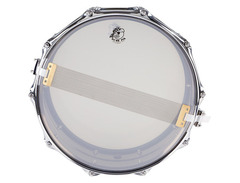
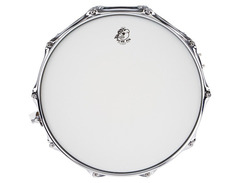
Given the company’s humble origins, it’s no surprise that the Pork Pie Big Black Brass snare is made to an extraordinary level of quality. Even better, Pork Pie has a very generous warranty policy. They offer a full warranty for a year, and in most situations they’ll be willing to work with you in the event that you experience technical difficulties with a product after the warranty expires.
The first thing to note about this snare is that it features a brass shell. The general consensus is that wood shelled drums are more musical and resonant while metal shelled drums are generally more focused. Your results with either variety of snare is going to depend on the sound you’re looking for, as well as the band you’re playing with.
This drum is considered to be one of the more versatile snares in its price range, able to accommodate both very tight and very loose tuning styles. Most drummers also praise the versatility of the drum, with sensitivity and a dynamic range that’s incomparable for the price commonly being cited by most reviewers.
Another thing to note about this drum is that it has a 14 inch diameter as well as a 6.5 inch depth. This results in a very loud drum with a warm yet punchy tonality. The metal shell undoubtedly gives the drum a focus that would be lacking in a wood shelled drum with similar dimensions.
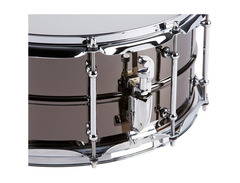
Lastly, the Pork Pie Big Black Brass Snare Drum comes with a black chrome plated finish but the main material is made from brass. So while the brass may not be readily apparent at first glance the product does come as advertised.
Pork Pie can be thought of as more of a boutique company, which is likely why they can maintain the level of quality that they’re generally known for providing. Bigger companies tend to have more issues with quality control because they’re unable to dedicate as much time to their products (this can be for a variety of reason, and it doesn’t necessarily mean that the company is at fault or being lazy), while smaller companies are usually able to provide a more consistent quality.
Another thing to note in this regard is that every drum is signed by the company’s founder, which makes the company’s dedication to quality a more personal affair. Every drum sold by the company is a reflection of both the company and the founder’s work ethic and honesty, so it stands to reason that Pork Pie would have a higher interest in maintaining a high level of quality because they don’t have as much anonymity.
It’s incredibly rare for any Pork Pie drum to ship with any quality issues. Considering that any issue with a company is widely reported online, the glowing reception that Pork Pie gets from the community reflects very well on their dedication. As previously stated, the company does also have a warranty. The warranty guarantees the drum for one year, though there are reports of Pork Pie repairing drums where the warranty has expired though it may come at a slight cost to the buyer.
The Pork Pie Big Black Brass Snare offers a great value for any drummer looking for a mid-range snare that offers a great sound without straining the budget.
Ludwig Black Beauty
5.0 (5)
A Timeless Classic

Average Price: $938
High-end/Boutique
$150
$501+
Budget
Standard
High-end
- Legendary, versatile sound that fits various musical genres
- High-quality craftsmanship with a clean, aesthetically pleasing look
- Exceptional dynamic range enhances expression and playability
- Minimal ringing, rich and musical overtones
- See 4 more
- Prone to cosmetic flaws and hardware issues like plating and strainer defects
- High price point, not significantly better than cheaper alternatives
- Some users find it loud with excessive rattling
- Does not fit certain snare stands easily
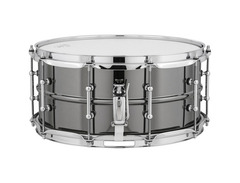
No list of the best snare drums is complete without the Ludwig Black Beauty. More than just an instrument, it’s a piece of drumming history, revered for its rich tone, versatility, and unmatched craftsmanship. With a legacy spanning decades, this snare has found its place in countless studios and on the kits of drumming legends - from John Bonham to modern session pros.
At the heart of the Black Beauty’s appeal is its exceptional tone. Featuring a 1.2mm seamless brass shell, this snare delivers deep, resonant warmth while maintaining clarity and projection. The seamless shell construction eliminates potential tonal inconsistencies at weld points, enhancing resonance and sustain for a more open, focused sound. The black nickel plating adds a touch of dryness, helping to control overtones without sacrificing character.
One of the Black Beauty’s biggest strengths is its remarkable tuning flexibility.
- High tuning: Crisp, articulate crack that cuts through dense mixes - ideal for rock, funk, and pop.
- Medium tuning: Open, full-bodied tone - perfect for session work and general gigging.
- Low tuning: Fat, punchy backbeats - great for jazz, blues, and R&B.
Compared to other high-end brass snares, like the DW Collectors Nickel Over Brass or the Tama Star Reserve Brass, the Black Beauty offers a slightly warmer, rounder sound. While DW’s version has a brighter, more cutting attack, the Ludwig’s seamless shell design enhances resonance and sensitivity, making it more expressive for dynamic playing.
Ludwig is known for its legendary craftsmanship, and the Black Beauty upholds this tradition.
✔ Seamless Brass Shell – Unlike many welded-shell brass snares, the Black Beauty's seamless design enhances resonance and sustain, producing a more focused, balanced tone.
✔ Black Nickel Finish – Not only looks stunning but also adds slight dryness to the sound, reducing unwanted overtones.
✔ Choice of Lugs – Available with Tube Lugs (classic, lightweight for open resonance) or Imperial Lugs (heavier, slightly drier tone).
✔ Hoop Options – Triple-flanged hoops (open, resonant sound) or die-cast hoops (more controlled attack and focus).
✔ Throw-Off Mechanism – The P85 throw-off is functional and reliable, though some drummers find its action slightly stiff compared to higher-end options like the P86 Millennium or the Trick GS007. While not as refined, the P85 remains a classic design that has served countless drummers well.
The Ludwig Black Beauty is a true industry standard - a snare that has stood the test of time and remains one of the most versatile, sought-after models ever made. While its premium price may deter casual drummers, those willing to invest will get a lifetime snare that delivers unmatched tone, tuning flexibility, and craftsmanship. Whether you're a session pro, studio engineer, or a passionate gigging drummer, this snare remains a must-have for any serious collection.
See how artists use this


.png?v=1784640200)




Tuning Mastery
Mastering snare drum tuning transforms a good instrument into a great one. The process involves understanding not just tension adjustment, but how different tuning approaches affect tone, response, and overall sound character. While personal preference plays a role, certain fundamental principles ensure optimal performance across all situations.
Fundamental Tuning Principles
The snare drum's dual-head design creates complex tonal interactions. Bottom head tension shapes the drum's core sound, serving as the foundation for all other adjustments. Professional drummers typically tune the bottom head higher than the batter head, creating optimal snare response while maintaining articulation.
The relationship between top and bottom head tension creates distinct tonal characteristics. When both heads are tuned to similar tensions, the drum produces maximum resonance and sustain. Creating tension differentials between heads allows precise control over overtones and decay.
Fine-Tuning for Musical Context
Rock and metal genres benefit from higher overall tension. The bottom head tuned to approximately 85-90Hz with the batter head around 75-80Hz creates powerful attack with controlled sustain. This higher tension range enhances projection while maintaining rimshot power.
Jazz applications typically require lower overall tension. Bottom head tensions around 75-80Hz paired with batter head tensions at 65-70Hz provide warm tone with enhanced brush response. This setup allows enhanced sensitivity while maintaining adequate projection for acoustic environments.
Studio recording demands precise control over overtones. Tuning both heads to matched frequencies produces maximum resonance, while slight detuning creates shorter decay useful for controlled studio sounds. The snare side tension particularly influences overtone content, with higher tensions producing more pronounced snare response.
Advanced Tuning Techniques
Professional tuning requires understanding the interplay between various components. The snare wire tension critically affects both response and overtones. Optimal wire tension allows the wires to respond to quiet strokes while avoiding unwanted buzz. Too much tension chokes the drum's resonance, while insufficient tension creates unwanted sympathetic vibrations.
Head seating significantly impacts tuning stability. Begin with even finger-tight tension around all lugs, then gradually increase tension while maintaining evenness. Each tension rod should be adjusted in small increments, typically no more than a quarter turn at a time. Fine adjustments in the final stages often make the difference between good and exceptional sound.
For advanced sonic control, consider the "double stop" technique. This involves creating intentionally different tensions at specific lugs to control problematic overtones. The technique particularly helps with excessive ring at specific frequencies without sacrificing the drum's overall resonance.
Troubleshooting Common Issues
Unwanted overtones often result from specific tuning relationships. When the batter and resonant heads vibrate at conflicting frequencies, they produce complex beating patterns that manifest as problematic rings. Systematic adjustment of individual lugs while listening for problem frequencies allows precise control over these interactions.
Excessive snare buzz frequently stems from sympathetic vibrations. The relationship between snare tension and bottom head tuning directly affects this issue. Slightly increasing bottom head tension often reduces buzz without compromising sensitivity. For persistent problems, examining the snare bed depth and wire alignment becomes crucial.
Dead spots typically indicate uneven tension or head seating issues. Methodically working around the drum with quarter-turn adjustments while checking tension at each lug helps identify and correct these problems.
Step-by-Step Tuning Process
Before beginning, ensure you have the necessary tools: a drum key, dampening rings if needed, and ideally a drum tuning device or pitch reference. Start with a completely detuned drum, removing all tension from both heads.
Start with the resonant (bottom) head:
- Finger-tighten all tension rods until the head makes firm contact with the bearing edge.
- Using the drum key, make a full turn on each rod, moving in a star pattern across the head. Never tune lugs adjacent to each other in sequence.
- Tap the head about one inch from each tension rod, listening for consistent pitch. The goal is identical pitch at every lug.
- Continue with quarter-turn increments in the star pattern until reaching desired pitch
The batter (top) head follows similar principles:
- Repeat the finger-tightening process.
- Apply tension in the star pattern, listening for consistent pitch around all lugs.
- Aim for slightly lower tension than the resonant head (typically 75-80Hz for versatile tuning).
- Test the overall drum sound between each quarter-turn of adjustment.
Fine-tuning the snare response:
- Engage the snare wires, ensuring they're centered on the bottom head.
- Adjust wire tension until the snares respond to gentle taps while avoiding excessive buzz.
- Test with light strokes around the head, listening for even response.
- Make minor adjustments to individual lugs if needed for problem areas.
Common tuning targets:
- For rock: Higher tensions, with bottom head around 90-95Hz
- For jazz: Lower tensions, bottom head around 75-80Hz
- For studio: Match head pitches for maximum sustain, or tune bottom head higher for controlled sound
- For general purpose: Bottom head at 85Hz, top head at 75Hz provides excellent versatility
Maintenance and Care
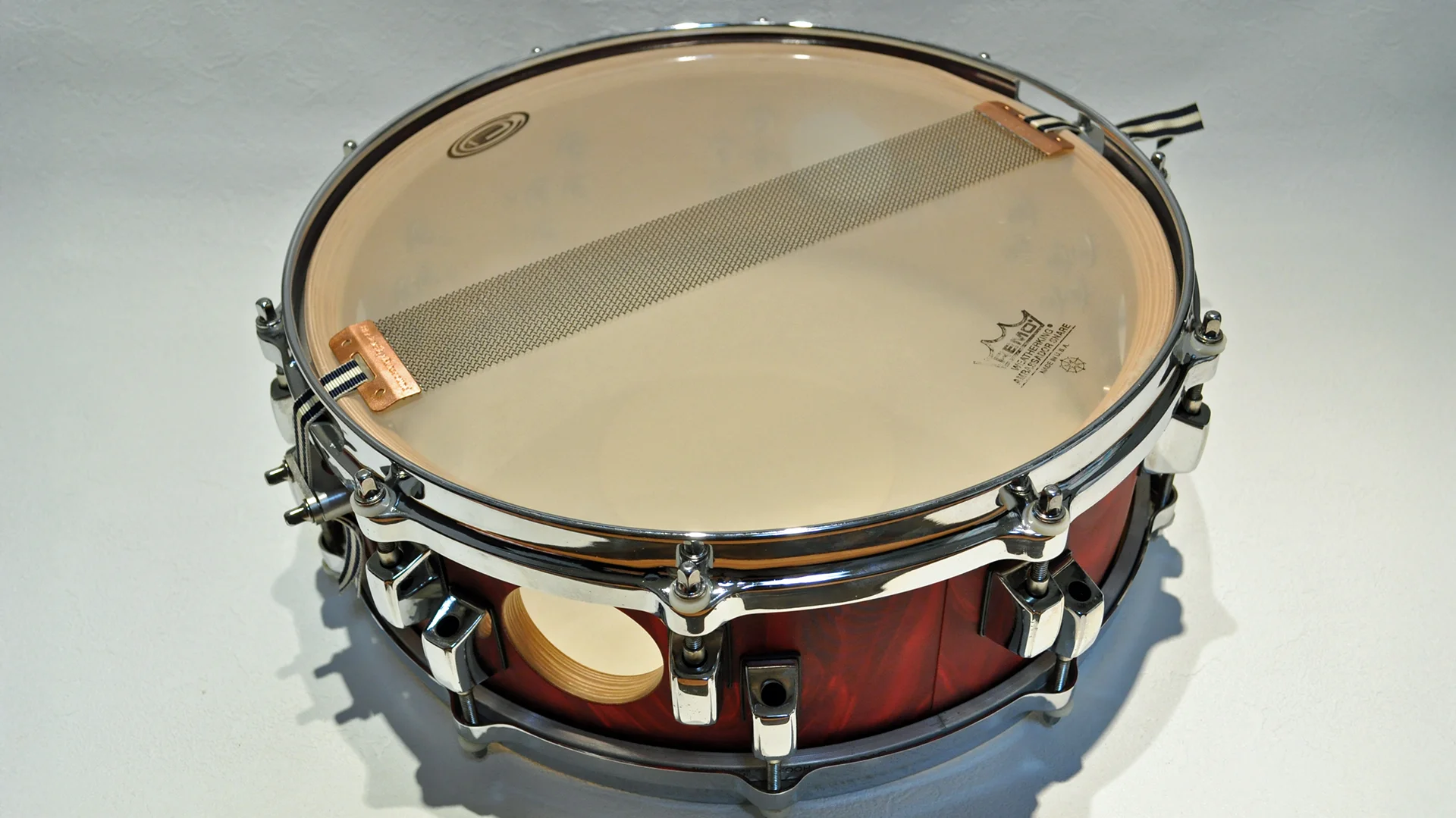
Proper maintenance ensures consistent performance and extends your snare drum's lifespan. Regular care not only preserves sound quality but also prevents costly repairs and replacements. Understanding proper maintenance procedures helps protect your investment while maintaining optimal sound.
Regular Maintenance Schedule
Daily maintenance forms the foundation of drum care. Wipe down the heads, shell, and hardware after each use to prevent buildup of stick residue and environmental debris. Pay special attention to the snare wires and strainer mechanism, as these components directly affect performance.
Weekly inspection should focus on all moving parts. Check tension rods for proper lubrication and smooth operation. Examine the snare wires for proper alignment and any signs of wear. The strainer mechanism requires special attention, ensuring smooth engagement and consistent tension adjustment.
Monthly maintenance involves more detailed examination. Check bearing edges for any signs of wear or damage, as these directly affect tuning stability and tone. Inspect all gaskets and washers for deterioration. Review head condition, looking for denting or wear that might affect sound quality.
Cleaning Best Practices
Different shell materials require specific cleaning approaches. Chrome and nickel-plated shells need regular polishing to prevent oxidation. Lacquered wood shells require gentle cleaning with specialized wood-safe products. Avoid excessive moisture on wood shells, as this can affect the finish and potentially the shell integrity.
Hardware cleaning demands particular attention. The snare mechanism benefits from periodic disassembly and thorough cleaning, especially in dusty environments or after extensive outdoor use.
Component Replacement Guidelines
Drum heads require regular replacement to maintain optimal sound. Professional drummers typically replace batter heads every 3-6 months with regular use. Resonant heads last longer but should be replaced annually to maintain proper tone and response.
Snare wires show their age through reduced sensitivity and uneven response. Watch for corrosion, bent wires, or uneven spacing as signs of needed replacement. Quality snare wires typically last 1-2 years with regular use, though environmental conditions can affect longevity.
Storage and Transport
Proper storage and transportation practices significantly impact your snare drum's longevity and performance. Environmental factors like temperature and humidity directly affect wood shells and heads, making controlled storage conditions essential. Even metal shells benefit from proper storage practices to prevent hardware issues.
Temperature fluctuations pose particular challenges. Store drums in climate-controlled environments whenever possible, avoiding extreme temperatures that can affect head tension and shell integrity. For wood shells, maintain relative humidity between 45-55% to prevent warping and bearing edge issues.
Long-term Storage Considerations
Extended storage requires special preparation. Slightly loosen the heads to reduce stress on the shell and hardware, but maintain enough tension to keep the heads properly seated. Remove or completely loosen snare wires to prevent stretching and maintain proper tension characteristics.
Position stored drums vertically when possible. This orientation reduces stress on the shell and helps maintain round integrity. Use support blocks or stands that distribute weight evenly and prevent pressure points on hardware or tension rods.
Transportation Best Practices
When transporting snare drums, maintain consistent temperature conditions whenever possible. Sudden temperature changes can cause rapid tension fluctuations, potentially affecting tuning stability and head seating. Allow drums to acclimate to new environments before making significant tuning adjustments.
Always transport snares in their cases, even for short distances. The most common damage occurs during what seems like inconsequential moves.
Common Questions and Solutions
Why does my snare drum buzz when I'm not playing it?
Sympathetic vibration commonly causes unwanted snare buzz, typically when other drums or nearby instruments are played. This occurs due to sound waves causing the sensitive snare wires to vibrate. The solution lies in finding the perfect wire tension that balances sensitivity with control. First, ensure your snare wires are perfectly centered on the resonant head. Then, adjust the wire tension gradually until the buzz reduces while maintaining proper response. If the problem persists, try slightly increasing the resonant head tension for additional control.
How often should I replace my drum heads?
The lifespan of drum heads depends heavily on playing style and usage intensity. Professional drummers typically replace batter heads every 3-6 months with regular use. You'll know it's time for replacement when you notice denting that doesn't bounce back, or deformation around the edges. Loss of tone quality and difficulty maintaining tune serve as clear indicators that heads need replacement. The resonant head typically lasts longer but should be inspected regularly for signs of wear.
What's the difference between metal and wood snare drums?
Metal and wood snares produce distinctly different tonal characteristics. Wood shells generally provide warmer, fuller tones with rich mid-frequencies, making them excellent for versatile musical situations. Metal shells offer brighter sounds with enhanced projection and often cut through dense mixes more effectively.
Why does my snare drum sound thin or choked?
A thin or choked sound usually indicates improper tuning relationships or excessive dampening. The most common cause is a bottom head tuned too low relative to the batter head, disrupting the drum's natural resonance. Start by ensuring both heads are in tune with themselves, then establish the correct relationship between them. The bottom head should typically be tuned slightly higher than the batter head for optimal response. Overtightened snare wires can also restrict head vibration, so experiment with gradually loosening them until the sound opens up while maintaining proper response.
How can I achieve a fatter snare sound?
Creating a fuller, fatter snare sound requires attention to several factors. Begin by tuning the batter head slightly lower than you might typically use, allowing for more shell resonance and fundamental tone. A medium-thick coated batter head helps develop warmth and body in the sound. The bottom head tuning proves crucial here - try tuning it just slightly higher than the batter head to maintain sensitivity while promoting fuller resonance. Die-cast hoops can enhance low-end response, though they'll slightly reduce overtones.
What causes my snares to sound uneven across the head?
Uneven snare response typically stems from improper wire alignment or snare bed issues. Start by examining how the snare wires lay across the resonant head when fully tensioned. They should make even contact across the entire head. Check your snare beds for symmetry and proper depth, as uneven beds often cause inconsistent wire contact. The strainer and butt plate alignment proves crucial - ensure they're perfectly parallel to maintain even wire tension across the head.
Why do my tension rods keep coming loose?
Tension rod issues usually indicate either maintenance problems or improper setup. Regular vibration naturally works against thread tension, but proper maintenance can prevent most loosening issues. Ensure all tension rods have proper lubrication and that washers sit correctly under each lug. The key lies in achieving even tension around the head - uneven tension places extra stress on certain rods, promoting loosening. For persistent problems, applying thread-locking compound or switching to self-locking tension rods provides a reliable solution.
Conclusion
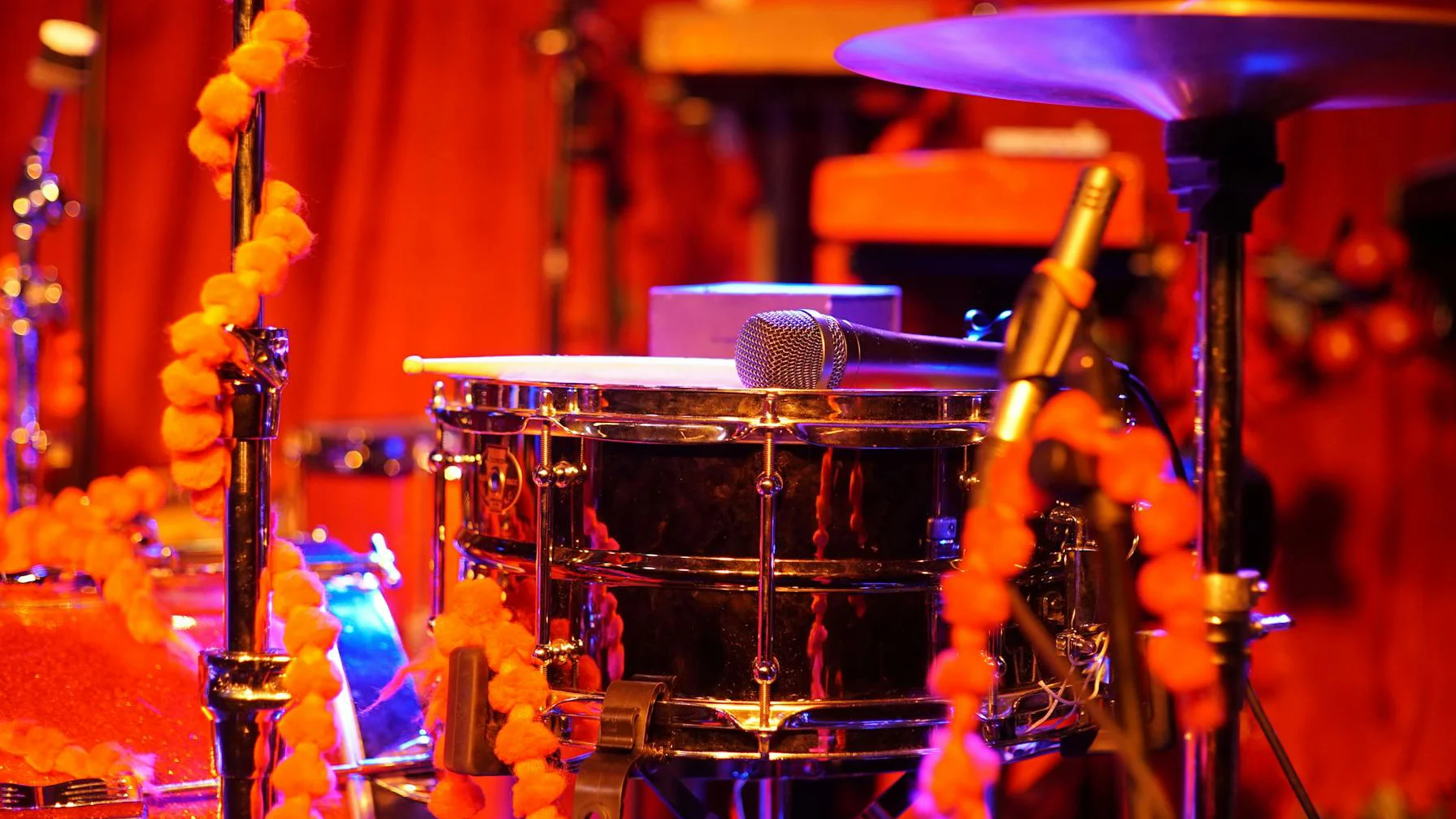
The snare drum is perhaps the most expressive and vital component of any drummer's setup. Its remarkable versatility allows it to shape the character of virtually any musical style, from the softest whisper to the most thunderous crack. Through this comprehensive exploration of snare drums, we've uncovered the intricate relationships between materials, construction, and sound that make each drum unique.
Understanding your snare drum goes far beyond simply playing it. The knowledge of how different components interact, how tuning affects tone, and how proper maintenance preserves performance empowers you to achieve your ideal sound. Whether you're selecting your first professional snare or expanding your collection, the principles covered in this guide provide a foundation for informed decisions.
Remember that while technical specifications matter, the perfect snare drum is ultimately the one that inspires you to play. Don't be afraid to experiment with different tunings, head combinations, and wire adjustments. Every snare drum holds unique sonic possibilities waiting to be discovered through patient exploration and creative experimentation.
Top Ranked Snare Drums on Equipboard

$599.99 - $899.00
5.0 (12)
5.0 (12)
-m.webp?v=1784635055)
$506.26 - $859.00
5.0 (7)
5.0 (7)


$425.00 - $485.00
5.0 (5)
5.0 (5)

About the authors
Mason is a freelance music gear writer that contributes to Equipboard, Reverb, TuneCore, Music Aficionado, and more. He plays the guitar and mandolin and resides in Wyoming. Read more
S. Jino is an accomplished multi-instrumentalist and music producer based in Kolkata, India, distinguished by his self-taught mastery and unique blend of technical acumen and musical performance. His extensive experience was forged through hands-on dedication, starting with the full restoration of a broken guitar. Jino's capabilities span keyboards, pedals, and advanced digital production, reflecting a comprehensive skill set developed independently. As a significant contributor to the music scene, Jino regularly performs with worship bands and college ensembles. He has also established himself as a reliable and authoritative professional in freelance mixing, mastering, and original music creation. Inspired by the innovative sounds of Brian May and David Gilmour, and influenced by Kolkata's vibrant metal community, Jino is committed to the intricate art of vintage gear restoration and the continuous exploration of music and technology fusion. His current professional setup, featuring a meticulously restored nameless guitar, a Fender Player Strat, and a Boss Katana 50. Read more
Comments
Sign Up or Log In to add comments

838
Thoughts on Porkpie Percussion Maple Rosewood?

83
Wow Thanks!
New in Snare Drums


$1,999.00 - $2,199.00


$228.00 - $258.00
in Snare Drums Rank


$1,199.99 - $1,499.99


$549.00 - $2,199.00