Blockhead
one‐off pseudonym for Pet Shop Boys’ Chris Lowe
Blockhead's Gear

-m.webp?v=1783349871)
With everything contained inside just a four-bar loop, Blockhead uses the 8-track sequencer in the ASR-10 to turn all the samples into a relaxed, logically arranged composition. “To turn it into a song, you just build,” he states. “Every piece takes it up to another level, just making the best transitions between elements. This sampling session today flowed pretty smoothly. I don't know how to describe the final song because I feel like it falls in-between a lot of descriptions. It's hokey, but ultimately, I'd say it's pretty upbeat."
Find it on:


Used for the vocoded vocals on "Four Walls", as stated in this February 1, 2010 Electronic Musician interview.
Blockhead also had his friend Damien Paris record bass and guitar, and Wilder Zoby from the band Chin Chin played/sang a DigiTech Talker vocoder through a Moog Liberation on “Four Walls.”
Find it on:

Used to mix The Music Scene, as stated in this February 1, 2010 Electronic Musician interview.
Blockhead also had his friend Damien Paris record bass and guitar, and Wilder Zoby from the band Chin Chin played/sang a DigiTech Talker vocoder through a Moog Liberation on “Four Walls.” Then Blockhead took his computer to producer BabyDayliner’s house, dumped tracks into Pro Tools, added more parts, and mixed it using plug-ins such as Joemeek Meequalizer, Tel-Ray delays, and Trillium Lane reverbs.
But they didn’t get too heavy with effects. The emphasis was on EQ. “Sometimes samples are tricky because they can have a wide palate, frequency-wise,” Baby Dayliner says. “You might find yourself dipping certain EQ ranges of a sample in order to let other stuff be heard better in the mix. We definitely wrestled with that issue a bit.”
Overall, Blockhead kept the wrestling to a minimum. “It’s funny because mixing has always looked like this thing that’s so anal, like, ‘Let’s spend an hour on this snare and get it to sound right,’” Blockhead says. “And I’ve never thought that way. I don’t like to dwell on a sound for hours and hours because really it’s the overall package that I’m looking at.”
Find it on:

Used to make The Music Scene, as stated in this January 14, 2010 Wired interview and Part 1 of this June 19, 2018 This Savage Beauty interview.
Wired
During the making of The Music Scene, he fell into a deep love affair with Ableton production and performance software. He hasn’t cheated on it since. “It’s made everything possible,” he said. “In terms of matching and freaking the speeds and pitches of samples, it’s changed how I make beats. Before, I’d have to cut and paste, edit like crazy or just get incredibly lucky. With Ableton, all you do is line it up and find the right pitch. It’s too easy.”
This Savage Beauty
I wasn’t organized until I started using Ableton. Before that when I sampled records, I just had a pile of them in the corner of my room, they were dollar-bin records, I didn’t care. Then I had all my stuff on floppy disks which I used for my old sampler. The organizational system came into place around 2009-2010 when I stopped sampling records and moved to a digital system. I needed to know where everything was and where I sourced my samples from. The more computers started to play a role in my beat making, the more organized I’ve become.
Ableton didn’t just cause me to be more organized, it introduced new techniques like time stretching and pitch shifting. Ableton is an incredible machine, I probably only know 5% of what it can do. I don’t actively pursue the knowledge; I like to work within the parameters of what I know. If you give me too much stuff, it’ll just distract me.
I like working with those kinds of limitations, and I’ve always done that. Even when I used to use my sampler, I just used that sampler and nothing extra. I just had this one thing and made everything on that.
With Ableton, I'm able to execute what I want to do. I’m sure I take a ton of detours to get to specific results, but I don’t mind.
Given the release history of Ableton, the 2009-2010 organization evinces Live 8.
Find it on:


Used for the vocoded vocals on "Four Walls", as stated in this February 1, 2010 Electronic Musician interview.
Blockhead also had his friend Damien Paris record bass and guitar, and Wilder Zoby from the band Chin Chin played/sang a DigiTech Talker vocoder through a Moog Liberation on “Four Walls.”
Find it on:
This is a community-built gear list for Blockhead.
- Find relevant music gear like Studio Equipment, Software Plugins and VSTs, Headphones, and other instruments and add it to Blockhead.
- The best places to look for gear usage are typically on the artist's social media, YouTube, live performance images, and interviews.
- To receive email updates when Blockhead is seen with new gear, follow the artist.
Discography
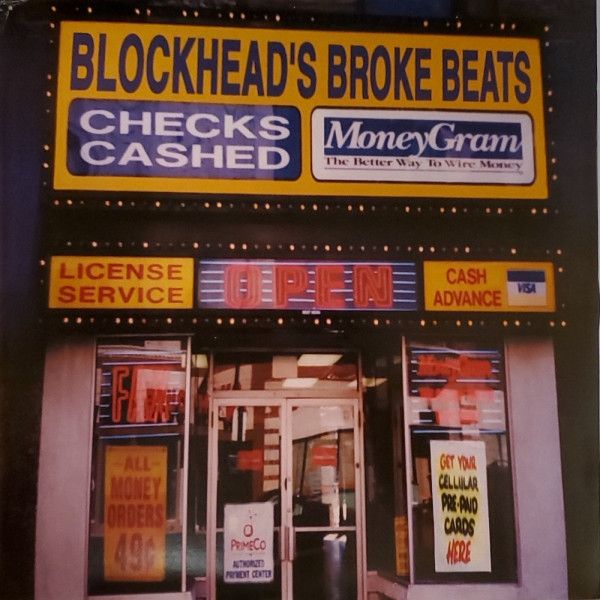
Blockhead's Broke Beats
2001
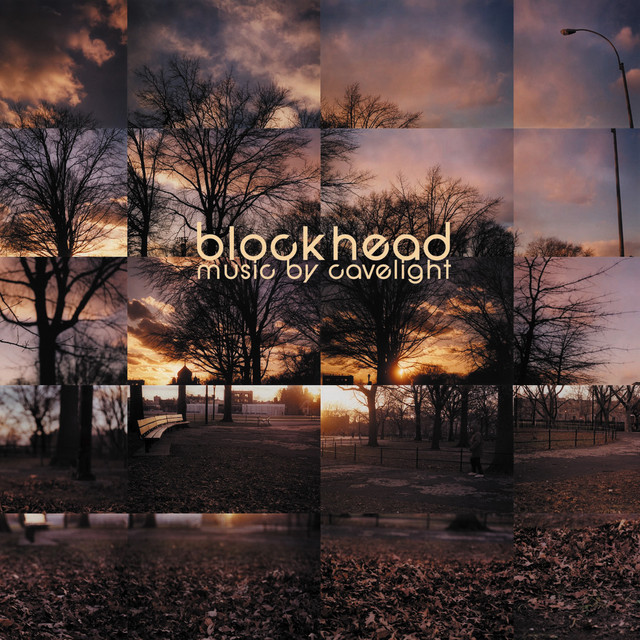
Music By Cavelight
2004
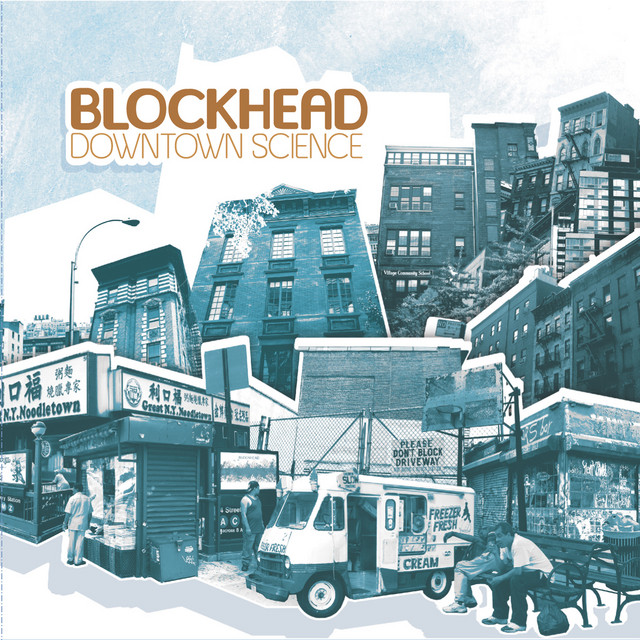
Downtown Science
2005
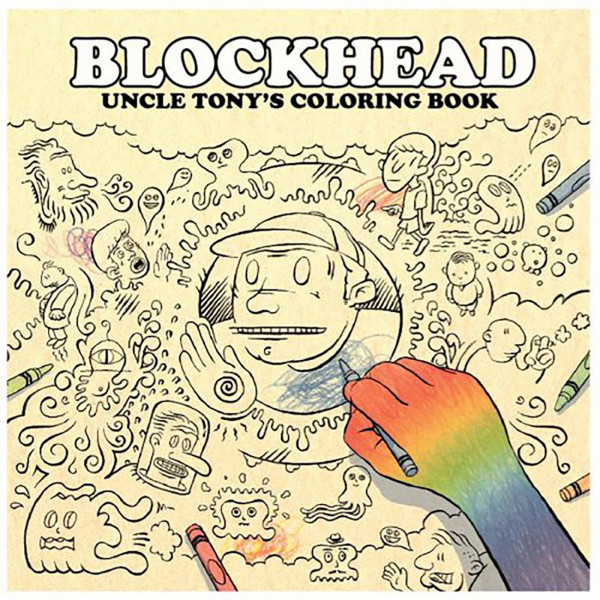
Uncle Tony's Coloring Book
2007
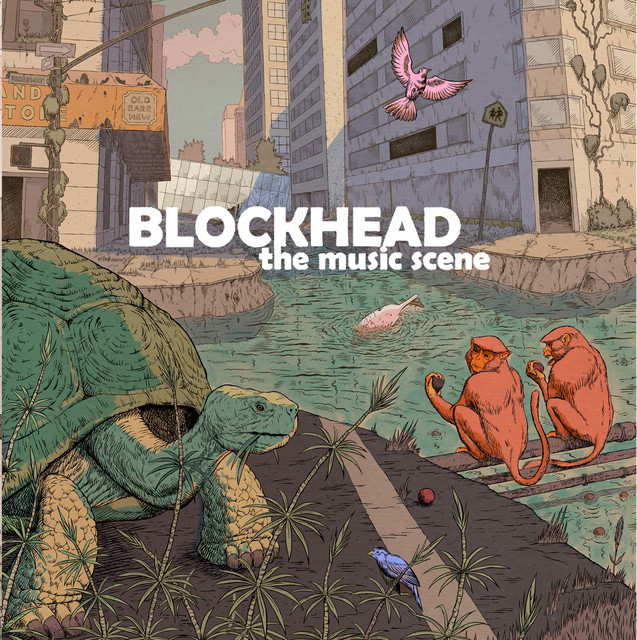
The Music Scene
2009
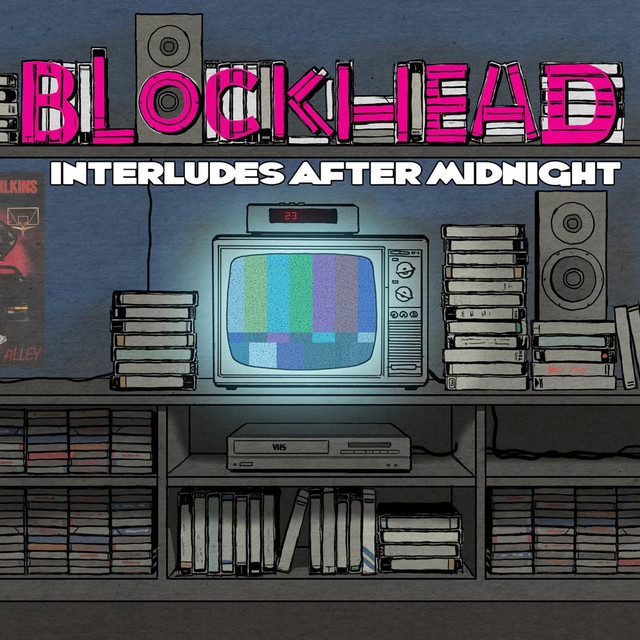
Interludes After Midnight
2012
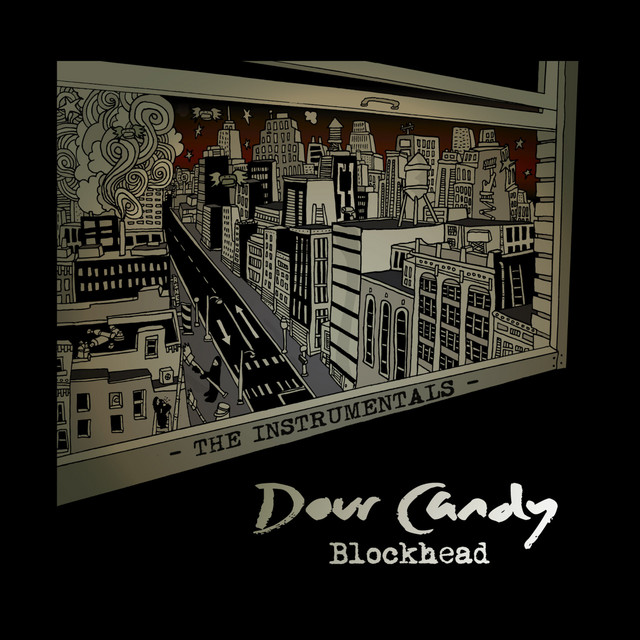
Dour Candy - The Instrumentals
2013
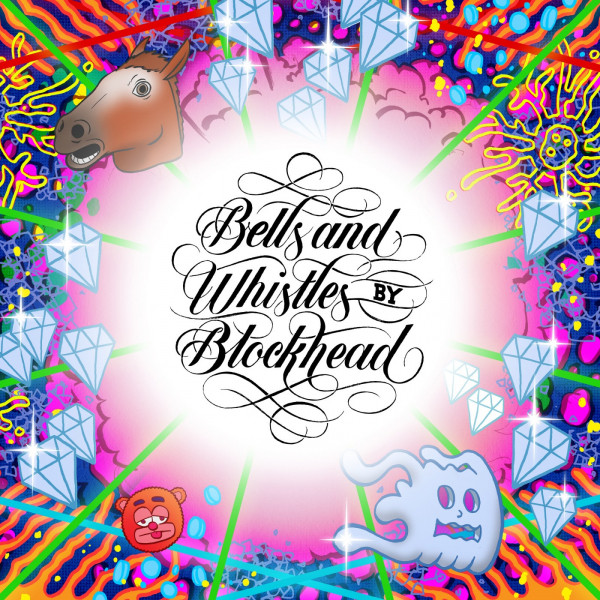
Bells and Whistles
2014
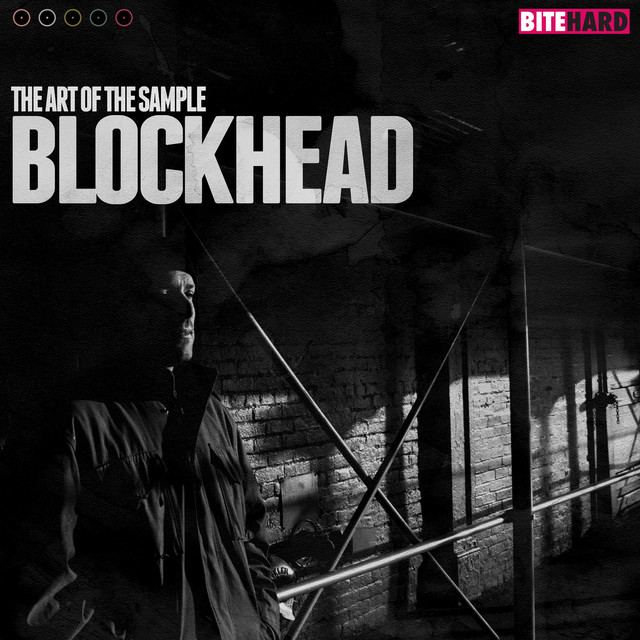
The Art of the Sample
2017
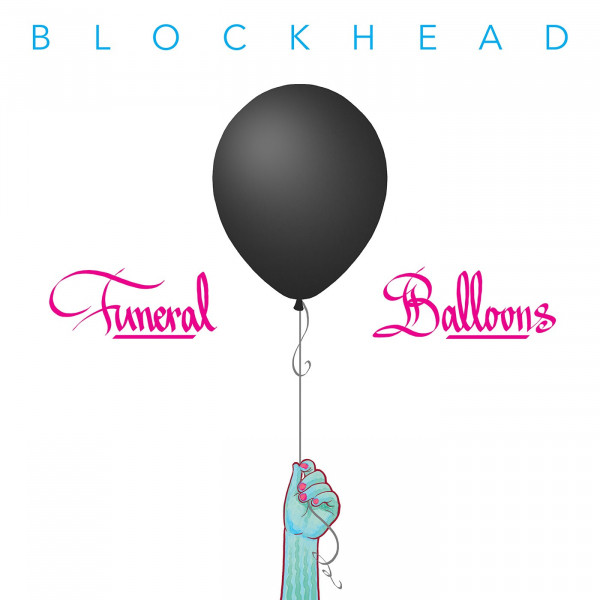
Funeral Balloons
2017
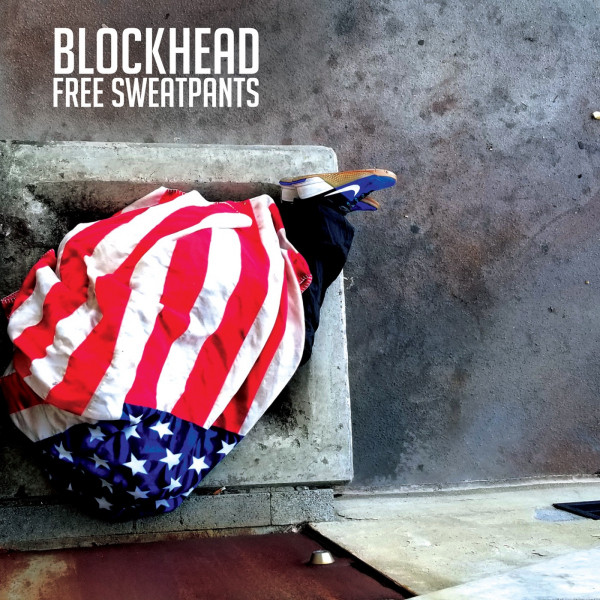
Free Sweatpants
2019

Bubble Bath
2019