Best Audio Mixers of 2026: Where Technical Excellence Meets Creativity
By Gear Experts
By Gear Experts
Table of Contents

Equipboard
Equipboard is the world's largest community of artists and their gear. Read our review process.
We are reader-supported. When you buy through links on our site, we may earn an affiliate commission. Learn more.
Our Picks

The Behringer X1204USB is a versatile and affordable entry-level mixer that combines durable construction, clean preamps, built-in effects, and USB audio interface functionality, making it ideal for home studios, podcasters, and small live setups.
Read more


The Allen & Heath ZEDi-10 combines premium build quality, professional-grade GSPre preamps, precise EQ, and high-resolution 4-in/4-out USB functionality, making it a standout hybrid mixer for home studios, small bands, and podcasters prioritizing pristine audio quality.
Read more

Mackie ProFX10v3+ 10-channel Mixer
The Mackie ProFX10v3 combines robust build quality, upgraded Onyx preamps, versatile effects, and a high-resolution USB interface, making it a reliable and user-friendly mixer for live sound, recording, and streaming applications.
Read more
Yamaha AG06 6-Channel Mixer/USB Interface
The Yamaha AG06 is a compact, high-quality mixer tailored for streamers, podcasters, and content creators, offering a premium preamp, loopback functionality, and reliable USB audio, making it ideal for modern digital content production in tight spaces.
Read more

Numark M6 USB 4-channel DJ mixer (new)
The Numark M6 USB is a reliable and affordable mixer designed for mobile DJs, offering essential features like USB connectivity, balanced outputs, and sturdy construction, making it ideal for beginners or as a dependable backup.
Read more
AMS Neve 8424 24-channel Analog Mixing Console
The Neve 8424 combines the legendary Neve sound with modern hybrid workflow capabilities, offering pristine summing, flexible routing, and professional-grade preamps in a compact, intuitive format ideal for contemporary studios.
Read more
The Audient ASP8024 Heritage Edition combines professional-grade sound quality, robust construction, and intuitive workflow, making it a versatile and accessible large-format console for studios, educational facilities, and hybrid environments.
Read more

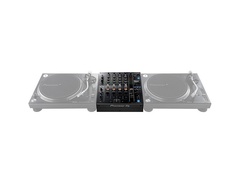
The Pioneer DJM-750MK2 combines club-standard features, exceptional sound quality, and professional effects in a robust yet accessible mixer, making it ideal for mobile DJs, club installations, and advanced home setups.
Read more
Røde Microphones RØDECaster Pro
The RODECaster Pro is a purpose-built podcast production studio with exceptional preamps, intuitive controls, built-in APHEX voice processing, and multitrack recording, making it ideal for professional-quality podcasts and live productions.
Read more
The QSC TouchMix-16 combines professional-grade preamps, advanced processing features, and a user-friendly touchscreen interface with Wi-Fi control, making it an ideal compact mixer for live sound, recording, and mobile sound reinforcement.
Read moreWhether you're recording your first demo, mixing a live band, or launching a podcast, an audio mixer is the heart of your setup. But with countless options available, finding the right one can feel overwhelming. This guide simplifies the process, breaking down the essential features to consider and recommending top mixers for different applications. We'll explore everything from analog vs. digital mixers to the importance of preamps and routing, empowering you to make an informed decision and find the perfect mixer for your needs.
Key Factors to Consider When Choosing an Audio Mixer
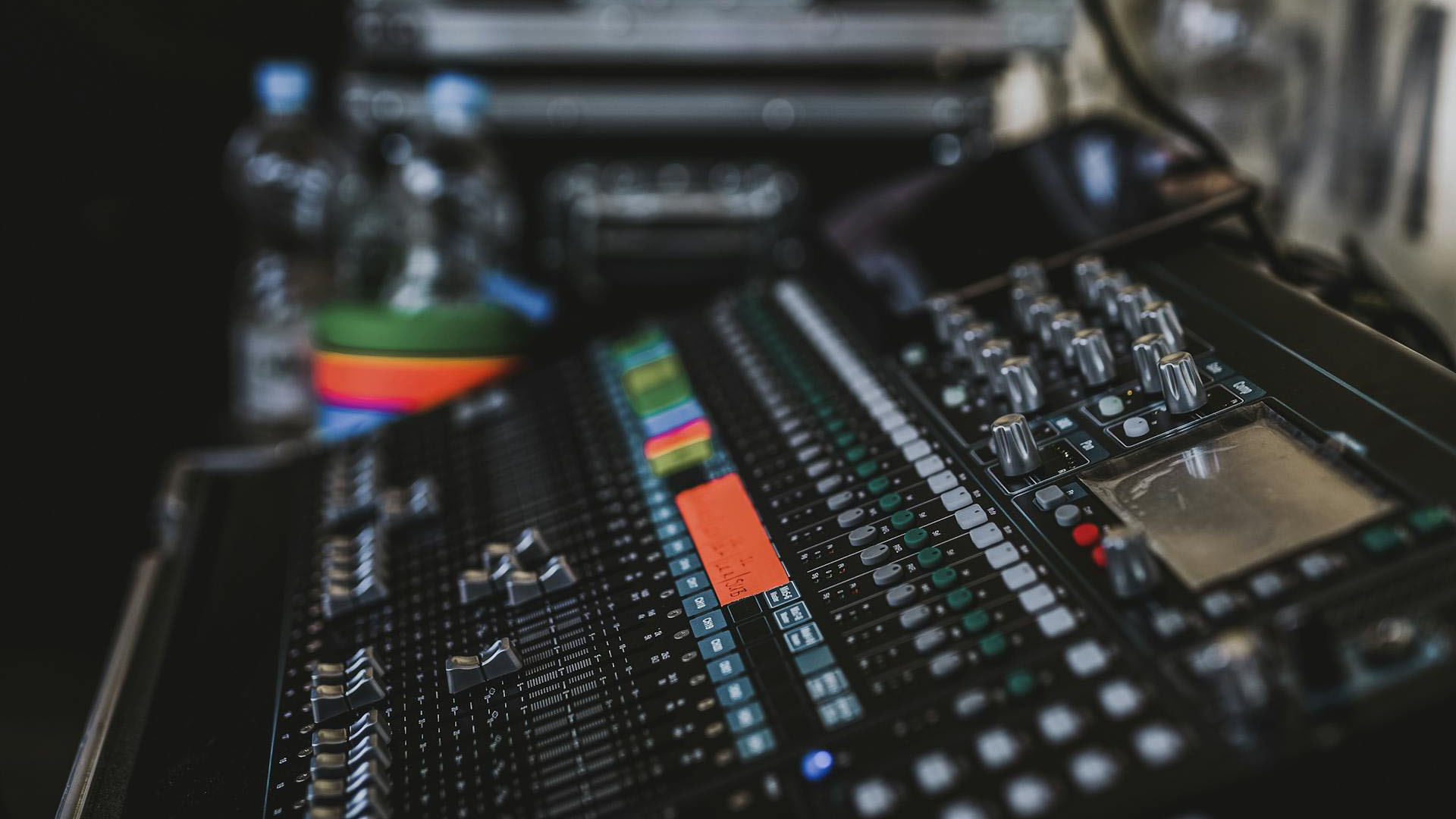
Choosing the right audio mixer can be daunting, but by focusing on your specific needs and understanding key features, you can make an informed decision. This section breaks down the essential factors to consider:
Primary Use Case: Defining Your Needs
The most crucial first step is identifying your primary use case. Different applications have vastly different requirements. Consider these common scenarios:
- Home Studio Recording: Focus on preamplifier quality (low noise, high headroom), sufficient input channels for your instruments/microphones, and USB connectivity for multi-track recording to a DAW (Digital Audio Workstation).
- Live Sound: Prioritize durability, routing flexibility (aux sends for monitor mixes), feedback suppression features (graphic EQ or feedback eliminators), and ease of use in a live environment.
- Podcasting/Streaming: Look for features like USB connectivity with loopback functionality (for mixing computer audio with live inputs), dedicated headphone outputs with independent volume control, and potentially built-in processing like compression and noise reduction.
- DJing: Requires specific features like phono inputs (for turntables), a crossfader, and cueing options.
Input Channel Count: How Many Inputs Do You Need?
Carefully consider the number of inputs you'll require. Account for:
- Microphones: How many microphones will you be using simultaneously? (e.g., vocals, instruments, drum kit)
- Instruments: How many instruments will be directly connected to the mixer? (e.g., guitars, keyboards)
- Line-Level Devices: Will you be connecting devices like synthesizers, drum machines, or CD players?
It's wise to add a few extra channels for future expansion, but avoid overbuying. A mixer with too many unused channels can be unnecessarily complex and expensive.
Analog vs. Digital Mixers: Hands-On Control vs. Digital Power
- Analog Mixers: Offer immediate, tactile control with physical knobs and faders. They are generally simpler to operate and often more affordable. Suitable for basic live sound, small home studios, and situations where simplicity and reliability are paramount.
- Digital Mixers: Provide extensive features like digital effects, scene recall (saving and recalling mixer settings), and advanced routing options. Many offer remote control via tablets or computers. Ideal for complex setups, live recording, and situations requiring extensive processing and flexibility.
- Hybrid Mixers: Combine analog control with digital features, often including USB connectivity for computer integration. They offer a balance between hands-on control and digital convenience.
Preamplifier Quality: The Foundation of Your Sound
Preamplifiers boost the weak signal from microphones to a usable level. High-quality preamps are crucial for achieving a clean, clear, and detailed sound. Key specifications to consider:
- Equivalent Input Noise (EIN): Measures the noise generated by the preamp itself. Lower EIN values (e.g., -129 dBu or lower) indicate quieter preamps.
- Total Harmonic Distortion + Noise (THD+N): Measures the amount of distortion and noise added by the preamp. Lower THD+N values indicate cleaner preamplification.
Look for mixers that boast reputable preamp designs or provide specific EIN and THD+N specifications.
Equalization (EQ): Shaping Your Tone
EQ allows you to adjust the balance of different frequencies in your audio. Common EQ types include:
- Fixed EQ (Shelving): Offers simple boost/cut controls for fixed frequency ranges (low, mid, high).
- Parametric EQ: Provides control over frequency, gain (boost/cut), and Q (bandwidth). This offers the most precise control for shaping your sound.
- Semi-Parametric EQ: Offers control over frequency and gain but with a fixed Q.
- Graphic EQ: Divides the frequency spectrum into multiple bands with faders for each, useful for broad tonal adjustments and feedback control.
Consider the level of control you need. For basic tone adjustments, fixed EQ may suffice. For more precise shaping and problem-solving, parametric or semi-parametric EQ is recommended.
Routing and Connectivity: Signal Flow and Flexibility
Routing options determine how you can send audio signals within the mixer and to external devices. Key features include:
- Auxiliary (Aux) Sends: Allow you to create separate mixes for monitors or send signals to external effects processors.
- Direct Outputs: Allow you to record individual channels to a DAW.
- Subgroups: Allow you to control multiple channels with a single fader.
- USB Connectivity: Enables digital audio transfer between the mixer and a computer. Consider the number of input/output channels and the supported bit depth/sample rate.
Portability and Size: Consider Your Workspace and Travel Needs
If you plan to transport your mixer frequently, consider its size, weight, and durability. Rack-mountable mixers are suitable for permanent installations or touring rigs. Compact mixers are ideal for smaller setups and mobile applications.
Budget: Balancing Features and Affordability
Mixer prices range from a few hundred to tens of thousands of dollars. Determine your budget and prioritize the features that are most important to you. Investing in quality preamps and essential features is often more beneficial than opting for a cheaper mixer with lots of features you won't use.
By carefully considering these factors, you can choose an audio mixer that perfectly suits your needs and helps you achieve your desired sound.
Types of Audio Mixers
Just as a chef wouldn't use a hammer to chop vegetables, choosing the right type of mixer is crucial for achieving your desired results. This section outlines the main categories of audio mixers and their ideal applications:
Analog Mixers: Hands-On Control and Simplicity
- How They Work: Analog mixers use physical circuitry to combine and process audio signals. Each knob and fader directly controls a specific parameter, providing immediate, tactile control.
- Key Characteristics:
- Direct, Tactile Control: Instant response to adjustments.
- Simpler Operation: Generally easier to learn and use, especially for beginners.
- Lower Latency (Usually): Minimal delay in signal processing.
- Often More Affordable: Entry-level analog mixers are typically less expensive than their digital counterparts.
- Limited Features: Typically lack built-in effects, complex routing options, and digital connectivity beyond basic stereo outputs.
- Ideal Applications:
- Simple live sound setups (small bands, solo performers, presentations).
- Basic home studios for tracking a few instruments or vocals.
- Situations where reliability and ease of use are paramount.
- Example Use Case: A singer-songwriter performing solo with a guitar and microphone in a coffee shop.
Digital Mixers: Power, Flexibility, and Recall
- How They Work: Digital mixers convert analog audio signals into digital data, which is then processed using digital signal processing (DSP). This allows for a wide range of features and precise control.
- Key Characteristics:
- Extensive Features: Built-in effects (reverb, delay, compression, EQ), advanced routing options, scene recall (saving and recalling mixer settings), and often multi-track recording capabilities via USB or other digital connections.
- Precise Control: Digital processing allows for very fine adjustments and precise metering.
- Complex Operation (Potentially): Can have a steeper learning curve due to menus, screens, and software interfaces.
- Higher Cost (Generally): Digital mixers typically cost more than comparable analog mixers.
- Potential for Latency: Digital processing can introduce a small amount of latency, although this is usually negligible with modern mixers.
- Ideal Applications:
- Complex live sound setups (larger bands, multi-instrument setups, complex routing requirements).
- Studio recording requiring multi-track recording, extensive effects, and precise control.
- Broadcast and streaming applications requiring digital connectivity and processing.
- Example Use Case: A band recording a multi-track album in a project studio or a sound engineer managing a large live concert with multiple monitor mixes and effects.
Hybrid Mixers: The Best of Both Worlds
- How They Work: Hybrid mixers combine analog circuitry for input channels and basic mixing functions with digital components for effects, USB connectivity, and often some degree of digital processing.
- Key Characteristics:
- Tactile Control with Digital Features: Offer the hands-on feel of analog mixers with the convenience of digital features like USB recording and basic effects.
- Simplified Digital Workflow: Often easier to use than full digital mixers.
- Good Balance of Price and Features: Typically priced between analog and full digital mixers.
- Ideal Applications:
- Home studios needing multi-track recording and some built-in effects.
- Small to medium live sound setups requiring USB connectivity for recording or playback.
- Podcasting and streaming setups benefiting from USB connectivity and basic digital processing.
- Example Use Case: A musician recording demos at home or a small band performing live and recording their set to a computer.
Top Features to Look For
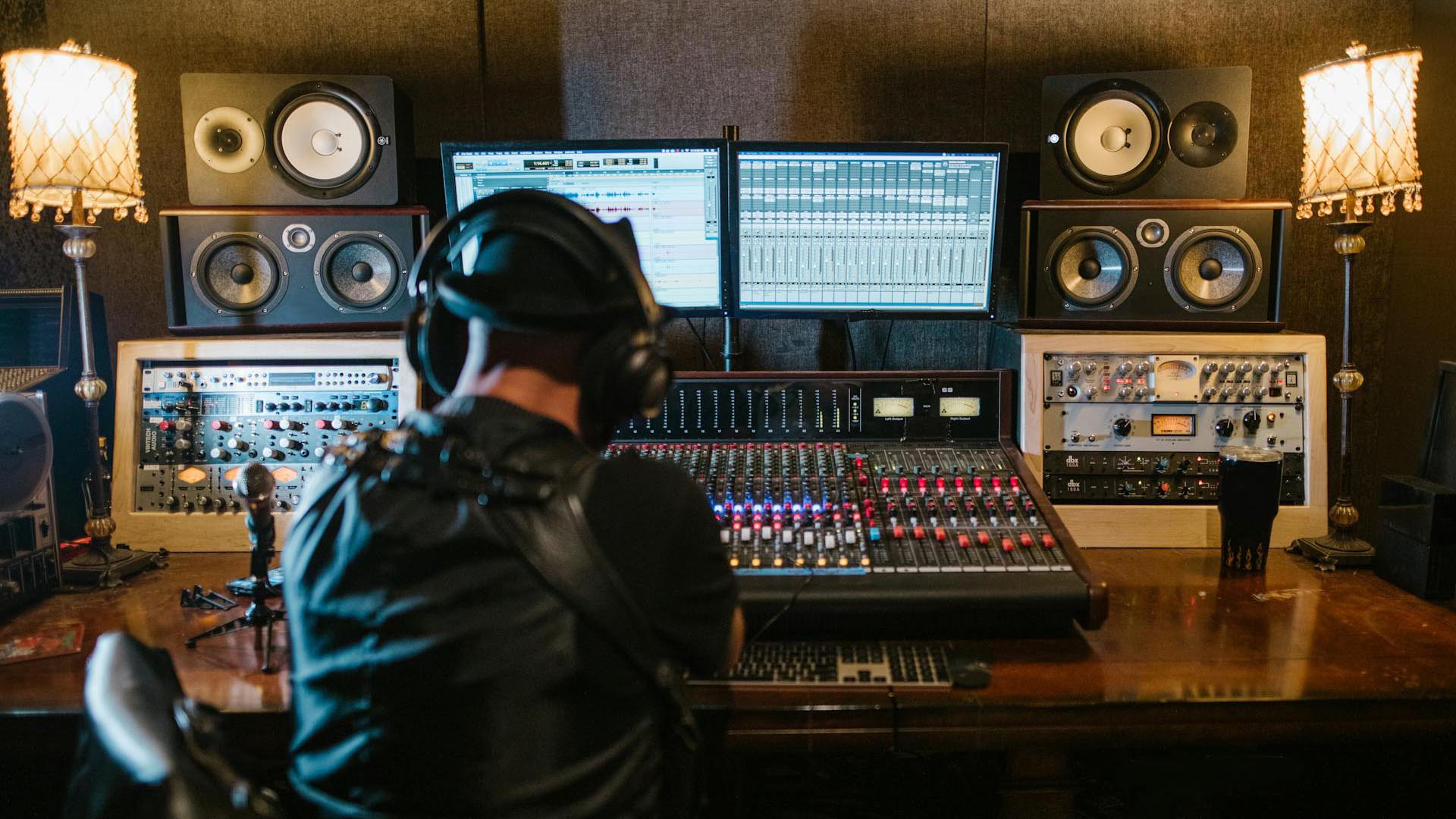
Choosing the right mixer is crucial for achieving professional results, whether you're recording in a studio, performing live, or creating content. While a long list of features might seem appealing, focusing on core capabilities ensures you choose a mixer that meets your current and future needs. This section cuts through the feature list fluff and focuses on what truly matters.
Preamp Quality: Your Sound's Foundation
Here's a fundamental truth: preamps can make or break your sound. They are the first point of contact for your microphone and instrument signals. Cheap preamps can introduce unwanted hiss, noise, and a thin sound, degrading the quality of your recordings or live performances. Good preamps, however, enhance your signal, adding depth, clarity, and richness. They improve the signal-to-noise ratio (SNR), resulting in a cleaner and more professional sound. Most quality mixers emphasize their preamps, often using terms like "premium," "studio-grade," or referencing specific model numbers. While marketing terms can be misleading, well-known preamp designs (like Midas or XMAX) generally indicate higher quality.
EQ That Actually Helps
Every mixer has EQ controls, but not all EQs are created equal. The best ones give you precise control over your sound, allowing for detailed shaping rather than just basic tone adjustments. Look for at least three bands (low, mid, high) on each channel. "Mids" control the frequencies where vocals and many instruments have their core presence. "Parametric mids" take this a step further, allowing you to choose which middle frequencies to adjust, providing much finer control for sculpting your sound. Some digital mixers offer graphic EQs on outputs, dividing the frequency spectrum into multiple bands with faders for each. This is particularly useful for quickly identifying and reducing feedback frequencies in live sound scenarios.
Routing Flexibility: The Unsung Hero
Routing options determine how you send audio signals within the mixer and to external devices. This is where budget mixers often fall short. Good routing provides versatility for various applications. For example, aux sends allow each musician to have a customized headphone mix with more or less of their instrument while still hearing the whole band. Look for:
- Multiple aux sends (four or more is ideal for more complex live work)
- Direct outputs for recording individual channels to a DAW
- Subgroup options for controlling multiple channels with a single fader
- Flexible monitoring options with multiple headphone outputs
The Digital Integration Factor
In today's digital world, seamless integration with computers is essential. USB connectivity is no longer a luxury - it's a necessity for recording, streaming, and digital audio processing. The best mixers function as audio interfaces, allowing you to record multiple channels simultaneously into your computer using popular Digital Audio Workstations (DAWs) like Ableton Live, Logic Pro, Pro Tools, or Cubase. Some mixers even allow you to send audio back from your computer through specific channels for integration with software instruments or effects.
Effects and Processing: Built-in Problem Solvers
Built-in effects can be valuable tools, but they need to be high-quality and practical. Quality compression can smooth out volume fluctuations in vocals or instruments, improving the overall mix. Digital mixers often include channel strips with gates (to reduce noise), compression, and EQ on every channel - a significant cost-saver if they sound good. However, prioritize quality over quantity; a few well-designed effects are far more useful than a large number of mediocre ones.
Durability Factors: Built to Last
A mixer is an investment, so durability is essential. This isn't just about surviving accidental drops (though that's important); it's also about the quality of the components. Check the faders and knobs - do they feel solid or wobbly? Are the input jacks firmly mounted? For gigging musicians, metal construction is generally preferable to plastic. Even for home studio use, you want faders that won't become scratchy after a few months of use. Also, consider the weight of the mixer, particularly if you'll be transporting it regularly. Digital mixers should have bright, readable screens and responsive buttons that can withstand frequent use.
Monitoring and Metering: See and Hear What's Happening
Accurate monitoring and metering are crucial for achieving a good mix. Good meters should be clear, responsive, and provide a visual representation of your audio levels. Look for:
- Clear, easily visible level indicators
- Multiple meter points (input and output levels)
- Solo/PFL (Pre-Fader Listen) functions for checking individual channels in isolation
- Control room outputs for connecting studio monitors
- Multiple headphone outputs with independent volume controls
Future-Proof Features: Room to Grow
The ideal mixer isn't just suitable for your current needs; it should also accommodate your future growth as a musician or audio professional. Consider the following:
- Expandability through digital snake inputs or ADAT ports, allowing you to add more input channels as needed (e.g., adding more microphones for a larger drum kit).
- Software updates for digital mixers, which can add new features and improve performance over time.
- Integration with your existing and planned gear.
- Whether the features you anticipate needing later are built-in or can be added through expansion options.
By carefully considering these factors, you can choose a mixer that not only meets your current requirements but also remains a valuable tool for years to come.
Behringer XENYX X1204USB
3.5 (5)
Best For Home Studio Recording - Budget option








Average Price: $215
Standard/Professional
$200
$1001+
Budget
Standard
High-end
- Quality 8-channel analog mixer at an affordable price
- Well-made with useful features for home studio and live gigs
- Good board with relatively low self noise and effective routings
- Built-in effects with some degree of control over parameters
- See 6 more
- Basic effects may not impress all users
- One button compression is noisy at high levels
- Lacks knob for setting middle EQ frequency, limiting sound shaping
- Cannot EQ the FX separately, affecting reverb quality
- See 6 more
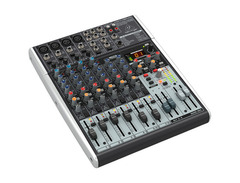
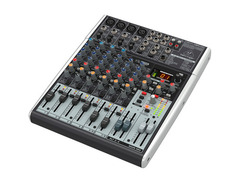
The Behringer X1204USB stands out as a remarkably capable entry-level mixer that punches above its weight class. For home studio owners and budding musicians stepping into audio production, this mixer offers an impressive balance of functionality and affordability.
Despite its budget-friendly price point, the X1204USB feels surprisingly solid. The metal chassis provides durability that's uncommon in this price range, though the plastic knobs and faders do remind you of its entry-level status. The layout follows traditional analog mixer design principles, making it intuitive for beginners while remaining functional for more experienced users. All controls are well-spaced, and the channel strip layout is logical and easy to navigate.
The XENYX preamps, while not competing with high-end boutique gear, deliver clean and detailed sound that works well for vocals, acoustic instruments, and podcast recordings. They provide up to 60dB of gain, which is plenty for most dynamic and condenser microphones. The preamps maintain clarity without adding noticeable noise, though they can get a bit thin-sounding when pushed to extremes.
Each of the four mono channels features a 3-band EQ with sweepable mids - a feature often missing from mixers in this price range. The EQ is musical and effective, allowing for both subtle tweaks and more dramatic sound shaping. The built-in compressors on the mono channels, while basic, do a decent job of controlling dynamics for vocals and instruments.
The built-in 24-bit effects processor offers 16 presets including various reverbs, delays, and modulation effects. While not studio-grade, these effects are perfectly serviceable for adding ambience to a home recording or live performance. The AUX send allows for external effects processing, and the FX send lets you route channels to the internal effects processor with independent level control.
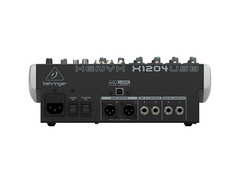
USB connectivity is a standout feature, effectively turning the X1204USB into an audio interface. It handles 2-in/2-out USB audio at 16-bit/48kHz - sufficient for most home recording applications. The implementation is straightforward, though it's worth noting that you can only record the main mix, not individual channels.
The X1204USB excels in home studio environments, particularly for singer-songwriters, podcasters, or small bands recording demos. It's also capable of handling small live performances or streaming setups. The combination of analog mixing features and USB recording makes it particularly valuable for users transitioning from basic computer recording to more professional setups.
Key Specifications
- 4 XENYX mic preamps
- 4 mono channels with compressors
- 2 stereo channels
- 3-band EQ with sweepable mids on mono channels
- 24-bit effects processor with 16 presets
- USB audio interface functionality (2x2)
- 2 AUX sends per channel
- Phantom power for condenser mics
- Dimensions: 11.8" x 13.9" x 3.7"
- Weight: 6.6 lbs
Allen & Heath ZEDi-10
4.5 (4)
Best For Home Studio Recording - Intermediate Option


Average Price: $284
Standard/Professional
$200
$1001+
Budget
Standard
High-end
- Superior sound quality compared to Yamaha MG10XU and Mackie VLZ 1402
- Offers freedom and possibility with built-in digital interface
- Excellent for beginners in computer music production with easy-to-understand analog mixer metaphors
- Respectable AD/DA converters, offering 4 channels up and down
- See 5 more
- Limited with one aux bus, one effects bus, and no second pair of outputs
- Preamps and channel count may feel limiting as user experience grows
- A reported major fault in one unit, though generally considered reliable
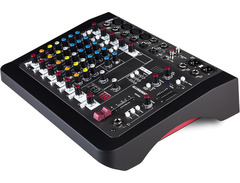
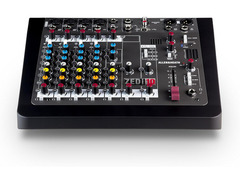
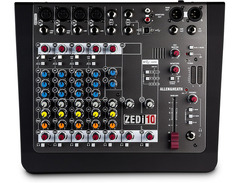
The Allen & Heath ZEDi-10 represents what happens when a premium mixer manufacturer decides to serve the home studio market. It combines Allen & Heath's renowned build quality and preamp design with modern USB connectivity, creating a hybrid mixer that feels thoroughly professional.
Unlike many mixers in its class, the ZEDi-10 exudes premium quality from the moment you touch it. The all-metal chassis feels tank-like, while the full-size faders and rotary controls operate with a smoothness that inspires confidence. Each control has just the right amount of resistance, and the layout is thoughtfully designed with sufficient spacing between controls to prevent accidental adjustments.
The heart of this mixer lies in its GSPre preamps, derived from Allen & Heath's professional GS series consoles. These preamps deliver remarkably clean, detailed sound with plenty of headroom. They handle both delicate acoustic instruments and aggressive electric guitars with equal finesse, maintaining clarity and depth throughout the gain range. The preamps provide up to 60dB of gain, easily driving even gain-hungry microphones like the Shure SM7B.
Each mono channel features a professional-grade 3-band EQ with a swept mid frequency control. Unlike many compact mixers where EQ feels like an afterthought, the ZEDi-10's EQ is musical and precise. The high shelf adds air without harshness, while the low end remains tight and controlled. The sweepable mid-band proves invaluable for tackling problem frequencies or enhancing particular characteristics of your sound.
The built-in USB interface sets a new standard for hybrid mixers. It provides 4-in/4-out audio at up to 24-bit/96kHz, significantly higher quality than most competitors. The implementation is particularly clever, allowing you to record individual channels pre or post EQ, giving you more flexibility during mixing.
The ZEDi-10 shines in its monitoring capabilities. The separate monitor and headphone mixes allow for zero-latency monitoring while recording, and the source selection matrix provides extensive routing options. The inclusion of a proper talkback facility – rare at this price point – makes communication between the control room and recording space professional and straightforward.
This mixer excels in project studios where quality matters more than channel count. It's perfect for singer-songwriters, voiceover artists, or small bands who need pristine audio quality and reliable performance. The professional features make it equally at home in podcast production or streaming setups where audio quality is paramount.
Key Specifications
- 4 GSPre microphone preamps
- 2 stereo channels
- 3-band EQ with swept mids on mono channels
- 4-in/4-out USB interface (24-bit/96kHz)
- 2 independent headphone outputs
- Dedicated monitoring section
- Talkback facility
- All-metal construction
- Dimensions: 11.4" x 12.8" x 3.7"
- Weight: 7.7 lbs
Mackie ProFX10v3+ 10-channel Mixer
Best For Live Sound - Budget Option



Average Price: $302
Standard/Professional
$200
$1001+
Budget
Standard
High-end
- Compact size yet versatile with multiple input options
- Pre-amps suitable for gain-hungry microphones
- Sturdy and well-constructed build
- Quiet operation with minimal sound coloration
- See 4 more
- Channels 3 and 4 lack alternate out control
- Limited monitor mix capability, requiring daisy chaining
- USB setup and routing can be confusing
- Built-in FX are basic, not high-quality
- See 3 more
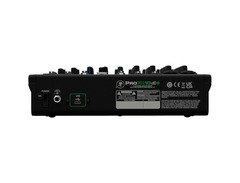
The Mackie ProFX10v3 is the latest evolution in Mackie's trusted ProFX series, combining professional features with practical simplicity. This mixer finds its sweet spot in both live sound applications and project studio environments, offering high-quality preamps and robust build quality at a competitive price point.
Staying true to Mackie's "Built-Like-A-Tank" reputation, the ProFX10v3 features a solid steel chassis that inspires confidence. The mixer's layout is thoughtfully designed with a slightly angled control surface that improves visibility and access. All knobs are securely mounted and slightly recessed, providing protection during transport while maintaining easy operation. The faders move smoothly and offer appropriate resistance for precise control.
The highlight of the v3 series is Mackie's newly designed Onyx preamps. These preamps deliver noticeably clearer and more detailed sound compared to previous generations, with impressive headroom and low noise floor. They handle both dynamic and condenser microphones with ease, providing up to 60dB of clean gain. While not as sophisticated as boutique preamps, they offer excellent performance for their price point.
The GigFX effects engine includes 24 essential effects, focusing on practical applications rather than exotic possibilities. Standout effects include several room and hall reverbs, delays, and choruses that remain musical and natural-sounding. Each channel features a dedicated effects level control, allowing for precise mix adjustment. The effects sound notably better than those found in previous generations.
Each mono channel includes a 3-band EQ that's particularly well-voiced for both live sound and recording applications. The mid-frequency is set at a useful 2.5kHz, making it effective for both cutting problem frequencies and enhancing presence. The 100Hz low-cut filter on each channel helps eliminate stage rumble and improves overall mix clarity.
The integrated USB interface represents a significant upgrade, offering 2x4 I/O at up to 24-bit/192kHz resolution. This makes it equally capable for live recording and studio applications. The implementation is straightforward with zero-latency monitoring and reliable driver support across all major operating systems.
The ProFX10v3 excels in:
- Small to medium live sound environments
- Project studio recording
- Mobile DJ applications
- Houses of worship
- Streaming and podcasting setups
Key Specifications
- 6 Onyx mic preamps
- 10 input channels
- 24-bit/192kHz USB interface
- 24 GigFX effects presets
- 3-band EQ per channel
- 2 aux sends
- 7-band graphic EQ
- Dimensions: 11.9" x 14.2" x 3.8"
- Weight: 7.1 lbs
The Mackie ProFX10v3 strikes an impressive balance between professional features and user-friendly operation. While it may lack some of the advanced routing options found in more expensive mixers, it delivers where it counts: sound quality, reliability, and practical functionality. The improved preamps and effects make it a particularly strong contender in its price range, especially for users who need a versatile mixer that can handle both live sound and recording duties.
The mixer's straightforward layout and robust construction make it particularly appealing for users who need professional sound quality without complexity. Whether you're running sound at a small venue, recording a band, or mixing for a house of worship, the ProFX10v3 provides the essential tools needed for achieving professional results.
Yamaha AG06 6-Channel Mixer/USB Interface
4.5 (12)
Best For Podcasting and Streaming - Budget option

Average Price: $196
Budget/Beginner
$200
$1001+
Budget
Standard
High-end
Yamaha AG06 Review
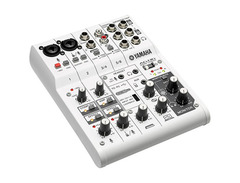
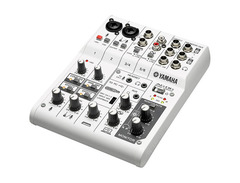
The Yamaha AG06 highlights Yamaha's focused approach to the modern creator's needs, offering a compact but capable mixing solution for streamers, podcasters, and content creators. It maintains Yamaha's reputation for quality while providing essential features for digital content production.
The AG06 embodies thoughtful engineering with its space-efficient yet functional design. While compact, it features a sturdy metal chassis that provides both stability and durability. The control layout is intuitive, with an ergonomic angled surface that makes operation comfortable during long sessions. The build quality is noticeably superior to plastic-bodied competitors in its price range.
Where the AG06 truly shines is in its streaming-optimized functionality. The loopback feature allows seamless mixing of computer audio with live inputs - essential for streamers and content creators. A well-positioned mute switch provides quick audio control during streams, while the dedicated headphone/monitor balance knob enables easy monitoring control.
The single D-PRE preamp on the main channel delivers impressive performance for its size. It provides clean, transparent gain with remarkably low noise, even when pushed. The preamp handles both dynamic and condenser microphones effectively, with phantom power available when needed. While just one premium preamp might seem limiting, it's perfectly suited for the target user who typically needs only one high-quality input.
The USB interface offers high-resolution 24-bit/96kHz audio quality, ensuring excellent sound for both recording and streaming applications. The implementation is particularly stable, with reliable drivers and low-latency monitoring. The interface allows for sending separate mixes to streaming platforms and recording software, adding valuable flexibility for content creators.
The onboard DSP includes basic but effective processing options. The one-knob compressor is well-tuned for voice applications, while the reverb adds just enough ambiance to enhance vocals without overwhelming them. The EQ, though simple, is voiced appropriately for broadcast and streaming applications.
The AG06 finds its home in a variety of modern content creation environments. It's an ideal choice for streaming setups, where its loopback functionality and easy controls shine. Podcast producers will appreciate its clean preamp and straightforward operation, while home recording enthusiasts can leverage its high-quality audio interface capabilities. The mixer particularly excels in mobile content creation scenarios thanks to its compact size and robust build. Gaming broadcasters will find its feature set perfectly tailored to their needs, and voice-over artists can rely on its clean signal path and effective processing. It's an especially strong choice for creators who work in tight spaces or need a portable solution that doesn't compromise on quality.
Key Specifications
- 1 D-PRE mic preamp
- 6 input channels total
- Built-in DSP effects
- 24-bit/96kHz USB audio
- Loopback functionality
- 2 headphone outputs
- USB 2.0 connectivity
- Dimensions: 5.5" x 8.3" x 2.4"
- Weight: 2.1 lbs
The Yamaha AG06 might seem limited compared to larger mixers, but it excels in its intended role. For solo content creators, streamers, and podcasters, it provides exactly what's needed without unnecessary complexity. The high-quality preamp, reliable USB implementation, and thoughtful feature set make it an excellent choice for digital content creation where space and simplicity are priorities.
While it won't replace a full-featured mixer for band recordings or live sound, its focused feature set and excellent execution make it a standout choice for modern digital creators who need professional audio quality in a compact, reliable package.

.jpg)
Numark M6 USB 4-channel DJ mixer (new)
4.0 (1)
Best For Mobile DJ Systems - Budget Option


Average Price: $223
Standard/Professional
$100
$601+
Budget
Standard
High-end
- Updated all-black design eliminates previous oxidation issues
- Exceptionally noise-free operation, even with high volume levels
- Effective EQ knobs with impressive sound kill capability
- Adjustable crossfader slope for personalized mixing experience
- See 6 more
- Sliders and crossfader may feel too loose or cheap for some users
- Requires unbalanced mic cable, not compatible with balanced cables
- No EQ cut buttons, effects, or dedicated effects send/return lines
- Some users report challenges with customer service responsiveness
- See 1 more
The Numark M6 USB is a practical solution for mobile DJs seeking reliability without breaking the bank. This mixer hits a sweet spot between essential professional features and affordability, making it particularly appealing for those building their first mobile setup or seeking a dependable backup mixer.
The M6 USB features a solid metal chassis that holds up well to regular transport and setup. While not as premium-feeling as higher-end mixers, the construction feels purposeful and durable. The layout follows a traditional design that's instantly familiar to most DJs, with logically arranged controls and adequate spacing between faders. The knobs and faders, though basic, provide consistent response and reasonable resistance.
The internal components deliver clean, serviceable audio quality suitable for mobile applications. The preamps handle both line and phono signals competently, though they lack the warmth and detail found in more expensive mixers. Signal-to-noise performance remains respectable at normal operating levels, providing clear sound reproduction for most mobile DJ applications.
Each channel includes a 3-band EQ that provides practical sound-shaping capabilities. The EQ points are well-chosen for DJ applications, offering useful control over bass, midrange, and high frequencies. Individual gain controls and clear level indicators help maintain proper gain staging throughout your mix. The crossfader feels responsive enough for basic transitions, though it won't satisfy scratch DJs.
The USB port enables direct connection with a laptop, simplifying integration of digital music sources. Balanced XLR master outputs ensure clean signals to sound systems, while the separate booth output enables proper monitor control. Multiple line-level inputs accommodate various source devices, and the microphone input includes dedicated EQ and talkover functionality.
This mixer thrives in mobile DJ environments where reliability and straightforward operation take precedence over advanced features. Wedding DJs will appreciate its clear layout and durable construction, while beginning mobile DJs will find its feature set comprehensive enough to handle most gig requirements. The straightforward design makes it particularly suitable for DJs who frequently work with other performers or need a backup mixer.
Key Specifications
- 4 stereo channels
- 2 microphone inputs with EQ
- 3-band EQ per channel
- USB audio interface
- Balanced XLR outputs
- Booth output
- Replaceable crossfader
- Dimensions: 10" x 14" x 3.5"
- Weight: 7.1 lbs
The Numark M6 USB embodies practical functionality over flashy features. While it won't compete with premium mixers in terms of sound quality or effects processing, it delivers the core features needed for successful mobile DJ work. Its combination of sturdy construction, essential features, and reasonable price point makes it a sensible choice for DJs who need a reliable workhorse mixer without premium-tier costs.
The mixer particularly excels in situations where simplicity and durability matter more than advanced effects or premium sound quality. Its USB connectivity and balanced outputs provide the professional touches needed for most mobile applications, while its straightforward layout ensures reliable performance even in challenging conditions.
AMS Neve 8424 24-channel Analog Mixing Console
Best For Professional Studios


Average Price: $25,350
High-end/Boutique
$200
$1001+
Budget
Standard
High-end
Capturing the magic of Neve's legendary sound in a modern, compact format is no small feat. Yet the 8424 console manages exactly that, delivering the character and quality that made Neve famous while embracing contemporary hybrid workflows and studio requirements.
The console exhibits Neve's uncompromising approach to construction, featuring robust mechanical design and premium-grade components throughout. Every switch, potentiometer, and fader feels precisely engineered, with a satisfying tactile response that inspires confidence. The console's layout draws from classic Neve designs while incorporating modern ergonomic considerations, resulting in an intuitive workflow that feels immediately familiar to experienced engineers.
At the heart of the 8424 lies Neve's renowned transformer-based circuitry, delivering the warmth, depth, and character that made the company famous. The summing architecture maintains exceptional clarity and separation even when pushing numerous channels, while the mix bus adds subtle but pleasing harmonic enhancement that helps create cohesive, professional-sounding mixes. The headroom is generous, allowing for dynamic mixing without fear of overloading the circuitry.
The console shines in its implementation of modern studio integration. The 48 input channels accommodate both analog sources and DAW returns, with comprehensive routing options that make hybrid mixing intuitive. The inclusion of two 500-series slots per channel provides valuable expansion capabilities, allowing engineers to incorporate additional processing options while maintaining the convenience of console architecture.
The monitoring capabilities rival those of much larger consoles. Dual cue systems, multiple speaker switching, and comprehensive talkback facilities make session management effortless. The console handles complex headphone mixes with ease, while the main monitoring path maintains absolute clarity for critical listening decisions.
While the console doesn't include Neve's traditional 1073 preamps, the integrated preamps deliver excellent performance with their own distinctive character. They provide plenty of gain for demanding microphones while maintaining the clarity and dimension that Neve is known for. The preamps handle both subtle acoustic sources and aggressive signals with equal finesse.
The 8424 finds its home in professional studios that demand Neve quality but work predominantly in hybrid setups. Post-production facilities particularly benefit from its flexible routing and monitoring capabilities. Professional tracking studios appreciate its excellent preamps and expansion options, while mixing engineers value its summing capabilities and intuitive workflow. Commercial facilities benefit from its prestigious name recognition while enjoying modern workflow conveniences.
Key Specifications
24 analog inputs 48 channel mix capacity 2 stereo mix buses 2 500-series slots 4-band EQ per channel Marinair transformers Comprehensive monitoring section USB integration for DAW control AES digital inputs Dimensions: 39.4" x 31.5" x 14.6" Weight: 66 lbs
The Neve 8424 represents a significant investment, but it delivers exceptional value for studios seeking Neve's legendary sound quality in a modern format. Its thoughtful design bridges the gap between traditional analog workflow and contemporary production requirements, while maintaining the sonic excellence that made Neve famous. The console particularly excels in hybrid mixing situations, where its flexible architecture and pristine sound quality allow engineers to seamlessly blend analog and digital workflows.
While it may lack some features found in larger Neve consoles, its focused design and superior sound quality make it an excellent choice for professional studios that need a premium-grade console without the space and budget requirements of larger formats. The 8424 successfully carries Neve's legacy forward while acknowledging the realities of modern music production.

Audient ASP8024-HE
Best For Professional Studios

Few mixing consoles balance professional features and accessibility quite like the Audient ASP8024 Heritage Edition. Building on two decades of user feedback, this large-format analog console delivers exceptional sound quality and robust functionality without straying into esoteric territory or astronomical pricing.
The Heritage Edition showcases significant build quality improvements over its predecessor. The frame features robust construction with a steel chassis that eliminates unwanted flex and vibration. Every control feels purposeful, from the smooth-traveling faders to the tactile resistance of the potentiometers. The console's ergonomics reflect classic inline design principles, with a logical layout that promotes efficient workflow.
Audient's updated preamp design in the Heritage Edition delivers notably clearer performance than the original. The redesigned mix bus incorporates John Hardy's 990C amplifiers, providing exceptional headroom and clarity while maintaining musicality. The console exhibits remarkable transparency, allowing engineers to capture and shape sound without unwanted coloration unless specifically desired through the variable mix bus topology.
Each channel strip provides comprehensive processing capabilities. The four-band EQ, updated for the Heritage Edition, offers musical sound-shaping with a notably sweet high end and punchy lows. The enhanced variable high-pass filter proves invaluable for cleaning up tracks during recording. The improved dynamics section provides smooth compression and gating options that remain musical even with aggressive settings.
The Heritage Edition's monitor section handles complex session requirements with ease. Dual headphone systems, comprehensive speaker switching, and flexible source selection accommodate various monitoring scenarios. The addition of a dedicated DAW control section streamlines hybrid workflow, while the improved summing amplifiers ensure pristine monitoring quality.
The console excels in hybrid studio environments. The comprehensive DAW integration includes expanded aux routing options and improved master section topology. The dual-layer capability effectively doubles the console's input capacity during mixing, while maintaining intuitive access to all controls.
The ASP8024-HE serves professional recording studios that demand reliability and sonic excellence without extreme boutique pricing. Commercial facilities benefit from its comprehensive feature set and robust construction. Educational institutions particularly value its logical layout and clear signal path, making it an excellent teaching tool. Project studios seeking to expand into large-format mixing find its workflow and sound quality compelling for their growth.
Key Specifications
- 24-48 channel configurations
- Improved preamp design
- John Hardy 990C summing amplifiers
- Variable mix bus character
- 4-band EQ per channel
- Comprehensive routing options
- Dual-layer mixing capability
- Expanded monitoring section
- Dimensions vary by configuration
- Weight: Starting at 120 lbs (24 channel)
The Audient ASP8024-HE successfully bridges the gap between premium and accessible large-format consoles. Its Heritage Edition updates address practical studio needs while maintaining the straightforward operation that made the original popular. The improved sonic performance, particularly in the mix bus and preamps, delivers professional results that compete with more expensive consoles.
While it may lack some of the esoteric character of boutique consoles, its clean signal path and musical processing options make it a versatile choice for serious studios. The ASP8024-HE particularly excels in situations requiring reliable performance and clean sound quality, making it an excellent choice for facilities that handle diverse recording and mixing projects.
Pioneer DJ DJM-750MK2
5.0 (11)
Best For Mobile DJ Systems - Premium Option


Average Price: $1,374
High-end/Boutique
$100
$601+
Budget
Standard
High-end
- Four channels offer versatility for expanding setups
- Excellent Pioneer build quality ensures durability
- Compact size ideal for home use and quick gigs
- USB out facilitates easy recording
- See 5 more
- Default 48kHz sample rate can't be changed
- Lacks record output and only one mic input
- Missing Phaser effect might require manual workaround
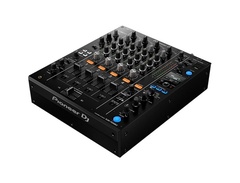
The Pioneer DJM-750MK2 sits in the sweet spot of Pioneer's mixer lineup, bringing professional club mixer features into a more accessible package. It inherits much of the DNA from Pioneer's industry-standard DJM-900NXS2, making it a serious contender for both mobile and club applications.
Built to Pioneer's exacting club-standard specifications, the 750MK2 features an all-metal chassis that feels absolutely bulletproof. The layout mirrors Pioneer's flagship mixers, with industry-standard spacing and positioning that any club DJ will instantly recognize. The faders and knobs have that characteristic Pioneer feel – smooth but with just enough resistance for precise control.
The sound engine is built around high-quality 96kHz/64-bit mixing and 32-bit DAC/ADC conversion, delivering exceptional clarity and punch. The analog circuits have been carefully tuned to maintain warmth while providing the headroom needed for modern dance music. The result is a notably clean signal path that maintains clarity even when pushing the mixer hard.
The effects implementation is where the 750MK2 truly shines. The Sound Color FX section includes six essential effects (Dub Echo, Sweep, Noise, Filter, Crush, Parameter) that can be applied simultaneously across multiple channels. The Beat FX section, inherited from the 900-series, provides 13 rhythm-based effects including the famous Pioneer transform and echo effects. Each effect can be precisely controlled and synced to tempo.
The mixer functions as a 4-in/4-out USB audio interface with DVS support, making it perfect for digital DJ software integration. The send/return loops allow for external effects processing, while the independent booth and master outputs provide flexibility in different venue setups. The dual headphone outputs (1/4" and 3.5mm) are a thoughtful touch for tag-team DJ sets.
The Pro DJ Link functionality allows seamless integration with Pioneer CDJs and Rekordbox, enabling quantized effects and easy tempo synchronization. This feature alone makes it a natural choice for DJs working in clubs or transitioning between mobile and club work.
The DJM-750MK2 is perfect for serious mobile DJs, club installations, and home studios where professional features matter. It's particularly valuable for DJs who need club-standard functionality in a more affordable package, or for venues that want Pioneer reliability without flagship costs.
Key Specifications
- 4 channels with 3-band EQ/trim
- 6 Sound Color FX
- 13 Beat FX with parameter control
- 96kHz/64-bit digital mixing
- Dual USB ports for DJ handover
- Built-in sound card (4-in/4-out)
- Pro DJ Link support
- magvel crossfader
- Dimensions: 12.4" x 16.5" x 4.3"
- Weight: 8.8 lbs

.jpg)


Røde Microphones RØDECaster Pro
4.0 (1)
Best For Podcasting and Streaming - Premium Option

Average Price: $395
Standard/Professional
$200
$1001+
Budget
Standard
High-end
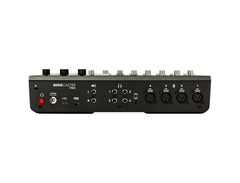
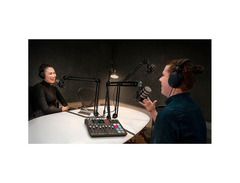
The RODECaster Pro has taken podcast production to the next level. It's purpose-built to address the specific needs of podcasters. It's not just a mixer – it's a complete podcast production studio in a single unit, designed by a company that understands what content creators actually need.
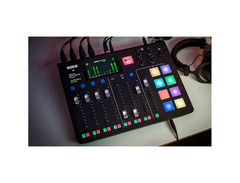
The RODECaster Pro's layout feels instantly intuitive, with a clear separation between different functions. The color touchscreen dominates the upper portion, while physical faders and buttons provide tactile control where it matters most. The build quality is exceptional, with smooth-operating faders and programmable pads that feel built to last through thousands of episodes.
RODE's reputation for microphone excellence carries over to these preamps. They provide clean, transparent gain with remarkably low noise floors – crucial for voice work. Each preamp delivers up to 76dB of gain, enough to drive even gain-hungry microphones like the SM7B without external boosters. The sound quality is pristine, capturing the natural warmth and detail of voices without coloration.
This is where the RODECaster Pro truly shines. The eight programmable pads allow instant playback of jingles, sound effects, or musical stings. The phone connectivity – both Bluetooth and TRRS – makes recording phone interviews remarkably simple. The mix-minus feature automatically prevents echo for remote guests, solving one of podcasting's common technical headaches.
The built-in processing is tailored specifically for voice work. Each channel features a complete chain of APHEX audio processing, including the famous Aural Exciter and Big Bottom effects. The compressor, de-esser, and noise gate are carefully tuned for speech, while reverb adds polish when needed. These effects strike a perfect balance between effectiveness and ease of use.
The multitrack recording capability captures each input to its own track, providing maximum flexibility in post-production. Recording directly to a microSD card simplifies the workflow, while USB connectivity allows integration with your computer for more complex productions.
The RODECaster Pro is perfect for serious podcasters who need professional sound quality without technical complexity. It's particularly valuable for shows featuring multiple hosts, phone interviews, or live streaming. The combination of features makes it equally suitable for both studio recording and live production.
Key Specifications
- 4 high-quality mic preamps
- 8 programmable sound pads
- Bluetooth phone connectivity
- APHEX audio processing
- Multitrack recording to microSD
- USB audio interface functionality
- 4 headphone outputs
- 5.5-inch touch screen
- Dimensions: 14.3" x 9.8" x 2.8"
- Weight: 5.5 lbs
See how artists use this



.jpg)
QSC Touchmix-16
5.0 (1)
Best For Live Sound Venues - Premium Option

Average Price: $1,261
Standard/Professional
$499
$1500+
Budget
Standard
High-end
- Extremely compact and lightweight, ideal for easy transport
- Intuitive interface with a helpful digital manual on the touchscreen
- Offers extensive connectivity with multiple AUX outputs and stereo monitoring
- Impressive sound quality suitable for diverse venues, from small to large
- See 6 more
- Touchscreen requires firm pressing, lacking smartphone-like sensitivity
- Power supply issues reported, causing unexpected reboots during performances
- Physical faders are missed by users accustomed to traditional mixers
- Lack of digital pre-amp trim controls, resulting in potential trim shifts
- See 1 more
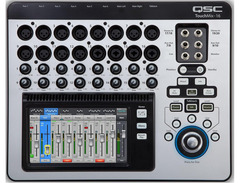
The QSC TouchMix-16 marks a paradigm shift in digital mixing technology, making advanced features accessible without overwhelming complexity. It's a mixer that bridges the gap between sophisticated processing power and practical usability, particularly suited for users who need professional capabilities in a compact format.
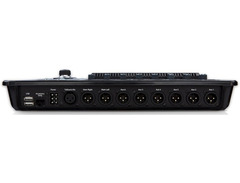
Unlike traditional mixers cluttered with knobs and faders, the TouchMix-16 centers around a 10-inch color touchscreen that's readable even under bright stage lights. The interface strikes an impressive balance between depth and accessibility, offering both simple and advanced modes. Physical rotary encoders complement the touchscreen for critical adjustments, providing the tactile control that's essential in live situations.
The preamps in the TouchMix-16 deliver exceptional clarity and headroom, rivaling those found in much more expensive consoles. Each input channel features pristine analog-to-digital conversion, and the overall sound quality maintains a warmth and depth that's often missing from compact digital mixers. These preamps handle everything from subtle acoustic performances to aggressive rock bands with equal finesse.
This is where the TouchMix-16 truly shines. Each channel features a complete processing chain including gates, compressors, and full parametric EQ. The effects library includes studio-grade reverbs, delays, and modulation effects that sound remarkably natural. The real game-changer is the built-in wizard feature, which helps less experienced users achieve professional results through intelligent presets and guided setup processes.
The mixer's Wi-Fi capabilities allow full remote control via tablets or smartphones, a feature that's invaluable for adjusting monitors from the stage or fine-tuning the mix from different locations in the venue. The integration is seamless, with zero latency and reliable connectivity, even in RF-heavy environments.
The TouchMix-16 functions as a complete multitrack recorder, capable of capturing all inputs simultaneously to an external USB drive. This feature is particularly valuable for virtual soundchecks or recording live performances. The playback capabilities are equally impressive, allowing for backing tracks or break music management.
The TouchMix-16 excels in professional mobile sound reinforcement, houses of worship, and smaller venues needing advanced features in a compact format. It's particularly valuable for users who need to achieve professional results quickly, thanks to its intelligent assist features and recall capabilities.
Key Specifications
- 16 mic/line inputs
- 8 aux outputs plus stereo main
- 20 channels of digital signal processing
- 4-band parametric EQ per channel
- Full dynamics processing on all channels
- 32-bit floating point processing
- Multi-track recording capability (16x16)
- 10-inch color touchscreen
- Built-in Wi-Fi control
- Weight: 11.9 lbs
- Dimensions: 15.7" x 12.8" x 5.5"
Recommendations by Use Case
Every mixing situation comes with its own unique challenges and requirements. While some features are universally useful, understanding your specific scenario helps narrow down what's essential and what's just nice to have. Let's dive into common use cases and what really matters for each one.
Home Studio Recording
This is where clarity and control matter more than quantity. You're working in a controlled environment, often recording one or two tracks at a time, but you need pristine sound quality. Your mixer needs to excel at clean preamps and computer integration. Multi-track recording capability is crucial, as is the ability to do proper monitoring while recording. You'll want good EQ for shaping sounds and enough auxiliary sends for effect processing.
Live Sound Venues
Speed and reliability become your best friends here. You need a mixer that can handle chaos – multiple monitor mixes, quick changes between bands, and the ability to fight feedback. Proper gain staging is crucial, and you need clear metering to keep an eye on levels in noisy environments. Scene recall becomes invaluable when you're dealing with regular acts, and having multiple subgroups helps manage complex mixes efficiently.
Podcasting and Streaming
Clean and simple is the name of the game. You need excellent preamps for voice clarity, but you don't need dozens of them. USB connectivity is crucial for recording and streaming, and having a mix-minus setup for remote guests is essential. Compression and basic EQ help maintain consistent levels, while simple effects like subtle reverb can add professional polish.
Mobile DJ Systems
Portability meets reliability here. You need something that can handle different venues and setups while being easy to transport. Multiple stereo inputs for different playback devices are crucial, as is a solid master EQ for room correction. Microphone inputs need good preamps and basic effects for announcements, while booth outputs help with monitoring in loud environments.
Professional Studio
This is where routing flexibility becomes paramount. You need comprehensive inputs and outputs, multiple monitor mixes, and extensive processing capabilities. Integration with DAWs is crucial, as is the ability to handle complex headphone mixes for musicians. You'll want excellent preamps across all channels and the ability to integrate with outboard gear.
Tips for Setting Up Your Audio Mixer
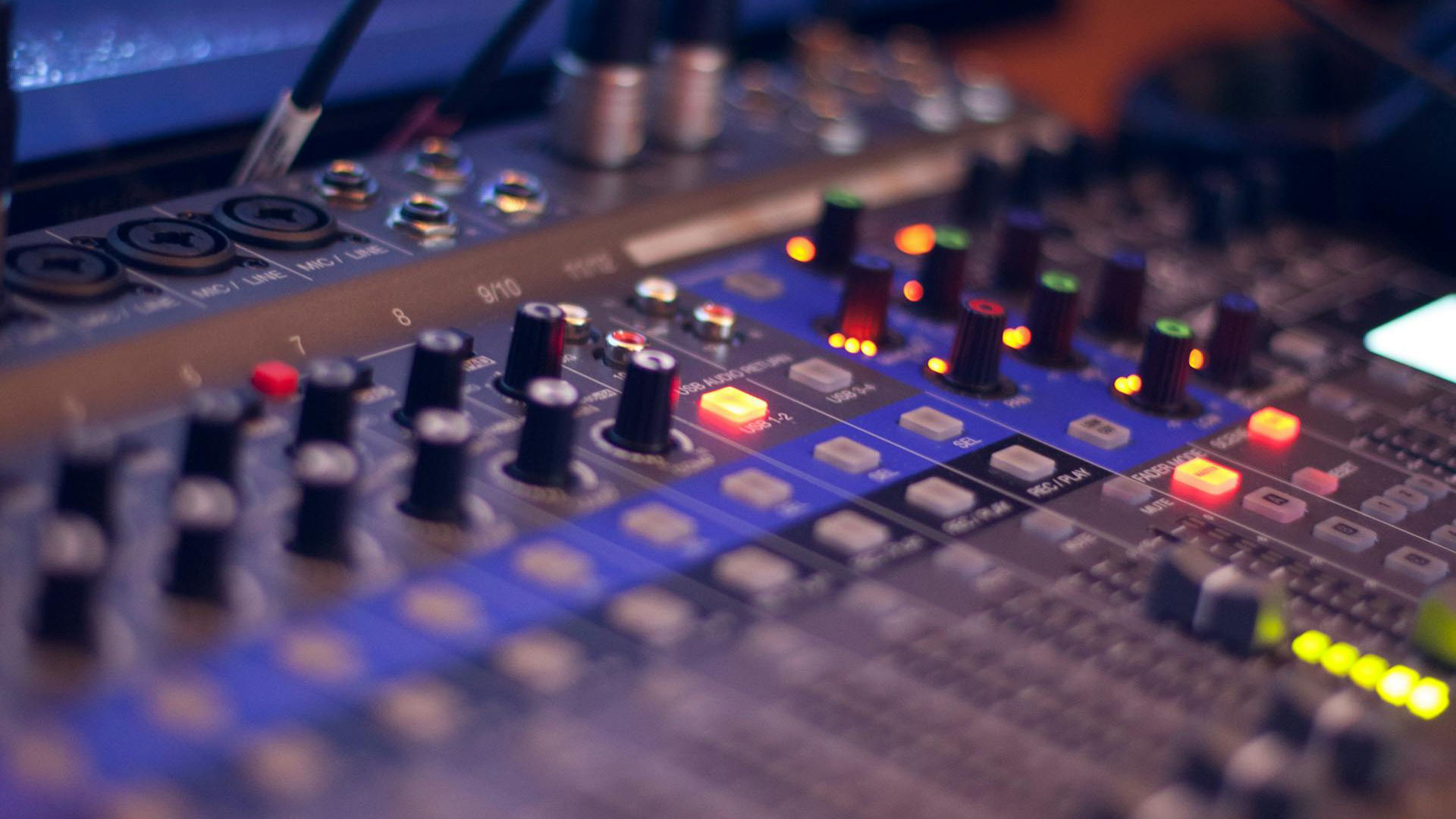
Matching Your Mixer to Your Gear
Getting the right match between your mixer and other equipment is crucial for optimal performance. For microphones, ensure your mixer's preamps provide enough gain – especially for gain-hungry mics like the SM7B or ribbon microphones. When connecting powered speakers, pay attention to input sensitivity and operating levels. Match your mixer's main outputs to your speakers' input requirements to avoid unwanted noise or distortion.
Your instruments need proper consideration too. Electric guitars and basses should go through DI boxes unless your mixer has dedicated instrument-level inputs. For keyboards and other electronic instruments, use balanced TRS cables when possible to minimize noise over longer cable runs. Always keep some headroom in reserve – if you're regularly maxing out your mixer's headroom, it might be time for a more powerful unit.
Optimizing Gain Staging
Proper gain staging is the secret to clean, professional sound. Start at the source and work your way through the signal chain:
- Set input gain first: With faders at unity (0), adjust the gain until your input meters show peaks around -12dB
- Channel EQ and processing: Keep your EQ cuts and boosts moderate
- Aux sends: Set pre-fader sends for monitors, post-fader for effects
- Group buses: Maintain headroom on subgroups
- Master fader: Keep it near unity for optimal performance
Using AUX Sends Effectively
AUX sends are incredibly versatile tools when used correctly. For monitoring, use pre-fader sends so performers can have their own mix independent of the main mix. For effects like reverb or delay, use post-fader sends so the effect level follows the channel fader.
Create separate monitor mixes for different performers – drummers often need more kick and bass, while singers might want more of their own voice. When using effects, consider using one good reverb on an AUX send rather than multiple different reverbs. This creates a more cohesive sound and saves processing power on digital mixers.
Maintaining and Troubleshooting Your Mixer
Regular maintenance keeps your mixer performing at its best. Here's what to watch for:
- Clean faders and pots regularly with proper contact cleaner
- Check and tighten all connections periodically
- Keep air vents clean and unobstructed
- Store in a dust-free environment when not in use
- Use dust covers when appropriate
When troubleshooting issues:
- For noise problems, check cables first, then ground connections
- Intermittent sound usually indicates a connection or cable issue
- Distortion often points to incorrect gain staging
- For digital mixers, ensure firmware is up to date
- Keep a signal chain diagram handy for quick problem isolation
Finding Your Perfect Mixer: Conclusion
Choosing the right mixer ultimately comes down to matching the right tool to your specific needs. Whether you're building a home studio, running live sound, or producing podcasts, understanding your requirements is the key to making a smart investment.
What Really Matters
The most expensive mixer isn't always the best choice for your situation. A simple analog mixer might serve a podcaster better than a feature-packed digital console. Similarly, a small venue might benefit more from a reliable mid-range digital mixer than a high-end analog board. Focus on the features that directly impact your work rather than getting caught up in specifications that look impressive but won't affect your actual use.
Future-Proofing Your Investment
While it's tempting to buy just for your current needs, consider where you'll be in a year or two. If you're starting a podcast, will you want to add co-hosts? If you're recording a band, might you need more inputs for larger projects? Choose a mixer that gives you some room to grow without overwhelming you with unnecessary complexity.
Value Beyond Features
Remember that value isn't just about features and specifications. Consider factors like:
- Local support and service options
- Availability of spare parts
- User community and online resources
- Manufacturer's track record for reliability
- Training resources and documentation
Final Thoughts
Don't rush your decision. If possible, try out different mixers before buying. Many retailers offer return periods – use them to ensure the mixer fits your workflow. Remember that the best mixer is the one that helps you achieve your goals while staying invisible in your creative process. It should enhance your work without becoming a distraction or obstacle.
Top Ranked Mixers on Equipboard


$1,462.00 - $1,999.00
5.0 (14)
5.0 (14)