Table of Contents

Equipboard
Equipboard is the world's largest community of artists and their gear. Read our review process.
We are reader-supported. When you buy through links on our site, we may earn an affiliate commission. Learn more.
Our Picks

Zoom R20 16-track Recorder / Interface / Controller Workstation
Digital - Best for Singer-Songwriters: Zoom R20 delivers exceptional versatility in a compact format that shines for solo artists seeking a complete recording solution without complexity.
Read more


Digital - Best All-in-One Studio Workstation: Tascam DP-24SD delivers professional-grade recording capabilities with an emphasis on traditional hands-on mixing that makes complex productions approachable.
Read more
Digital - Best Budget Portable Recorder: Tascam DP-006 combines surprising capability with genuine portability, making it an ideal companion for songwriters who need to capture ideas anywhere inspiration strikes.
Read more

Yamaha MT8XII Multitrack Recorder
Analog - Best Cassette-Based Recorder: Yamaha MT8XII captures the distinctive warmth of tape recording in an accessible format that's experiencing renewed interest among independent musicians seeking authentic analog character.
Read more

Akai GX-4000D Reel to Reel Tape Recorder
Analog - Best Reel-to-Reel for Home Studios: Akai GX-4000D delivers the authentic reel-to-reel experience in a format that remains practical for home studio use while providing the unmistakable sound quality that only tape can deliver.
Read more
Studer A-800 MKIII 24 Track Tape Recorder
Analog - Best High-End Analog Recorder: Studer A800 represents the absolute pinnacle of analog recording technology, delivering the unmistakable sound that defined countless classic albums with reliability that set the studio standard.
Read moreWhether you're a songwriter capturing late-night inspiration, a band recording rehearsals, or a producer crafting polished tracks, a multi-track recorder can be an invaluable tool in your creative arsenal. In a world dominated by computer-based digital audio workstations (DAWs), standalone multi-track recorders continue to offer unique benefits that many musicians find irreplaceable.
This comprehensive guide will help you navigate the world of multi-track recorders, exploring everything from essential features to the eternal debate between digital and analog technologies. We'll examine top models available and provide you with the knowledge to select the perfect recorder for your specific musical journey.
Why Multi-Track Recorders Are Still Relevant
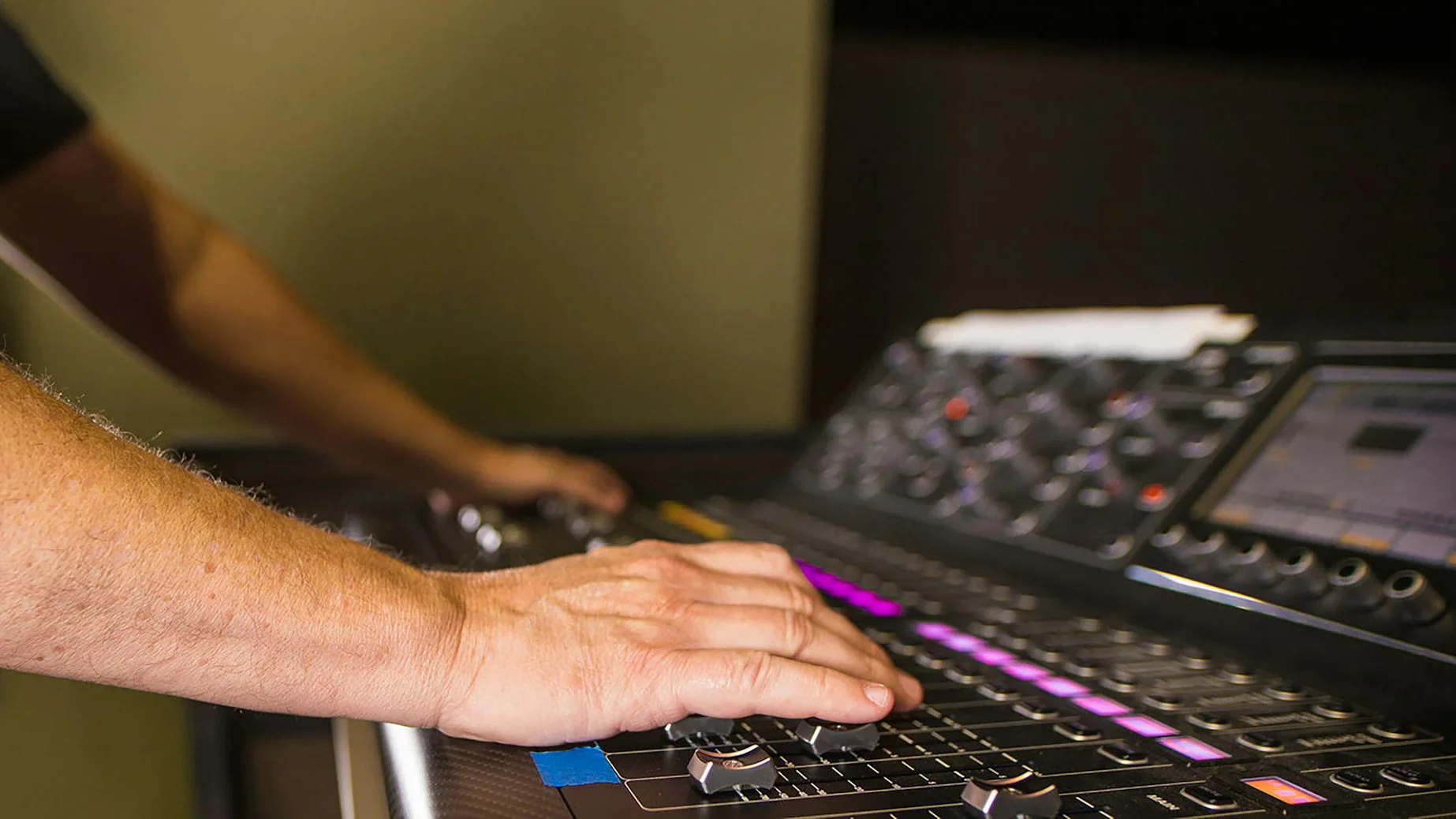
In an era where powerful recording software is available on nearly every device, you might wonder why dedicated multi-track recorders remain popular. The answer lies in their focused approach to music creation.
Multi-track recorders have evolved dramatically since their inception as bulky tape machines in professional studios. From the revolutionary Tascam Portastudio that brought multi-track recording to home studios in the 1970s to today's feature-packed digital workstations, these devices have continuously adapted to musicians' changing needs.
Many artists find that the physical interface of a dedicated recorder creates a more immersive creative experience. Unlike computer-based setups with their endless options and potential distractions, a standalone recorder offers a controlled environment where music remains the sole focus.
For live recording situations, the reliability of a purpose-built recorder provides peace of mind that a computer-based system might not. With no operating system updates, software conflicts, or background processes to worry about, you can focus entirely on capturing the performance.
Additionally, many modern multi-track recorders offer seamless integration with computer-based workflows, providing the best of both worlds. You can enjoy the focused recording experience of a dedicated device, then transfer your files to a DAW for additional production work if desired.
Key Features to Consider When Choosing a Multi-Track Recorder

Selecting the right multi-track recorder requires understanding which features align with your specific recording needs. Here's a breakdown of the most important factors to consider before making your purchase.
Number of Tracks
The track count you need depends entirely on your recording approach. For solo songwriters or small acoustic ensembles, an 8-track recorder might be perfectly sufficient. This allows for recording vocals, guitar, bass, and a few overdubs or ambient microphones without hitting limitations.
For band recordings or more complex productions, 16 to 24 tracks provide greater flexibility. This higher track count accommodates multi-microphone drum recordings, multiple guitar layers, background vocals, and still leaves room for additional instrumental parts.
Professional studio environments might require 32+ tracks to handle large ensembles, complex orchestrations, or situations where maximum flexibility is essential during mixing.
Portability
Consider where and how you'll use your recorder. If you need to capture field recordings, rehearsals in different locations, or performances on the go, a compact, battery-powered unit will serve you better than a larger studio-focused model.
Portable recorders sacrifice some features and physical controls for their smaller size but offer the freedom to record anywhere inspiration strikes.
Storage and Connectivity
Modern digital recorders typically store recordings on SD cards, internal hard drives, or SSDs. Consider the storage capacity, file transfer options, and backup capabilities of any model you're considering.
Connectivity is equally important. Most recorders offer some combination of:
- USB connection for file transfer and DAW integration
- MIDI in/out for synchronizing with other gear
- Digital audio inputs/outputs (S/PDIF, optical, etc.)
- Analog outputs for monitoring and connecting to external equipment
Future-proof your investment by ensuring the recorder you choose has the connections you need not just for your current setup but for how you might expand in the future.
Effects and Processing
Built-in effects can enhance your recordings and inspire creativity. Common onboard processing includes:
- EQ and dynamics (compression, limiting)
- Reverb, delay, and modulation effects
- Amp and cabinet simulation for direct guitar recording
- Vocal processing (de-essing, pitch correction)
- Mastering tools (multi-band compression, stereo enhancement)
While these onboard effects won't match dedicated high-end processors, they can provide valuable tools for sketching ideas and creating polished demos. Some higher-end recorders feature professional-quality effects that rival standalone units.
Recording Quality
Audio fidelity is determined primarily by bit depth and sample rate. Most contemporary digital recorders offer at least 16-bit/44.1kHz recording (CD quality), with many supporting 24-bit/96kHz or higher for professional applications.
The quality of the preamps and analog-to-digital converters significantly impacts your recordings' sound. Better preamps provide cleaner gain, lower noise, and more detailed capture of your source material. This is especially important when recording dynamic sources like acoustic instruments or when capturing subtle vocal performances.
Ease of Use
The learning curve varies considerably between different recorder models. Some prioritize simplicity with touchscreen interfaces and streamlined controls, while others offer comprehensive mixing capabilities with a more complex array of physical controls.
Consider how quickly you need to be operational with your new recorder. If you're frequently capturing fleeting moments of inspiration, a simpler interface might be preferable.
Budget Considerations
Multi-track recorders span a wide price range, from entry-level options under $300 to professional models costing several thousand dollars. While it's tempting to focus solely on price, consider the value each recorder provides for your specific needs.
An entry-level recorder with just enough inputs and tracks for your current projects might be a better choice than a higher-priced model with features you'll never use. Conversely, investing in a more capable recorder might save money in the long run if it eliminates the need for additional outboard gear or prevents you from outgrowing it too quickly.
Quality preamps and converters often distinguish higher-priced recorders and can significantly impact your recording quality. This is one area where spending more typically yields audible benefits.
Digital vs. Analog Multi-Track Recorders

The choice between digital and analog recording technologies represents more than just different approaches to capturing sound - it's about embracing distinct workflows and sonic characteristics that shape your creative process.
Sound Quality and Tone
Digital recorders capture audio with remarkable clarity and accuracy. They reproduce exactly what they hear without adding coloration, resulting in clean, noise-free recordings. This transparency allows your sources to shine through unaltered, providing a blank canvas for later processing.
Analog recorders, particularly tape machines, impart a distinctive character to recordings. The natural compression, harmonic saturation, and subtle noise floor of tape create a warmth and dimension that many musicians find appealing. These inherent sonic qualities can help instruments sit together naturally in a mix and add a cohesive character to recordings.
The choice often comes down to individual preferences and tastes rather than objective quality. Digital provides pristine accuracy, while analog offers natural musical enhancements that have shaped countless classic recordings.
Editing and Workflow
Digital recording offers nearly unlimited flexibility. You can perform multiple takes without wasting media, immediately review recordings, make precise edits, and experiment freely with various effects and processing.
Analog recording encourages a more committed approach. With limited track count and the practical constraints of tape, you're pushed to make decisions during recording rather than postponing them to the mixing stage. This can lead to more focused performances and a more decisive creative process. Many artists find that these limitations actually enhance creativity by eliminating option paralysis.
Portability and Storage
Digital recorders offer significant advantages in portability and storage efficiency. Recordings are stored as data files on compact media like SD cards or internal drives, making backup and archiving straightforward. A single SD card can hold dozens of hours of multi-track recordings.
Analog recorders require physical media such as cassette tapes for consumer-grade machines or reels of tape for professional equipment. These formats are bulkier, more expensive per minute of recording time, and more susceptible to degradation over time. However, many musicians appreciate having a tangible, physical record of their work.
Maintenance and Cost
Digital recorders are generally low-maintenance devices. Aside from occasional firmware updates and normal care, they require little ongoing attention to maintain optimal performance.
Analog recorders, particularly tape machines, demand regular maintenance to ensure proper operation. Tape heads require cleaning and occasional realignment, belts and motors may need replacement over time, and the machines themselves benefit from periodic professional servicing. This ongoing maintenance adds to the total cost of ownership but is considered by many to be a worthwhile investment in the unique sound of analog recording.
Best Use Cases for Each
Digital recorders excel when: - You need maximum flexibility for editing and processing - Clean, transparent recordings are your priority - You record in multiple locations or while traveling - Budget and maintenance concerns are important factors - You want seamless integration with computer-based workflows
Analog recorders shine when: - You value the distinctive warmth and character of tape - Your workflow benefits from the discipline of limited track count - The tactile experience of working with physical media enhances your creativity - You're recording genres where analog character is particularly complementary (rock, folk, jazz, etc.) - You appreciate the historical connection to classic recording techniques
Top Multi-Track Recorder Recommendations
After examining dozens of models across various price points and feature sets, we've identified the standout performers in both digital and analog categories. These recommendations balance quality, versatility, and value to meet the needs of different recording scenarios.
Zoom R20 16-track Recorder / Interface / Controller Workstation
The Creation Station








The Zoom R20 represents a significant evolution in portable recording technology. Its thoughtfully designed interface combines touchscreen convenience with physical controls where they matter most. The color-coded channel strips make session navigation intuitive even for beginners, allowing you to focus on creativity rather than technical operation.
Recording Capabilities
The R20 provides 16 playback tracks with 8 simultaneous recording channels, offering ample flexibility for layered productions. The preamps deliver clean, detailed sound with sufficient headroom for dynamic performances. Channels 5-8 include phantom power for condenser microphones, while the first input includes Hi-Z functionality for direct guitar or bass recording.
What sets the R20 apart is its exceptional balance between comprehensive features and user-friendly operation. The 4.3-inch color touchscreen provides visual feedback and simplified menu navigation, while physical faders and knobs offer tactile control over essential parameters.
Creative Tools
Beyond basic recording functions, the R20 includes creative tools that inspire musical exploration. The built-in rhythm section features 150 patterns across 30 genres, providing backing tracks for songwriting or practice. The 18 onboard synthesizer sounds and MIDI compatibility expand your sonic palette without requiring additional instruments.
Guitar players will particularly appreciate the integration with Zoom's Guitar Lab software, which provides access to a growing library of amp simulations and effects. This allows direct recording of processed guitar sounds without external amplifiers or pedals.
Production Workflow
The R20's storage system uses standard SD cards, with support for capacities up to 1TB. This provides ample recording time even for extensive projects and makes file transfer to computer-based DAWs straightforward. The optional Bluetooth adapter enables wireless control via Zoom's iOS app, adding another dimension of flexibility to your workflow.
For visually impaired users, the R20 includes VoiceOver Gestures functionality, making digital recording more accessible than ever before. This thoughtful inclusion represents Zoom's commitment to creating tools that serve the entire music-making community.
TASCAM DP-24SD
4.5 (6)
The Complete Studio Solution



- Professional sound quality rivaling more expensive setups
- Standalone operation eliminates computer dependency
- Intuitive interface with minimal learning curve
- Supports eight simultaneous track recordings
- See 6 more
- Limited to 48K sample rate, lower than some DAWs
- Requires time to learn effects and mastering features
- Initial learning curve for beginners unfamiliar with multitrack recorders
- Effects might be limited compared to dedicated hardware or DAW plug-ins
- See 1 more
The Tascam DP-24SD embodies the modern evolution of Tascam's pioneering Portastudio concept. This comprehensive recording workstation combines substantial track count with a traditional mixing console layout, creating a familiar environment for those transitioning from analog workflows.
Recording Architecture
With 24 playback tracks and 8 simultaneous recording inputs, the DP-24SD provides sufficient capacity for full band recordings or complex layered productions. The track architecture includes 12 mono tracks and 6 stereo tracks, with the flexibility to use stereo tracks as individual mono channels when needed.
The recorder supports both 16-bit and 24-bit recording at 44.1kHz or 48kHz, meeting professional standards for audio quality. The eight combo jack inputs accommodate both microphone and line-level sources, with high-quality preamps that deliver clean, detailed sound reproduction.
Recording engineers will value the input flexibility, including phantom power for condenser microphones and a dedicated high-impedance input for direct guitar or bass recording. This versatility eliminates the need for external preamps or direct boxes in many recording scenarios.
Mixing Environment
The DP-24SD's physical interface represents its greatest strength. Each channel features a dedicated fader, pan control, and EQ section, creating a traditional mixing console experience within a digital recorder. This hands-on approach to mixing often results in more musical decisions compared to mouse-based editing.
The recorder includes comprehensive routing options, including two effect sends for integration with external processors. This flexibility allows for creating custom monitoring mixes or incorporating favorite outboard gear into your recording chain.
Creative Features
Built-in effects for tracking, mixing, and mastering add considerable value to the DP-24SD package. These include dynamics processors, reverbs, delays, and guitar-focused effects that can enhance your recordings at every stage of production.
The virtual tracks feature allows for recording multiple takes of a performance while maintaining organized session management. Combined with the non-destructive editing capabilities, this creates a forgiving environment for capturing your best performances.
See how artists use this


TASCAM DP-006
3.5 (8)
The Pocket Studio

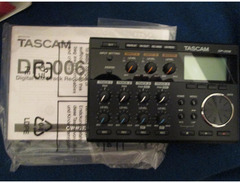
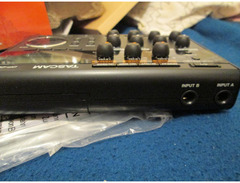
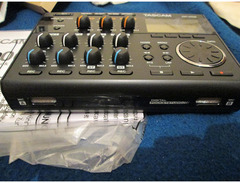


- Compact size with tripod mount for versatile positioning
- Extremely portable; runs on AA batteries
- Excellent internal condenser mics with good ambient capture
- Simple, intuitive interface for quick recording
- See 6 more
- Lacks XLR input, limiting mic options
- No backlit display, difficult to read in low light
- No dedicated line out ports, only headphone jack
- Interface can be fiddly for some users
- See 5 more
The Tascam DP-006 represents the entry point to true multi-track recording in an incredibly compact package. Despite its diminutive size and accessible price point, this recorder delivers impressive functionality for songwriters and sketch artists.
Portable Design
Battery operation sets the DP-006 apart from many competitors. Powered by four AA batteries providing up to 9 hours of continuous use, this recorder truly delivers on the promise of record-anywhere flexibility. When not on the move, it can also operate via USB power for extended studio sessions.
The built-in stereo condenser microphones offer surprising quality for quick idea capture. With adjustable sensitivity, these omnidirectional mics can handle everything from quiet acoustic performances to louder sound sources. For more critical recording, the dedicated inputs accept external microphones or instruments.
Songwriters will appreciate the recorder's instant-on capability and simple operation, making it ideal for capturing ideas before they slip away. The physical transport controls provide familiar tape-recorder-style operation that requires minimal learning curve.
Recording Capabilities
While modest in track count compared to larger recorders, the DP-006 provides 6 playback tracks with 2 simultaneous recording channels. This proves sufficient for sketching songs with vocal, guitar, and a few overdubbed parts. The dedicated stereo master track simplifies final mixdown.
The bounce function allows you to combine existing tracks to free up space for additional overdubs, effectively extending the track count for more complex arrangements. This traditional technique encourages decisive mixing decisions during the recording process.
Production Tools
Despite its simple appearance, the DP-006 includes valuable production tools including an integrated chromatic tuner and metronome. The track editing functions, accessed via the jog wheel, allow for basic arrangement changes and performance edits.
Recording directly to SD/SDHC cards (up to 32GB) provides ample storage capacity for projects. The high-speed USB 2.0 connection facilitates easy transfer of recordings to a computer for additional processing or archiving.
Yamaha MT8XII Multitrack Recorder
The Cassette Revival

The Yamaha MT8XII represents the pinnacle of cassette-based multi-track recording technology before digital took over. This vintage recorder continues to find new audiences among musicians seeking the distinctive sound character and workflow of analog recording.
Analog Character
Recording to standard cassette tapes, the MT8XII imparts the natural compression, subtle saturation, and warm mid-range enhancement that makes analog recording distinctive. These sonic characteristics can add cohesion and dimension to recordings that's difficult to achieve with digital technology alone.
The advanced dbx noise reduction system significantly improves the signal-to-noise ratio compared to earlier cassette multi-trackers. This addresses one of the primary limitations of the format while preserving the desirable aspects of tape sound. The MT8XII's implementation allows for selective application of noise reduction across different tracks, providing flexibility during the recording process.
Indie producers often cite the MT8XII's ability to make tracks "sit together" naturally in a mix. The inherent limitations of the format encourage thoughtful arrangement decisions and focused performances that frequently result in more cohesive recordings.
Recording Architecture
With 8 discrete tracks on standard cassette tape, the MT8XII provides sufficient flexibility for layered productions. The mixing section includes level and pan controls for each channel, along with two auxiliary sends for effects processing and a dedicated stereo bus.
The recorder features six 1/4" inputs with trim controls and peak indicators. Four channels include microphone preamps with XLR inputs, accommodating both instrument and vocal recording without additional equipment. The expanded connectivity represents a significant upgrade from earlier cassette-based recorders.
The MT8XII introduced advanced synchronization capabilities, allowing it to integrate with MIDI systems for more complex productions. This feature bridged the gap between analog tape workflows and emerging digital production techniques, making it particularly valuable during the transition period between these technologies.
Practical Considerations
As with any vintage equipment, maintenance becomes an important consideration. The MT8XII is known for its reliable transport mechanism and durable construction, but regular cleaning of heads and periodic replacement of belts will ensure optimal performance.
Finding new cassette tapes has become easier in recent years with the format's resurgence. Higher-quality tapes yield better results, with Type II (Chrome) cassettes providing the best combination of fidelity and headroom for multi-track recording. The MT8XII's calibration system allows for optimizing performance with different tape formulations, extracting maximum quality from whatever media is available.




Akai GX-4000D Reel to Reel Tape Recorder
5.0 (5)
The Professional's Choice

The Akai GX-4000D represents a sweet spot in the world of reel-to-reel recording - professional sound quality in a package that remains practical for home studio environments. This vintage recorder continues to find devotees among those seeking the authentic sound of tape.
Sound Character
Recording at 7.5 or 15 inches per second (ips), the GX-4000D captures audio with the expansive frequency response and dynamic range that makes reel-to-reel recording special. The natural tape saturation provides a pleasing roundness to transients and enhances harmonic content in ways that remain difficult to replicate digitally.
Akai's GX (glass crystal) heads were engineered for exceptional durability and sound quality. This proprietary technology results in detailed high-frequency response and consistent performance over the recorder's lifespan.
Vintage enthusiasts value the GX-4000D for its balance of professional features and manageable form factor. Unlike larger studio machines, this recorder fits comfortably in home studio environments while delivering genuinely professional results.
Recording Workflow
The 4-track format (using 1/4" tape) provides flexibility for basic multi-track recording. Common techniques include recording rhythm section to two tracks, leaving two tracks available for overdubs and vocals. Alternatively, the tracks can be used for bouncing down mixdowns while preserving the original elements.
The straightforward transport controls and input selection create an intuitive recording experience. The mechanical nature of these controls connects the engineer directly to the recording process in a tactile way that many find creatively satisfying.
Practical Considerations
Reel-to-reel recording requires a more significant investment in media compared to cassette-based systems. However, the superior sound quality and durability of 1/4" tape justifies this additional cost for many users.
Finding technicians capable of servicing reel-to-reel machines has become more challenging, though a dedicated community of specialists continues to support these vintage recorders. Budgeting for professional maintenance ensures reliable operation and optimal sound quality.
See how artists use this




Studer A-800 MKIII 24 Track Tape Recorder
5.0 (1)
The Legend

The Studer A800 stands as perhaps the most revered professional multi-track tape machine ever created. This Swiss-engineered masterpiece continues to be the benchmark against which other analog recorders are measured, appearing in world-class studios and on countless classic recordings.
Professional Heritage
Designed for uncompromising professional use, the A800 features 24 tracks on 2" tape running at speeds up to 30 ips. This configuration provides exceptional frequency response, vanishingly low noise floor, and the headroom to capture dynamic performances with complete fidelity.
The machine's transport mechanism represents a triumph of precision engineering, with rock-solid tape handling that protects valuable master recordings. The microprocessor-controlled operation was revolutionary when introduced and continues to provide reliable performance decades later.
Professional engineers consistently praise the A800's sonic signature, characterized by extended bass response, detailed midrange, and silky high frequencies. The machine's ability to handle transients while imparting subtle tape compression helps create cohesive, three-dimensional recordings.
Studio Integration
Despite its vintage status, the A800 integrates effectively with modern studio environments. The comprehensive synchronization capabilities allow the machine to lock with digital systems, creating hybrid workflows that combine analog character with digital editing convenience.
The remote control unit provides access to all transport functions from the engineer's position, facilitating efficient session management. The comprehensive monitoring options support various studio configurations and workflow preferences.
Practical Considerations
The A800 represents a significant investment, both in acquisition and maintenance. The machine requires regular professional servicing to maintain optimal performance, including head alignment, calibration, and occasional mechanical refurbishment.
The cost of 2" tape and the specialized knowledge required to operate and maintain these machines limit their use to professional environments and dedicated enthusiasts. However, for those pursuing the ultimate analog recording experience, the A800 remains the gold standard.
See how artists use this





Buying Guide
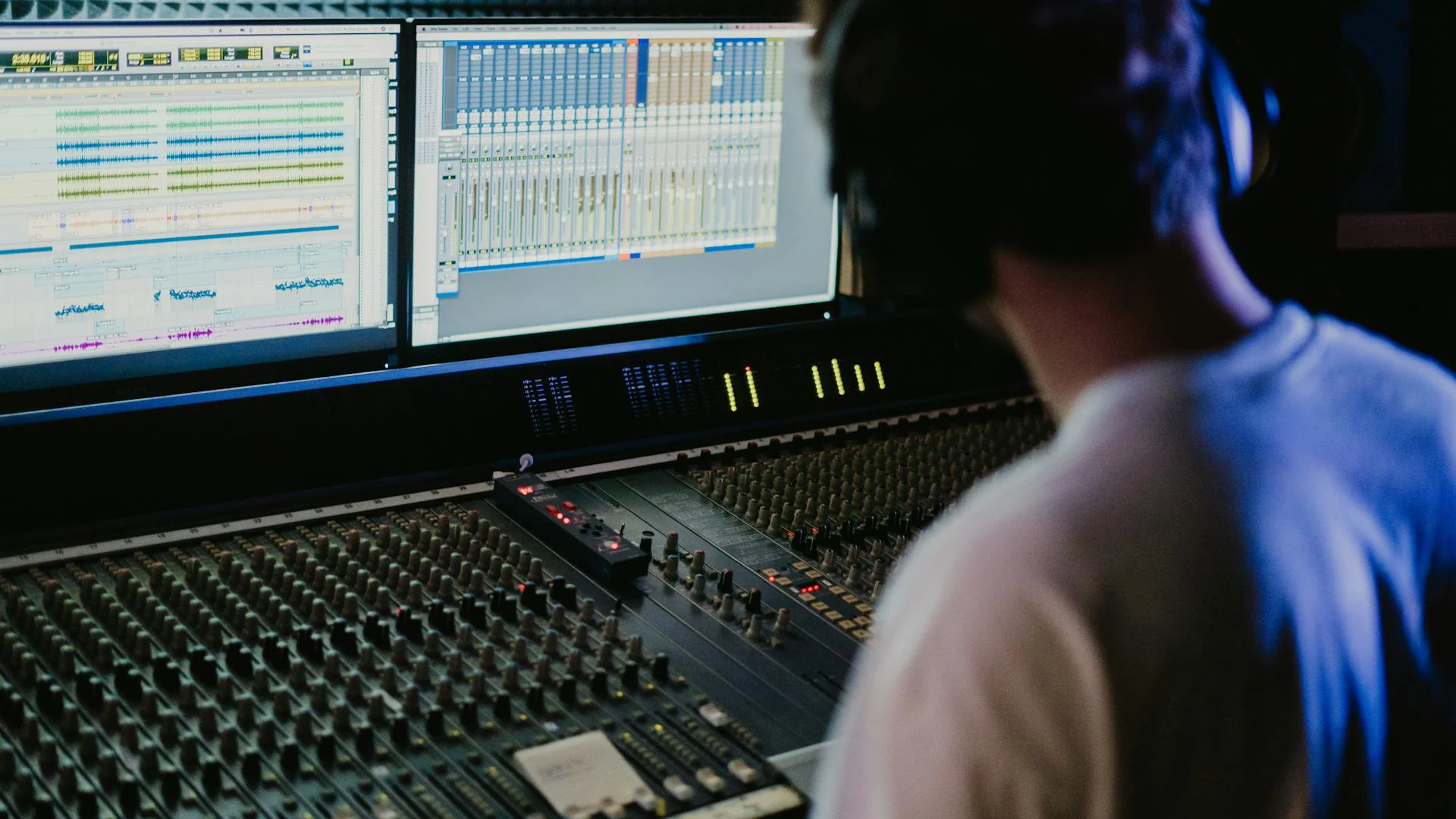
When preparing to purchase a multi-track recorder, careful evaluation of several key factors will help ensure you select the model that best suits your specific recording needs.
Start by assessing your typical recording scenarios to determine the appropriate track count and input configuration. Think about whether you'll primarily record solo performances, full bands, or something in between.
Next, evaluate your recording locations and how they might influence your choice. If you need to capture audio in various environments, portability becomes a significant priority. Look for compact, battery-powered options that can travel with you to rehearsals, performances, or outdoor recording sessions. For fixed studio setups, larger models with more comprehensive control surfaces and connection options might be preferable, offering enhanced functionality without the constraints of size and power consumption.
Your technical comfort level should also factor into your decision. Some recorders prioritize simplicity with streamlined interfaces and automatic features, while others offer deeper control with correspondingly steeper learning curves. Be honest about how much time you're willing to invest in learning a new system.
Compatibility with your existing equipment represents another crucial consideration. Ensure your chosen recorder works well with your current microphones, instruments, and monitoring setup. Take note of the available inputs and their specifications, particularly regarding phantom power for condenser microphones and high-impedance options for direct guitar recording. Determine whether you'll need to purchase additional gear such as preamps, direct boxes, or monitoring controllers to make the most of your new recorder.
Future expansion possibilities should guide your selection process. The ideal recorder should grow with your skills and requirements rather than becoming a limitation as your productions evolve.
The fundamental choice between digital convenience and analog character deserves careful reflection. Ask yourself whether workflow efficiency or distinctive sound quality is more important for your creative process. Digital recorders offer flexibility, extensive features, and seamless integration with modern production techniques. Analog recorders provide a unique sound character and hands-on experience that many find creatively inspiring. This foundational decision will guide you toward either digital or analog technologies.
Finally, research real-world experiences from users creating similar music to yours. Online forums, video demonstrations, and user reviews often reveal practical insights about operation, reliability, and sound quality that might not be apparent from manufacturer specifications alone. These firsthand accounts can highlight both unexpected strengths and potential limitations that could influence your decision.
FAQs
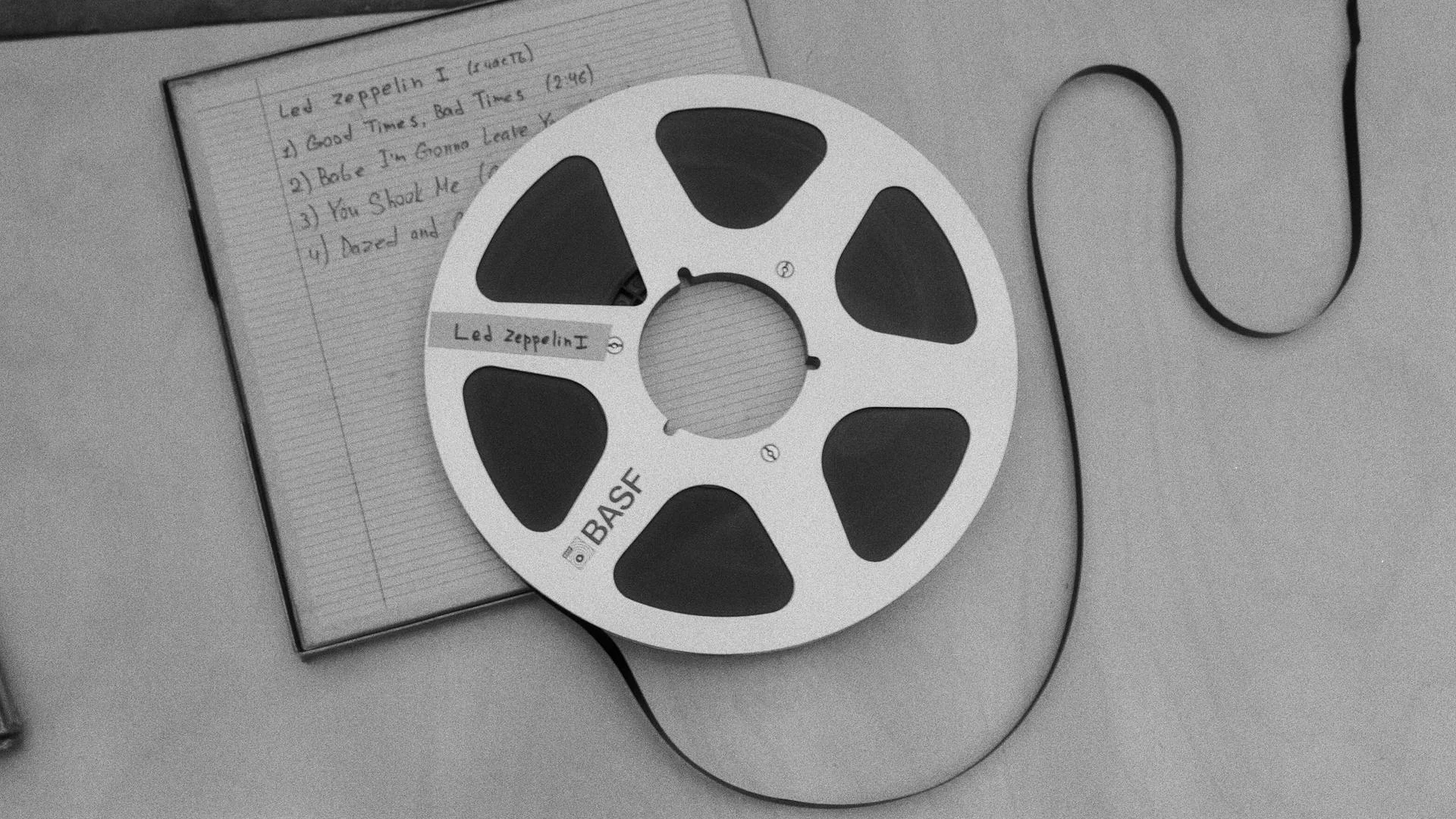
How many tracks do I really need for home recording?
The track count you need depends on your recording approach and the complexity of your productions. For solo singer-songwriters, 8 tracks typically provide sufficient flexibility - allowing for vocals, guitar, bass, keys, and a few additional layers or effects. Full band recordings benefit from 16+ tracks, particularly if you're recording drums with multiple microphones. Consider not just your current needs but how your productions might evolve over time. Many recordists find that having a few extra tracks available inspires creative experimentation that wouldn't be possible with a more limited setup.
Can I use a multi-track recorder with my computer DAW?
Most modern digital recorders offer integration with computer-based DAWs, though the implementation varies between models. Basic integration allows transferring audio files between systems for additional editing or mixing. More sophisticated integration enables using the recorder as an audio interface and control surface for your DAW software. Some recorders can even function as standalone devices in the field, then serve as interface/controllers when connected to a computer back in the studio. This hybrid approach combines the reliability of dedicated hardware with the editing power of computer-based systems.
Which is better for beginners - a simple portable recorder or a more complex studio model?
For beginners, the most important quality in a multi-track recorder is one that encourages consistent use rather than creating technical barriers to creativity. Portable recorders with straightforward interfaces often provide the gentlest learning curve, allowing you to focus on making music rather than navigating complex menus. However, if you're committed to developing your engineering skills alongside your music, starting with a more feature-rich recorder can provide room to grow. The best approach is finding a model that balances simplicity in its essential functions while offering deeper capabilities you can explore as your confidence increases.
How do I maintain an analog tape recorder for best performance?
Regular maintenance is essential for optimal performance from analog recorders. Basic maintenance includes cleaning the tape path (heads, capstan, and pinch roller) with isopropyl alcohol after every 8-10 hours of use. Demagnetizing the heads every 20-30 hours of operation prevents high-frequency loss and increased noise. Beyond these routine tasks, professional servicing once or twice yearly ensures proper alignment, calibration, and mechanical function. Storing tapes properly (vertically, away from magnetic fields and extreme temperatures) and using high-quality media also contributes significantly to recording quality and machine longevity.
Can multi-track recorders be used effectively for live recording?
Multi-track recorders excel in live recording scenarios, offering reliability and straightforward operation when capturing performances. Portable models with battery power provide flexibility for recording in venues without accessible power sources. For optimal results, scout the location beforehand to identify power availability, ambient noise concerns, and ideal microphone placement. Creating a recording plan - including track assignments and microphone selection - before the event ensures smooth operation when time is limited. Most importantly, test your complete signal chain before the performance to address any technical issues while adjustments remain possible.
Conclusion
The perfect multi-track recorder serves as an extension of your creative process, facilitating the transformation of musical ideas into finished recordings with minimal technical distraction. Whether you choose the pristine clarity of digital recording or the character-rich warmth of analog tape, the best recorder for you is one that complements your workflow and inspires your creativity.
Digital recorders offer unprecedented flexibility, portability, and integration with modern production techniques. Their non-destructive editing capabilities and extensive feature sets provide powerful tools for crafting polished productions. The Zoom R20 and Tascam models like the DP-24SD and DP-006 represent different approaches to digital recording, each with distinct strengths suited to particular recording scenarios.
Analog recorders continue to offer a distinctive sound and workflow that many musicians find creatively stimulating. The commitment required by the analog process often leads to more focused performances and decisive production choices. From accessible cassette-based systems like the Yamaha MT8X to professional reel-to-reel machines such as the Akai GX-4000D and legendary Studer A800, analog recording provides a direct connection to the techniques that shaped countless classic recordings.
Ultimately, the most important quality in any recording tool is its ability to capture your musical vision with minimal distraction. The technical specifications matter less than finding a recorder that feels intuitive and inspiring in your hands.
About the authors

S. Jino is an accomplished multi-instrumentalist and music producer based in Kolkata, India, distinguished by his self-taught mastery and unique blend of technical acumen and musical performance. His extensive experience was forged through hands-on dedication, starting with the full restoration of a broken guitar. Jino's capabilities span keyboards, pedals, and advanced digital production, reflecting a comprehensive skill set developed independently. As a significant contributor to the music scene, Jino regularly performs with worship bands and college ensembles. He has also established himself as a reliable and authoritative professional in freelance mixing, mastering, and original music creation. Inspired by the innovative sounds of Brian May and David Gilmour, and influenced by Kolkata's vibrant metal community, Jino is committed to the intricate art of vintage gear restoration and the continuous exploration of music and technology fusion. His current professional setup, featuring a meticulously restored nameless guitar, a Fender Player Strat, and a Boss Katana 50. Read more