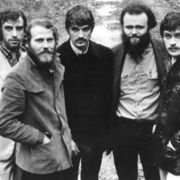
David Crosby
Genre
Credits
Genre
Credits
David Crosby's Software Plugins and VSTs


Used on the vocals for Lighthouse, as stated by mix engineer Fab Dupont in this December 2020 Sound on Sound interview. An image of the settings for the "Lead Aux" send can be found here.
Once I got the centre of the mix feeling record-like, the rest came together quickly. The 12-strings were double-tracked and got panned full stereo. Easy. The electric sat nicely a bit to the left, with slightly too much reverb, for sauce. The background vocals were just submixed to logically musical groups and all high-passed quite high, with not much life left below 400Hz. Some of them needed extra sheen when blended with the rest and I used the 16kHz band of the UAD Pultec Pro for that. No compression, no tuning, no phase tricks, just the singers and a bit of the same reverbs as the rest of the track.
As always when mixing, things that sounded perfect two hours ago feel like they need love right now. Everything is relative in mixing, like in love. So once all instrumental tracks got cleaned up and the centre beefed up, the lead vocal felt like it needed to be opened up. It felt dull. My go-to plug-in for this is the UAD Pultec Pro, using the 5kHz and the 10 or 12 kHz bands. Of course, once you start pushing the shine, you get into balance problems in the rest of the spectrum. Then you need to de-ess, and then stuff sticks out, so you need to compress a little... and then you’re screwed.
My aim was to stay true to the tone that David fell in love with during the tracking sessions, so I kept the processing to a minimum, constantly checking the bypassed sound to make sure the rest of the track was not skewing the vocal in the wrong direction. After I got the top I wanted with the Pultec, I beefed up the very low to rebalance the tone, and then I high-passed the whole track with a Sonnox Oxford EQ (thus achieving kind of a modern, more controlled, version of cutting and boosting the same frequency on a Pultec) and I set up an Oxford Compressor for the couple of peaks that resulted from boosting the high end. I also added a short Haas-style delay to push the sound slightly backward and lose a tiny bit of the presence and crudeness of the fairly close miked vocal (this one was tracked in the booth, not in the live room). I ended up dulling the guitars a bit to allow for the vocal to stay closer to the original. In the end, nothing sounds absolutely perfect in solo but it all sounds pretty glorious ‘in the sauce’, and the world only gets to hear the sauce. But not you! You’re special. I took the time to print both raw and processed stems so you can be ahead of the rest of the world and hear pre- and post-mix tones on every track of ‘The Things We Do For Love’. They are available here for free: http://puremix.net/crosbystems.
Find it on:


This is a community-built gear list for David Crosby.
- Find relevant music gear like Microphones, Guitars, Amplifiers, Effects Pedals, Software Plugins and VSTs, Keyboards and Synthesizers, Instruments, and other instruments and add it to David Crosby.
- The best places to look for gear usage are typically on the artist's social media, YouTube, live performance images, and interviews.
- To receive email updates when David Crosby is seen with new gear, follow the artist.
Discography
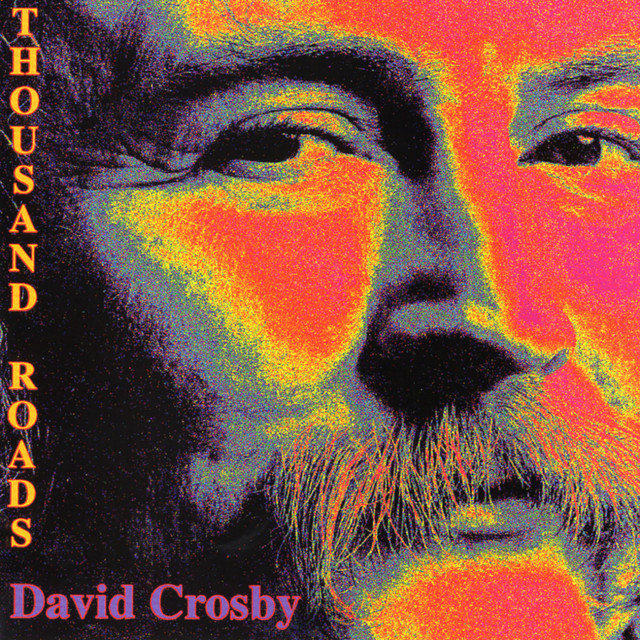
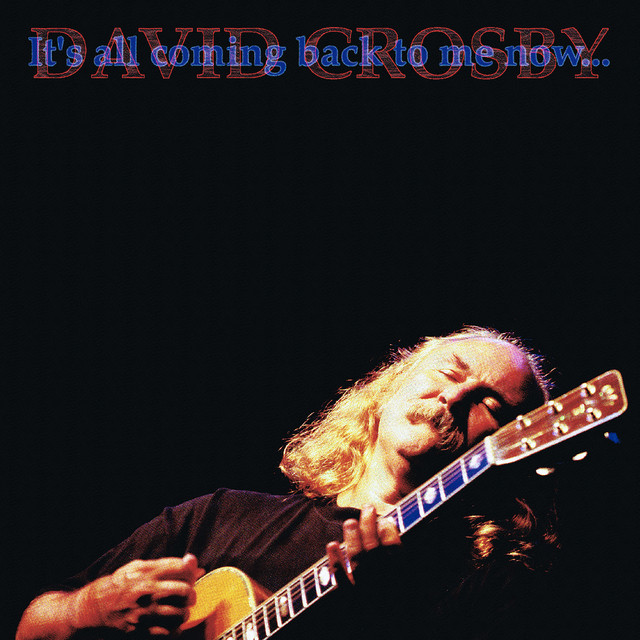
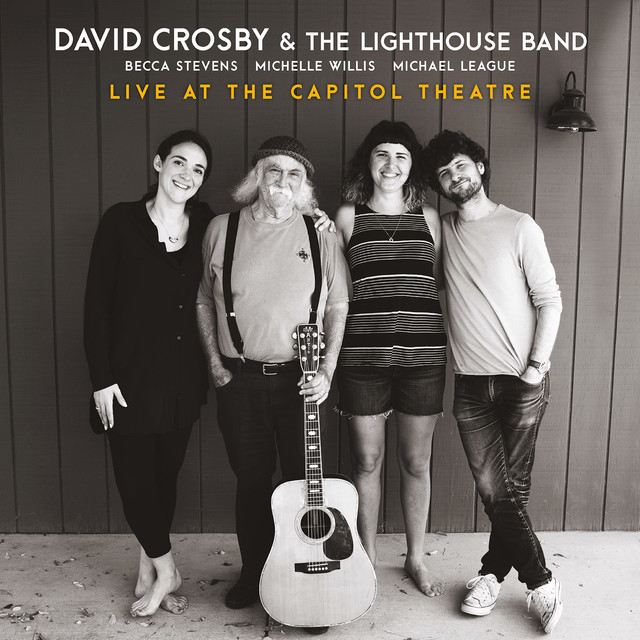
Album Credits
-
David Crosby · 2018
Producer -
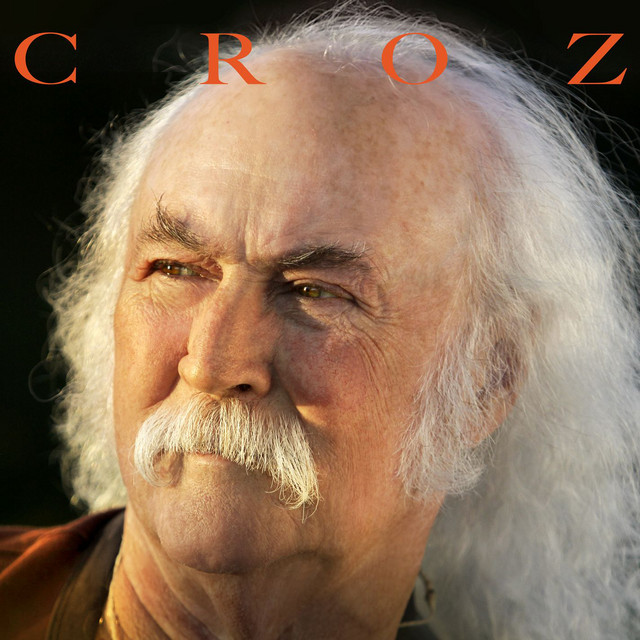
David Crosby · 2014
Producer -
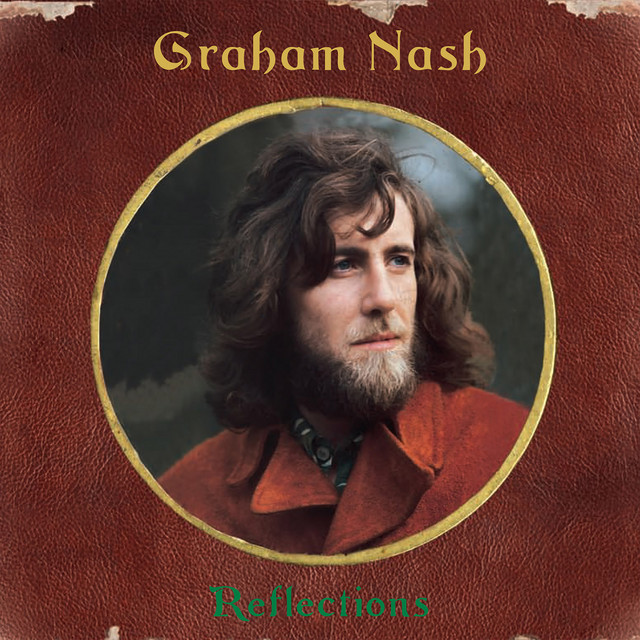
Graham Nash · 2009
Mixing Engineer Producer -
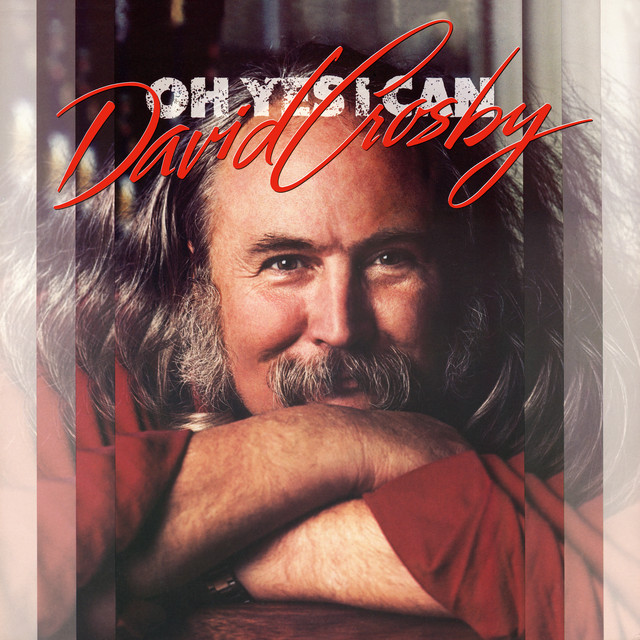
David Crosby · 1989
Producer -
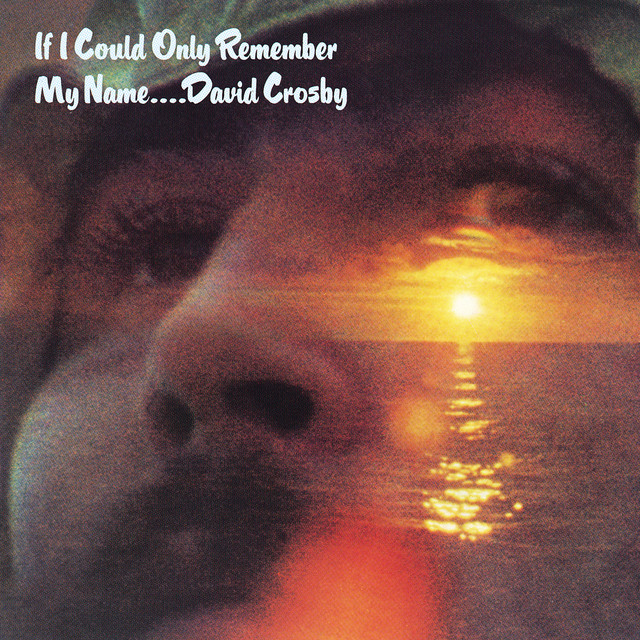
If I Could Only Remember My Name
David Crosby · 1971
Producer -
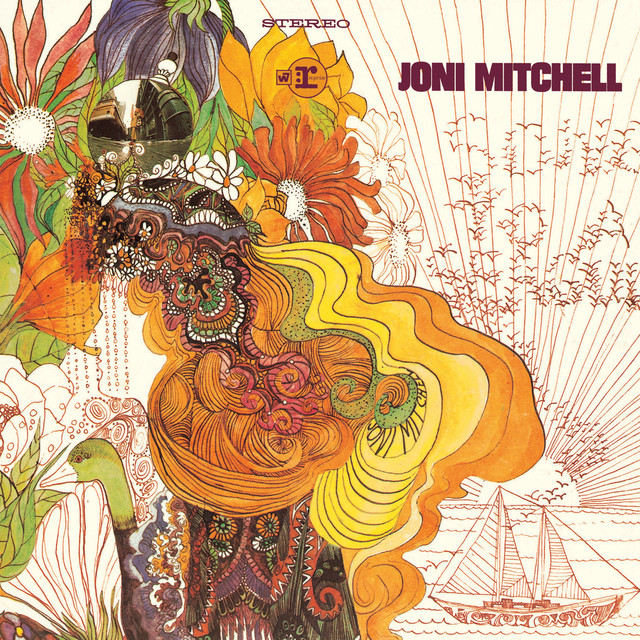
Joni Mitchell · 1968
Producer






.jpeg?v=1776173010)