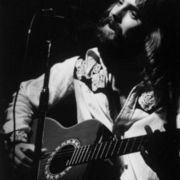
Stephen Stills
Genre
Genre
Stephen Stills' Gear

-m.webp?v=1784459251)
Stephen Stills is pictured with a Martin D-28 acoustic guitar, featuring a vertical logo, as seen in a photo from Performing Songwriter.
Stills first obtained a Martin Herringbone D-28 after the success of Buffalo Springfield's hit single, "For What It's Worth" (https://www.bmi.com/news/entry/Tips_From_the_Top_The_Making_of_Buffalo_Springfield_Again):
I had just enough money from ‘For What It’s Worth’ to get that Martin - and a Ferrari. ... ‘Bluebird’ was the first song I used it on. Of course, vintage Martins didn’t cost the moon back then, either.
The guitar, either a 1935 or 1937 model, had its headstock replaced with that of a D-45. He continued to use it for the remainder of the 1960s. It appeared on a collection of demos titled Just Roll Tape, as well as the first Crosby, Stills & Nash album. However, it was stolen from Stills' Colorado cabinet in the 1970s (https://www.mwe3.com/archive/pastfeature/featureStephenStills07.htm).
RS: Can you remember what acoustic guitar you used recording the Just Roll Tape tracks, or is that nit-picking?
SS: No, I remember it quite well because, somebody walked into my cabinet in Colorado and walked out with it while I was out for the night. But it was a 1935 D-28, a herringbone and someone had taken and put in the D-45 masthead on the pick guard and somebody stole that many, many years ago. I made the first CSN and then I got my D-45 which sounded just as great. But that original D-28, it’s out there somewhere. And there’s nothing like it because someone put the D-45 headstock on it, you know the way that’s it written? On a D-28, so it’s very unique. So, if anybody spots it, someone stole that out of my cabinet in Colorado in the ‘70s!
Find it on:


In this source, you can see Stephen Stills using the Gretsch G6136-1958 Stephen Stills White Falcon.
Find it on:


This is his Martin signature guitar, and he is visible playing this guitar in this photo.
Find it on:

This guitar was mentioned in Music Radar's interview with Stills.
"You know, I don't know specific years. This is not the kind of arcane shit that I remember. I remember cars. [Laughs] I had a Ferrari when we first got money in the Buffalo Springfield. I got a Martin D-45 and a Ferrari."
Find it on:


In this video, CSN are playing "Wooden Ships" , wih great closeup of Stills's Firebird VII at 3:34 minute mark.
Find it on:

In this photo, Stills is seen playing Gibson Les Paul Custom. Behind him is Sears amplifier, although model is unknown.
Find it on:

Excerpt from a 2012 interview by musicradar, "Today it's a Strat. I've got two '54 Strats that I play live. They're lighter and they're easier on you. When you're just starting out, they can hurt. They hurt your fingers. But when you work with them and get used to them, they're the best. They're true everywhere, they're not cumbersome."
Find it on:
-m.webp?v=1784333833)
In this photo, Stills is visible playing cherry red D'Angelico New Yorker.
Find it on:

This guitar went up for auction, according to this article, Stills once used and played this guitar.
Find it on:


In the interview he talks about using it on Wooden Ships.
Find it on:


at 3:56, Stills can be seen jamming away on a Gibson Flying V.
Find it on:

At Wembley in 1974, Stephen Stills use his Gibson SG.
Find it on:

In this photo, taken at a CSNY concert in Wembley, 1974. Stills is visible playing Gibson Firebird I.
Find it on:



Stills can be seen playing a Fender Precision Bass in this photo.
Find it on:

He says fender gave him one to replace his Vibrolux
Find it on:

In an interview with MusicRadar, Stephen Stills mentions that he uses the Eventide PitchFactor Harmonizer.
Find it on:
-m.webp?v=1784333038)
You can see Stills playing the ES-355 from 2:00 to 2:40 in the video of CSNY performing Neil Young song Southern man in the 70's.
Find it on:

Used live for vocals with Crosby, Nash & Young, as mentioned by monitor engineer Rance Caldwell on the official Audix artist page for Crosby, Stills & Nash.
Rance states, "With the exception of just one mic, everything on CSN's stage is Audix. D6 on the kick; D2s for snare and rack toms; D4s on the floor toms; SCX1 on the hat; CX-111s for the overheads; and D3s for the guitar amplifiers. And for those golden CSN vocals, OM6s and OM7s."
Find it on:

As seen in the photo Stephen Stills used a Gibson Super 400CES early in his career, notably during his time in Buffalo Springfield.
Find it on:

According to Fishman's website Stills is using this preamp/pickup system on his acoustics.
Find it on:
-m.webp?v=1784525859)
Used live for vocals with Crosby, Nash & Young, as mentioned by monitor engineer Rance Caldwell on the official Audix artist page for Crosby, Stills & Nash.
Rance states, "With the exception of just one mic, everything on CSN's stage is Audix. D6 on the kick; D2s for snare and rack toms; D4s on the floor toms; SCX1 on the hat; CX-111s for the overheads; and D3s for the guitar amplifiers. And for those golden CSN vocals, OM6s and OM7s."
Find it on:

Used to record the guitar and vocals on "Suite: Judy Blue Eyes", as stated by engineer Bill Halverson in this August 2010 Sound on Sound interview.
"I went and got a really nice acoustic guitar mic, a tube Neumann U67, and I set it up, got Stephen some headphones so he could hear what he was doing, and after I'd turned the lights out according to his request, he started playing. At this point, having watched Wally Heider record Wes Montgomery and other jazz musicians, and even though I'd done rock & roll with some electric stuff, I was pretty much a purist. So, when the old Martin D28 that Stephen played sounded really dull to me, I started adding top end and using those equalisers that we'd got for Bones Howe, while also putting a limiter on it and taking all the bottom‑end off. I just kept trying to brighten it up and get it a little more present, and once I had it sounding pretty good I thought I'd record a little, let him take a listen, and then see if he liked it and how we could change it. I was really trying to please.
"So, with David and Graham sitting next to me, I started to roll tape on the 16‑track and David signalled this to Stephen by making a circular motion with his hand above his head. Until then, Stephen had just been goofing around on his guitar, but suddenly he zeroed in on the microphone and started flailing away, and the sound was so bright that the compressor was way over‑compressed — instead of bouncing around like compressors do, it just laid down and sat there. There was also no bottom end. However, from my training with Heider I knew that I couldn't stop the take; I had to just let it go and then explain the problem and try to fix it later.
"Sitting there, I was already thinking about the things I could do to fix it, because I had totally overdone the sound, but Stephen was totally into what he was playing, and just when it looked like he was going to stop, he started another section and played some more. By now, my whole life was flashing in front of me, and certain that my career was over, I began to sweat. Meanwhile, Crosby and Nash were standing next to me, dancing — they were having a good time — and it wasn't until seven and a half minutes into the recording that the whole thing ended. Stephen had just played the basic track to 'Suite: Judy Blue Eyes'...
"It still gives me goose bumps when I listen to that recording, aware that he blew through seven‑and‑a‑half minutes with all the time changes, all the pauses, all the everything in just one take,” Halverson says. "No edits, no nothing. Anyway, when Stephen was done and I could hear him taking off his headphones, I figured he was going to come in and just blast me for the horrible recording, so I was ready with my excuses. David and Graham met him at the double doors, and while they were all high‑fiving each other Stephen turned to me and said something to the effect of, 'Oh, that's the sound I've been looking for! I love it!' and I went, 'Thanks.' I was just dumbfounded. For the next 20 years, I didn't tell him it was an incredibly happy accident, and that if I had known what I was doing he wouldn't have got what he wanted.”
"After Stephen had recorded his acoustic guitar part, he, David and Graham were ready to sing, and for that I was ready. We had done all kinds of jingles in the little room at Heider's, from the Anita Kerr singers to Jan and Dean, and so I just took the Neuman U67, opened it all the way around [ie. put it into omni mode], gave them three sets of headphones and went, 'Sing!' Singing into the one mic, they moved around a bit. They didn't need any music; they were rehearsed, they knew the lyrics, and while harmonising with each other they were also in the process of amazing each other."
Find it on:

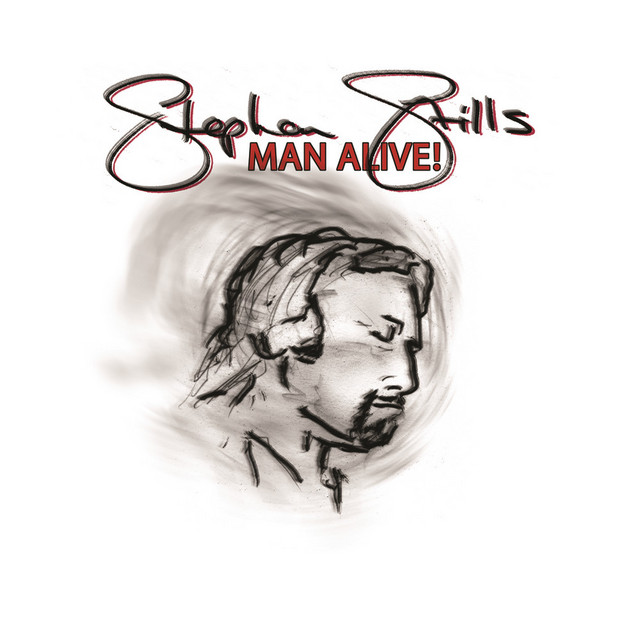
Used on Man Alive, as mentioned by monitor engineer Rance Caldwell on the official Audix artist page for Crosby, Stills & Nash.
Rance adds, "Beyond the stage, Audix is an important part of what the band does in their home studios as well. Graham Nash and David Crosby each have a pair of SCX1s they record with, as does Stephen Stills who also used his CX-111s and D2s on his album Man Alive released last September."
Find it on:

Used on Man Alive, as mentioned by monitor engineer Rance Caldwell on the official Audix artist page for Crosby, Stills & Nash.
Rance adds, "Beyond the stage, Audix is an important part of what the band does in their home studios as well. Graham Nash and David Crosby each have a pair of SCX1s they record with, as does Stephen Stills who also used his CX-111s and D2s on his album Man Alive released last September."
Find it on:

Used live for his guitar amps with Crosby, Nash & Young, as mentioned by monitor engineer Rance Caldwell on the official Audix artist page for Crosby, Stills & Nash.
Rance states, "With the exception of just one mic, everything on CSN's stage is Audix. D6 on the kick; D2s for snare and rack toms; D4s on the floor toms; SCX1 on the hat; CX-111s for the overheads; and D3s for the guitar amplifiers. And for those golden CSN vocals, OM6s and OM7s."
Find it on:

You can see Stills using the Fender Esquire clearly in this performance
Find it on:

In this photo, Stephen Stills can be seen playing a Hammond B3 organ. The B3 was Stills's most frequently used keyboard.
Find it on:

In this photo from a CSNY rehearsal, Stills can be seen playing a Hammond B3 with a Hohner Pianet on top.
Find it on:

In this photo from a CSNY rehearsal, Stills can be seen playing a Hammond B3 with a Hohner Cembalet on top. This can be identified as a Cembalet because the lowest note is a C. (Hohner Pianets start on F.)
Find it on:

In this photo, Stephen Stills can be seen playing a Fender Rhodes piano (in a Cleveland Browns jersey!). The photo likely comes from CSNY's 1974 tour.
Find it on:
This is a community-built gear list for Stephen Stills.
- Find relevant music gear like Microphones, Guitars, Amplifiers, Effects Pedals, and other instruments and add it to Stephen Stills.
- The best places to look for gear usage are typically on the artist's social media, YouTube, live performance images, and interviews.
- To receive email updates when Stephen Stills is seen with new gear, follow the artist.
-
Added to Equipboard on by
.jpg?v=1784494328) gchiaren
gchiarenGearIQ 37641
-
Updated
Discography
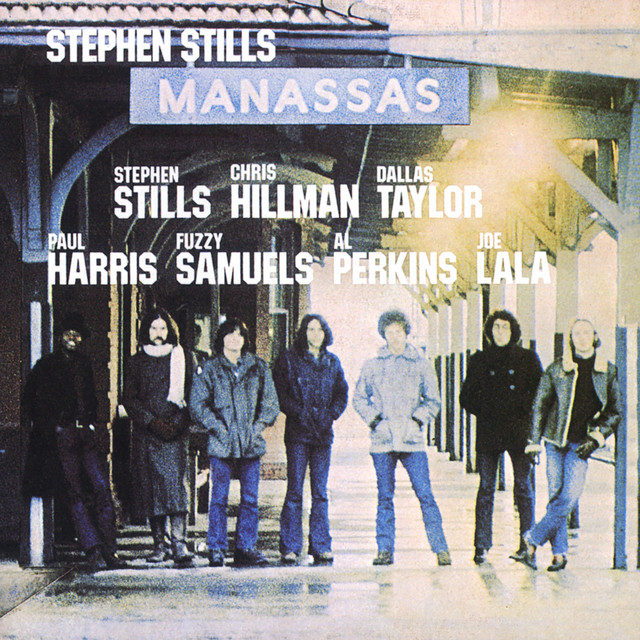
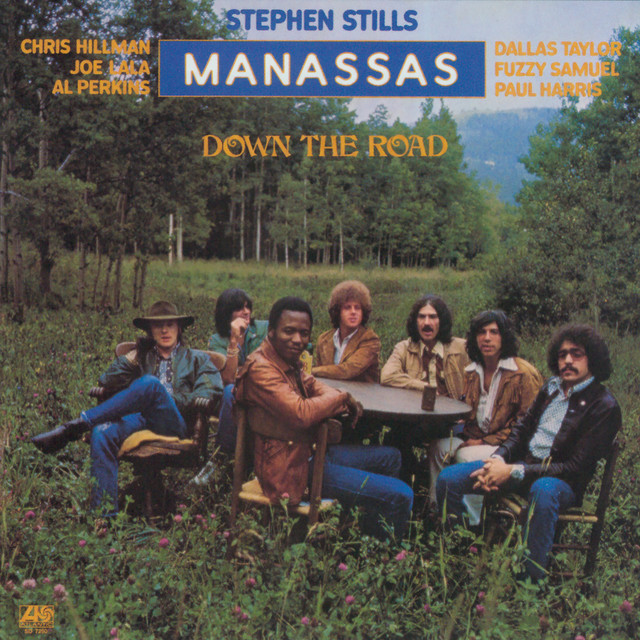
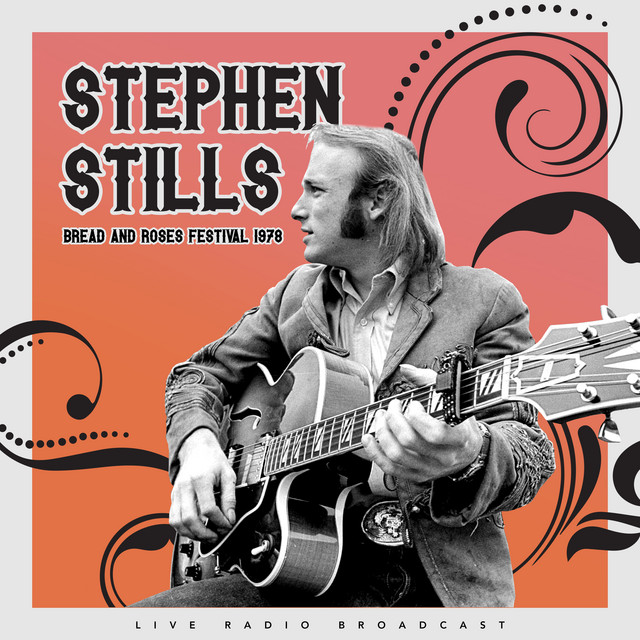
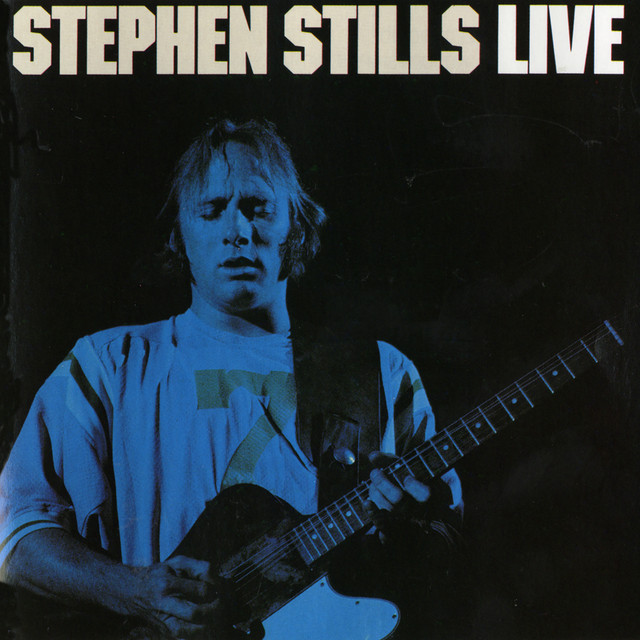
Album Credits
-
Stephen Stills & Judy Collins · 2017
Producer -
Graham Nash · 2009
Mixing Engineer Producer -
Stephen Stills · 2009
Producer -
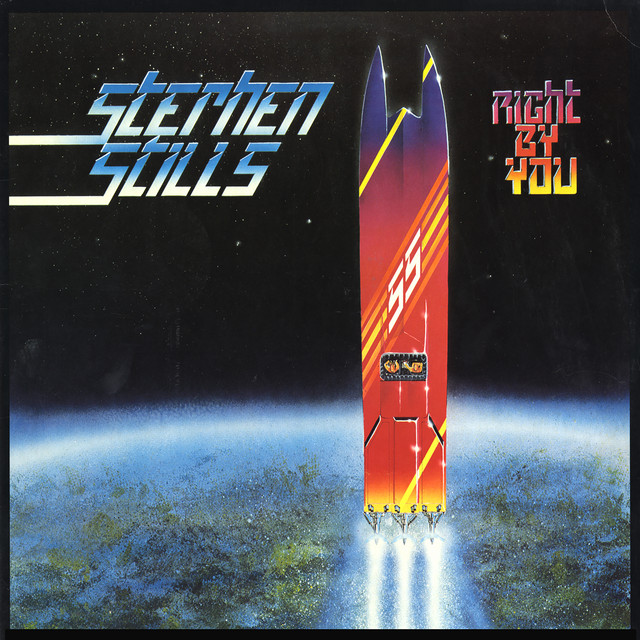
Stephen Stills · 1984
Producer -
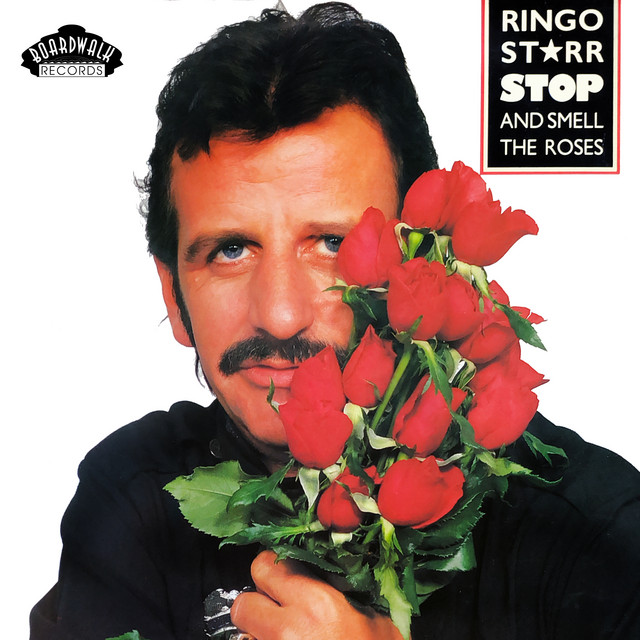
Ringo Starr · 1981
Producer -
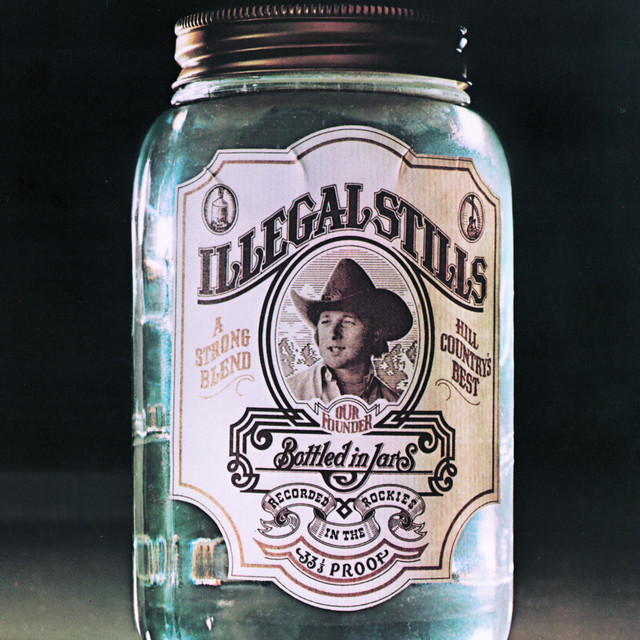
Stephen Stills · 1976
Producer -
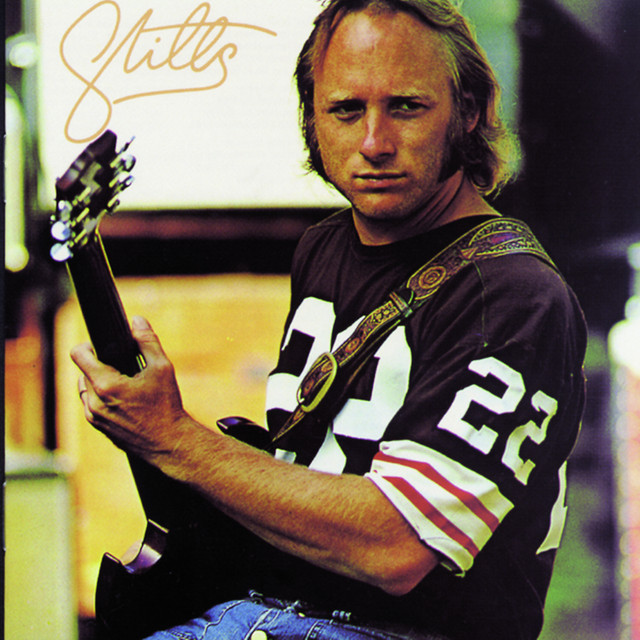
Stephen Stills · 1975
Producer -
Stephen Stills · 1971
Producer -
Stephen Stills · 1970
Producer