Eric Clapton
Role
Credits
Role
Credits
Eric Clapton's Gear


Eric Clapton's 2008 Epiphone AJ-200E VS-Louis Yanez guitar, serial No. N 08030228, was featured in a Bonhams auction, donated by artist Louis Yanez.
Find it on:


Eric Clapton received a circa 2008 Jay Turser JT200BK guitar from Les Paul, the famed guitar innovator, during a backstage meeting at Madison Square Garden in February 2008. This event is documented by Bonhams.
Find it on:

"I feel that that guitar has become part of me. I get offered guitars and endorsements come along every now and then. [A guitar maker] tried to get me interested in a fairly revolutionary guitar. I tried it, and liked it, and played it on stage - liked it a lot. But while I was doing that, I was thinking "Well, Blackie is back there. If I get into this guitar too deeply, it's tricky, because then I won't be able to go back to Blackie. And what will happen to that?" This all happens in my head while I'm actually playing [laughs]. I can be miles away thinking about this stuff, and suddenly I shut down and say, "This is enough. No more. Nice new guitar. Sorry. You're very nice, but..." That's when I drag the old one back on, and suddenly it's just like jumping into a warm pool of water".
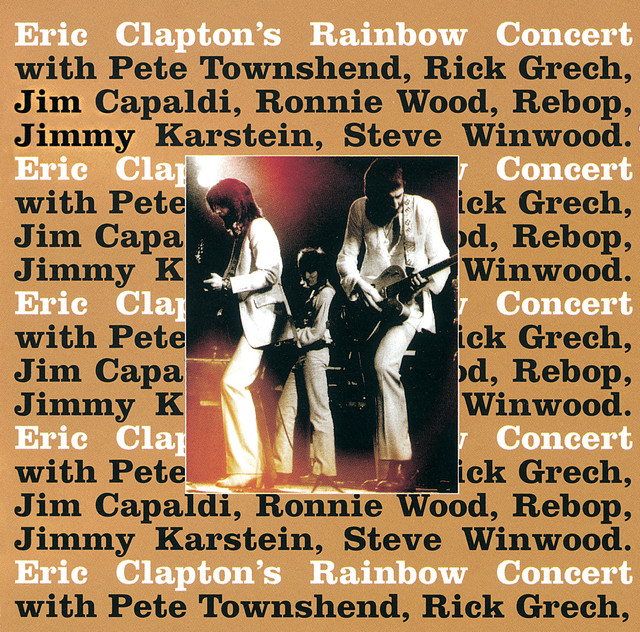
Clapton first played Blackie on stage at the Rainbow Theatre, Finsbury Park, London on the 13th January 1973 at the concert organised by Pete Townshend and others to encourage Clapton's recovery from addiction. Clapton was to play two shows that night, he played Blackie (with a tremolo arm) in the first show, and used George Harrison's cherry red Les Paul for the second.
When Clapton fully resumed his recording and touring activity in 1974 after overcoming heroin addiction, he and Blackie were seemingly inseparable. Starting with a short tour of Scandinavia in June, Clapton extensively toured the US, Japan and Europe in 1974 with Blackie. Years of intensive world tours with Blackie followed throughout the rest of the 1970s, which were only broken up by recording sessions. Blackie shared stage with among others Carlos Santana on the 1975 tour, Freddy King at the Crystal Palace Garden Party and at the Dallas Convention Center in 1976, The Band at the Last Waltz concert in 1976, Bob Dylan at Blackbushe Aerodrome in 1978 and Muddy Waters in 1979. The jubilant "comeback" album 461 Ocean Boulevard, the phenomenally successful album Slowhand , the critically acclaimed No Reason To Cry and the historic live album Just One Night from the 1970s, were all recorded with Blackie.
In the early 1980s Blackie was by Clapton's side as he fought his way back from ill health and alcoholism and shared the stage with Muddy Waters in one of his last performances in 1982. In 1983, newly recovered Clapton, with Blackie in his hand, acted as the musical director for the star studded ARMS benefit tour for Ronnie Lane, featuring members of the Rolling Stones, Jeff Beck, Jimmy Page, Stevie Winwood and Joe Cocker. This was followed by recording and touring with Roger Waters on his Pros and Cons of Hitch Hiking project. The Behind The Sun album and the subsequent triumphant 1985 world tour, which included the landmark appearance at Live Aid at JFK Stadium, Philadelphia in the summer of 1985, marked Eric Clapton's renewed vigour for making music. It also marked the end of an era for Blackie, as the famous guitar was retired to give way to its offspring, the Eric Clapton Signature Stratocaster, the idea for which was conceived after the first night of the 1985 tour. Blackie's last stand at the 1985 tour concert in Hartford on the 1st of May, was filmed and released on video. Blackie also made it to the first promo video by Eric Clapton for the song Forever Man from the Behind The Sun album.
The last known occasion when Blackie was seen by the public was for the 1990 television commercial for Honda Japan when, at the specific request of the company, Clapton used Blackie to record a new guitar solo on the song Bad Love in a New York studio and was filmed for the commercial doing so. Blackie was also brought out on stage for one number during the 1991 Royal Albert Hall shows.
Find it on:


This guitar was used for experimentation with a built-in microphone. It was mainly used in the 1990s during rehearsals.
Find it on:


Eric Clapton's Fender Stratocaster in Gold Sparkle features a maple neck, a 21-fret rosewood fingerboard, and gold-plated metal parts. It also includes a 'Pin-Up' girl transfer and various stickers, such as a Little Feat Tour VIP pass. This guitar, with its unique cigarette burn on the headstock, comes in a Fender tweed hardshell case labeled BONAMASSA and has been played on stage by Joe Bonamassa since he was seventeen. Details are documented by Bonhams.
Find it on:


Eric Clapton owns an Ibanez PM100 NT Pat Metheny guitar, as confirmed by Christie's, where it was noted as a donation from Pat Metheny.
Find it on:

Eric Clapton was given this guitar by Fender. He recalls using it for a jazz number on the Retail Therapy album. He also said that he used this guitar on the Pilgrim album.
Find it on:

Eric Clapton said that this is one of the guitars he has owned for the longest period of time. He bought it in Nashville in the 1960s and remarked that he found this guitar "hard to play"...
Find it on:

Eric Clapton used a 1995 Fender Jam PR144 amplifier, serial number LO-653703. This model features a front control style open-back cabinet, black carpet covering, black grille cloth, and a black control panel with five rotary controls, five push buttons, five jack inputs, two RCA inputs, a rocker switch, and a 12-inch speaker. The amplifier operates on 120V with a US plug, as documented by Bonhams.
Find it on:
-m.webp?v=1783004456)
Eric Clapton owned a 1987 Fender Red Knob 'The Twin' Amplifier, Serial No. LO-55091, as documented by Bonhams. This amplifier features a black tolex open-back cabinet, a black control panel with eleven red rotary controls, and two 12-inch Elector Voice EVM12L speakers, making it a versatile choice for Clapton's guitar setup.
Find it on:

Eric Clapton's Fender 15 Red Knob 15-Watt Electric Guitar Amplifier, as noted by Bonhams, was utilized by his guitar technician as a tuning amp on the workbench at the side of the stage.
Find it on:

Eric Clapton owns a circa 1979 Fortune amplifier, a rare early model crafted by amp builder Dave Kelly and his partner, Dale Fortune. This information is verified by Bonhams.
Find it on:

open-back oak cabinet, black grille cloth, metal control panel with two rotary controls, one toggle switch, two inputs (one broken), 10 inch JBL 2110 speaker, battery-operated or mains power, 117V, US plug; signed by Eric Clapton on the back in black felt pen
Find it on:

"Working with John Harrison at Brown Soun, the original Tone Tubbies installed in [Clapton's] first Cornell amp were eventually replaced by a new hemp cone speaker with a lighter, copper-clad voice coil. This 'Clapton coil,' as we called it, made the speaker a bit brighter and dramatically enhanced sensitivity, which also eliminated the perceived drop out of certain notes when subtle, low-volume passages were played on stage, which Denis had previously noted among all the speakers tried."
Find it on:

Eric Clapton is associated with the Trace Elliot 2005 TA guitar amplifier, as detailed in a Bonhams auction listing. The amplifier features a stained wood closed-back cabinet, a black metal grille, and a control panel with twelve rotary controls and six inputs. It includes unique elements like eight 5-inch speakers and a multi-voltage model with an IEC connector.
Find it on:

Eric Clapton is associated with the Electro-Harmonix Sovtek Tube Midget 50H, identified by Serial No. R00320. This guitar amplifier head, featuring a black tolex covering, six rotary controls, two toggle switches, and two jack inputs, was listed by Bonhams.
Find it on:


AMP: Serial No. A004231, Chassis No. 2100-130, front control style cabinet with black tolex covering, metal plate stamped MUSIC MAN and logo in black, silver grille cloth, black control panel with nine 'numbered' style rotary controls, four jack inputs, two rocker switches and red pilot lamp, (fuse cap missing), 117V, US plug; and SPEAKER CABINETS: a closed-back speaker cabinet in black tolex covering, metal plates stamped MUSIC MAN and logo in black and with 412-GS in black, silver grille cloth, four 12-inch speakers, TOP stencilled on the back; and a blue flight case with THE DUCK BROS. stencil on either side and the number 19 on top; and a closed-back bass reflex 'style' speaker cabinet in black tolex covering, metal plates stamped MUSIC MAN and logo in black and with 212-RH, One thirty in black, silver grille cloth, two 12-inch speakers, BOT'M stencilled on the back
Find it on:

AMPS: Serial Nos. A004140 and A004095, Chassis Nos. 2100-130, front control style cabinet with black tolex covering, metal plate stamped MUSIC MAN and logo in black, silver grille cloth, black control panel with nine 'numbered' style rotary controls, four jack inputs, two rocker switches and red pilot lamp, 117V, US plug; and SPEAKER CABINET: bass reflex speaker cabinet in black tolex, metal plates stamped MUSIC MAN and logo in black and with 212-RH, One thirty in black, silver grille cloth, two 12-inch speakers, the number 34 stencilled on the back; and a black flight case with THE DUCK BROS. stencil on one side and the number 23 on the top
Find it on:

AMP: Serial No. B010815, Chassis No. [2275-130], frontcontrol style cabinet with black tolex covering, metal plate stamped MUSIC MAN and logo in black, silver grille cloth, black control panel with eleven 'numbered' style rotary controls, four jack inputs, two rocker switches and red pilot lamp, 117V, US plug; SPEAKER CABINETS: two 1970s cabinets in open-back style with black tolex covering, silver metal plate stamped MUSIC MAN and logo in black, silver grille cloth, two 12-inch JBL blue label K120 alnico speakers in each cabinet, the top cabinet with the initial E and TOP stencilled on the back, the bottom cabinet with the initial C stencilled on the back; and two blue flight cases with DUCK BROS. stencils
Find it on:

AMP: Serial No. B012944, Chassis No. 2275-150, front control style cabinet with tolex covering, metal plate stamped MUSIC MAN and logo in silver, silver grille cloth, black control panel with eleven 'numbered' style rotary controls, four jack inputs, two rocker switches (bright switch re-labelled MID-SHIFT) and red pilot lamp, black rear control panel with two additional jack inputs marked PRE AMP LINE OUT and POWER AMP LINE INPUT, 117V, US plug; and SPEAKER CABINET: 1980s cabinet in closed-back style with black tolex covering, metal plate stamped MUSIC MAN and logo in silver, silver grille cloth, four 12-inch speakers; and a blue flight case with THE DUCK BROS. logo stencil on either side and the number 15 on the top and sides and various stickers
Find it on:

This half-stack or its companion in lot 84 was used by Clapton during the Arms Benefit US Tour in December 1983. This amplifier and other Music Man amps for stage use were modified for Clapton by the Music Man workshop before shipping. The modifications included conversion of the bright switch circuit to a mid-shift circuit and the addition of pre-amp out/power-amp in jack sockets. It has been reputed that these modifications were offered by Music Man to its customers and its dealers had been issued with a circuit diagram of the modification by Music Man to meet such a request.
Find it on:
-m.webp?v=1783177058)
Eric Clapton uses mostly the Custom Shop versions of his Stratocasters.
Find it on:

Eric Clapton used this quite often on his acoustic sets during tours, as well as on the Sessions For Robert J album and DVD.
Find it on:

Eric Clapton uses these models for home playing, in the studio as well as for live work when he isn't playing models from the Martin Custom Shop.
Find it on:

Eric Clapton discusses the Martin OOO-45EC Eric Clapton Signature guitar in a Guitar Center presentation on YouTube, highlighting its suitability for smaller spaces and recording.
Find it on:

Eric Clapton is seen playing the Martin OOO-42EC Eric Clapton Signature guitar in the Guitar Center's YouTube presentation of the Martin Eric Clapton "Crossroads" Signature Guitars.
Find it on:

This is Fender's first artist signature amp which is based on a 50s Fender Tweed Twin which Clapton loves.
Find it on:

Eric Clapton keeps the Fender Stratocaster Eric Clapton Signature guitar within his collection, though he primarily plays the Custom Shop version. This information is highlighted in the Fender Artist Series.
This is a rare gold hardware Fender Eric Clapton signature Stratocaster in Olympic White finish and was given to John Entwistle by Eric Clapton himself. Entwistler sold the guitar in 2003 for 2.400 GBP.
This guitar was built by Mark Kendrick of Fender Custom Shop as a spare black Stratocaster to be used by Clapton during the phenomenally successful Cream Reunion concerts at the Royal Albert Hall, London, 2 ? 6 May 2005, and Madison Square Garden, New York, 24 ? 26 October 2005. It features very pronounced birds-eye maple neck and has no string retainer due to the use of staggered tuners.
Eric Clapton confirmed that he was sent this 1998 Fender Stratocaster Eric Clapton Signature Model by J.W. Black of Fender. He has played it a little.
This 2008 Fender Stratocaster Eric Clapton Signature Model is one of a pair custom-built for Clapton and was used extensively on stage as one of his two main Fender guitars during his recent tours including his appearances with Stevie Winwood and Jeff Beck.
This 1994 Fender Stratocaster Eric Clapton Signature Model is a pair to the cream Strat in lot 13. Clapton used this guitar on stage in the mid 1990s, and on various film scores including The Van.
According to Lee Dickson this 1993 Fender Stratocaster Eric Clapton Signature Model was kept as a rehearsal guitar, it is the only Strat made for Clapton with these Texas Special pickups. Clapton commented that he prefers Lace Sensor pickups.
Lee Dickson and Larry Brooks of Fender dreamt up the name Whitey for this guitar because it looked like a traditional Strat with visible pole pieces in keeping with Clapton's other named guitars, Blackie and Brownie. Clapton apparently didn't use this name himself.
According to Eric Clapton's guitar technician - Lee Dickson, Clapton had a "..short-lived love affair.." with this 1996 Fender Stratocaster Eric Clapton Signature in custom midnight blue metallic finish. Clapton admits that he occasionally likes the colours of his Stratocasters to match his cars, he said however that he fancied owning a blue Strat long before he owned a blue Mercedes. He commissioned this custom colour which is actually a Mercedes paint.
Find it on:

Lucy is an iconic Les Paul guitar which Eric Clapton bought in New York and gave it to George Harrison. When Geroge Harrison went in with a taxi from Eric Clapton's London apartment to the recording session for 'While My Guitar Gently Weeps', Harrison gave Clapton this guitar to play and so Clapton recorded it alongside the Beatles with Lucy.
Find it on:

In 2008 Richard Ash, Co-CEO of Sam Ash Music had an idea to incorporate the spirit of the Eric Clapton Strat with the spirit of the Crossroads Center. He commissioned a limited run of 100 pieces of the signature model in the classic "Antigua" finish along with a commitment to donate $100,000 to the Crossroads Center. And that is how the Fender Eric Clapton Antigua Stratocaster was born.
Find it on:
This is a community-built gear list for Eric Clapton.
- Find relevant music gear like Guitars, Amplifiers, Effects Pedals, and other instruments and add it to Eric Clapton.
- The best places to look for gear usage are typically on the artist's social media, YouTube, live performance images, and interviews.
- To receive email updates when Eric Clapton is seen with new gear, follow the artist.
Discography
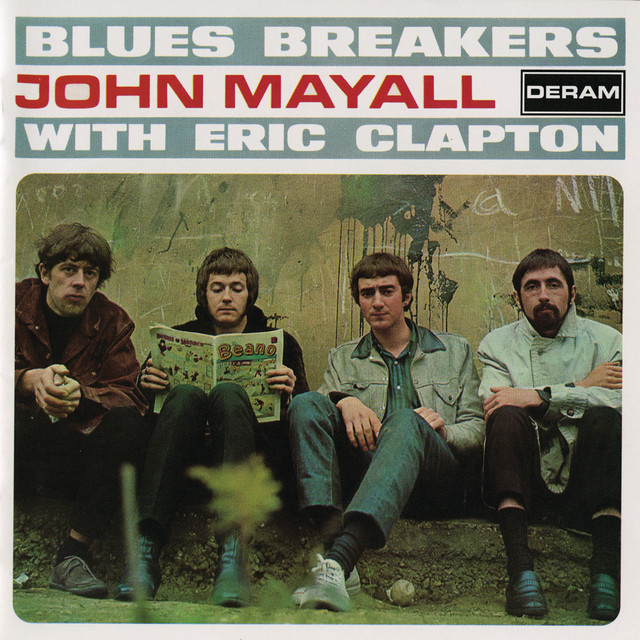
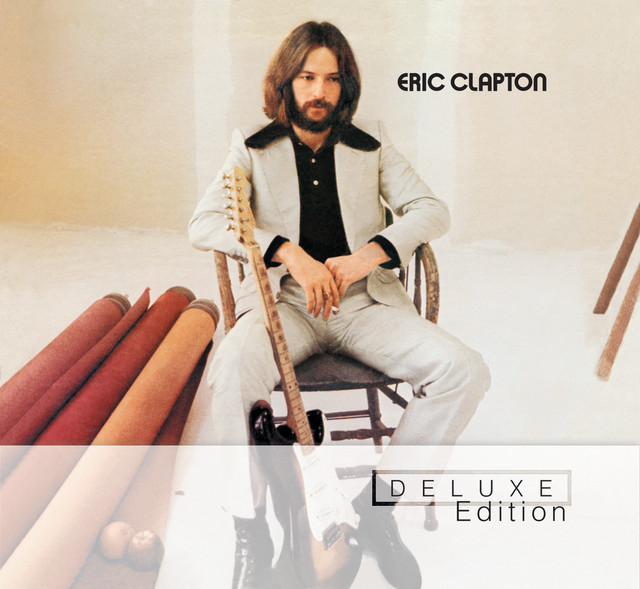
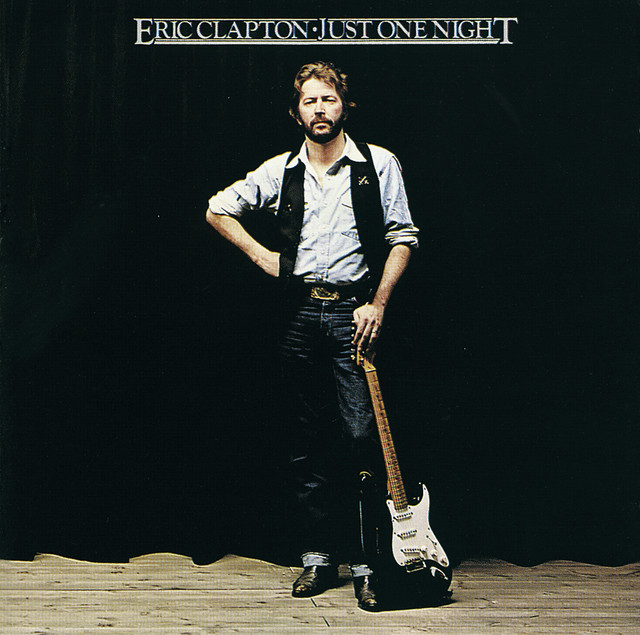
Album Credits
-
Eric Clapton · 2024
Producer -
Jeff Beck & Eric Clapton · 2023
Producer -
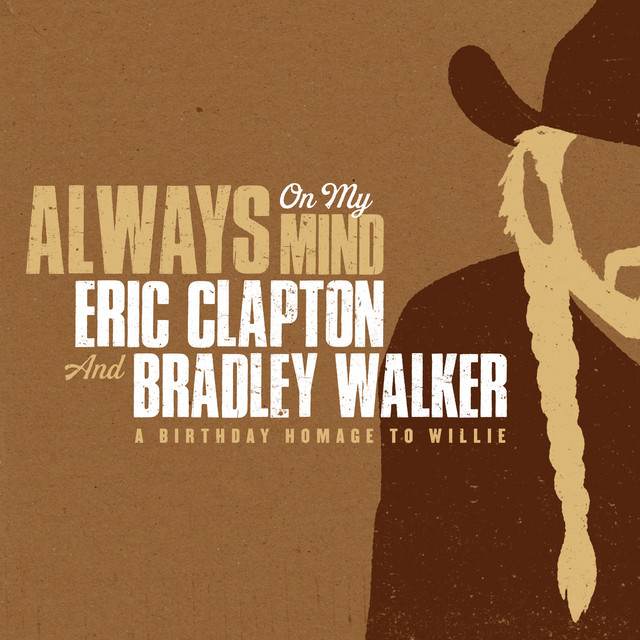
Eric Clapton · 2023
Producer -
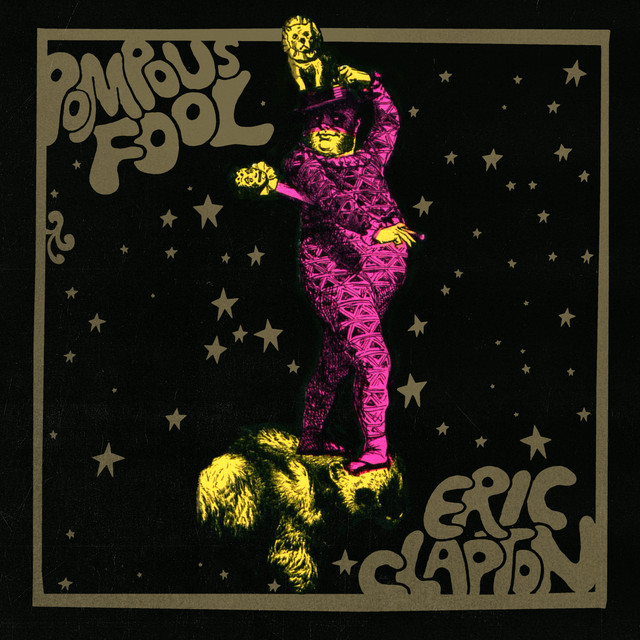
Eric Clapton · 2022
Producer -
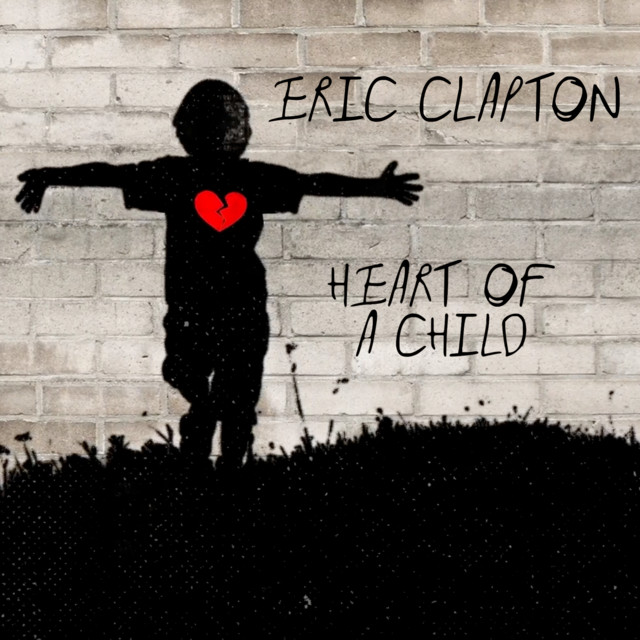
Eric Clapton · 2021
Producer -
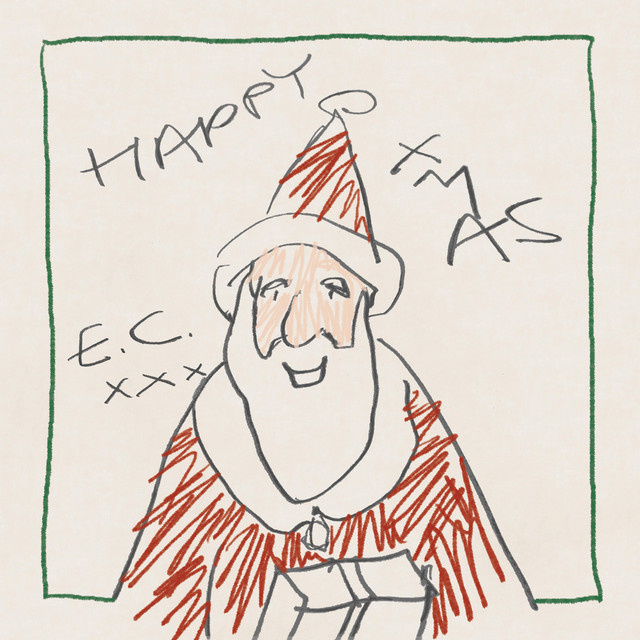
Eric Clapton · 2018
Producer -
P.P. Arnold · 2017
Producer -
Eric Clapton · 2013
Producer -
Eric Clapton · 2010
Producer -
Eric Clapton & J.J. Cale · 2006
Producer -
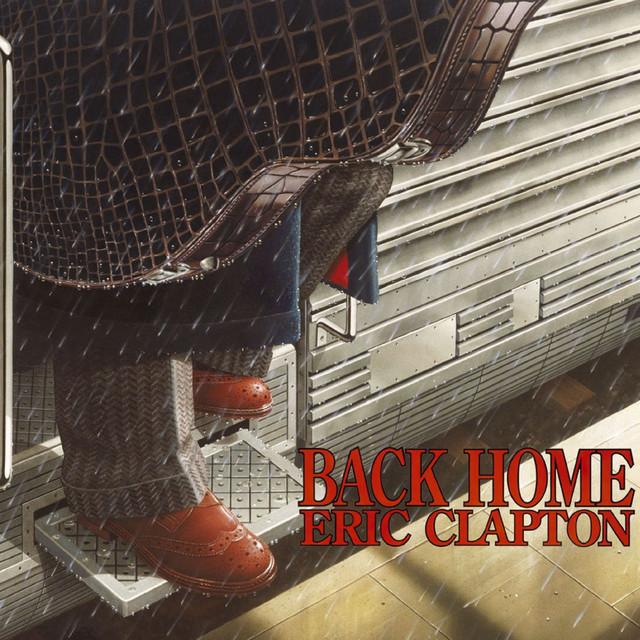
Eric Clapton · 2005
Producer -
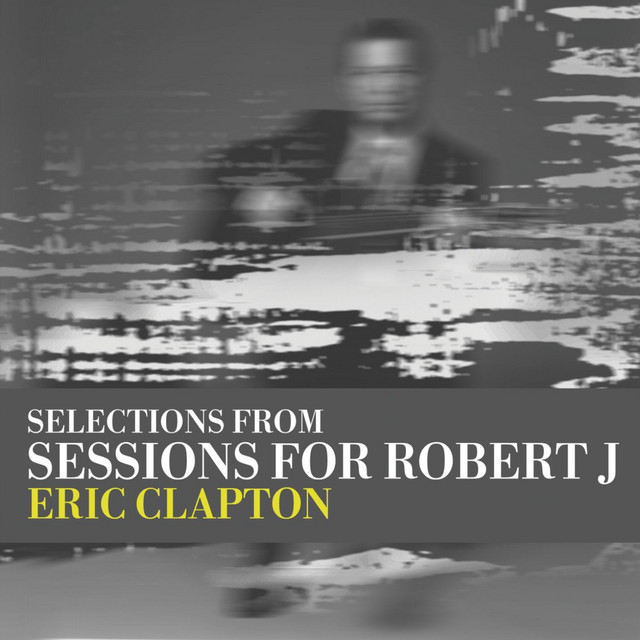
Eric Clapton · 2004
Producer




.webp)