
Hank Williams III
Role
Genre
Role
Genre
Hank Williams III's Studio Equipment


Used to record Straight to Hell, as stated in this May 1, 2006 Mix Online interview.
Whereas the vast majority of today’s country music artists demand pristine and polished audio tracks, Hank III aims for vibe and personality. Rather than head to one of Music Row’s best-known studios, he and musical compatriots Joe Buck and Andy Gibson took up residence in an east Nashville home with a Korg D1600 digital recording workstation and got to work.
“It’s just three guys that don’t have any degree in recording or understand how it works doing their best,” Hank III reports. “We were all just doing what we thought halfway sounded good.” The trio showed up at the house every day for a month, working into the wee hours; as one person was playing the other would run the D1600.
Hank III raves about the now-discontinued Korg product that he uses to write and record: “When I was on the road [playing bass] with Superjoint Ritual, it would be like wake up, go into whatever room we’ve got, plug it in and start ripping out,” he says. “I’m a true believer that every independent band or do-it-yourselfer should have a machine like this.” The mobile workstation boasts an uncompressed 24-bit, 44.1kHz range with 24 channels and an 8-bus, 16-fader mixing surface.
(...) Getting tones from the stand-up bass was a bit of an issue, Hank III says, because there was no controlling the room ambience. That was solved, in part, with Hank III twisting a knob on the D1600, checking the sound as it played on his home stereo system, which includes a Paradigm subwoofer, and then returning to finish the track. “We were trying to keep some of the click of the stand-up bass and trying for it to not sound too scary on the woofy end,” he says. A 57 was placed just above the bridge of the bass, one just below, and then one KSM32 slightly off to one side and another down a hall about 15 feet.
Any other type of instrument — dobro, fiddle, pedal steel — was miked with a 57 and run straight into the D1600. Indeed, other than the mic pre’s that are present in the D1600, no other outboard gear was used on the project.
(...) One of the vocal tracks that Lightman and Hank III turned to was a distorted vocal that was recorded into the D1600 dry and then dumped to Pro Tools. “Then I would run a stereo signal out of Pro Tools back into his Korg and he would set up a distortion patch on his Korg,” Lightman says. “We recorded the distortion part of it back into Pro Tools and mixed the distortion stereo track in with the dry vocals. That way, we were able to get a good blend of distorted and clean vocals.”
Find it on:


This is a community-built gear list for Hank Williams III.
- Find relevant music gear like Bass Guitars, Amplifiers, Effects Pedals, and other instruments and add it to Hank Williams III.
- The best places to look for gear usage are typically on the artist's social media, YouTube, live performance images, and interviews.
- To receive email updates when Hank Williams III is seen with new gear, follow the artist.
Discography
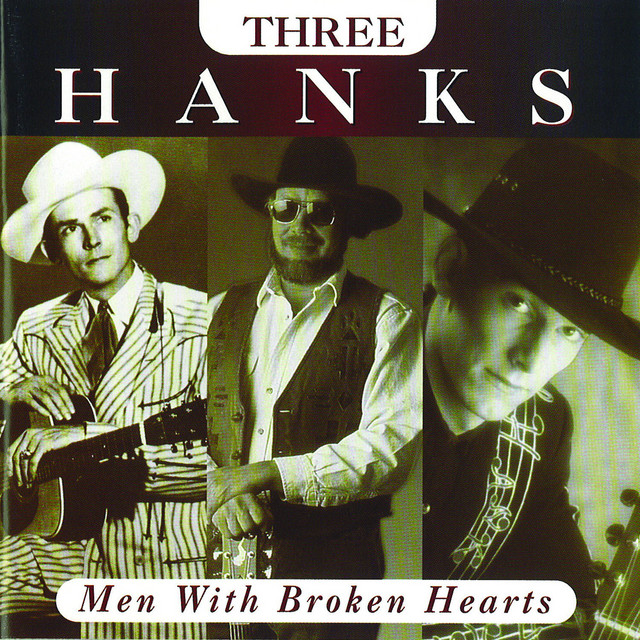
Men With Broken Hearts
1996
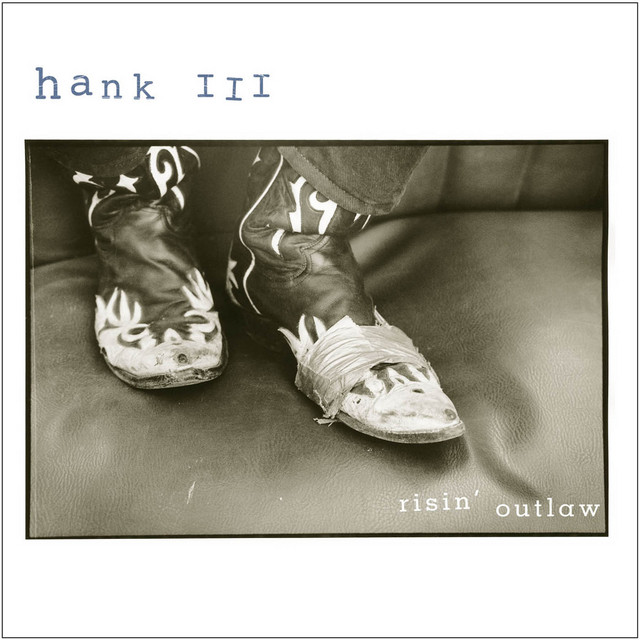
Risin' Outlaw
1999
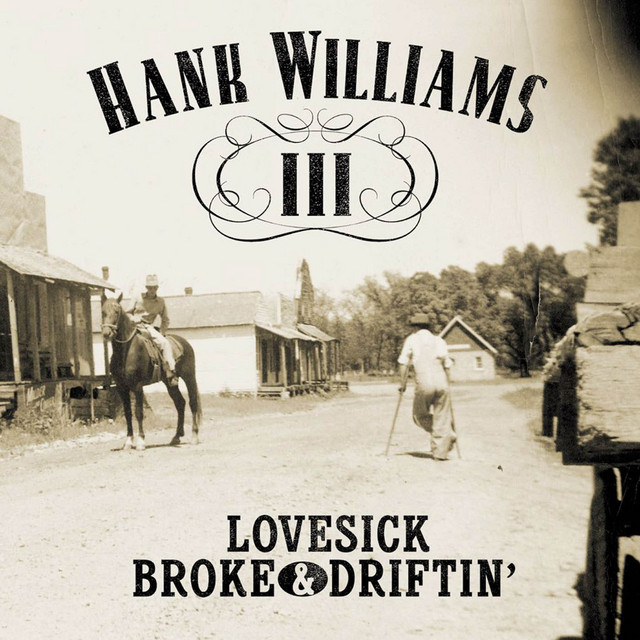
Lovesick, Broke, & Driftin'
2002
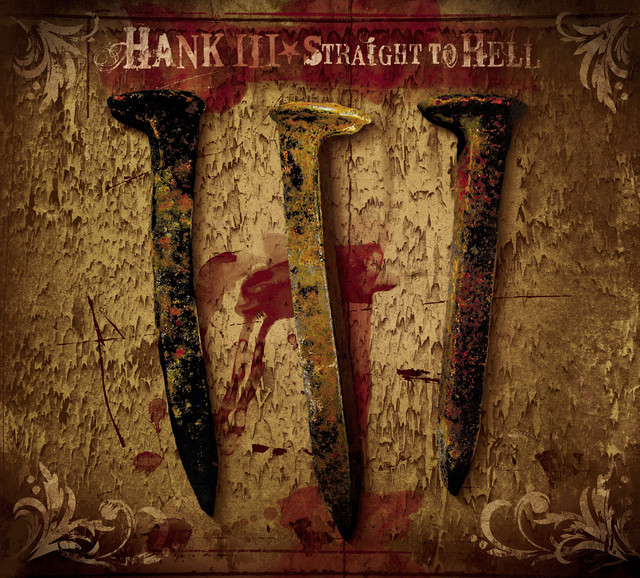
Straight To Hell (Clean Version)
2006
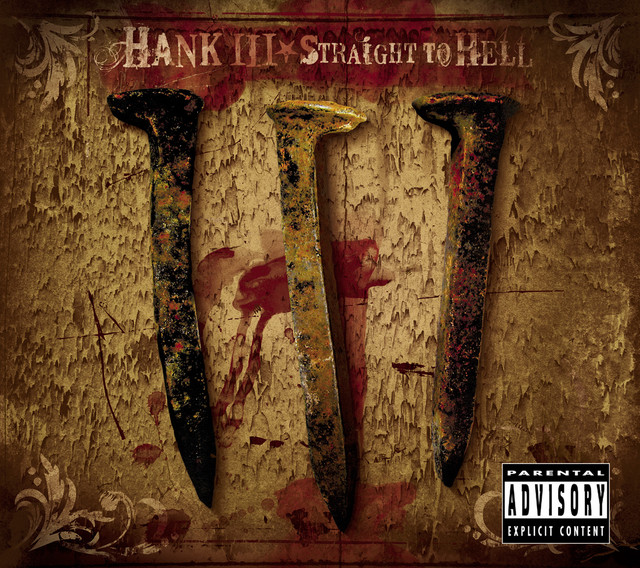
Straight To Hell
2006
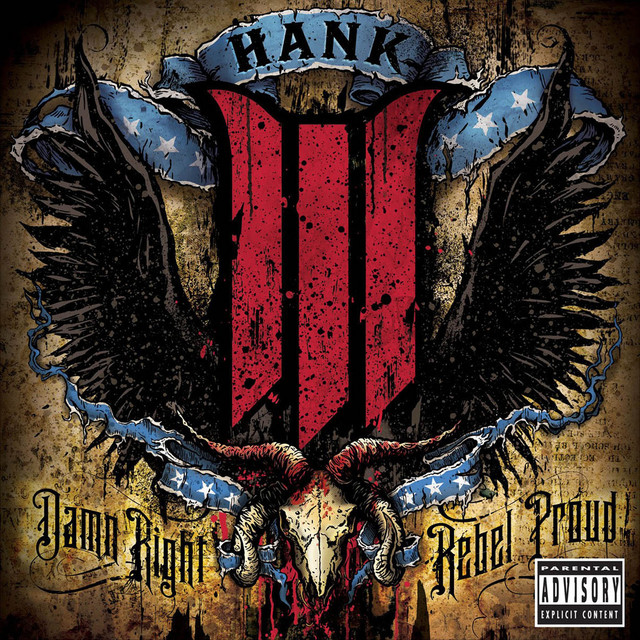
Damn Right, Rebel Proud (Explicit Version)
2008
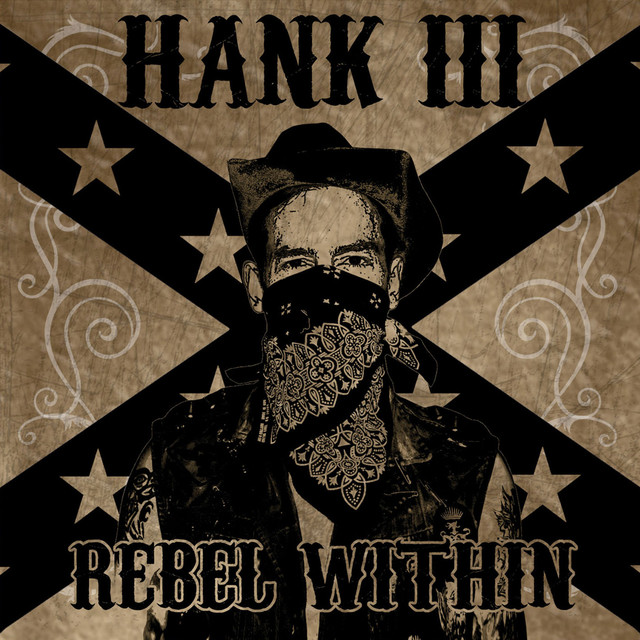
Rebel Within
2010
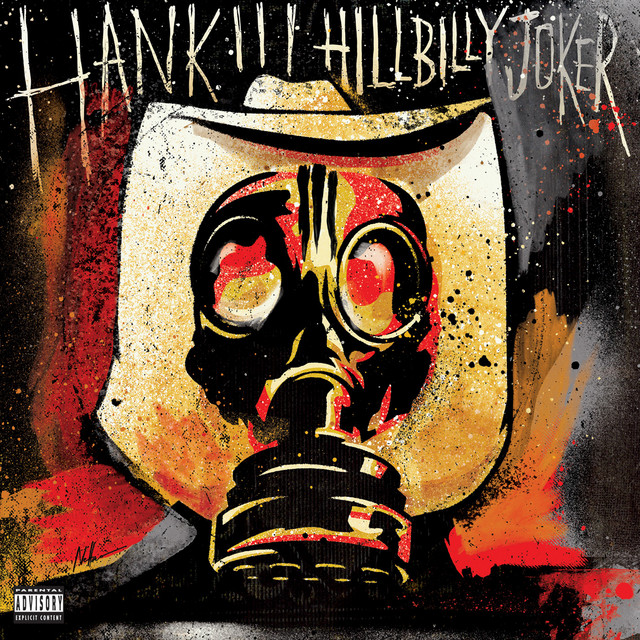
Hillbilly Joker
2011
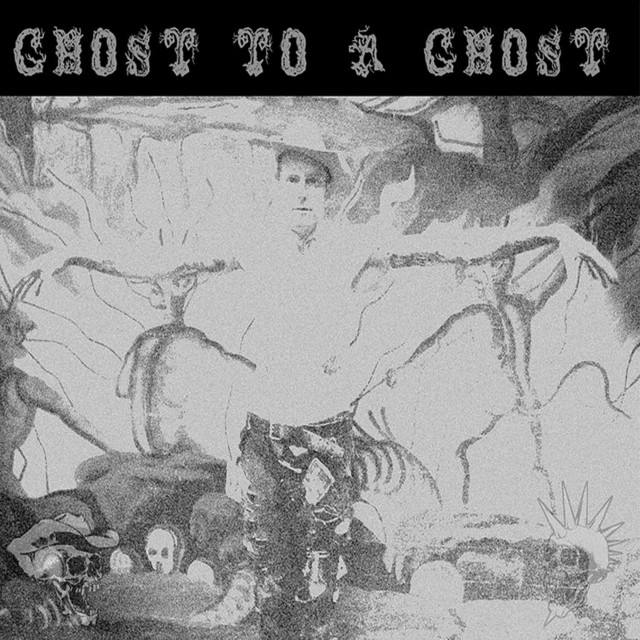
Ghost to a Ghost/Gutter Town
2011
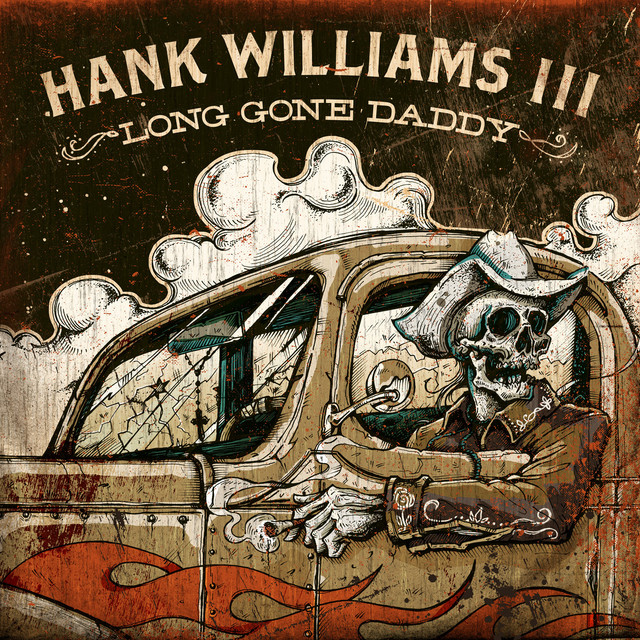
Long Gone Daddy
2012
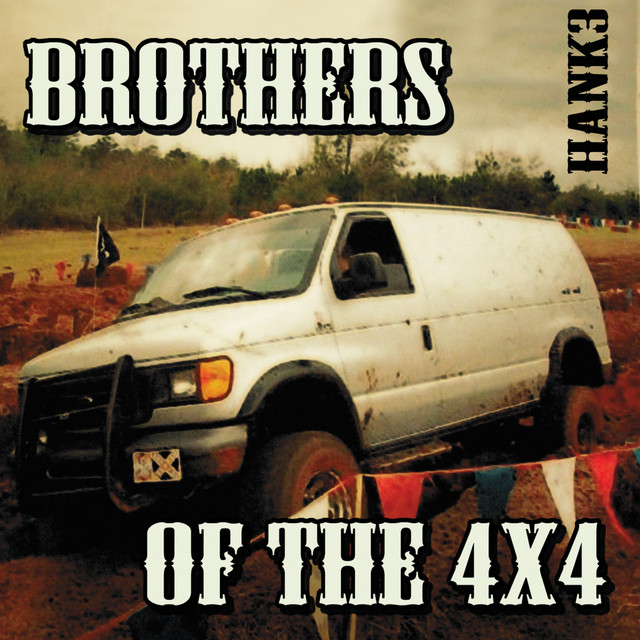
Brothers of the 4x4
2013
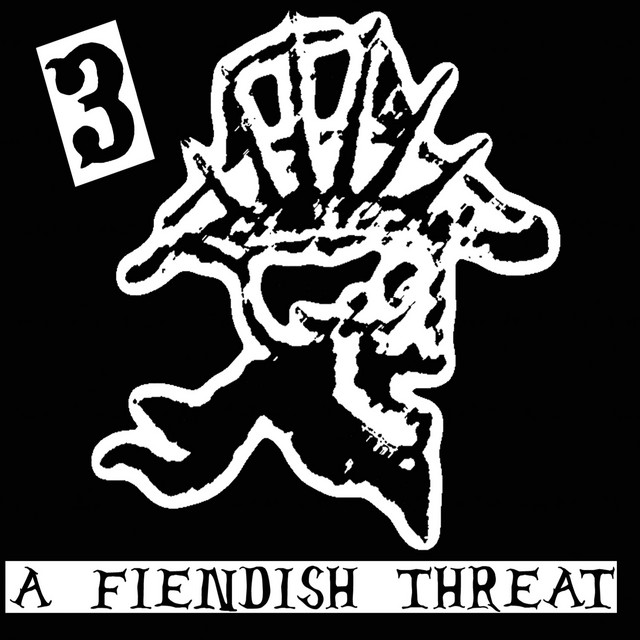
A Fiendish Threat
2013
Album Credits
-
Hank Williams III · 2010
Producer Recording Engineer -
Hank Williams III · 2006
Recording Engineer -
Hank Williams III · 2002
Producer



.webp)


