Waylon Jennings
US country musician
Waylon Jennings' Gear


Jennings was famous for his use of this phaser, particularly on Dreaming My Dreams, as stated by studio engineer Kyle Lehning in this April 27, 2010 Mix Online interview.
On the whole, the Dreaming My Dreams sessions were cut live. (...) "We had a lot of extra instruments around the studio, as well," Lehning continues. "[Waylon] would actually play my electric 12-string from time to time and run it through his Maestro Phaser—though mostly he would play his old leather Telecaster."
Jennings' PS-1A was sold on eBay on October 23, 2018 for $18k.
Waylon Jennings 1970's Maestro PS 1A Phase Shifter with foot switch, this was used live and on recordings. Think the "Dukes of Hazard", "Mammas Don't let your babies grow up to cowboys" thats what this effect is. It works and sounds good. This was obtained from Waylon Jennings personal collection. Comes with documentation. Please see auctions for more Waylon Jennings items.
Find it on:


-m.webp?v=1784890997)
This photo shows Waylon Jennings using an MXR M101 Phase 90 alongside a Boss CE-1 Chorus Ensemble, which I currently own. He also utilized an MXR Phase 100.
Find it on:


"It's a 1972 Fender Super Six Reverb. Originally purchased in Knoxville, Tennessee, at the former Broadway Sound Music Store. Waylon purchased BOTH floor models that were there. In 1995, he (Mr. Jennings) gave one to my Father, for an old Magnatone Custom 250 amplifier that he (my Father) had. We STILL have Waylon's Super Six in our Family Room, along with other items he gave my Father over the years, here in Nashville. He and my Father were what we simply call, 'Buds'!"
— Stratostition, Telecaster Discussion Page Reissue member
See the original forum post here.
Find it on:


In the YouTube video "Waylon Jennings - Lonesome On'ry and Mean (from Nashville Rebel)," Waylon Jennings is seen using the MXR M107 Phase 100 phaser pedal.
Find it on:
-m.webp?v=1784876468)
Jennings used several leather-bound Telecasters throughout his career, one of which is for sale at London Vintage Guitars. Another can be seen in this live performance with Johnny Cash.
Find it on:

In this user-uploaded photo, Waylon Jennings is seen using a Boss CE-1 Chorus Ensemble along with an MXR Phase 90. He also utilized an MXR Phase 100.
Find it on:
-m.webp?v=1784804860)
"1946 Martin D28 Herringbone Guitar
Said to be Waylon’s personal guitar that he used to write songs with at home and on the road, this 1946 Martin with a Dreadnaught-style body has a Sitka spruce, mahogany neck, and ebony fingerboard. The guitar is in great playing condition, and considering its famous owner its considered one of the greatest Martin collectibles currently on the market. Serial number: 95073. Estimated $30,000-$40,000."
Find it on:
-m.webp?v=1784732285)
This is from the Johhny Cash TV show in the 1960s. He's plugged into a Super Reverb. He played these in his early career.
Find it on:



In this video Waylon can be seen playing a Gibson SJ-200 in Vintage Sunburst.
Find it on:


"1943 Martin Guitar 00021
Another guitar said to be played by Waylon often and used for songwriting, it is listed as a 1943 model, but says it was numbered in September of 1948. Sitka spruce top, mahogany neck and ebony fretboard. The original tuners have been replaced with Grover Rotomatics tuners. 'This was one of Waylon’s personal Martin Flattops,' says Guernsey’s. Serial number: 89206. Estimated $30,000-$40,000."
Find it on:

"This nylon string classical-style guitar with a piezo pickup was a gift to Waylon from Chet Atkins, and is signed by Chet and dated ’87 on the sound covers. White signed to RCA, Chet Atkins was Waylon’s first primary producer. When Waylon won his creative freedom from RCA, Chet left the picture and became the face of stringent label control during country music’s Outlaw era. But later in life Waylon and Chet remained friends. Serial number: 82956570. Estimated $15,000 $25,000."
Find it on:

"On the whole, the Dreaming My Dreams sessions were cut live. (...) 'The studio was small, so there wasn’t a lot of space between places,' [studio engineer Kyle] Lehning says, 'and Waylon was at the center of all of this, playing electric guitar and singing live vocals into a Neumann U47 FET. Sometimes he would fix a vocal later, but sometimes it would be that live vocal on the track. The vocal chain would have been the preamp in the Flickinger console through an LA-2A and the FET U47.'"
Find it on:


"On the whole, the Dreaming My Dreams sessions were cut live. (...) 'The studio was small, so there wasn’t a lot of space between places,' [studio engineer Kyle] Lehning says, 'and Waylon was at the center of all of this, playing electric guitar and singing live vocals into a Neumann U47 FET. Sometimes he would fix a vocal later, but sometimes it would be that live vocal on the track. The vocal chain would have been the preamp in the Flickinger console through an LA-2A and the FET U47.'"
Find it on:

"It's a 1972 Fender Super Six Reverb. Originally purchased in Knoxville, Tennessee, at the former Broadway Sound Music Store. Waylon purchased BOTH floor models that were there. In 1995, he (Mr. Jennings) gave one to my Father, for an old Magnatone Custom 250 amplifier that he (my Father) had. We STILL have Waylon's Super Six in our Family Room, along with other items he gave my Father over the years, here in Nashville. He and my Father were what we simply call, 'Buds'!"
— Stratostition, Telecaster Discussion Page Reissue member
Find it on:
-m.webp?v=1784890819)
Waylon Jennings used a Fender Mustang for a scene in Nashville Rebel.
Find it on:

"From Waylon’s personal collection, no year is given for this mandolin, but it does come with a serial number #25056. Estimated $7,000 $9,000."
Find it on:

"This amp currently belongs to long time Waylon Jennings bassist, Jerry 'Jigger' Bridges. It was used on many of Waylon’s recordings from the early 80s onward. Waylon gifted the amp to Jigger as a birthday gift. It was used on many of Waylon’s recordings and occasional small venue gigs.
The amp cosmetically is 100% original however it was recapped in the mid 80’s at Fender. Original parts will be included. As was typical for amps of this era, the tube chart label for this amp is inconsistent with the actual circuit type. The label lists it as a 5E9/A but it is actually a 5G9 circuit. It has the expected cosmetic wear for an amp of this age having been used as much as it was. It sounds and play great!"
Find it on:

"It’s a long story, but the short version is my wife bought it at an auction, the same auction I was trying to register to bid on this guitar. Unbeknownst to me, she had already registered to bid on it for me as a gift. I was watching the bidding, and said, ‘Well it’s gone, it’s gone under some collector’s bed for the rest of time.’ And my wife comes in and goes, ‘I just bought you Waylon’s guitar.’ It was a Christmas gift. I literally fell on my knees and cried like a little baby. It was the most unbelievable thing that every happened to me. I’ve had it for quite a few years. We got it from Reggie Young, who was touring with The Highwaymen, and by all accounts, Waylon came in one day and gave it to him. It’s a very heavy guitar. It’s a 1950 Fender Broadcaster. He said, ‘Hoss I want you to have this guitar. It’s too heavy.’ So Reggie had it for 25 years and decided it was time to sell it. He didn’t know I bought it. He was the first guy I called and introduced myself to him. I said ‘I own this guitar. Anytime you want it, come over and get it.’ He’s borrowed it for Waylon Jennings days, festivals he plays, that sort of things."
– Keith Urban
Find it on:
-m.webp?v=1784334975)
Waylon is seen using a Randall Commander II combo live in this ad.
Find it on:

"There are actually four total of these custom shop Fender Telecaster guitars that are part of the auction, and each looks the same. None of them are the leather-clad black and white telecaster that Waylon played on stage for years, but were made by Fender to look very similar. Three all come with Fender Certificates of Authenticity and cases, serial numbers WJ037 Estimated $10,000 $15,000. A fourth without a case and some damage is estimated at $8,000-$12,000. Serial #WJ038"
Find it on:

"On the whole, the Dreaming My Dreams sessions were cut live. (...) Outboard processing gear at Glaser Sound included UREI 1176 and LA-2A compression, and a Pandora digital delay that [studio engineer Kyle] Lehning says may have been used on this album ('but definitely not on vocals')."
Find it on:

"Last night, I went to the Waylon Jennings auction preview at the Musical Instrument Museum in Scottsdale, AZ. He is one of my musical heroes & I'm happy I was able to go. I was able to get a fairly close look at his main road amps. There was a Dual Professional in a custom cab with 2x15? JBLs with the set list still taped to the top of it! I've seen this amp (or at least the cab) in many videos. There was a blackface Super Reverb (post 64, 'Fender Musical Instruments'), a master volume silverface Twin in a custom cab, & 2 Quad Reverbs. I'd love to have any of them, especially the Dual Professional! There were also a couple TRRIs & an Evil Twin.
(...) Set list on top of the dual..."
— Kennedycaster, Telecaster Discussion Page Reissue member
See the original forum post here. The full picture of the amp shows that it has been converted into a cabinet.
Find it on:

"Last night, I went to the Waylon Jennings auction preview at the Musical Instrument Museum in Scottsdale, AZ. He is one of my musical heroes & I'm happy I was able to go. I was able to get a fairly close look at his main road amps. There was a Dual Professional in a custom cab with 2x15? JBLs with the set list still taped to the top of it! I've seen this amp (or at least the cab) in many videos. There was a blackface Super Reverb (post 64, 'Fender Musical Instruments'), a master volume silverface Twin in a custom cab, & 2 Quad Reverbs. I'd love to have any of them, especially the Dual Professional! There were also a couple TRRIs & an Evil Twin.
(...) Silverface Twin in a modified cab....."
— Kennedycaster, Telecaster Discussion Page Reissue member
See the original forum post here.
Find it on:

"Last night, I went to the Waylon Jennings auction preview at the Musical Instrument Museum in Scottsdale, AZ. He is one of my musical heroes & I'm happy I was able to go. I was able to get a fairly close look at his main road amps. There was a Dual Professional in a custom cab with 2x15? JBLs with the set list still taped to the top of it! I've seen this amp (or at least the cab) in many videos. There was a blackface Super Reverb (post 64, 'Fender Musical Instruments'), a master volume silverface Twin in a custom cab, & 2 Quad Reverbs. I'd love to have any of them, especially the Dual Professional! There were also a couple TRRIs & an Evil Twin.
(...) One of two Quad reverbs....."
— Kennedycaster, Telecaster Discussion Page Reissue member
See the original forum post here.
Find it on:

"Last night, I went to the Waylon Jennings auction preview at the Musical Instrument Museum in Scottsdale, AZ. He is one of my musical heroes & I'm happy I was able to go. I was able to get a fairly close look at his main road amps. There was a Dual Professional in a custom cab with 2x15? JBLs with the set list still taped to the top of it! I've seen this amp (or at least the cab) in many videos. There was a blackface Super Reverb (post 64, 'Fender Musical Instruments'), a master volume silverface Twin in a custom cab, & 2 Quad Reverbs. I'd love to have any of them, especially the Dual Professional! There were also a couple TRRIs & an Evil Twin."
— Kennedycaster, Telecaster Discussion Page Reissue member
Find it on:
-m.webp?v=1784890917)
Mentioned in this October 4, 2014 Telecaster Discussion Page Reissue forum post by user Kennedycaster.
Last night, I went to the Waylon Jennings auction preview at the Musical Instrument Museum in Scottsdale, AZ. He is one of my musical heroes & I'm happy I was able to go. I was able to get a fairly close look at his main road amps. There was a Dual Professional in a custom cab with 2x15? JBLs with the set list still taped to the top of it! I've seen this amp (or at least the cab) in many videos. There was a blackface Super Reverb (post 64, 'Fender Musical Instruments'), a master volume silverface Twin in a custom cab, & 2 Quad Reverbs. I'd love to have any of them, especially the Dual Professional! There were also a couple TRRIs & an Evil Twin.
Find it on:

the article shows this Dobro Resonator Guitar was originally owned by “Little” Jimmy Dickens but then later given to Waylon
Find it on:

Waylon Jennings played a 1958 Fender Precision Bass on Buddy Holly's final tour that Buddy had bought specifically for Jennings while he was in New York and then brought down to Littlefield, Texas to KLLL where Jennings worked at the time and told him he had 2 weeks to learn it, Jennings never actually learned to play the bass in that time or in the future for that matter he just memorized all of the songs Buddy had with bass.
Find it on:

Waylon Jennings owned and used a 1975 Randall Commander 210, as verified by a Reverb listing featuring his music equipment collection.
Find it on:

Waylon Jennings is associated with the Boss PH-2 Super Phaser, as verified by a Reverb listing featuring his owned and used music equipment collection.
Find it on:
This is a community-built gear list for Waylon Jennings.
- Find relevant music gear like Microphones, Guitars, Amplifiers, Effects Pedals, and other instruments and add it to Waylon Jennings.
- The best places to look for gear usage are typically on the artist's social media, YouTube, live performance images, and interviews.
- To receive email updates when Waylon Jennings is seen with new gear, follow the artist.
Discography
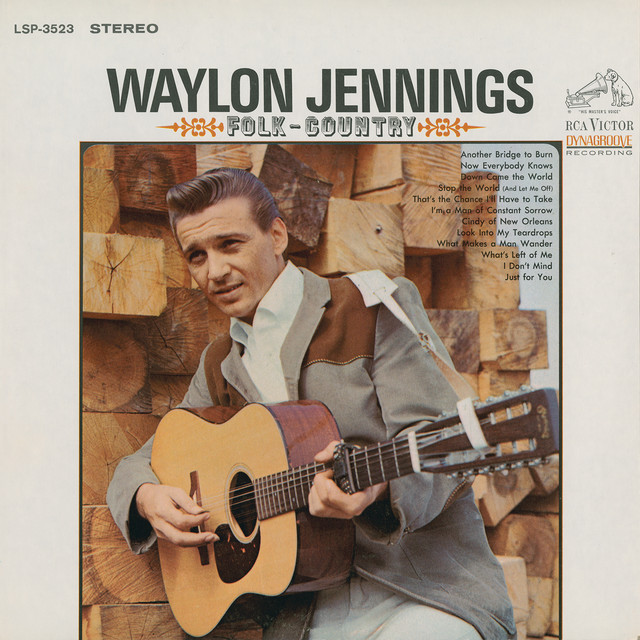
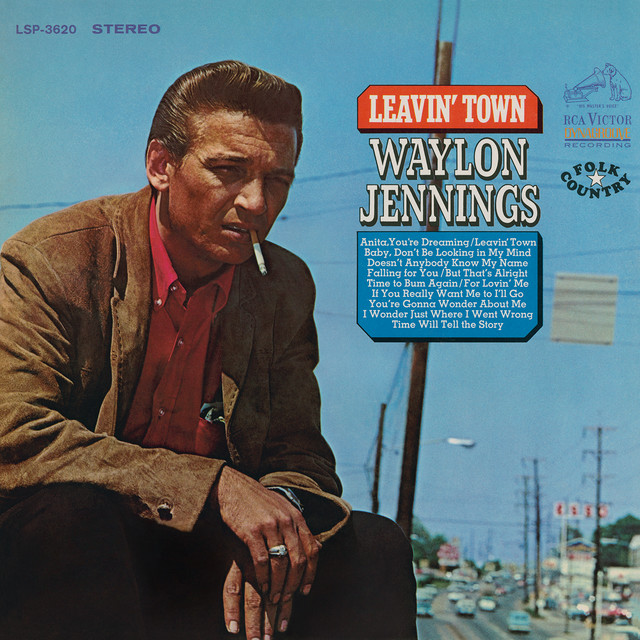
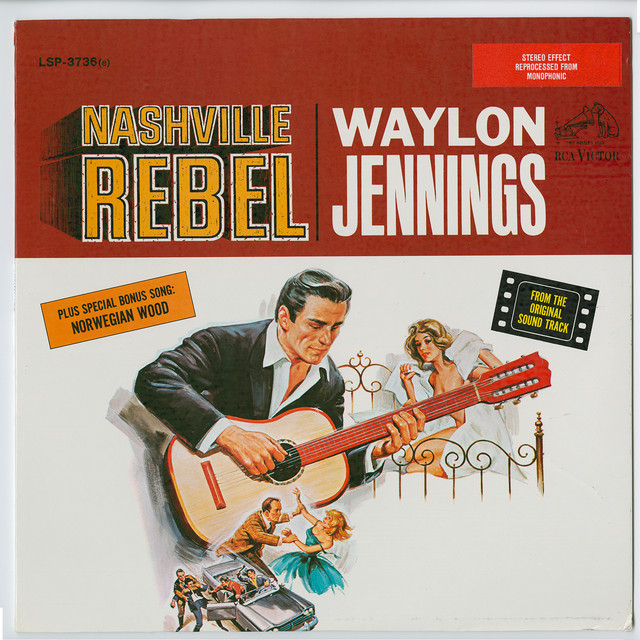
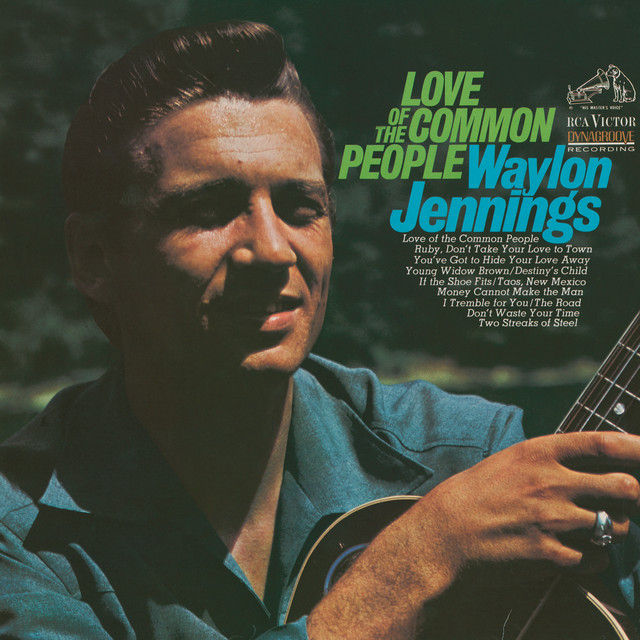
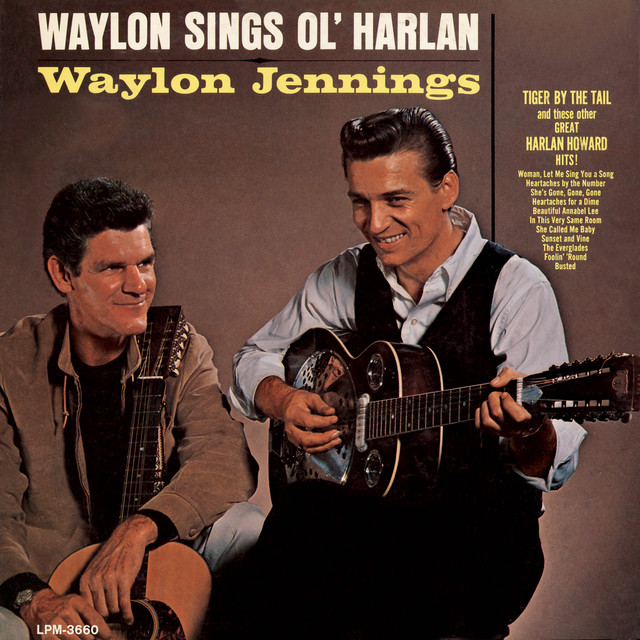
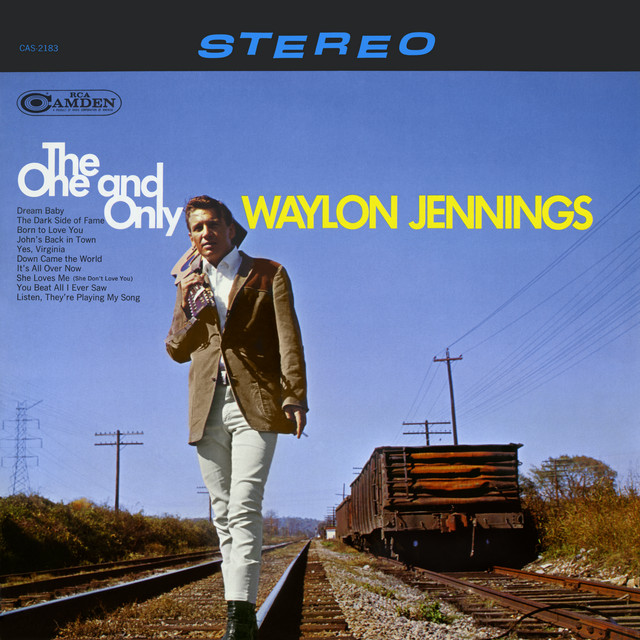
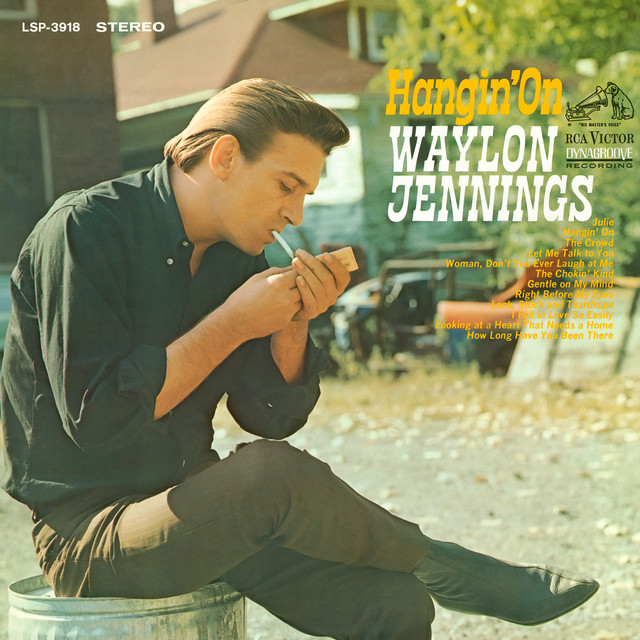
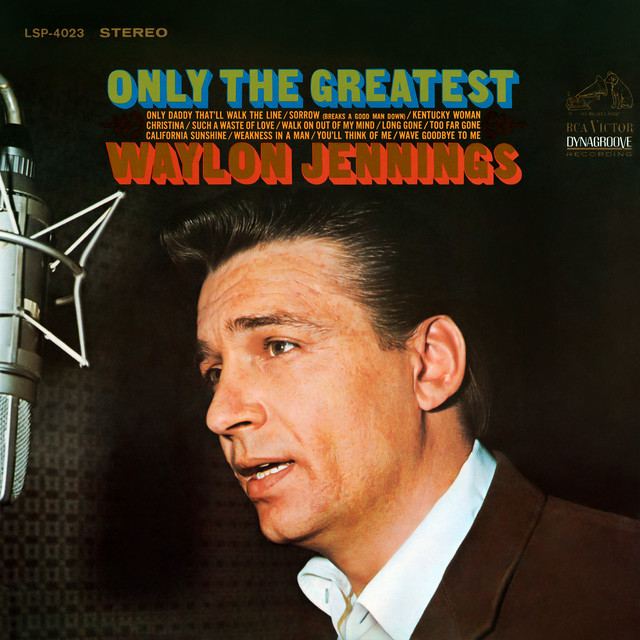
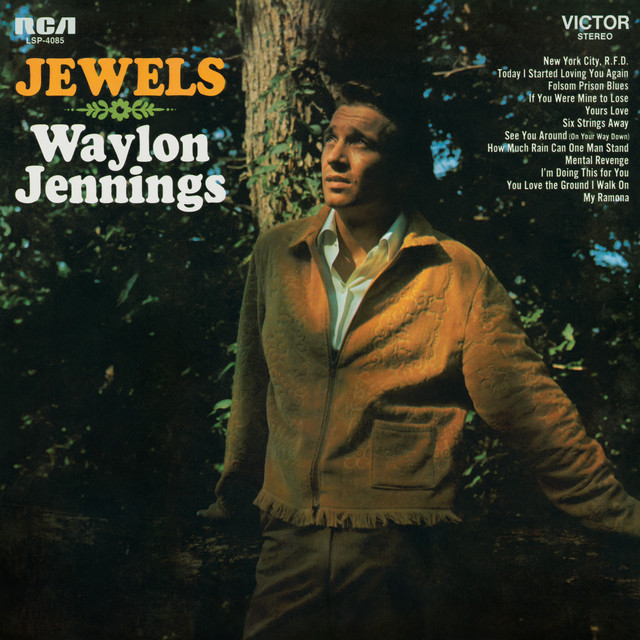
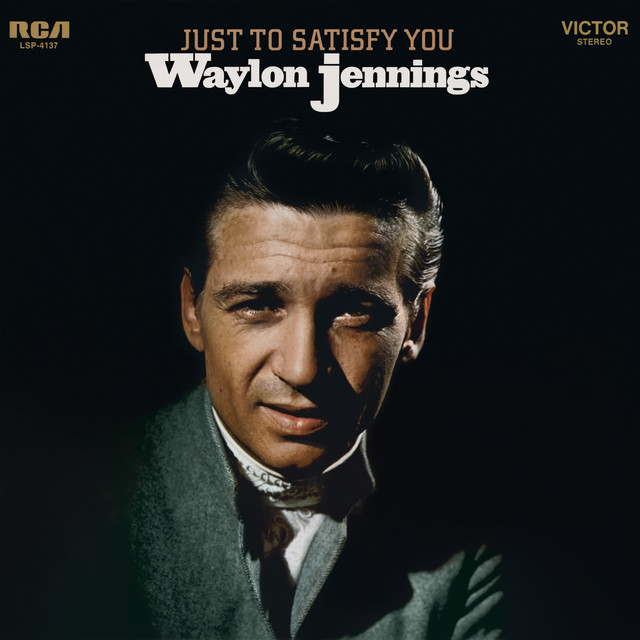
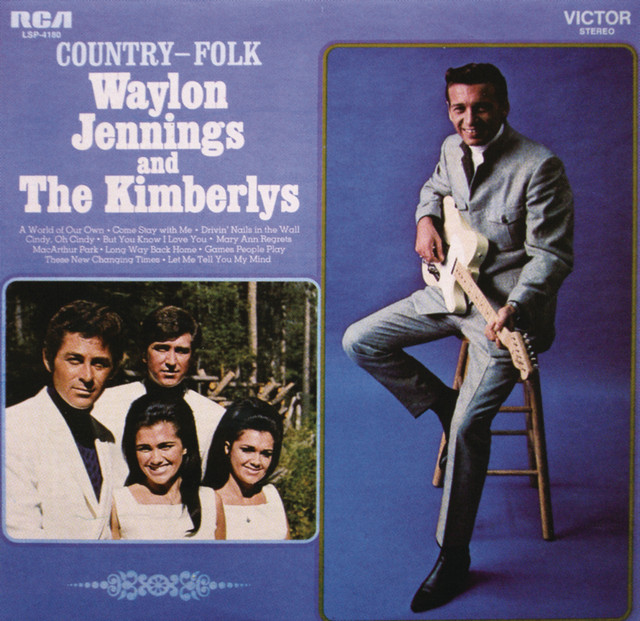
Album Credits
-
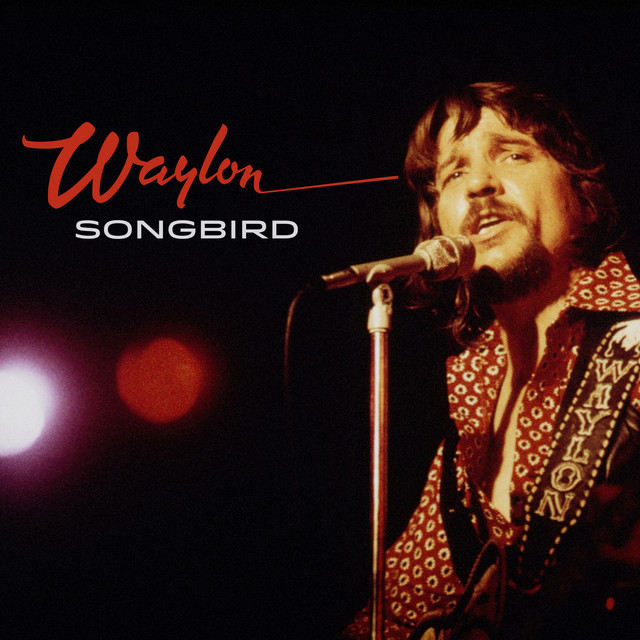
Waylon Jennings · 2025
Producer -
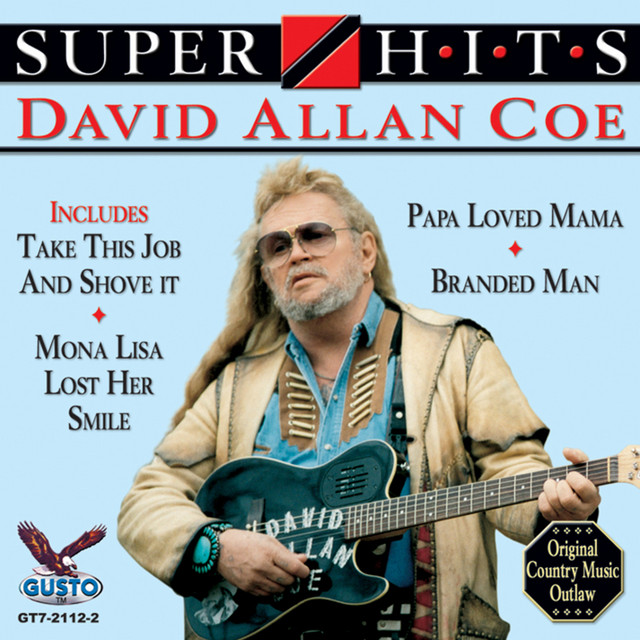
David Allan Coe · 2005
Producer -
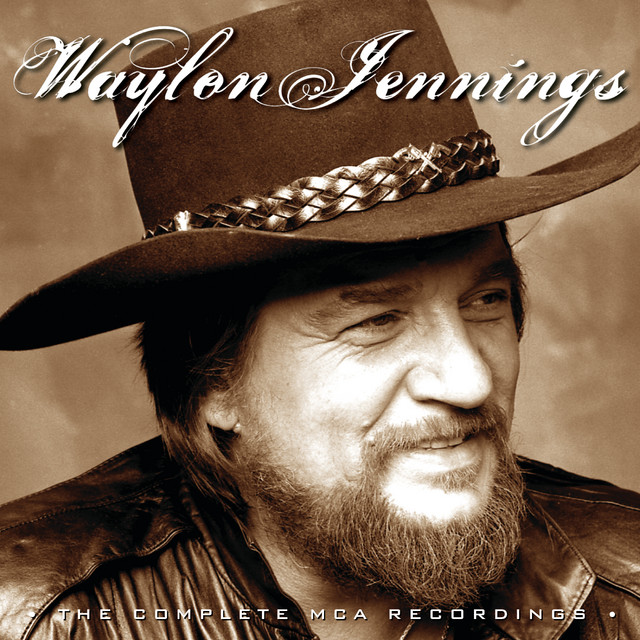
Waylon Jennings · 2004
Producer -
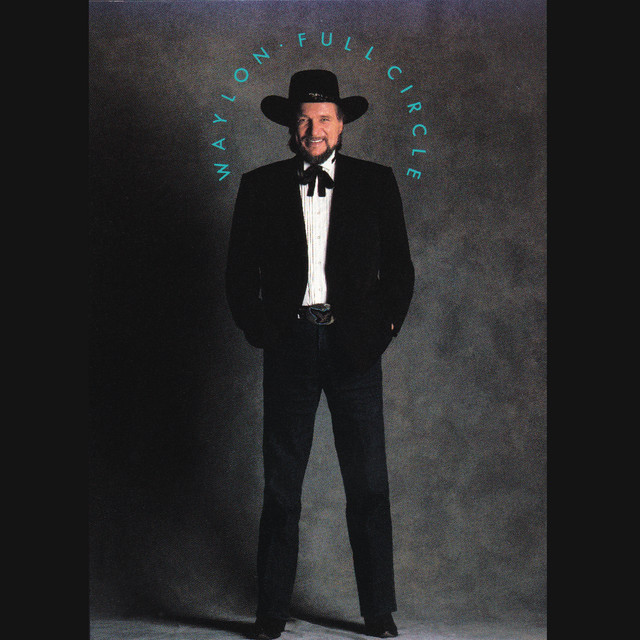
Waylon Jennings · 1988
Producer -
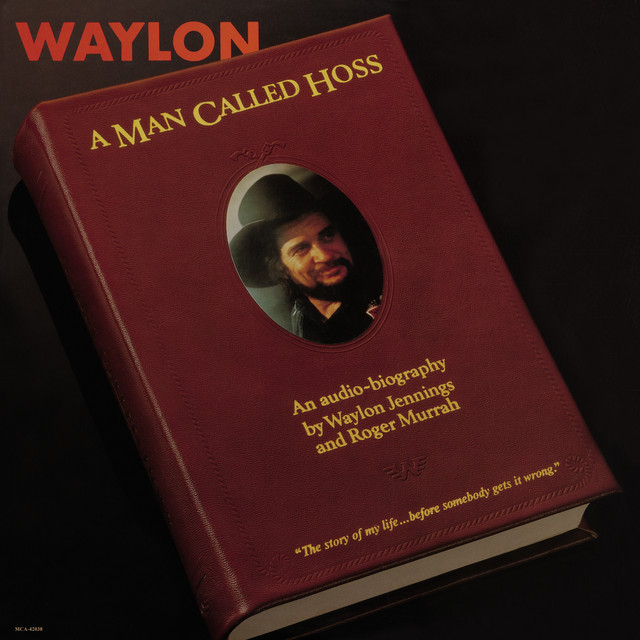
Waylon Jennings · 1987
Producer -
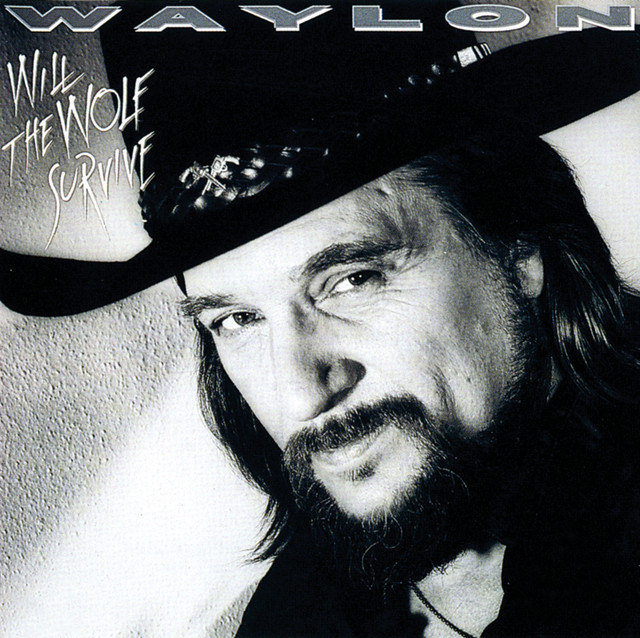
Waylon Jennings · 1987
Producer -
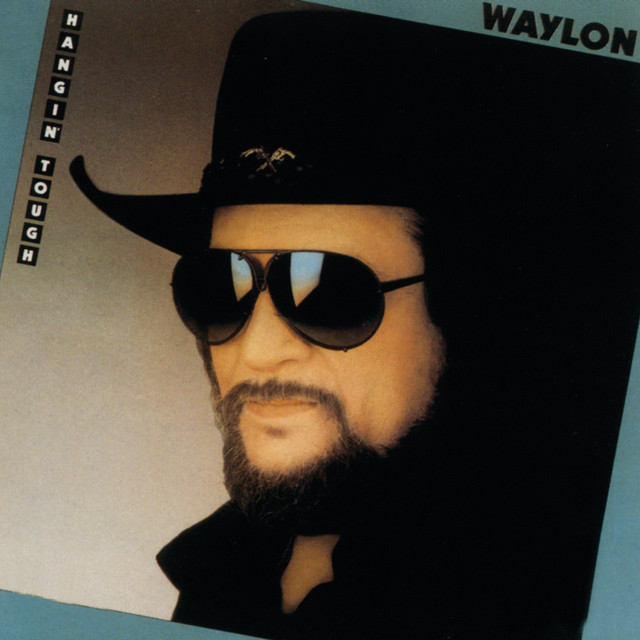
Waylon Jennings · 1987
Producer -
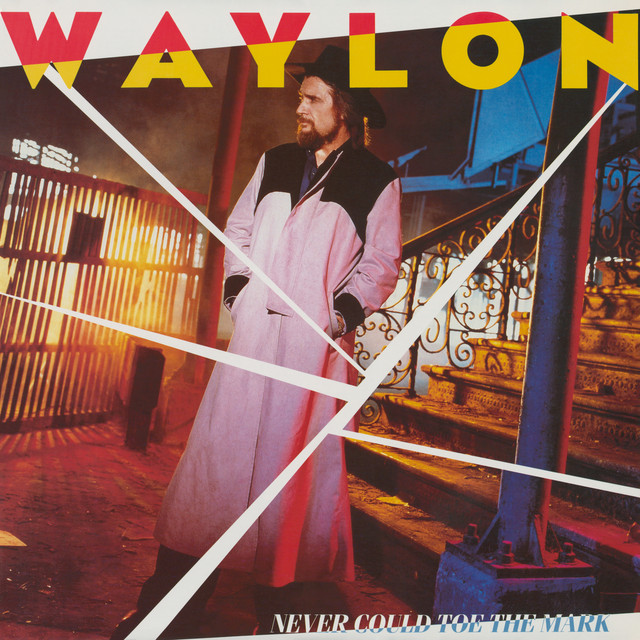
Waylon Jennings · 1984
Producer -
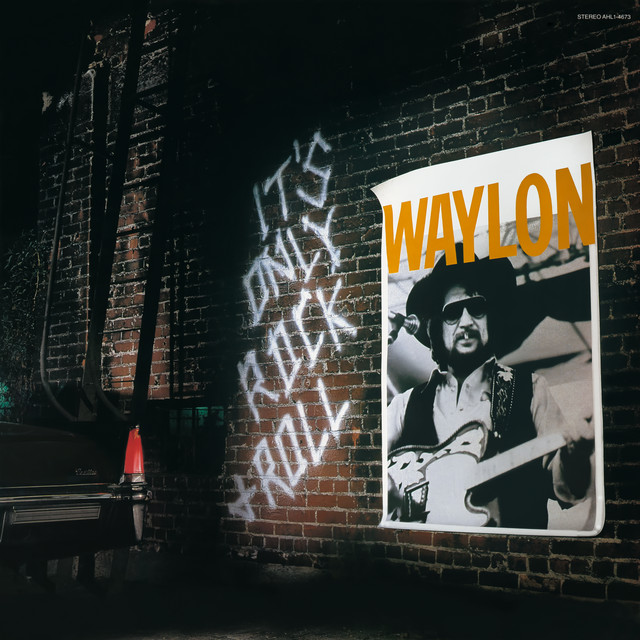
Waylon Jennings · 1983
Producer -
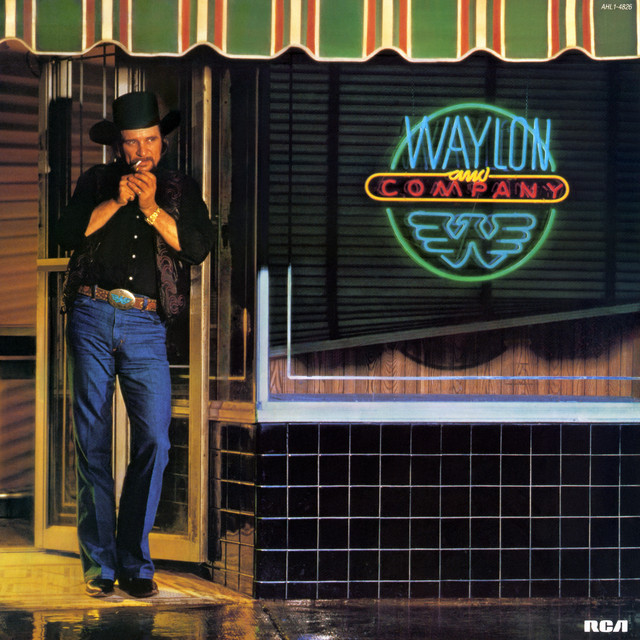
Waylon Jennings · 1983
Producer -
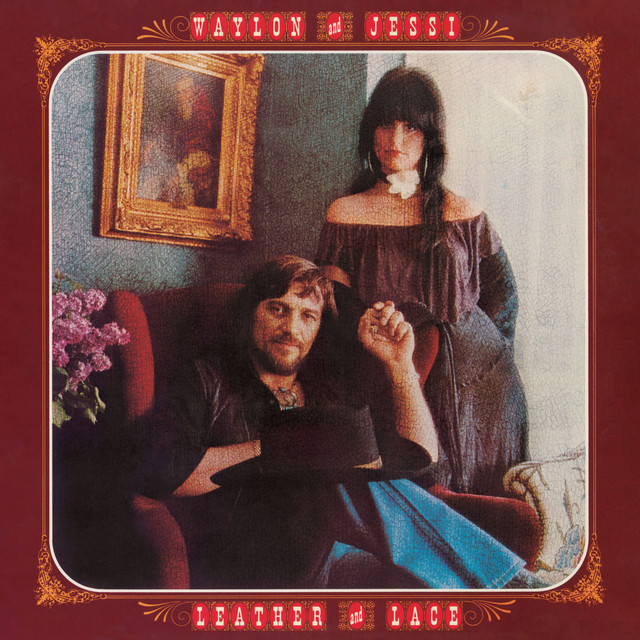
Waylon Jennings & Jessi Colter · 1981
Producer -
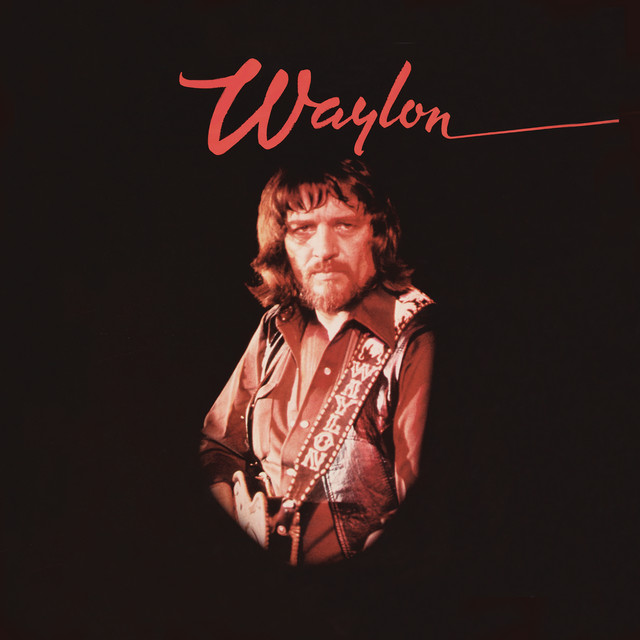
Waylon Jennings · 1978
Producer