Juan Atkins
Role
Genre
Role
Genre
Juan Atkins' Gear


If you had to pick a favourite bit of gear from over the years, what would it be? "That would have to be the Roland DR-55 drum machine. It was the most quantum innovation that ever happened. If I had to pick one machine, that would be it. Being able to program a drum machine was a huge thing."
Find it on:


-m.webp?v=1785077870)
"Back then I was also using a Sequential Pro-One keyboard, a Roland RS-09 string synth, an ARP Odyssey and an ARP Axxe. And I had a Boss DR-55 and then an 808, obviously, when they first came out."
Find it on:

What kind of gear were you using when you did your seminal Cybotron track, Clear, at the beginning of the 1980s? "Well, I wasn't using no software! We were using a Korg SQD1 [Korg's groundbreaking MIDI recorder/sequencer], then I moved on to the Roland MC-500, one of their MicroComposers. That was a really good sequencer.
Find it on:

What kind of gear were you using when you did your seminal Cybotron track, Clear, at the beginning of the 1980s? "Well, I wasn't using no software! We were using a Korg SQD1 [Korg's groundbreaking MIDI recorder/sequencer],
Find it on:

In a Facebook photo, Juan Atkins's studio setup includes the Yamaha HS80M Active Studio Monitor, showcasing its role in his recording environment.
Find it on:

"Back then I was also using a Sequential Pro-One keyboard, a Roland RS-09 string synth, an ARP Odyssey and an ARP Axxe. And I had a Boss DR-55 and then an 808, obviously, when they first came out."
Find it on:

"Back then I was also using a Sequential Pro-One keyboard, a Roland RS-09 string synth, an ARP Odyssey and an ARP Axxe. And I had a Boss DR-55 and then an 808, obviously, when they first came out."
Find it on:

The digital hybrids that came along, like the EMU Morpheus, had some great sounds – really way-out and spacey. Sometimes new machines have sounds that are so unconventional that people are scared to use them.
Find it on:

Keyboards got so advanced that the presets started to prevail, then people started wanting more programmable synths again. I remember when the Roland JD-800 came out – it was a digital keyboard, but with easy-to-use faders.
Find it on:

"Back then I was also using a Sequential Pro-One keyboard, a Roland RS-09 string synth, an ARP Odyssey and an ARP Axxe. And I had a Boss DR-55 and then an 808, obviously, when they first came out."
Find it on:

"Back then I was also using a Sequential Pro-One keyboard, a Roland RS-09 string synth, an ARP Odyssey and an ARP Axxe. And I had a Boss DR-55 and then an 808, obviously, when they first came out."
Find it on:

The Korg MS10 was incredible for weird, UFO-type sounds and effects. It was just a monophonic keyboard, so you couldn't even play chords on it. I would sit for hours on that MS10 just making sounds… I had a great time.
Find it on:

"The sampler I really liked using in my studio was the Emu E64. I could almost use it as a recorder. It was great for doing remixes because you could take a whole vocal track and load it into the sampler, then fly it into your track. That made doing mixes a lot easier."
Find it on:

We liked digital because it presented a new sound. I'm always looking for something fresh, and when Yamaha came out with the DX7, which I think was the first fully programmable digital synth, the sounds were amazing. They had those ring modulators and ring sounds – the ring-modulating overtones and undertones that the DX7 provided, no other keyboard had. The digital keyboards were a nightmare to program, but if you were just starting out programming synths, the DX7 was like your first bicycle. You could get really good at it.
Find it on:
This is a community-built gear list for Juan Atkins.
- Find relevant music gear like Studio Equipment, Software Plugins and VSTs, Headphones, and other instruments and add it to Juan Atkins.
- The best places to look for gear usage are typically on the artist's social media, YouTube, live performance images, and interviews.
- To receive email updates when Juan Atkins is seen with new gear, follow the artist.
Discography
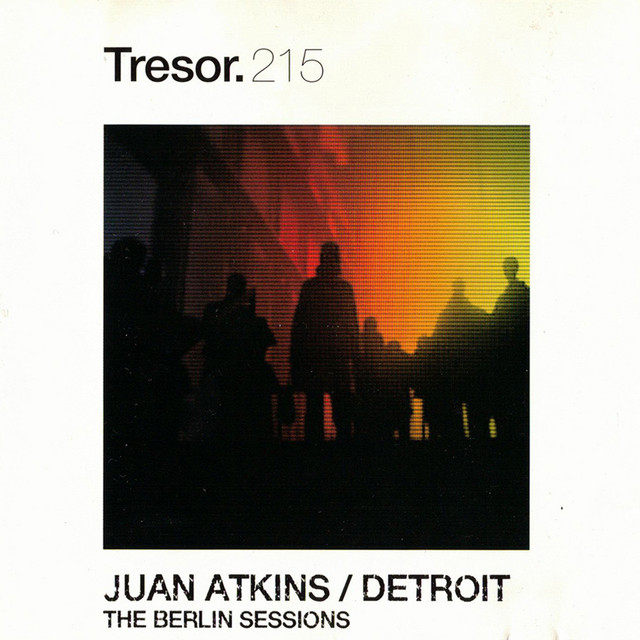
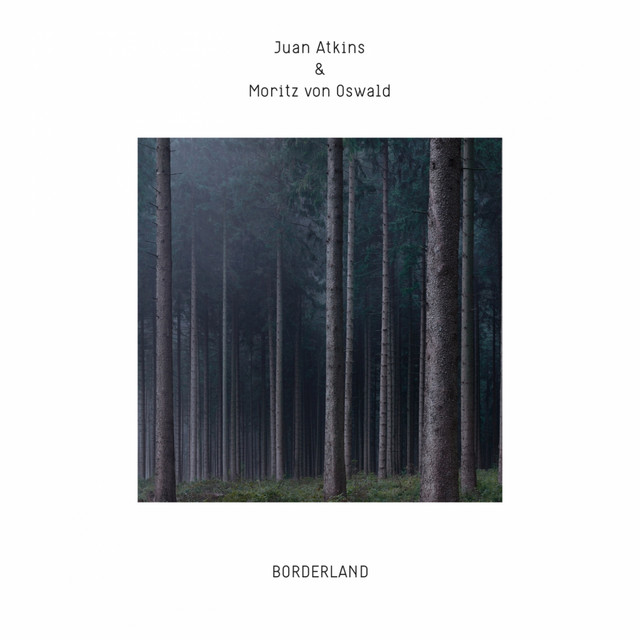
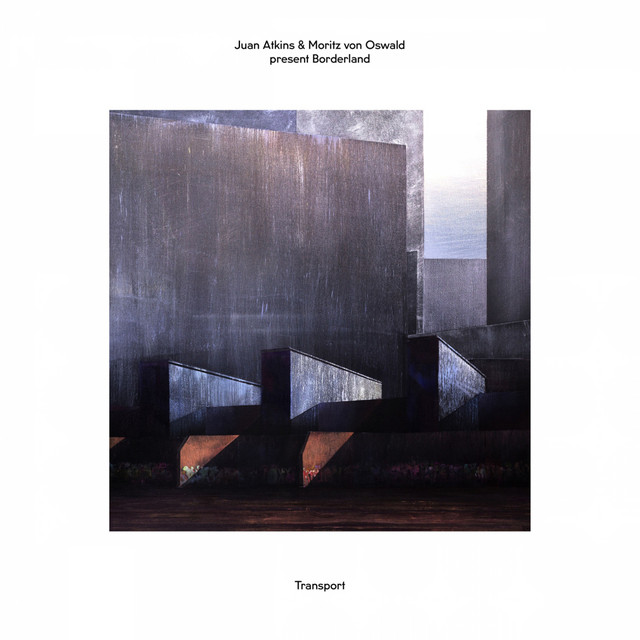
Album Credits
-
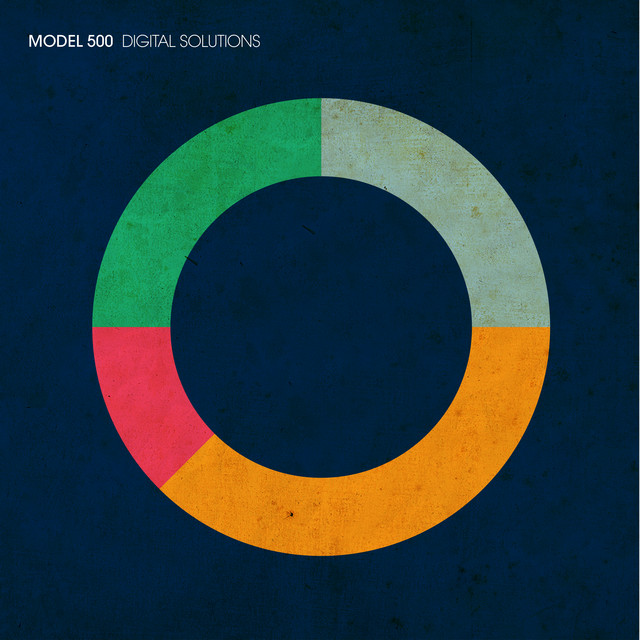
Model 500 · 2015
Producer -
Inner City & Kevin Saunderson & The Magician & Themba · 2003
Mixing Engineer -
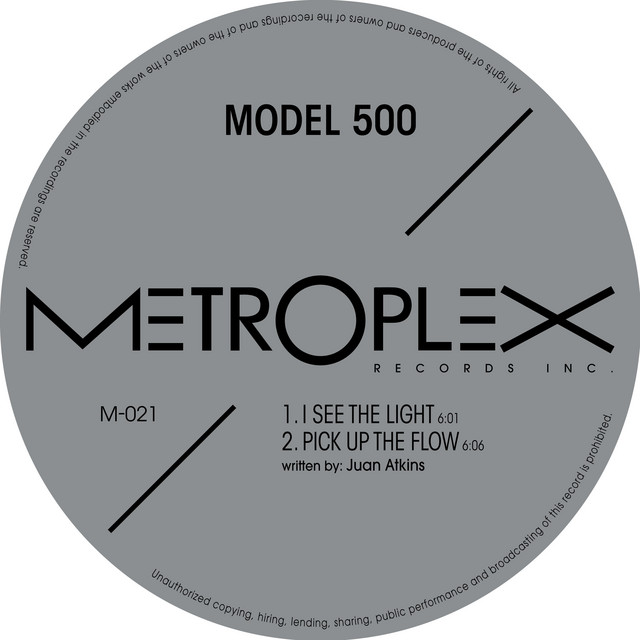
I See The Light / Pick Up The Flow
Model 500 · 1993
Producer -
Inner City · 1992
Producer -
Inner City · 1989
Mixing Engineer