Table of Contents

Equipboard
Equipboard is the world's largest community of artists and their gear. Read our review process.
We are reader-supported. When you buy through links on our site, we may earn an affiliate commission. Learn more.
Music producers are the driving forces behind almost all of your favorite songs or albums. They guide the artistic direction and oversee many of the technical aspects of recording and production. In many cases, they work closely with artists, engineers, and other personnel to bring a musical vision to life.
Producers, in the modern sense of the word, play a critical role in today’s music, regardless of genre. They are the ones who make sure the sound is polished and cohesive, and that it resonates with the right audience.
If you’re thinking about getting into music production, know that there are tons of opportunities, from studio recording to beat-making, and live sound engineering to sound design for movies and video games.
With so many paths to explore, there’s room to get creative, and in this guide, I’m going to tell you everything you need to know to get involved in the field, all from the perspective of someone who’s been doing it for over a decade.
What Does a Music Producer Do?
At their foundation, music producers are responsible for overseeing and shaping the overall sound of a song, album, or project. They’re involved in everything from the initial concept to the final product, meaning they guide the creative process, help artists define their sound, and make decisions on arrangements, instrumentation, and mood.
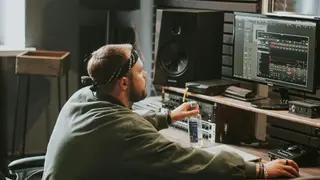
If not making their own music, producers often collaborate closely with artists, audio engineers, and songwriters to turn ideas into reality. They play the role of both a creative partner and a technical expert, whether suggesting a new chord progression or directing a recording session.
On the technical side, producers might manage the aspects of making an album or song, such as recording, mixing, and mastering. It can also be their job to make sure the final track sounds, well, final.
In today’s industry, producers often wear multiple hats. Many are heavily involved in making beats or general sound design. As the industry evolves, so will their role in music.
Skills Required to Become a Music Producer
In my experience, becoming a great music producer means having technical expertise, creative vision, and strong interpersonal skills.
Let’s break down what these might entail:
Technical Skills
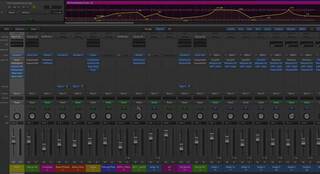
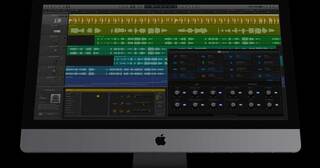
These days, you have to know how to operate within a DAW. A DAW is software where you record, arrange, mix, and master. Without them, we can’t turn ideas into fully realized tracks.
In addition to your DAW, you should have a strong grasp of engineering basics like EQ, compression, and reverb.
Many producers, especially those who work in pop or electronic music, are familiar with sampling, sequencing, and sound design.
These are all skills that take a while to develop, so don’t feel overwhelmed. We’ll look at some good resources in a bit!
Creative Skills
Beyond the technical side, creativity is where a producer truly shines. It’s good to have a strong understanding of song structure and arrangement, which you can obtain by listening to and analyzing songs you like.
The ability to communicate and collaborate with artists or other producers is another essential skill. As a producer, you’ll often be working closely with musicians, helping them realize their vision while also guiding them to refine their sound. visionary can’t stress the importance enough of having empathy, patience, and an open mind.
The more you’re able to check your ego at the door, the more people will want to work with you.
As you gain experience, developing a signature production style will also help distinguish your work.
Soft Skills
Lastly, we have soft skills, which many people never even consider when they get into this field.
Time management and multitasking are two of the most important soft skills to have unless you want to burn out or even up with a hard drive full of unfinished projects.
Producing a track involves coordinating multiple tasks and deadlines, and you may even be doing this across several projects at once.
Networking and strong interpersonal communication are also vital. It’s important to build relationships with artists, engineers, labels, and other producers to find new opportunities.
Having a reputation for being easy to work with can be huge too. There are so many people I’ve worked with in the past that have essentially been blacklisted from working with my circle of colleagues because they’re such a pain to be around. Don’t be someone’s nightmare studio story!
Lastly, you need to be resilient and have the ability to constantly adapt. The music industry is fast-paced and ever-changing, so being able to bounce back from setbacks and adjust to new trends or technologies is crucial for long-term success. You will NEVER be able to avoid the ebbs and flows of this industry, so get used to them now.
Tools of the Trade
While there’s no one-size-fits-all setup for a music producer, certain equipment and software are key to getting started and moving forward.
Essential Equipment
At the heart of your setup will be your DAW (Digital Audio Workstation), some of the most popular of which include Pro Tools, Ableton Live, Logic Pro, and FL Studio.
To interact with your DAW and create music efficiently, you’ll need a few more essential pieces of gear:
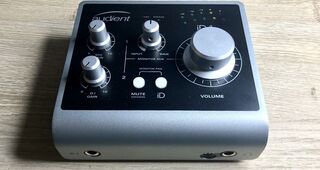
- Audio Interface: This device connects your instruments, microphones, and other audio sources to your computer, so you get a high-quality sound input and output. I’ve used tons of different interfaces over my time, but some of my favorites come from brands like Focusrite, PreSonus, or Universal Audio.
- Headphones and Monitors: A good pair of studio headphones (like the Audio-Technica ATH-M50x) is crucial for detailed listening and mixing. I also highly recommend investing in some studio monitors, such as Yamaha HS Series or KRK Rokit, for mixing and producing more accurately.
- MIDI Controller: No matter what kind of music you’re working on, having a MIDI controller can be helpful. You can play and record melodies, beats, and chords using virtual instruments. Some of the most popular MIDI controllers include Akai MPK Mini or Novation Launchkey.
- Microphones: If you're recording vocals or live instruments, a quality microphone is a must. Shure SM7B and Audio-Technica AT2020 are excellent all-around microphones that don’t cost a fortune.
Free and Paid Plugins
Beyond gear, you might want to invest in some decent plugins beyond those in your DAW.
Plugins are the software tools you’ll use to enhance your sound, and they can range from virtual instruments to effects.
The plugin market is endless, and there are both free and paid options to suit all budgets.
- Free Plugins: If you’re just starting out, there are plenty of free options out there. Audacity, for example, is a free DAW that’s easy to use for beginners (GarageBand is also great if you’re a Mac user). For plugins, there are SO many, but some of my favorites include TDR Nova (a dynamic EQ), Analog Obsession LALA (LA2A emulation), and Valhalla SuperMassive (reverb/delay)
- Paid Plugins: Once you’re ready to invest in premium tools, industry-standard plugins will elevate your production. Check out plugins from companies like FabFilter, UAD, Acustica Audio, Native Instruments, and Spitfire.
Where to Start
As a beginner, you don’t need to dive into a full professional setup right away. Start with free tools like GarageBand (for Mac users) or Audacity (for Windows/Linux users), both of which offer enough features to get started with basic music production.
These platforms will help you understand the basics of recording and editing without overwhelming you with advanced features.
As you develop your skills and gain experience, you can slowly expand your setup. Gradually upgrading to a professional DAW and investing in quality plugins, audio interfaces, and monitors will give you the tools to take your sound to the next level.
While it’s tempting to purchase expensive gear and software, keep in mind that your creativity and knowledge of the tools you already have will always be your greatest asset.
Education Paths
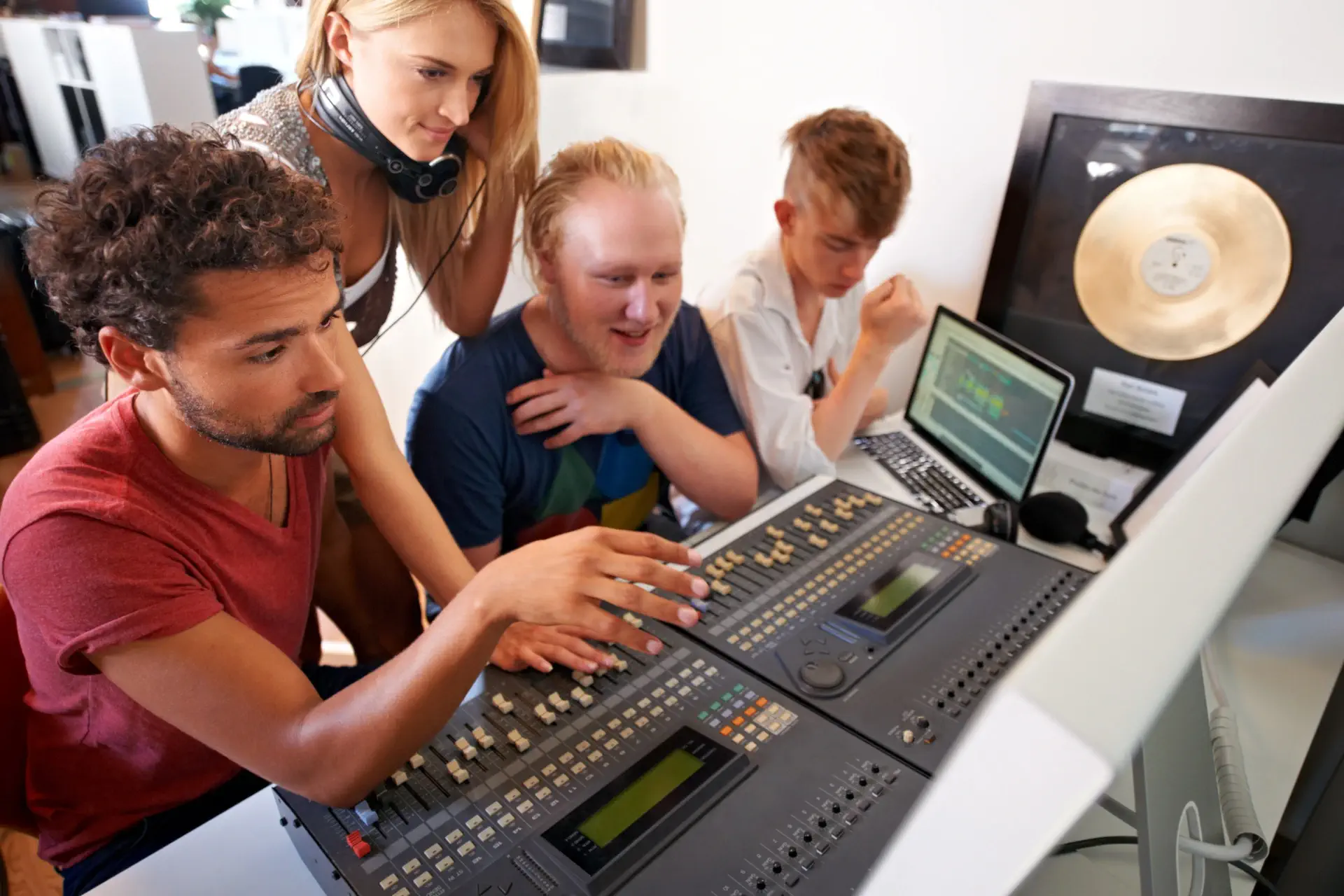
There’s no single way to become a music producer, and the path you choose will depend on your personal learning style, goals, and resources. Whether you decide to teach yourself through online tutorials or pursue formal education, there are plenty of ways to gain the skills needed to succeed in the industry. Here are the most common education paths you can take:
Self-Taught Approach
One of the most popular routes for aspiring music producers is learning on your own. Thanks to the internet, there’s an abundance of free and paid resources that allow you to learn at your own pace.
- Online Tutorials and Forums: YouTube has endless free tutorials on everything from recording to mixing and mastering. Channels like Point Blank Music School and ADSR Music Production provide step-by-step guides for beginners and more advanced producers. If videos aren’t your style, you can also check out forums like Gearspace and Reddit’s r/WeAreTheMusicMakers to get advice and feedback from fellow producers.
- Paid Resources: If you’re looking for a more structured learning experience, online platforms like MasterClass and Skillshare offer high-quality courses from industry professionals. For example, Skillshare has a range of music production courses focused on DAWs, sound design, and beat-making. Similarly, MasterClass offers courses from renowned producers like Deadmau5 and Timbaland, providing insider tips from successful professionals.
- Beginner Courses: If you prefer more formalized instruction without committing to a full degree, platforms like Berklee Online and Coursera offer excellent courses. Berklee’s Music Production course is a great starting point, covering the basics of producing music in various genres. Coursera also features courses from universities and colleges like University of Michigan and California Institute of the Arts, offering a broad overview of music production techniques.
Formal Education
For those who prefer a structured, immersive learning experience, attending a music production school or obtaining a degree in music production can be a great option. I studied music in college and had a great time doing so. I met a lot of people along the way and, most importantly, was able to explore a bunch of potential paths to learn about what I did and didn’t want to do.
Of course, there are a few pros and cons to consider.
- Pros: Music production schools offer a hands-on learning environment with access to industry-standard equipment and experienced instructors. These programs often include networking opportunities, connections to industry professionals, and sometimes internship placements that can help jump-start your career. If you thrive in a classroom setting and want to dive deep into both the technical and creative aspects of music production, formal education might be the right fit.
- Cons: On the downside, music production degrees can be costly and time-consuming. Not all programs offer a direct path to employment, and there’s always a question of whether the investment in tuition will translate into a higher-paying job in the industry. However, if you’re looking for comprehensive training and a more traditional route, the degree might offer the structure you need.
- Notable Programs: Some notable schools that offer top-tier music production programs include Full Sail University, which is known for its hands-on approach and high-tech facilities, and SAE Institute, with campuses worldwide and a strong emphasis on audio engineering and production. Berklee College of Music, while a more competitive and expensive option, is also highly regarded and has a reputation for producing successful industry professionals.
Hybrid Approach
For many, a hybrid approach that combines self-learning with mentorships or internships can be the best of both worlds. This route allows you to learn the basics independently while also gaining practical, real-world experience.
- Self-Learning and Mentorships: You can learn the fundamentals of music production through online resources while seeking out mentors who can provide guidance. I personally think this is the best way to do it! Find a mentor with experience in the industry to help you refine your skills and offer insights that you might not find in online tutorials.
- Internships: Interning at a studio or with a producer can give you invaluable hands-on experience. Whether it’s assisting with recording sessions or learning the ropes of mixing and mastering, internships allow you to see how the production process works in a professional environment.
- Part-Time Classes: Another option is to take part-time classes or workshops while continuing to work on your music independently. These classes often focus on specific aspects of music production, such as sound design, mixing techniques, or mastering, and allow you to fit education into your schedule without the commitment of a full degree.
By blending these approaches, you can tailor your education to your specific needs, gaining both technical skills and industry experience as you go. This flexible path allows you to stay current with trends while gaining the mentorship and hands-on experience that can be crucial for success in the field.
Building Experience
Gaining experience as a music producer is all about getting hands-on, making connections, and pushing your creative boundaries. Let’s take a look at some ways you can build your experience.
Start Small
One of the best ways to get started is to practice producing your own music. Don’t worry about perfection - just focus on learning the ropes. Experiment with different sounds, instruments, and production techniques, and let your creativity flow. The more you produce, the better you’ll understand the process and develop your unique style.
If you want to broaden your experience, consider offering free or low-cost production for friends, indie artists, or local bands. This allows you to build a portfolio, gain feedback, and understand how to work with other people’s ideas and needs. Even if you’re not charging much at first, the experience will be invaluable as you hone your skills and build relationships in the industry. Plus, you’ll be able to showcase those early projects to future clients or collaborators.
Collaborate
Collaboration is one of the most effective ways to build your network and gain experience.
Start by connecting with local musicians, songwriters, and producers who are looking to collaborate on new projects. Not only will you gain exposure to new ideas and techniques, but you’ll also expand your circle of contacts in the industry. Whether you’re working on a song with a singer or helping a guitarist add layers to their tracks, collaboration teaches you how to communicate and adapt to others’ visions while still bringing your own creative energy.
Specialize and Diversify
As you gain more experience, it’s a good idea to explore different niches within music production. Consider specializing in an area like film scoring, where you create soundtracks for movies, or beat-making, which focuses on making beats for other artists.
At the same time, don’t forget to experiment across genres. Working on projects outside of your comfort zone to make yourself a more versatile producer. Learning how different genres approach production will improve your overall skill set and give you a deeper understanding of what works in different musical contexts. By diversifying your experiences, you’ll be able to approach projects with fresh ideas and bring new creative solutions to the table.
Developing Your Career
Once you’ve gained some experience and confidence in your production skills, you can focus on building your career. This is where you’ll put everything you’ve learned into action!
Portfolio Creation
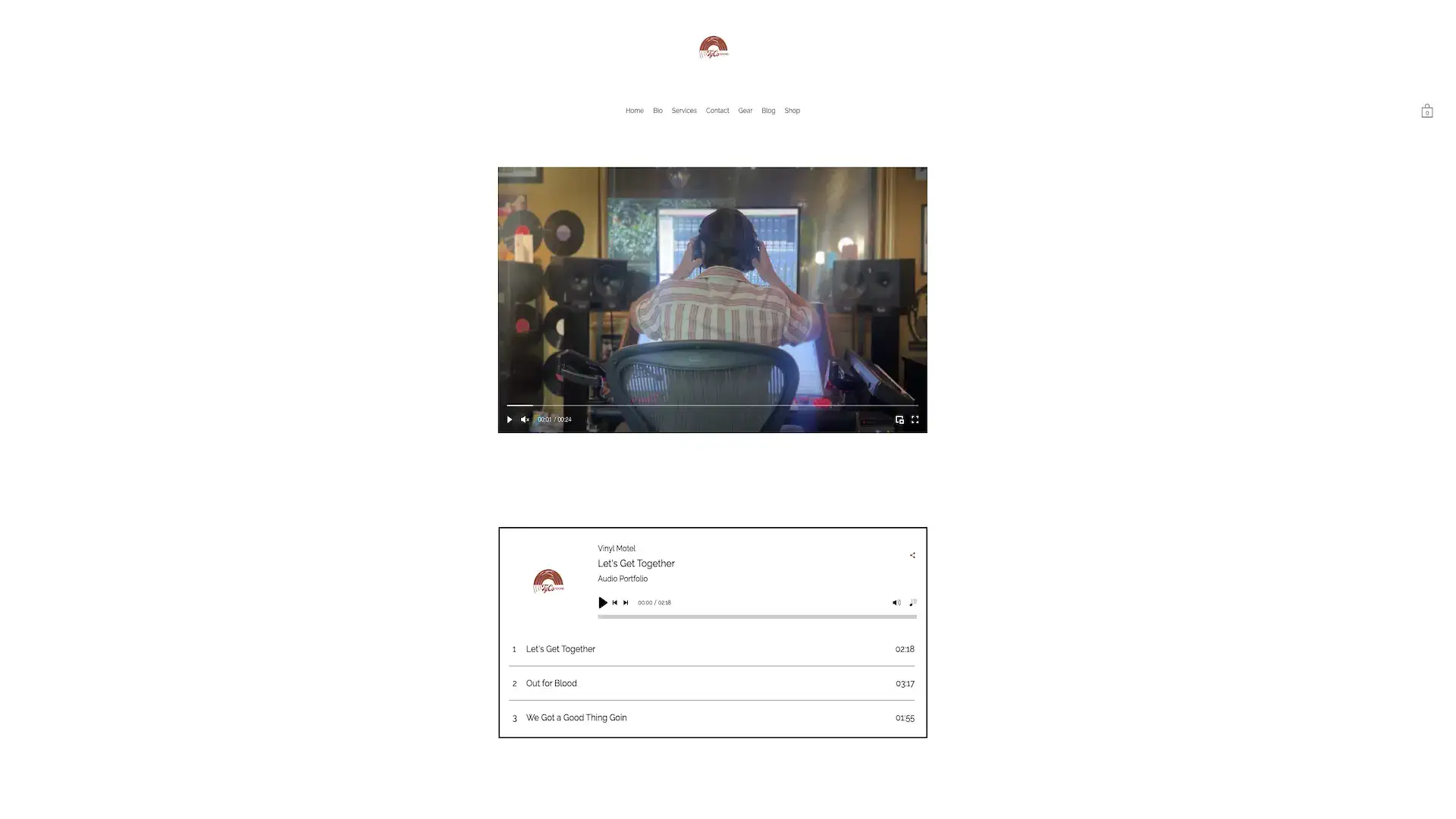
A strong portfolio is key to showcasing your talent and attracting potential clients or collaborators. Start by building a demo reel that highlights your best work. I recommend choosing a selection of tracks that showcase your versatility, technical skills, and unique style. Aim for quality over quantity. It’s better to have a few standout pieces than a large collection of unfinished projects.
To make your music easily accessible, use platforms like SoundCloud and Bandcamp to upload and share your tracks. These platforms allow you to reach a wide audience, and they’re commonly used by other artists and industry professionals to discover new talent.
If you want a more personalized touch, consider building a personal website where you can feature your work, include a bio, and provide contact information for potential clients or collaborators. A well-organized, professional website can help you stand out and make a lasting impression.
Networking Tips
As I said before, networking can help build relationships that can propel your career forward.
While not totally necessary, depending on your goals, you might find it worthwhile to attend music events, conferences, and workshops and connect with industry professionals. Events like NAMM (National Association of Music Merchants) or AES (Audio Engineering Society) conferences offer opportunities to meet other producers, engineers, and musicians while staying up-to-date on the latest trends and tools in the industry.
Plus, building relationships with artists, managers, and label representatives can open doors to new projects and collaborations!
Monetizing Your Skills
As you build your reputation, finding ways to monetize your skills is key to turning your passion into a sustainable career. There are several avenues to explore:
- Freelance Opportunities: Freelancing is one of the most common ways to earn money as a music producer. Whether it's producing beats, mixing tracks, or offering sound design services, platforms like Upwork, Fiverr, and SoundBetter provide opportunities to find clients who are looking for specific production services. Freelancing offers flexibility and variety, allowing you to take on different projects and expand your skill set.
- Working with Studios or Becoming an Independent Producer: Another option is to work with recording studios, either as an in-house producer or on a contract basis. Studios often hire producers to work with clients on specific projects, and this can be a great way to gain steady work while building your network. Alternatively, you can work as an independent producer, managing your own clients and projects. This path offers more creative freedom but requires strong business skills to handle contracts, payments, and project management.
- Licensing Music for TV, Film, or Games: Licensing your music for use in TV shows, films, or video games is an excellent way to generate passive income and get your work exposed to a broader audience. Many producers focus on creating instrumental tracks, beats, or soundscapes that can be used in commercial media. Websites like AudioJungle and Musicbed allow you to upload your tracks for licensing, and you can also reach out directly to music supervisors or agencies that specialize in media placements.
Common Challenges and How to Overcome Them
While the path to becoming a successful music producer can be exciting, it’s also challenging. From gaining credibility as a beginner to staying motivated during tough times, this career path requires persistence, adaptability, and a proactive mindset.
Here are some common challenges you might face and practical ways to overcome them.
Gaining Credibility as a Beginner
As a new producer, one of the toughest challenges is establishing credibility in a competitive industry. Without a portfolio or established reputation, it can feel like you're starting from scratch. But don’t let that discourage you, as credibility is something that builds over time with consistency, quality, and networking.
- Start Small: As mentioned earlier, begin by working on smaller projects, offering free or low-cost production for friends and local artists. Even if you’re not getting paid, these projects can help you build a body of work to showcase. Every track you produce adds to your experience and portfolio.
- Seek Testimonials and Referrals: Ask for feedback from artists or clients you’ve worked with. Positive testimonials or word-of-mouth referrals are one of the best ways to start building your credibility. Over time, these recommendations will help you attract higher-profile clients and collaborators.
- Focus on Quality, Not Quantity: In the beginning, it’s easy to fall into the trap of trying to take on too many projects in an effort to build a portfolio quickly. Instead, focus on delivering high-quality work, even if that means having fewer tracks or projects to showcase. Quality always stands out and is more likely to get noticed.
Staying Motivated During Setbacks
Setbacks are a natural part of any creative career, and the music industry is no exception. Whether it’s a project that doesn’t turn out as expected, a lack of recognition, or a failed collaboration, feeling discouraged is normal. The key is not to let these challenges derail your progress.
- Keep a Long-Term Vision: Remember that success in music production doesn’t happen overnight. Focus on your long-term goals and the bigger picture. Every project you work on, even if it doesn’t go perfectly, teaches you something valuable. Stay patient and trust the process.
- Celebrate Small Wins: In a field where immediate success can be elusive, celebrating smaller milestones—like completing a track, collaborating with a new artist, or even getting positive feedback from a peer—can help keep your motivation high. Recognizing your growth, no matter how incremental, keeps you moving forward.
- Take Breaks and Stay Balanced: Sometimes, setbacks can feel overwhelming. Don’t be afraid to step away for a bit and recharge. Taking a short break or working on something outside of your regular production projects can offer a fresh perspective and renewed energy when you return to your work.
Managing Finances While Growing Your Career
Building a career as a music producer doesn’t always bring immediate financial rewards, and managing your finances effectively is crucial in the early stages of your career.
- Set a Budget: It’s easy to get caught up in buying new gear, software, or plugins, which is why it’s important to set a realistic budget and prioritize your purchases. Start with the essentials, and only upgrade equipment or software when you can afford it. Being mindful of your spending will help you avoid unnecessary financial stress.
- Diversify Income Streams: Freelance work, studio gigs, and music licensing can help you generate income while growing your career. Diversifying your sources of revenue allows you to balance slow periods and ensure you’re still earning while you’re building your reputation. Consider offering services like mixing and mastering, producing beats, or teaching music production on the side.
- Track Your Earnings and Expenses: As you begin to make money from your music, it’s important to keep track of your earnings and expenses for both tax purposes and overall financial planning. Use simple accounting software (I’m a huge fan of Intuit Quickbooks) or even spreadsheets to stay organized. It might seem like a lot of work, but staying on top of your finances from the start will save you headaches down the road.
FAQs
How much do music producers earn?
The earnings of a music producer can vary widely based on experience, location, genre, and the scope of their projects. As a beginner, you might earn anywhere from $25 to $50 per hour for freelance work, though this can increase significantly as you gain more experience and build your reputation.
- Entry-Level: Many new producers start by working for lower rates or offering services for free to build a portfolio.
- Mid-Level: With a few years of experience, you could earn between $50,000 to $80,000 per year, especially if you’re consistently landing clients or working on projects with higher budgets.
- Top-Tier Producers: Successful, established producers working with high-profile artists can earn $100,000 to $500,000 or more annually. Some top producers also earn royalties from their tracks, which can boost their income even further.
Do you need to play an instrument to be a producer?
No, you don’t necessarily need to play a traditional instrument to be a successful music producer. While many producers have a background in playing an instrument, what’s more important is your understanding of sound and how to manipulate it.
That said, having knowledge of music theory, rhythm, and harmony can definitely be an asset when creating tracks, arranging songs, or working with artists. It’s also worth mentioning that I’ve been a guitarist for more than 15 years, and I will say that it’s helped me land a ton of gigs, so if you don’t already know how to play an instrument, the idea might be worth exploring.
How long does it take to become a professional producer?
Becoming a professional producer doesn’t happen overnight, but how long it takes can vary depending on the effort you put in, your learning style, and the connections you make along the way.
I’d say it takes around 2–5 years to build a solid foundation in production and start landing paid work. If you pursue a degree or certification in music production, it might take 2–4 years to complete your studies. However, you can start working on projects and internships while studying, which can speed up the transition to professional work.
What’s the difference between a music producer and a sound engineer?
While both roles are crucial in the music production process (and often overlap in modern music), a music producer and a sound engineer focus on different aspects of the project:
A producer is often focused on the creative vision, while the sound engineer focuses on the technical execution of that vision (recording, editing, mixing, mastering, etc.). Often, in smaller projects, one person may handle both roles, but in larger productions, they are typically separate positions.
Top Ranked Music Lessons and Instruction on Equipboard


$10.42 - $24.99
4.5 (2)
4.5 (2)


$25.19 - $34.99
4.5 (3)
4.5 (3)
About the authors

Tyler is a producer, composer, and mix engineer at Killingsworth Recording Company in Los Angeles and owner/operator of Tyco Sound, a full-service production company with clients from around the globe. He has produced numerous records in a wide range of genres and has had dozens of TV placements with companies such as Apple, Hulu, WW, Microsoft, ESPN, and more. Read more









.webp)