By Gear Experts
Table of Contents

Equipboard
Equipboard is the world's largest community of artists and their gear. Read our review process.
We are reader-supported. When you buy through links on our site, we may earn an affiliate commission. Learn more.
Our Picks

Not just for hip hop or electronic music, the SR-18 has realistic drum sounds for rock, blues, funk, jazz, and more. Relatively easy to use, albeit a bit limited with no USB connection. All in all it sounds fantastic, it's fun to use, and carries a very reasonable price tag.
Read more


Korg Electribe ER-1 Rhythm Synthesizer
An instant classic, the Electribe ER-1 by Korg is fairly limited and is best suited for electronic music. The drum kit you get is extremely tweakable, and the sound oozes analog warmth. Compact and easy to use, perfect for on-the-go beat making.
Read more

-l.webp?v=1783609044)
A mini drum machine from Korg's Volca series, the Volca Beats is fantastic. It sounds like a mix of a Roland TR-808 & Korg KPR-77. You're limited to a single kit which is best suited to hip hop/R&B/techno/electronic, but it's highly tweakable. It's particularly loved for its huge kick drums. Best Bang for Your Buck
Read more
Elektron Machinedrum SPS-1 MKII
The most "luxurious" drum machine on our list, with a price tag to match. The Machinedrum is a true powerhouse with unmatched flexibility and versatility. It's not as intuitive to use as the Roland TR-8 or the Korg machines, but if you're after a premium boutique drum machine, this is it.
Read more-l.webp?v=1783609508)
Elektron Octatrack features an innovative eight-track engine design with specialized playback modes and unprecedented depth in audio manipulation capabilities. Its advanced pattern sequencing, comprehensive MIDI implementation, and complex routing options make it an ultimate live performance sampling workstation and drum machine.
Read more


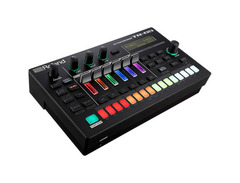
Roland TR-6S reimagines classic TR-series drum machines through sophisticated digital modeling while adding modern features like FM synthesis and sample import capabilities. Its six-track architecture and advanced sequencing features, combined with comprehensive connectivity options, make it a versatile powerhouse for both studio production and live performance.
Read moreLooking for the perfect drum machine but overwhelmed by all the options? You're not alone. Drum machines have evolved into powerful tools that serve musicians across every genre imaginable. From bedroom producers crafting the next electronic hit to touring bands adding electronic elements to their sound, these versatile instruments have become essential gear in modern music production.
What makes drum machines particularly fascinating is their ability to adapt to virtually any musical context. Whether you're performing solo, producing in your home studio, or complementing your band's sound, the right drum machine can transform your creative process. In electronic music, they often form the backbone of entire productions. For singer-songwriters, they provide reliable rhythmic foundations during live performances. Even full bands use them to add electronic elements that would be impossible to recreate with traditional drums alone.
The challenge lies in finding the right machine for your specific needs. With options ranging from vintage-style analog boxes to cutting-edge digital workstations, making an informed choice requires understanding what these devices offer and how they align with your musical goals.
Why a Drum Machine Might Be Right for You

The decision to incorporate a drum machine into your setup can open up new creative horizons, whether you’re just starting your musical journey or looking to expand your existing toolkit. Let’s explore what makes these instruments so compelling for modern musicians.
Unleashing Creative Possibilities
The true power of drum machines lies in their ability to bring your rhythmic ideas to life instantly. Unlike traditional drums, they offer precise control over every aspect of your rhythm section. You can craft intricate patterns that would challenge even the most skilled drummers, or program subtle variations that add organic movement to your tracks. The ability to experiment with timing, velocity, and groove lets you develop unique rhythmic signatures that set your music apart.
Practical Applications
For electronic producers, drum machines serve as the foundation of track building. Rather than scrolling through preset loops, you can create custom patterns that perfectly match your vision. Live performers particularly benefit from the reliability and flexibility these machines offer. You can trigger different sections of your songs seamlessly, adjust tempos on the fly, and even improvise new patterns during performance.
In studio environments, drum machines excel at laying down initial ideas quickly. Songwriters can use them to flesh out arrangements without waiting for a full band setup. For bands, they’re invaluable during rehearsals when a drummer isn’t available, or when you want to experiment with hybrid acoustic-electronic setups.
Beyond Basic Beats
Modern drum machines transcend simple pattern playback. Many offer deep sound design capabilities, allowing you to shape and mold sounds until they’re uniquely yours. The integration possibilities with other instruments have expanded dramatically, letting you synchronize with synthesizers, samplers, and digital audio workstations seamlessly.
Types of Drum Machines
Navigating the world of drum machines becomes clearer when you understand the different approaches manufacturers take to beat creation. Each type offers distinct advantages that might align perfectly with your musical needs.
Analog Machines
The warmth and character of analog drum machines continue to captivate musicians decades after their introduction. These hardware units generate sounds using electronic circuits, creating distinctive tones that have shaped countless genres. The inherent imperfections and subtle variations in analog synthesis contribute to an organic feel that many musicians prize. While modern analog machines maintain the classic sound architecture, they often incorporate contemporary features that expand their creative potential.
Digital Powerhouses
Digital drum machines have revolutionized what’s possible in rhythm programming. They combine vast sound libraries with powerful processing capabilities, offering unprecedented flexibility. Many digital units now feature sampling capabilities, allowing you to incorporate your own sounds alongside factory content. This versatility makes them particularly valuable for producers who need to work across multiple genres or create entirely new sounds.
Hybrid Systems
Some manufacturers have begun combining analog and digital approaches, creating hybrid systems that offer the best of both worlds. These machines might use analog synthesis for core drum sounds while implementing digital effects and modulation. The result is a unique blend of warm, characterful tones with modern precision and flexibility. This fusion particularly appeals to musicians who appreciate vintage character but require contemporary features for their workflow.
Software Solutions
Software drum machines provide extensive capabilities without requiring dedicated hardware. They integrate seamlessly with digital audio workstations, offering deep editing capabilities and virtually unlimited sound storage. While they might lack the tactile experience of hardware, they compensate with extensive automation options, detailed visual feedback, and the ability to save and recall complex setups instantly.
Key Features to Consider

Understanding the essential features of drum machines helps you identify which capabilities truly matter for your music. While manufacturers often highlight dozens of specifications, focusing on key aspects ensures you’ll find an instrument that effectively serves your creative process.
Sound Engine Fundamentals
At the heart of every drum machine is the sound generation system. The quality and character of these core sounds will fundamentally shape your music. Some machines focus on authentic acoustic drum reproduction, while others excel at electronic and synthetic tones. The ability to shape and modify these sounds becomes crucial for developing your unique style.
Traditional sample-based engines offer consistency and reliability, especially when you need conventional drum sounds. Synthesis-based engines provide deeper sound design potential, letting you craft unique tones from scratch. Many modern machines combine both approaches, expanding your sonic palette while maintaining an intuitive control over sound shaping.
Sequencing Capabilities
Pattern creation and manipulation form the foundation of working with drum machines. Beyond basic step sequencing, consider how a machine handles rhythm programming. Real-time recording capabilities let you capture the feel of live playing, while step-editing provides precise control over each hit. The ability to create variations and transitions smoothly can transform static patterns into dynamic performances.
Performance Features
Live performance features differentiate machines designed for stage use from studio-focused units. Look for hands-on controls that match your playing style. Some musicians prefer traditional step buttons, while others need velocity-sensitive pads for expressive playing. Pattern chaining and song mode capabilities become essential when constructing full performances, allowing you to trigger different sections of your music confidently.
Connectivity Options
Modern music production often involves multiple devices working together. Robust MIDI implementation ensures your drum machine integrates smoothly with other instruments and computers. Individual audio outputs provide mixing flexibility, letting you process different drums separately. USB connectivity simplifies backup and sound transfer while also enabling integration with digital audio workstations.
Storage and Memory
Consider how the machine handles pattern storage and sound management. Quick access to your patterns and kits keeps you focused on making music rather than menu diving. The ability to back up and organize your work becomes increasingly important as your library of patterns grows. Some machines also allow you to import new sounds or samples, expanding their capabilities over time.
Popular Drum Machines
Modern drum machines blend the best of classic designs with new technology, giving you more ways to create beats than ever before. Whether you're after the famous punch of a TR-808 or want to explore the endless possibilities of sampling with an Elektron Digitakt, there's probably a drum machine that fits your style. Each new generation adds features while learning from the past, so even entry-level machines today pack serious creative potential.
Alesis SR-18
4.5 (12)








Average Price: $214
Standard/Professional
$150
$601+
Budget
Standard
High-end
- Intuitive and easy to use for non-programmers
- Includes a variety of rhythms: rock, funk, latin
- Features bass and percussion sounds, which can be muted
- Portable, can be used with AA batteries
- See 6 more
- Lacks metal rhythms
- Playing pads aren’t very sensitive, lacking in dynamic response
- MIDI channel settings can be confusing and require custom setup
- Limited number of drum sets available for use in a set
- See 6 more
Best Suited For: Mostly recreating acoustic drum sounds, bass & drum backing tracks, practice, some electronic genres, studio use, live use
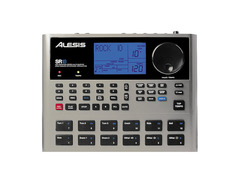
While Roland’s TR-8 is a fantastic drum machine, if might not suit you if you’re looking for something more versatile for use with non-electronic and non-hip hop genres. Enter the Alesis SR-18. Successor to the very popular Alesis SR-16, the SR-18 is a compact, portable, relatively affordable, full-featured drum machine, and most importantly it sounds fantastic.
The great thing about the Alesis SR-18 is that it’s made for every type of music, not just hip hop or house. You get numerous sounds and patterns for rock, blues, funk, jazz, and many more. Electronic musicians, fear not; electronic music and hip hop patterns are well-represented too. The best way to describe the SR-18 is to think about two categories drum machines fit in. The first category is more the world of the 808 and 909, which produce non-acoustic sounding drum hits, that are used as the percussive backbone to electronic, house, rap, pop, etc. The second realm is that of drum machines that are meant to substitute real drums through digital samples, and that’s more where the Alesis SR-18 fits in. It doesn’t sound exactly like a real drummer - no drum machine really does - but it honestly does a very nice rendition. In our research, we found many of its users to be solo rock/blues/country/jazz/metal guitarists and bassists who need the backing of drums to perform, or songwriters who need a scratch pad to build songs or record demos. Nonetheless, one of our favorite demo videos of it is actually for some electronic music:
What makes the SR-18 even more powerful as a practice or recording tool is its inclusion of bass sounds. The bass does admittedly sound a little cheesy and not nearly as good as the drum samples, but it could serve as a great start if you’re a guitarist and need a backbone for songwriting (and if not, you can just switch the bass off).
The Alesis SR-18 is well built, small, extremely portable, and can be powered with batteries so you can lay down beats on the go. Its layout is relatively intuitive, and the big bright display makes it easy to see what’s going on, especially if you’re on stage in a dark venue. There are loads of patterns and sounds to explore on this drum machine. Everything on the SR-18 feels very solid, and the drum pads have a nice tactile feel for jamming on it live (unfortunately the velocity response on them is limited). Patterns can be 4, 8, or 16 beats long, drum kits can be fully customized, and you can tweak the parameters of each individual sound. Programming and step-editing can be little challenging, and we found ourselves getting lost in the menus at a few points, but it’s nothing that can’t be be solved by spending some time with the manual.
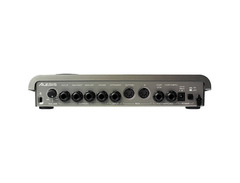
The included effects like reverb, EQ, and Compression are nice, but one gripe users have is that they are not fully customizable. They come in the form of presets. They are still quite usable and help shape your drum sounds, but this limitation is something to be aware of. The multiple outputs of the SR-18 are nice, since they allow you to do interesting things with routing different parts of the signal to different outputs. One of the biggest complaints of this drum machine is the lack of USB port to interface with your computer. It does have MIDI IN/OUT, but the inclusion of USB would have been nice.
Bottom Line: The Alesis SR-18 is a very effective, self-contained tool. Its limitations and lack of expansion options prevent it from being the end-all, be-all drum machine. The lack of USB is peculiar, it’s almost like Alesis gave it a 90s feel by design. What you do get with the SR-18 is a variety of very nice and crisp sounding drum samples covering multiple genres, portability, ease of use, all with a very attractive price tag. The most common sentiment about the SR-18 from its owners are that it’s simply a fun machine to use. Whether you’re new to drum machines or are a fan of the older SR-16, you’ll find lots to love about the SR-18.
See how artists use this


Korg Electribe ER-1 Rhythm Synthesizer
4.5 (38)

- Great sounding with a distinct identity
- Super intuitive and easy to use
- Amazing midi functionality, pairs easily with other gear
- Original sounds, not just inspired by classic models
- See 4 more
- Lacks dedicated line outs for each part
- Some knobs may be defective or drift
- Kicks can be more clicky than punchy
- Limited in handling longer samples
Best Suited For: Techno, electronic, hip hop, experimental, drum sound design, studio use, live use
When we make buying guides, we tend to shy away from items that are discontinued and thus could be hard to come by. We had to make an exception for the Korg Electribe ER-1, one of the highest recommended drum machines in all the forums we looked in. The ER-1 is one of several sound modules from Korg that are part of the Electribe family (the others are synths and samplers). Released in 1999, the Korg Electribe ER-1 is already labeled as a classic by many electronic musicians.
Rather than jump into the features, let’s talk about this drum machine’s central and most unique feature - the way it sounds. The ER-1 is definitely not a one-size-fits-all machine. It has a unique sound that is best described as electronic, analog, and synth-like. If it’s realistic, sample-based drum sounds you want, look elsewhere. We hesitate to call the ER-1 limited, because with some programming it is surprisingly versatile. Just don’t expect realistic drum sounds like the Alesis SR-18, nor a perfect out-of-the-box reproduction of Roland’s x0x drum machines like the TR-8 provides. The Electribe ER-1 is very much its own beast. Perhaps watching this quick demo video will help you decide if it’s for you or not before you read on:
On the right side of the ER-1 you’ll see ten buttons dedicated to playing each of its drum sounds. The way it works with the ER-1 is that you only get this one “kit,” which is why it has such a specific sound character, but it’s very tweakable. The four pads in the Percussion Synthesizer section are powered by a virtual analogue synth engine, and you can shape all four with the knobs atop the machine (you choose the oscillator, LFO, etc). You can create a deep kick drum, a tinny snare drum, and even some strange glitchy sounds. Unlike the Roland TR-8, you can record knob automations in your patterns, which allows you to have beats with shifting and morphing sounds. The next two pads are dedicated to the AUDIO IN jack, which lets you trigger any sound you feed into the Electribe from an external device (this can be loads of fun). The other four pads - an open hi-hat, closed hi-hat, crash, and clap - are sample-based. Many of the reviews we read say these four sample-based sounds are one of the weaker parts of the ER-1, as they are only slightly tweakable, and aren’t very punchy. You also get a 16 step sequencer along the bottom of the machine, but you can concatenate up to 4 sections of 16 steps, for a total of 64. In terms of effects, the ER-1 is rather limited. You have a delay control that gets applies to all the parts at once. Luckily, it sounds really cool, sort of digital and stuttery (you can record automations on that as well).
This drum machine is built well and it’s an ideal size. It’s compact enough to throw in your backpack, but large enough so you won’t struggle to tweak the knobs and jam out on it. Much like the TR-8, it’s a very accessible drum machine. Everything you need to start playing with it is laid out on the front panel nicely. No hidden menus to deal with here. In terms of outputs you have a mail L/R output, and a headphones jack. Unfortunately this means you cannot route certain drum sounds out to different places. Perhaps you could get around that by playing with panning, where say you pan a kick drum all the way to the left, so that it only comes out of the left output. This is not a deal-breaker by any means, just a minor nice-to-have feature. There is also no USB connection, so you’ll have to rely on old school MIDI to sync it up with other devices or your computer.
Bottom Line: If you’re not looking for realistic drum sounds, the Korg Electribe ER-1 is a drum machine you at least have to consider. Its unique angle of giving you a single, very tweakable sound set makes it very fun and immediate. You just never know what you’ll come up with each time you sit down with it. If you’re a beginner, the ease with which you can program it will teach you the basics for drum creation. If you’re a pro, by owning one you’d be joining the likes of artists like Underworld, Legowelt, and The Prodigy’s Liam Howlett. For the price, it’s an incredibly good drum machine, and has features you wouldn’t find unless you spent $500 and up. The most consistent places you can find it used and in good condition are Reverb and eBay, so make sure to check there.
See how artists use this



Korg Volca Beats
4.0 (220)
-s.webp?v=1783609044)


Average Price: $131
Budget/Beginner
$150
$601+
Budget
Standard
High-end
- Analog tones (kick, snare, toms, hats) offer fantastic sound
- Grain knob provides unique sonic control
- MIDI note programming enhances performance capabilities
- Compact and highly portable for on-the-go use
- See 6 more
- Snare sound described as weak or lacking punch by some users
- Output limited to mono, no panning options
- Firmware update process considered cumbersome
- Limited sequencer steps restrict pattern complexity
- See 6 more
Best Suited For: Techno, electronic, hip hop, experimental, portable beat making, practice, studio use, live use, drum sound design
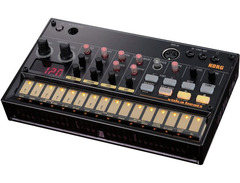
The Korg Volca Beats may be small, but it packs a big punch. This analog drum machine takes one of the top spots in just about every “best drum machine” list around, and for good reason. It’s certainly not perfect, and it’s more at home with electronic and hip hop musicians as opposed to rock, but it’s hard to ask for a better drum machine given its very budget-friendly price tag.
The Volca Beats is one of four mini analog instruments from Korg (the others being Volca Bass, Volca Keys, and Volca Sample). It features 6 voices, plus 4 additional PCM voices (clap, claves, agogo and crash). The overall tonal character of it can be described somewhere between a Roland TR-808 and a Korg KPR-77. It can do huge kick drums, glitchy snares, and spacey toms. The kick, snare, toms, and hats all have three adjustable parameters like Pitch and Decay, which allows you to radically alter them. Similar to the Korg Electribe ER-1, you get a single drum kit, so it is a bit limited in terms of sound profile. It is definitely more fitting for those wanting to make beats in the context of hip hop, R&B, techno, and many other electronic music genres (basically, anywhere you would use a Roland TR-808). What it does do, it does very well. The Volca Beats sounds really nice, particularly the kick drums you can make with it. We agree with this sentiment:
The kick drum tone is worth the price of admission alone, and the snare has a gritty, complex texture that to my ears is more interesting than the snare of the 808, 909, or similar drum machines.
Take a moment to hear how it sounds:
The Korg Volca Beats is small, definitely making it one the most portable drum machines around. You can power it with an AC adapter in the studio, or six AA batteries. The batteries surprisingly last a while (note that it does include batteries, but the 9V adapter is sold separately). One word of caution is because of its small size, its knobs are a little cramped, which is something to be aware of if you have big fingers. In terms of connectivity you have a MIDI IN port which lets you link the Volca Beats to your DAW or any other MIDI device, a Sync IN and OUT for controlling other Korg Volca machines, and a headphones jack which serves as your main output to hook it up to headphones, your audio interface, or some speakers (hook the Volca Beats up to some good studio monitors to really be floored by its sound). It even has a small, very cheap-sounding built-in speaker in case you have no headphones handy. You get 16 step sequencer, 8 locations to store your own patterns, tempo adjustments, and a load of other fun options all easily accessible from the intuitive interface. The stutter effect is particularly fun. It’s based on the current tempo setting, and can be applied to all the voices or a single one.
A few caveats: The pads on the Volca Beats feel great, but they are lacking velocity sensitivity. Also, we noticed a slight bit of disparity between the volume levels of the voices, which means you’ll need to adjust the kit to sound more even. And finally, note that when you load a pattern you saved, the analog sounds are not recalled. The Volca Beats will play back the pattern using whatever the current front panel knobs are set to.
Bottom Line: In today’s world where everyone is using nothing but software synths and plugins, having a dedicated hardware drum machine like this one can be a game changer. Its portability means you can practice designing kick drums and snares or work on making loops and beats anywhere, anytime. All you need is your Volca Beats powered by batteries, and some decent headphones. This is what gets us really excited about the Volca Beats, there’s just something inspiring about its ease of use, simplicity, and tweakability. It’s slightly more limited than the Electribe ER-1, but it’s a bit less expensive, and readily available to be purchased brand new. The sounds that come out of it are impressive, and it’s great fun to play with. We felt our drum and beat programming skills improve every time we used it. If you’re at all serious about programming some great beats, at this price we suggest you pick one up. Best Bang for Your Buck.
See how artists use this



.jpg)




Elektron Machinedrum SPS-1 MKII
4.5 (10)



- Modular capabilities in a single unit, excellent for live and studio use
- Compatible with Megacommand for enhanced features
- Superior sound quality, especially percussion, bells, and steel drums
- Easy navigation through preloaded patterns and kits after initial learning
- See 1 more
- Missing features like track chaining and microtiming without additional firmware
- High cost compared to other drum machines
Best Suited For: Electronic, hip hop, R&B, pop, drum sound design, studio use, live use
If you think of the Korg Volca Beats as a really fun motorcycle or scooter, the Elektron Machinedrum SPS-1 MKII is like the Mercedes-Benz of drum machines. This boutique drum machine originally came out in 2001 and was a game changer at the time. There have been several iterations of it since, but in our research, the most recommended one is the Machinedrum SPS-1 MKII. We’ll warn you now - it’s pricey. But for those that demand the best and have the budget for it, you’d be hard-pressed to go with anything else.
The Swedish-made Elektron Machinedrum’s sound engine is based on their machine concept, where each type of machine inside this unit is a different type of percussion synth to create the kicks, snares, claps, etc. For instance, the TRX machine creates Roland TR-x0x drum sounds, the EFM is for more FM-synthesis type sounds, you’ve got E12, P1 to simulate the behavior of acoustic drums, etc. You’ll find all these groupings as you scroll through the menus. We should note that while the P1 machine is billed as recreating acoustic drums, you’ll have better results if you just approach it as yet another drum synth and sound design tool. If realistic acoustic drum sounds are what you’re after, we think you should look at the Alesis SR-18.
Everything we just said is pretty technical, and we’re mentioning it because it means the Elektron Machinedrum is a sound generating powerhouse. There is so much flexibility and versatility in what you can create. It’s extremely customizable, and will fit into your studio perfectly whether it’s your first drum machine, or you’re adding an already existing studio and synth setup.
Considering how powerful it is and how much it can do, the layout is actually fairly straightforward. The left side focuses on part and pattern selection, there’s a screen in the center, and record/play/stop buttons on the right side. On the top right are 8 knobs which can control synthesis, effects, or routing, depending what you have selected. Along the bottom, you’ve got a 16 step sequencer. Speaking of the sequencer, pattern creation is easy - you can make patterns using the traditional step sequencer mode, or changes can be made to the pattern in the real time recording mode.
The connectivity is pretty comprehensive. You get a headphones out, main L/R out, and four additional outputs for flexible routing of drums. You also have a standard MIDI IN/OUT/THRU, so you can communicate with your DAW or other MIDI devices. The build quality of the Elektron Machinedrum is fantastic, as you would expect at this price-point. It’s worth mentioning that the way it’s designed and laid out, it makes for a great tool if you have live performance and improvisation in mind.
Bottom Line: The Machinedrum is in its own class of drum machines, and has a lot more going for it than the sub-$500 machines on our list. It’s one of the most flexible drum machines available, and no plugin or VST really comes close to this quality. That said, we have to admit it’s not as fun and immediate as the Roland TR-8, Korg ER-1 or Volca Beats. You have to wrap your head around the menu system and figure out what the different sound engines mean. We recommend this one if you have prior experience with synths or drum machines, or if you have the budget for it and love boutique made instruments. It’s certainly pricey, but the price is justified considering you’re getting a modern classic, and one of the most versatile and powerful drum machines in existence.
See how artists use this





Elektron Octatrack MKII
5.0 (33)
The Performance Sampling Mastermind
-s.webp?v=1783609508)

Average Price: $1,457
High-end/Boutique
$249
$700+
Budget
Standard
High-end
- Allows for computer-free music creation, recording, and performance
- Deep, versatile machine with significant sound design capabilities
- 3 LFOs per track with custom shape creation enhances sound modulation
- Excellent MIDI integration, elevating the performance when paired with other gear
- See 5 more
- Initial learning curve can be steep, not suitable for immediate jamming
- Some users find the workflow complex and less intuitive compared to other samplers
- Monophonic tracks and limited function automation may restrict performance
- Could benefit from more MIDI ports or CV connectivity for enhanced control
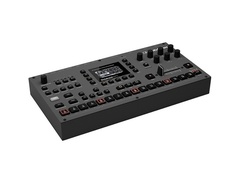
The Elektron Octatrack revolutionizes rhythmic production through its innovative eight-track engine design. Each track functions as a complete sampling channel with drum-focused recording and processing capabilities. Four dedicated track types offer specialized approaches to beat manipulation. Flex tracks excel at tempo-synced drum loops and beat-slicing, Static tracks optimize RAM usage for longer drum breaks, Neighbor tracks enable seamless sharing of drum hits, while Thru tracks process external drum machines with a comprehensive effects suite.
Audio manipulation transforms drum patterns via the Machines system. Every track hosts specialized playback engines optimized for percussion. The Single Machine handles traditional one-shot drum hits and samples, the Pickup Machine enables beat-juggling and drum break manipulation. The Flex Machine provides advanced time-stretching algorithms specifically tuned for drums, from tight kicks to complex percussion loops, each Machine features dedicated parameter sets for transforming simple drum hits into complex rhythmic elements.
Pattern sequencing elevates drum programming possibilities through its 64-step sequencer, combining traditional step sequencing with Elektron's renowned parameter locks for per-step changes of drum characteristics. Conditional triggers introduce probability-based variation perfect for humanizing drum patterns, while micro-timing adjustments enable MPC-style groove manipulation. The Scene system captures complete drum kit snapshots, enabling real-time transitions between different rhythm sections.
Performance features empower live beat manipulation. Crossfader enables seamless morphing between drum pattern variations, while dedicated track mutes allow for dynamic drum breaks. Real-time sampling captures and instantly manipulates external drum sources with automatic slicing and distribution across multiple tracks. The comprehensive MIDI sequencing enables synchronized control of external drum machines with the same parameter lock depth available for internal sounds.
Advanced routing options enable complex drum processing chains. Each track features multiple audio outputs for individual drum processing and dedicated cue outputs for monitoring. The internal mixing system provides precise control over drum levels, panning, and send effects with three send effects configurable for drum-specific processing (from traditional reverbs to experimental percussion mangling). Master track adds final stage compression and EQ for cohesive rhythm section shaping.
Storage recall features balance instant kit changes with depth. Project system organizes complete sets of drum patterns, samples, and settings while Parts feature enables lightning-fast recall of different drum machine configurations. The comprehensive file management system handles drum sample transfer and backup operations, supporting multiple storage devices via USB port, while built-in sample editing provides precise control over drum hit start points, loop regions, and slice points.
MIDI implementation expands rhythmic control options. Extensive MIDI CC mapping enables integration with external drum controllers, while MIDI sequencing capabilities turn the Octatrack into a central drum production hub. Track automation can be recorded from external MIDI sources, captured from panel movements, or programmed step by step, while the USB port handles both MIDI and sample transfer, streamlining integration with modern drum machine setups.
See how artists use this


.jpg?v=1783607144)





Roland TR-6S Rhythm Performer
4.5 (9)
The Modern Classic Redefined

Average Price: $422
Standard/Professional
$150
$601+
Budget
Standard
High-end
- Battery power enhances portability and usability off-grid
- Includes classic Roland drum machine sounds plus FM engine and samples
- Versatile; suitable for songwriting, performance, and studio setups
- Easy to program with various recording methods and quantization options
- See 6 more
- Menu diving necessary for deeper editing and customization
- Loading samples via SD card can be tedious
- Some users may find the interface less intuitive for kit or instrument parameter adjustments
- Limited sound design capabilities compared to more comprehensive units
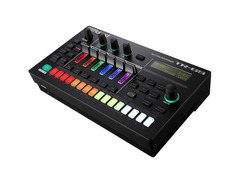
The Roland TR-6S is a compact powerhouse that brings Roland’s legendary drum machine heritage into a modern, performance-ready format with extensive sound design capabilities and intuitive workflow.
It reimagines Roland’s drum machine legacy through sophisticated digital modeling. Advanced Circuit Behavior technology meticulously recreates the distinctive character of classic TR-series machines while adding contemporary flexibility. Each modeled instrument captures the nuanced behavior of its analog counterpart - from the way the 808 kick’s decay interacts with tuning to the subtle distortion characteristics of the 909’s snare compression.
Sound design possibilities extend far beyond vintage emulation. The six-track architecture allows simultaneous use of different sound engines. FM synthesis adds distinctive metallic textures and experimental percussion, while the sample engine handles acoustic drums and imported sounds with equal finesse. The intuitive parameter controls maintain a hands-on feel, with dedicated knobs for tone, decay, and tuning that respond with analog-like immediacy. Layer multiple sound sources on a single track to create complex hybrid instruments or split them across tracks for independent control.
Pattern programming combines classic TR-style step sequencing with modern production tools. The step buttons provide familiar 16-step sequences, but the probability function adds controlled variation to any step. Sub-step programming enables intricate rhythmic detail, from subtle ghost notes to complex rolls. The variation system generates intelligent pattern alternatives that maintain musical coherence while introducing new rhythmic ideas.
Performance features demonstrate thoughtful integration of classic and contemporary approaches. Real-time recording captures dynamic playing through velocity-sensitive trigger pads, while step recording offers precise control. The customizable effect section processes individual tracks or entire mixes, featuring studio-quality reverbs, delays, and character effects that can be automated per step. The filter section draws inspiration from vintage analog designs while offering modern precision and stability.
Advanced sequencing capabilities unlock sophisticated rhythm programming. Control depth extends to micro-timing adjustments, accent levels, and parameter automation for each step. Multi-measure patterns allow complex arrangements spanning up to four bars, while fill variations create dynamic transitions between sections. Probability settings can be applied to individual parameters, creating evolving patterns that maintain their fundamental groove.
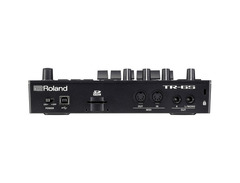
Connectivity options prioritize modern production workflows. USB audio and MIDI integration enables seamless connection with DAWs for multi-track recording and external control. Balanced stereo outputs deliver pristine audio quality for studio or stage use. Individual track outputs via USB allow separate processing of each instrument in your DAW, while external audio input enables processing through internal effects.
Storage and recall features balance immediacy with depth. Pattern memory stores complete sequences with all parameter automation, while kit memory preserves detailed sound design settings. The hands-on interface ensures important controls remain immediately accessible, with deeper parameters logically organized in clearly labeled menus. Factory content demonstrates the machine’s versatility across genres.
See how artists use this



Real-World Applications
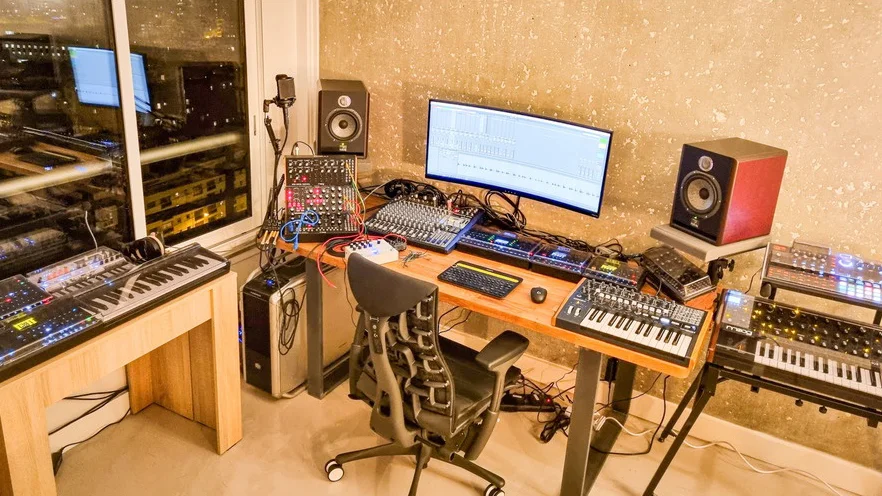
Understanding how drum machines fit into different musical contexts helps you make the most of your chosen instrument. While these devices share common features, their application varies significantly based on your specific needs and musical goals.
Studio Production
In the recording environment, drum machines have evolved far beyond simple rhythm generators. Modern production techniques leverage these instruments as creative tools throughout the entire music-making process.
During the writing phase, they provide immediate rhythmic foundations that help shape song structure and arrangement. Pattern chaining and variation features let producers quickly prototype different arrangements, while real-time parameter control captures dynamic performance elements that would be tedious to program manually.
The sampling capabilities of contemporary machines enable complex sound design workflows. Producers layer multiple drum sounds to create unique signatures, process external audio through onboard effects, and manipulate samples in ways that blur the line between rhythm and texture. Integration with DAW software extends these capabilities, allowing drum machines to serve as both sound sources and control surfaces for virtual instruments.
Live Performance
For solo electronic artists, drum machines provide complete rhythm sections with hands-on control. Real-time pattern switching and fill generation maintain audience engagement, while performance features like rolls, stutters, and track muting enable dynamic arrangement changes.
In band contexts, drum machines complement traditional instruments through sophisticated synchronization options. Many performers use them to add electronic elements that would be impossible to recreate with acoustic drums, or to provide consistent backing tracks while maintaining live control over key elements. The ability to store and recall complex setups ensures reliable performance night after night.
Practice and Composition
For songwriters and composers, drum machines serve as invaluable creative tools. Their immediate playback and editing capabilities allow quick exploration of different rhythmic ideas without the need for a full recording setup. The combination of preset patterns and deep editing features supports both rapid prototyping and detailed refinement of rhythmic parts.
Musicians use drum machines to develop timing and groove, experiment with complex polyrhythms, or work out arrangements in genres where drum programming plays a central role. The variable tempo control helps develop playing proficiency, while pattern chaining enables the creation of complete song structures for rehearsal.
Making Your Decision
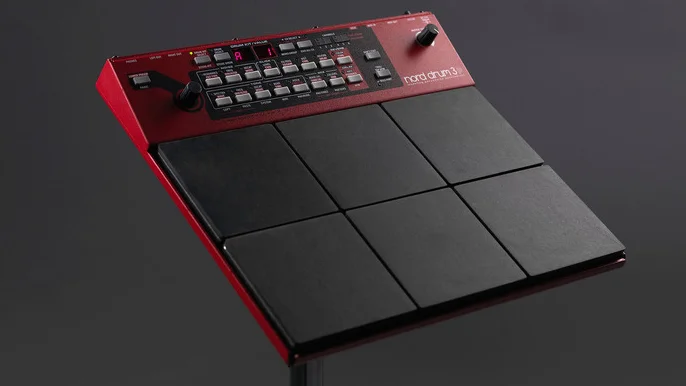
Choosing the right drum machine requires balancing your immediate needs with potential future requirements. Let's explore the key considerations that will help you make an informed decision.
Assessing Your Primary Use Case
Your main application should drive your choice of features. Studio producers need to consider integration capabilities, sound design depth, and storage capacity for extensive sample libraries. Live performers might prioritize real-time controls, reliability, and quick access to pattern variations.
Consider how you'll interact with the machine. If you prefer hands-on beat creation, machines with velocity-sensitive pads and intuitive sequencing might serve you better than complex menu-driven systems. For detailed sound design, comprehensive parameter control and modulation options become essential.
Understanding the Learning Curve
Every drum machine come with a mix of ease of use and depth. Some machines offer instant gratification but might limit advanced creativity, while others reward dedication with unprecedented control over your rhythmic elements at the cost of being more complicated. Consider whether you'll have the time and patience to master more complex features.
The interface design significantly impacts learning speed. Visual feedback, logical control layouts, and clear labeling can accelerate the learning process. More sophisticated machines often layer functions across different modes or menus, requiring more time to internalize their workflows.
Future-Proofing Your Investment
Consider how your needs might evolve. Many musicians start with basic pattern creation but gradually explore deeper sound design and performance features. Look for machines that offer room for growth without overwhelming you initially.
Connectivity options particularly influence long-term utility. Modern production often involves multiple devices, so MIDI implementation, audio routing flexibility, and computer integration capabilities can extend your drum machine's usefulness as your setup grows.
Integration Requirements
Evaluate how the drum machine will fit into your existing setup. Different machines offer varying levels of integration, from basic MIDI sync to sophisticated DAW control and multi-channel audio routing. Consider whether you need individual outputs for processing specific sounds, or if stereo outputs sufficient for your workflow.
Setting Up Your Drum Machine: A Practical Guide

The difference between a mediocre and great drum machine setup often comes down to how you connect and configure it. Let's walk through the essential steps and advanced techniques to get the most from your instrument.
Basic Connections Guide
Audio Output Options
Most modern drum machines feature both balanced and unbalanced output options. The main outputs typically provide balanced 1/4" TRS connections, which are essential for longer cable runs due to their superior noise rejection. These use three conductors (Tip, Ring, Sleeve) to carry the signal, effectively canceling out noise. For professional setups, use oxygen-free copper cables with quality shielding. Line-level signals differ between professional (+4 dBu) and consumer gear (-10 dBV), so match these levels carefully to avoid distortion or weak signals.
Headphone Monitoring
You'll find either a 1/4" or 1/8" (3.5mm) TRS output for headphones, providing more power than the main outputs. Many drum machines allow independent volume control between main and headphone outputs - perfect for practicing with headphones while keeping main outputs at performance levels. When choosing headphones, consider impedances between 32 and 600 ohms. Lower impedance headphones generally work better for portable use, while higher impedance models excel in studio environments.
MIDI Setup and Synchronization
MIDI implementation requires careful attention to signal flow. The MIDI IN port receives note data, program changes, and timing signals. For DAW synchronization, connect your interface's MIDI OUT to the drum machine's MIDI IN. Modern machines often support MIDI over USB, simultaneously handling both MIDI data and audio streaming as a class-compliant device - no special drivers needed.
The default MIDI channel 10 follows the General MIDI standard, but in complex setups with multiple devices, you'll need unique channels. Some advanced machines allow different MIDI channels for different drum voices - tremendously useful for external sequencing of individual drums.
When integrating into a larger setup, establish one master clock source (typically your DAW) to send MIDI clock messages. Many drum machines provide MIDI THRU ports for daisy-chaining while maintaining tight synchronization. The standard 24 PPQN (pulses per quarter note) timing works for most setups, but check vintage gear which might use different rates.
Advanced Routing and Integration
Drum machines shine when properly integrated into your setup. For studio work, use individual outputs to process sounds separately. For instance, route your kick drum to outputs 1-2 for dedicated compression, snare to 3-4 for reverb, and hi-hats to 5-6 for stereo effects. With USB audio, your DAW recognizes each drum sound as a separate channel - perfect for detailed mixing and sound design.
Live performance requires a different approach:
- Send main outputs to the venue's mixer for your primary sound
- Use MIDI sync from a master clock (like an Octatrack or Ableton) to keep everything in time
- Route kick and snare to individual outputs - sound engineers love this control
- Set up a personal monitor mix through the headphone output with a click track if needed
Troubleshooting Guide
Audio Issues
When sound problems arise, work systematically:
- Check all volume stages: track volumes, pattern volumes, master volume, and any attenuators
- Verify routing matrix assignments - sounds can get lost in complex routing setups
- Watch output meters for signal presence, then trace the path
- Match input sensitivity (+4 dBu/-10 dBV) and check for accidentally engaged pad switches
- For digital connections, ensure matching sample rates across all devices
MIDI Problems
MIDI issues usually stem from a few common sources:
- Clock conflicts between multiple devices trying to be master
- Incorrect MIDI filtering blocking essential messages
- Channel mismatches, especially with hardware using different numbering systems (0-15 vs 1-16)
- USB connection issues requiring proper boot sequences
Conclusion: Finding Your Perfect Beat
Let's be real - today's drum machines are incredible. They pack the punch of vintage classics with modern features that would have seemed like science fiction a few decades ago. Whether you're cooking up beats in your bedroom or rocking a festival stage, there's never been a better time to make rhythm.
Choose What Moves You
Here's the thing about drum machines: the best one isn't always the fanciest or most expensive. It's the one that feels right when you use it - the one that gets your head nodding and keeps your creativity flowing. Some producers love to dive deep into menus to craft the perfect sound, while others just want to hit play and twist some knobs. Both approaches are valid, and there's a drum machine out there for each.
The Future Sounds Good
The machines we looked at today take everything great about classic beat boxes and add new possibilities that make rhythm more exciting than ever. The best part? Whether you're in love with warm analog sounds, endless sampling options, or crystal-clear digital precision, you'll find something that speaks your language.
Top Ranked Drum Machines on Equipboard
-m.webp?v=1783582448)
-m.webp?v=1783609128)


-m.webp?v=1783609041)
Recent updates
Jan 15, 2025
Updated to replace the Roland TR-8 with the Roland TR-6S Rhythm Performer.
About the authors
Michael R. Pierce is the co-founder of Equipboard and a lifelong musician with over 25 years of experience as a guitarist and gear enthusiast. He blends solid music theory chops (thanks to formal training in guitar, piano, and trumpet) with real-world experience, always exploring and experimenting across genres like rock, blues, and hip-hop. Michael launched Equipboard in 2013 after graduating from The University of Texas at Austin, leveraging his unique blend of musical passion, technological acumen, and community building. His current go-to rig features a Fender American Original ‘50s Telecaster, Analogman King of Tone, Strymon Flint, and a Fender ‘57 Custom Champ. Read more
Giulio Chiarenza is the co-founder of Equipboard and a lifelong multi-instrumentalist with a deep passion for music gear. Born in Italy and raised in the U.S., he holds a Computer Science degree from The University of Texas at Austin and blends technical acumen with decades of hands-on experience across guitar, piano, drums, and electronic production. Early in his career, Giulio was signed to a San Francisco-based EDM label, releasing both remixes and original tracks. These days, he helps steer Equipboard’s vision while personally testing and reviewing gear. He's never too far from his go-to guitar: a vintage 1978 Fender Telecaster Custom. Read more
Comments
Sign Up or Log In to add comments

3429
My ranking would
1 ) Roland TR 909 2 ) Roland TR 808 3 ) Linn LM - 2 4 ) Linn 9000 5 ) Roland TR - 8

471
how come the DSI Tempest isn't listed here?

3582
1) Elektron Analog Rytm 2) Elektron Machinedrum 3) Roland TR-8 4) Korg Electribe 5) Arturia Drumbrute

My ranking soundwise: 1. Vintage analog rhytm machines, 2. nothing, 3. Modern analog rhytm sequencers, 4. Todays digital, hybrid and boutique China toys :-)

248
what about Tempest ???

4934
Updated to replace the Roland TR-8 with the Roland TR-6S Rhythm Performer.
New in Drum Machines

$2,555.00 - $2,699.00

$639.00 - $779.00
in Drum Machines Rank


$333.00 - $459.00
in Drum Machines Rank


$149.00 - $199.00
in Drum Machines Rank


$266.00 - $299.00

$333.00 - $459.00
in Drum Machines Rank

$499.00
in Drum Machines Rank


$833.00 - $1,099.00
in Drum Machines Rank







.webp)