Public Enemy
British fascist Oi! band
Public Enemy's Gear


In an interiew with Tape Op, Public Enemy producer Hank Shocklee talks about using the Korg DDD-1 in the early days of the group:
"...Korg also entered into the sampler age with a unit called the Korg DDD-1 that allowed you to only sample for two seconds and you had to break them up. You could only sample where the kick and snare was — so you could do music parts, but you could change the sound of the kick and the snare. That was all we needed..."
Find it on:


In an interview with Tape Op, Public Enemy producer Hank Shocklee describes using the E-mu SP-1200 sampling drum machine in the early days of the group. He calls it the "SP-12", which was the name of an earlier E-mu product, but the description of the machine as having ten seconds of sample time makes it clear that he is talking about the 1200 model:
"Then manufacturers started coming up with stuff, so we went out and purchased the [EMU] SP12 and that took the game to another level, because that was sampling drum/percussion machine. That only gave you ten seconds, but the ten seconds was divided amongst the pads. So you could get 2 and 1/2 seconds for four pads, or however you divided it."
Find it on:

In an audience Q&A for Red Bull Music Academy, Public Enemy producer Hank Shocklee describes using the Akai S-900 (among other samplers) for drum sounds:
"So, you know, a [E-mu SP] 1200 is not the only drum machine, and you’ve seen a lot of articles that we’ve been quoted about using the 1200. No, the 1200 was one of them. The other one we would put drum sounds in the S-900 as well."
And for bass:
"Another thing that we used which was for bass, the S-900 has a tone. Everybody knows probably a trick that, you know that trick came from us. When you take the 1000 Hz tone before you put a disc into the machine, you turn it on, and if you play the keys you know how you get that one tone. Well, if you play that in a lower register, you get the bass. And we used that bass sound for everything because it sounded like no other bass instrument that we could get.
AUDIENCE MEMBER
Was it the bassline or a kick drum?
HANK SHOCKLEE
Both, yeah, we used it as both. We used it as a kick drum, we just truncated and added an attack piece into it so that would be the kick drum. We would take it and elongate it, add a little attack and elongate it and that’s the 808 bass that we feel. And when you listen to the Public Enemy records and you listen to the 808 on those records, well that 808 is not an 808 that we have taken, like Marley Marl… going back to Marley again.
TORSTEN SCHMIDT
Poor Marley. [audience laughs]
HANK SHOCKLEE
No, it’s not a diss or anything. I’m just trying to – so you have something to differentiate from – is that he would take the 808 and pretty much use the 808 from the TR-808 drum machine, you know? I didn’t want to do that because there is an inherent, distinct tone that comes from that that identifies that particular machine. And I didn’t want you to identify that particular machine so I wanted to use the tone isolated from the S-900 was my bass on the records..."
Find it on:

In an interview with Tape Op, Public Enemy producer Hank Shocklee talks about using the Ensoniq Mirage sampler in the early days of the group:
"We just happened to get a few dollars in and I found the Mirage. It gave you that three-second window, and that was an eternity for us, we’re like, 'Oh my god. We can actually sample for three seconds?'"
He also favorably compares the Mirage to the more advanced Akai S900:
"But when I heard [the Akai S900] I didn’t like it because there was a feel and sound that the Mirage had at four bits and there was something good about the fact that it could only give you three seconds, because the way that it caught with a little hiccup in it that gave you that extra charge. And you didn’t get that in the 900 — that was looped correctly! I said, 'Nah, I can’t feel that.' That was not working right now. So we did something that was more rugged — stayed with the Mirage but we ended up using the 900 for other things."
Find it on:

In an audience Q&A with Red Bull Music Academy, Public Enemy producer Hank Shocklee mentioned the MPC60 as one among several samplers that he used for drum sounds:
"Drum machines to me are not like – you know, I have never used one drum machine. I think that’s just like, you know, why handcuff yourself? I think that each drum machine brings a different characteristic to the table. So, you know, a 1200 is not the only drum machine, and you’ve seen a lot of articles that we’ve been quoted about using the 1200. No, the 1200 was one of them. The other one we would put drum sounds in the S-900 as well. We would have drum sounds in the MPC-60 and use. We would have a DDD-1. You know, we would use the Mirage and get the Mirage Ensoniq. You know, it all depends upon what we was trying to get across at that particular moment."
Find it on:

In an interview with Red Bull Music Academy, Public Enemy producer Hank Shocklee talks about using the Roland CR-8000 on "Check Out the Radio", an early song by Spectrum City. Spectrum City would later become Public Enemy:
"So, what I did was we went in and we brought the tempo down to 92 beats per minute, made the beat on just like a Roland 8000. And I don’t know if you are familiar with the Roland 8000. It’s like you really can’t program those beats. They program it with some sort of step-sequence time, but the step sequence time you have no control over, so you just kind of like hit buttons as the lights going and then you listen to it and hope you got something funky. And if something funky is there, 'Alright fuck it, that shit is hot, I just use that.' And so we made a record called 'Check Out the Radio,' and that was my first time in the studio. But my real first time to be in the studio was when I went to Chung King Studios. And we just got our deal with Def Jam.
TORSTEN SCHMIDT
'We' meaning?
HANK SHOCKLEE
Public Enemy."
Find it on:
This is a community-built gear list for Public Enemy.
- Find relevant music gear like Microphones, Headphones, Studio Gear, and other instruments and add it to Public Enemy.
- The best places to look for gear usage are typically on the artist's social media, YouTube, live performance images, and interviews.
- To receive email updates when Public Enemy is seen with new gear, follow the artist.
Discography
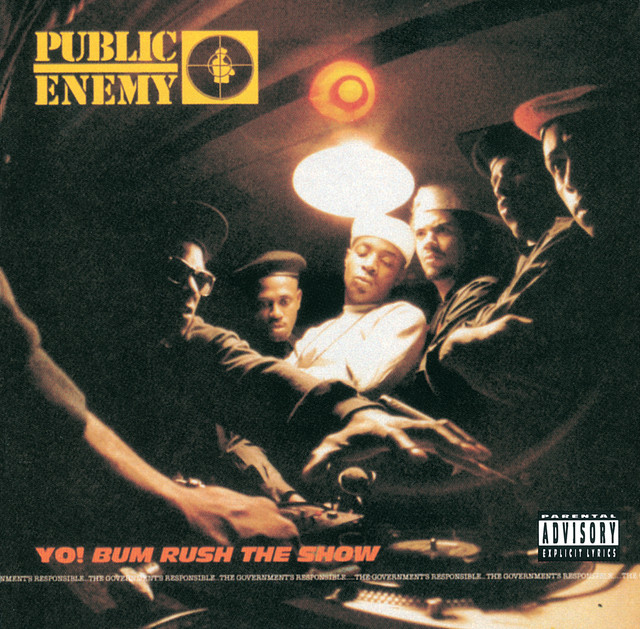
Yo! Bum Rush The Show
1987
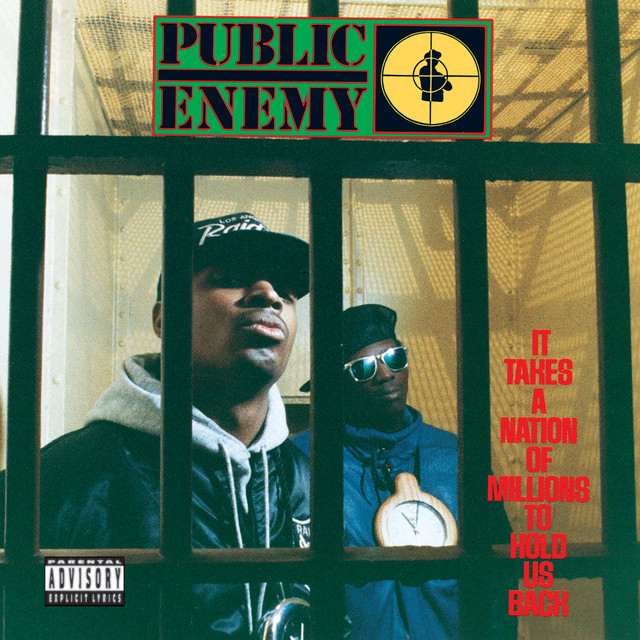
It Takes A Nation Of Millions To Hold Us Back
1988
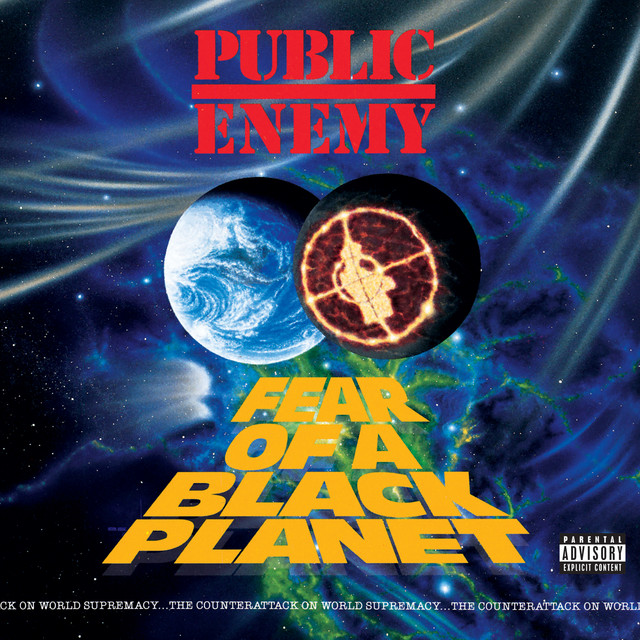
Fear Of A Black Planet
1990
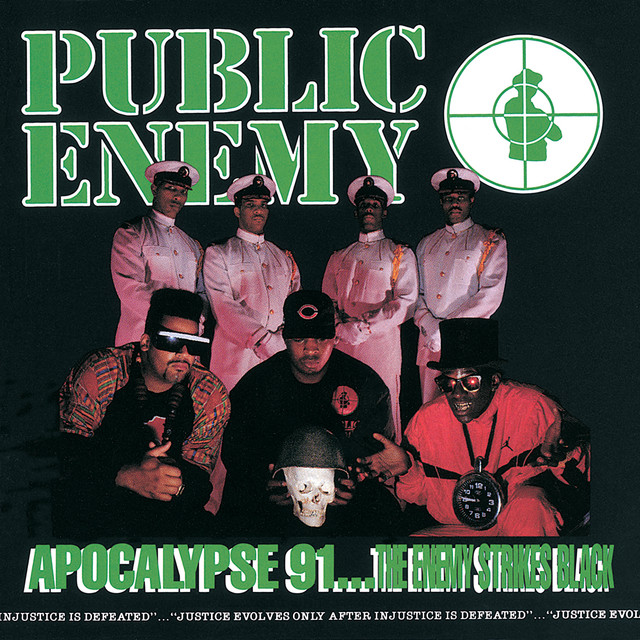
Apocalypse 91… The Enemy Strikes Black
1991
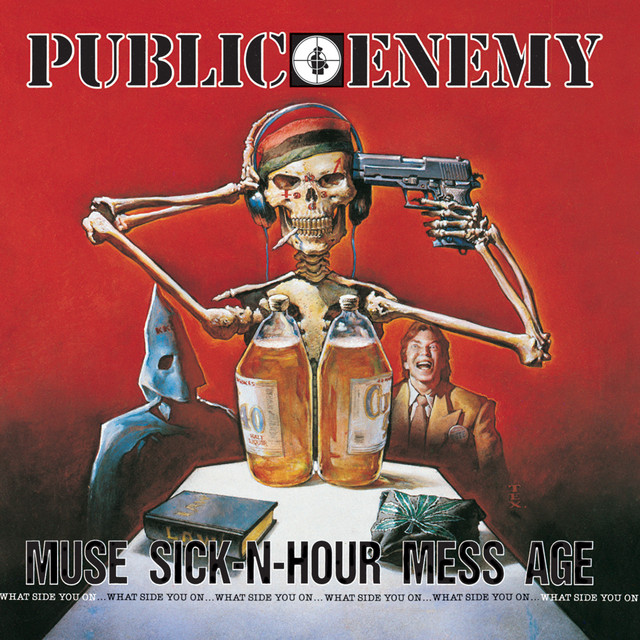
Muse Sick-N-Hour Mess Age
1994
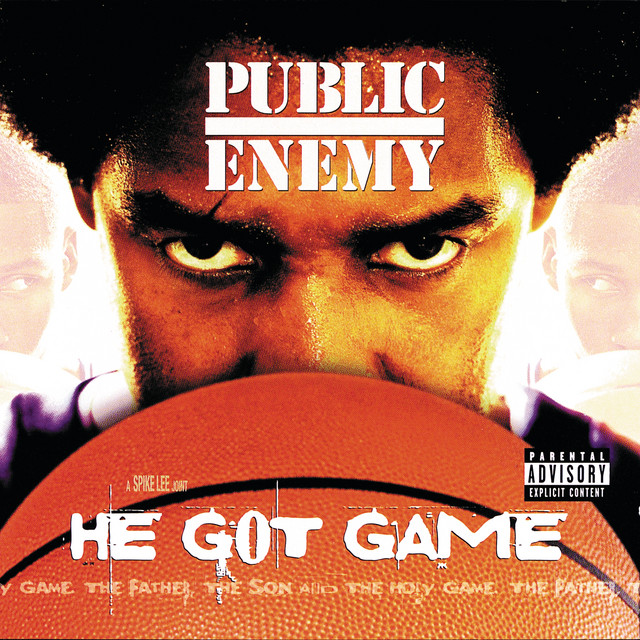
He Got Game (Original Motion Picture Soundtrack)
1998
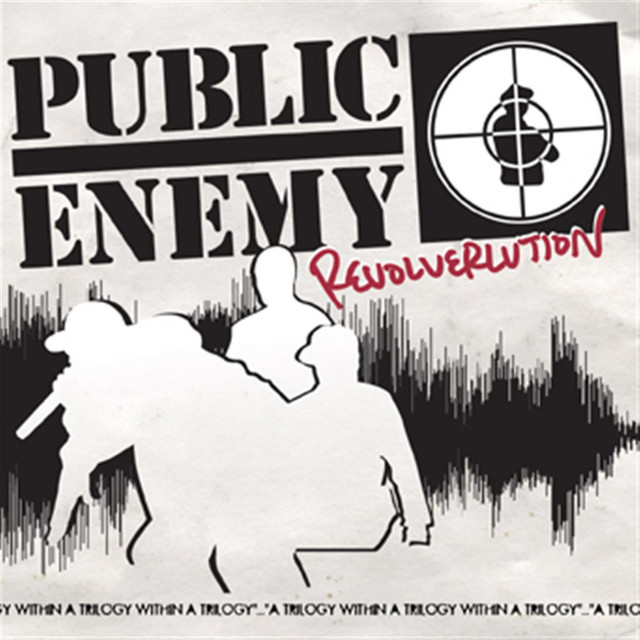
Revolverlution
2002
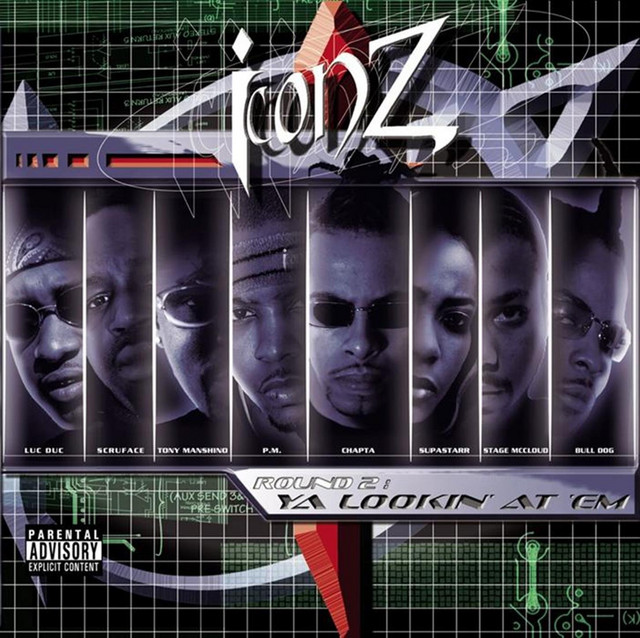
Ya Lookin' At 'em
2003
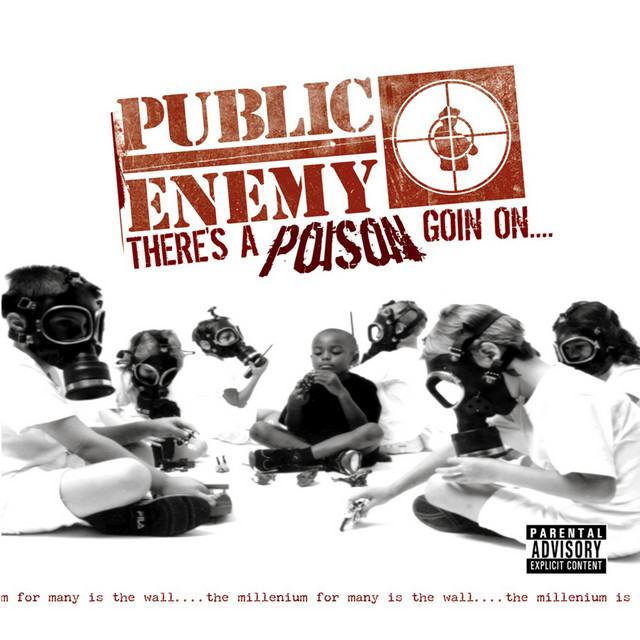
There's A Poison Goin' On
2004
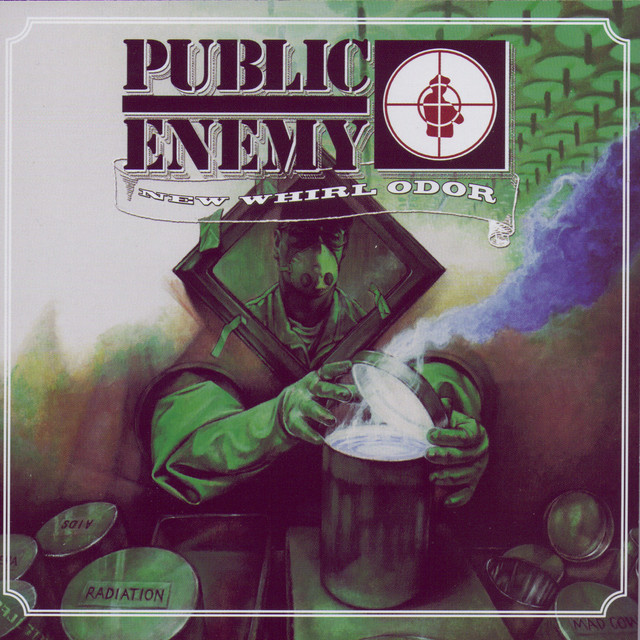
New Whirl Odor
2005
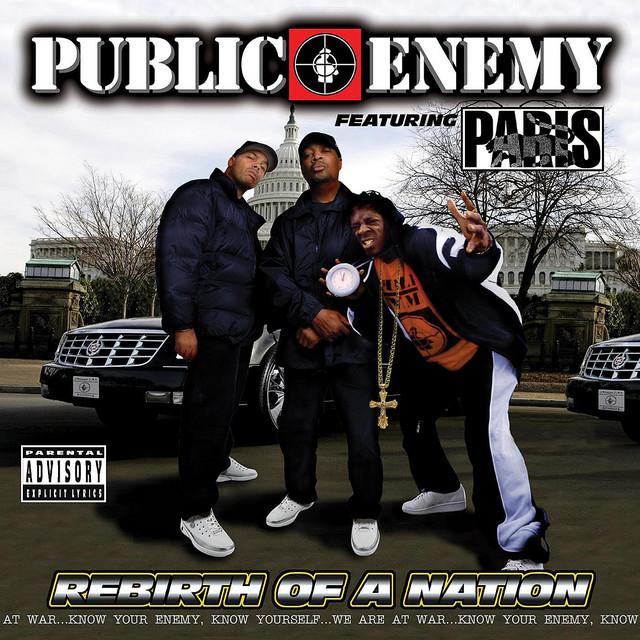
Rebirth Of A Nation
2006
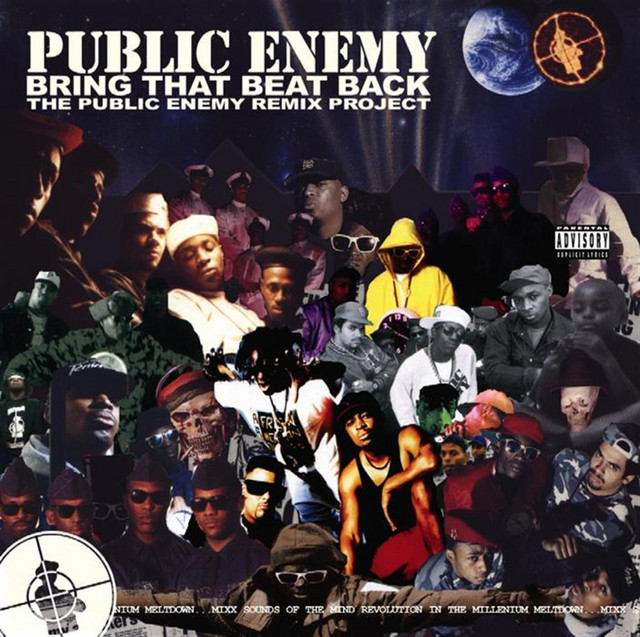
Bring That Beat Back
2006